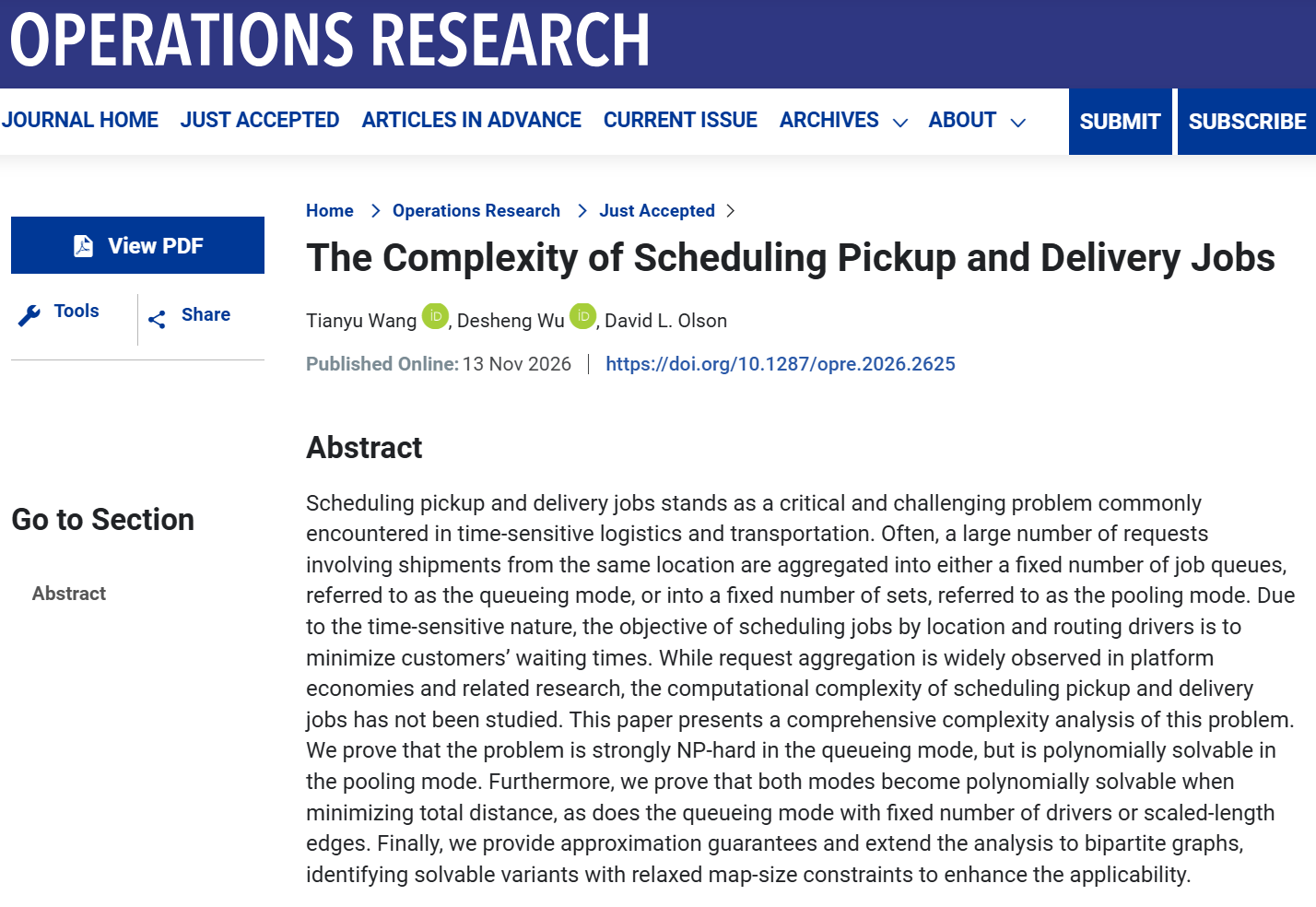
Wang Tianyu, an associate professor at Beihang University's School of Economics and Management, is the first author of "The Complexity of Scheduling Pickup and Delivery Jobs," recently published online in Operations Research, a leading international journal in operations research and management science. His co-authors are Professor Wu Desheng of the School of Economics and Management at the University of Chinese Academy of Sciences and Professor David L. Olson of the University of Nebraska–Lincoln (DOI: 10.1287/opre.2026.2625).
Ride-sharing, food delivery and local courier platforms often receive many requests from the same pickup location. To keep customers' waiting times short, a platform must decide both where drivers should go and which request they should serve next at each stop. Some services handle requests in the order they arrive or according to priority rules. Others let drivers choose among pending requests. These rules tie route planning to the timing and sequence of pickups.
The authors compare two ways to schedule jobs when all requests are known in advance and the number of service locations is fixed. In the queueing model, jobs at each location must be served in a prescribed order. In the pooling model, they can be served in any order. Minimizing total waiting time is strongly NP-hard under queueing but solvable in polynomial time under pooling. When the goal is to minimize total travel distance, both models admit polynomial-time solutions. The authors develop dynamic programming methods and approximation algorithms with performance guarantees. They also identify tractable cases involving a fixed number of drivers or particular scales of road segment lengths, and extend the analysis to a fixed number of pickup locations and a growing number of destinations. They show that always choosing the nearest job at the front of a queue can yield a suboptimal schedule.
By establishing when groups of pickup and delivery requests can be scheduled efficiently, the study advances the theory of vehicle routing and job scheduling. Its findings can help platforms identify what makes a scheduling problem difficult, assess their service rules and choose suitable algorithms. They also offer a theoretical basis for deploying drivers and improving service efficiency in shared transportation and on-demand delivery.
Operations Research is a leading international journal in operations research and management science. Founded in 1952, it is one of two flagship journals of the Institute for Operations Research and the Management Sciences (INFORMS), alongside Management Science. It appears on the UTD Top 24 and Financial Times Top 50 journal lists, holds a 4* rating in the UK Chartered Association of Business Schools' Academic Journal Guide, and has a Class A rating in China's FMS journal ranking. It is indexed in both the Science Citation Index Expanded and the Social Sciences Citation Index. The journal publishes mathematically rigorous work that uses new models and analytical methods to tackle complex operational and managerial decisions, advancing both the theory and practice of operations research.
Source: School of Economics and Management
Editor: Wang Tianyu


 Beihang NewsParty Secretary Wang Yunpeng visits Guangzhou to deepen university-local cooperationMore
 Beihang NewsProfessor Zhang Lin receives SCS Lifetime Achievement AwardMore
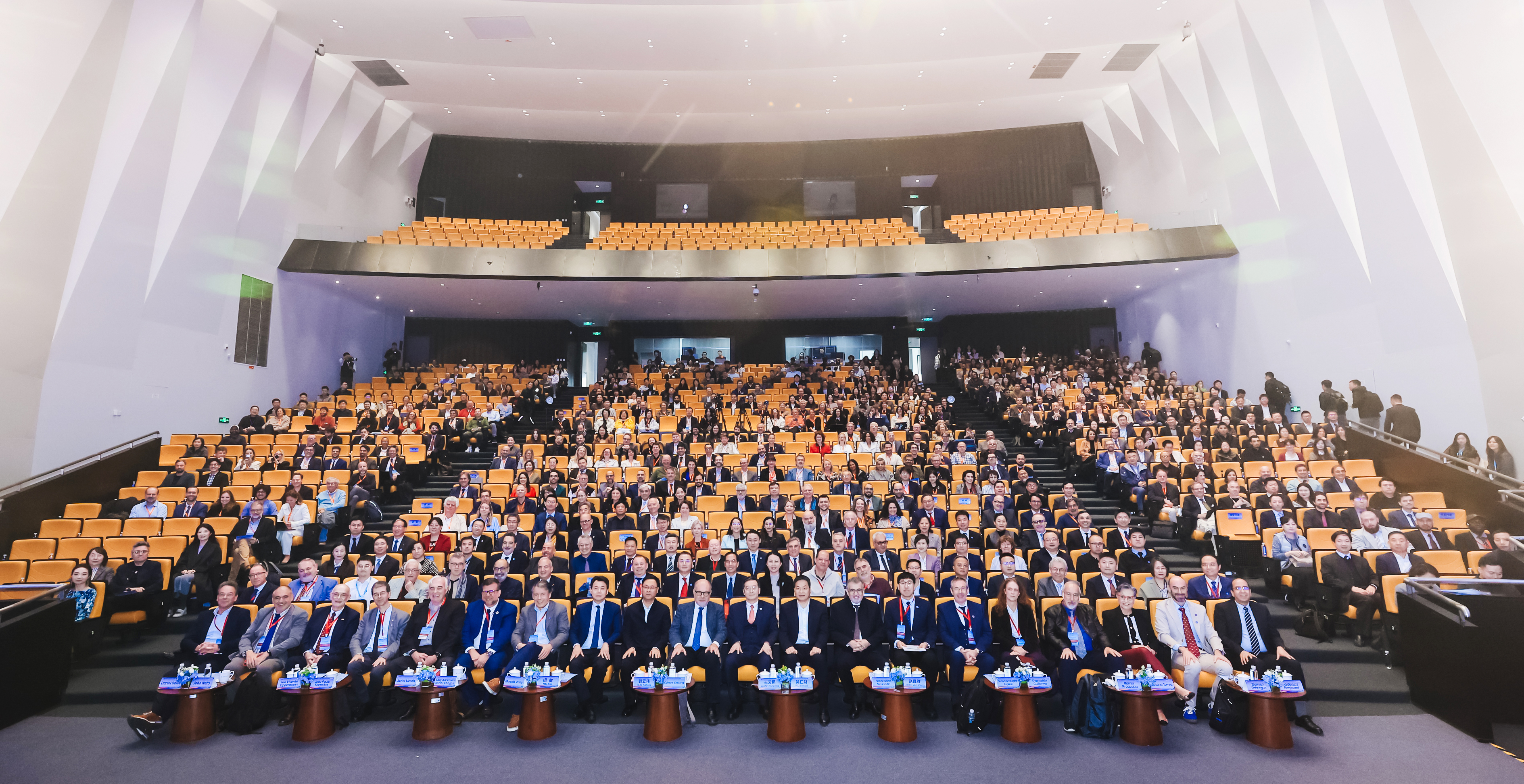 Beihang NewsBeihang University hosts University Partners Summit 2026More
 Beihang NewsBeihang's International Student Wushu Team shines at Beijing International Wushu ChampionshipsMore
 Beihang NewsAnimated film Nobody directed by Beihang Professor Yu Shui wins Golden Rooster AwardMore
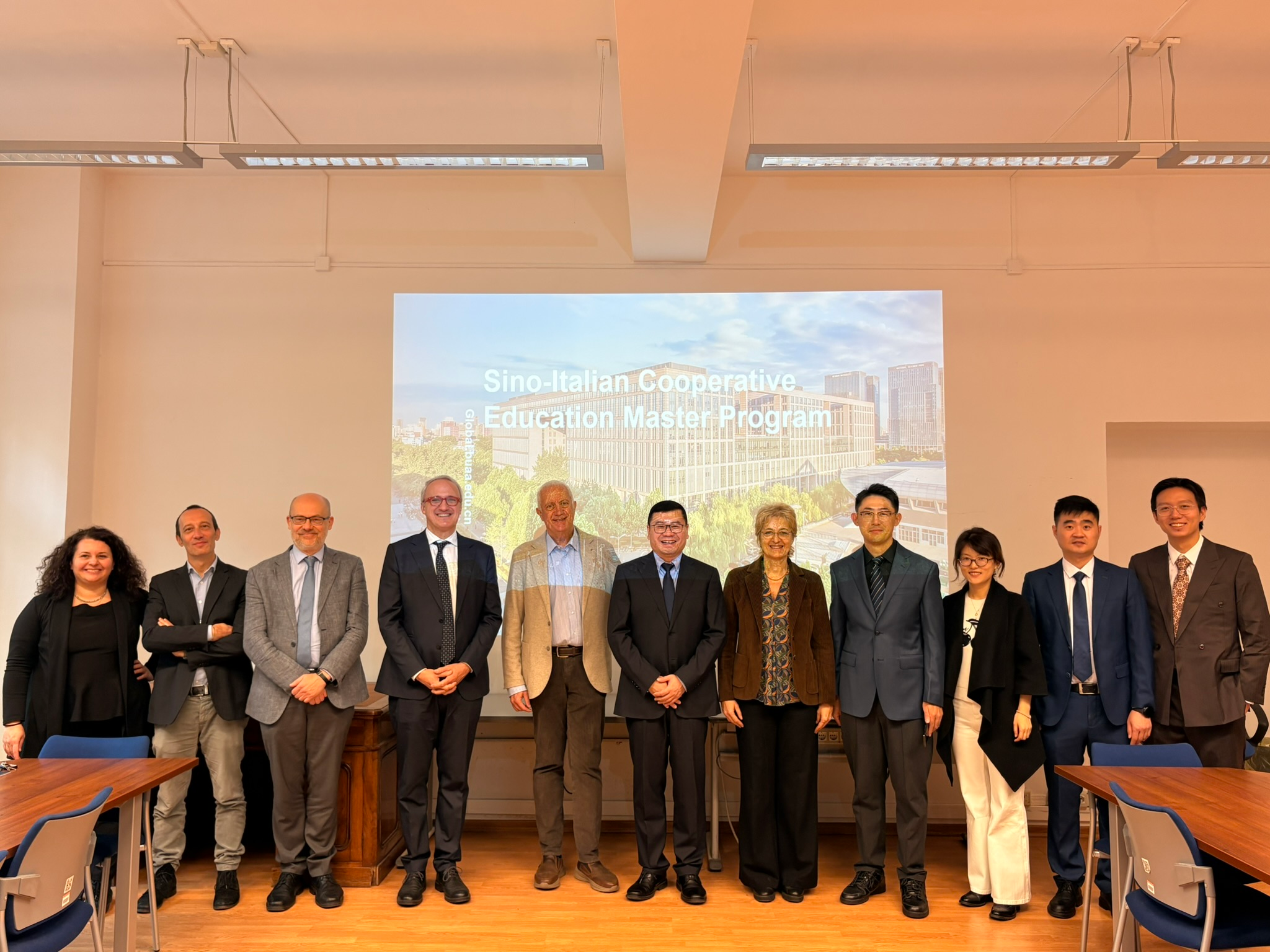 Beihang NewsBeihang delegation visits Politecnico di Torino to advance cooperationMore