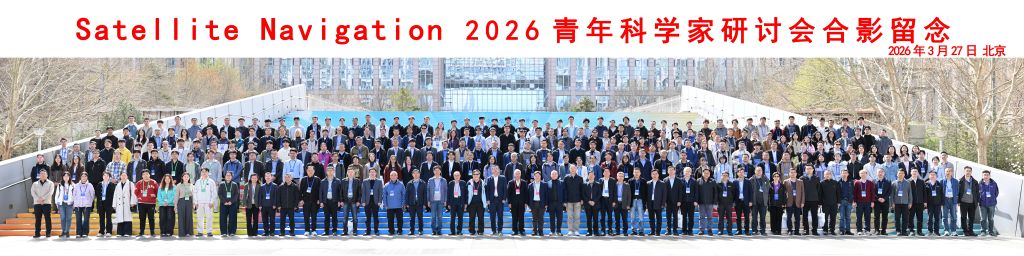
From March 27 to 28, the "Satellite Navigation 2026 Young Scientist Symposium" was held at the Conference Center of Beihang University. The symposium was hosted by the journal Satellite Navigation, organized by Beihang University, the State Key Laboratory of Spatial Datum, and the Resilient PNT and Intelligent Services Professional Committee of the GNSS and LBS Association of China (GLAC), and supported by ComNav Technology Ltd.
The symposium was attended by renowned experts and scholars, including Academician Yang Yuanxi, Editor-in-Chief of Satellite Navigation and Chief Designer of the National Comprehensive PNT Project; Academician Wu Yirong, Aerospace Information Research Institute, Chinese Academy of Sciences (CAS); Academician Wang Chi, National Space Science Center, CAS; Academician Shi Chuang, Executive Editor-in-Chief of Satellite Navigation, Beihang University; Academician Jiang Weiping, Wuhan University; and Academician Deng Zhongliang, Beijing University of Posts and Telecommunications.
This event brought together over 410 young scholars from 97 universities and research institutes to focus on cutting-edge technologies and innovative directions in navigation, positioning, and timing (PNT). Through in-depth discussions, the symposium sparked intellectual exchanges and demonstrated the vibrant vitality of innovative development.
The opening ceremony was presided over by Shi Chuang. In his address, Yang Yuanxi noted that while the PNT field has achieved remarkable success, there are still shortcomings. He emphasized that the key to future breakthroughs lies in young scholars. He defined young scholars as "the new force in PNT discipline development, the main force in PNT scientific practice and application, and the reserve force in the national comprehensive PNT system construction," expressing high hopes for the younger generation. He sincerely stated his willingness to dedicate himself to the development of PNT disciplines and the cultivation of young talent, embodying the dedication of senior scientists to supporting and mentoring young researchers. "We are willing to cheer for the steady growth of young people, stand behind them, and lead the way forward. We would rather be tree planters than fruit pickers," Yang Yuanxi said.
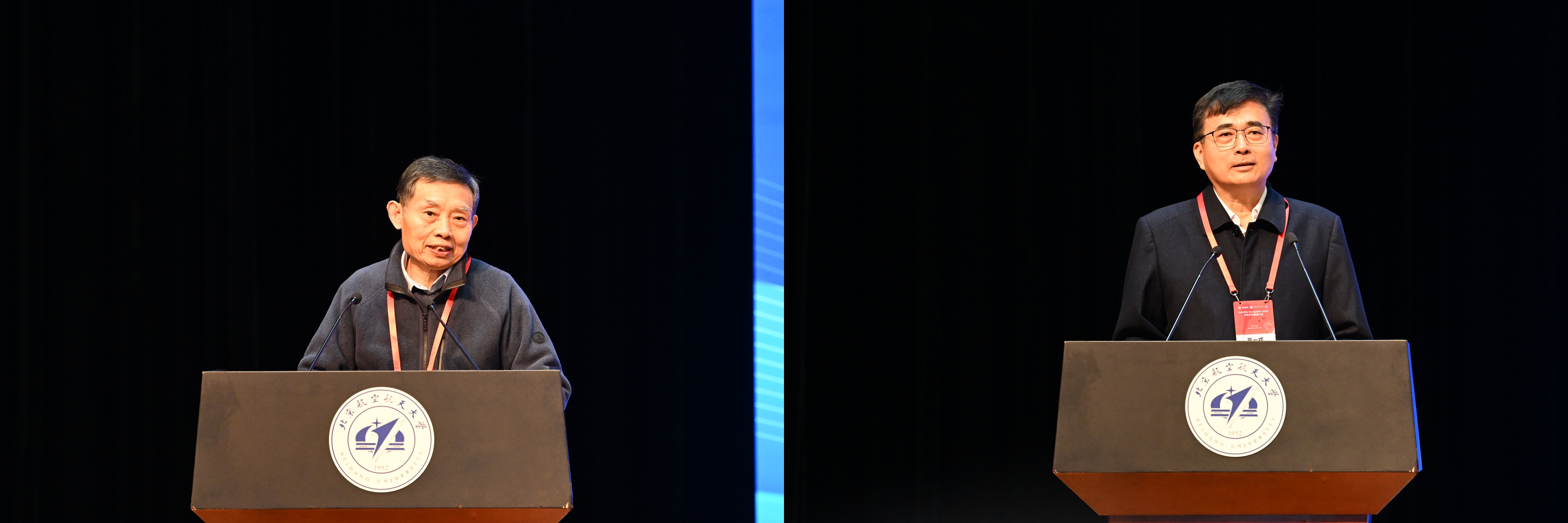
In his address, Wu Yirong thanked the editorial team led by Academician Yang Yuanxi for their tremendous contributions to the founding and high-level development of the journal. He emphasized that the journal serves as an important platform for academic exchange, and as the sponsor of Satellite Navigation, the Aerospace Information Research Institute of the CAS will fully support its development. He encouraged young scientific and technological talent to bravely shoulder their responsibilities and write new chapters at the forefront of theory and the frontlines of industry.
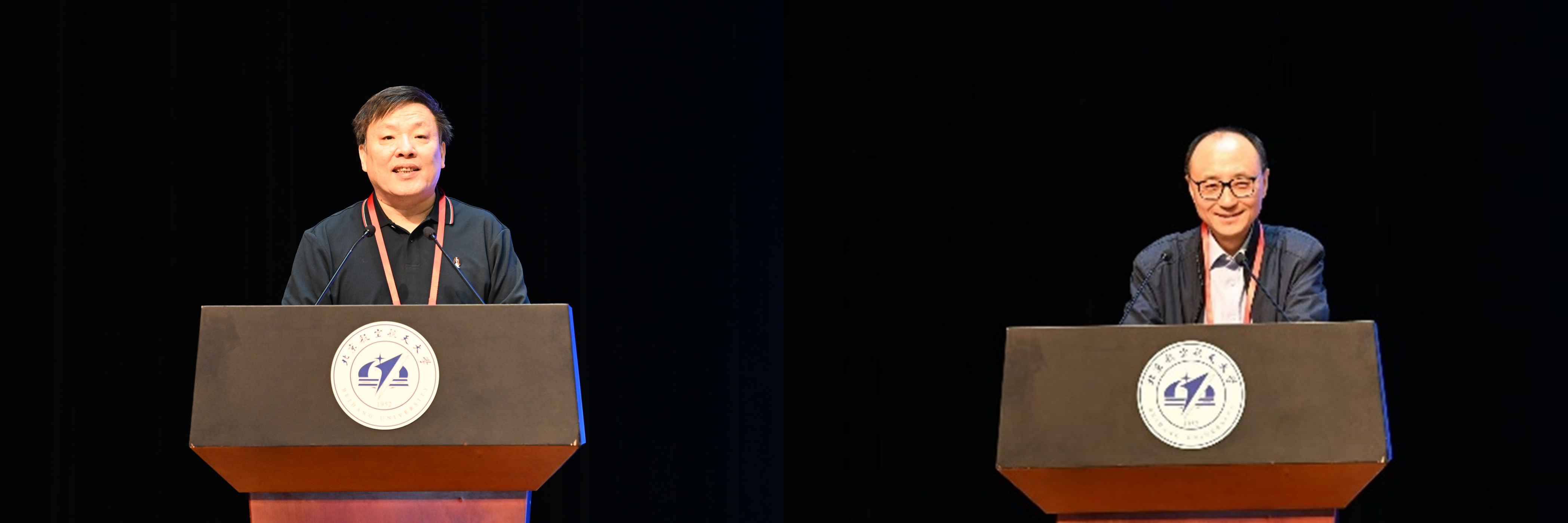
Academician Cao Jinbin of Beihang University stated in his speech that satellite navigation technology carries national strategic missions. As the first aerospace university in New China, the School of Space and Earth Sciences at Beihang University has established a new academic direction in Navigation and Spatiotemporal Science. He encouraged young scholars to tackle key technologies with the spirit of "daring to be the first" and to delve deeply into basic research with the perseverance of "willing to sit on a cold bench for ten years," thereby further empowering the global application of Beidou technology.
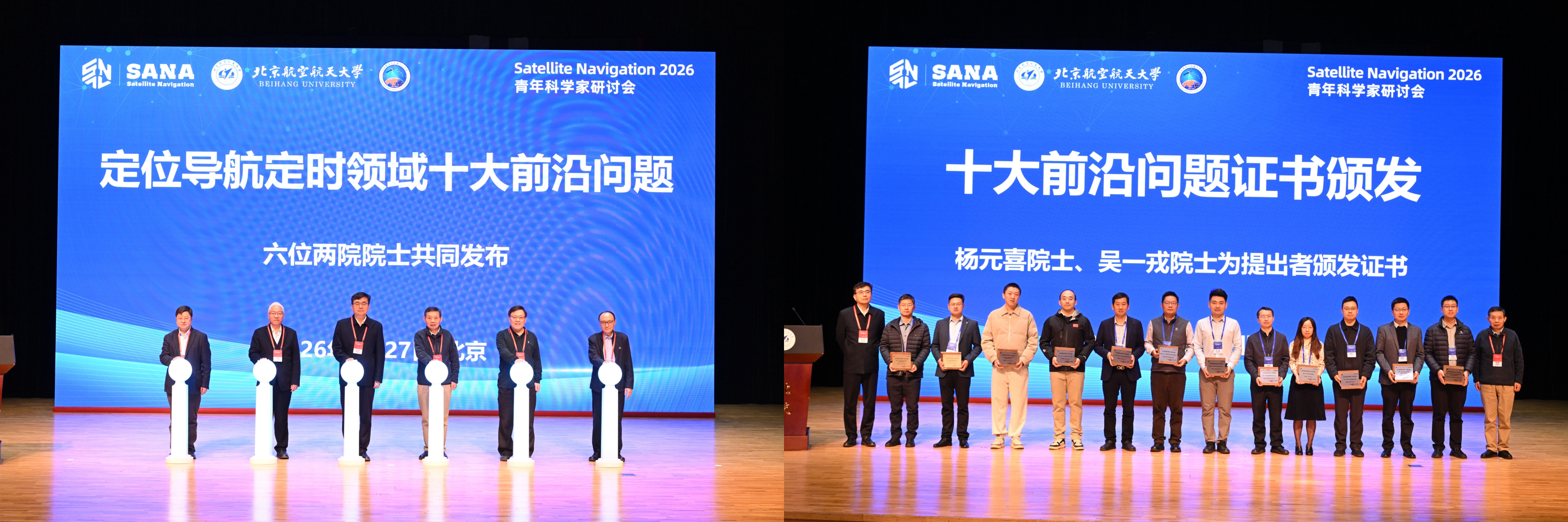
Witnessed by six academicians of the CAS and the Chinese Academy of Engineering, the symposium officially released the "Top 10 Frontier Questions in PNT." This initiative aims to provide new ideas, open new tracks, and embark on a new journey for scientific and engineering research in the PNT field, encouraging researchers to break through traditional thinking and promote the deep integration of satellite navigation with emerging technologies such as artificial intelligence and quantum sensing, accelerating the transition toward the future navigation and intelligent navigation era. The ten frontier questions focus on core themes such as spatiotemporal intelligence, quantum technology, and information communication, covering key application scenarios including embodied intelligence, unmanned systems, intelligent transportation, deep space exploration, and commercial space. Following the release ceremony, Yang Yuanxi and Wu Yirong presented certificates to the representatives who proposed the ten frontier questions.
The symposium featured keynote speeches by Academician Guo Lei, Academician Deng Zhongliang, Researcher Huang Xueren (Innovation Academy for Precision Measurement Science and Technology, CAS), and Researcher Huang Chengli (Shanghai Astronomical Observatory, CAS).The four experts shared important academic achievements and strategic development directions in PNT-related fields, offering multi-dimensional academic insights.
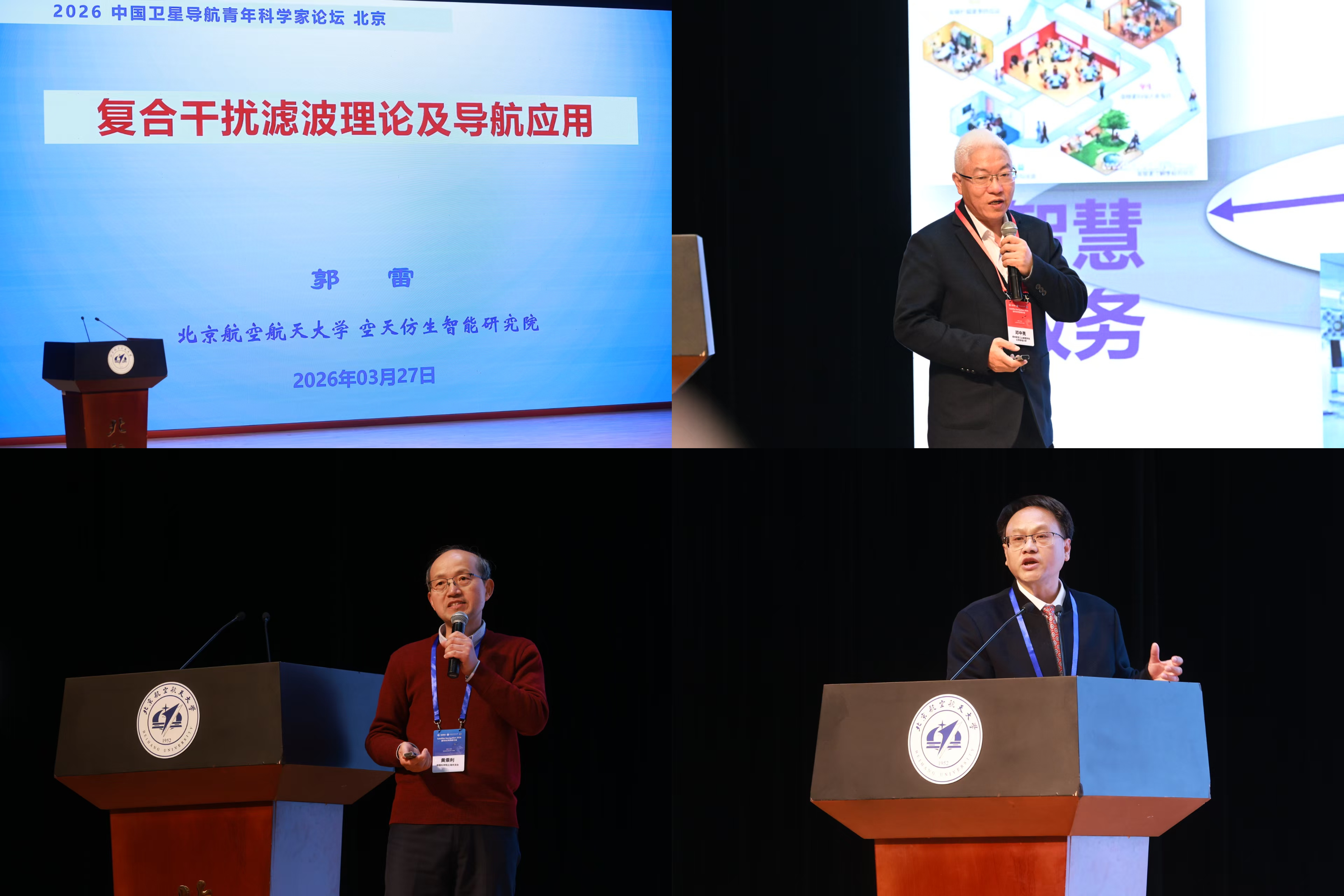
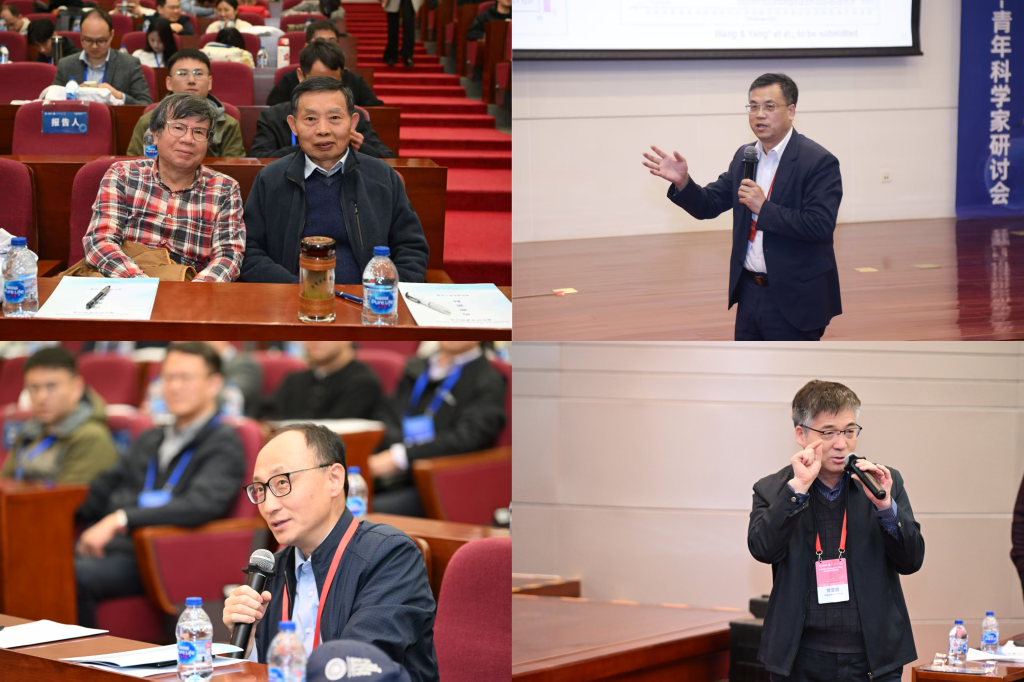
Four thematic sub-forums were held during the symposium, including "Resilient PNT and Intelligent Services," "Geodesy and Spatiotemporal Reference," "Space Environment Detection and Applications," and "Emerging Spatiotemporal Technologies and Intelligent Navigation." Young scholars engaged in in-depth exchanges on cutting-edge topics, presenting 32 oral reports and 32 poster presentations.
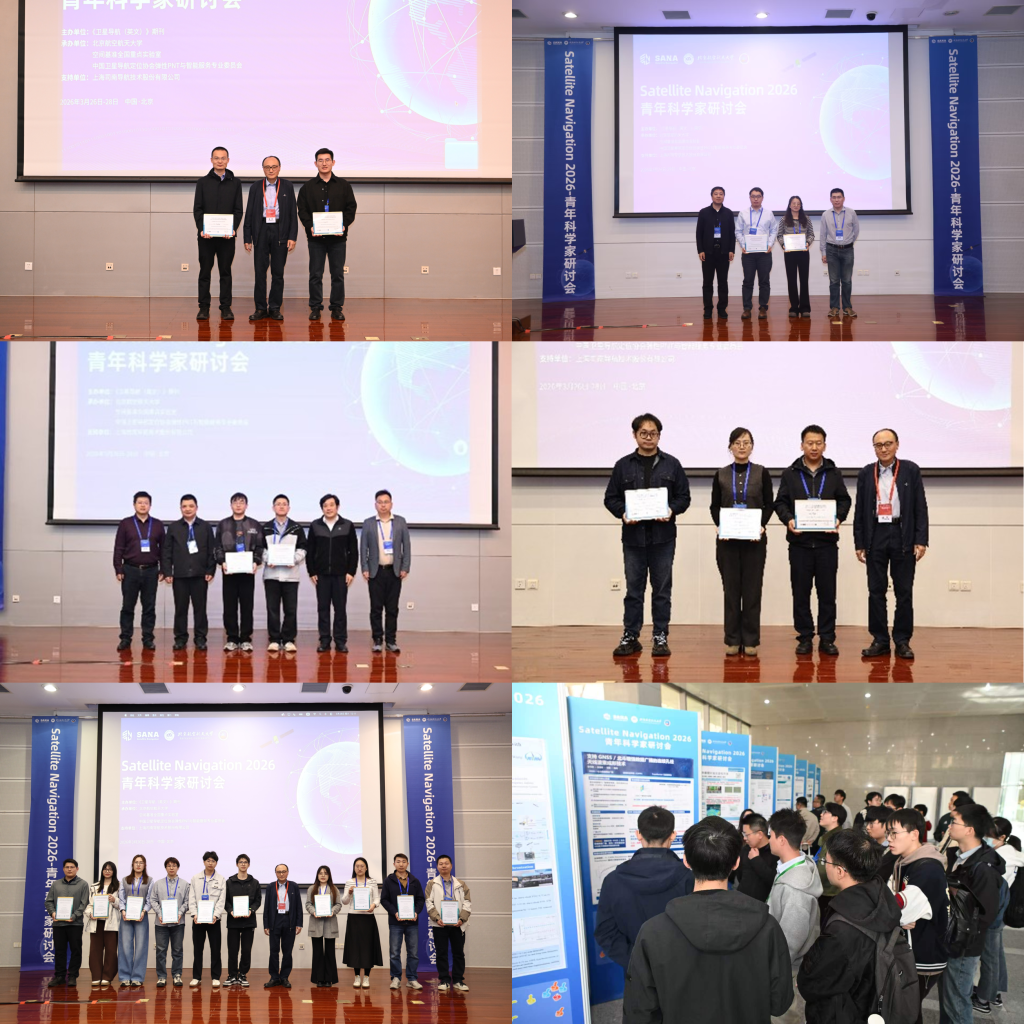
After expert review, nine Outstanding Young Scholar Oral Presentations and ten Outstanding Poster Presentations were selected, highlighting the innovative vitality and solid academic foundation of young researchers.
The symposium also invited Yang Junzhi, Senior Editor of the Chinese Academy of Surveying and Mapping, and Dr. Wang Jiale, author of an outstanding paper in Satellite Navigation, to deliver special reports respectively on "English Scientific Paper Writing Standards and Case Studies" and "Experience Sharing on Writing and Submitting Papers in Satellite Navigation," followed by in-depth discussions with young scholars.
Focusing on young scientists as the main participants, the symposium highlighted frontier directions in the PNT field and established a high-level academic exchange platform. From academician messages to frontier question releases, and from keynote speeches to sub-forum discussions, intellectual sparks were exchanged, and innovative consensus was strengthened through dialogue.
Young scholars in attendance expressed that they would take this symposium as an opportunity to embrace the mission of serving the nation through science and technology, delve deeply into the satellite navigation field, and contribute their youthful energy to the high-quality development of China's PNT cause.
Editor: Liu Tingting


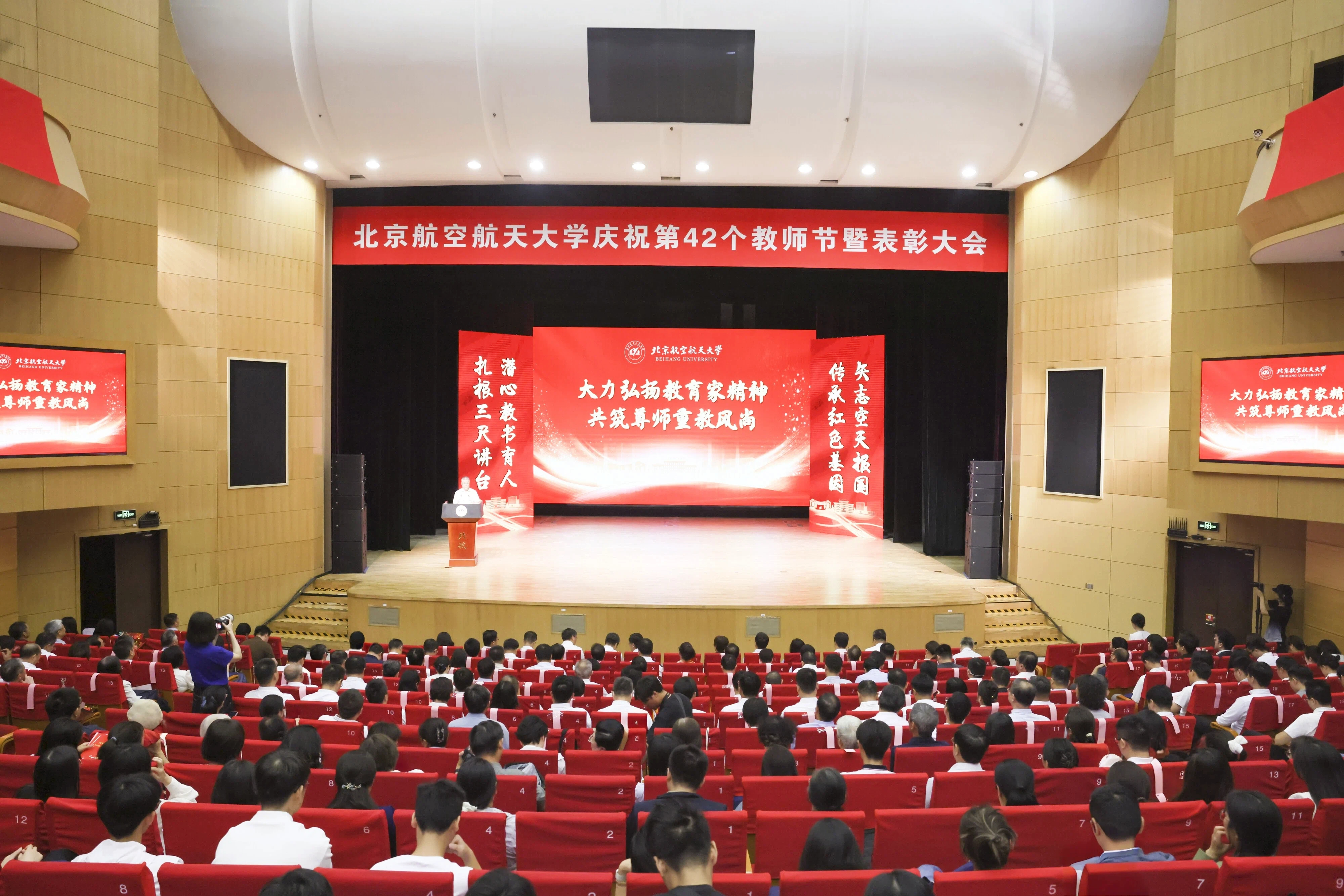 Beihang NewsBeihang celebrates 42nd Teachers' DayMore
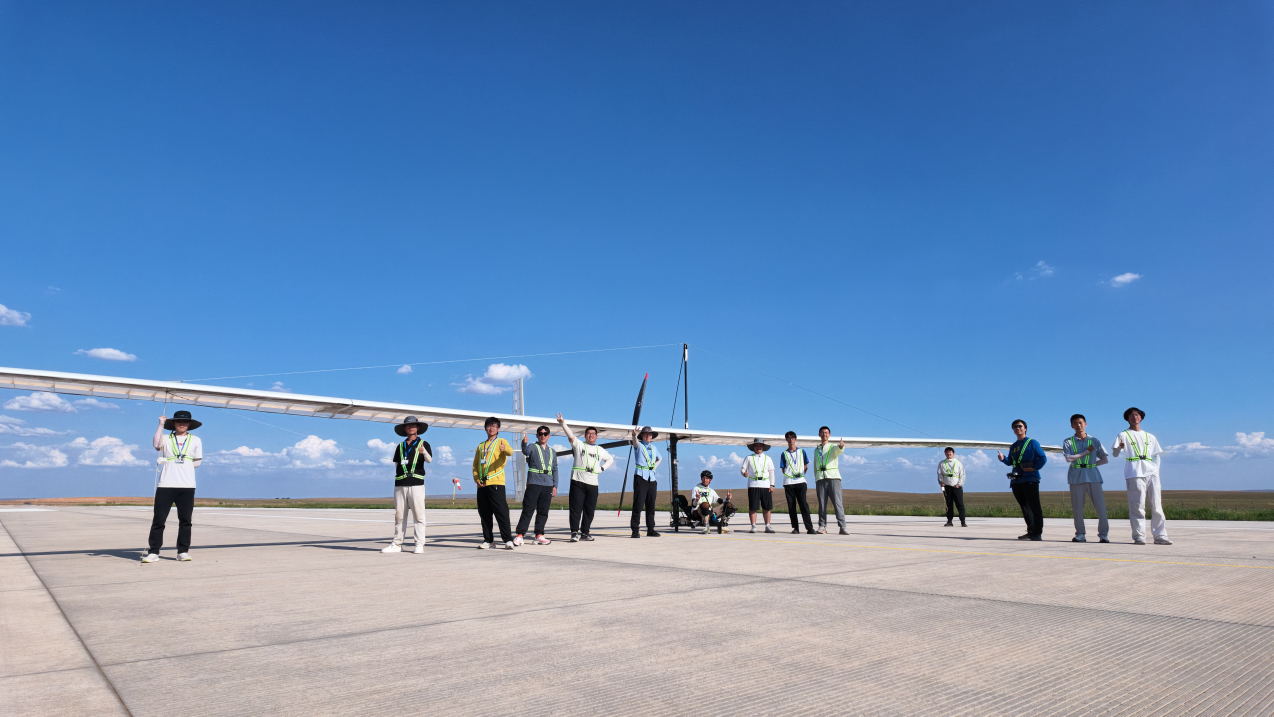 Beihang NewsBeihang's first student-designed human-powered aircraft completes test flightMore
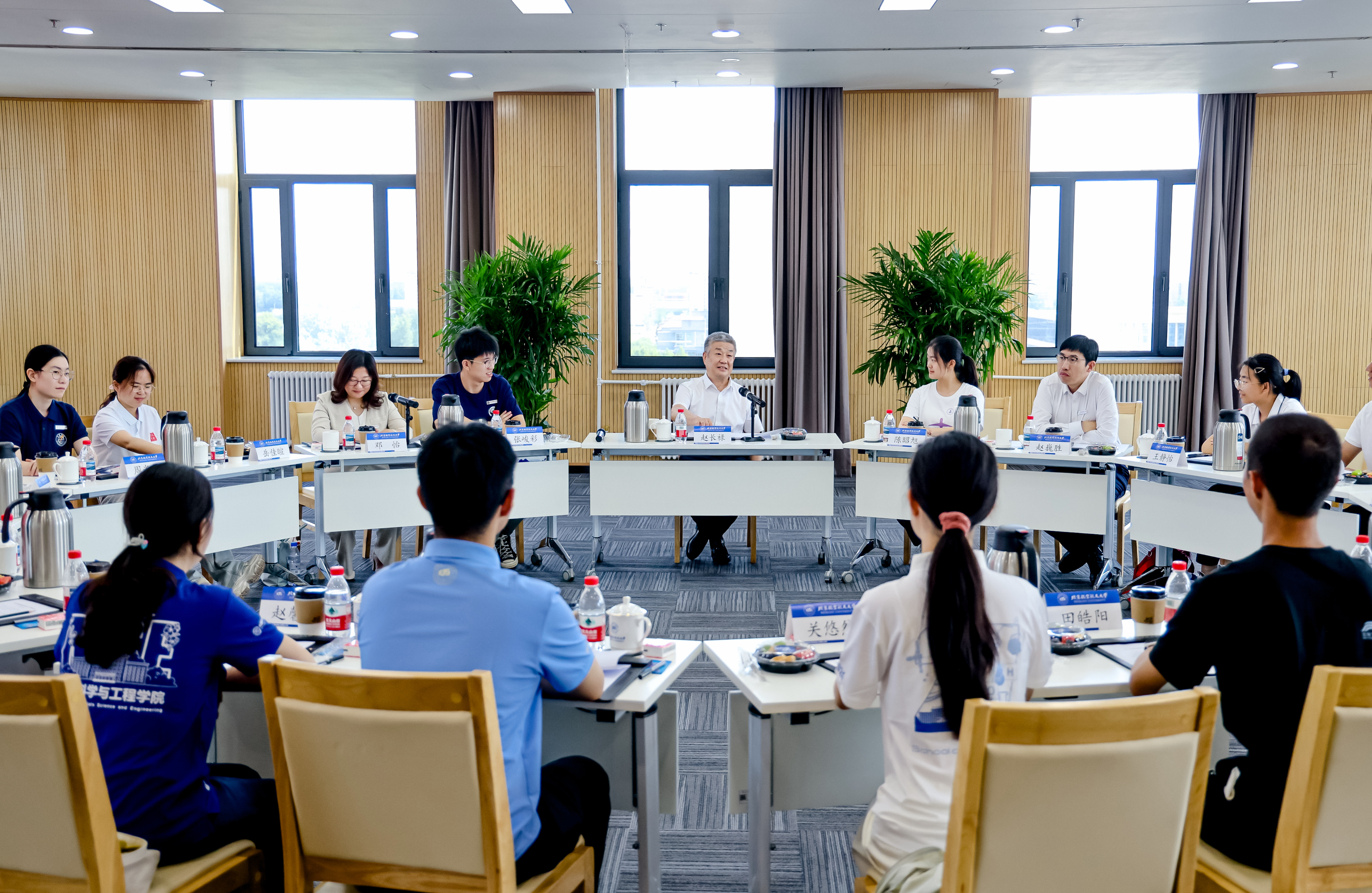 Beihang NewsBeihang leaders engage in dialogue with new undergraduate and graduate student representativesMore
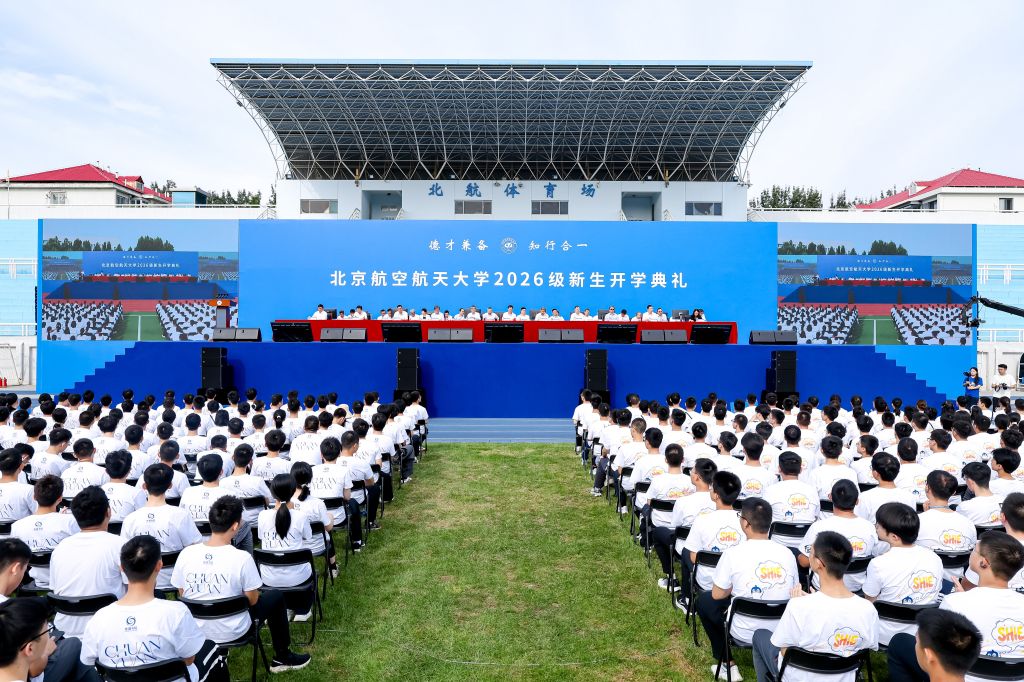 Beihang NewsBeihang University holds 2026 opening convocation to welcome new studentsMore
 Beihang NewsBeihang University welcomes 9,022 new graduate studentsMore
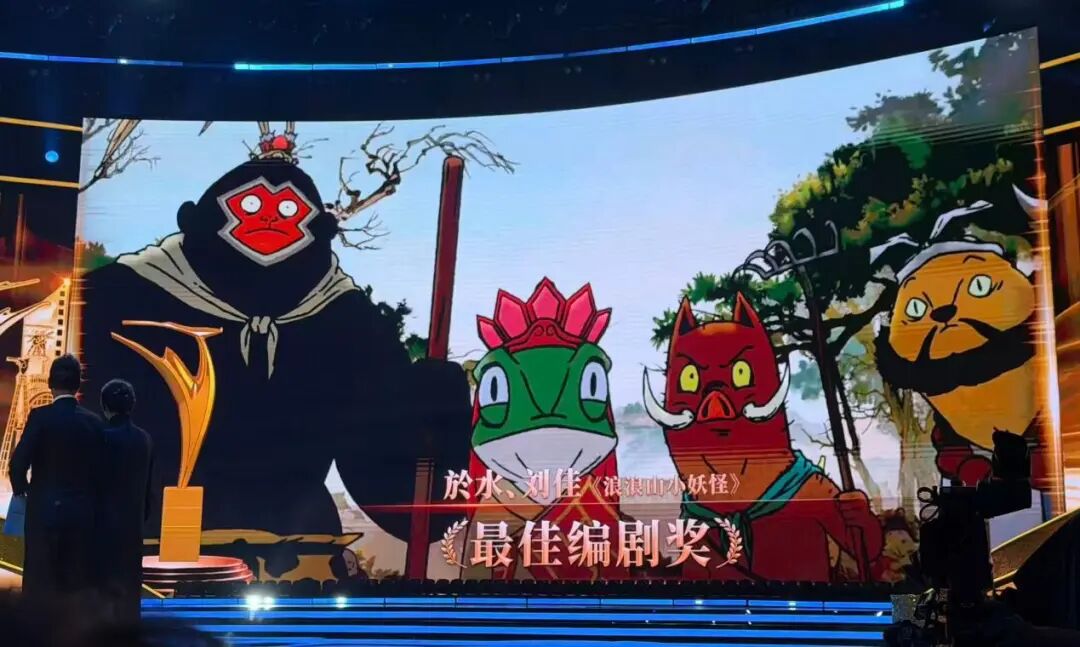 Beihang NewsProfessor Yu Shui wins Best Screenplay Award at 21st Changchun Film FestivalMore