Recently, the research team led by Prof. Chen Zhitong and Prof. Fang Zhenglong from the School of Mechanical Engineering and Automation (SMEA) at Beihang University has made significant progress in the structural optimization of hollow gas turbine engine blade. In February 2026, the related research paper titled "Cooling-rate-oriented structural optimization process for hollowed gas turbine engine blade via computational fluid dynamic analysis" was published in Results in Engineering, an internationally renowned academic journal in the engineering field.
Prof. Fang Zhenglong and postdoctoral fellow Chen Shuai are the corresponding authors, Dr. Wang Ziming is the first author, and Beihang University is the primary affiliation.
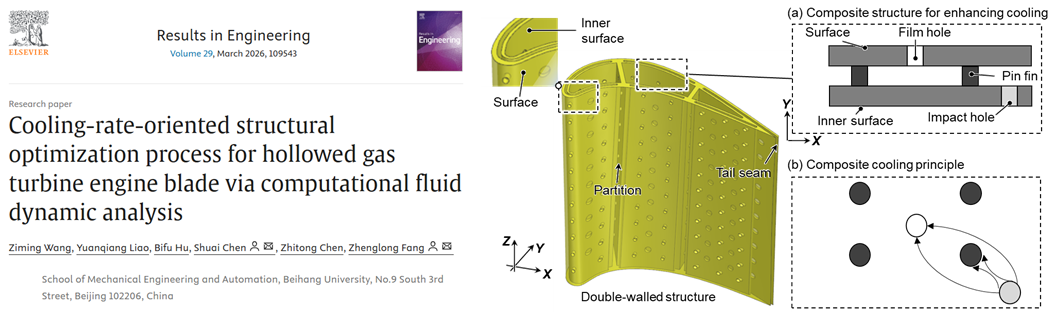
As the core power equipment of aviation, gas turbine engine blades operate under prolonged exposure to high-temperature gas. With the continuous increase in turbine inlet temperature, blade cooling structures have become increasingly complex. Balancing enhanced cooling capability with structural strength and manufacturability has become a critical technical challenge limiting performance improvement.
To address the balance between design and manufacturing in the structural optimization of gas turbine blade cooling efficiency, this study simultaneously considers the impacts of both design and manufacturing factors on the blade shape and structure. Through sensitivity analysis, the effects of these dual factors on cooling performance and load response are revealed.
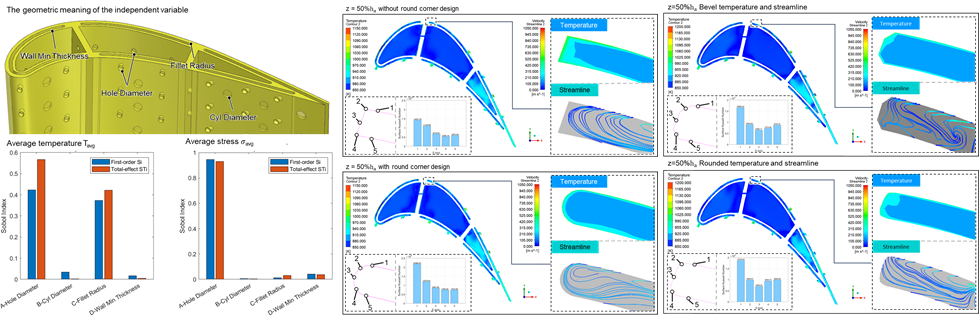
The research team develops an efficient turbine blade modeling program based on parametric modeling, which ensures accurate geometry creation while also supporting the import of parameter files for subsequent structural optimization. Structural design criteria and casting process constraints are first considered, and several key parameters for structural optimization are proposed. Experiments are designed, followed by computational fluid dynamics (CFD) simulations to obtain key result parameters related to the variation in structural stresses induced by the workflow. Response surface methodology (RSM) is then used to fit regression equations, which are subsequently applied in Sobol sensitivity analysis to evaluate the effects of design and manufacturing parameters on blade cooling efficiency. Finally, structural optimization is performed using the NSGA-II algorithm, yielding the Pareto frontier for the key parameters. This workflow provides new insights into the structural optimization of hollow gas turbine engine blades.
SMEA's research group for the advanced manufacturing technology of complex surfaces focuses on key industries including aerospace, intelligent robotics, and new energy vehicles. The group has long been committed to long-term research and development of high-performance machining technologies and advanced equipment for core components, accumulating profound theoretical and technical foundations in high-performance machining. In the future, the team will further focus on efficient blade machining and equipment development, continuously advancing innovation and breakthroughs in key component processing technologies.
Link to the article:doi.org/10.1016/j.rineng.2026.109543
Editor: Liu Tingting


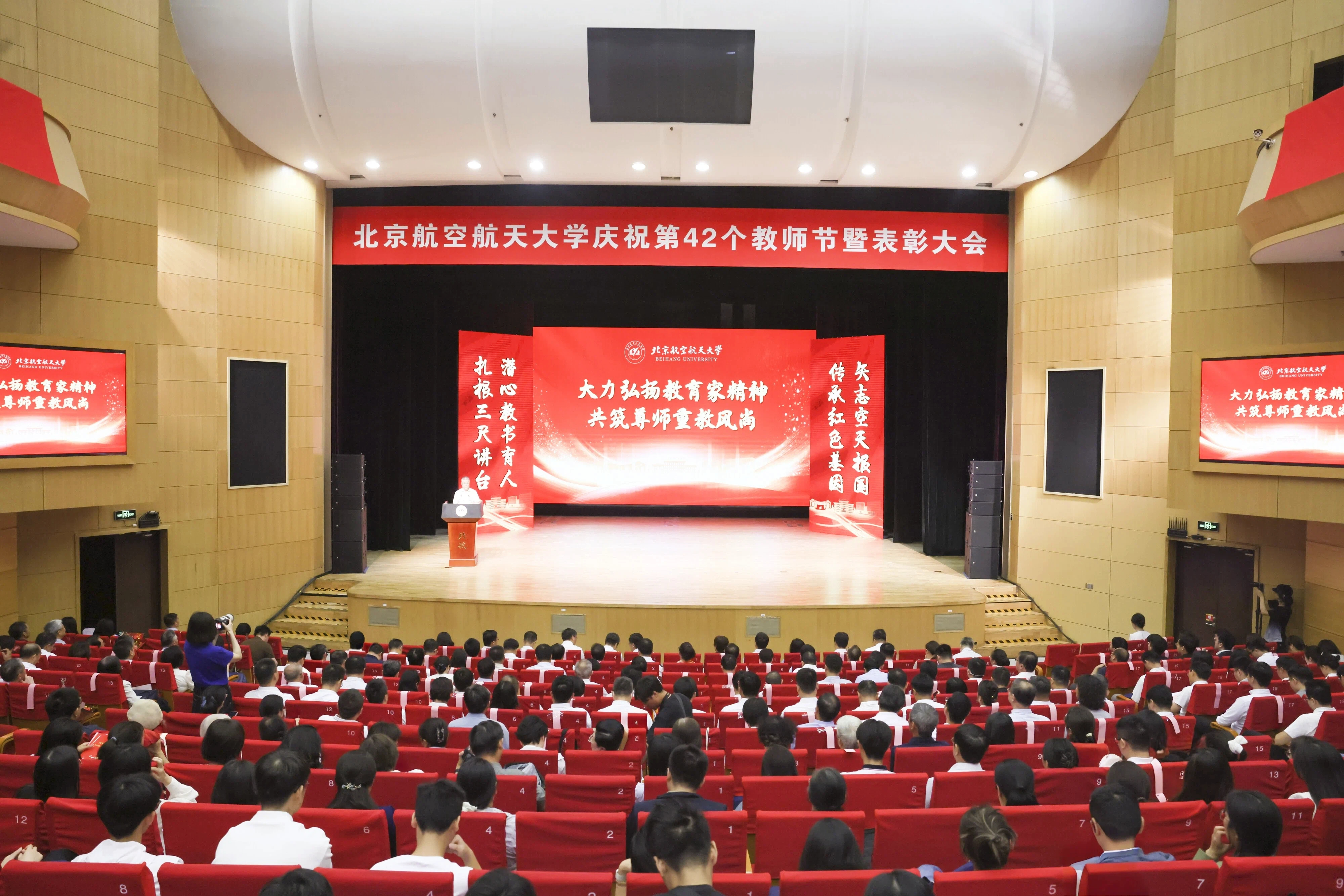 Beihang NewsBeihang celebrates 42nd Teachers' DayMore
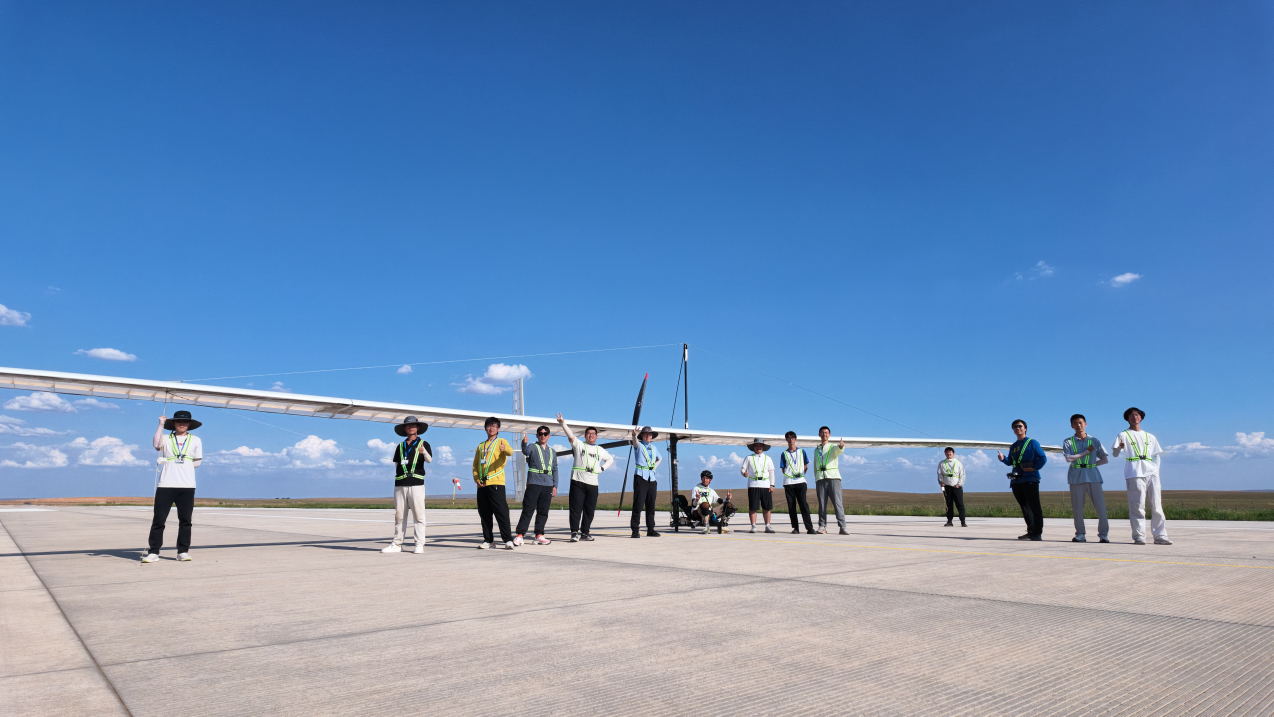 Beihang NewsBeihang's first student-designed human-powered aircraft completes test flightMore
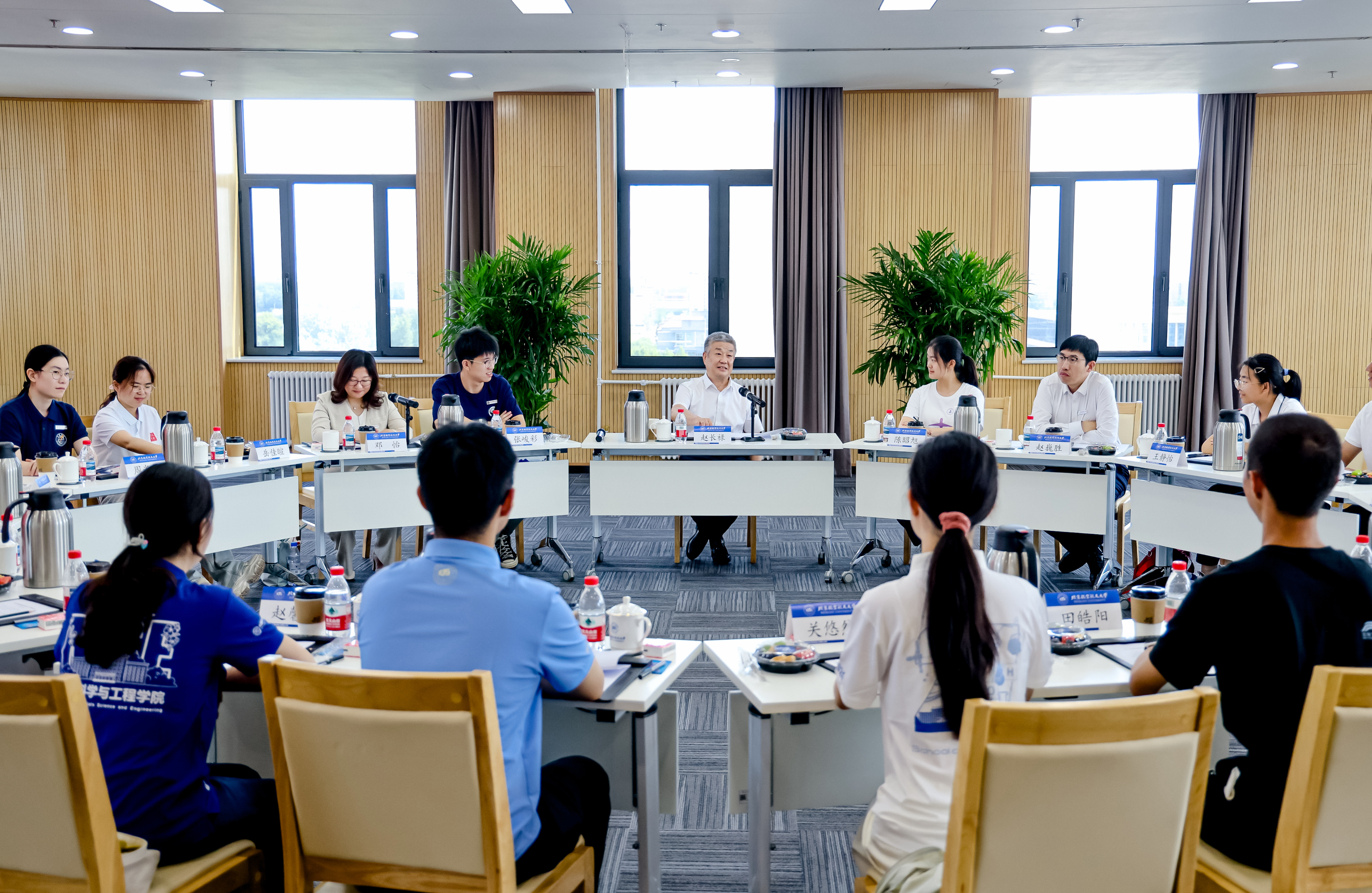 Beihang NewsBeihang leaders engage in dialogue with new undergraduate and graduate student representativesMore
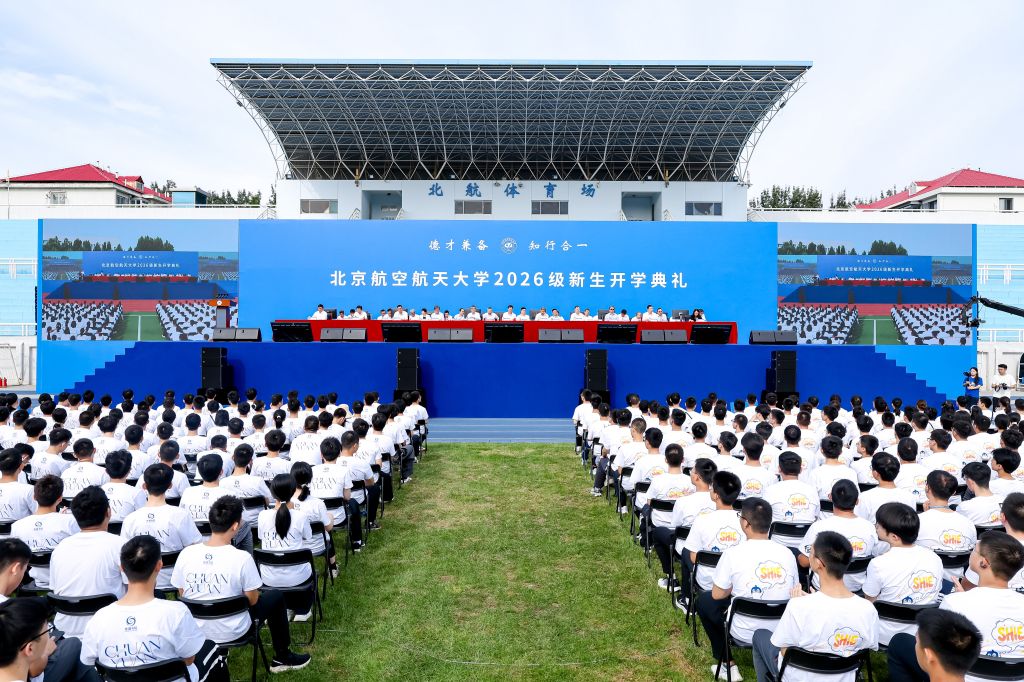 Beihang NewsBeihang University holds 2026 opening convocation to welcome new studentsMore
 Beihang NewsBeihang University welcomes 9,022 new graduate studentsMore
 Beihang NewsProfessor Yu Shui wins Best Screenplay Award at 21st Changchun Film FestivalMore