In the relentless pursuit of faster and more energy-efficient information technologies, a research team led by Professor Du Yi from the School of Physics at Beihang University, in collaboration with multiple institutions, has reported a significant breakthrough in the field of multiferroic materials. Their findings, published in the prestigious journal Nature Materials under the title "Room-temperature two-dimensional multiferroic metal with voltage-controllable magnetic order," demonstrate a novel bilayer material that simultaneously exhibits ferroelectricity and magnetism at room temperature, with strong coupling between the two properties.
Multiferroic materials, which combine ferroelectricity and magnetism, hold transformative potential for next-generation electronics. The ability to write information using an electric field and read it via magnetism—so-called "electrical writing, magnetic reading"—could lead to ultra-low-power memory and computing devices. However, achieving this coexistence in a single material at room temperature has proven extraordinarily challenging. Traditional bulk multiferroics suffer from weak polarization, poor magnetoelectric coupling, and environmental instability, limiting their practical applications.
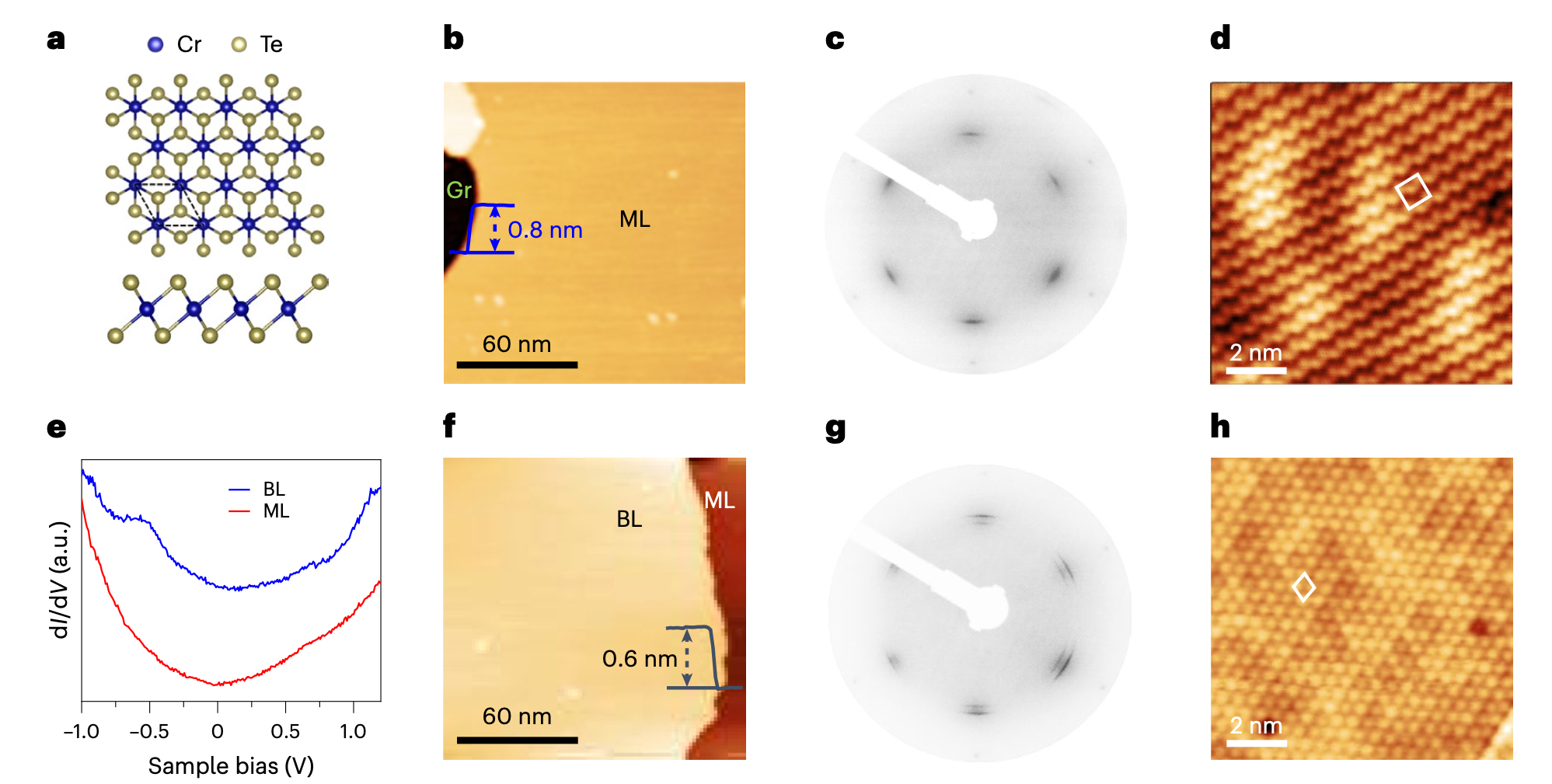
Fig. 1: Atomic-scale structural and electronic characterization of monolayer and bilayer CrTe2
The research team, led by Professor Du, has now overcome these hurdles in a two-dimensional system. They focused on bilayer chromium telluride (CrTe2), a room-temperature-stable two-dimensional multiferroic synthesized via molecular beam epitaxy (MBE). This system demonstrates robust ferromagnetism, switchable out-of-plane (OOP) ferroelectricity and strong magnetoelectric (ME) coupling under ambient conditions.
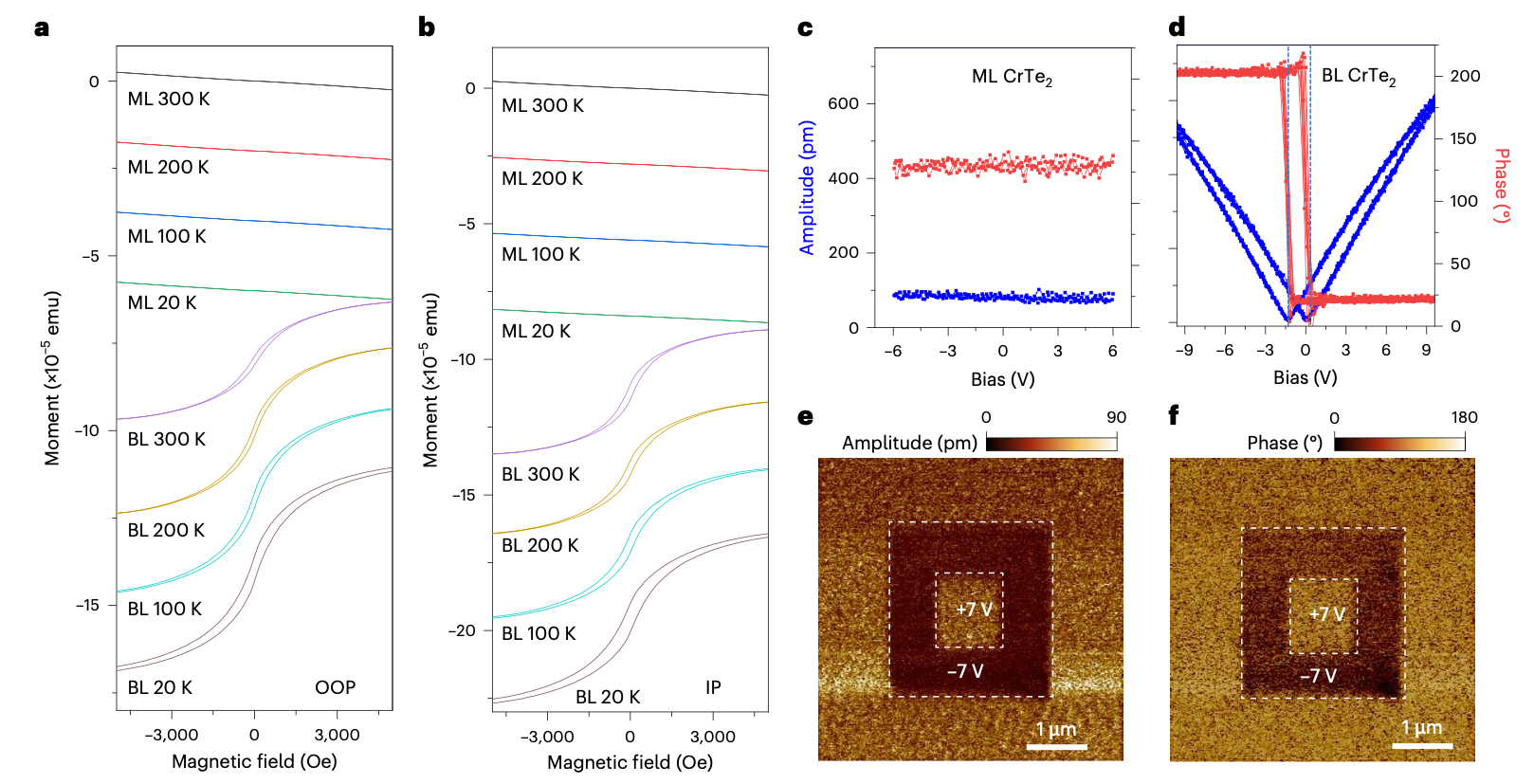
Fig. 2: Room-temperature multiferroicity of bilayer CrTe2
The team then demonstrated the long-sought "electrical writing, magnetic reading" functionality. By applying a voltage, they patterned ferroelectric domains into the material. Subsequent magnetic force microscopy (MFM) imaging of the same region revealed that the electric field had directly reconfigured the magnetic domain structure, providing clear evidence of strong magnetoelectric coupling.
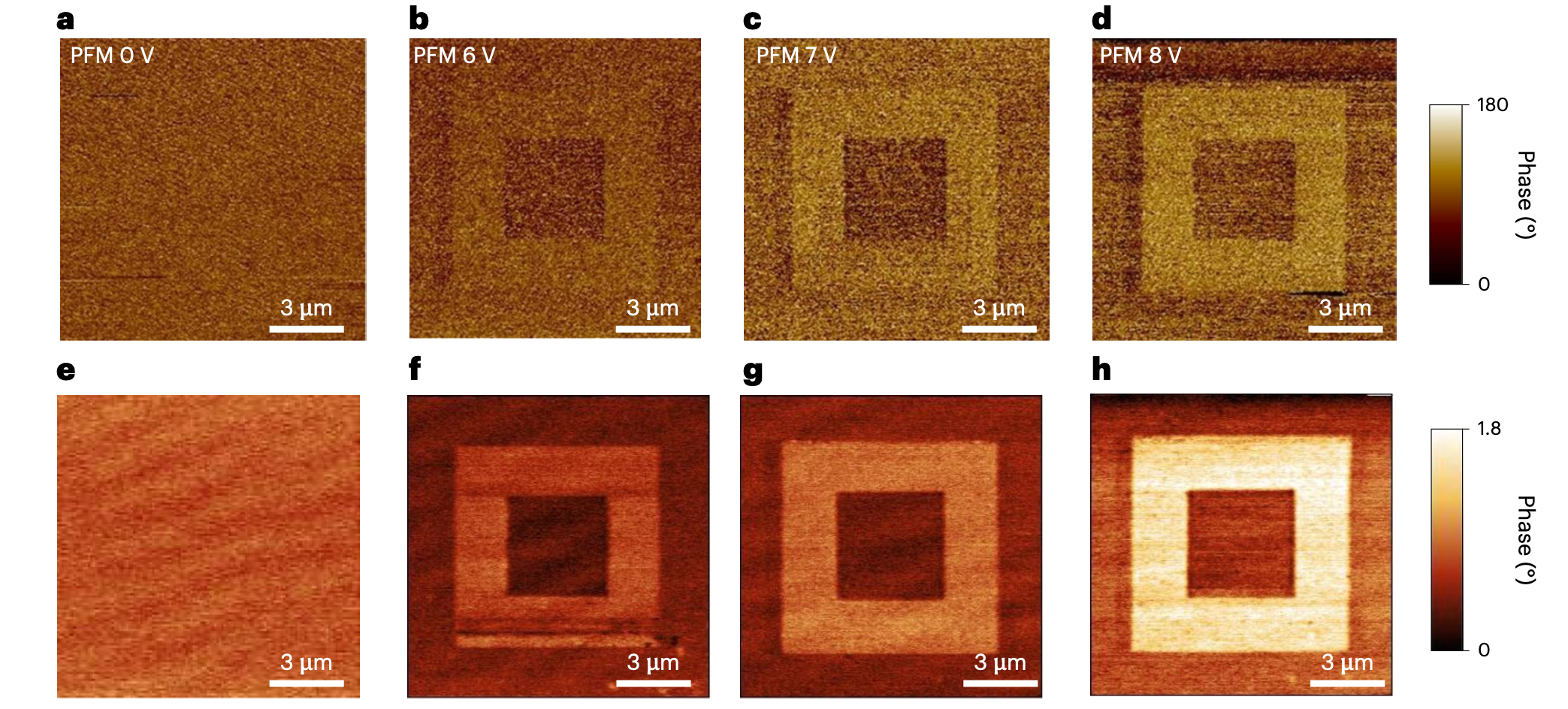
Fig. 3: Electrical writing by PFM and magnetic reading by MFM for multiferroic bilayer CrTe2
This mechanism, rooted in interlayer charge transfer rather than conventional spin-orbit coupling, provides a foundation for engineering multiferroics with layered systems. The demonstration of a two-dimensional multiferroic material with magnetoelectric coupling under ambient conditions provides opportunities for energy-efficient memory devices and quantum sensing technologies.
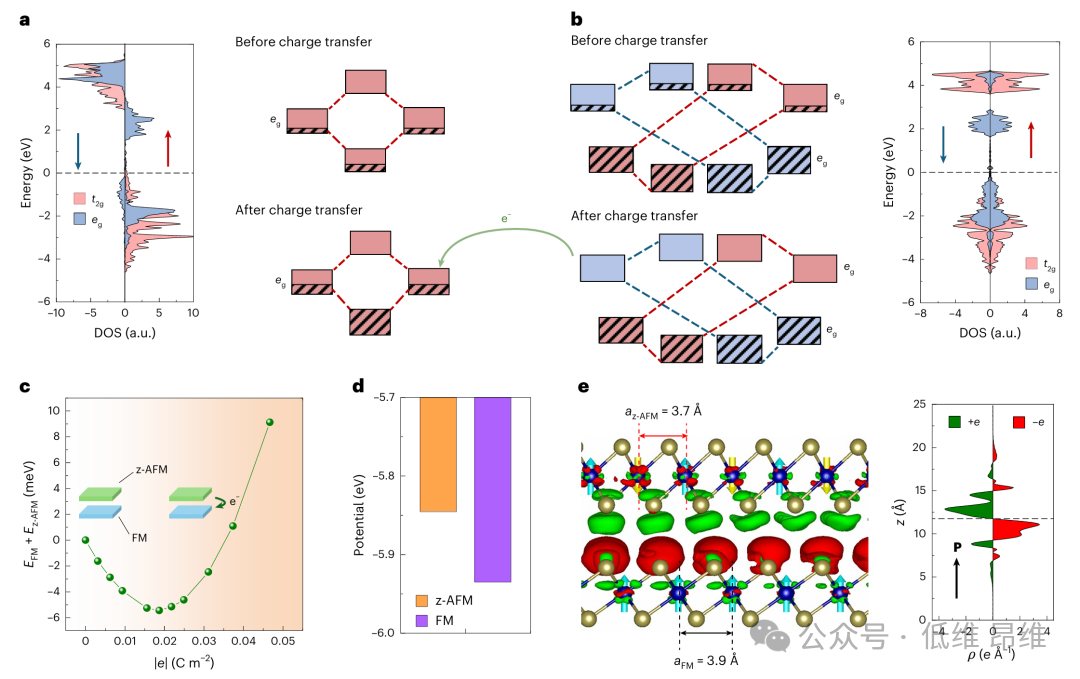
Fig. 4: The occurrence the net polarization in metallic bilayer CrTe2
The study is a collaborative effort with Professor Du Yi of Beihang University, Researcher Chen Lan of the Institute of Physics, Chinese Academy of Sciences, and Professor Lu Yunhao of Zhejiang University serving as co-corresponding authors. Partner institutions include the University of Chinese Academy of Sciences, Oxford Instruments Technology China, the National Synchrotron Radiation Laboratory at the University of Science and Technology of China, the High Magnetic Field Laboratory at the Hefei Institutes of Physical Science, Chinese Academy of Sciences, Songshan Lake Materials Laboratory, Tsientang Institute for Advanced Study, and Eastern Institute of Technology, Ningbo.
Link to the article: https://doi.org/10.1038/s41563-026-02537-2
Editor: Lyu Xingyun


 Beihang News2026 Symposium on Excellent Engineer Training held in BeijingMore
 Beihang NewsProfessor Liu Mingjie's team publishes article in Science, revealing high-modulus toughening mechanism in nacreMore
 Beihang NewsWang Yunpeng appointed Secretary of the CPC Beihang University CommitteeMore
 Beihang NewsElsevier Senior Vice President Said Taha visits Beihang UniversityMore
 Beihang NewsPresident Wang Yunpeng visits Hangzhou to advance university-city integration and attends opening ceremony of H3IMore
 Beihang NewsBeihang team wins 2026 Best Paper Award from Proceedings of the IEEEMore