Recently, the research team led by Professor Zhao Weisheng and Professor Zhang Yue from the School of Integrated Circuit Science and Engineering has made a breakthrough in ferrimagnetic spintronic devices. The research findings, titled "Field-Free Electrical Switching of Perpendicular Magnetization via Domain-Wall-Free Textures in Ferrimagnets," were published in Physical Review Letters (PRL), a premier international journal in physics.
Leveraging the unique dual-sublattice magnetic structure of ferrimagnetic materials, the team proposed a voltage-driven asymmetric hydrogen ion migration scheme to dynamically construct an unconventional "domain-wall-free" magnetic texture. Using this texture, they achieved all-electrical switching of perpendicular magnetization without an external magnetic field, paving a new way for efficient and stable information writing in ferrimagnetic spintronic devices.
Spintronic devices store information using different magnetic states of a magnetic recording layer. They offer advantages such as non-volatility, high speed, and low power consumption, making them a key technology for high-performance storage and computing architectures in the post-Moore era. The discovery and effective control of novel magnetic textures lay a crucial physical foundation for enabling information read/write functions in next-generation spintronic devices. Since the beginning of the 21st century, researchers have discovered a series of special magnetic textures, such as Skyrmion and Hopfion, and have been advancing their application in spintronic devices. However, the relatively simple magnetic structures and strong magnetic dipole interactions in traditional ferromagnetic materials pose major challenges for the further discovery and control of novel magnetic textures.
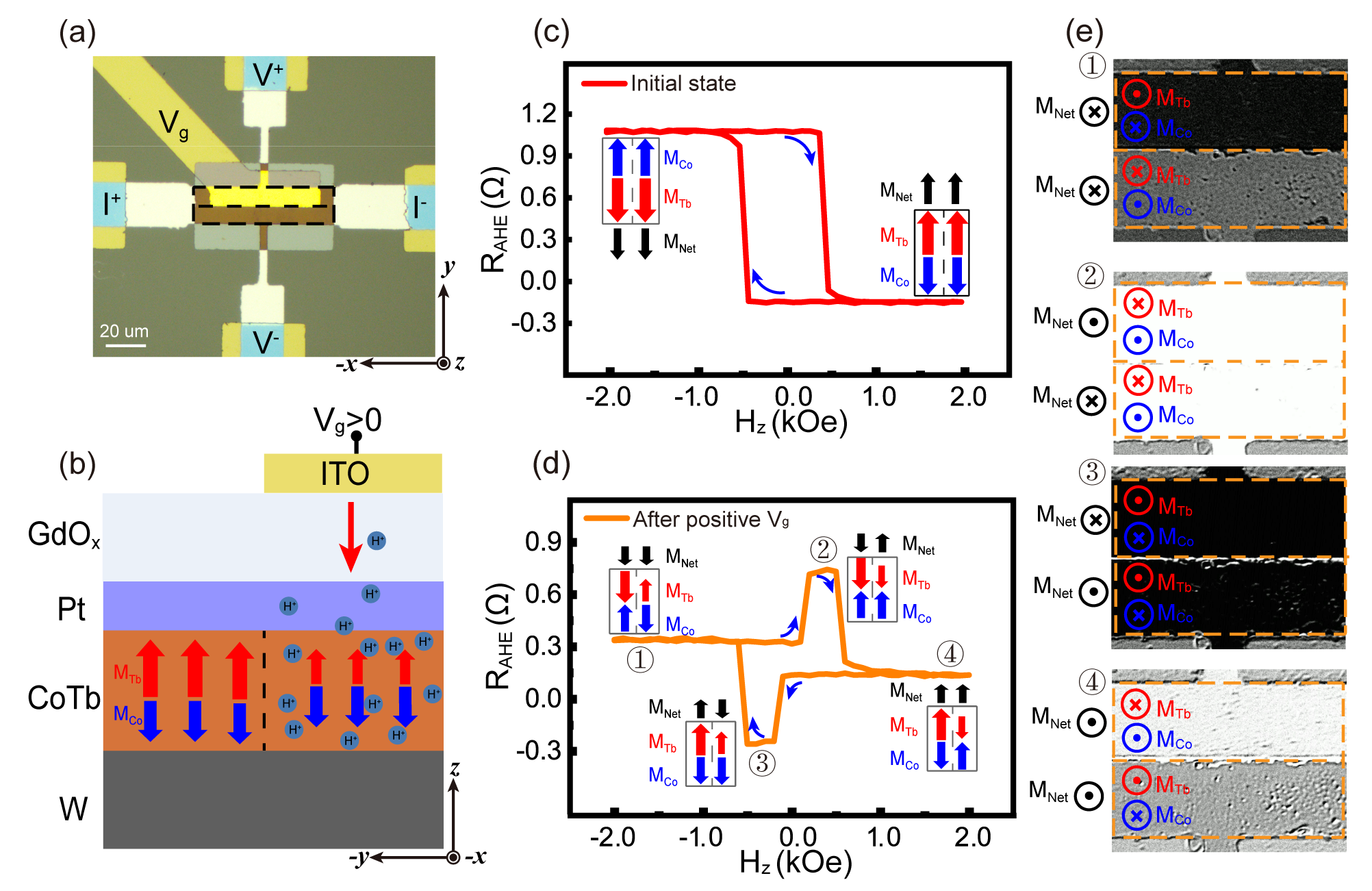
Fig.1 Construction of "domain-wall-free" magnetic texture via asymmetric hydrogen ion migration
Addressing this key challenge, the team turned their attention to ferrimagnetic alloy materials. Ferrimagnetic alloys like CoTb feature dual-sublattice antiferromagnetic coupling, low stray fields, and rich magnetic structures. Their findings show that by using a solid-state hydrogen gating structure, voltage-driven asymmetric migration of hydrogen ions in the ferrimagnetic thin film can construct an unconventional magnetic texture. Specifically, this magnetic texture exhibits opposite net magnetization directions in adjacent regions, while the magnetic moment directions of the sublattices remain the same. This means it "macroscopically shows different magnetic domains, but there are no domain walls at the transition regions between microscopic magnetic domains" (see Fig. 1), breaking the conventional understanding that magnetic domains and domain walls always coexist. Moreover, by controlling the direction of hydrogen ion migration with voltage, the team could dynamically and reversibly control the existence and annihilation of this novel magnetic texture.
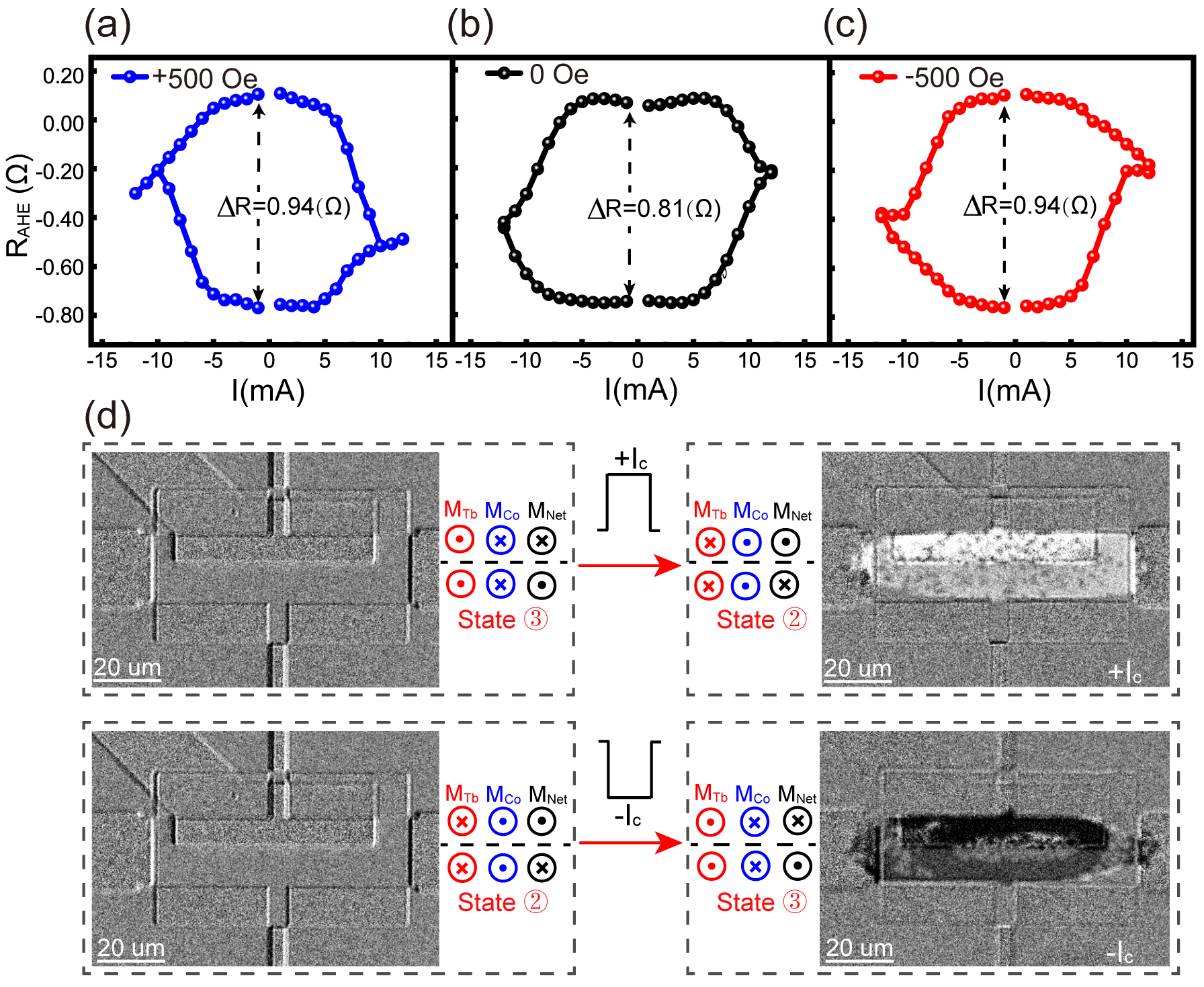
Fig. 2 All-electrical switching of perpendicular magnetization induced by the special magnetic texture
Using a hydrogen ion migration mechanism in a CoTb device with a half-gate structure, researchers have demonstrated voltage-controlled reversible creation and annihilation of a special MT, i.e., magnetic domains without domain walls. Moreover, current-induced field-free perpendicular magnetization switching is observed in the device with this MT. The model reveals that it is the magnetization asymmetry at the boundary part between the Co-dominant and Tb-dominant regions that breaks the xz-mirror plane symmetry in switching.
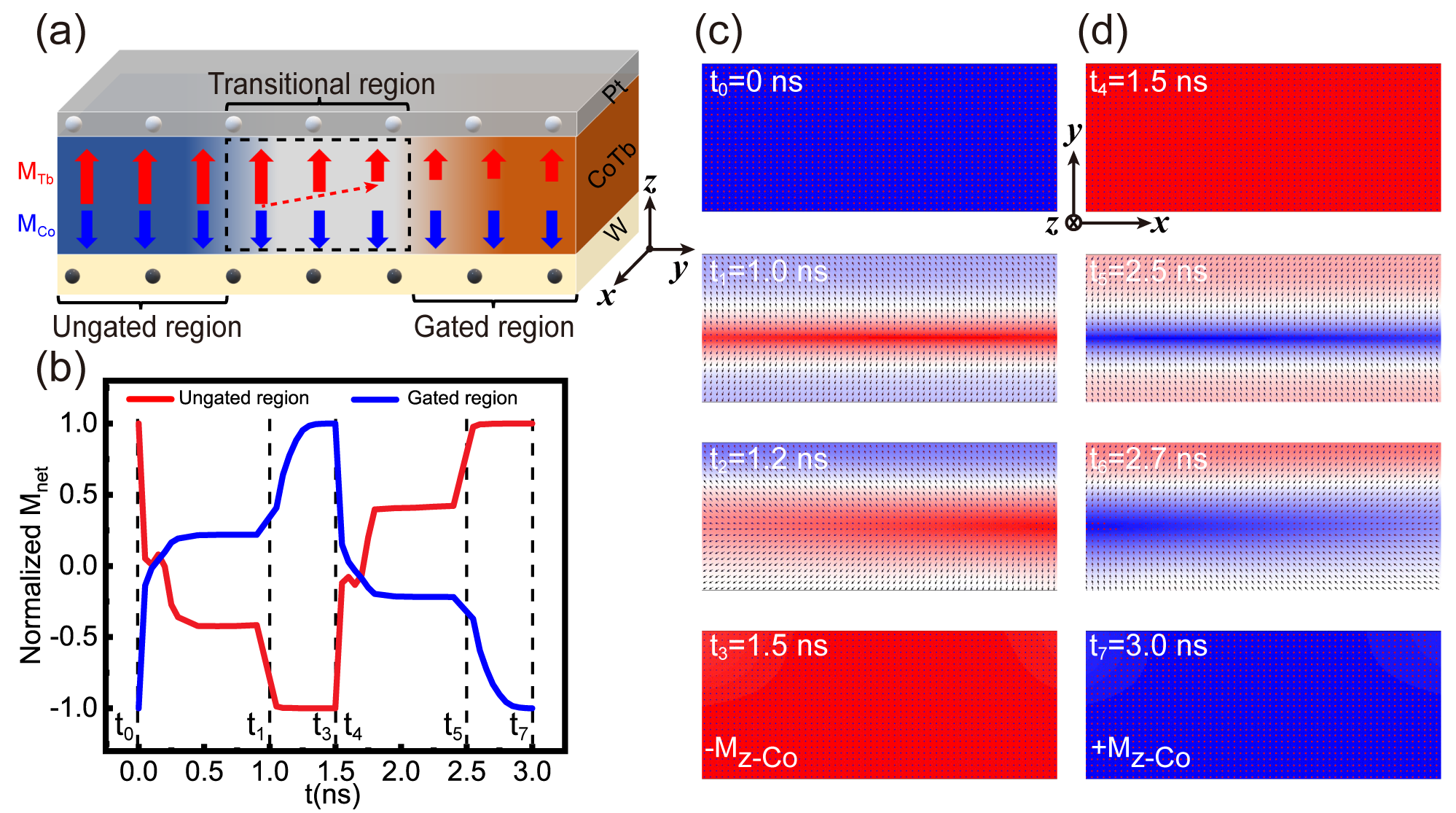
Fig. 3 Theoretical model analysis and micromagnetic simulations
This research closely integrates magnetic texture control with the dual-sublattice characteristics of ferrimagnetic materials, expanding the understanding of complex spin textures and their functionalities in ferrimagnets. On an applied level, the method of using voltage-driven ion migration to control the magnetic state is both non-volatile and programmable. It overcomes the dependence of traditional electrically controlled perpendicular magnetization switching on an external magnetic field, offering a new solution for realizing spin-based memory and logic devices with lower power consumption, higher integration density, and greater scalability.
The first authors of this paper are Feng Xueqiang, a Ph.D. graduating in 2025, Associate Professor Zhang Zhizhong, Xie Yuze, a 2024 Ph.D. student, and Associate Professor Zhenyi Zheng from the School of Integrated Circuit Science and Engineering. Professor Zhang Yue, Associate Professor Zhang Zhizhong, and Associate Professor Zheng Zhenyi are the co-corresponding authors. Beihang University is the primary affiliation. Professor Zhao Weisheng provided close guidance and support for the project. This work was supported by the National Key Research and Development Program of China, the National Natural Science Foundation of China, and among others.
Link to the article: https://journals.aps.org/prl/abstract/10.1103/qdw9-3yqb
Editor: Liu Tingting


 Beihang News2026 Symposium on Excellent Engineer Training held in BeijingMore
 Beihang NewsProfessor Liu Mingjie's team publishes article in Science, revealing high-modulus toughening mechanism in nacreMore
 Beihang NewsWang Yunpeng appointed Secretary of the CPC Beihang University CommitteeMore
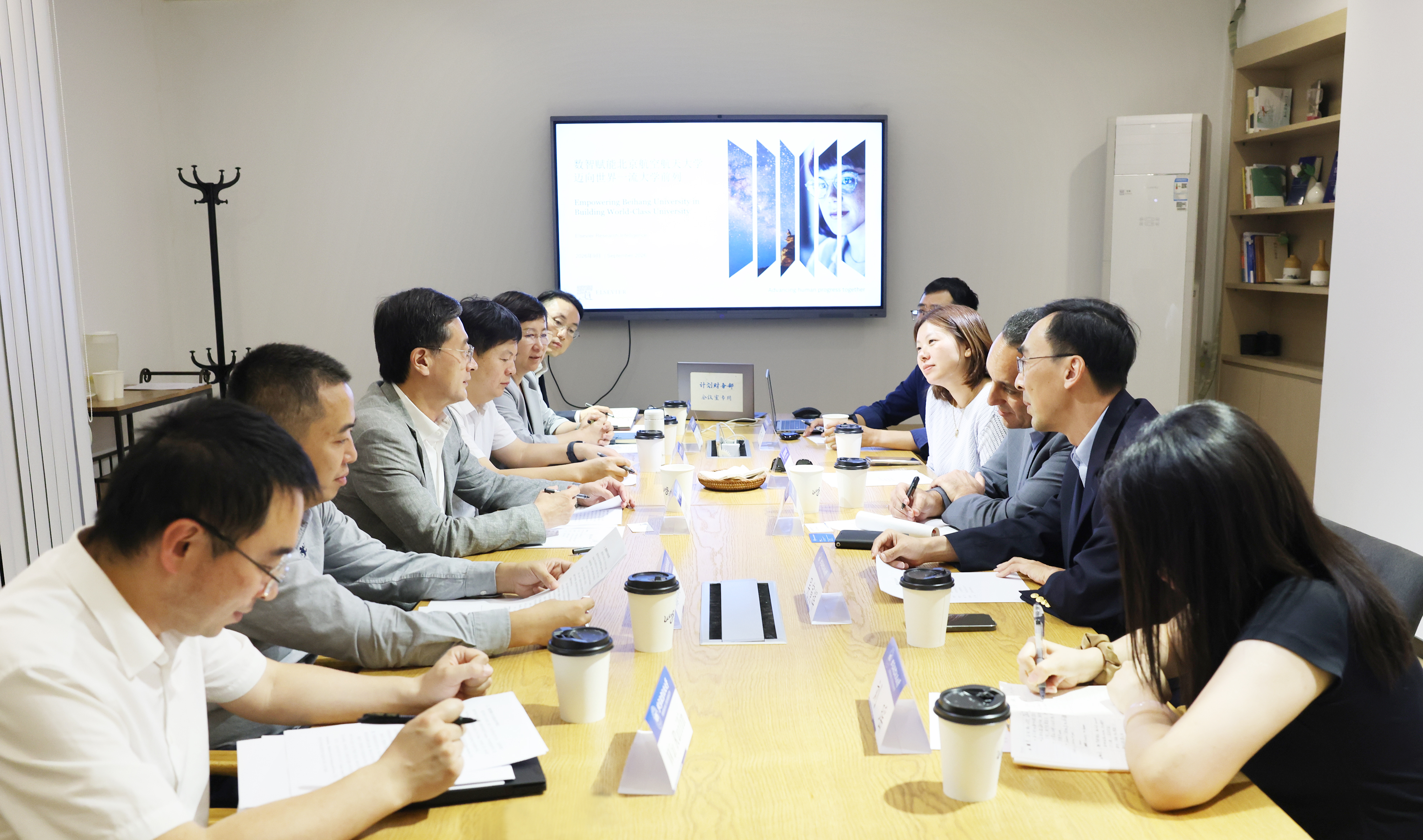 Beihang NewsElsevier Senior Vice President Said Taha visits Beihang UniversityMore
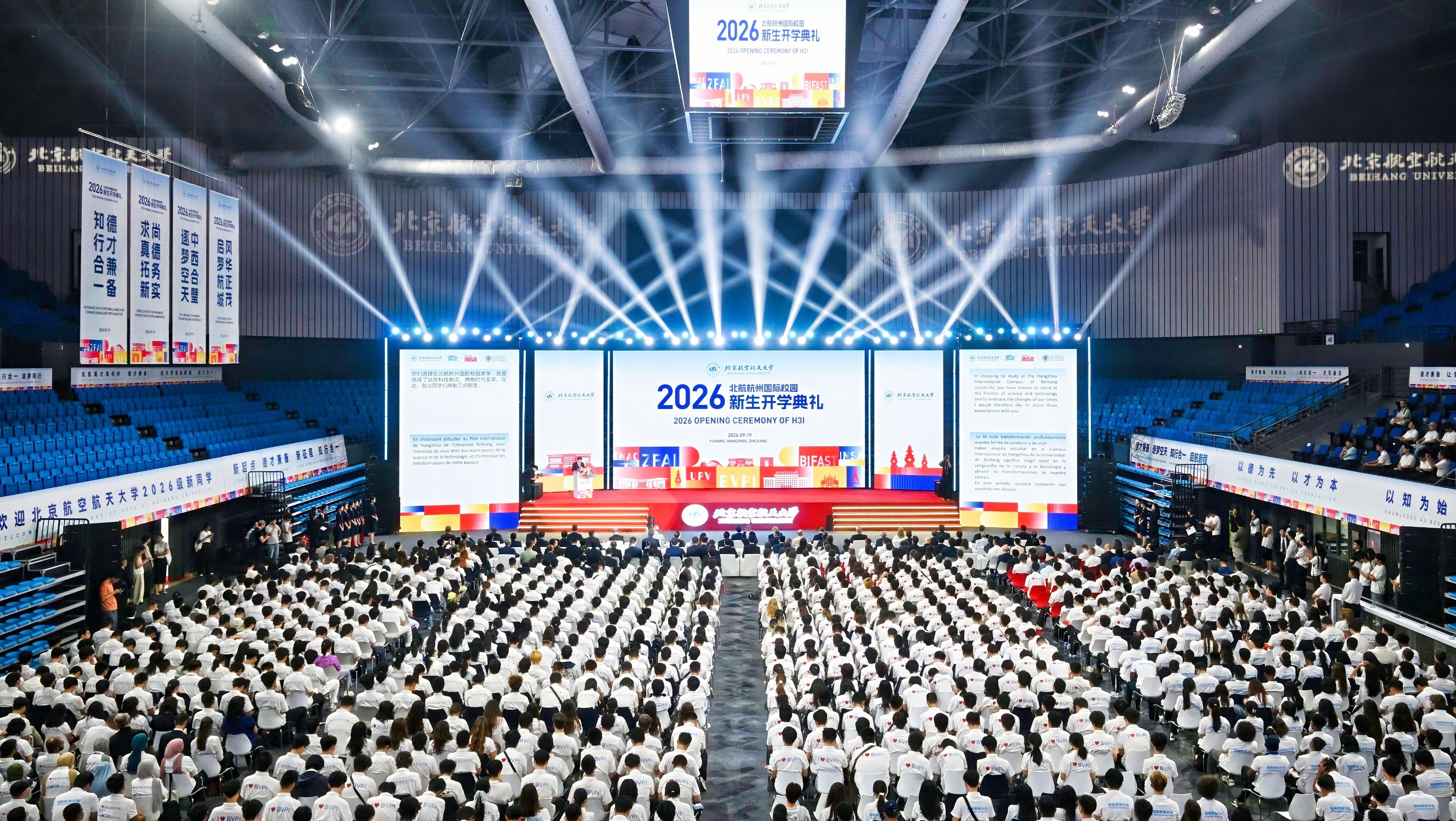 Beihang NewsPresident Wang Yunpeng visits Hangzhou to advance university-city integration and attends opening ceremony of H3IMore
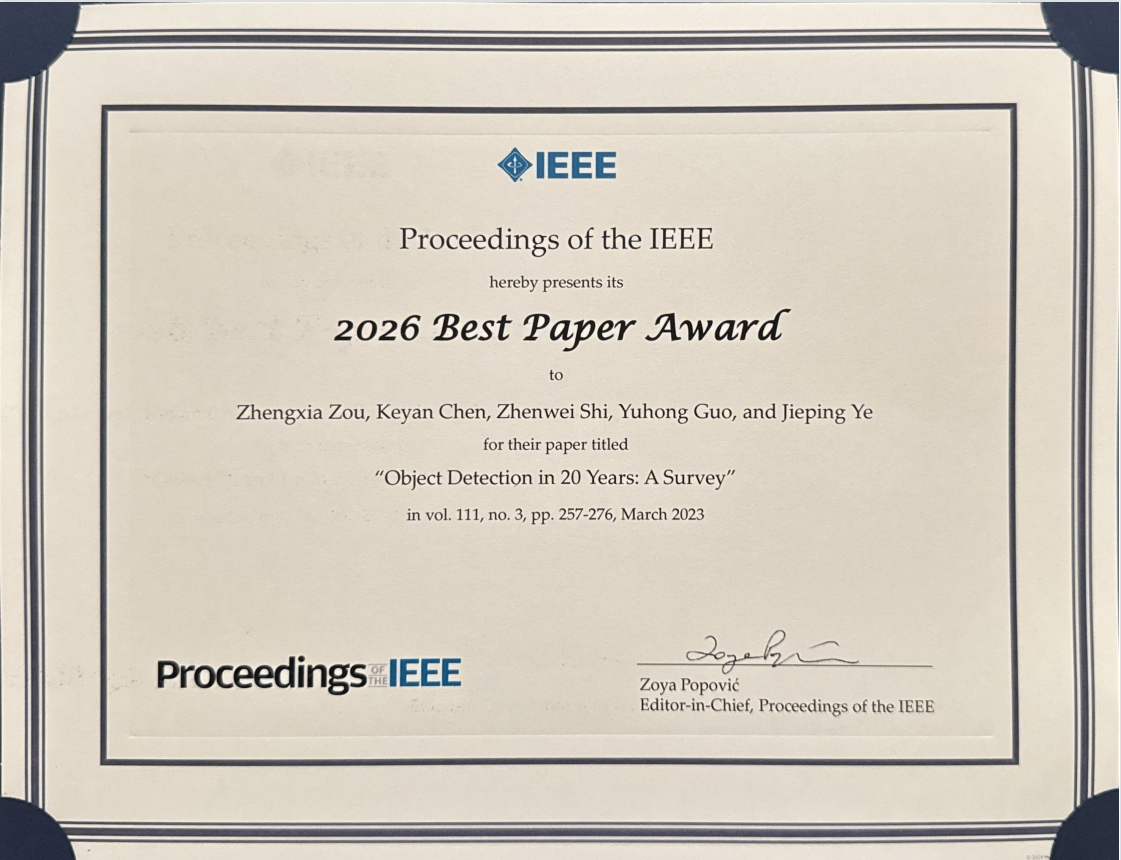 Beihang NewsBeihang team wins 2026 Best Paper Award from Proceedings of the IEEEMore