In March 2026, three research papers from the School of Integrated Circuit Science and Engineering of Beihang University were simultaneously published in Advanced Materials, a leading journal in the field of materials science. These studies report significant breakthroughs in stabilizing 3D topological magnetic textures via a novel interlayer Dzyaloshinskii-Moriya interaction (DMI), discovering the anomalous Hall effect in a new noncollinear antiferromagnetic phase, and achieving a light-inducedgiantenhancement of the nonlinear Hall effect. These achievements underscore the School's expertise and innovation in materials science.
Zhang Yue, Zhang Kun, Zhao Weisheng, et al.: Long-Range Bulk-Like Interlayer Dzyaloshinskii-Moriya Interaction Enables Stabilized 3D Magnetic Textures
In spintronics, the stable construction and precise control of 3D topological magnetic textures are key to realizing next-generation high-performance magnetic memory and magnonic circuits. As an antisymmetric exchange interaction, the Dzyaloshinskii-Moriya interaction (DMI) favors canted spin alignment and stabilizes chiral spin textures. However, the existing DMI effects, e.g., interfacial DMI, bulk DMI, and interlayer DMI, cannot achieve long-range characteristics and vertical chirality simultaneously, hindering the implementation of 3D topological magnetic textures.
In the research, the team first achieves a bulk-like interlayer DMI (BIL-DMI) effect in gradient magnetic multilayers by engineering in-plane (IP) and out-of-plane (OOP) symmetry breaking, which presents unprecedented long-range vertical chirality. The direction and magnitude of the BIL-DMI-induced IP/OOP DMI effective fields depend on the DMI gradient, and the OOP effective field exhibits exotically linear dependence on external magnetic fields, distinctly different from the existing saturation behaviors of interlayer DMI. Moreover, a continuum model is built to explain the mechanism of BIL-DMI and quantitatively describe the experimental observations. Based on the BIL-DMI, unique 3D transverse skyrmion/bimeron strings applicable to next-generation magnonic circuits are first stabilized in theory, which is unachievable relying on existing DMI effects. The discovery of BIL-DMI achieves access to a long-range version of IL-DMI through gradient engineering, providing a platform for the investigation and application of 3D topological magnetic textures.
The findings were published on March 15, 2026, under the title "Long-Range Bulk-Like Interlayer Dzyaloshinskii-Moriya Interaction Enables Stabilized 3D Magnetic Textures." Doctoral students Li Bo, Lin Kelian, Shu Yi, and Chen Lei are co-first authors.
Link to the article: https://doi.org/10.1002/adma.202516452
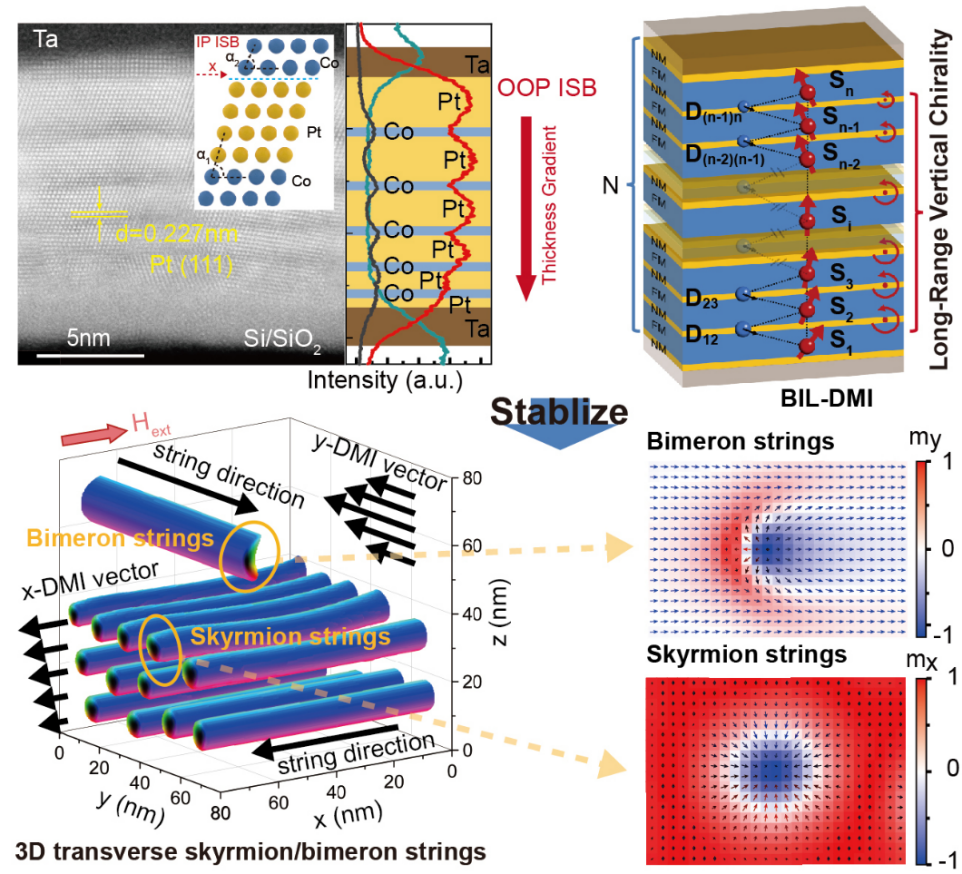
Figure 1. Novel BIL-DMI enables long-range vertical magnetic chirality and stabilizes 3D topological magnetic textures
Wang Cong, Zhao Weisheng, Shi Kewen, et al.: Discovery of Anomalous Hall Effect in a New Noncollinear Antiferromagnetic Phase
Antiferromagnets (AFMs) in spintronics exhibit remarkable scalability, robustness, and ultrafast dynamics, making them highly attractive for next-generation magnetic memory devices. While AFMs typically exhibit no net magnetization and are theoretically not expected to produce the anomalous Hall effect (AHE) like ferromagnets (FMs), certain noncollinear antiferromagnets have recently been reported to generate a significant AHE. The antiperovskite compound Mn₃GaN, which hosts rich noncollinear and noncoplanar magnetic structures, has become an important system for studying antiferromagnetic spin transport. In addition to the well-known triangular Γ5g AFM, Mn₃GaN also exhibits a tetragonal antiferromagnetic structure (M-1) at low temperatures under pressure or with induced vacancies. However, whether this M-1 phase could produce AHE had not been previously reported.
In this study, a giant anomalous Hall conductivity (AHC) exceeding 180 S cm−1 is observed in the M-1 phase of Mn3GaN. Through electronic transport measurements, it demonstrates that the AHE primarily originates from the new tetragonal AFM structure in the M-1 phase. First-principles calculations show that the AHE arises from a non-zero Berry curvature integration over the Brillouin Zone, which is linked to slight spin canting that breaks time-reversal symmetry. This findings offer a new candidate for unconventional AFMs, and pave the way for the development of topological physics and AFM spintronics.
The results were published on March 19, 2026, under the title "Discovery of Anomalous Hall Effect in a New Noncollinear Antiferromagnetic Phase." Doctoral students Wang Jingyao and Jiang Yuhao are co-first authors.
Link to the article: https://doi.org/10.1002/adma.202521771
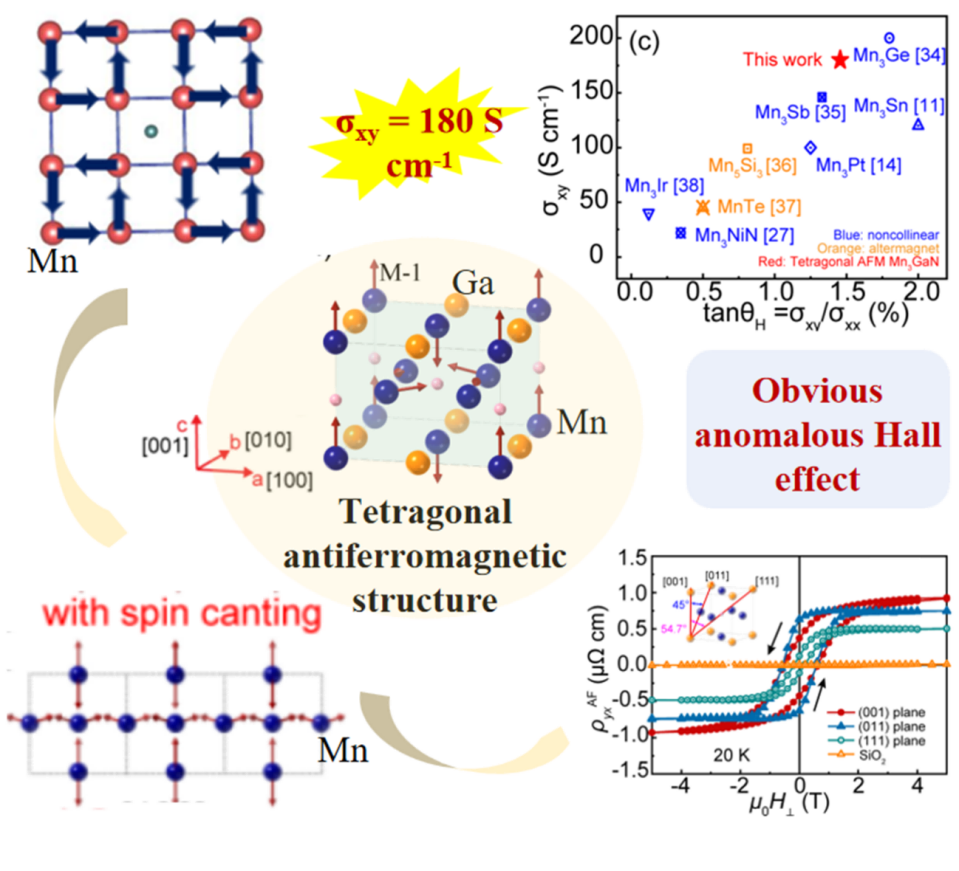
Figure 2. Fabrication of a novel noncollinear antiferromagnetic material and discovery of its AHE
Zhao Weisheng, Zhang Hui, Sun Jirong, Chen Xiaobing, et al.: Light-Induced Giant Enhancement of the Nonlinear Hall Effect in Two-Dimensional Electron Gases at KTaO3(111) Interfaces
The nonlinear Hall effect (NLHE), a recently discovered member of the Hall effect family, has attracted considerable interest as a second-order electrical response in time-reversal-invariant systems. Unlike the conventional Hall effect, the NLHE enables the generation of a transverse voltage without an external magnetic field through a second-order electrical response. However, achieving a sizable NLHE signal remains a critical challenge for its application in frequency-doubling and rectifying devices.
The research team, in collaboration with teams from the Institute of Physics, Chinese Academy of Sciences, and the Quantum Science Center of Guangdong-Hong Kong-Macao Greater Bay Area (Guangdong), report a light-induced giant enhancement of the NLHE in the 2D electron gas (2DEG) at the CaZrO3/KTaO3 (111) interface. Under illumination, the second harmonic Hall voltage increases substantially and undergoes a sign reversal. Correspondingly, the second-order transverse conductivity (σ(2) yxx) increases by nearly five orders of magnitude, reaching 2.4 µm V−1 Ω−1, while also reversing its sign. Scaling analysis identifies skew scattering as the dominant mechanism, which is highly tunable via optical gating. Photoexcitation pumps electrons from in-gap states into the Ta 5d conduction band, generating high-mobility photocarriers that increase the cubic scattering time (τ3) and thereby, dramatically boost σ(2) yxx. First-principles calculations further reveal that the Berry curvature triple changes sign as the Fermi level approaches the higher-lying Lz,+ subbands, in the Ta 5d accounting for the observed sign reversal. The work offers a new strategy to optically control the NLHE in oxide 2DEG systems, highlighting the tunability of nonlinear transport by optical excitation.
The findings were published on March 24, 2026, under the title "Light-Induced Giant Enhancement of the Nonlinear Hall Effect in Two-Dimensional Electron Gases at KTaO₃(111) Interfaces." Tian Daming, a master's student at the School of Integrated Circuits, is the first author (student first author).
Link to the article: https://doi.org/10.1002/adma.202516347
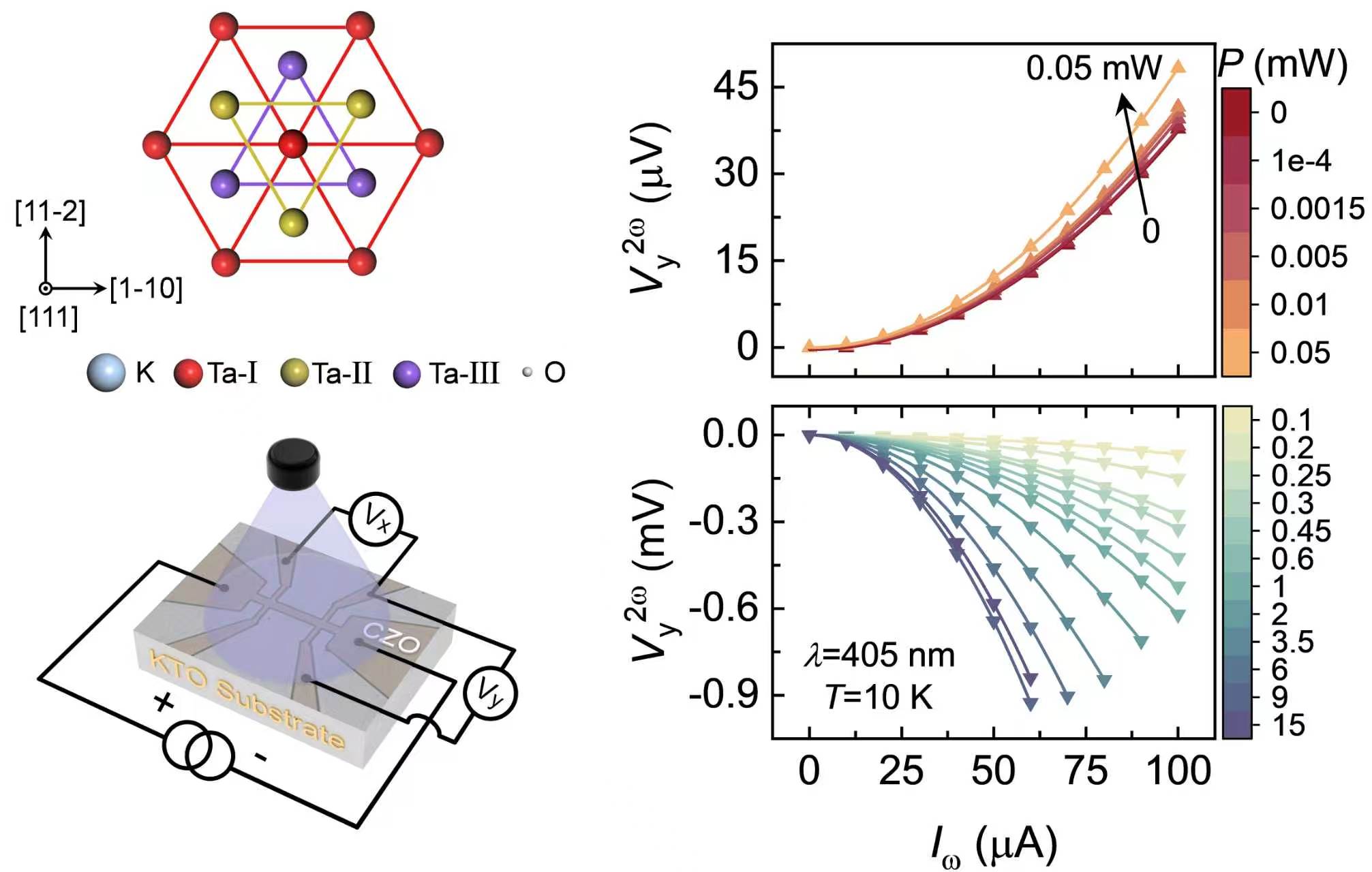
Figure 3. Light-induced giant enhancement and sign reversal of the nonlinear Hall effact in two-dimensional electron gases
Editor: Lyu Xingyun


 Beihang News2026 Symposium on Excellent Engineer Training held in BeijingMore
 Beihang NewsProfessor Liu Mingjie's team publishes article in Science, revealing high-modulus toughening mechanism in nacreMore
 Beihang NewsWang Yunpeng appointed Secretary of the CPC Beihang University CommitteeMore
 Beihang NewsElsevier Senior Vice President Said Taha visits Beihang UniversityMore
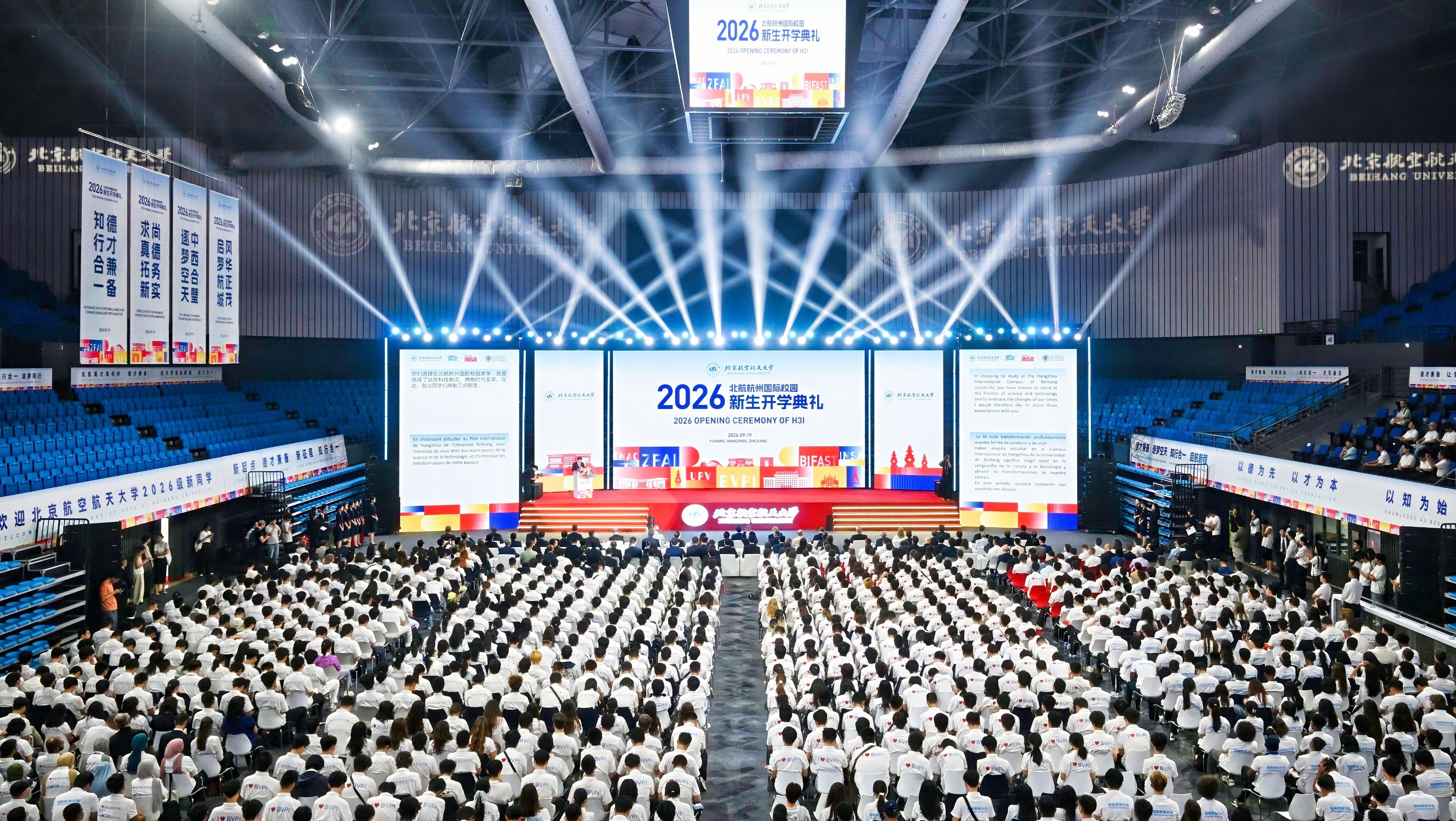 Beihang NewsPresident Wang Yunpeng visits Hangzhou to advance university-city integration and attends opening ceremony of H3IMore
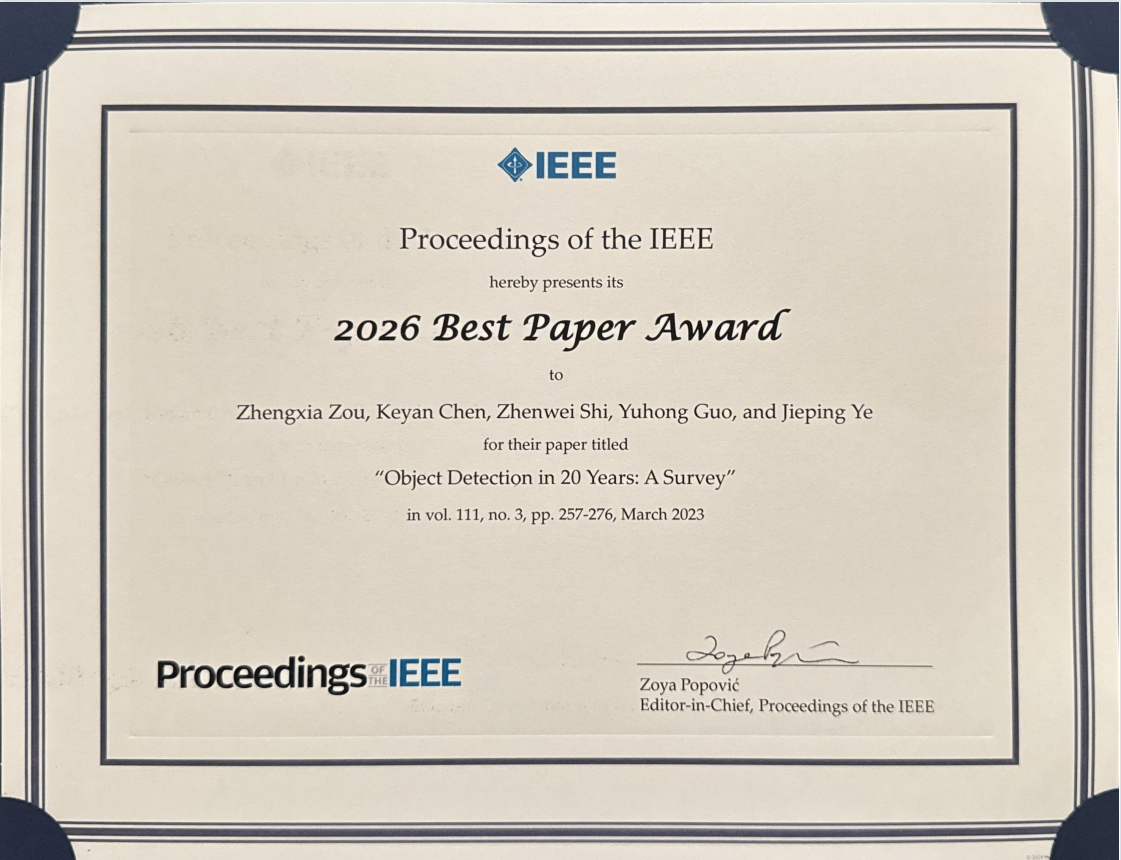 Beihang NewsBeihang team wins 2026 Best Paper Award from Proceedings of the IEEEMore