A research team from the School of Reliability and Systems Engineering at Beihang University has made a significant breakthrough in the design of robust complex networks. The findings were published in Nature Communications, titled "Design of robust networks via reinaforcement learning prompts the emergence of multi-backbones."
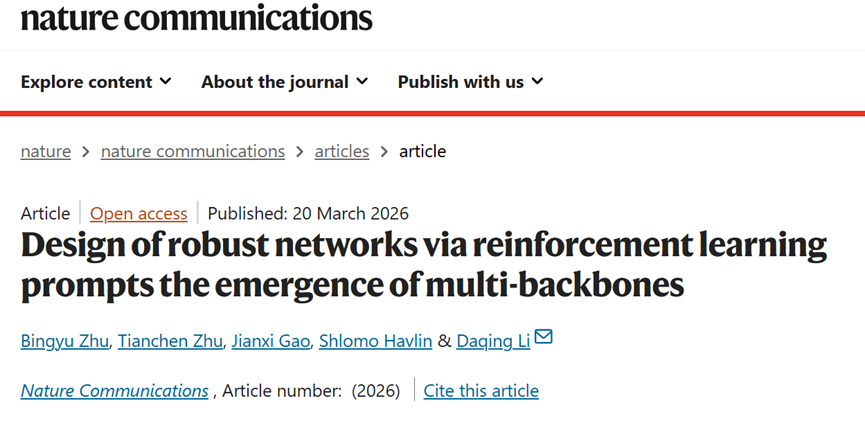
Network robustness design is a significant engineering task in complex systems including urban planning, communication programming, and chip designing. With the embedded vulnerability of complex networks, the relationship between network topology and its robustness remains unknown, presenting a significant challenge in designing robust networks. Existing approaches—ranging from empirical manual designs, statistically-driven rules to optimization via Monte Carlo simulations, struggle to meet the design demands of robust networks under multidimensional attacks.
To address this challenge, the research team introduces a general framework for designing robust networks based on AI reinforcement learning. This framework establishes an interactive environment between network attack strategies and design models, enabling the learning of effective robustness design strategies against attacks. The framework enables effective design of robust networks, for a given cost, surpassing existing methods.
A particularly notable finding of the study is that, during the design process, the network may develop suitable multi-backbones that mitigate its current vulnerability, offering insight into higher-order relations in real-world networks. The proposed method can be adopted to various network design scenarios, which provides an integrative intelligent solution for designing robust complex systems.
The paper's first author is Zhu Bingyu, a doctoral candidate at the School of Reliability and Systems Engineering. Beihang University is the primary affiliation of the study.
This research is supported by the National Natural Science Foundation of China, the National Key Research and Development Program of China, and the Fundamental Research Funds for the Central Universities (D.L.).
Editor: Lyu Xingyun


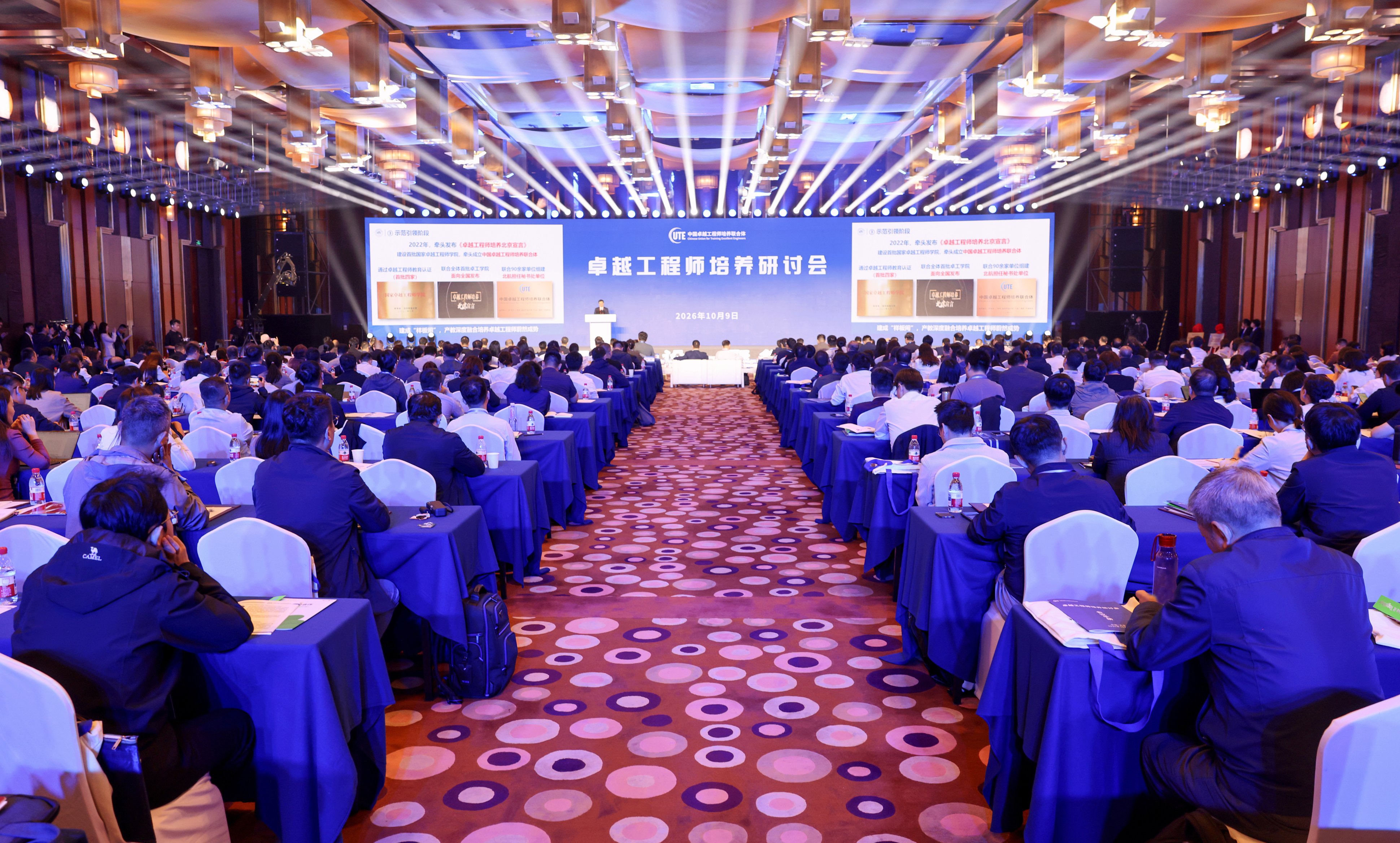 Beihang News2026 Symposium on Excellent Engineer Training held in BeijingMore
 Beihang NewsProfessor Liu Mingjie's team publishes article in Science, revealing high-modulus toughening mechanism in nacreMore
 Beihang NewsWang Yunpeng appointed Secretary of the CPC Beihang University CommitteeMore
 Beihang NewsElsevier Senior Vice President Said Taha visits Beihang UniversityMore
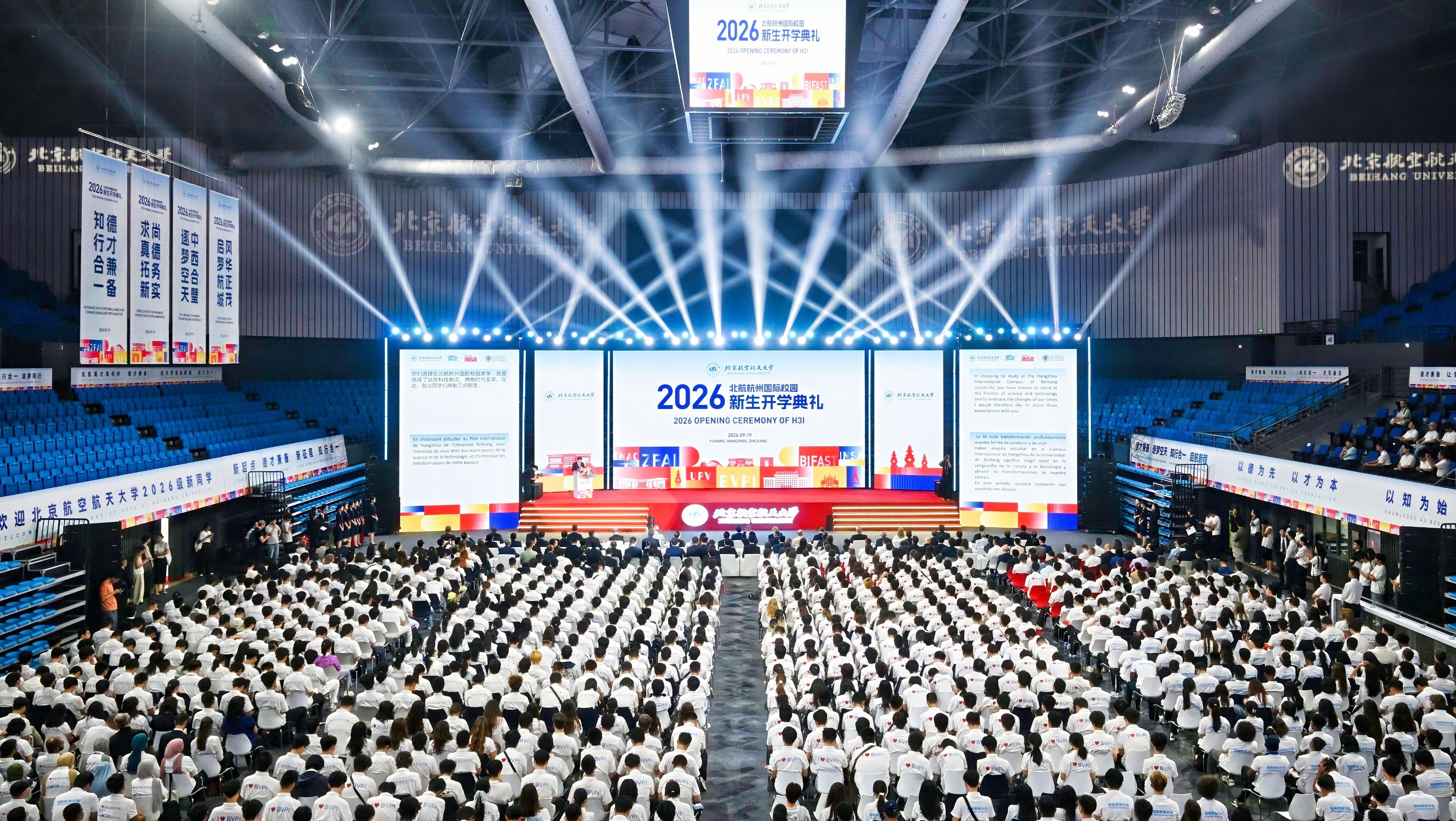 Beihang NewsPresident Wang Yunpeng visits Hangzhou to advance university-city integration and attends opening ceremony of H3IMore
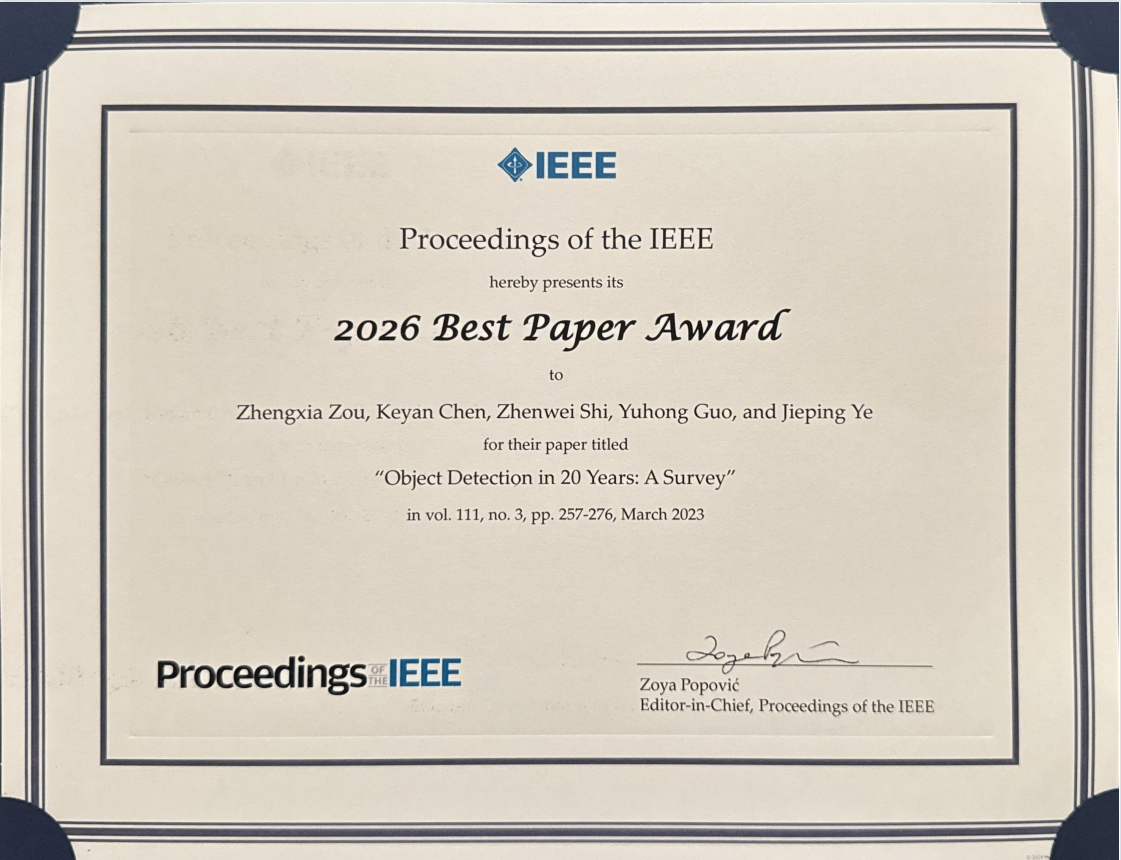 Beihang NewsBeihang team wins 2026 Best Paper Award from Proceedings of the IEEEMore