In response to rapidly evolving global technological landscapes, Beihang University has officially established a new undergraduate program in Embodied Intelligence, following the release of the 2026 Catalogue of Undergraduate Programs in General Higher Education Institutions by the Chinese Ministry of Education.
Embodied Intelligence, or Embodied AI, refers to artificial systems endowed with a physical "body," enabling them to perceive, learn, and perform tasks through dynamic interactions with the real environment. It has become a new focal point of global competition, a fresh engine for economic growth, and a key driver in the development of new quality productive forces.
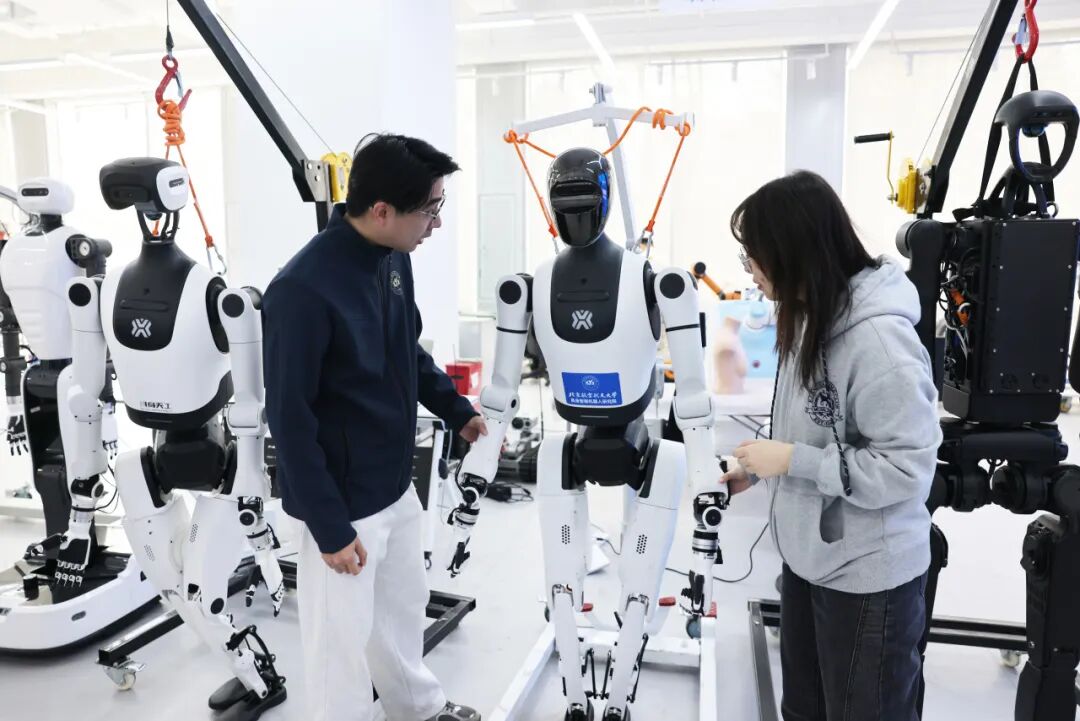
Beihang's Embodied Intelligence program is uniquely interdisciplinary, integrating five first-level disciplines: Mechanical Engineering, Biomedical Engineering, Artificial Intelligence, Control Science and Engineering, and Aerospace Science and Technology. This academic architecture provides a solid foundation for the program's growth.
The program is spearheaded by the School of Mechanical Engineering and Automation, in close collaboration with the School of Artificial Intelligence, the School of Automation Science and Electrical Engineering, the School of Biological Science and Medical Engineering, the Institute of Embodied Intelligence Robotics, and the Institute of Unmanned Systems. This multi-platform partnership ensures complementary strengths and a robust joint-training system, offering students access to top-tier faculty, laboratories, facilities, and equipment.
The program brings together a distinguished faculty team, including national teaching masters, Beijing teaching masters, as well as leading national talents at both the senior and early-career levels. The teaching team is further enriched by corporate and international experts, creating a multi-dimensional instructional system.
Graduates will be equipped to design, manufacture, develop, and apply embodied intelligence technologies across sectors such as aerospace, social manufacturing, and general services. The program aims to cultivate versatile talents who are adept at interdisciplinary problem-solving, innovation-driven, and globally oriented, while also fostering an entrepreneurial mindset.
To achieve these goals, Beihang has developed a distinctive educational model. Leveraging its strengths in the five core disciplines, the university has built a cross-disciplinary training system. In partnership with leading enterprises such as China Aerospace Science and Industry Corporation (CASIC), Huawei, and DJI, it has established joint laboratories and training bases. Students will engage in real-world projects, participating in the full process from R&D to application of embodied intelligence products.
The curriculum includes a multi-tiered practical training system, featuring foundational experiments, course design, professional internships, and graduation projects. A dedicated embodied intelligence laboratory, equipped with advanced robotic platforms, multimodal sensors, and high-performance computing resources, provides students with an exceptional hands-on learning environment.
Beihang has long been a pioneer in intelligent robotics and embodied intelligence research, and was among the first universities in China to offer a specialized track in intelligent robotics. It holds a leading national position in key technology breakthroughs and the translation of research results in intelligent robotics. With this new undergraduate program, Beihang is forging a new model for talent development in embodied intelligence—guided by disciplinary strength, driven by exceptional faculty, and supported by world-class platforms.
Editor: Lyu Xingyun


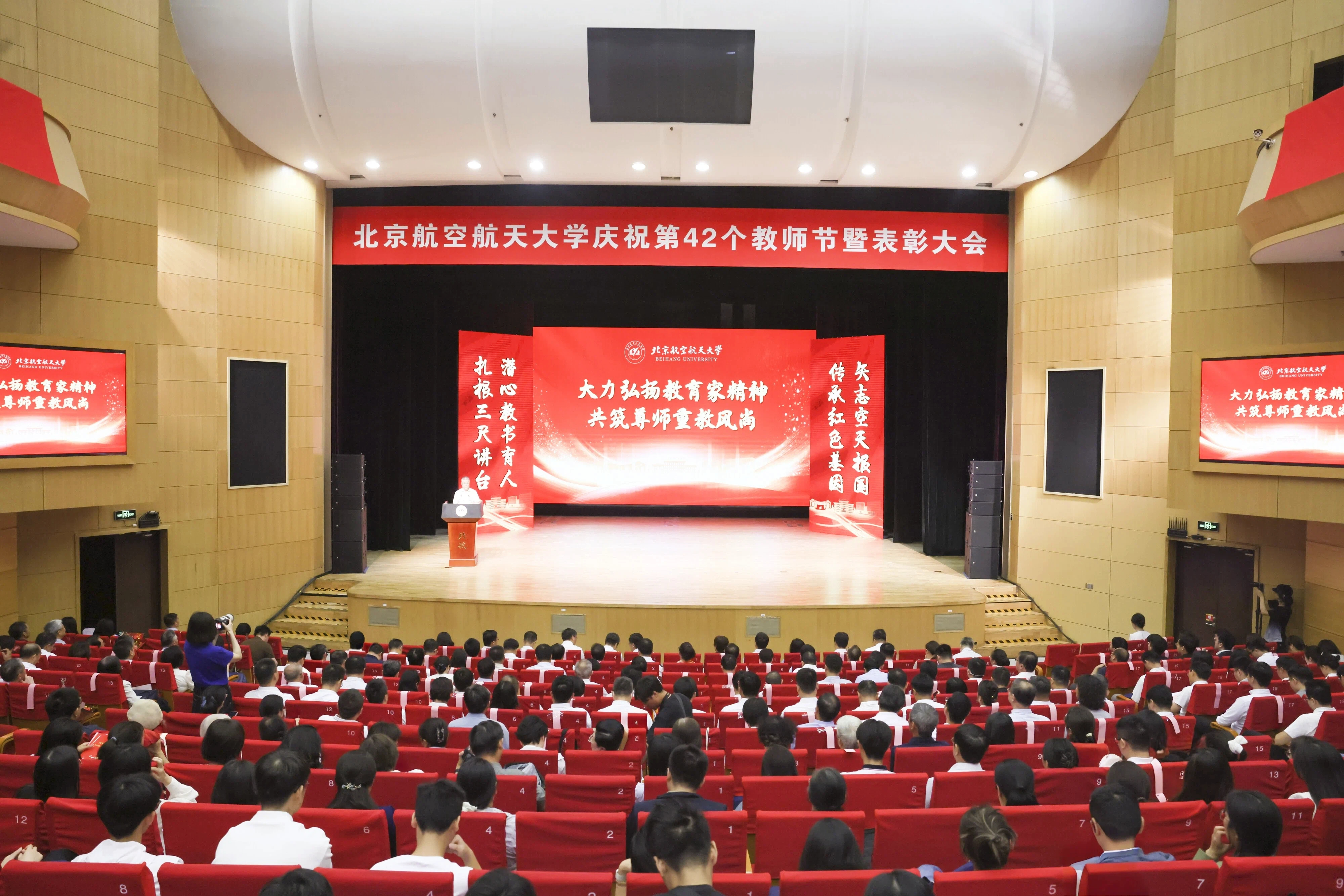 Beihang NewsBeihang celebrates 42nd Teachers' DayMore
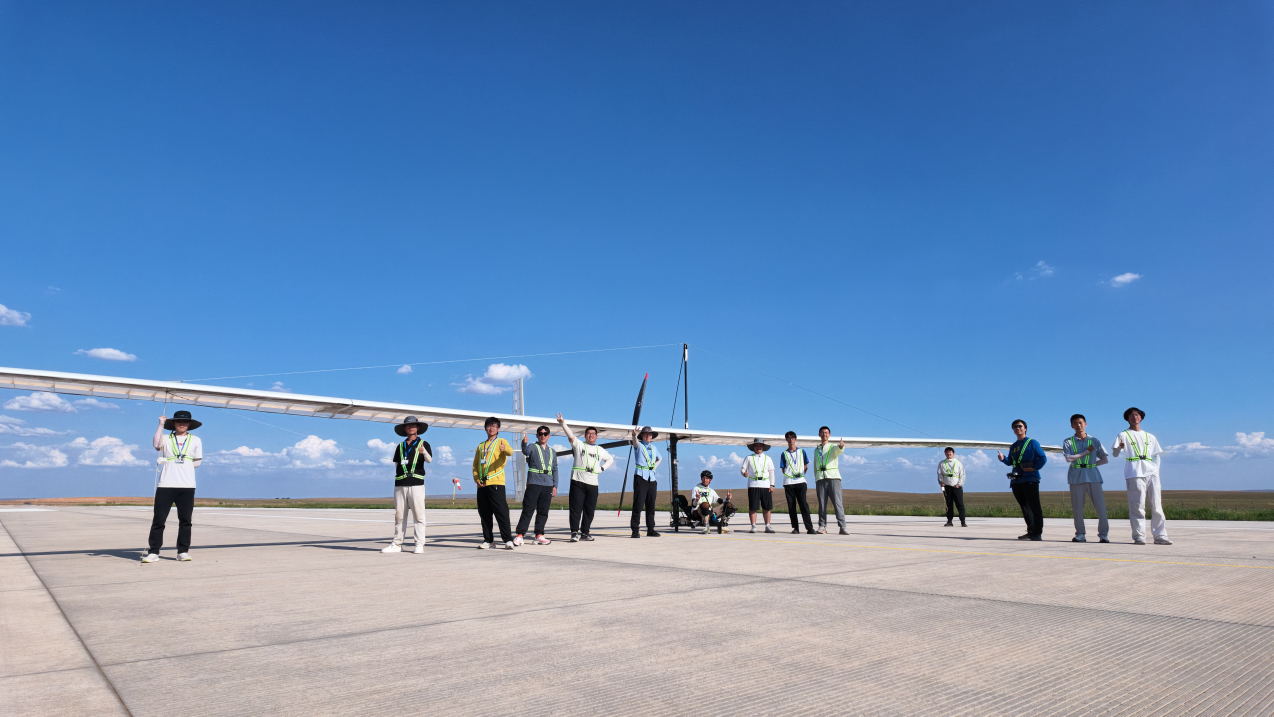 Beihang NewsBeihang's first student-designed human-powered aircraft completes test flightMore
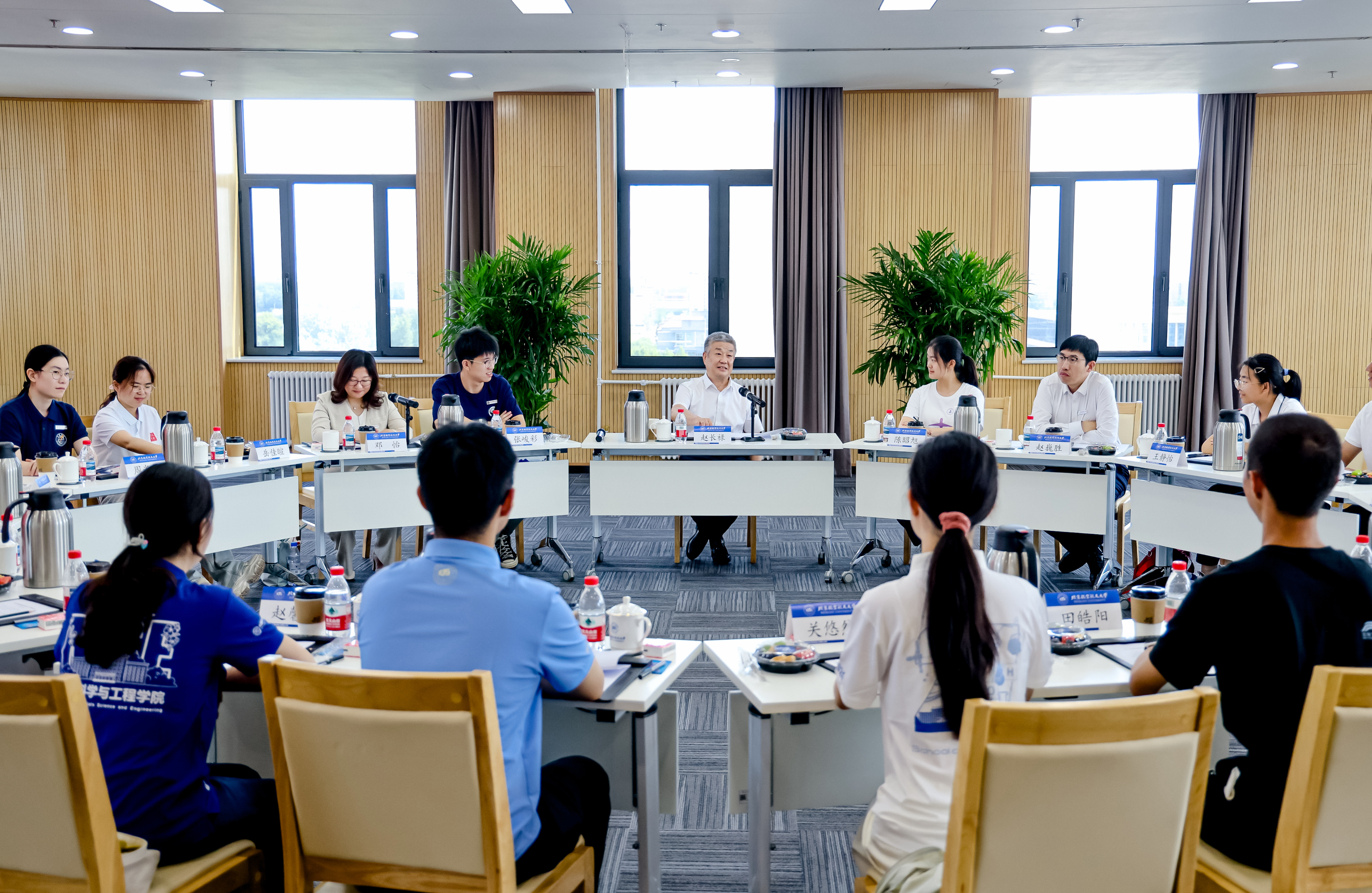 Beihang NewsBeihang leaders engage in dialogue with new undergraduate and graduate student representativesMore
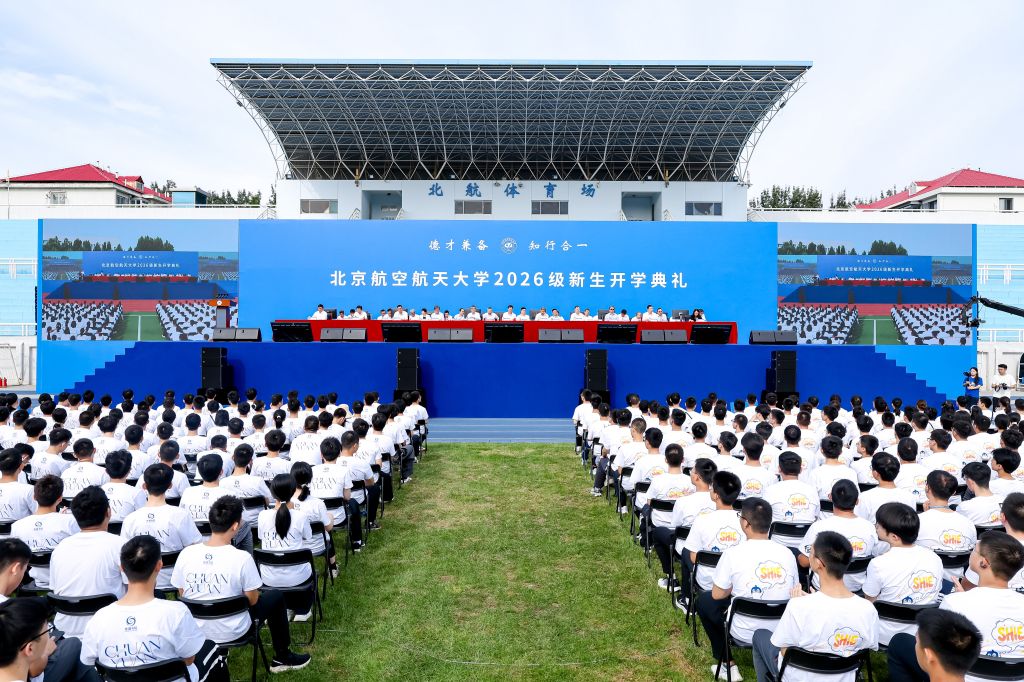 Beihang NewsBeihang University holds 2026 opening convocation to welcome new studentsMore
 Beihang NewsBeihang University welcomes 9,022 new graduate studentsMore
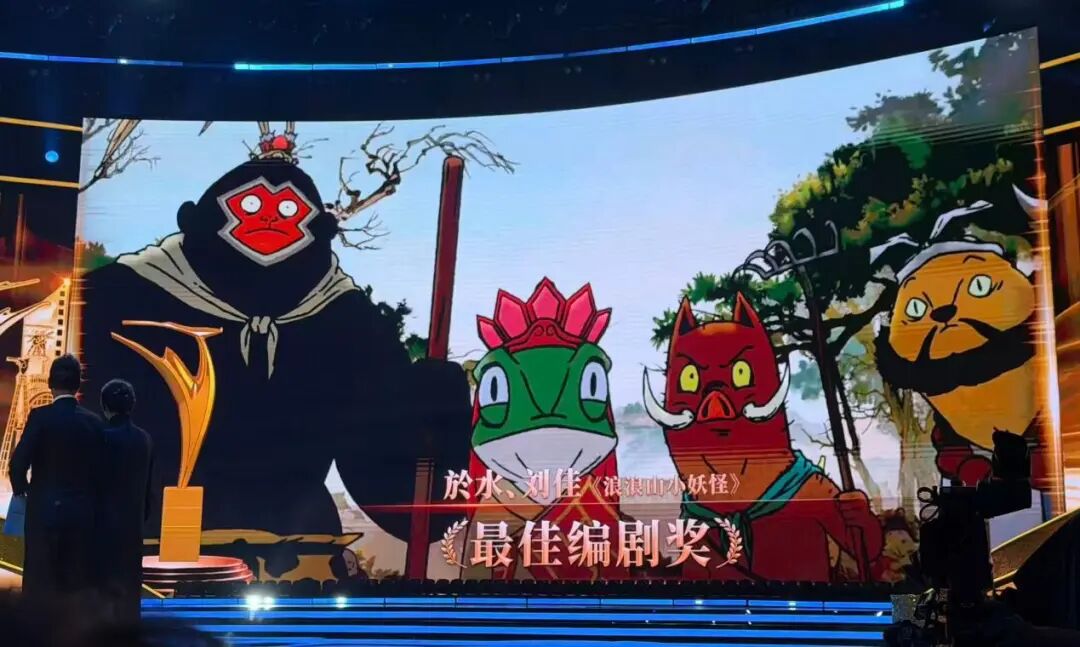 Beihang NewsProfessor Yu Shui wins Best Screenplay Award at 21st Changchun Film FestivalMore