On October 31, the 7th Manned Space Symposium opened in the gymnasium on the Shahe Campus of Beihang University, gathering more than 800 experts and scholars from fields related to manned spaceflight.
Under the theme of "Gathering Wisdom for the Galaxy: Digital and Intelligent Empowerment for High-Quality Development of Manned Spaceflight," participants focused on cutting-edge technologies, engineering practices and development requirements in manned spaceflight. They exchanged frontier achievements and deepened academic discussions to pool wisdom for the deep integration of digital and intelligent technologies with the manned space program and advance its high-quality development.
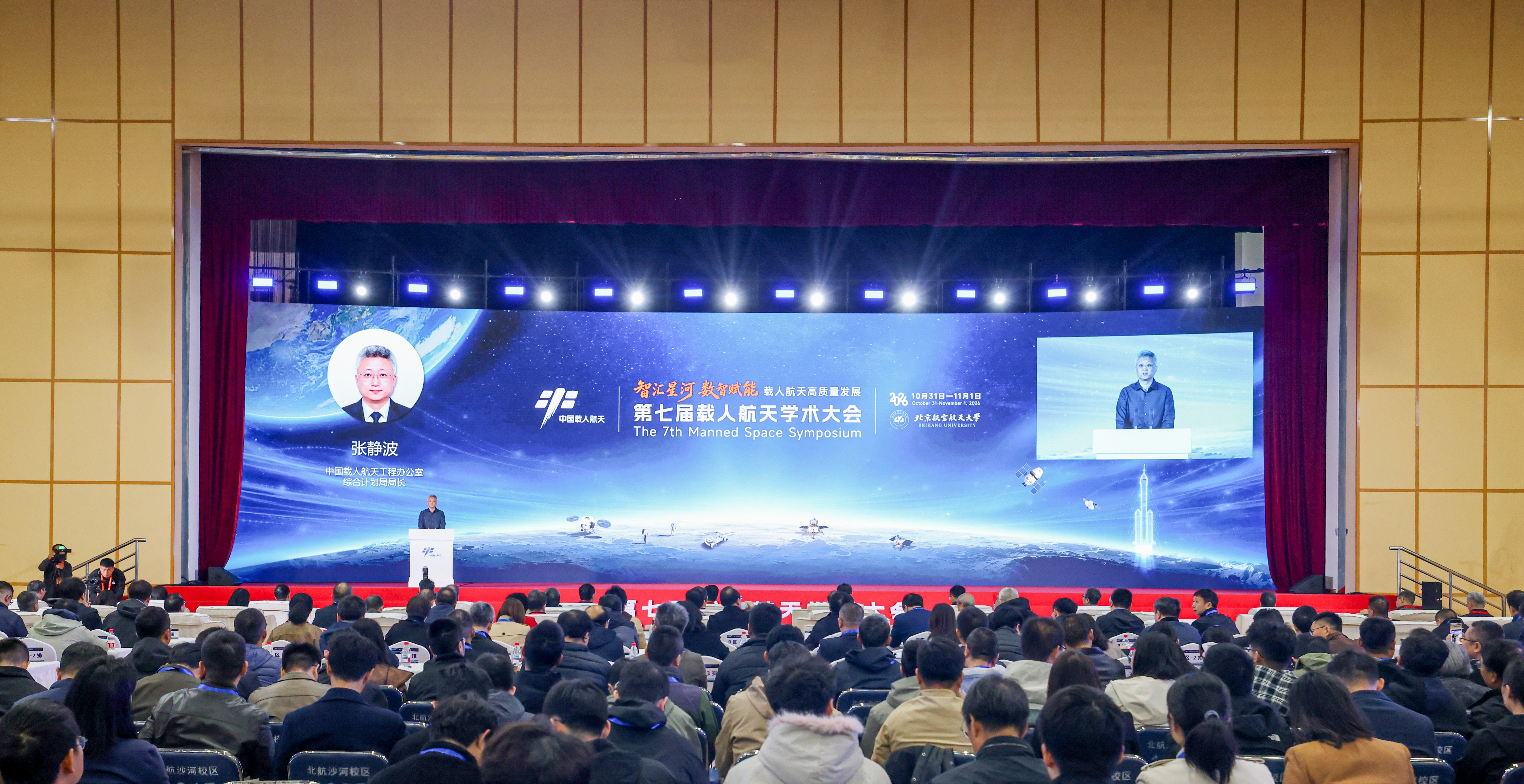
Hosted by the China Manned Space Agency (CMSA), the conference was co-organized by the China Manned Space Engineering Operation and Management Support Center and Beihang University, with support from the Technology and Engineering Center for Space Utilization of the Chinese Academy of Sciences, the Beijing Aerospace Control Center, the Astronaut Center of China and other institutions. Attendees included representatives of the manned space program and the chief commanders and chief designers of its subsystems, leaders, experts, scholars from participating research and testing units, domestic universities and research institutes, as well as paper authors.
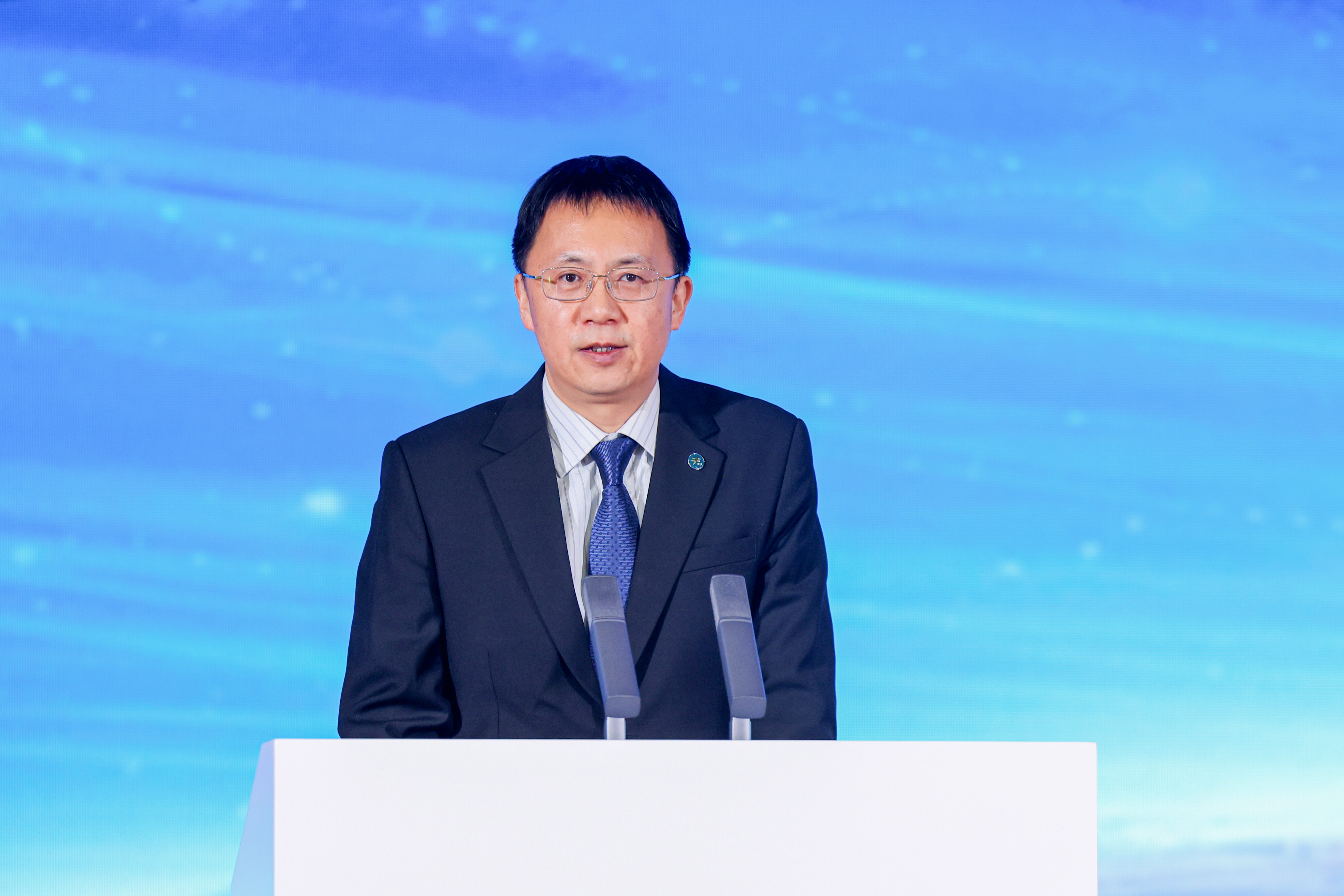
Lin Xiqiang, Deputy Director General of CMSA, delivered a speech
In his address, Lin Xiqiang, Deputy Director General of CMSA, extended a warm welcome to all academicians and experts present and expressed sincere gratitude to friends from all sectors who have long cared for, supported and participated in China's manned space endeavor. He noted that the China Space Station has been fully completed and transitioned to routine operations, while the lunar exploration program has undergone smooth integration and embarked on a new journey, with all R&D work advancing in a coordinated and orderly manner. Faced with new situations and missions, the program upholds the vision of cooperation, sharing, openness and mutual benefit, continuously enhances risk awareness, strengthens coordination between scientific and technological innovation and engineering practice, and promotes AI empowerment across all fields of manned spaceflight, making it a trusted tool for high-quality development. He hoped that experts from all fields would take the 70th anniversary of the founding of China's space industry as a new starting point and this symposium as an opportunity for in-depth exchanges and brainstorming, carry forward the manned spaceflight spirit on the new track of AI-enabled manned spaceflight engineering, build broader consensus, and forge ahead with determination, so that the Chinese people's steps in exploring space will be steadier and farther.
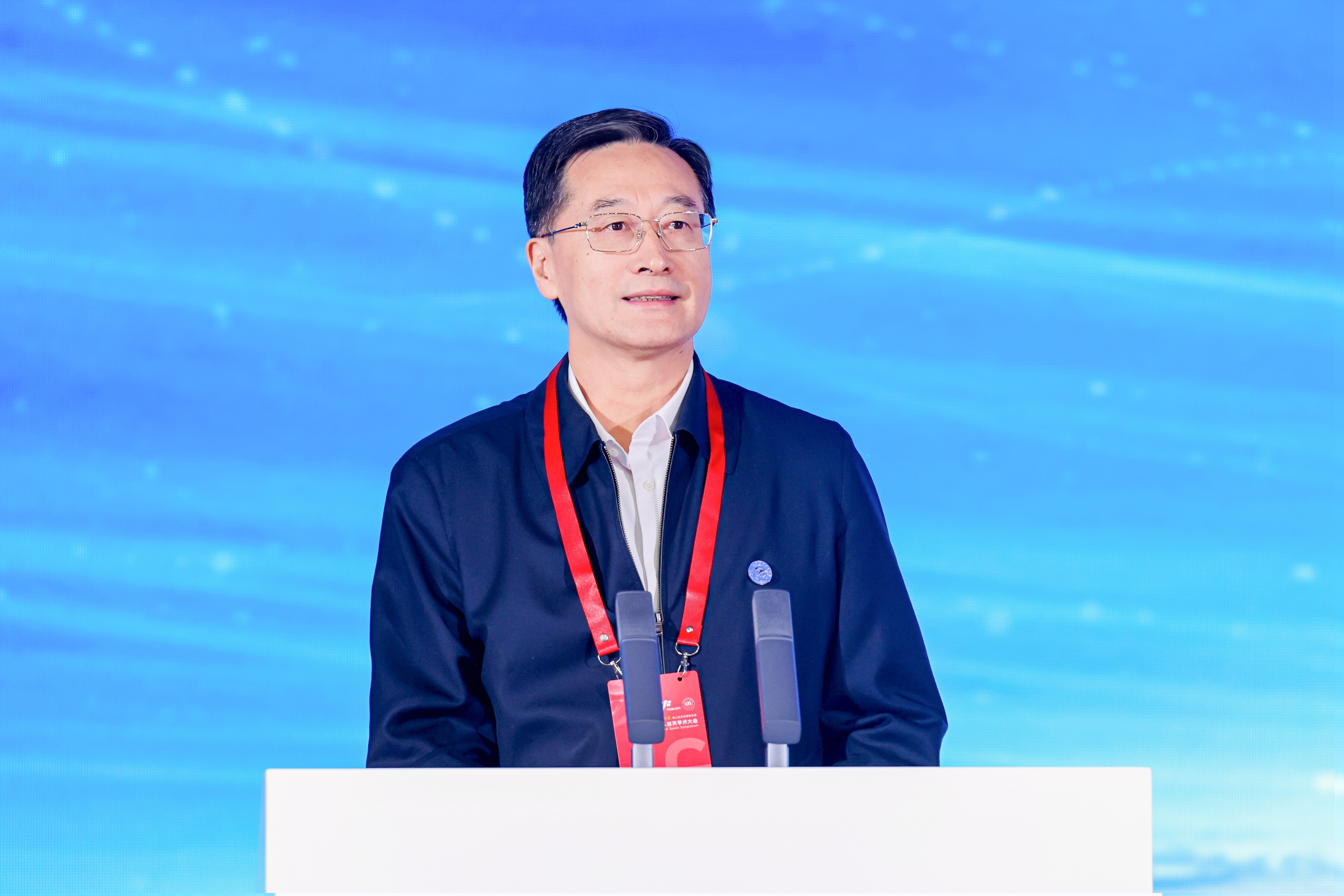
Academician Wang Yunpeng, Secretary of the CPC Beihang University Committee, delivered a speech
Academician Wang Yunpeng, Secretary of the CPC Beihang University Committee, extended a warm welcome to the attending guests and sincere thanks to friends from all sectors who care about and support Beihang and manned spaceflight. He noted that manned spaceflight has become a key breakthrough in leading the space technology revolution and driving the iteration of cutting-edge technologies. In this major national project, Beihang people have devoted themselves to spaceflight and continued to strive, and the Beihang spirit, with "Serving the Nation through Aerospace Endeavors" at its core, has been deeply embedded in them and passed down from generation to generation. Beihang stands ready to join hands with all parties to carry out joint major research, scale new heights in manned spaceflight technology, and collaborate on innovation around key technical challenges such as long-term extraterrestrial regenerative environmental control and life support and reusable Earth-to-space transportation. The university will pool efforts in talent cultivation, jointly nurture top-notch talent for the space cause, build an education consortium for aerospace talent development, and launch master's and doctoral programs in the manned spaceflight field. It will also strengthen digital intelligence empowerment and jointly expand the innovation landscape of the space cause, fully connect data sharing, test verification, and engineering application links, and leverage new AI technologies to boost the high-quality development of manned spaceflight.
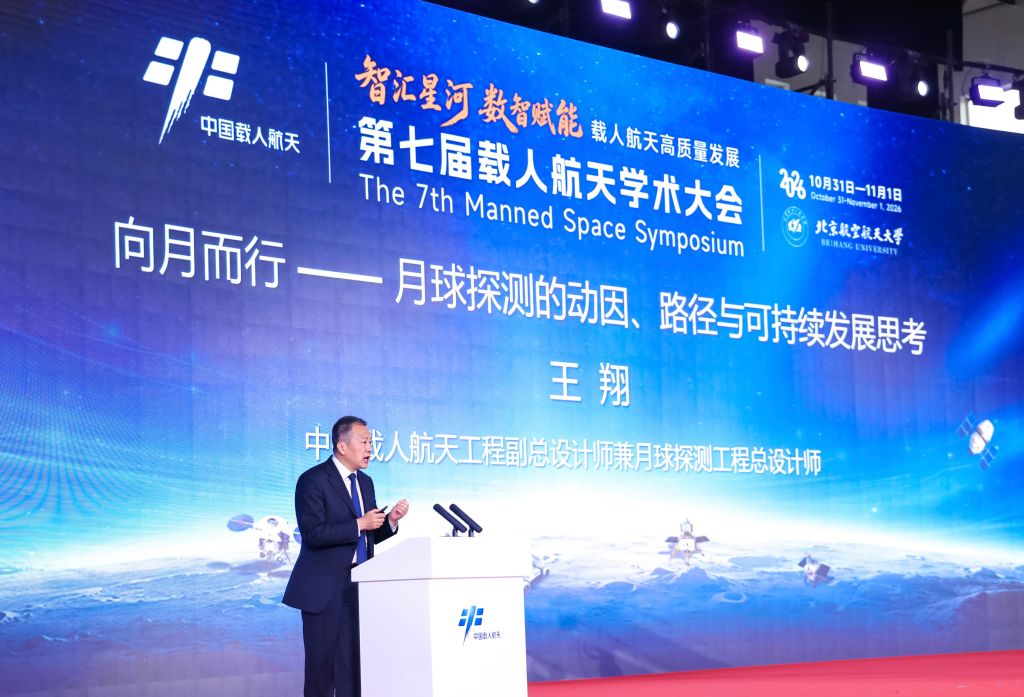
Wang Xiang, Deputy Chief Designer of China’s manned space program, delivered a keynote report
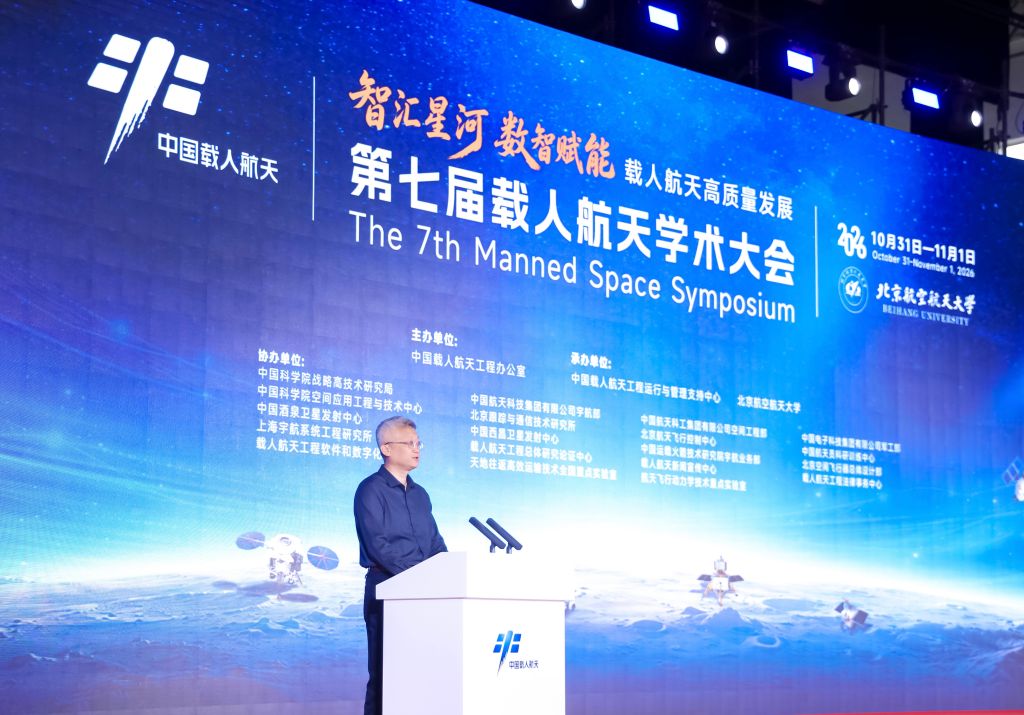
Zhang Jingbo, Director of the Comprehensive Planning Bureau of CMSA, presided over the symposium
The two-day agenda featured an opening ceremony, keynote presentations and parallel academic sessions. 11 academicians, renowned domestic experts and astronaut representatives were invited to deliver keynote speeches covering space station operation and application, lunar science and exploration, digitalization in aerospace and other topics, sharing the latest research outcomes and engineering experience.
In parallel academic sessions, 15 academic sub-forums cover three special topics—general manned space technologies, low-Earth-orbit manned space station, and lunar exploration engineering—aiming to create a series of exchange and cooperation platforms for cutting-edge space technologies, scientific and technological achievements, strategic development, and application transformation. A total of 364 themed papers were collected, and honorary certificates were awarded to 15 outstanding paper authors.
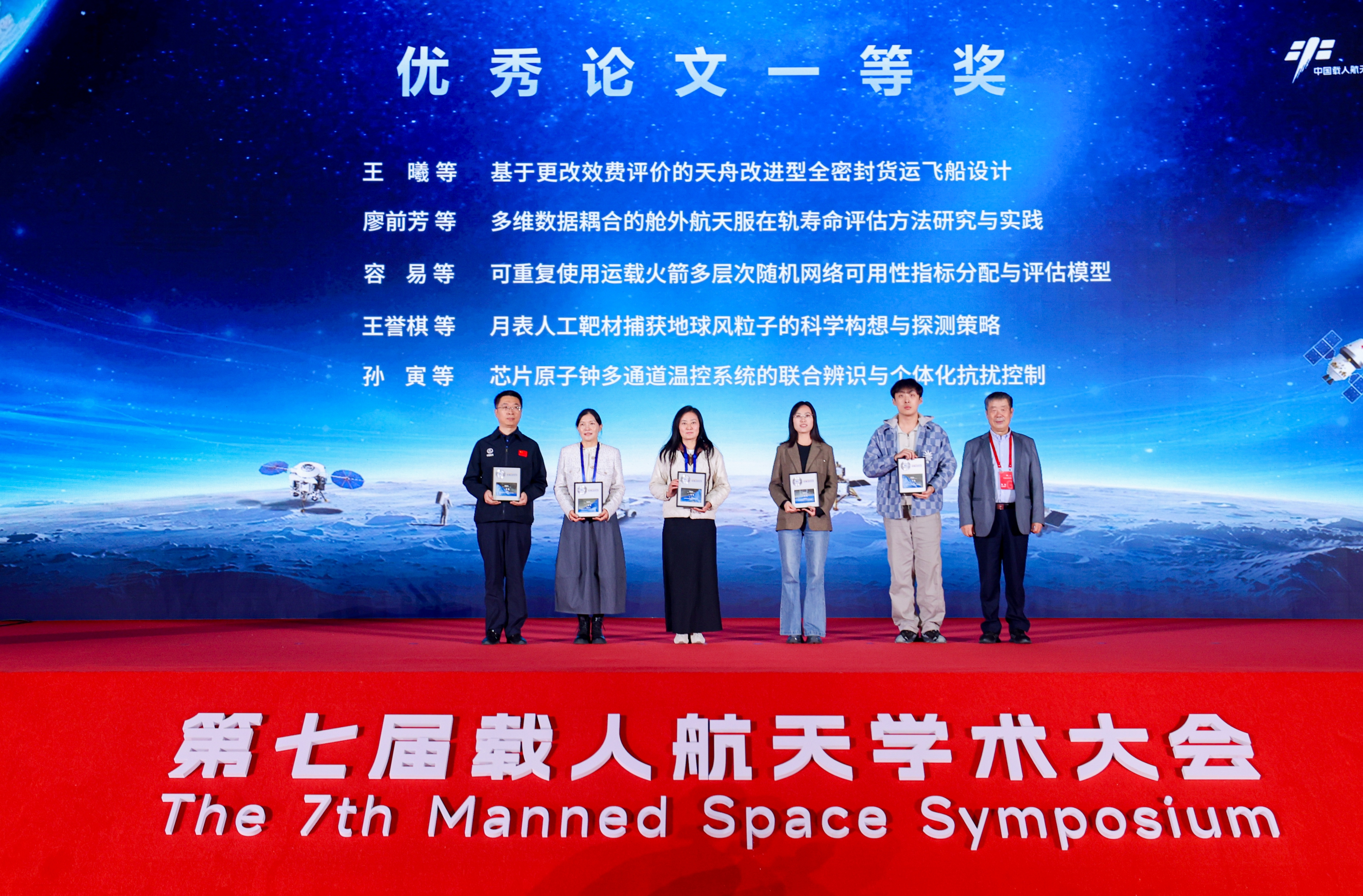
First-prize winners of outstanding papers receive awards
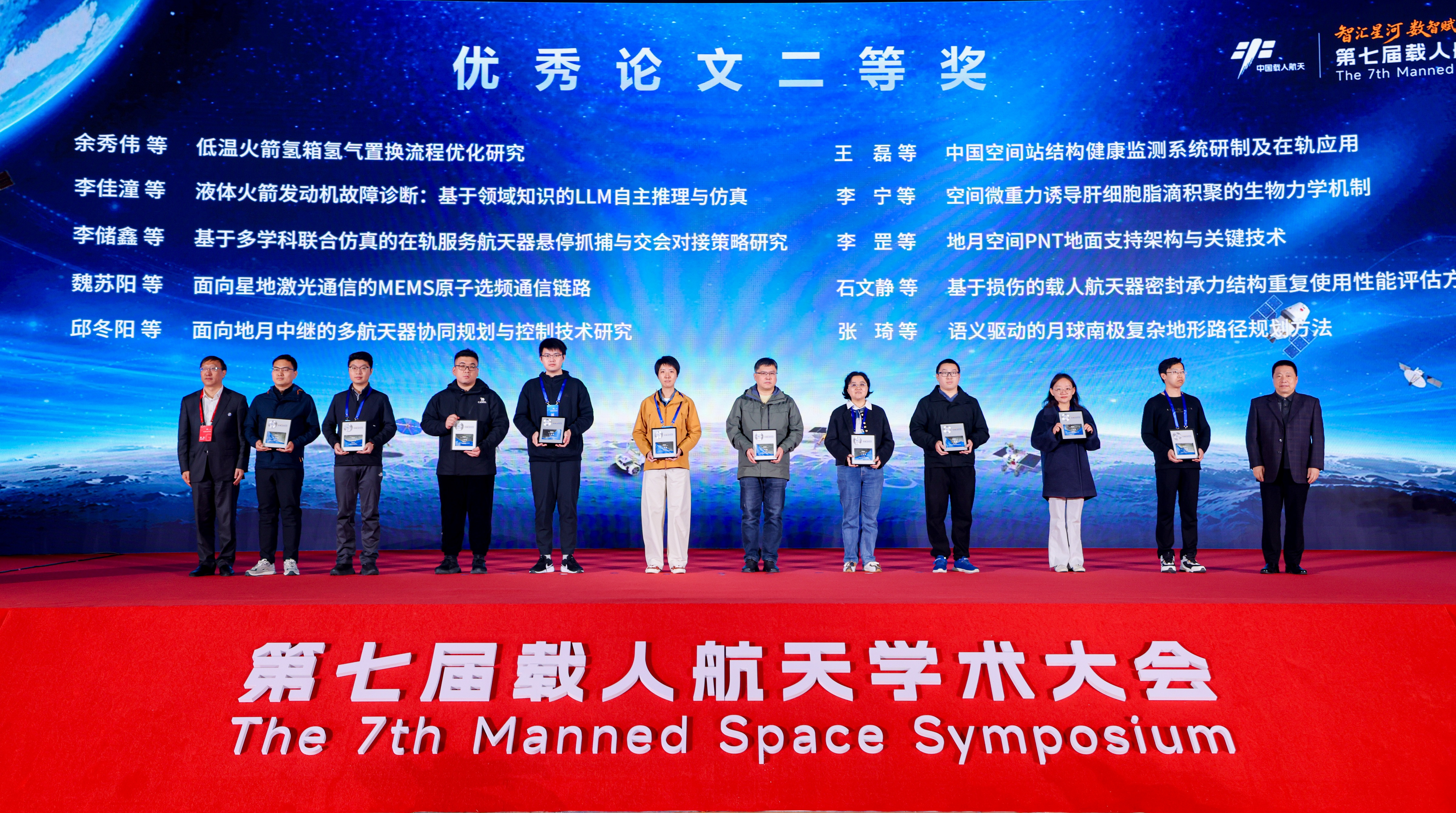
Second-prize winners of outstanding papers receive awards
Source: China Manned Space Agency
Editor: Liu Tingting


 Beihang NewsBeihang expands cooperation with Brazil in science and educationMore
 Beihang NewsBeihang holds 2026 Alumni Homecoming and Innovation Development ConferenceMore
 Beihang NewsBeihang Aeromodelling Team secures four championships, two runners-up and one third place at CUADC 2026More
 Beihang NewsICBE 2026 convenes in BeijingMore
 Beihang NewsKenya Space Agency Director General and Beihang alumnus Hillary Kipkosgey returns to campusMore