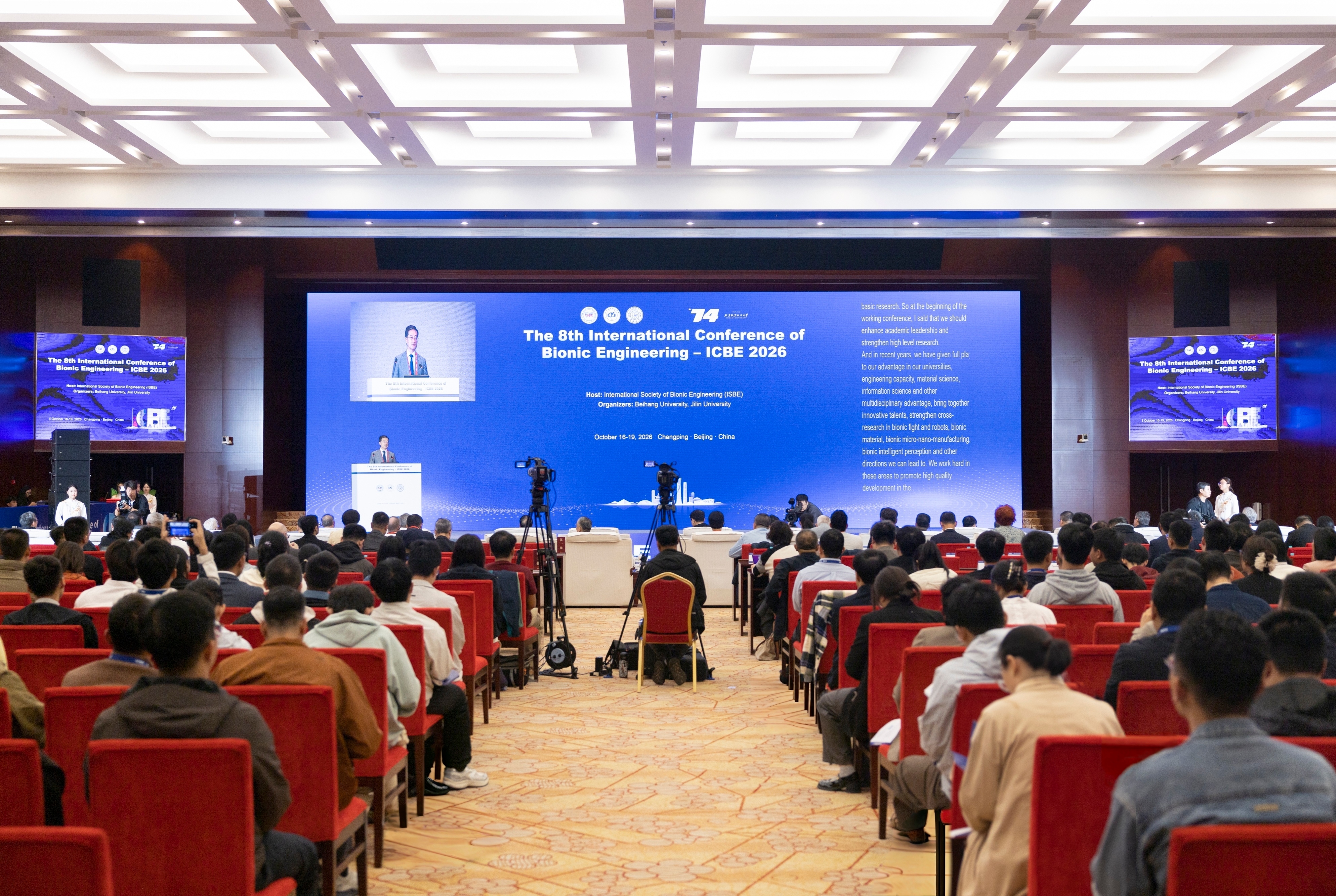
On October 17, the 2026 International Conference of Bionic Engineering (ICBE 2026), hosted by the International Society of Bionic Engineering (ISBE) and jointly organized by Beihang University and Jilin University, opened in Beijing.
The conference is themed "From Evolution to Revolution." As the highest-level academic conference in the international bionic field, it aims to bring together experts and scholars from academia and industry worldwide to exchange research achievements in bionic engineering and explore prospects for international cooperation. The conference gathered 17 academicians from China and abroad, more than 50 national-level talent, and over 700 experts, scholars, and industry representatives in the bionic field from 25 countries, including the United Kingdom, the United States, Germany, Italy, Portugal, Australia, Japan, and South Korea.
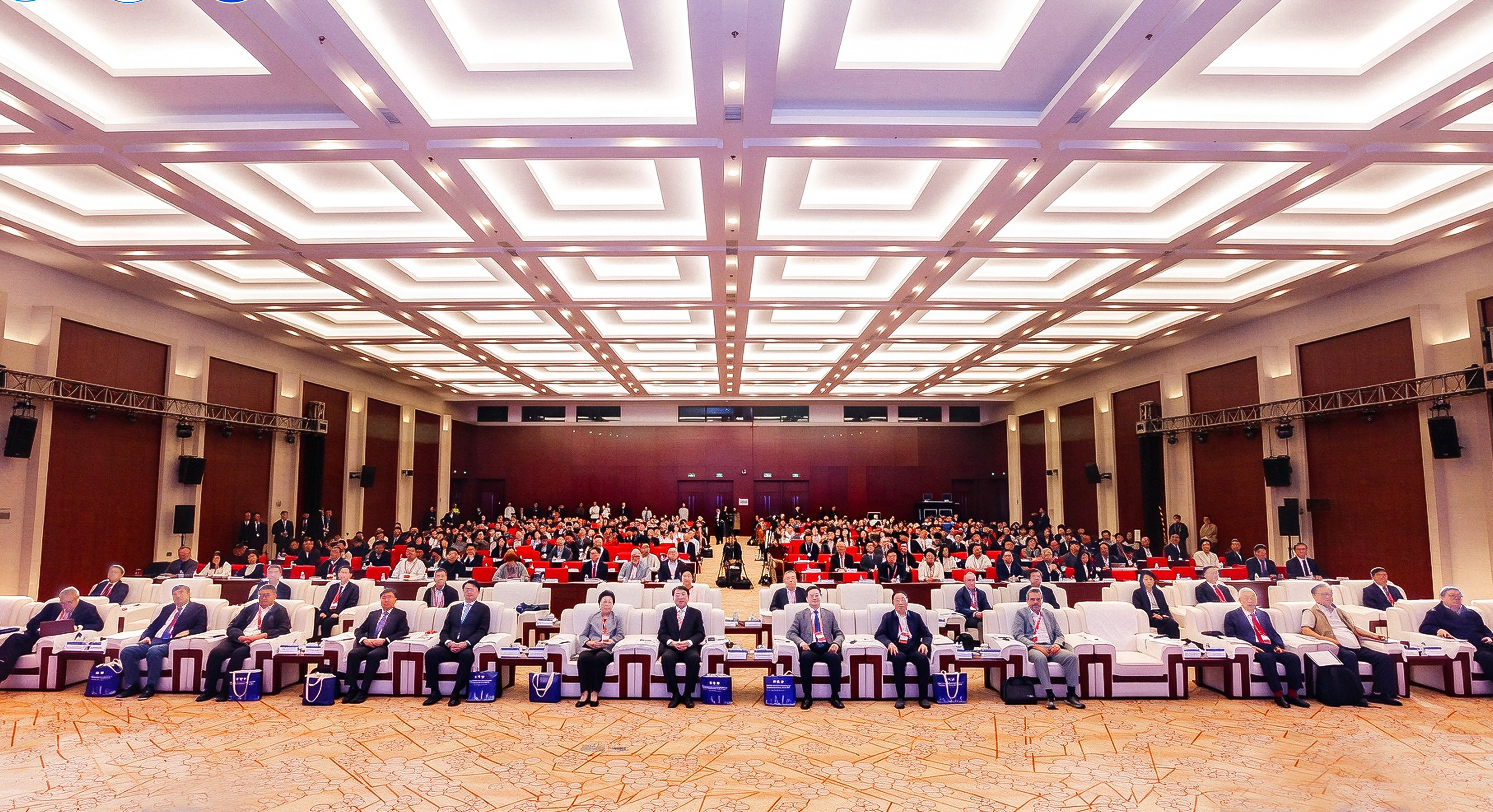
Yu Jun, Deputy Director of the Standing Committee of the Beijing Municipal People's Congress; Luo Hui, Member of the Party Leadership Group of the China Association for Science and Technology; Academician Wang Yunpeng, Secretary of the CPC Beihang University Committee; Liu Xiaodong, Head of Changping District and Director of the Future Science City Administrative Committee of Beijing; Mao Junfeng, Deputy Director of the High-Tech Department of the Ministry of Industry and Information Technology (MIIT); Lyu Jinhu and Yan Xiaojun, Vice Presidents of Beihang University; Zhang Guoxing, Vice President of Jilin University; Thomas Stegmaier, President of ISBE; Academician Gao Jinji from Beijing University of Chemical Technology; Academician Ren Luquan from Jilin University; Academician Jiang Lei from the University of Science and Technology of China; Academician Guo Lei from Beihang University; Academician Stanislav Gorb from Kiel University, Germany; Academician Seeram Ramakrishna from Tsinghua University; Academician Darwin Caldwell from the Istituto Italiano di Tecnologia; Academician Shengquan Xie from the University of Leeds, United Kingdom; Academician Hao Liu from Chiba University, Japan; Academician Hyuneui Lim from the Korea Institute of Machinery & Materials; and Academician Jianying He from the Norwegian University of Science and Technology attended the opening ceremony. Relevant officials from the National Natural Science Foundation of China, the Beijing Municipal Bureau of Economy and Information Technology, the Beijing Municipal Science & Technology Commission, and the Beijing Association for Science and Technology also participated in the conference. The opening ceremony was co-chaired by the Executive Chairs of the conference—Professor Chen Huawei from the School of Mechanical Engineering and Automation, Beihang University, and Professor Zhang Zhihui from the College of Biological and Agricultural Engineering, Jilin University.
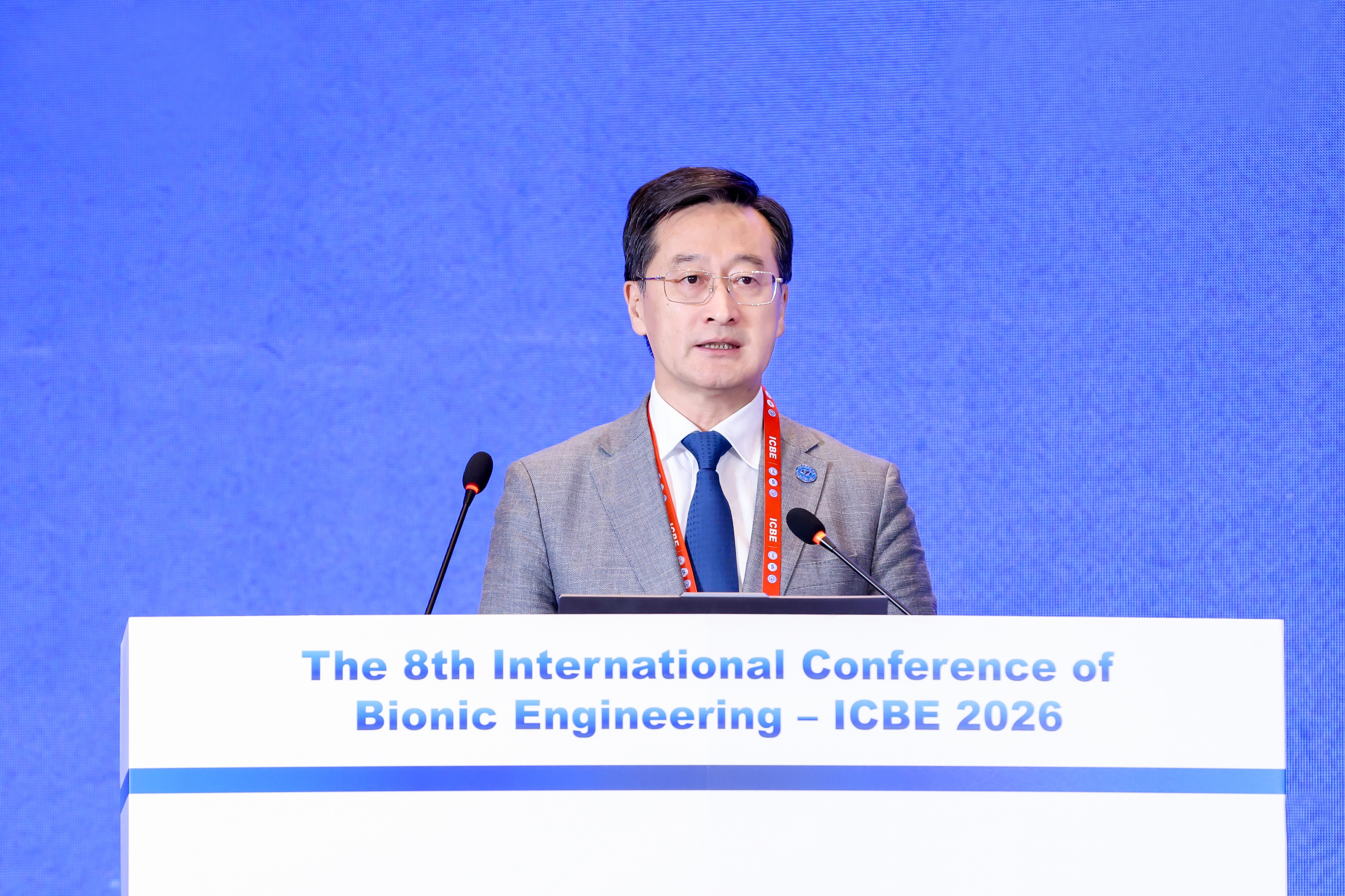
On behalf of Beihang University, Wang Yunpeng extended a warm welcome to all participants and expressed sincere gratitude to governments at all levels and friends from all sectors for their long-term support for Beihang University and the bionic engineering community. He noted that global science and technology competition is increasingly focused on basic frontiers. As an interdisciplinary subject integrating biological principles and engineering technologies, bionics serves as a critical pillar for disruptive technological breakthroughs. Beihang attaches great importance to basic research, strives to enhance its academic leadership and consolidate the scientific and technological support capacity of a high-level research university. Looking ahead, the University stands ready to work with peers worldwide to continuously advance interdisciplinary integration and original innovation, prioritize talent development and cultivate innovative workforce, and deepen open collaboration and accelerate achievement transformation, thus fostering new strengths for bionic engineering for the future.
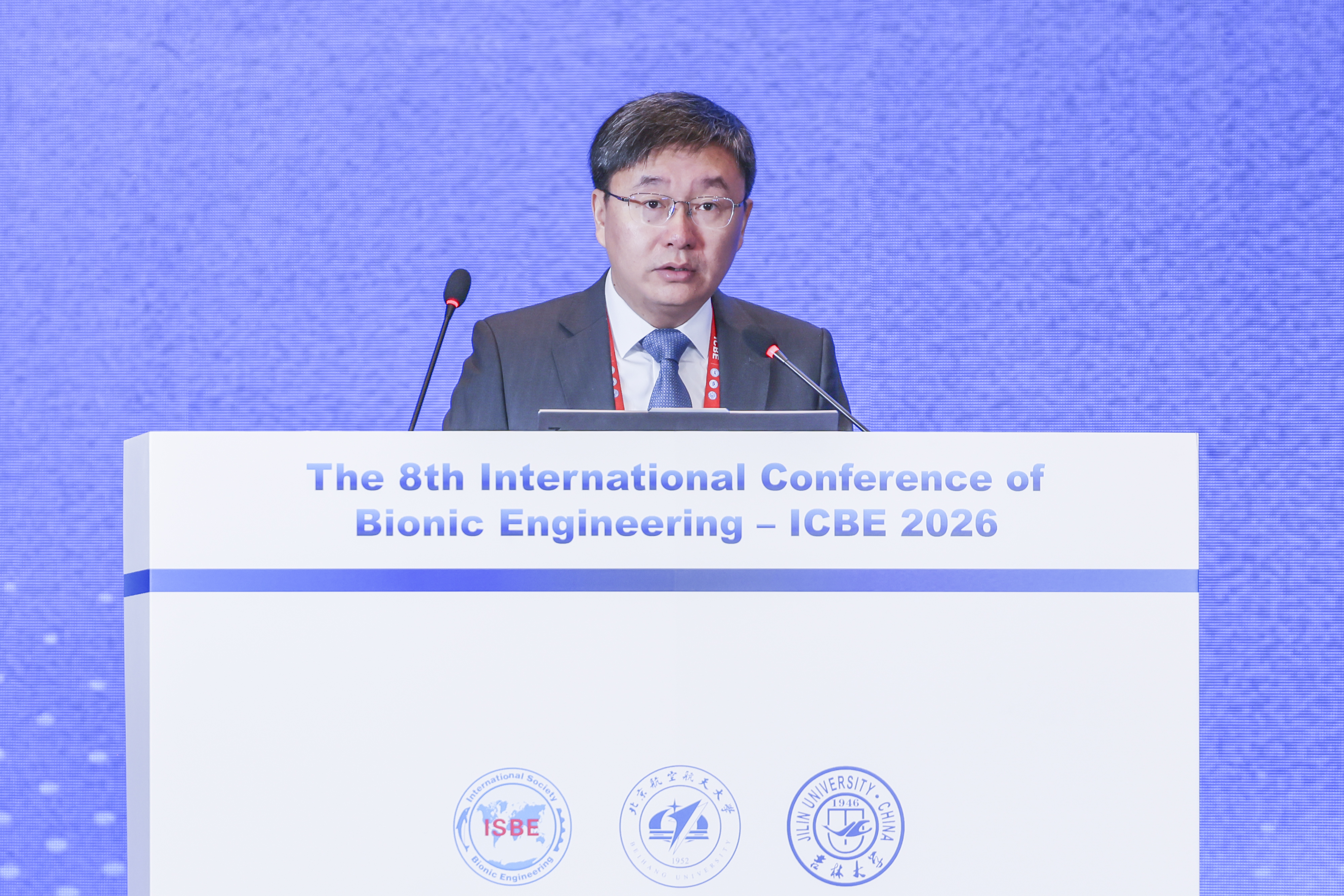
In his address, Mao Junfeng stated that bionic engineering, which integrates life science, materials science, information science and other engineering disciplines, has become a key driver of scientific and technological innovation and future industry development. The High-Tech Department of MIIT will leverage the guiding and supporting role of special programs under the National Key R&D Program of China to continuously promote technological innovation and industrial development in bionic engineering. He expressed the hope that this conference would serve as an opportunity to build consensus through exchanges and mutual learning, pool innovative wisdom through open cooperation, continuously expand the breadth and depth of international scientific and technological cooperation, and jointly promote scientific and technological innovation and the transformation and application of research achievements in bionic engineering.
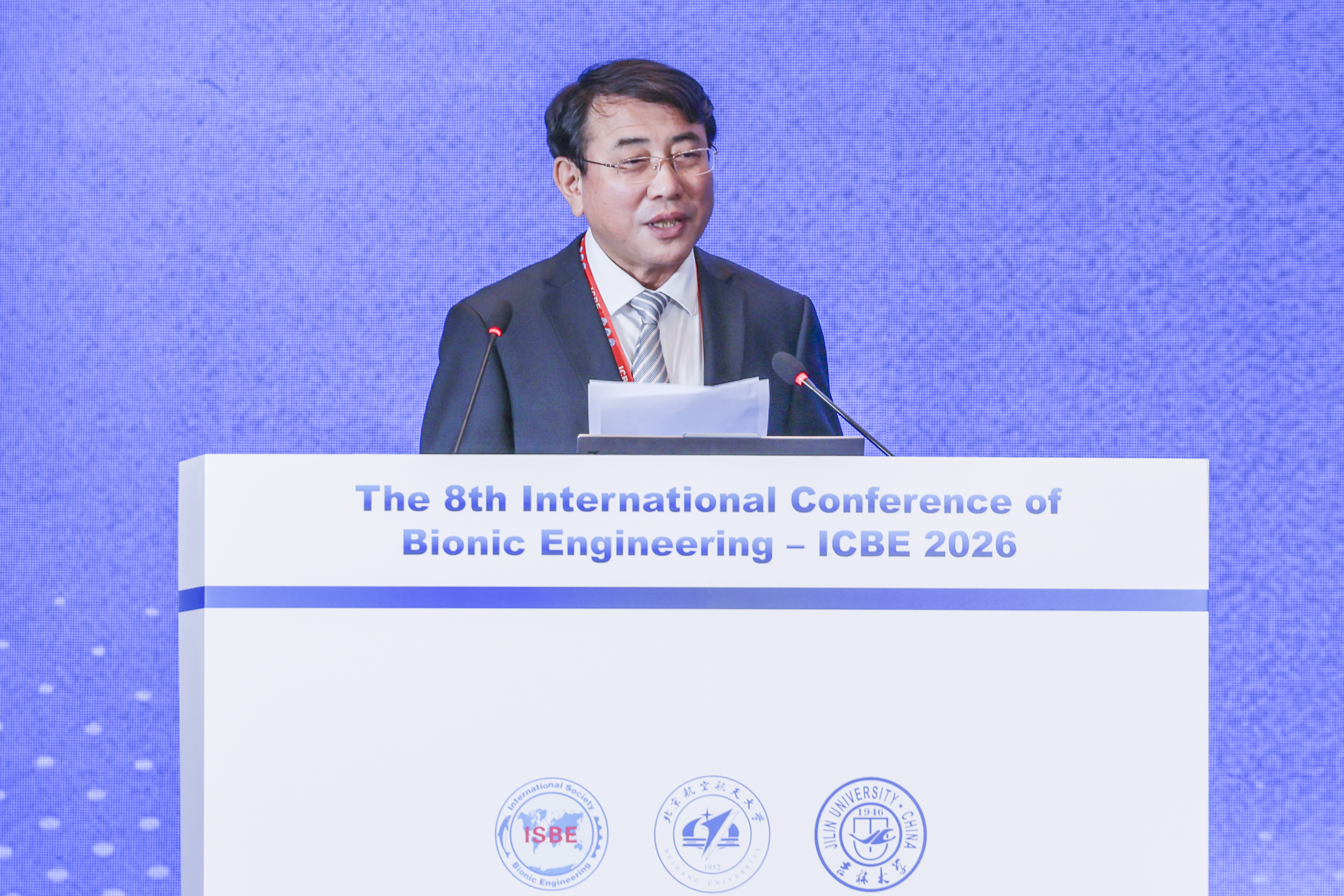
Yu Jun remarked that bionic engineering boasts broad innovation potential and application prospects. Seizing development opportunities in this frontier field hinges on industry-university-research collaboration and interdisciplinary integration. Beijing has laid a solid foundation for the development of bionic engineering, and will further pool global innovation resources, promote in-depth connections among universities, research institutes and enterprises, cultivate an innovation-friendly ecosystem that encourages exploration and embraces open collaboration, and help translate more research results from laboratories into practical applications. These efforts will strongly support the development of new quality productive forces and future industries in the capital and underpin Beijing's development into a global hub for science and technology innovation.
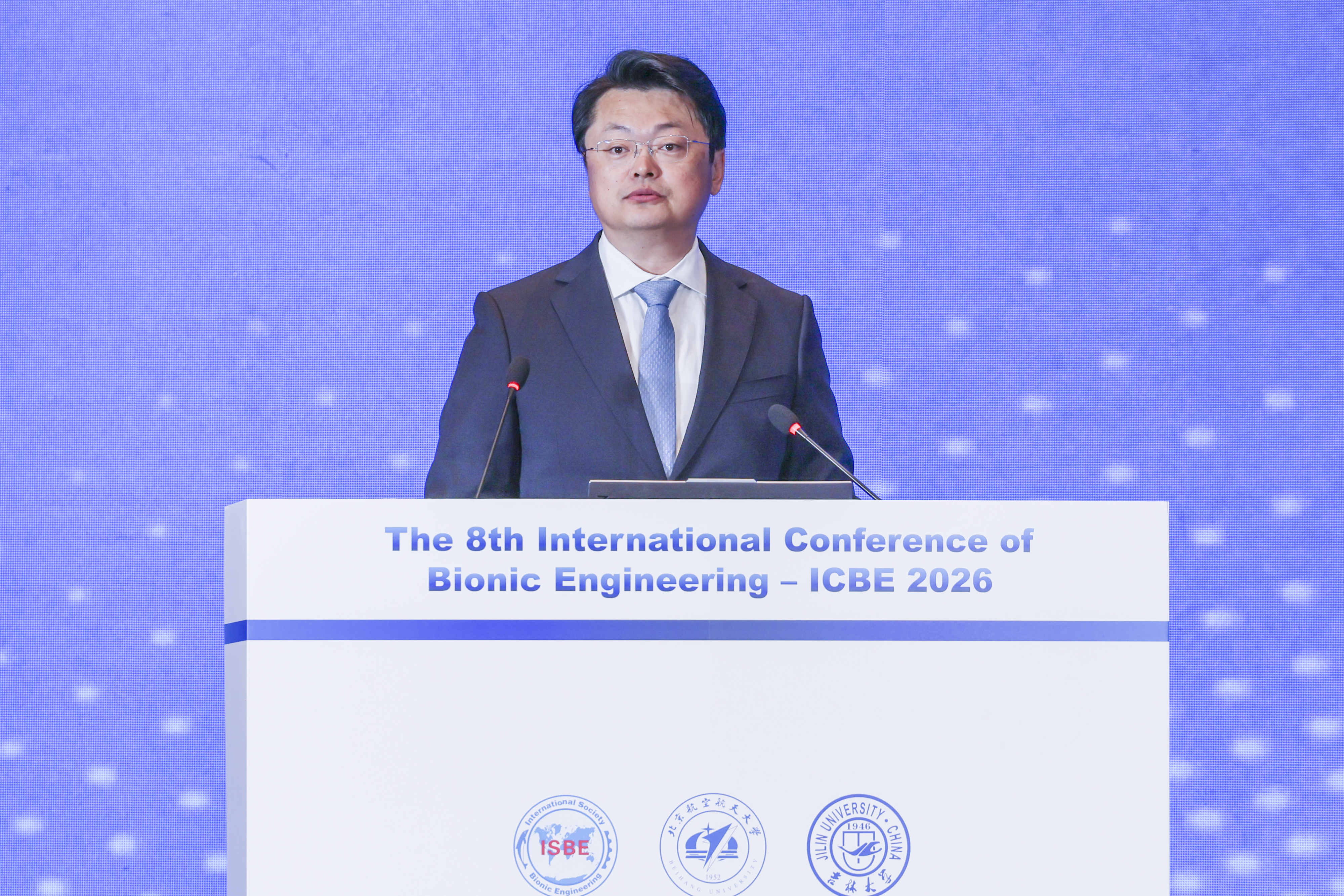
Liu Xiaodong noted that Changping District capitalizes on its strengths in high university concentration and abundant science and innovation resources. Relying on industrial clusters built around the Future Science City, the G6 Innovation Corridor and the G45 Industrial Corridor, the district has created favorable conditions for R&D and commercialization of bionic engineering technologies. Going forward, Changping will continuously push the robotics industry to break performance bottlenecks, diversify product forms and expand market reach, empower the iterative upgrading of robotics with bionic engineering, and drive transformation and reshaping of advanced manufacturing.
Thomas Stegmaier and Zhang Guoxing delivered remarks on behalf of ISBE and Jilin University respectively, extending warm welcome and gratitude to all attendees. Ren Lei, Executive Vice Presidentof ISBE, delivered the work report of the council, which systematically reviewed its achievements in academic development, international exchanges, talent training and industry-university-research services, outlined priorities for disciplinary development, platform construction, international cooperation and industrial empowerment in the next phase, and demonstrated the ISBE's sound momentum of steady growth and global leadership in bionics.
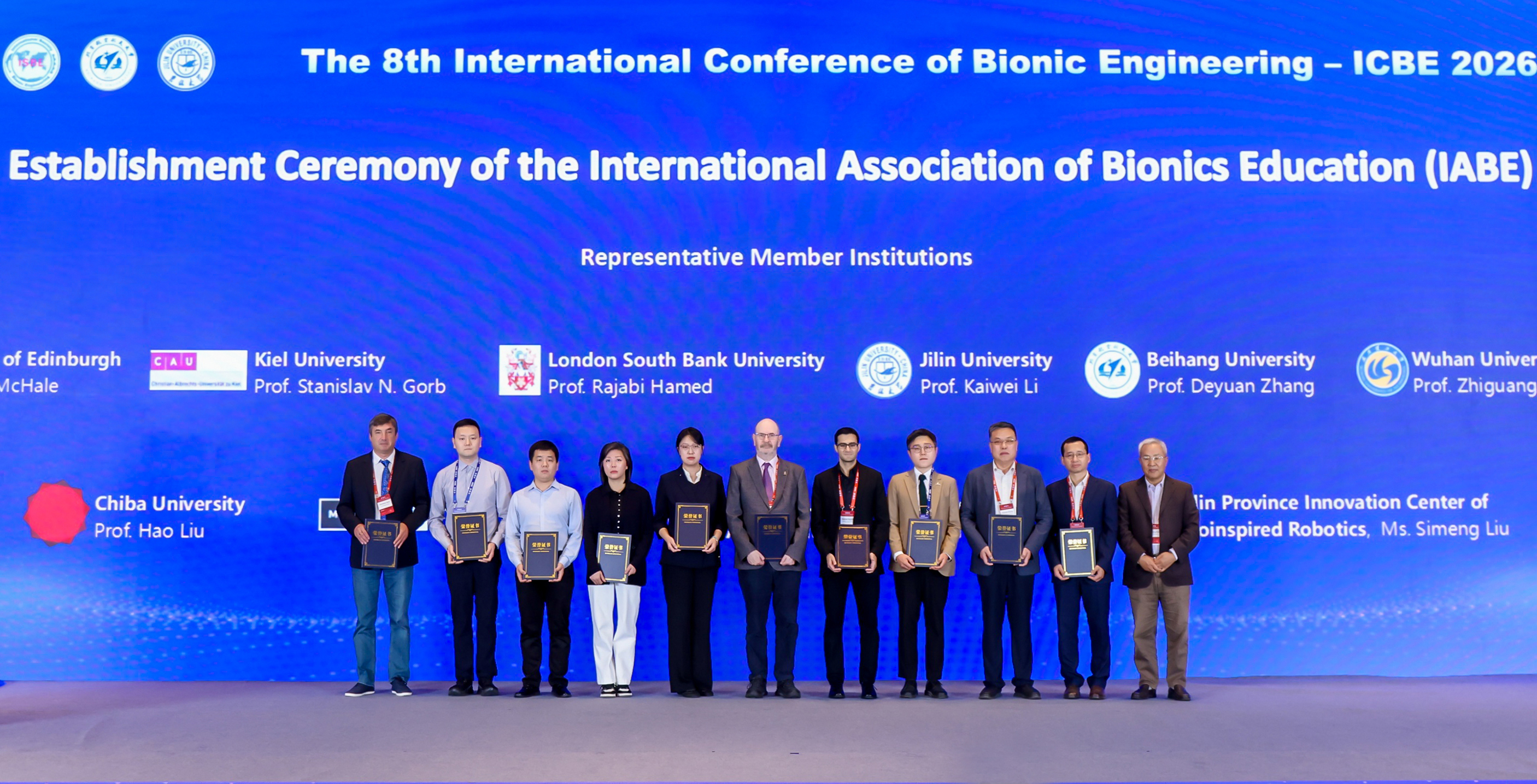
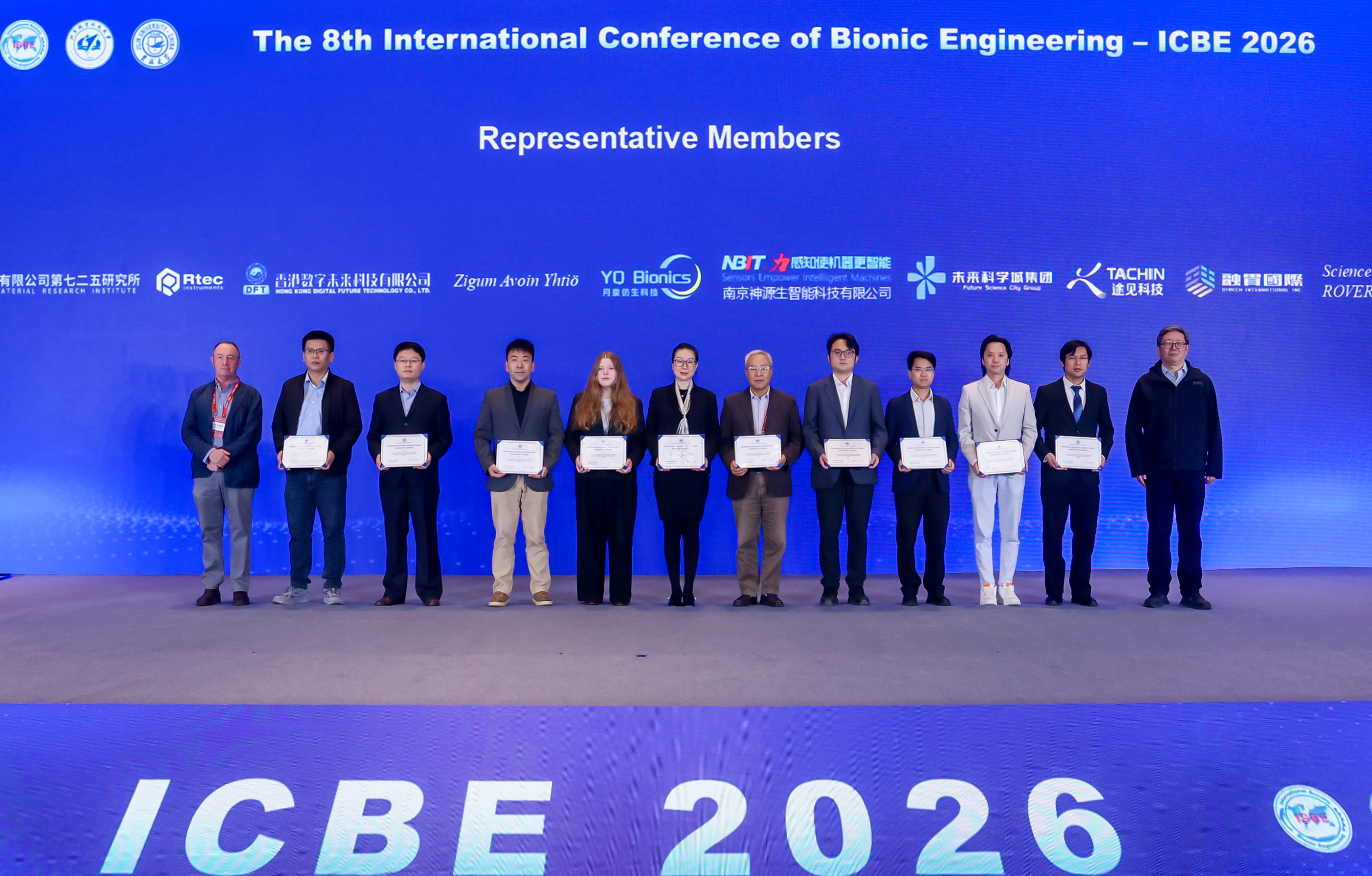
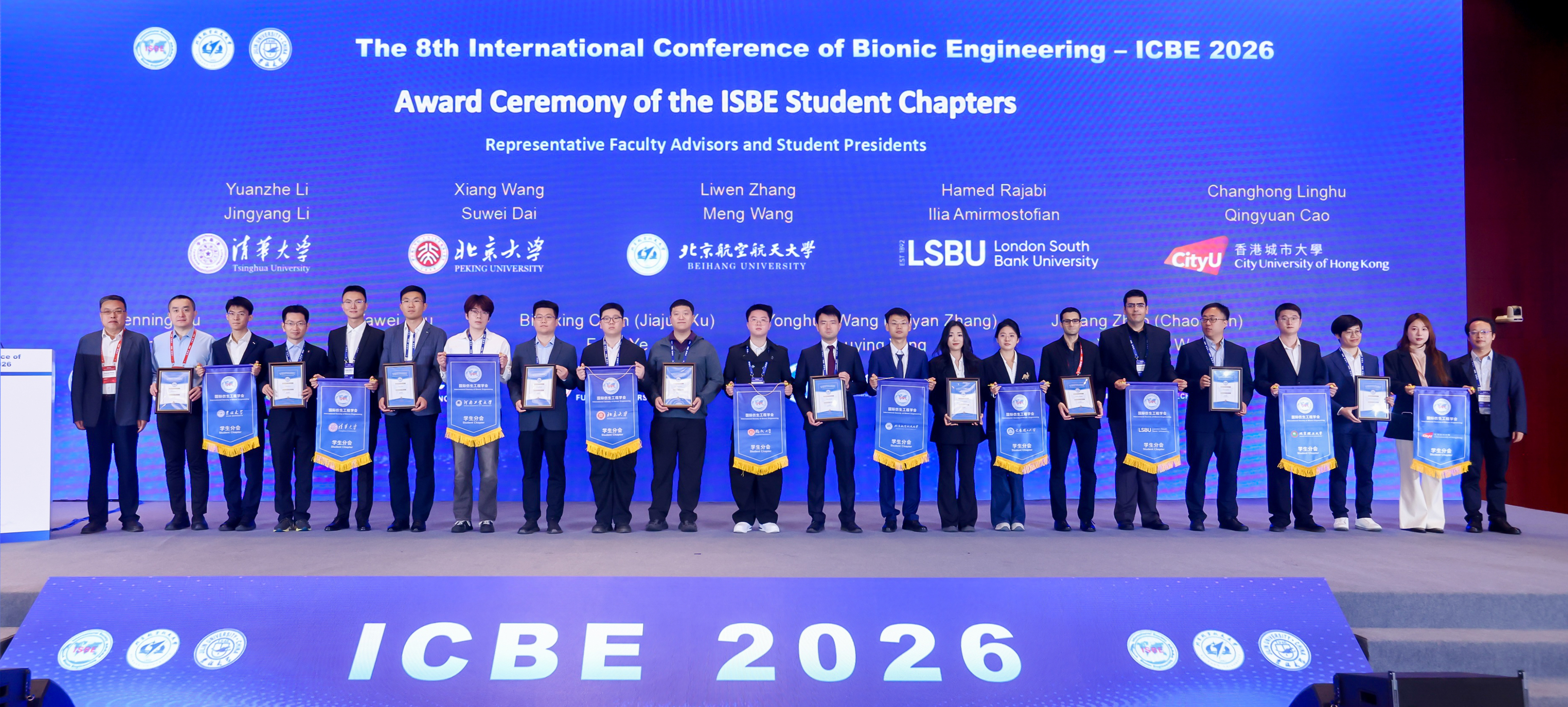
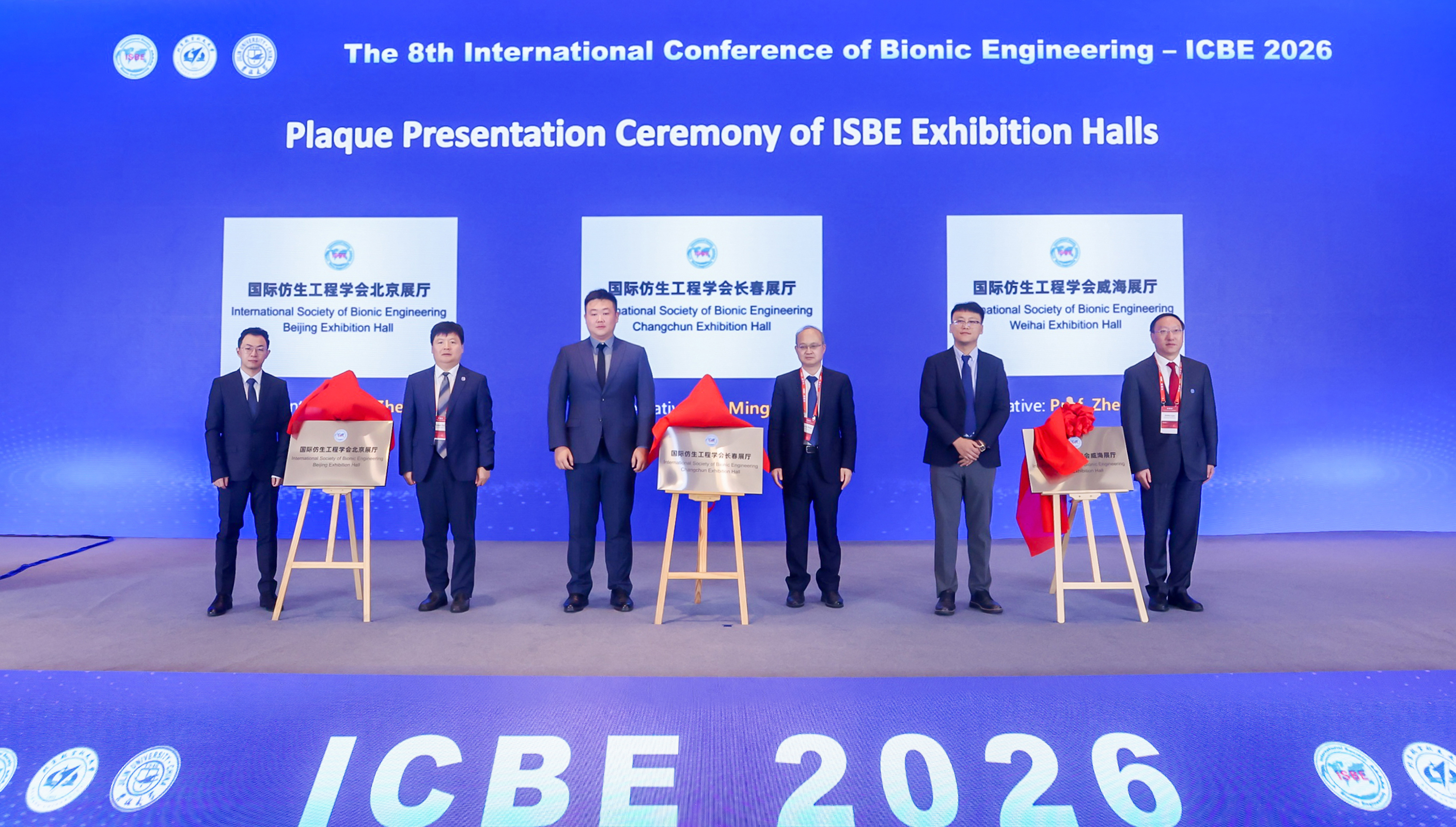
During the conference, several ceremonies were held, including the establishment of International Alliance for Bionic Education (IABE), the International Alliance for Bionic Industry (IABI), and the Student Chapter of ISBE, and the plaque presentation for ISBE Exhibition Halls. IABE aims to bring together top universities and research institutions worldwide to build an international talent training system for bionics and consolidate the foundation for long-term disciplinary growth, while IABI seeks to cover the full innovation chain of bionic technologies spanning basic research, technical breakthroughs and industrial application, assemble global industrial resources, and advance the scenario-based, product-oriented and industrialized application of cutting-edge bionic technologies. Covering numerous key universities at home and abroad, the Student Chapter of ISBE serves as an exchange platform for young innovators and cultivates emerging talent for bionic engineering. The ISBE Exhibition Halls will belocated in Beijing, Changchun and Weihai respectively. As permanent venues for showcasing bionic achievements, academic popularization, international exchange and industry-university-research matchmaking, they will facilitate regular dissemination and open sharing of bionic advances.
Seven academicians including Jiang Lei, Gao Jinji, Seeram Ramakrishna and Stanislav Gorb delivered keynote speeches on frontiers of bionic science and technology, resonating strongly with the participants.
As a vital platform for academic exchange in global bionic engineering and a concentrated showcase of China's bionic research capacity, this conference will further consolidate global consensus on bionic innovation, advance high-quality development of China's bionic engineering discipline, and inject new impetus into accelerating the achievement of high-level self-reliance and strength in science and technology.
Editor: Liu Tingting


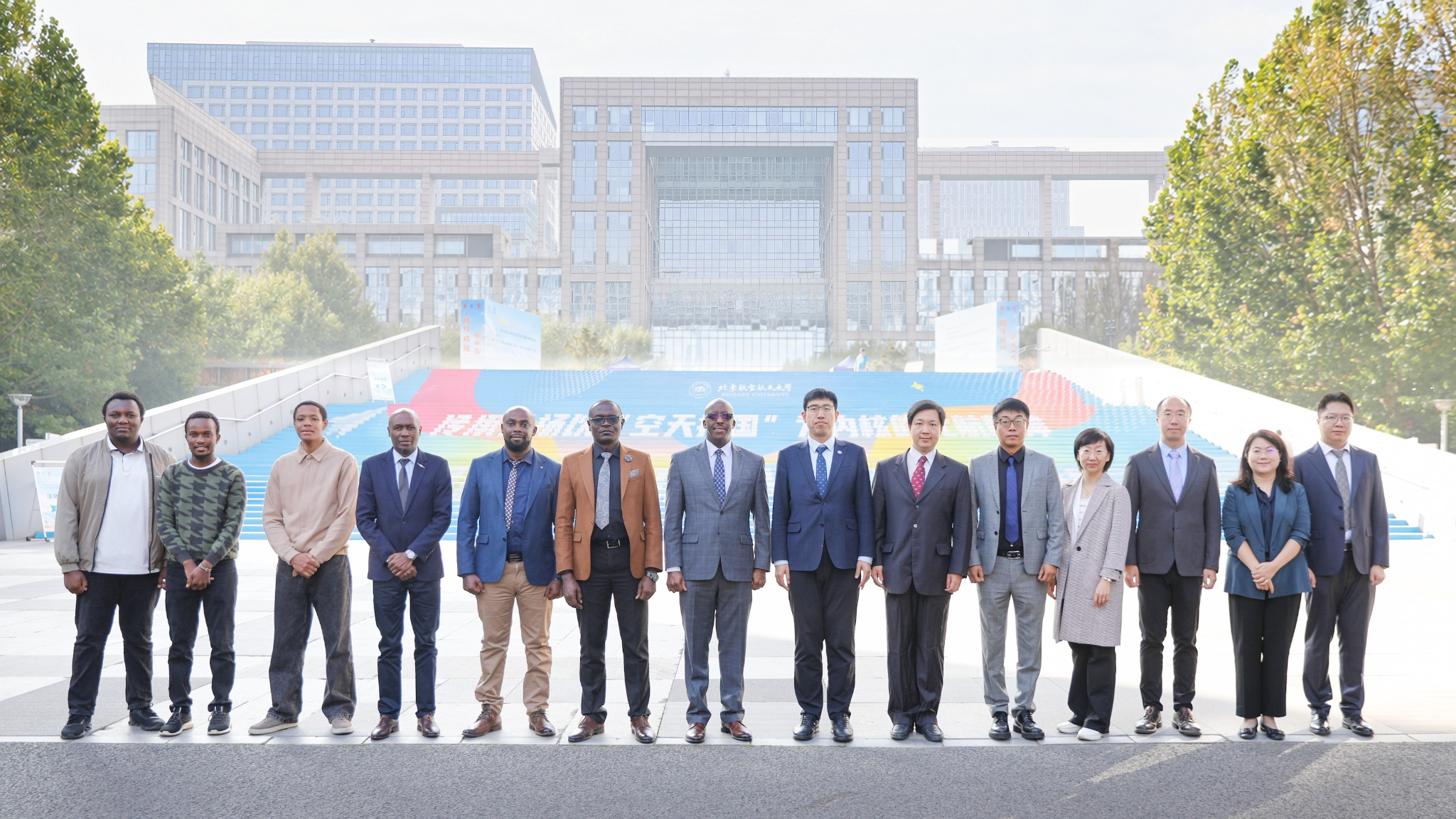 Beihang NewsKenya Space Agency Director General and Beihang alumnus Hillary Kipkosgey returns to campusMore
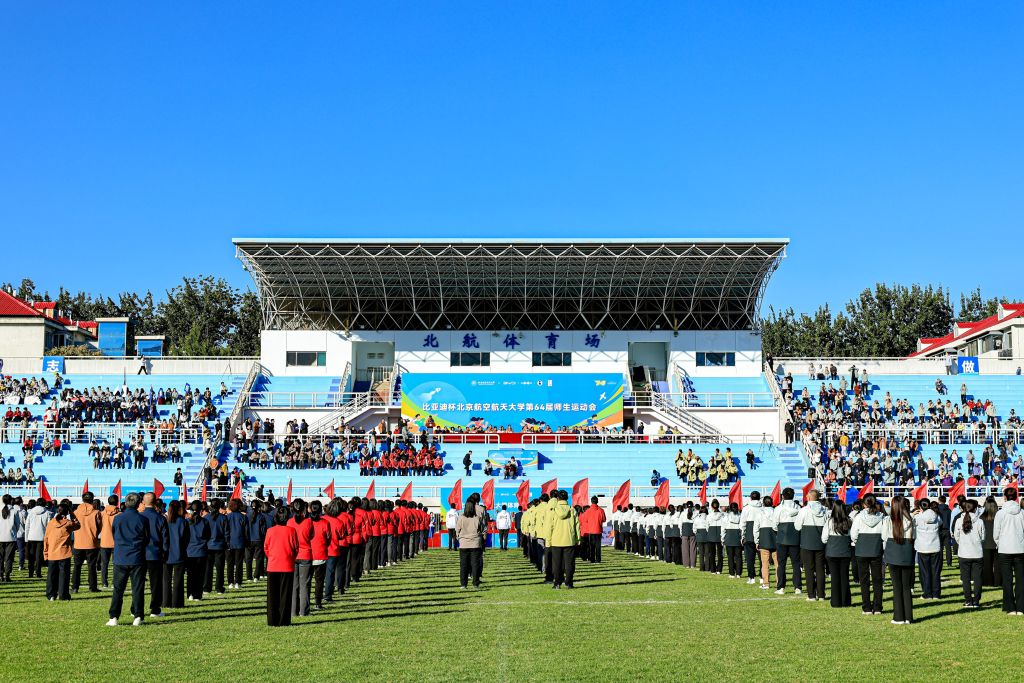 Beihang NewsBeihang hosts 64th Faculty and Student Sports MeetMore
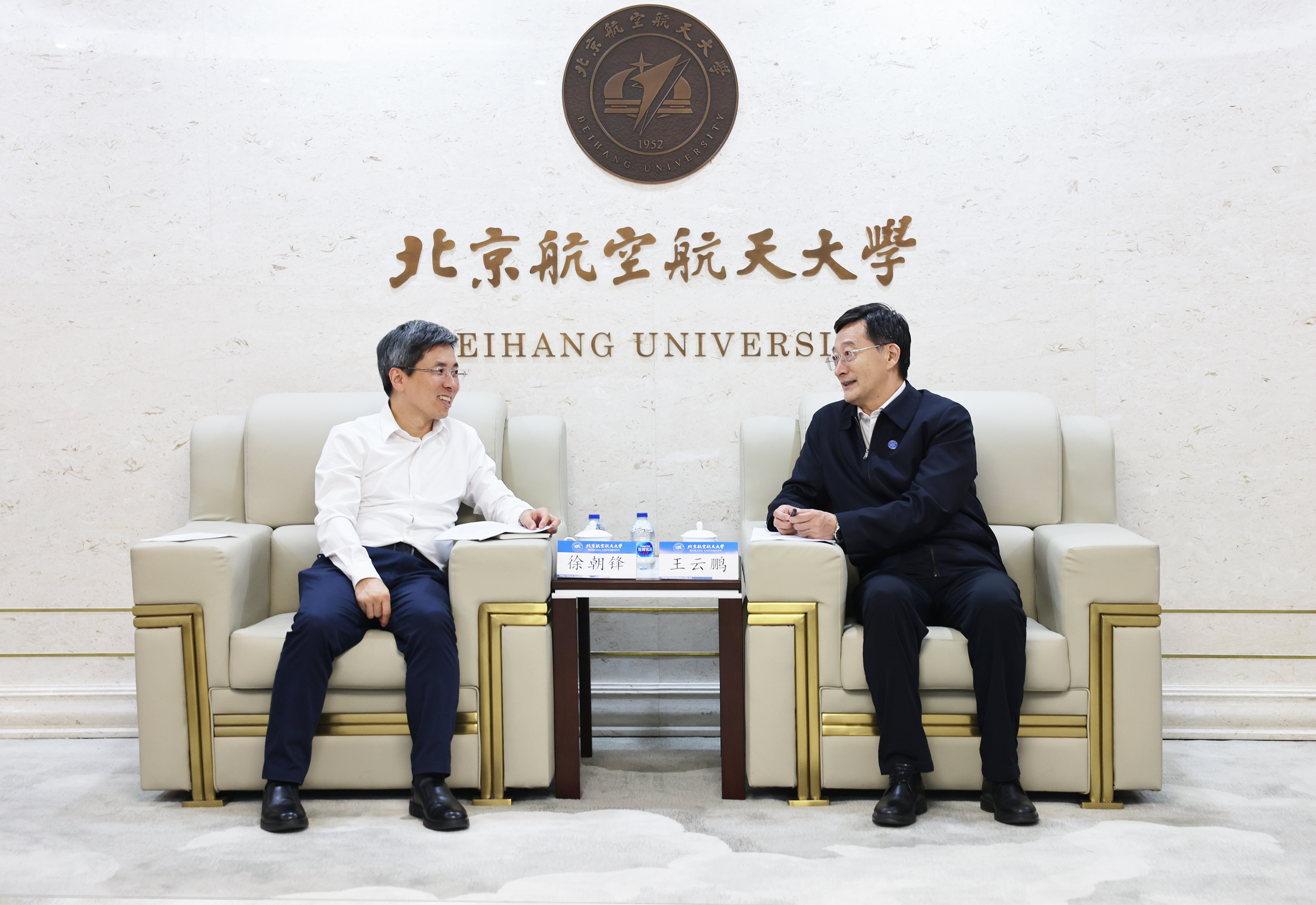 Beihang NewsVice governor of Shanxi Province visits Beihang UniversityMore
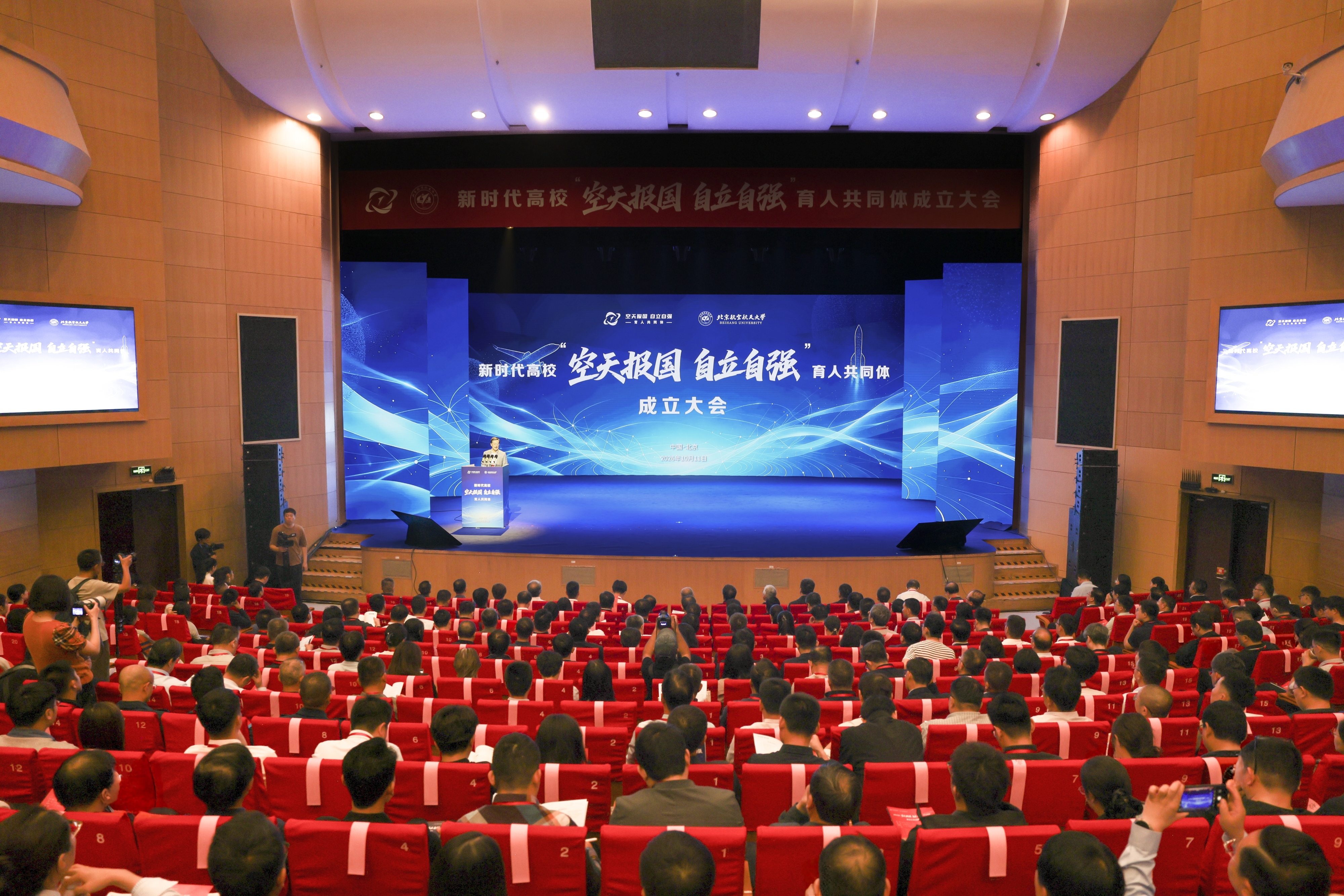 Beihang NewsEducation consortium for aerospace talent development launched at Beihang UniversityMore
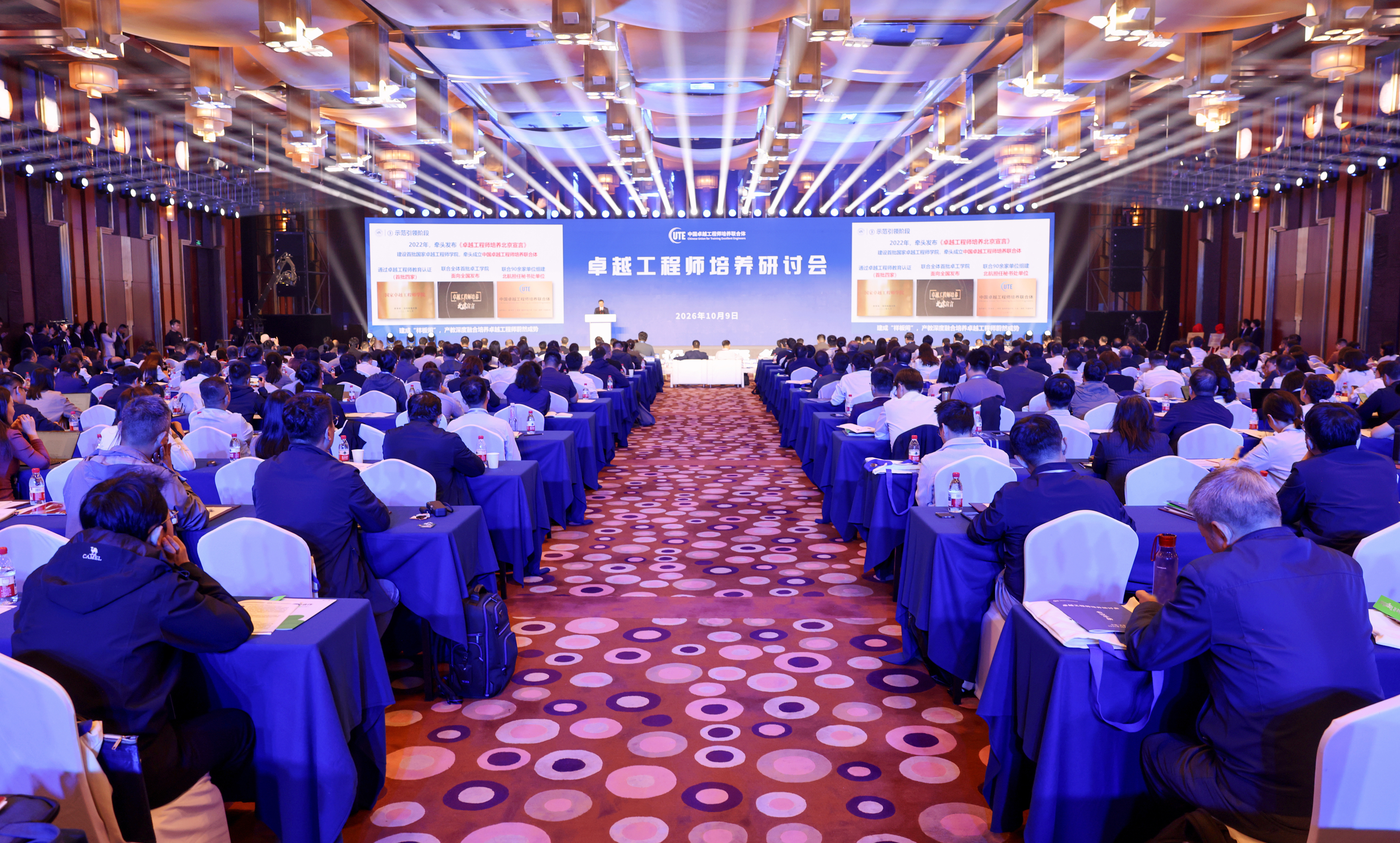 Beihang News2026 Symposium on Excellent Engineer Training held in BeijingMore