From July 16 to 20, the 26th International Conference on Electronic Business (ICEB 2026), hosted by the International Consortium for Electronic Business and organized by the School of Economics and Management at Beihang University, was successfully held on campus. Centering on the theme "Leading Electronic Business in the AI Age," the conference served as a key academic event celebrating the 70th anniversary of the School of Economics and Management, attracting over 200 scholars and experts from 16 countries and regions.
The opening ceremony took place on the morning of July 18, co-moderated by Professor Hao Jinxing, Associate Dean of the School of Economics and Management at Beihang, and Professor Sia Choon Ling from City University of Hong Kong.
Zhao Weisheng, Vice President of Beihang University, delivered the welcoming address on behalf of the university. He extended his congratulations on the conference and a warm welcome to all attendees, and introduced Beihang's progress in talent cultivation, faculty development, campus construction, and internationalization. He noted that this conference reflects the university's commitment to the values of "inclusiveness, innovation, and collaboration" and its pursuit of academic excellence.
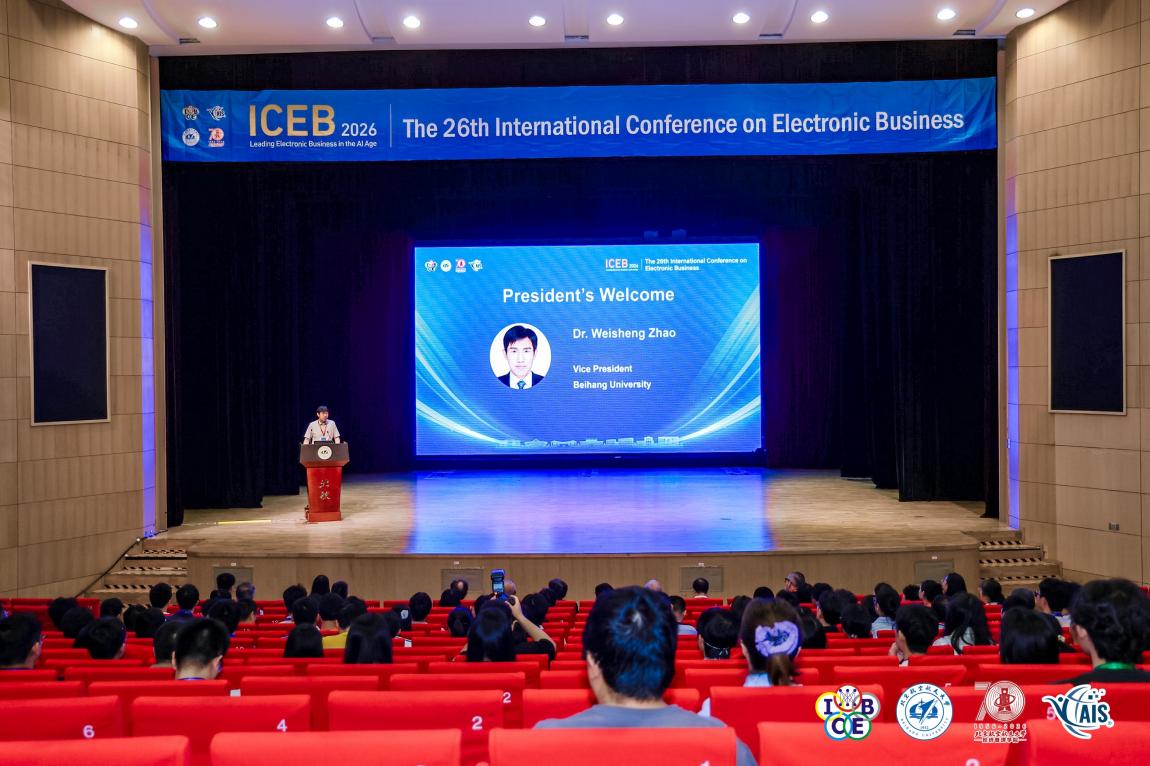
Professor Wu Junjie, Dean of the School of Economics and Management, gave an address introducing the School's faculty, talent development programs, disciplinary strengths, and research platforms. He emphasized that, building on its strong academic foundations and multiple national-level research platforms, the School is steadily advancing toward its vision of becoming a "world-class technology business school rooted in China."
Professor Eldon Y. Li, Founder and Honorary Chair of ICEB, reviewed the conference's development journey since its inception in 2001 and expressed gratitude to the ICEB 2026 organizing committee for their meticulous arrangements. Professor Patrick Y.K. Chau, ICEB Chair, welcomed the participants on behalf of the ICEB Executive Committee and highlighted that the conference provides a high-quality platform for knowledge sharing and exchange among scholars in the field of electronic commerce, encouraging collaborative efforts to drive innovation and development in the AI era. Professor Loi Ta Van, ICEB Chair-Elect, highly commended the organization of the conference and looked forward to future international cooperation and academic exchanges. Professor Douglas Vogel, Fellow and Former President of the Association for Information Systems (AIS) and professor at Harbin Institute of Technology, welcomed the attendees on behalf of AIS, introduced the Association's core functions, and expressed interest in fostering long-term collaboration.
The conference featured four distinguished keynote speakers. Professor Zhang Yicheng, Fellow of the European Academy of Sciences and Director of the International Research Center for Complex Science at Hangzhou International Innovation Institute of Beihang University, delivered a keynote titled "Next Phase of the AI Revolution—Personal Assistant and How It Enables Us and How It May Reshape Our Life." Professor Robert M. Davison, Editor-in-Chief of the Information Systems Journal and professor at City University of Hong Kong, presented "Research Integrity Matters: A Journal Editor's Perspective." Professor Wu Junjie, Dean of the School of Economics and Management at Beihang, shared insights in his keynote "Agentic Commerce: A New Frontier for Business Research in the Era of AI." Professor Christy M.K. Cheung, Editor-in-Chief of Internet Research and professor at Hong Kong Baptist University, presented "Technology Use, Successful Aging, and Well-Being: Core Pillars of Our Research Program on Aging Populations."
On July 17, a doctoral consortium was held, where 14 PhD candidates presented their research papers. Professor Christy M.K. Cheung from Hong Kong Baptist University, Professor Zach W.Y. Lee from City University of Hong Kong, Professor Shen Xiaoliang from Wuhan University, and Professor Tong Yu from Zhejiang University provided professional comments on the presentations. Multiple workshops and panel sessions were also conducted concurrently, featuring presentations by scholars from Tsinghua University, Peking University, Renmin University of China, Central University of Finance and Economics, and Communication University of China.
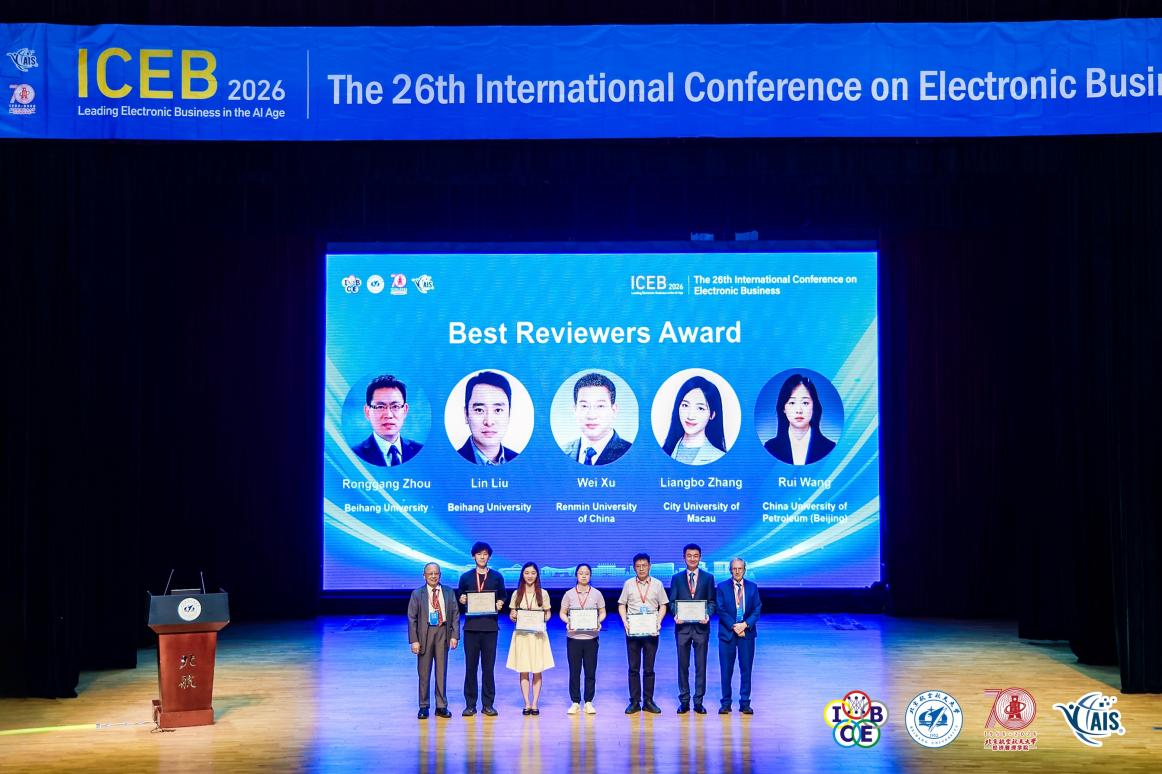
The conference received a total of 307 submissions, of which 205 were accepted after peer review. Five Best Reviewers and 12 Best Paper awards were presented, with winning research focusing on cutting-edge topics such as artificial intelligence, digital innovation, and platform governance—representing key directions and the latest academic achievements in electronic commerce.
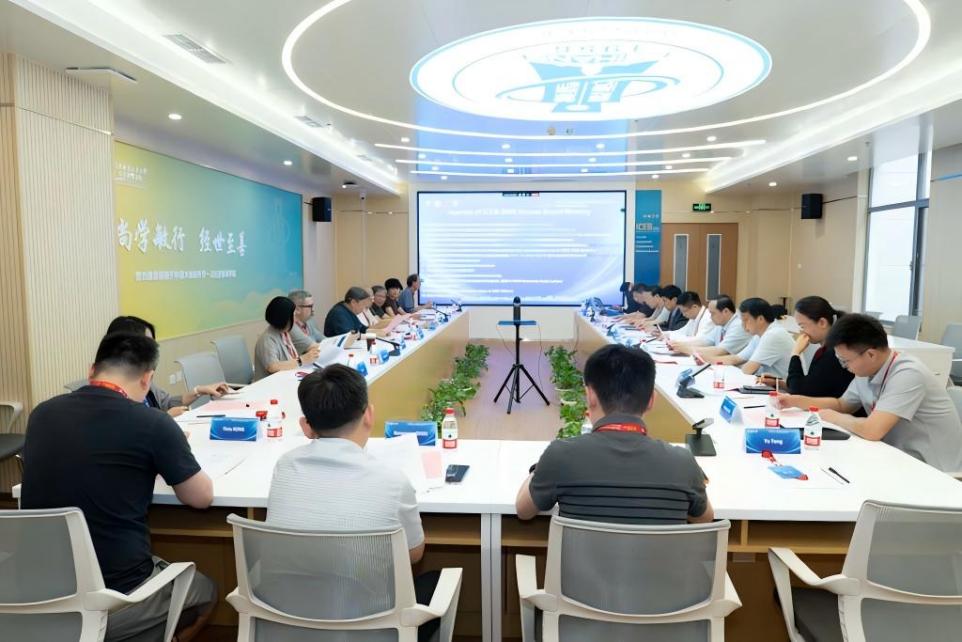
The ICEB Board Meeting was held on the afternoon of July 16, during which the board reviewed the conference's 26-year development history, examined the 2025 financial report, discussed arrangements for ICEB 2026, deliberated on amendments to the constitution, and nominated candidates for the 2027 Board of Directors as well as potential host cities for the 2027–2029 conferences.
On the morning of July 20, participants visited the Huawei Beijing Research Institute and the Tesla GIGA Museum, gaining firsthand insights into cutting-edge industry practices in artificial intelligence, intelligent manufacturing, and new energy vehicles—further deepening the interaction between academia and industry.
This conference has significantly enhanced the academic influence of Beihang's School of Economics and Management in electronic commerce and information systems, while also building an important platform for promoting international academic collaboration and advancing theoretical innovation and practical development in electronic business in the age of AI. Attendees agreed that the conference provided a valuable opportunity for scholars to share their latest research findings, exchange ideas, and explore future directions for innovation in electronic business in the era of artificial intelligence.
Editor: Liu Tingting


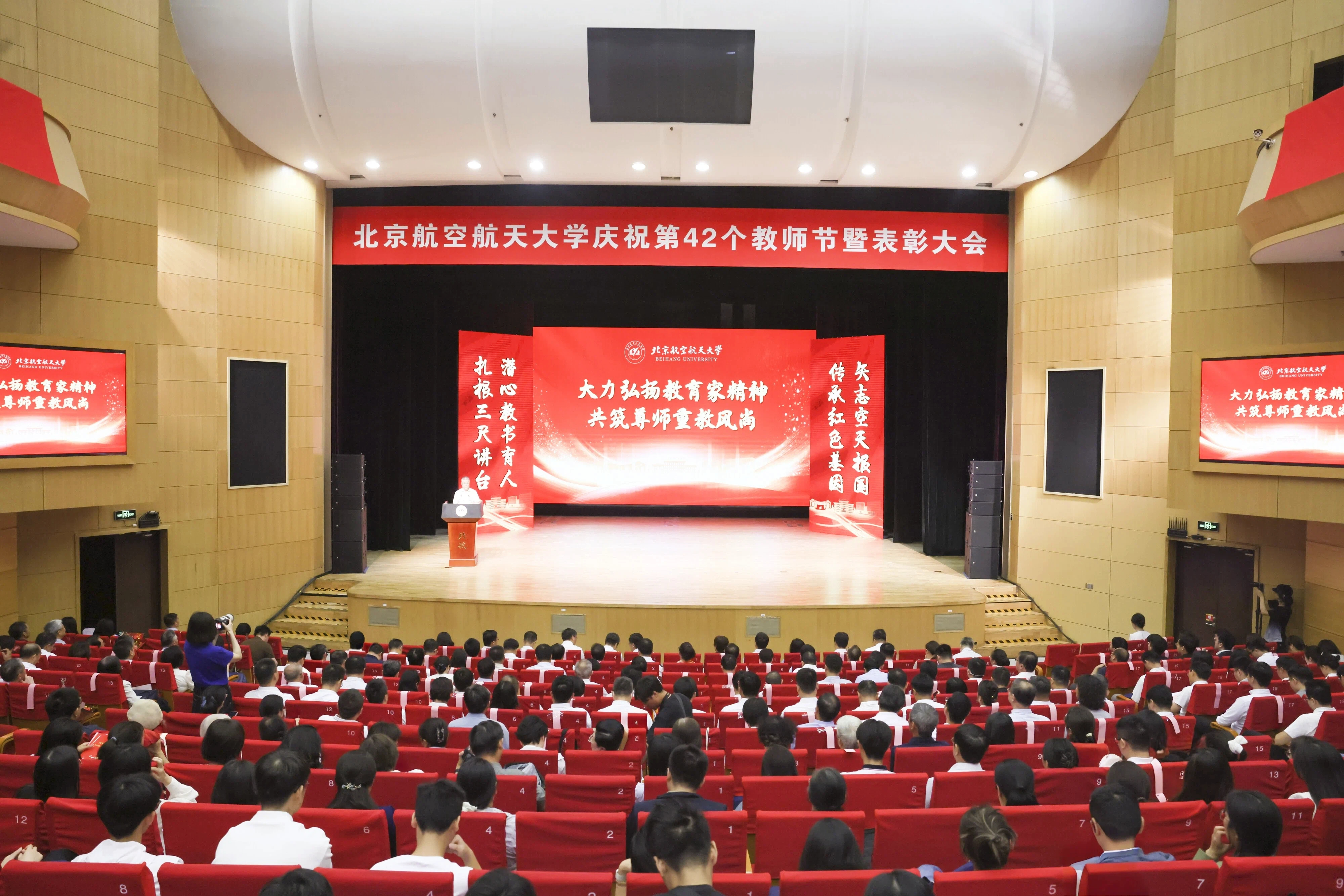 Beihang NewsBeihang celebrates 42nd Teachers' DayMore
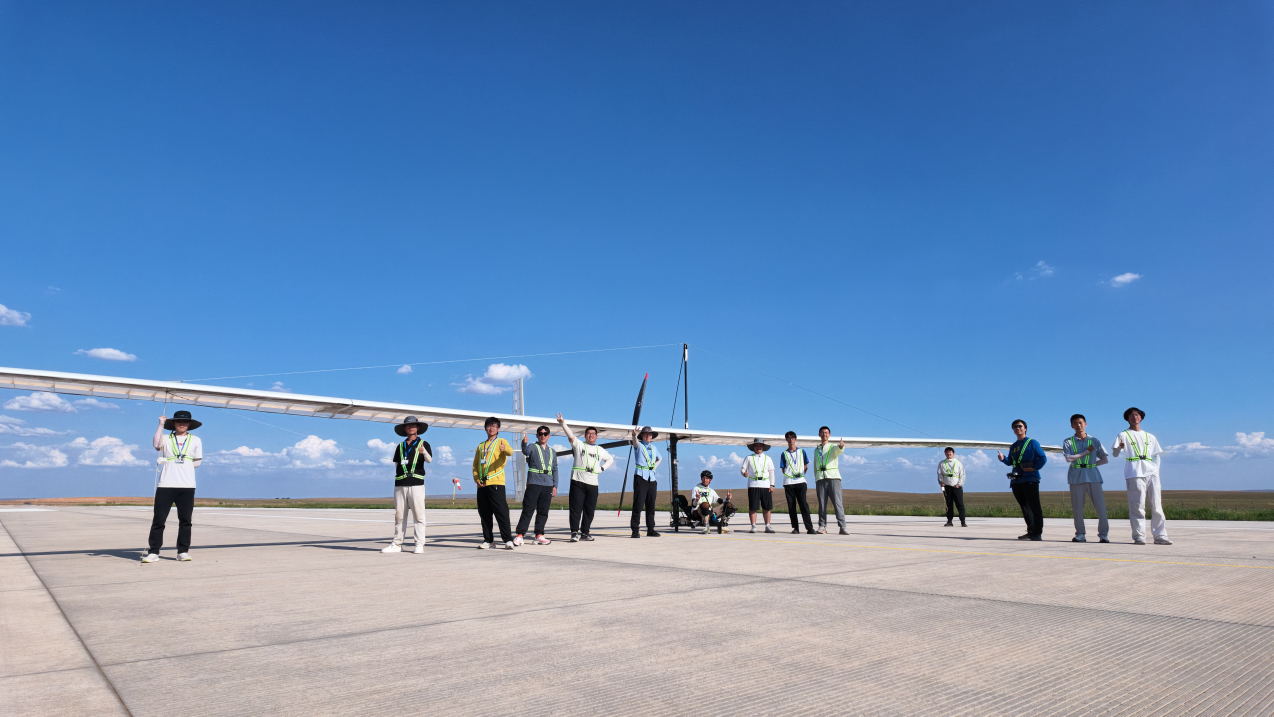 Beihang NewsBeihang's first student-designed human-powered aircraft completes test flightMore
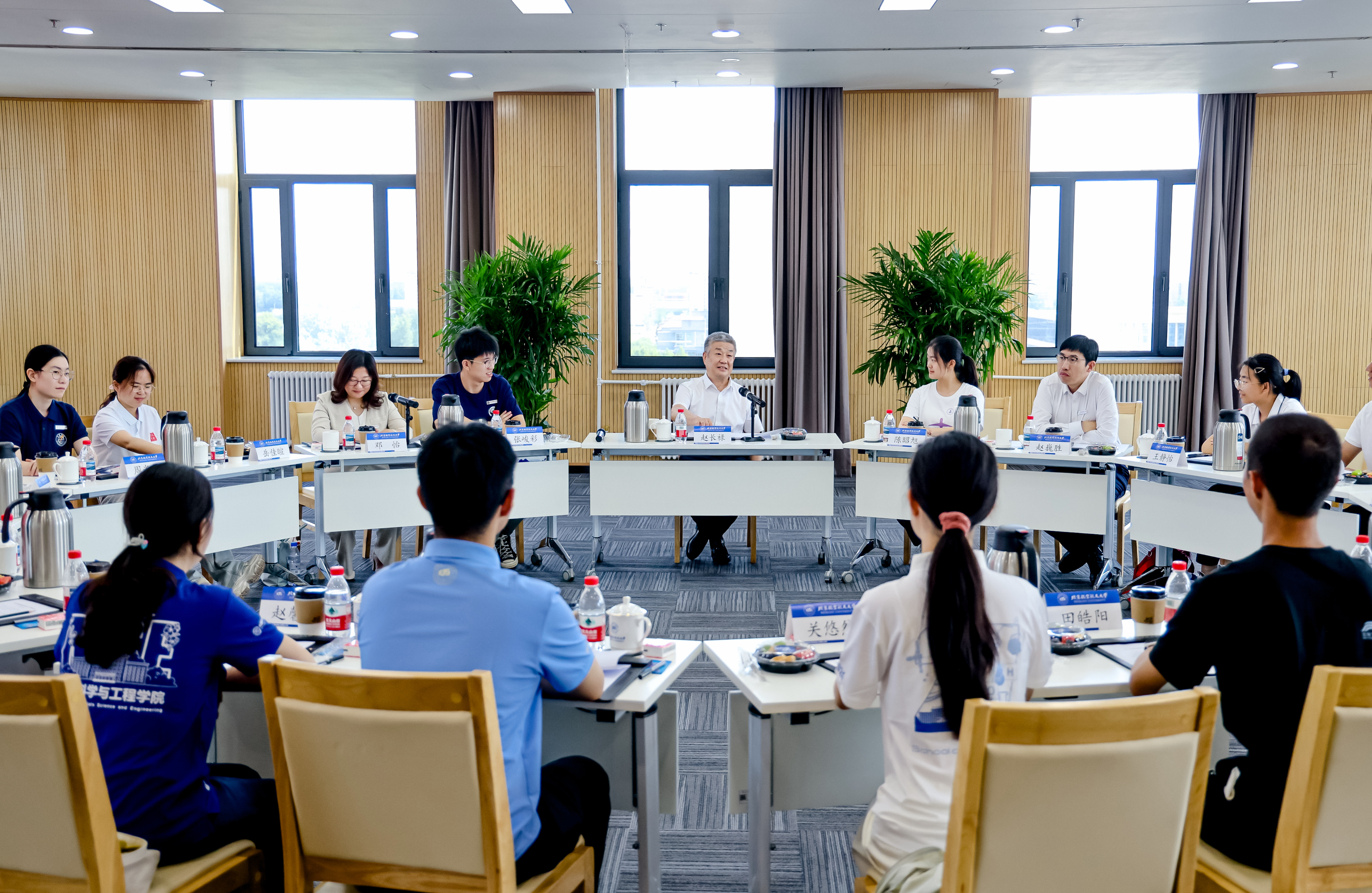 Beihang NewsBeihang leaders engage in dialogue with new undergraduate and graduate student representativesMore
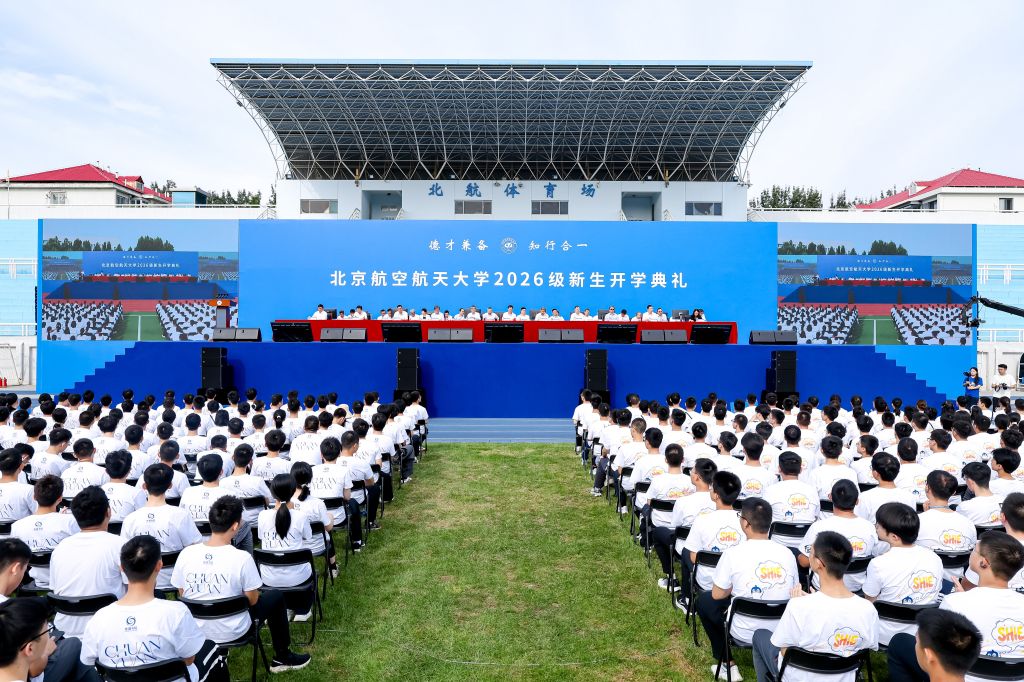 Beihang NewsBeihang University holds 2026 opening convocation to welcome new studentsMore
 Beihang NewsBeihang University welcomes 9,022 new graduate studentsMore
 Beihang NewsProfessor Yu Shui wins Best Screenplay Award at 21st Changchun Film FestivalMore