The inaugural Brazil-China Program of Future Leaders in Scientific and Technological Innovation officially concluded on August 6 at the Hangzhou International Campus of Beihang University.
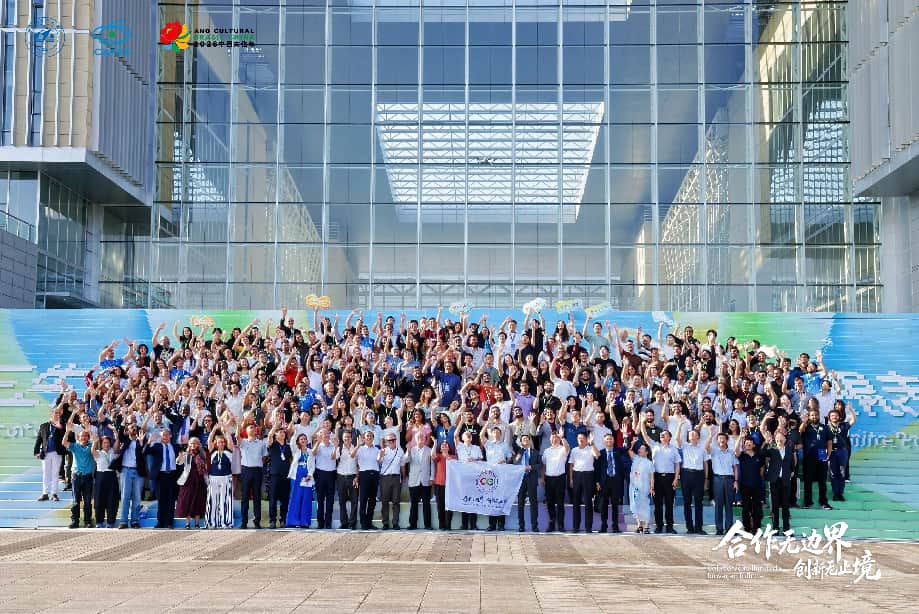
Group photo of participants at the closing ceremony
The month-long program brought together 120 doctoral students, 40 master's students, and 24 professors from 18 Brazilian universities and research institutions, alongside 236 faculty and students from Beihang University, creating a dynamic hub for deep academic exchange and collaborative research. This gathering of nearly 400 participants marked a significant chapter in youth engagement as the two nations commemorate the 52nd anniversary of diplomatic relations.
The program stands as a flagship project of the "China-Brazil Cultural Year," as designated by the two heads of state for 2026. Jointly supported by Brazil's Coordination for the Improvement of Higher Education Personnel (CAPES) and the China Scholarship Council (CSC), this initiative represents the first youth talent exchange program CAPES has undertaken with a Chinese university. It also serves as the inaugural practical project under the newly established five-year strategic partnership (2026–2030) for high-level talent development between Beihang University and CAPES.
The program placed scientific research collaboration at its core, connecting educational authorities, universities, research platforms and young scholars from both countries. Over nearly four weeks, the 11 research centers of Hangzhou International Innovation Institute of Beihang University and the Tianmushan Laboratory opened their facilities to participants.
With contributions from nine universities across Zhejiang Province, the program featured 13 thematic academic presentations, over 100 academic exchanges, and the initiation of more than 50 joint research projects spanning artificial intelligence, aerospace, advanced materials, biomedicine, and intelligent systems. The culmination of these efforts was showcased in 130 academic posters, creating an impressive "research corridor" on the final day.
At the Tianmushan Laboratory, Chinese and Brazilian faculty and students engaged in collaborative projects, including the joint development of new unmanned aerial vehicles. At the COMAC-BUAA Aircraft Innovation Center, they conducted anti-icing and de-icing surface material experiments together. In the National Key Laboratory of Spintronics, students participated in hands-on training covering the entire process of micro-nano chip design, precision processing, and performance testing.
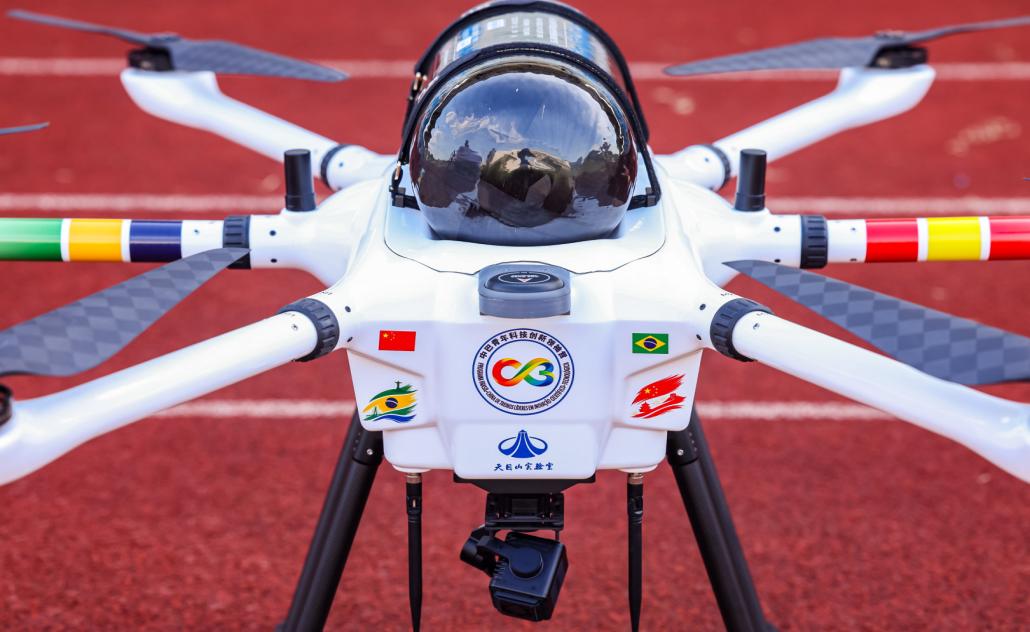
A new UAV jointly developed by Chinese and Brazilian researchers at Tianmushan Laboratory
For Edilene Santos Alves de Melo, a doctoral student from the Federal University of São João del-Rei, the experience in the 3D bioprinting and bone cell culture laboratory was transformative. "The new research methods have not only broadened my academic perspective but can also be applied to my ongoing doctoral research and future projects," she said. Her sentiment was echoed by Yang Zhengbiao, a Beihang doctoral student, who noted that complementary professional backgrounds and technical strengths often sparked new ideas through collaboration.
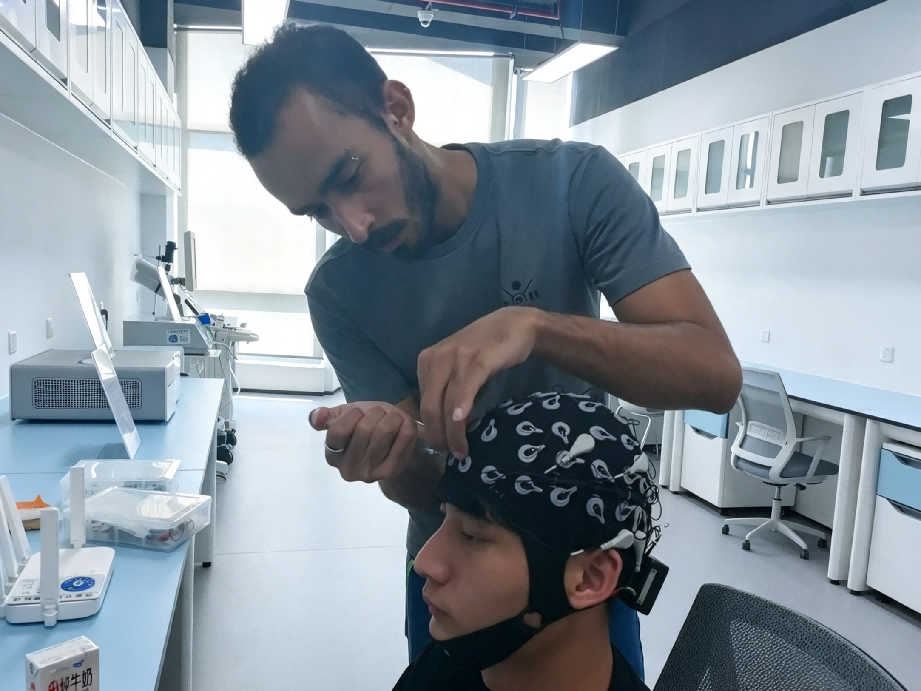
Chinese and Brazilian participants engage in collaborative research at the Medical Engineering & Engineering Medicine Innovation Center
CAPES President Rui Vicente Oppermann expressed high praise for the program's outcomes, noting that the leadership camp provided invaluable opportunities for young Brazilian and Chinese researchers to build connections and discover their potential in tackling real-world scientific challenges.
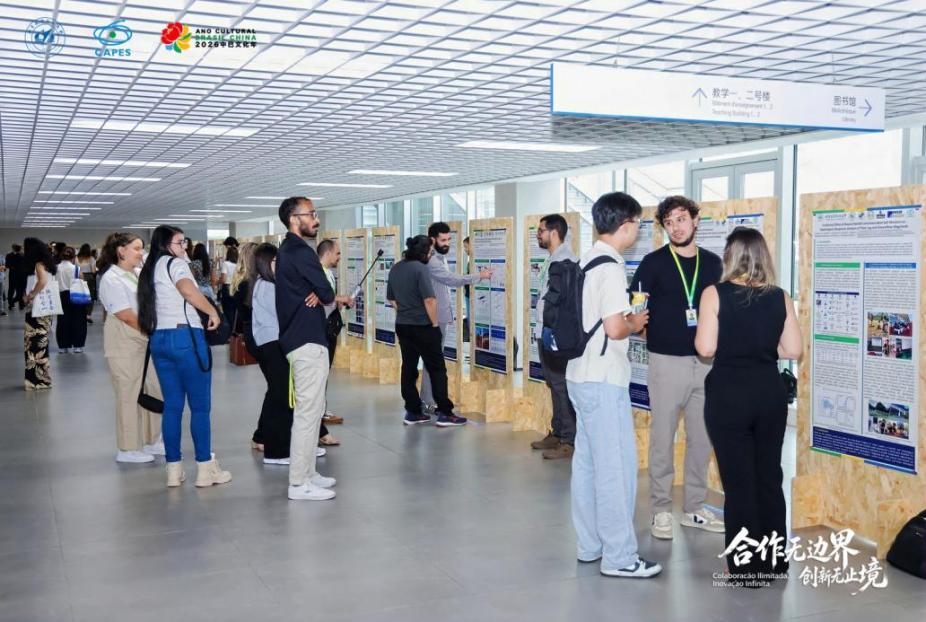
Joint research poster session
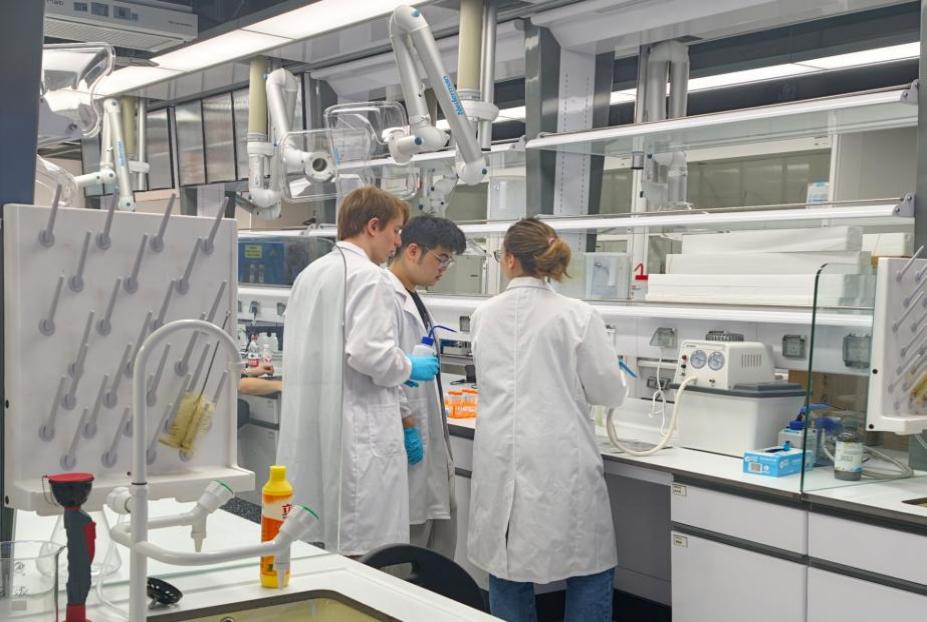
Chinese and Brazilian students conduct joint experiments at the Physical Chemistry Education and Research Center
Beyond the laboratory, cultural and social exchanges played an equally important role. Friendly competitions in football and volleyball, along with visits to universities, enterprises, urban centers, and rural communities, offered the Brazilian participants a nuanced understanding of China. Felipe Romici Zane Lordelo Nogueira, a student from São Paulo State University (UNESP), described Hangzhou as a city that strikes a balance between tradition and innovation, while Ana Gabriela Gurgel Assunção from the Federal University of Rio Grande do Norte highlighted the trust, mutual assistance, and goodwill she experienced in everyday interactions.
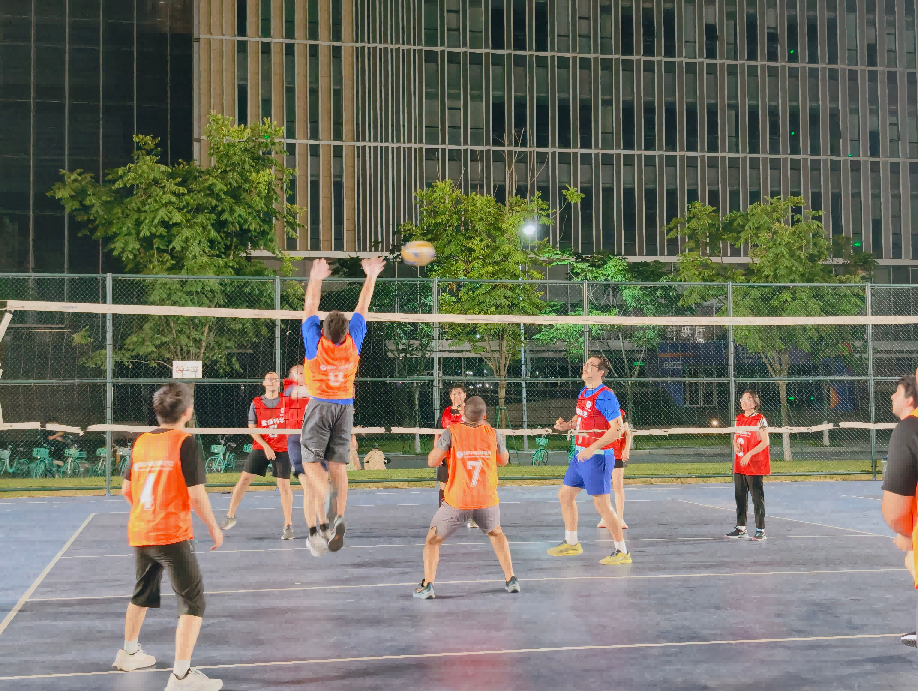
Friendly volleyball match between Chinese and Brazilian participants
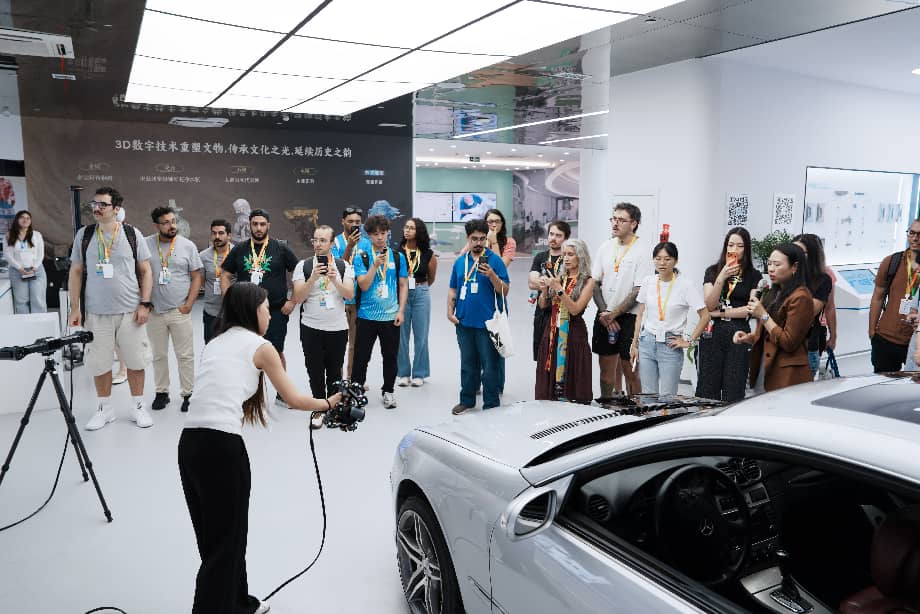
Brazilian participants visit a local technology enterprise
A pivotal development at the closing ceremony was the official launch of the China-Brazil Joint Laboratory for Smart Construction and Intelligent Operation and Maintenance of Modern Transport Infrastructure. This new platform, established in partnership between Beihang University, China Civil Engineering Construction Corporation, and the Federal University of Rio de Janeiro, will further institutionalize collaborative innovation through platform support and project-driven mechanisms.
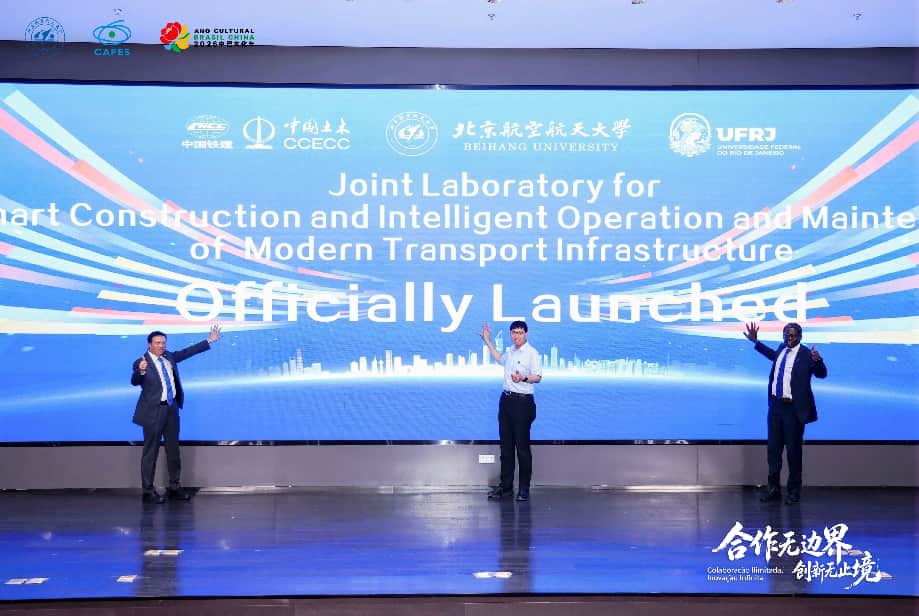
Official launch of the China-Brazil Joint Laboratory for Smart Construction and Intelligent Operation and Maintenance of Modern Transport Infrastructure
"Though the camp may be short, the friendships it forged will endure," said Zhao Weisheng, Vice President of Beihang University, at the closing ceremony. "This leadership camp is drawing to a close, but the collaboration between Beihang and Brazilian universities is just beginning."
In recent years, Beihang University has steadily expanded its partnerships with Brazilian institutions, including the Federal University of Rio de Janeiro and the University of São Paulo. The establishment of the Beihang Innovation Institute in Brazil, Beihang Brazil Center, and the Confucius Institute in Rio de Janeiro in 2025 has solidified a "trinity" of cooperation spanning from Rio to Hangzhou. Building on this foundation, the first two editions of the Beihang Brazil Innovation Forum have been held, and joint research platforms in green aviation, artificial intelligence, and fundamental mathematics have been established.
Editor: Lyu Xingyun


 Beihang NewsBeihang celebrates 42nd Teachers' DayMore
 Beihang NewsBeihang's first student-designed human-powered aircraft completes test flightMore
 Beihang NewsBeihang leaders engage in dialogue with new undergraduate and graduate student representativesMore
 Beihang NewsBeihang University holds 2026 opening convocation to welcome new studentsMore
 Beihang NewsBeihang University welcomes 9,022 new graduate studentsMore
 Beihang NewsProfessor Yu Shui wins Best Screenplay Award at 21st Changchun Film FestivalMore