The 6th Digital Twin International Conference (DigiTwin 2026), initiated by Beihang University, was successfully held at the University of Oxford, United Kingdom. The conference brought together world-renowned scholars to explore the latest advancements and future directions in digital twin technology, with a special focus on the integration of artificial intelligence.
Co-hosted by the University of Oxford, Digital Twin journal, Taylor & Francis Group, and Elsevier Publisher, the conference was supported by the Beijing Key Laboratory of Digital Twin Intelligent Manufacturing and Industrial Intelligence, the Digital Twin International Research Center at Beihang University's International Institute for Interdisciplinary and Frontiers, the State Key Laboratory of Virtual Reality Technology and Systems, BZS (Beijing) Technology Development Co., Ltd., and SAIC-GM-Wuling Automobile Co., Ltd.
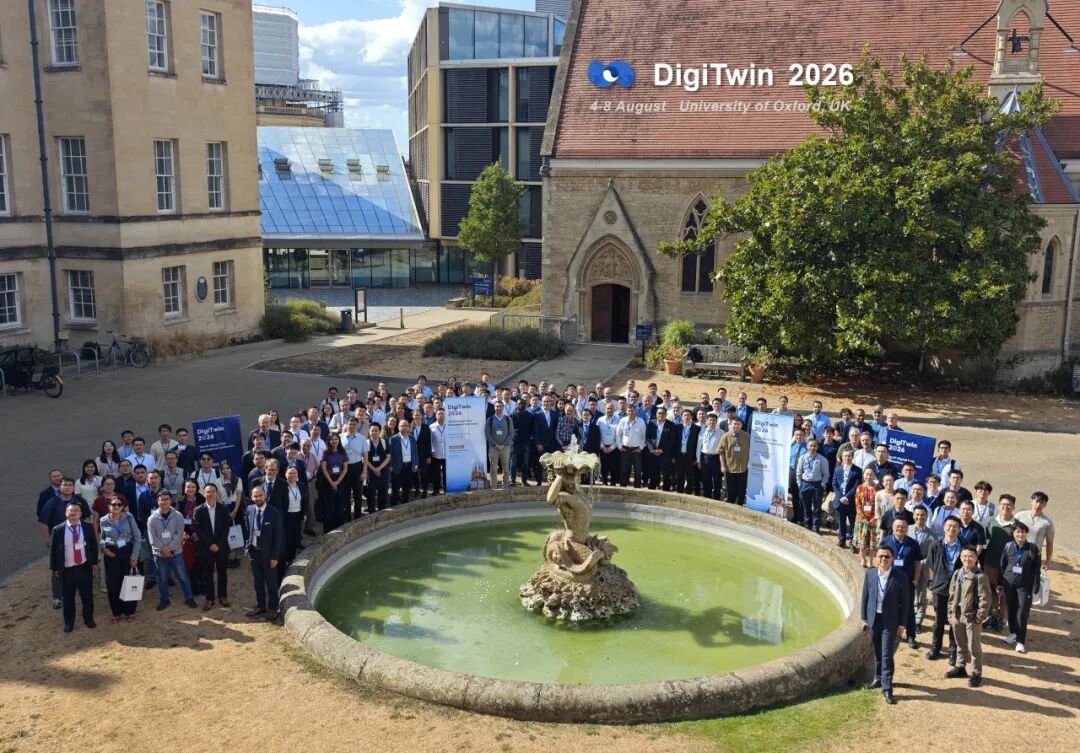
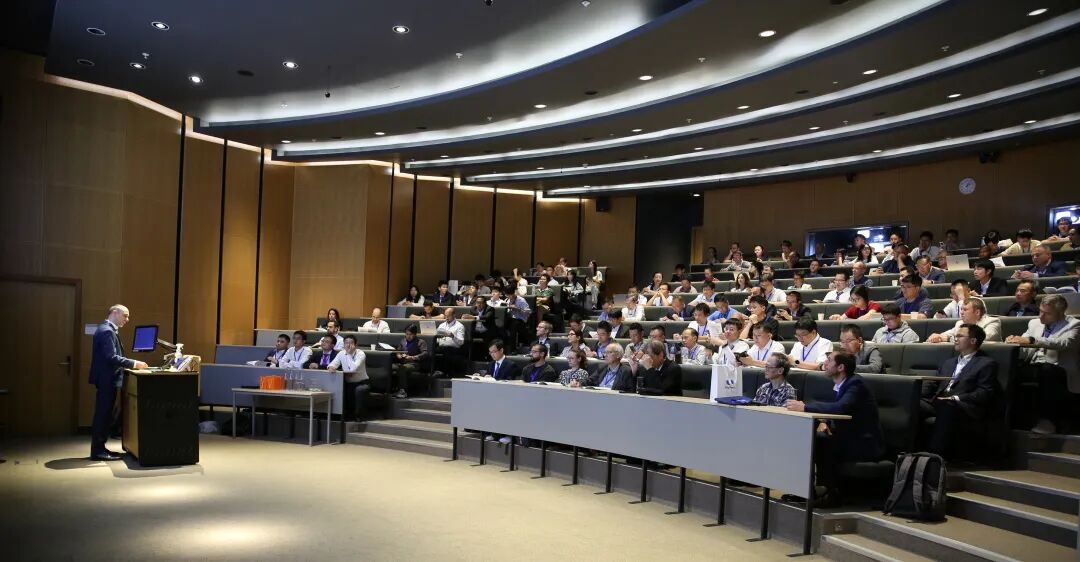
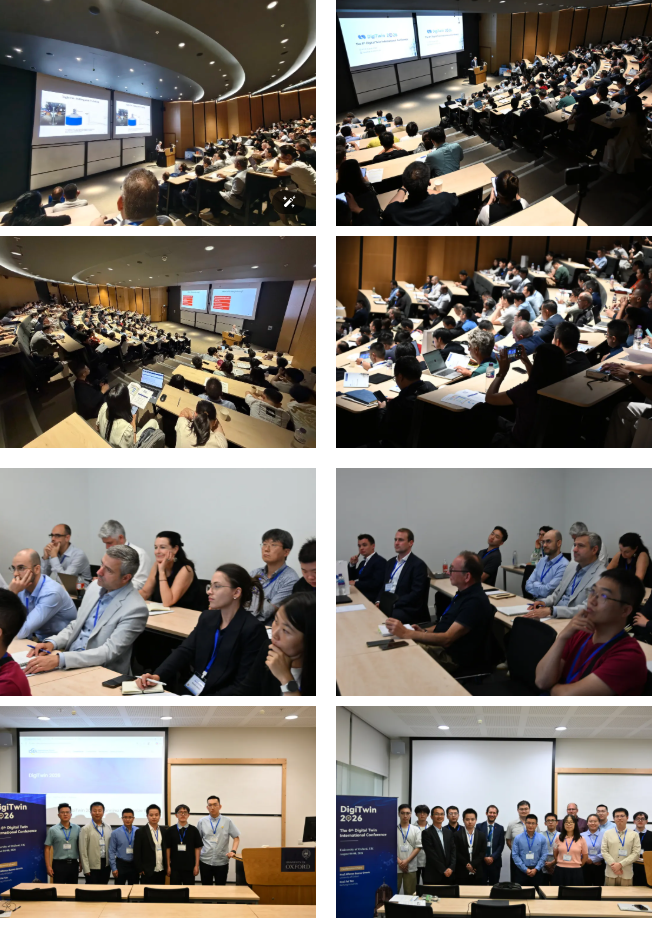
Main venue at the University of Oxford, United Kingdom
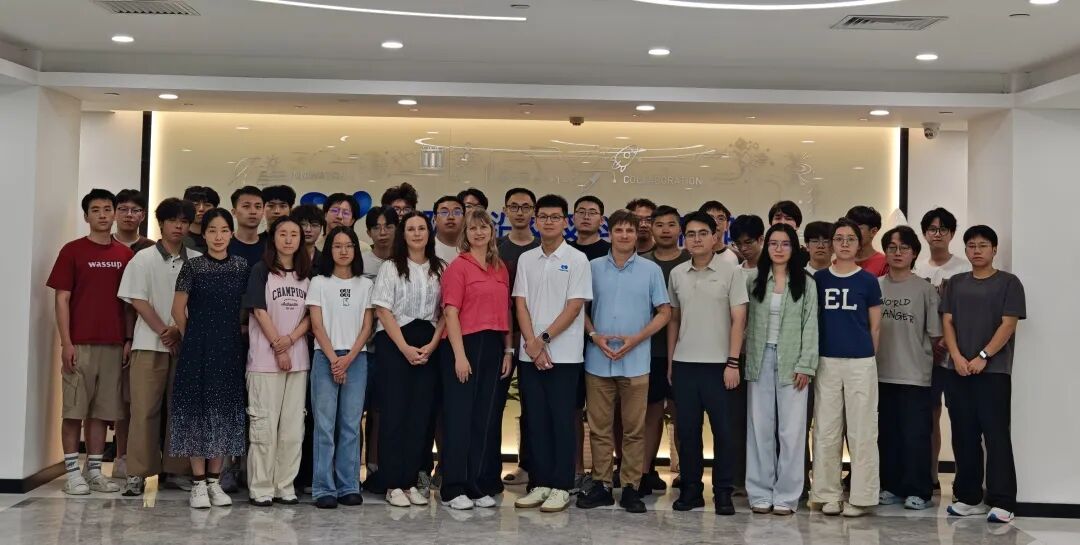
Main venue at Beihang University, China
With the theme "Digital Twins with AI," DigiTwin 2026 adopted a hybrid format featuring two main physical venues—at the University of Oxford and Beihang University—alongside 13 online sessions. The conference attracted over 230 in-person participants and more than 126 live academic presentations from 29 countries and regions, including China, the United Kingdom, the United States, France, Germany, Italy, Spain, Singapore, South Korea, Japan, Mexico, Australia, Denmark, Egypt, Romania, Malaysia, Canada, Belgium, Sweden, and South Africa.
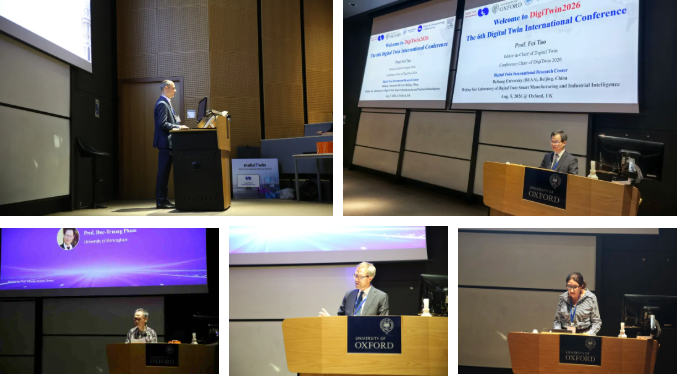
The opening session was moderated by Professor Alfonso Bueno-Orovio of the University of Oxford, who served as Chair of DigiTwin 2026. Welcoming remarks were delivered by Professor Bueno-Orovio and Professor Tao Fei of Beihang University. Professor Duc Truong Pham from the University of Birmingham spoke on behalf of the Digital Twin International Advisory Committee (DTIAC), while Mr. Richard Goodman (Taylor & Francis) and Dr. Monaz Mehta (Elsevier) introduced the Digital Twin and Digital Engineering journals, respectively.
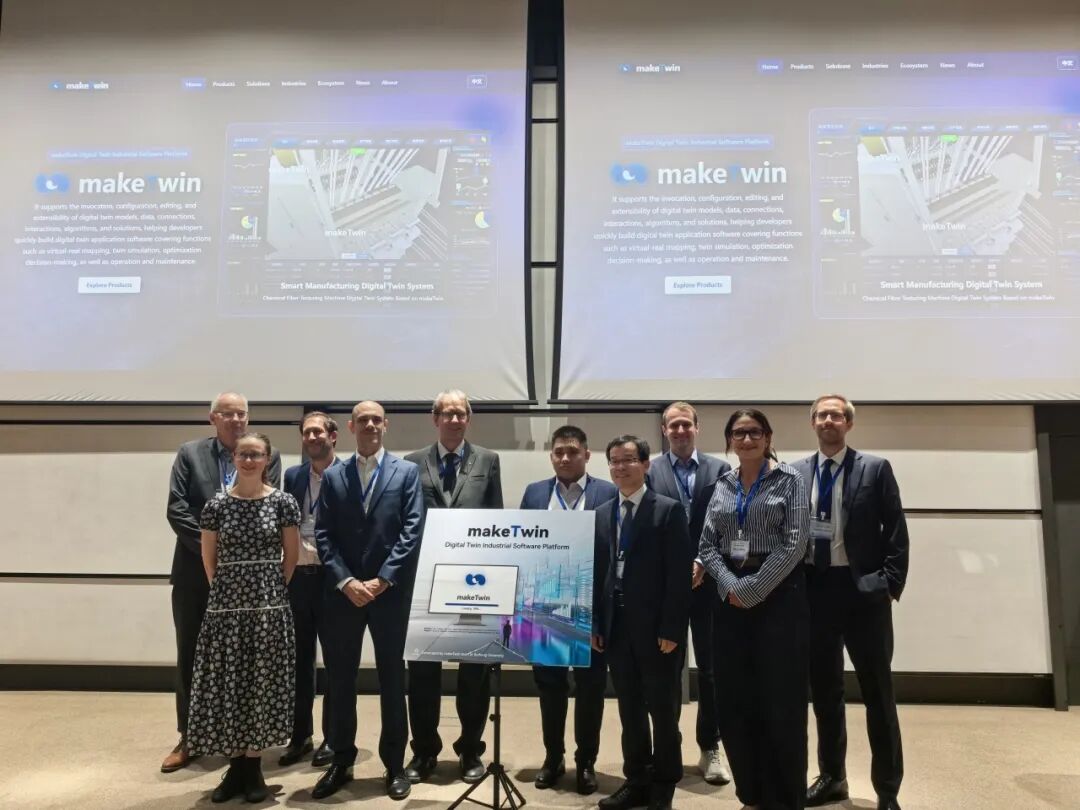
A major highlight was the official launch of the makeTwin Digital Twin Industrial Software Platform, independently developed by the makeTwin Team at Beihang University. The unveiling ceremony was presided over by Stefan W. Pickl, Member of the German National Academy of Science and Engineering and Professor at the Bundeswehr University Munich. Representatives from the University of Oxford, the University of Cambridge, Université Paris-Saclay, Cranfield University, ETH Zurich, the UK Atomic Energy Authority, Jaguar Land Rover, Elsevier, and Taylor & Francis jointly unveiled the platform.
The release presentation provided a comprehensive overview of makeTwin's development background, core functionalities, and diverse application scenarios, showcasing its low-code/no-code capabilities in digital twin modeling, data integration, connectivity, interaction, algorithm deployment, visualization, and simulation.
Plenary presentations were delivered by six distinguished scholars, including Duc Truong Pham, Fellow of the Royal Academy of Engineering and Professor at the University of Birmingham; Tao Fei, founder of the International Digital Engineering Association (IDEA), and the journals Digital Twin and Digital Engineering; Jan C. Aurich, Member of the German National Academy of Science and Engineering and Professor at the University of Kaiserslautern-Landau (RPTU); Michael Grieves, a leading digital twin expert from the University of Central Florida; Stefan W. Pickl, Member of the German National Academy of Science and Engineering and Professor at the Bundeswehr University Munich; and John Erkoyuncu, Director of the Centre for Digital and Design Engineering at Cranfield University.
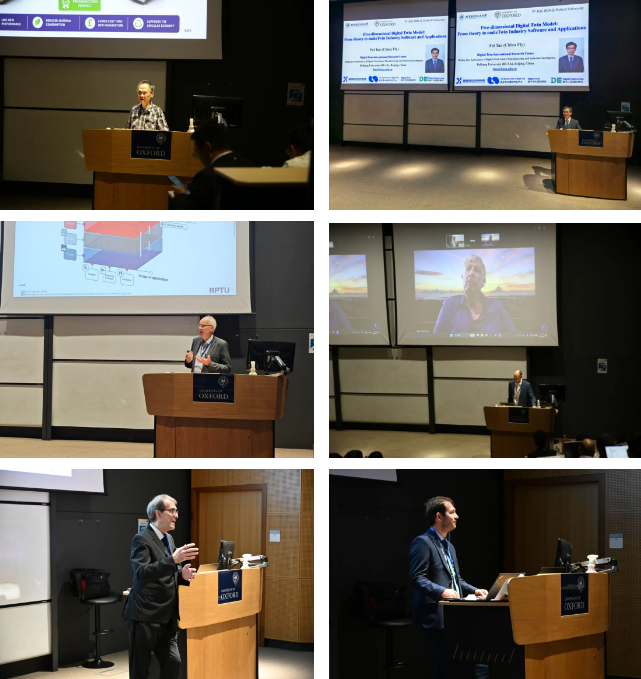
Throughout the conference, more than 200 experts and scholars engaged in dynamic presentations and discussions across both physical and virtual sessions. Topics spanned digital twin enabling technologies, manufacturing systems, frontier interdisciplinary research, smart construction and twin cities, marine engineering, communication networks, reliability, logistics, test and verification, and healthcare applications. The vibrant exchanges fostered academic consensus and showcased the innovative vitality of the global digital twin research and industrial communities.
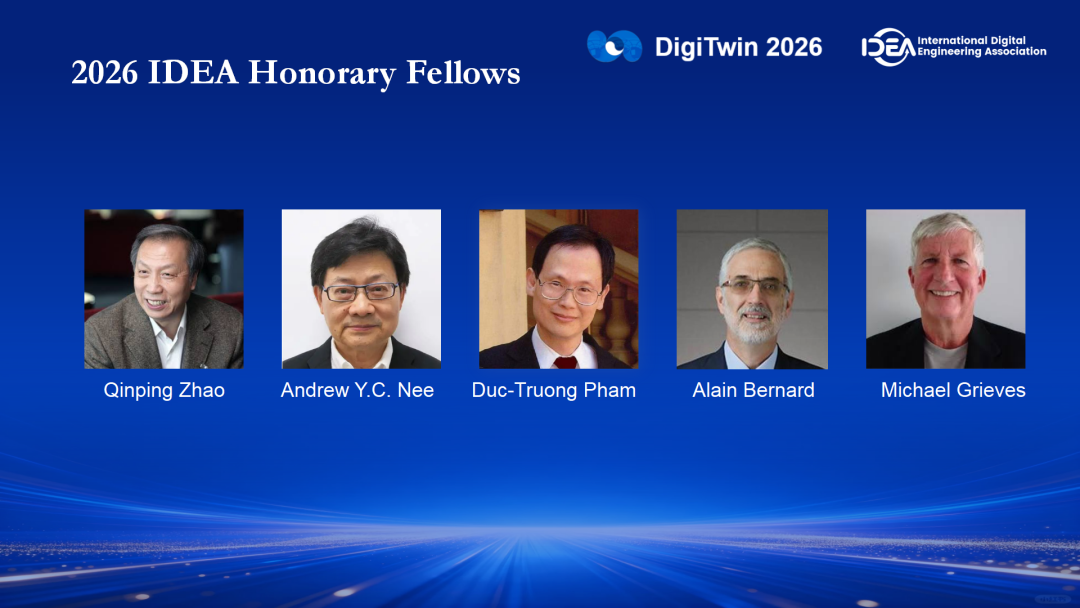
The closing ceremony and awards presentation took place on the afternoon of August 8. The conference announced the 2026 IDEA Honorary Fellows and IDEA Fellows.
The five IDEA Honorary Fellows were Professor Zhao Qinping, Member of the Chinese Academy of Engineering; Professor Andrew Y.C. Nee, Fellow of the Singapore Academy of Engineering; Professor Duc-Truong Pham, Fellow of the Royal Academy of Engineering; Professor Alain Bernard, Fellow of the French Academy of Technologies; and Professor Michael Grieves.
The six IDEA Fellows included Professor Tao Fei, Professor Stefan W. Pickl, Professor Jan C. Aurich, Professor Nabil Anwer of Université Paris-Saclay, Professor Hu Tianliang of Shandong University, and Professor Liu Xiaojun of Southeast University.
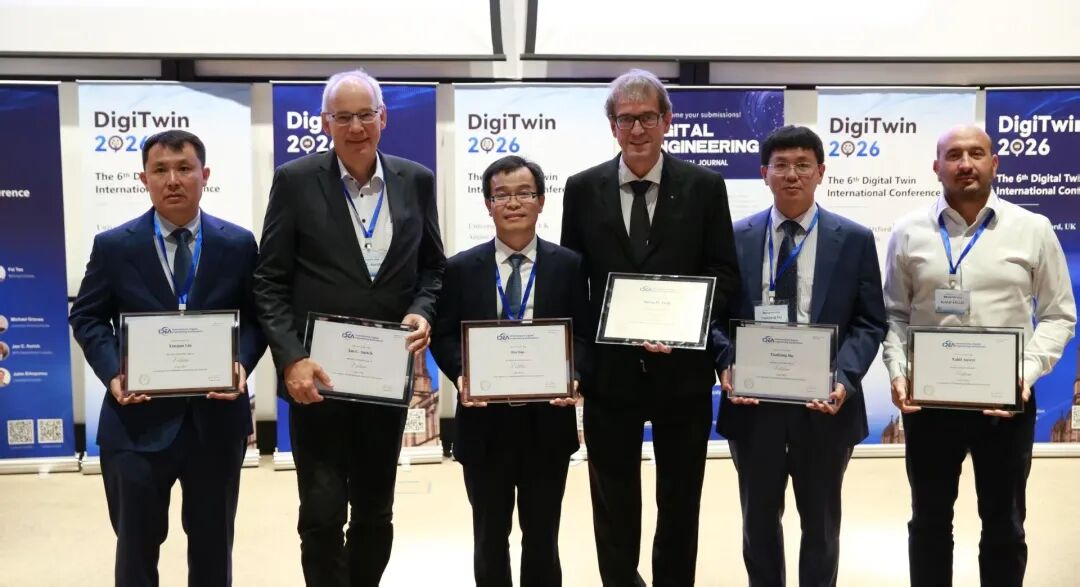
The DigiTwin 2026 Distinguished Scientist Award was conferred upon Academician Zhao Qinping and Professor Stefan W. Pickl, presented by Professor Alfonso Bueno-Orovio.
Additional awards presented during the ceremony included the Best Poster Award, Best Dissertation Award, Best Presentation Award (including Best Student Presentation), Enterprise Innovation Application Award, Young Scientist Award, and Best Organizational Contribution Award.
DigiTwin 2026 served as a premier international platform for intellectual exchange and collaboration, bridging academia and industry to advance digital twin theory, technologies, and real-world applications. The conference has injected new momentum into the innovation and industrialization of digital twins, while opening new avenues for future international cooperation.
The 7th Digital Twin International Conference, DigiTwin 2027, will be held in Barcelona, Spain, from July 26–31, 2027.
Editor: Lyu Xingyun


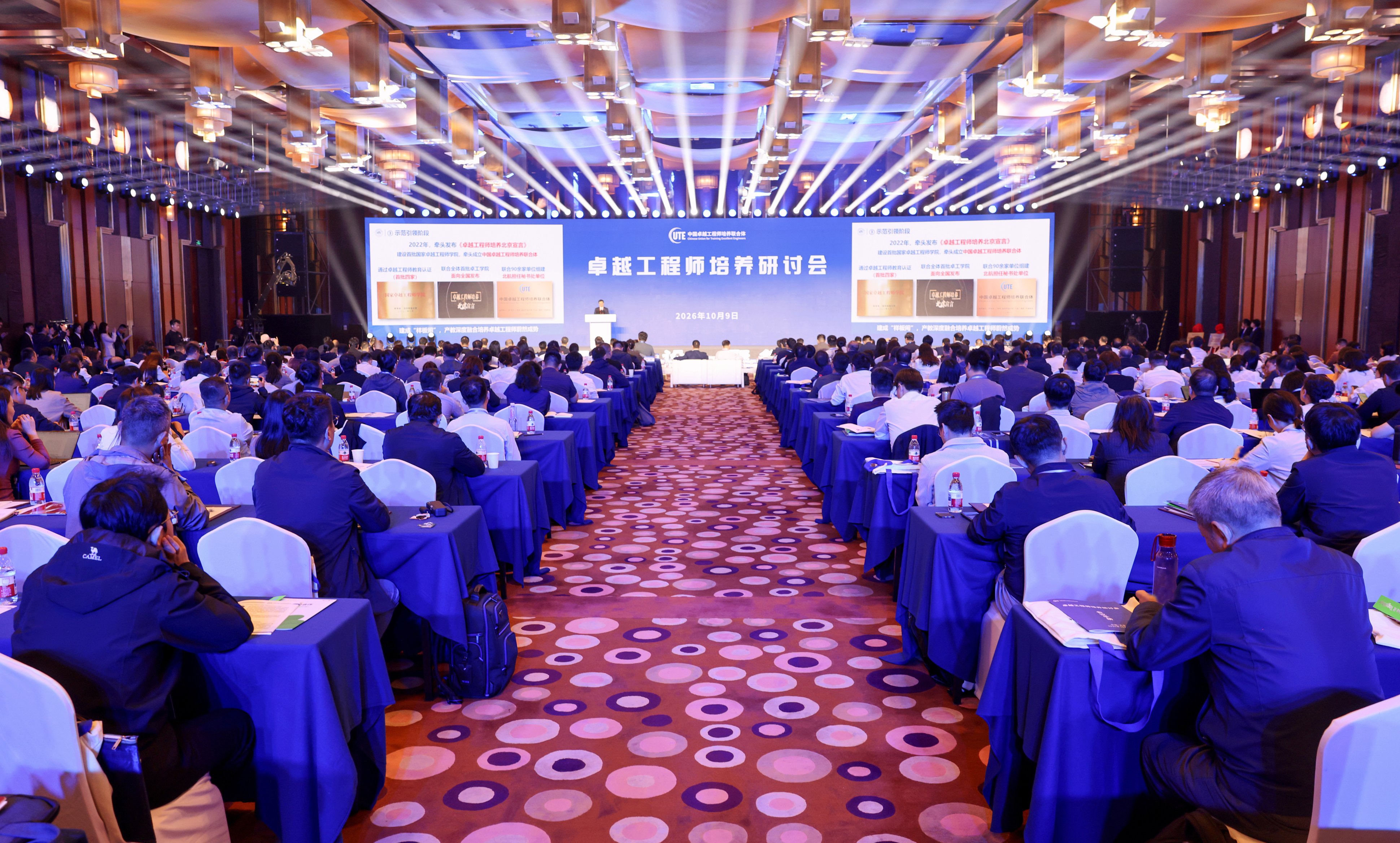 Beihang News2026 Symposium on Excellent Engineer Training held in BeijingMore
 Beihang NewsProfessor Liu Mingjie's team publishes article in Science, revealing high-modulus toughening mechanism in nacreMore
 Beihang NewsWang Yunpeng appointed Secretary of the CPC Beihang University CommitteeMore
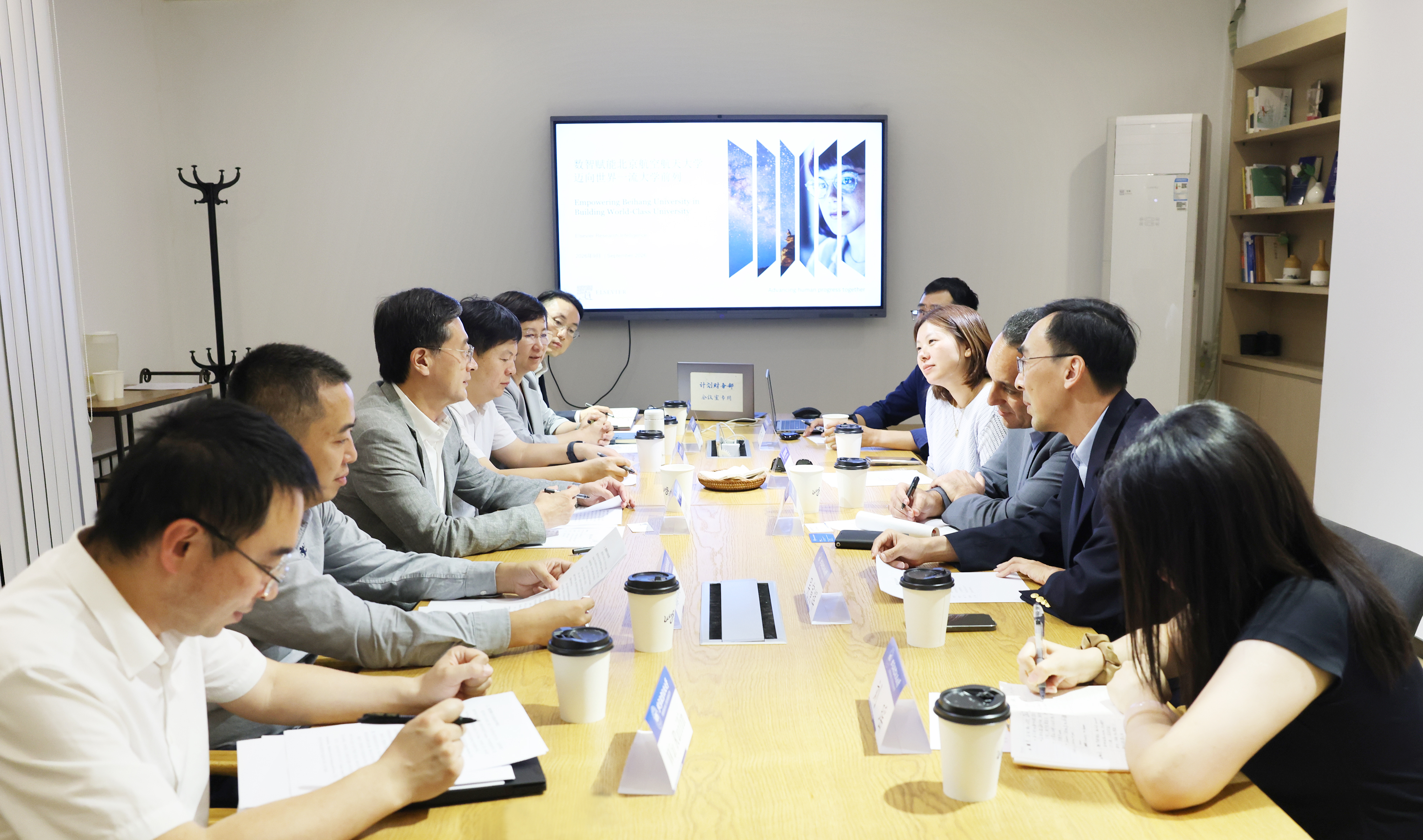 Beihang NewsElsevier Senior Vice President Said Taha visits Beihang UniversityMore
 Beihang NewsPresident Wang Yunpeng visits Hangzhou to advance university-city integration and attends opening ceremony of H3IMore
 Beihang NewsBeihang team wins 2026 Best Paper Award from Proceedings of the IEEEMore