The 5th Digital Twin International Conference (DigiTwin 2025), initiated by Beihang University, was successfully held from October 14 to 18 in Garmisch-Partenkirchen, Germany.
Co-organized by the Universität der Bundeswehr München, the Digital Twin International Journal (supervised by the Ministry of Industry and Information Technology of the People's Republic of China), Taylor & Francis Group, and Elsevier, with the support of the Digital Twin International Research Center at Beihang University's International Institute for Interdisciplinary and Frontiers, the conference adopted a hybrid format. It featured two main physical venues at Universität der Bundeswehr München and Beihang University in Beijing, complemented by 21 online sessions.
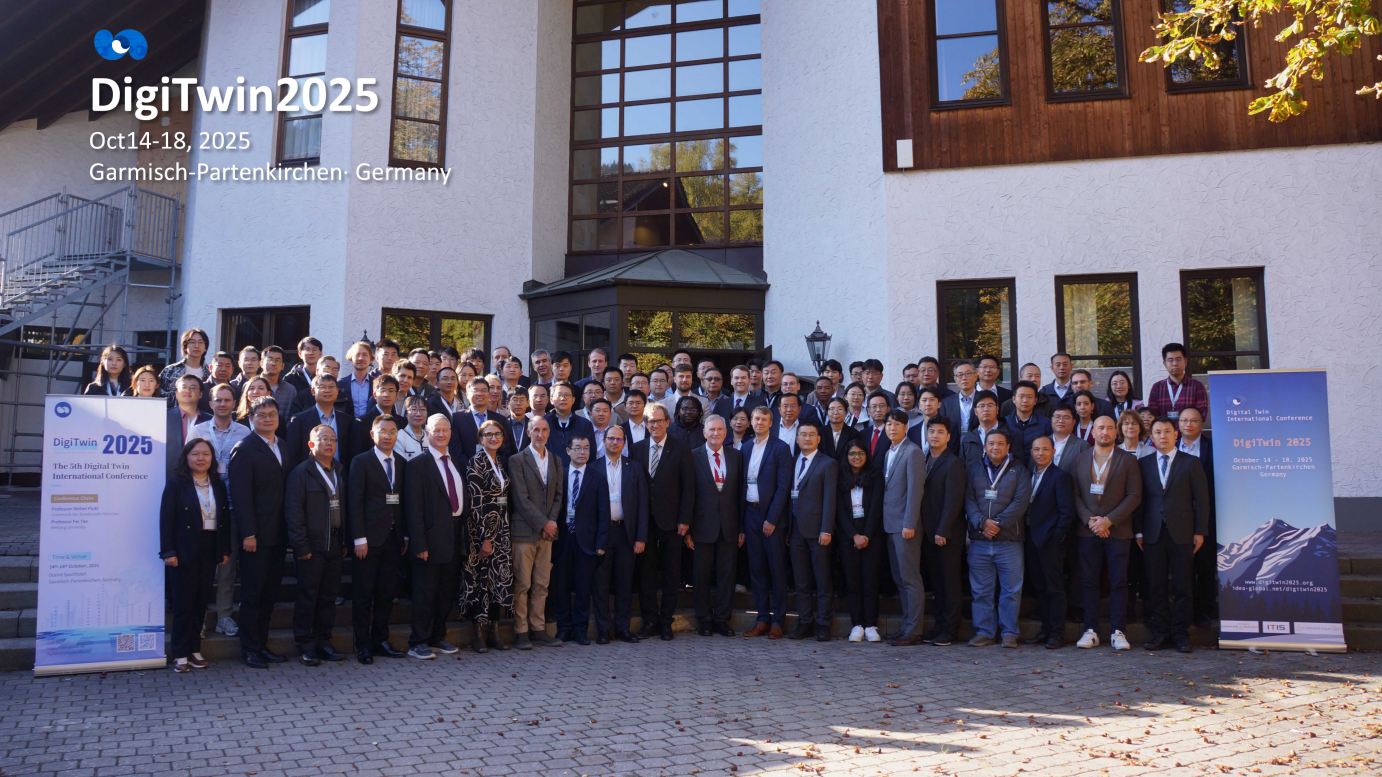
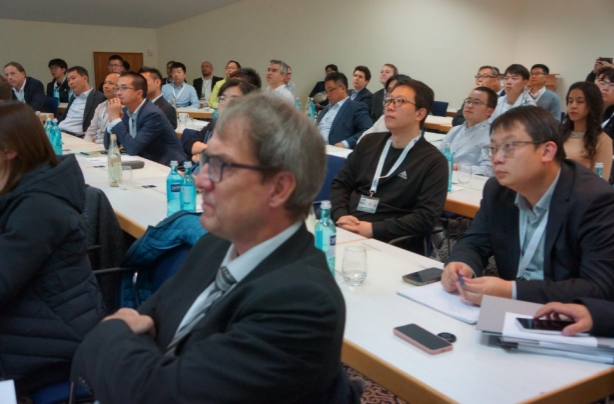
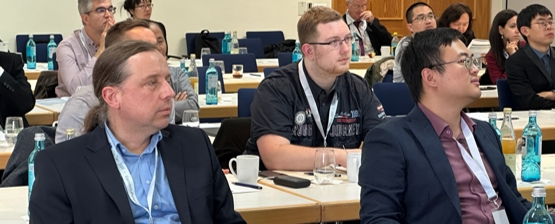
Main venue in Garmisch-Partenkirchen, Germany
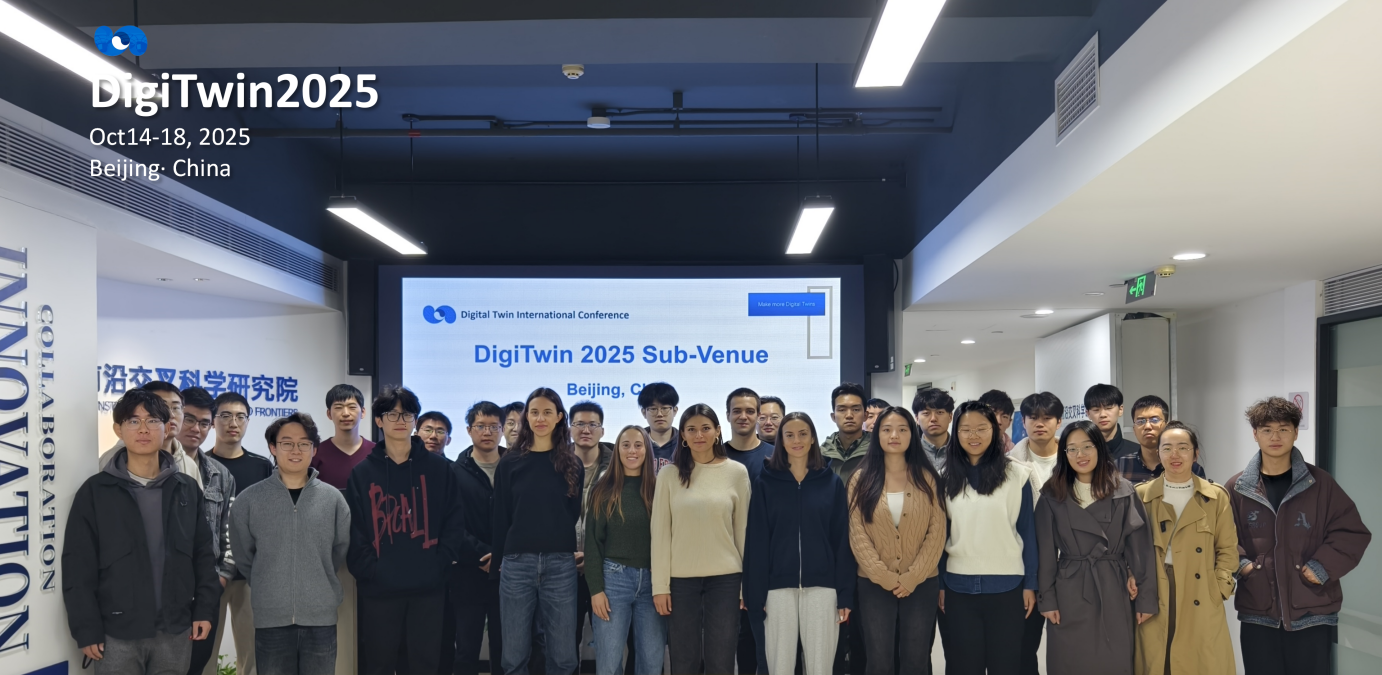
Main venue in Beijing, China
With the theme "Digital Twin Optimizing the World," DigiTwin 2025 brought together leading global scholars to share the latest research findings, explore technological frontiers, and build a high-level international exchange platform to foster innovation in digital twin science and engineering. The event attracted over 1,200 experts and scholars from more than 20 countries, including Germany, China, the U.S.A., France, Italy, Russia, Singapore, the U.K., and Japan. More than 200 participants attended in person, and a total of 226 academic presentations were delivered.
On the day prior to the conference, the DigiTwin 2025 Conference Co-chairs, Professor Stefan Pickl from Universität der Bundeswehr München and Professor Tao Fei from Beihang University, were received by German Chancellor Friedrich Merz.
The opening ceremony was jointly presided over by Professors Stefan Pickl and Tao Fei. Following Professor Pickl's welcome address, Professor Nabil Anwer from Université Paris-Saclay, France, delivered a speech on behalf of the Digital Twin International Advisory Committee (DTIAC). Dr. Monaz Mehta from Elsevier introduced the Digital Engineering journal. Professor Tao Fei, who is also the founder of the DigiTwin International Conference and the Digital Twin journal, as well as the Dean of the International Institute for Interdisciplinary and Frontiers at Beihang University, then addressed the audience.
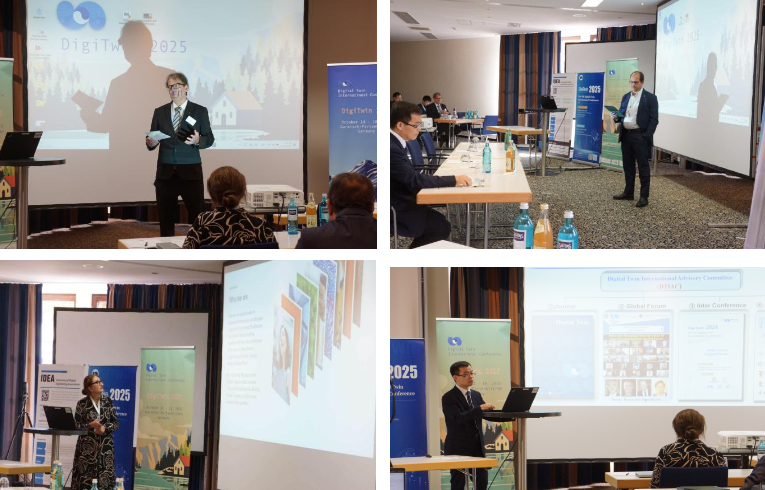
Professor Tao outlined the development of the Digital Twin journal, the Digital Engineering journal, the DigiTwin International Conference, and the International Digital Engineering Association, as well as the composition of the DTIAC. He also provided an overview of the DigiTwin 2025 agenda, keynote speeches, thematic sessions, and award categories. Professors Pickl and Tao presented gifts to distinguished guests in attendance.
The keynote session featured renowned experts who shared insights on cutting-edge topics, including Five-Dimensional Digital Twin Model: From Theory to Industrial Applications by Professor Tao Fei, Potentials of Digital Twins by Professor Bernhard Hämmerli from the Norwegian University of Science and Technology, Digital Twin-Resilience-Ethics by Professor Dieter Budde from the Universität der Bundeswehr München, Natural Language Explanations by Professor Thomas Lukasiewicz from the University of Oxford, Digital Transformation of Manufacturing Companies—Seco Tools as Cutting Tool Supplier by Dr. Gülsüm Üsümez from Seco Tools, Switzerland, Shaping the Digital Twin Paradigm in Engineering Design: A CIRP Perspective by Professor Nabil Anwer from the Université Paris-Saclay, Generation of Graph-based Models for Digital Twins of Discrete Event Systems by Professor Andrea Matta from Politecnico di Milano, and Using Environmental Digital Twins to Support Flood Assessment and Planning in Malaysia by Professor Chris Gibbins from the University of Nottingham Malaysia.
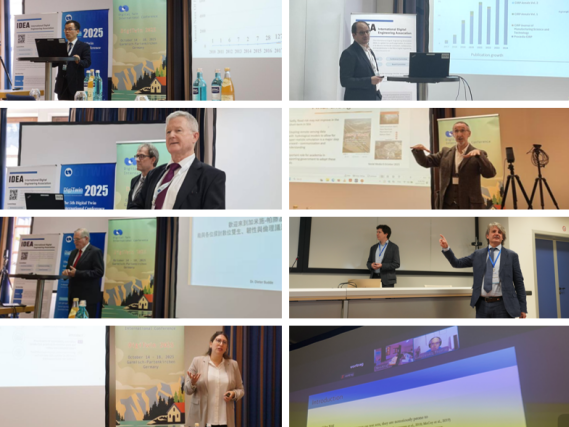
Over the following three days from October 15 to 17, a total of 226 presentations were delivered across the physical and online venues. Scholars delved into critical areas such as digital twin key technologies, manufacturing systems, interdisciplinary frontiers, marine equipment, digital twin networks, additive manufacturing, smart construction, twin cities, and healthcare.
The awards ceremony and closing session were held on the afternoon of October 17. Associate Professor Yi Li from Beihang University announced the establishment of the International Digital Engineering Association. The awards, organized by Professor Liu Xiaojun from Southeast University and presented by Professor Nabil Anwer and Associate Professor Yi Li, recognized outstanding contributions across five categories, totaling 18 awards.
A preview of the next conference, DigiTwin 2026, was delivered online by Dr. Cheng Zehua from the University of Oxford. The sixth installment is scheduled for August 2026 at the University of Oxford.
Professor Stefan Pickl delivered the closing remarks, summarizing the conference's achievements and expressing sincere gratitude to all participants for their enthusiastic engagement.
DigiTwin 2025 successfully convened academic and industrial innovators to discuss cutting-edge theories and practical applications in digital twin technology. The conference vividly demonstrated the innovative, diverse, and distinctive achievements in digital twin research, effectively promoting academic exchange and industrial collaboration, and injecting new vitality into the field's development.
Editor: Lyu Xingyun


 Beihang News2026 Symposium on Excellent Engineer Training held in BeijingMore
 Beihang NewsProfessor Liu Mingjie's team publishes article in Science, revealing high-modulus toughening mechanism in nacreMore
 Beihang NewsWang Yunpeng appointed Secretary of the CPC Beihang University CommitteeMore
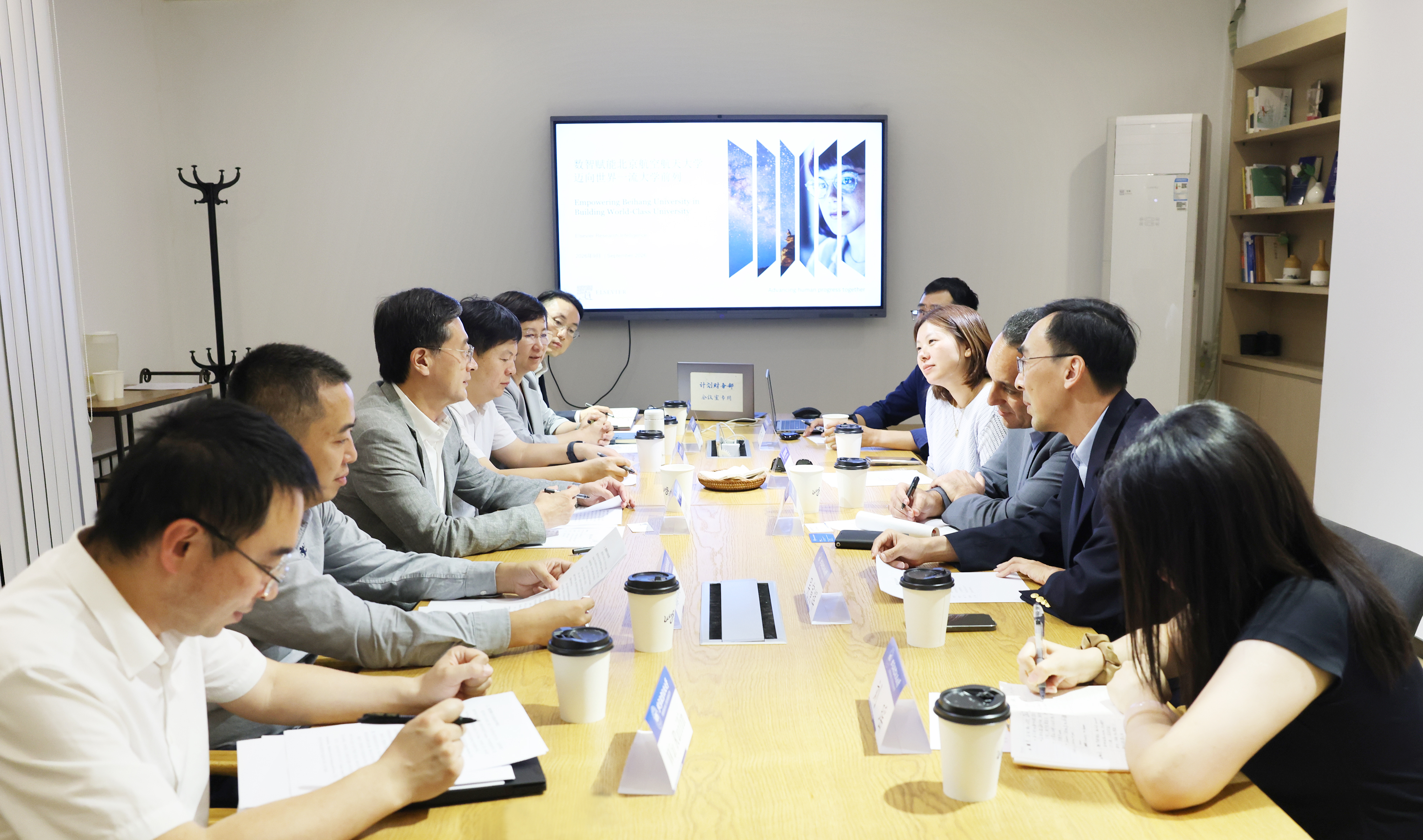 Beihang NewsElsevier Senior Vice President Said Taha visits Beihang UniversityMore
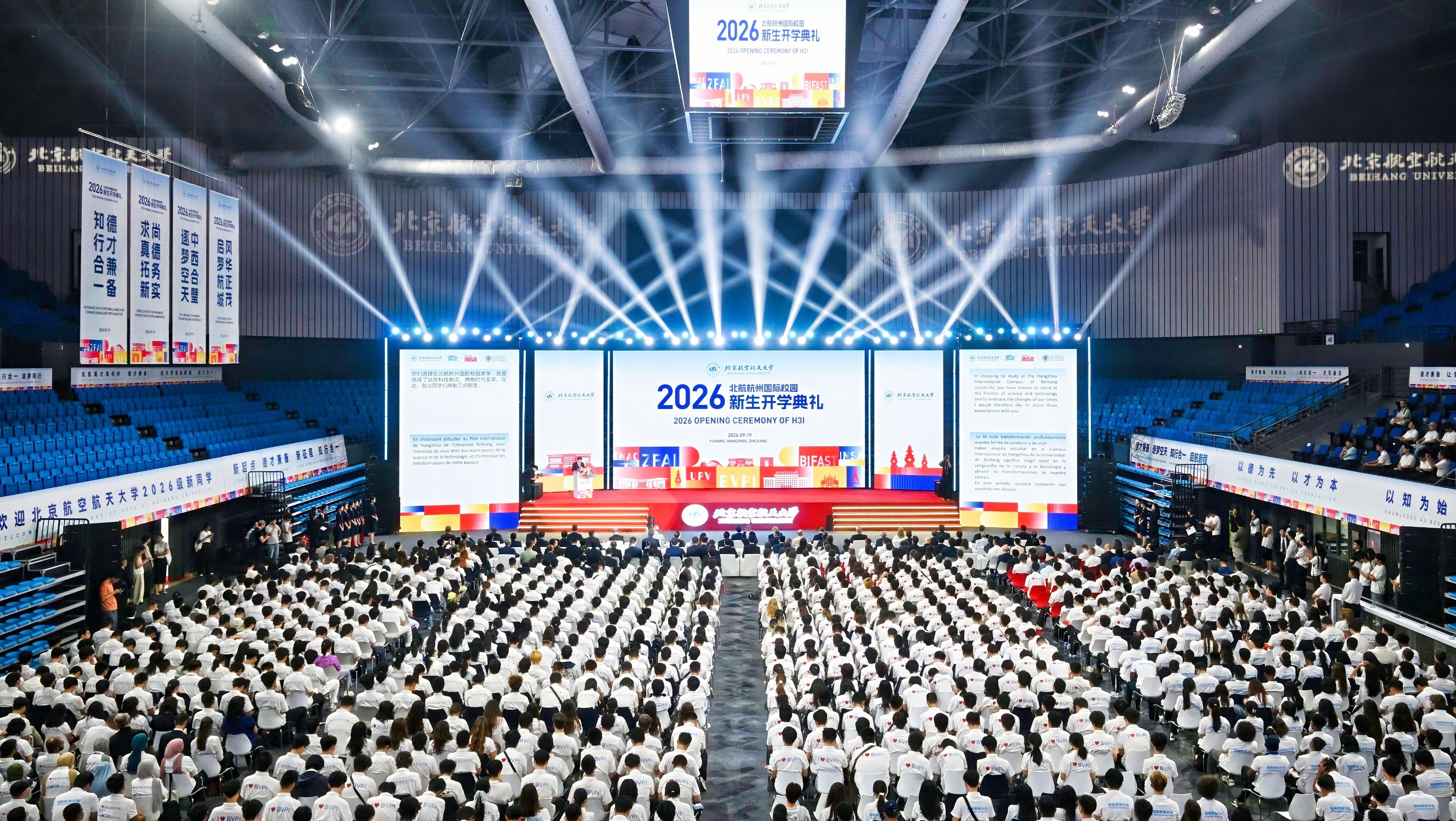 Beihang NewsPresident Wang Yunpeng visits Hangzhou to advance university-city integration and attends opening ceremony of H3IMore
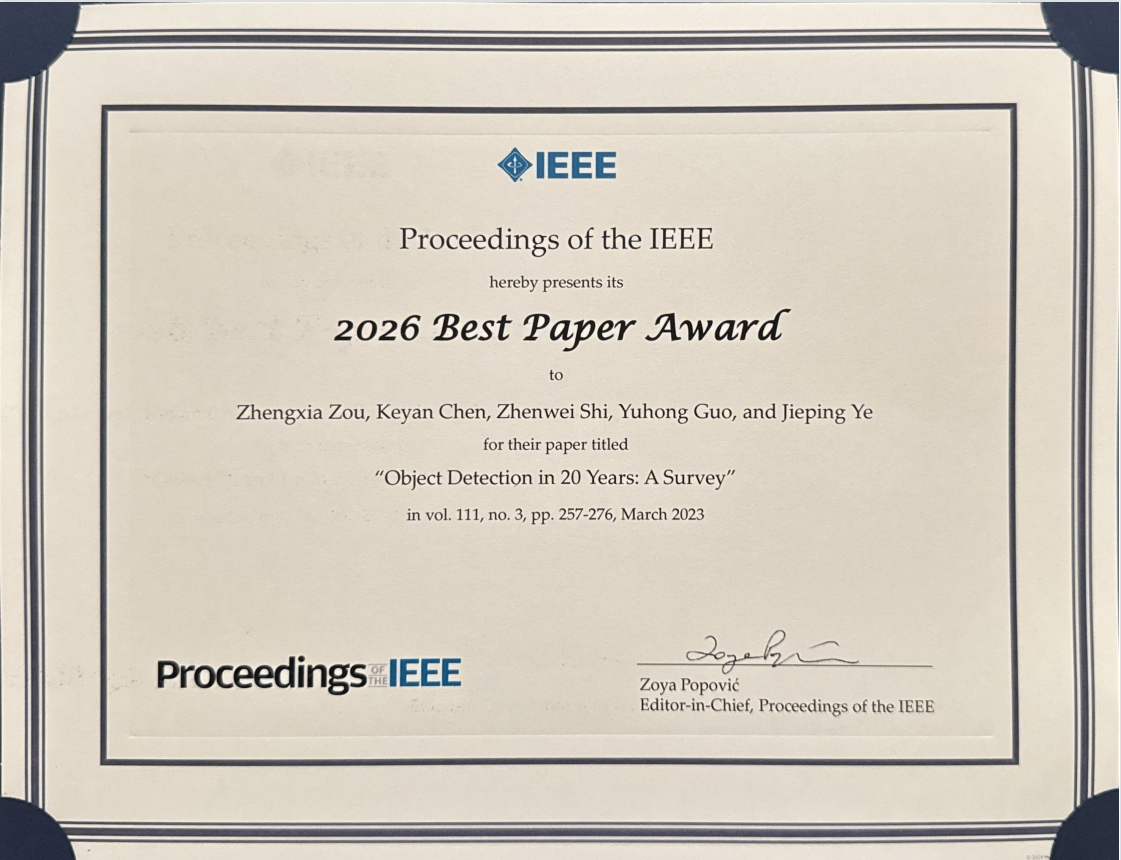 Beihang NewsBeihang team wins 2026 Best Paper Award from Proceedings of the IEEEMore