A student team from Beihang University claimed the Gold Award, the highest honor, at the EduHacks 2025 International Students Hackathon Competition Global Finals. The event, themed "We Make Life Better," was hosted at Nanjing University of Aeronautics and Astronautics Jincheng College from December 1 to 2.
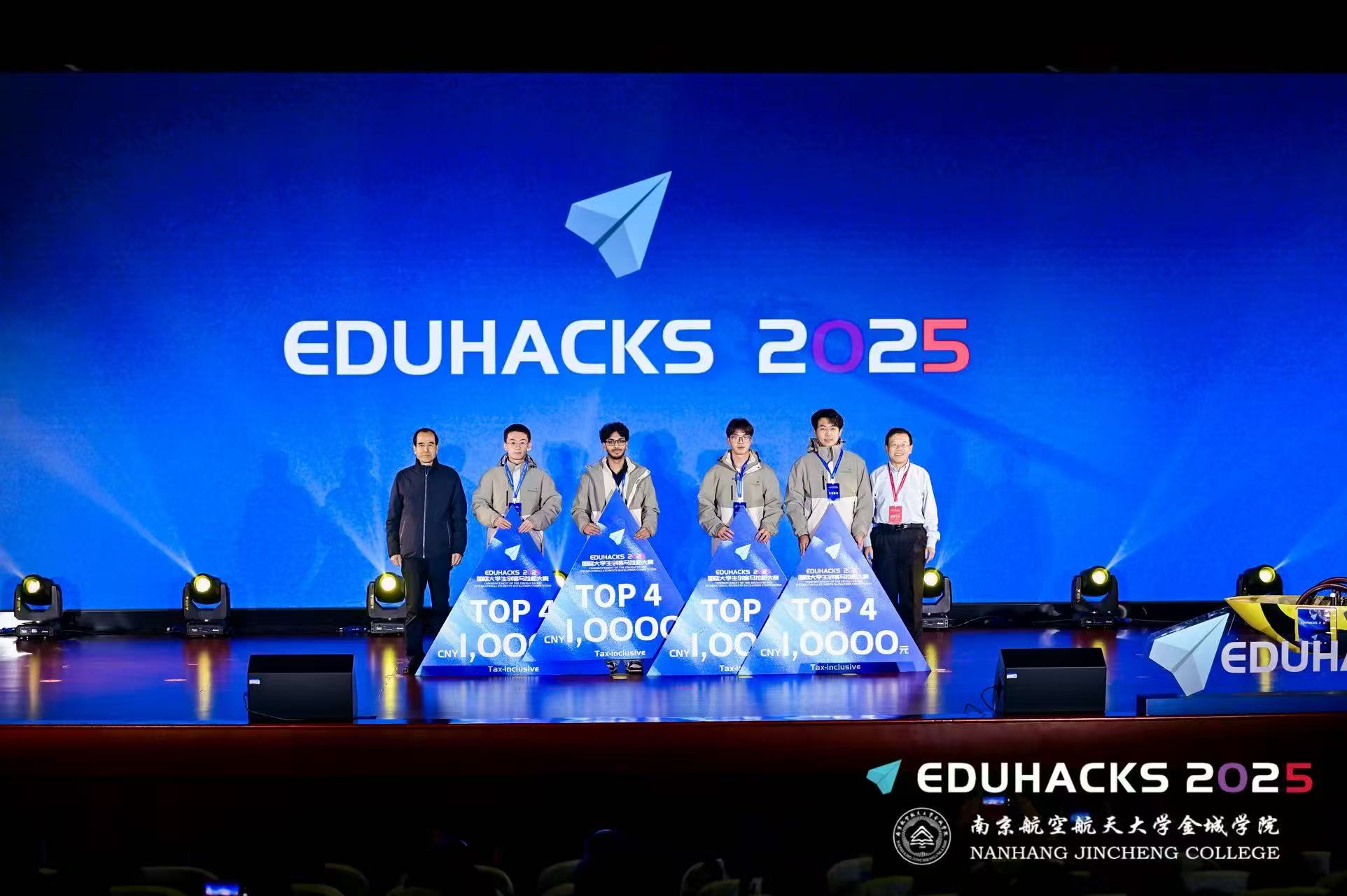
Demonstrating exceptional technical prowess and innovative thinking, the Beihang team stood out among over a hundred competing teams from around the world to secure the top prize.
Guided by faculty advisors from the Engineering Practice and Innovation Center (EPIC) of Beihang University, the team consisted of four undergraduates: Sun Jiwei, Luo Jie, Zhu Hongyu, and Zhong Zihan. Their project centered on the systematic upgrade and innovative redesign of "Gongchuang-1" — the first humanoid robot jointly developed by Beihang's EPIC in collaboration with the Embodied Intelligence Robotics Institute, the School of Automation Science and Electrical Engineering, and the School of Mechanical Engineering and Automation.
Leveraging this highly extensible platform, the team excelled across three distinct challenge tracks: a Standard Challenge focused on multi-scene tracking and sorting via optimized hardware-software integration; an Open Challenge proposing an "Intelligent Home Assistant Service Robot" for future communities, with detailed presentations on its scalable design and interactive systems; and an Industry Challenge featuring a smart logistics vehicle designed to meet intelligent sorting demands while showcasing innovative design concepts.
During the closing and awards ceremony, Sun Jiwei, a 2023 undergraduate and the team leader, presented their project as an "Excellence in Open Challenge" awardee. He systematically explained the team's vision, technical breakthroughs, and implementation potential to an international panel of judges and fellow competitors, receiving widespread acclaim.
The EduHacks competition is renowned for its global participation, emphasis on innovation, and hands-on practicality. This year's edition attracted participants from 90 universities across 18 countries and regions.
Editor: Lyu Xingyun


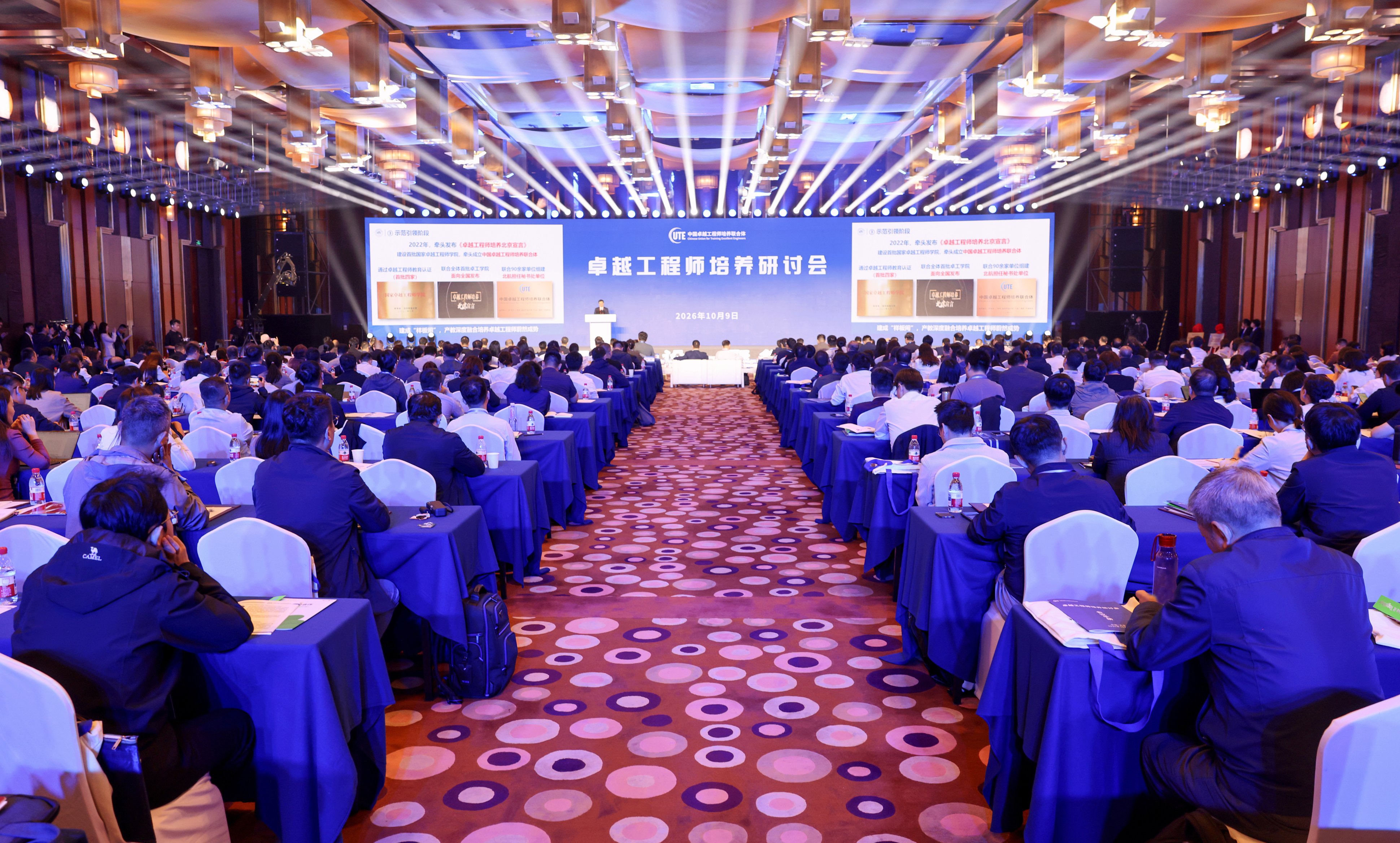 Beihang News2026 Symposium on Excellent Engineer Training held in BeijingMore
 Beihang NewsProfessor Liu Mingjie's team publishes article in Science, revealing high-modulus toughening mechanism in nacreMore
 Beihang NewsWang Yunpeng appointed Secretary of the CPC Beihang University CommitteeMore
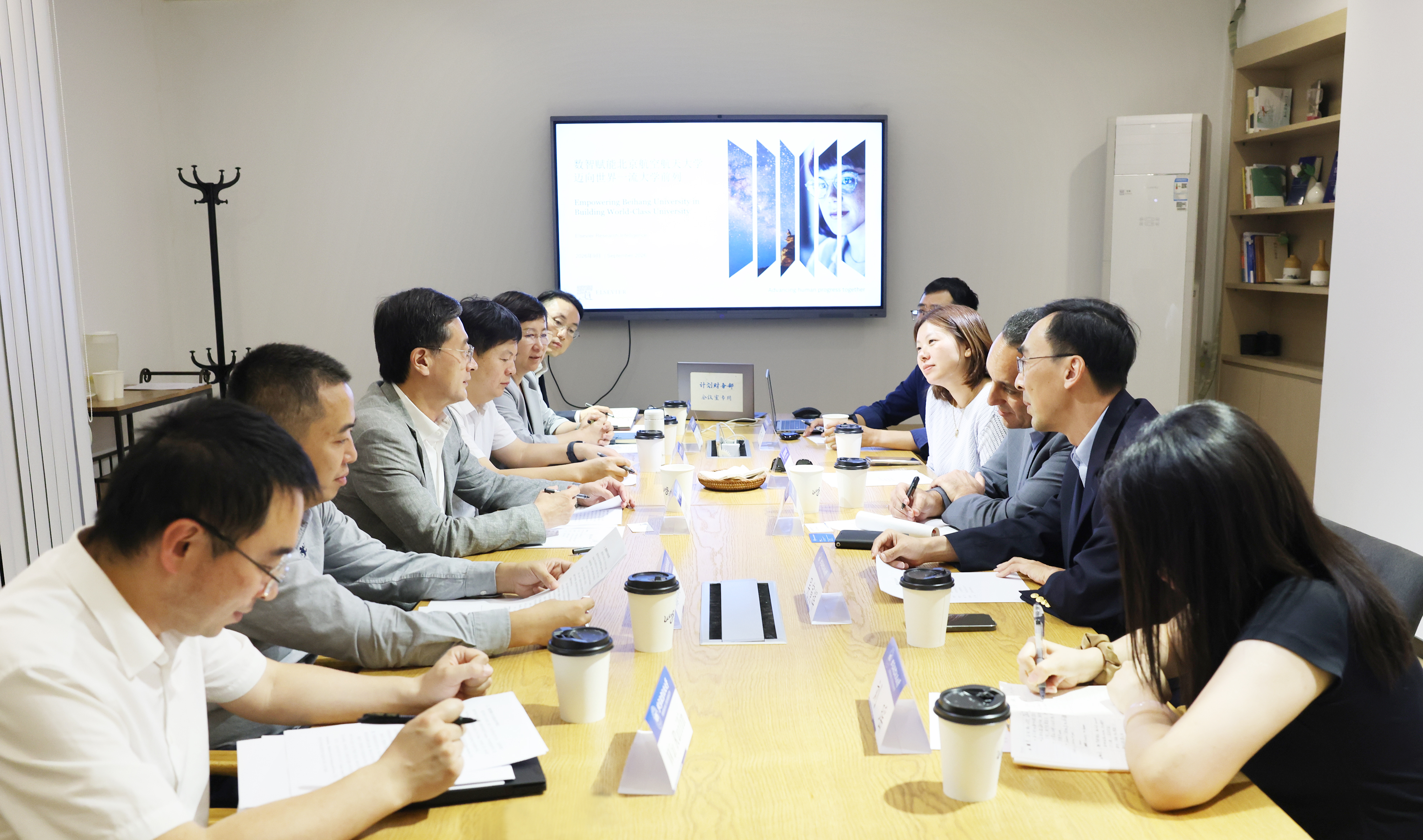 Beihang NewsElsevier Senior Vice President Said Taha visits Beihang UniversityMore
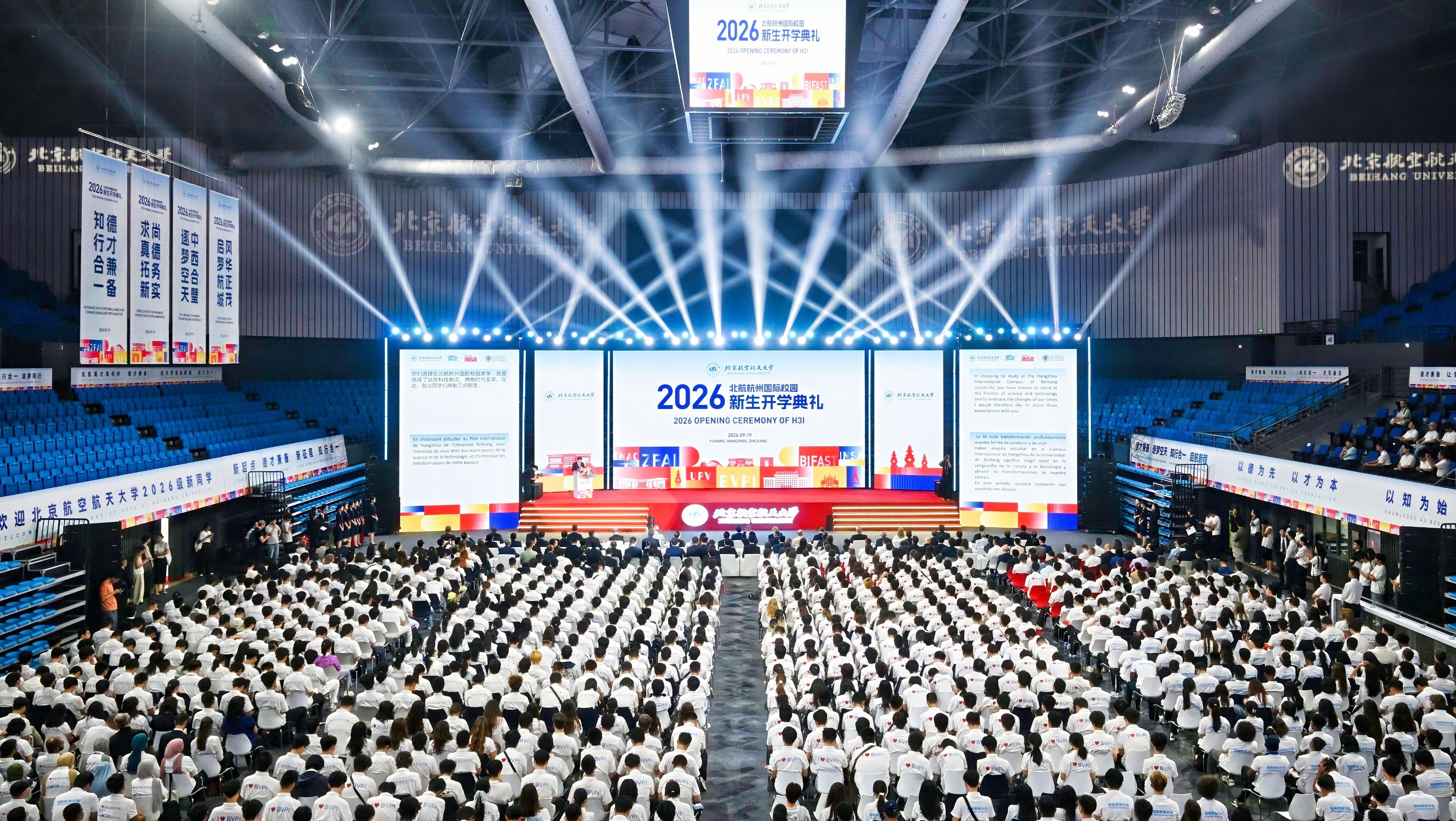 Beihang NewsPresident Wang Yunpeng visits Hangzhou to advance university-city integration and attends opening ceremony of H3IMore
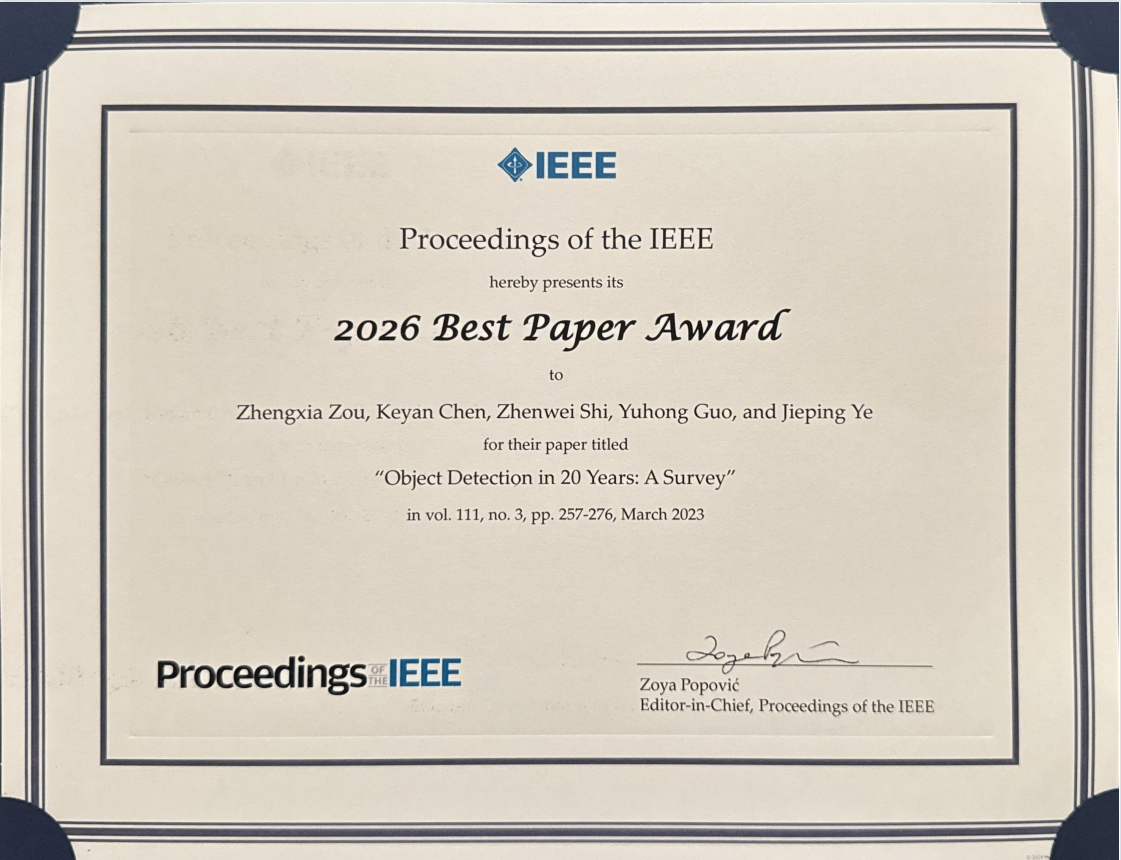 Beihang NewsBeihang team wins 2026 Best Paper Award from Proceedings of the IEEEMore