On January 18, Beihang University officially launched the Ministry of Education's pioneering discipline project, "Aerospace Bionic Intelligence," and inaugurated its corresponding research institute at the Vision International Cultural Exchange Center in Beijing.
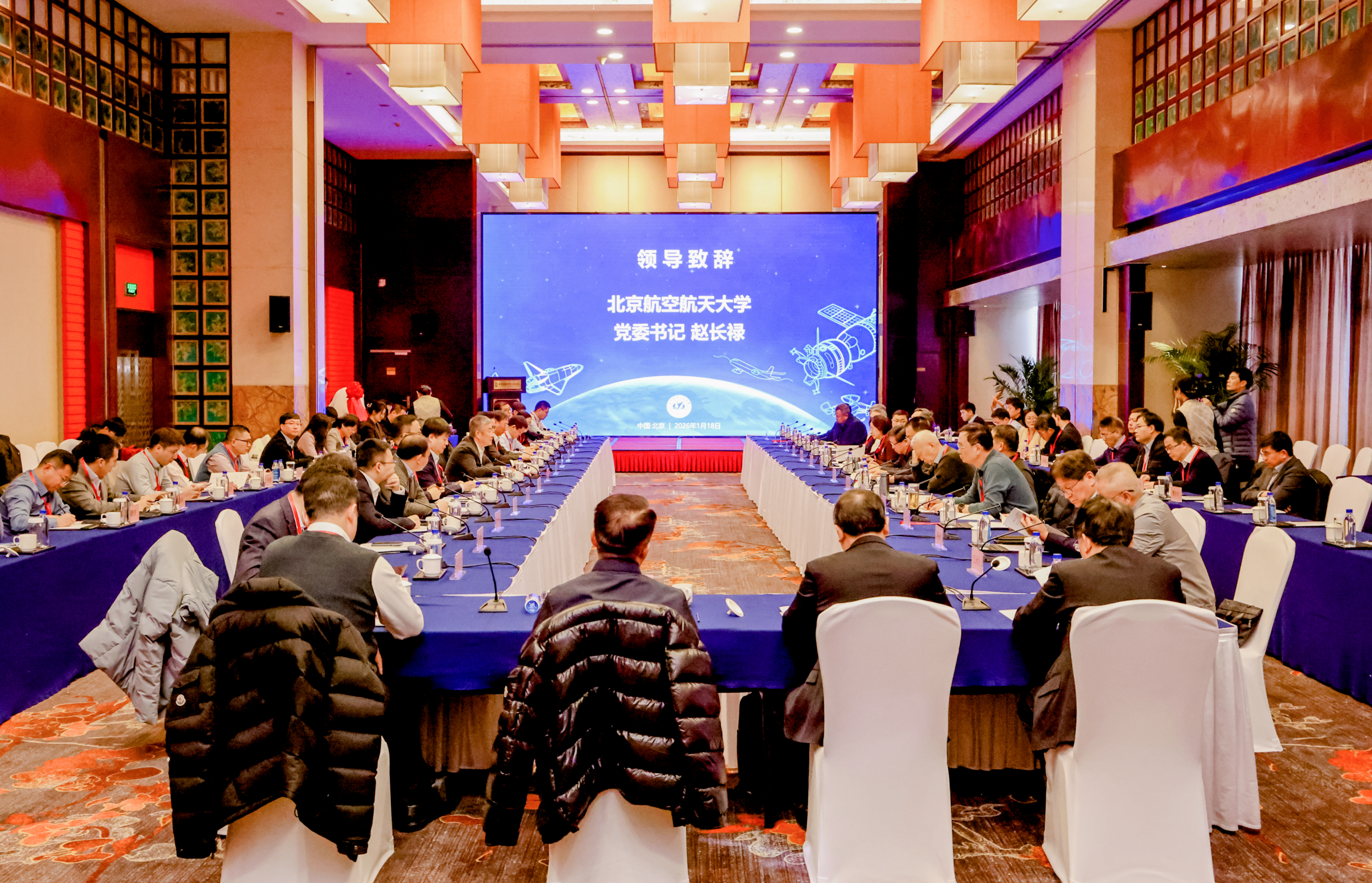
University Party Secretary Zhao Changlu, Vice Presidents Lyu Jinhu and Yan Xiaojun, along with a distinguished assembly of academicians from the Chinese Academy of Sciences and the Chinese Academy of Engineering, attended the event. The opening ceremony was presided over by Lyu Jinhu.

In his opening address, Zhao Changlu expressed sincere gratitude for the support from ministry officials, academicians, experts, and partner institutions. He emphasized that aerospace bionic intelligence represents a highly challenging, forward-looking, and deeply interdisciplinary frontier. Beihang is committed to leveraging its distinctive strengths, breaking down disciplinary barriers, and optimizing resources to foster a collaborative environment. By focusing on real-world operational scenarios, the initiative aims to drive systematic academic and technological breakthroughs, thereby shaping new advantages in aerospace intelligence and cultivating new, high-quality productive and combat capabilities.
Looking ahead, Zhao expressed expectations for the research team to steadfastly align with national strategic goals, establish robust project coordination mechanisms, and strive for groundbreaking achievements. The project also aims to nurture a cohort of leading talents and outstanding engineers, supporting an integrated new framework for education, science and technology, and talent development. He noted that Beihang will provide full organizational support and robust safeguards to ensure the project advances with high standards and quality, aiming to build a model demonstration and contribute substantially to achieving greater self-reliance in high-level science and technology.
During the launch ceremony, Zhao Changlu presented certificates to members of the project's Strategic Advisory Committee, while Academician Guo Lei issued certificates to members of the Academic Committee.
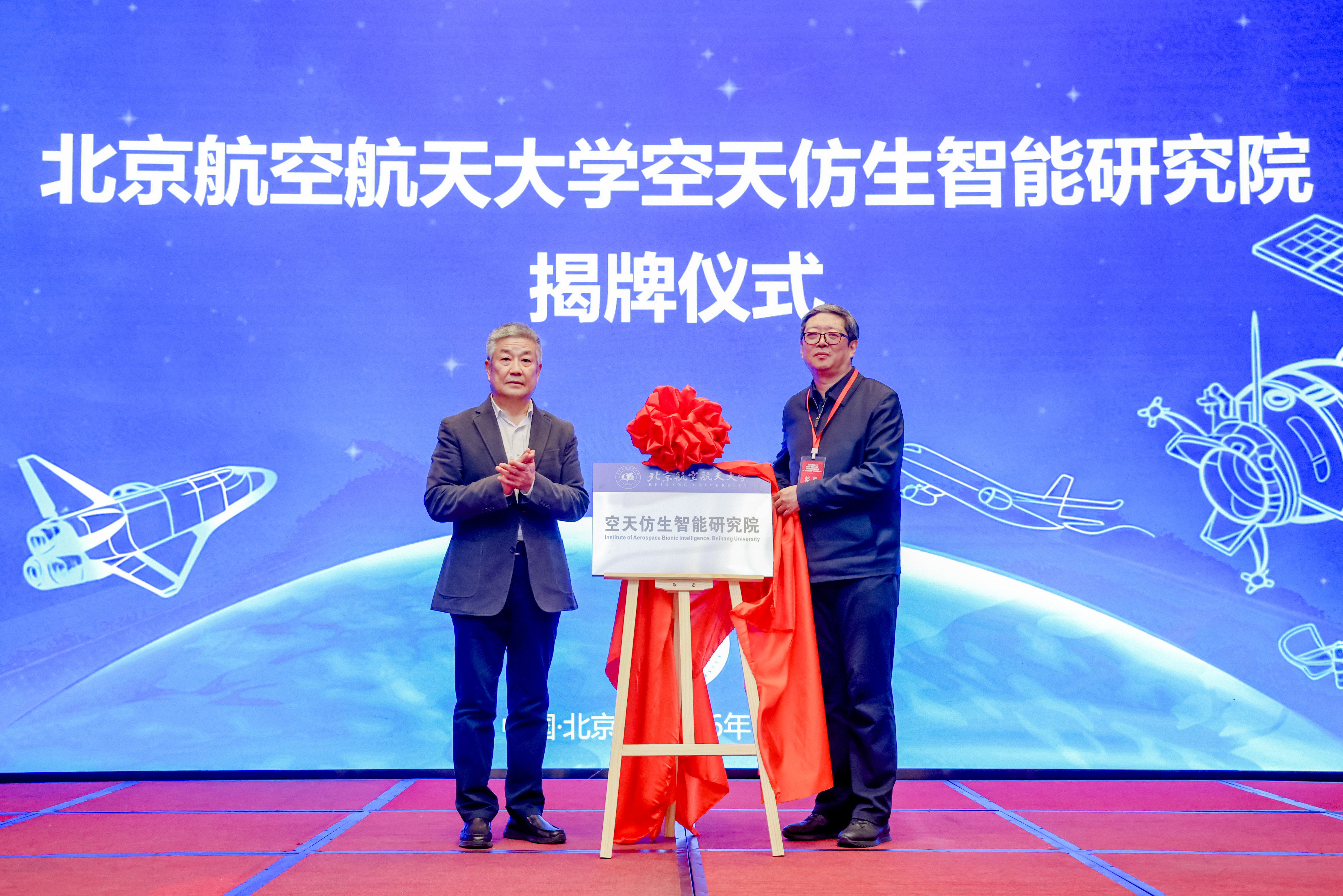
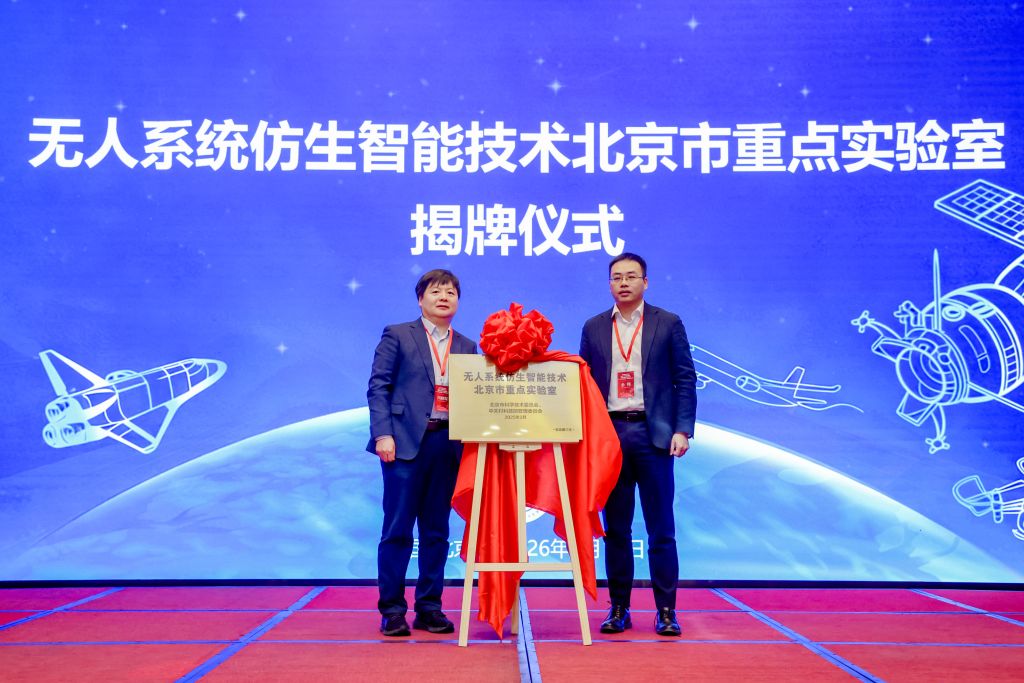
Subsequently, Zhao Changlu and Guo Lei jointly unveiled the plaque for the Institute of Aerospace Bionic Intelligence. Yan Xiaojun and Yu Xiang unveiled the plaque for the Beijing Key Laboratory of Bionic Intelligence Technology for Unmanned Systems.
The event featured in-depth project discussions and thematic reports by participating experts. Academician Guo Lei provided a comprehensive overview of the pioneering project. Project team representatives Pan Chong, Liu Honghai, and Qiao Jianzhong delivered special reports on topics related to bionic intelligence.
Experts from both the Strategic Advisory and Academic Committees praised the project's strategic positioning and innovativeness. They recognized that Aerospace Bionic Intelligence targets major strategic needs in aeronautics, astronautics, maritime domains, and national security. By deeply integrating multiple disciplinary frontiers, it fundamentally differs from traditional artificial intelligence, carving out a new research direction and development pathway. The project encompasses the entire innovation chain from fundamental theory and key technologies to engineering applications, fully aligning with the Ministry of Education's vision for pioneering projects.
Regarding future work, experts suggested the project team concentrate on several typical application scenarios, systematically outline the core technological framework and discipline development objectives, and strengthen interdisciplinary integration. The aim is to achieve landmark breakthroughs in key theories and major engineering applications, providing solid support for the development of China's aerospace unmanned equipment and delivering substantive outcomes for the nation's pursuit of scientific and technological self-reliance.
The conference was also attended by representatives from the China Association of Inventions, the National Natural Science Foundation of China, the China State Shipbuilding Corporation, the Fifth Academy of China Aerospace Science and Technology Corporation, and experts from Harbin Institute of Technology, Beijing Institute of Technology, and Southeast University.
The "Aerospace Bionic Intelligence" pioneering project draws inspiration from biological intelligence. Building on original innovation that integrates strengths in aeronautics and astronautics, intelligence science, biology, control engineering, and instrumentation, it targets commanding heights in future S&T development. The project focuses on bionic intelligence technologies for unmanned equipment operating in extreme environments across air, space, land, sea, and underwater domains. It also explores an integrated development pathway for education, science and technology, and talent—driven by major national demands, enabled by interdisciplinary innovation, and advanced through collaboration among leading universities.
Editor: Lyu Xingyun


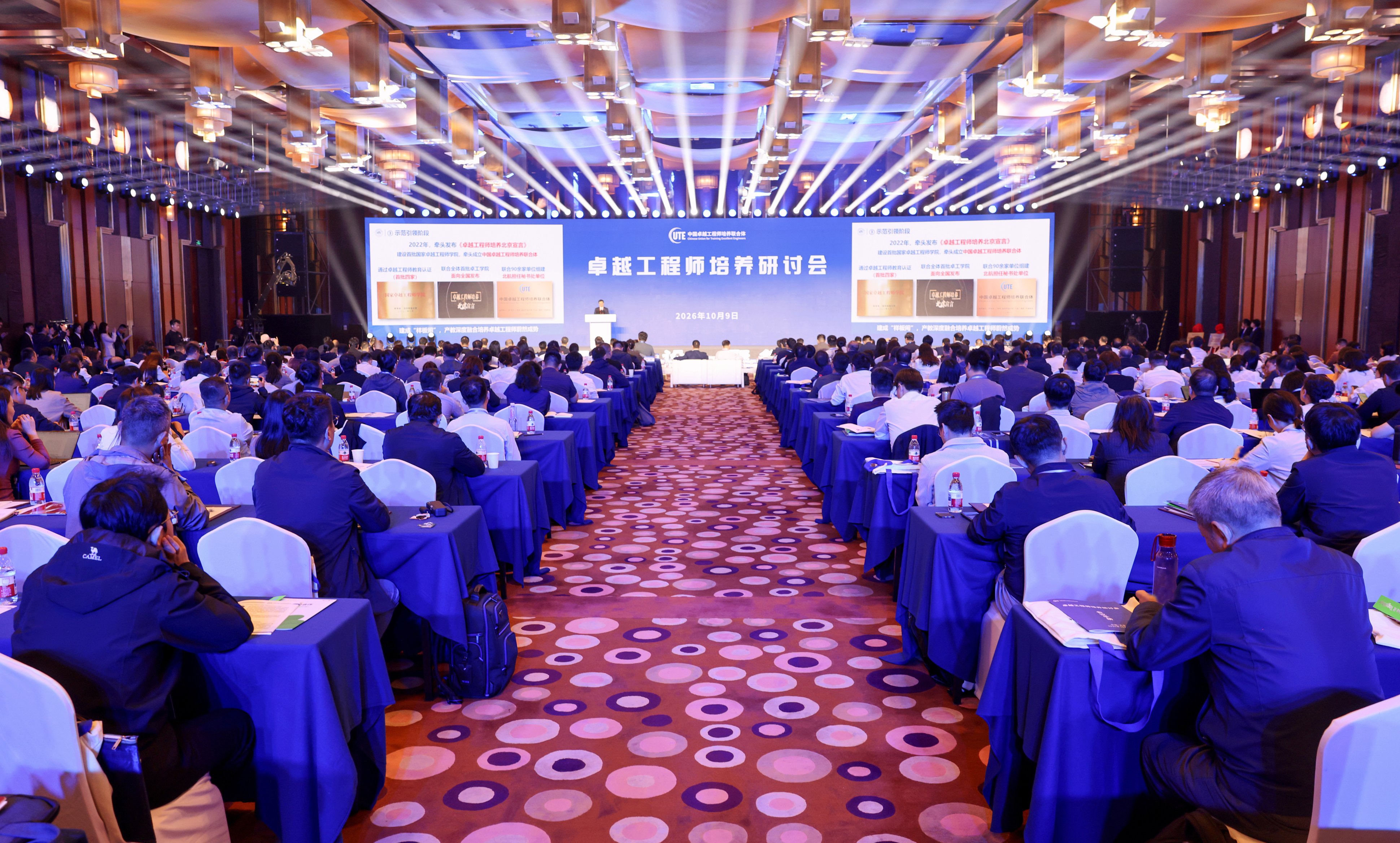 Beihang News2026 Symposium on Excellent Engineer Training held in BeijingMore
 Beihang NewsProfessor Liu Mingjie's team publishes article in Science, revealing high-modulus toughening mechanism in nacreMore
 Beihang NewsWang Yunpeng appointed Secretary of the CPC Beihang University CommitteeMore
 Beihang NewsElsevier Senior Vice President Said Taha visits Beihang UniversityMore
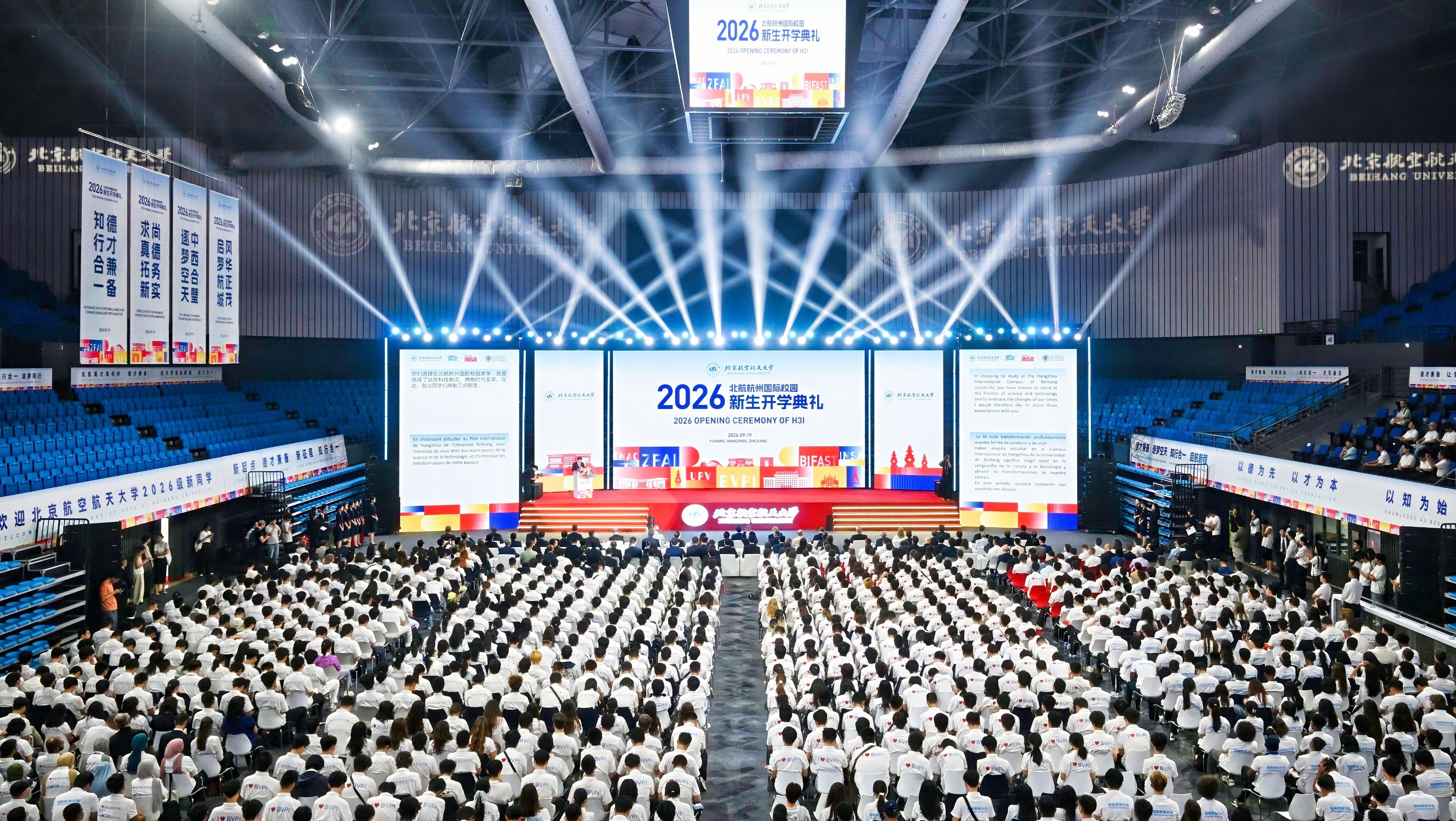 Beihang NewsPresident Wang Yunpeng visits Hangzhou to advance university-city integration and attends opening ceremony of H3IMore
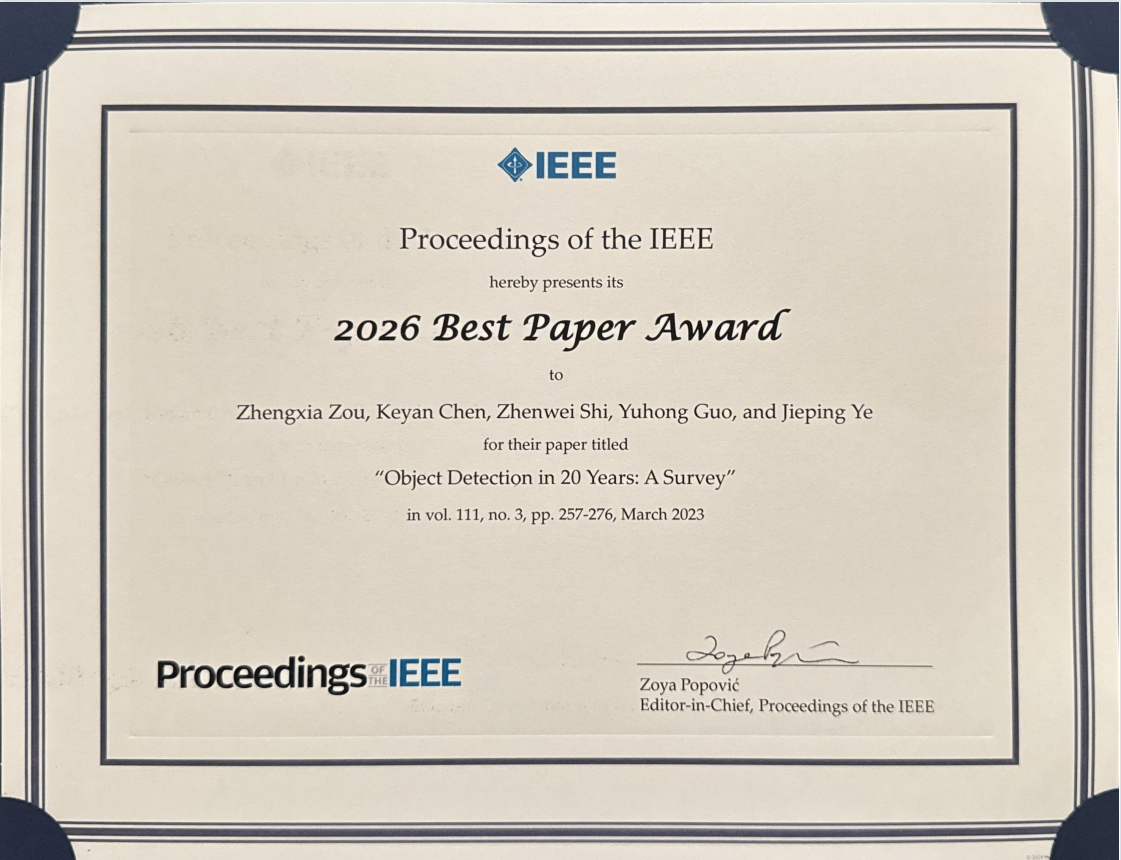 Beihang NewsBeihang team wins 2026 Best Paper Award from Proceedings of the IEEEMore