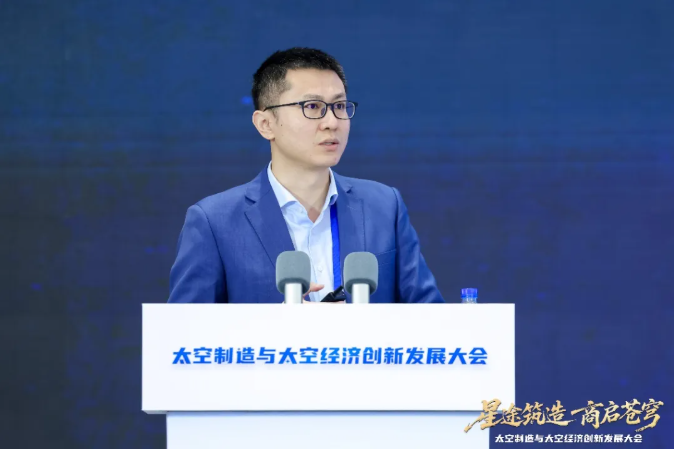
The first Conference on Space Manufacturing and Space Economy Innovation and Development convened in Beijing on February 27, bringing together nearly 400 leading experts, industry representatives and government officials to chart the course for China's burgeoning space industrial capabilities.
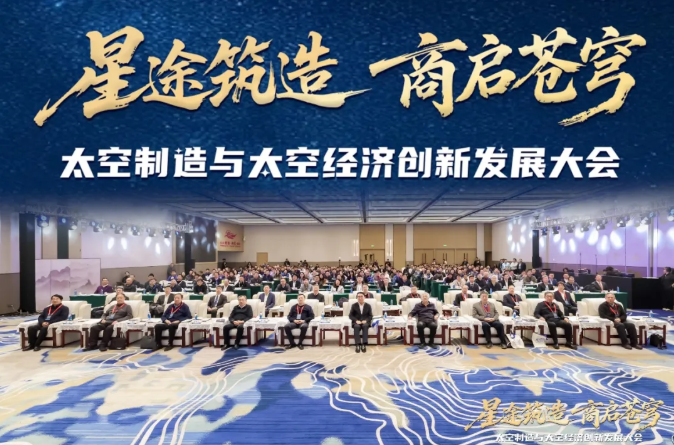
With the theme "Building the Space Road, Launching the Space Economy," the conference was hosted by Beihang University and the Technology and Engineering Center for Space Utilization, Chinese Academy of Sciences (CAS). It was co-hosted by the China Academy of Aerospace Science and Innovation, China Academy of Launch Vehicle Technology, China Academy of Space Technology, Shanghai Academy of Spaceflight Technology, China Aerospace Science and Technology Corporation Commercial Rocket Company, Institute of Metal Research of the CAS, Institute of Engineering Thermophysics of the CAS, Ningbo Institute of Materials Technology and Engineering of the CAS, and the Deep Space Exploration Laboratory. It also received strong guidance and support from the High Technology Department of the Ministry of Industry and Information Technology (MIIT).
The gathering aimed to establish a high-level, cross-disciplinary platform for academic exchange, technological collaboration, and industrial synergy. The conference was chaired by Bai Chunli, Academician of the CAS; Wang Yunpeng, President of Beihang University; and Gu Yidong, Academician of the CAS. Distinguished attendees included Ding Chibiao, Vice President of the CAS; Xie Shaofeng, Chief Engineer of the MIIT; Zhang Shouhua, Director of the High Technology Department of the MIIT; Su Guobin, Deputy Party Secretary of the Beijing Municipal Bureau of Economy and Information Technology; and Zhang Guangming, Deputy District Mayor of Haidian District. The conference was presided over by Lyu Jinhu, Vice President of Beihang University.
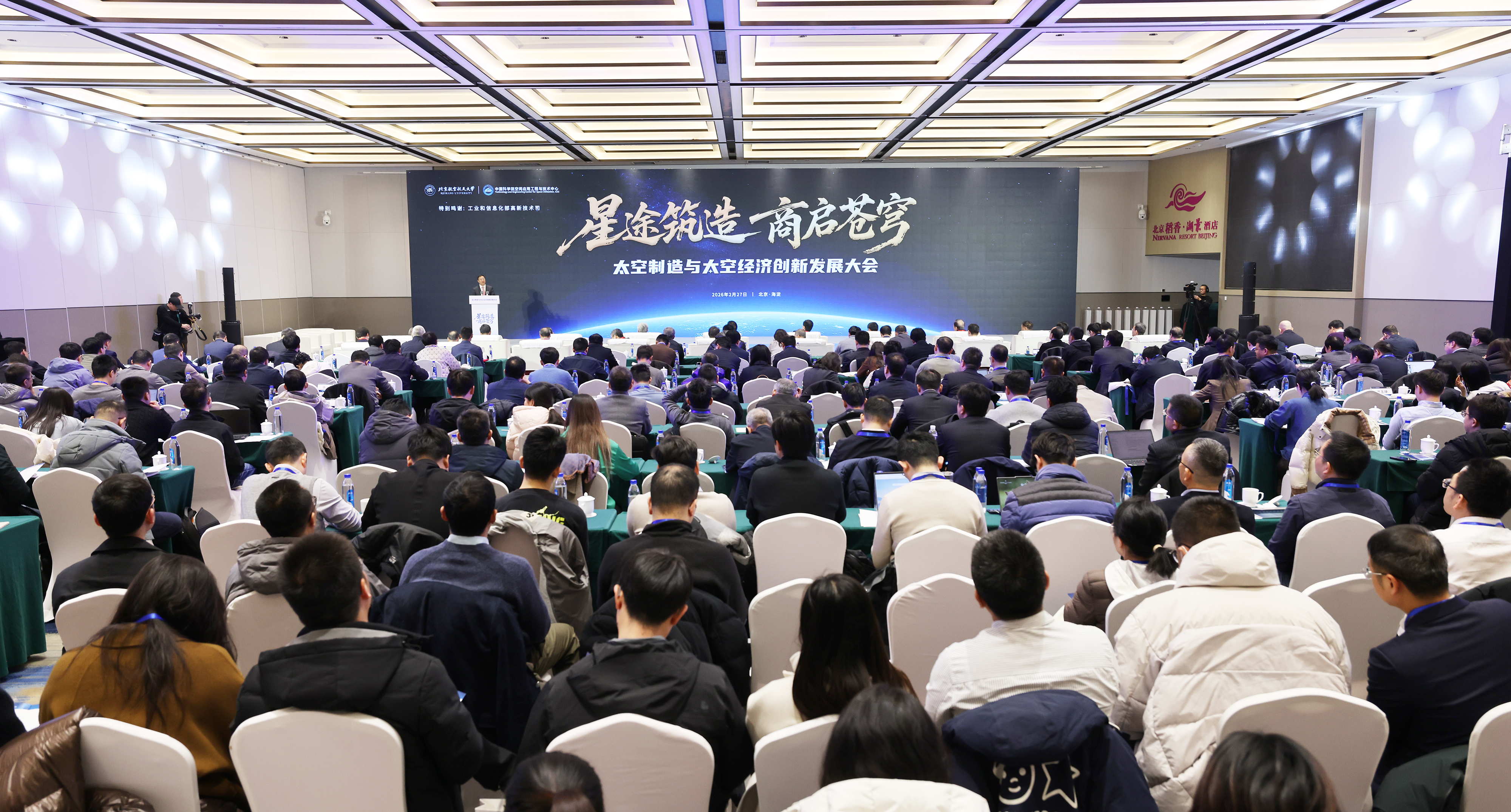
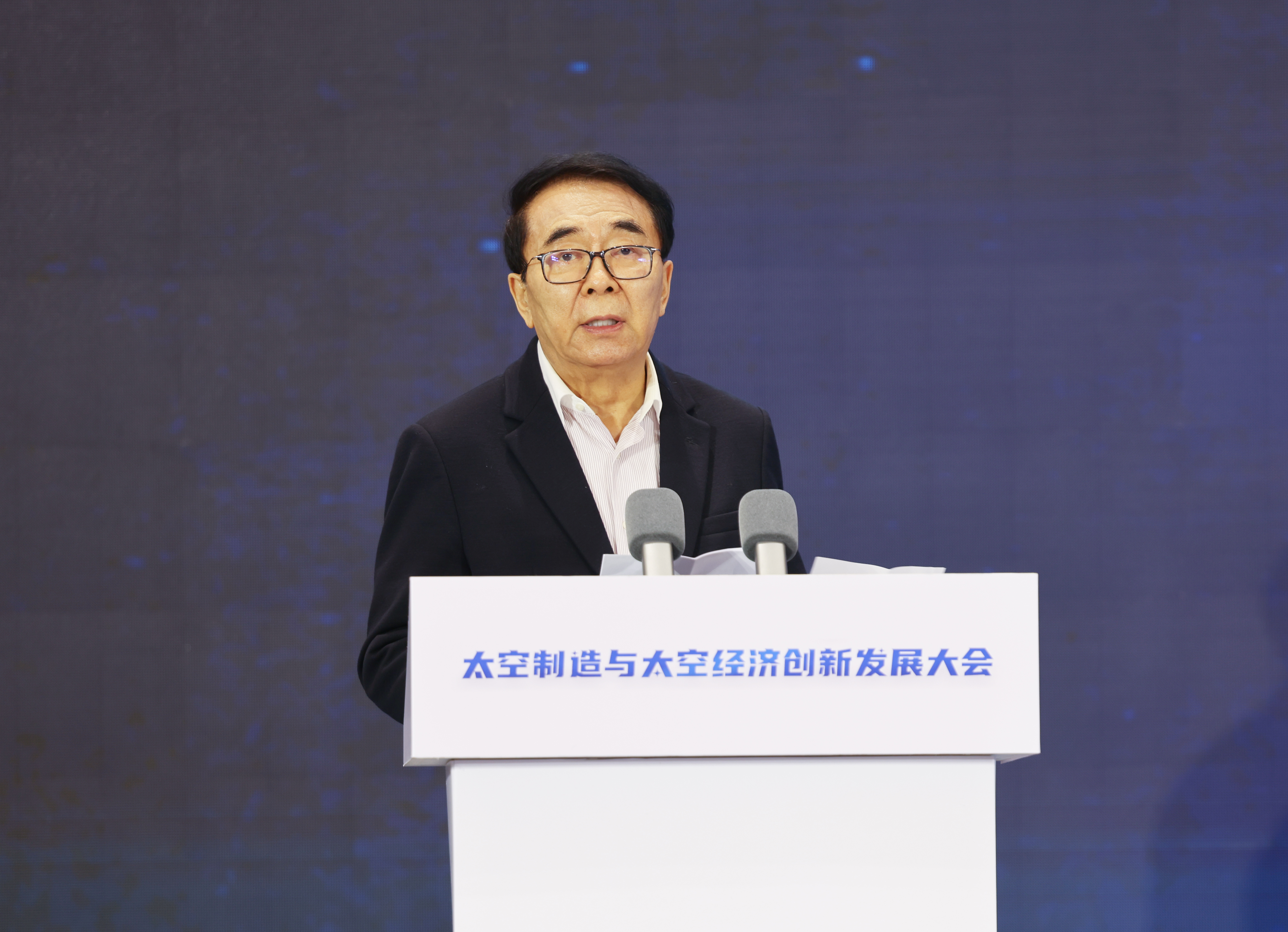
In his opening address, Bai Chunli emphasized the strategic importance of space manufacturing, describing it as a core pillar of a strong aerospace nation and a vital extension of advanced manufacturing capabilities. He called for strengthened policy support, improved innovation ecosystems, and deeper integration between space manufacturing and the broader economy to advance China's capabilities in this critical domain.
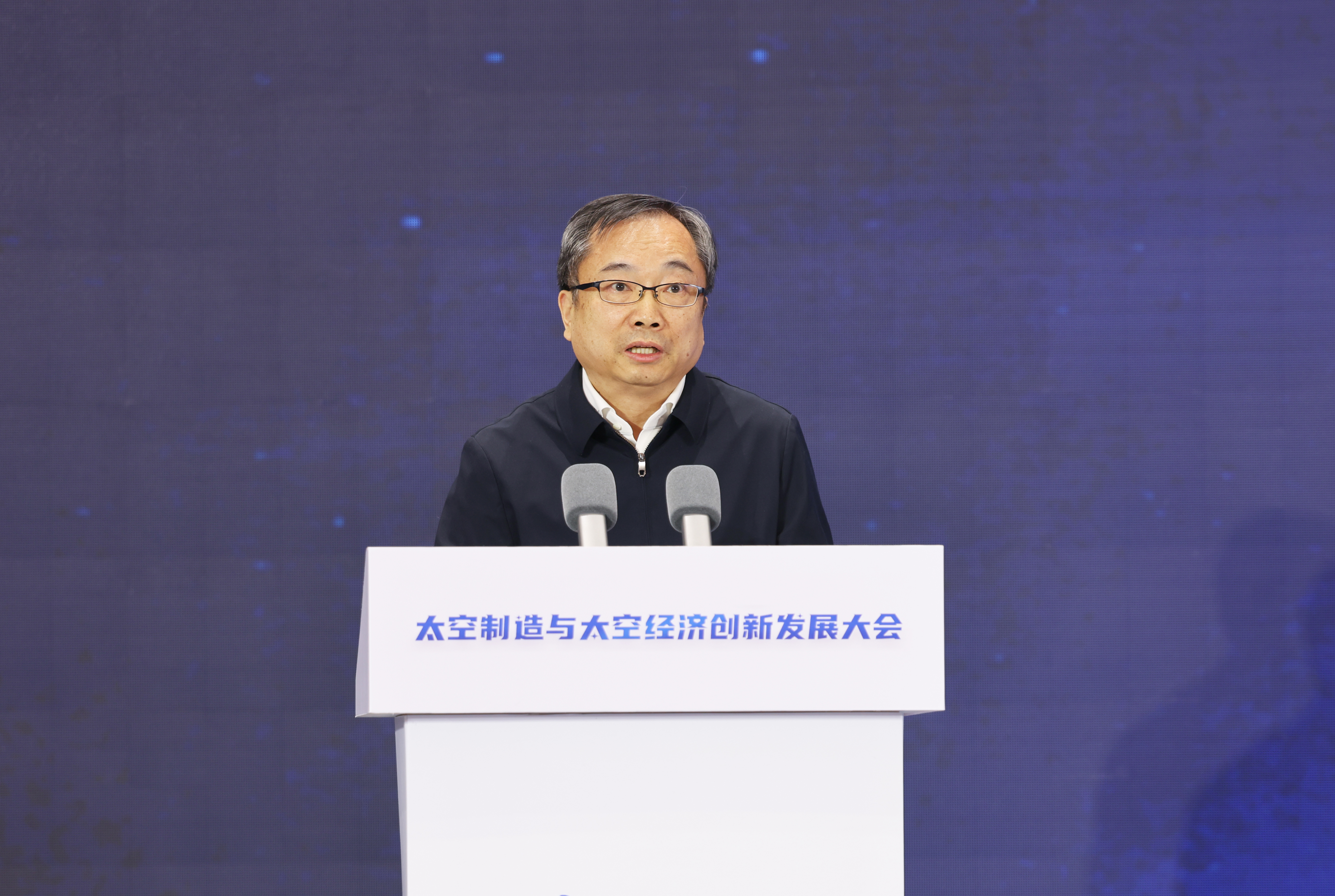
Wang Yunpeng highlighted the transformative potential of the field. He said that space manufacturing has become a key breakthrough point leading the space technology revolution and driving the manufacturing industry toward higher levels. Noting the accelerating arrival of an era of low-cost, efficient access to and utilization of space, Wang emphasized Beihang's commitment to serving national strategic needs and collaborating with partners to drive innovation, aiming for a transformative leap in China's global competitiveness in this domain.

Xie Shaofeng conveyed the central government's strong emphasis on developing future industries. He noted that advanced manufacturing technologies are deeply converging with space applications, spawning new sectors like in-orbit services, space-based pharmaceuticals, and space material processing. He outlined MIIT's three-pronged approach: strengthening strategic guidance, intensifying technological breakthroughs, and cultivating a thriving industrial ecosystem to accelerate new economic growth drivers.
Ding Chibiao pointed to the accelerating restructuring of the global space landscape, positioning space manufacturing as a critical technological peak. He noted that CAS has built a solid foundation in fundamental research, key technologies, and validation platforms. Moving forward, CAS will enhance collaborative exchanges, systematically tackle key technological challenges, promote open innovation and technology transfer, and openly share major scientific infrastructure to collectively advance China's high-quality development in the space manufacturing sector.
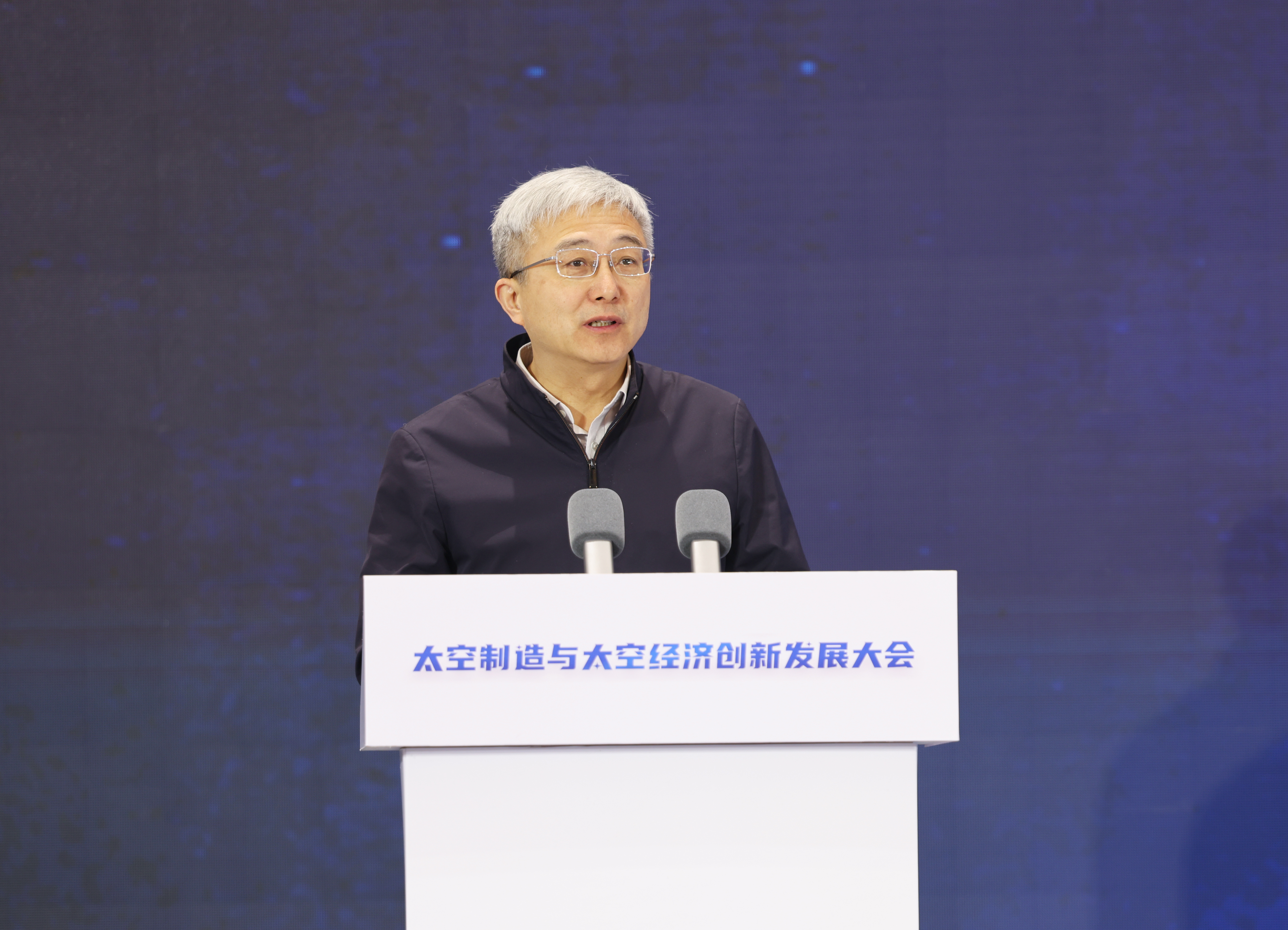
Su Guobin outlined Beijing's advantages and commitments. Building on the city's first-mover advantages in commercial space, Beijing has developed a complete industrial chain covering rocket development, satellite manufacturing, constellation construction and operation, ground equipment manufacturing, and data applications. He pledged that Beijing would leverage its strengths in smart equipment, new materials, and AI to further support the sector through four key actions: reinforcing core technology R&D, refining policies for industrial clustering, driving application-led scenario development, and fostering cross-sector collaboration to cultivate new business models.

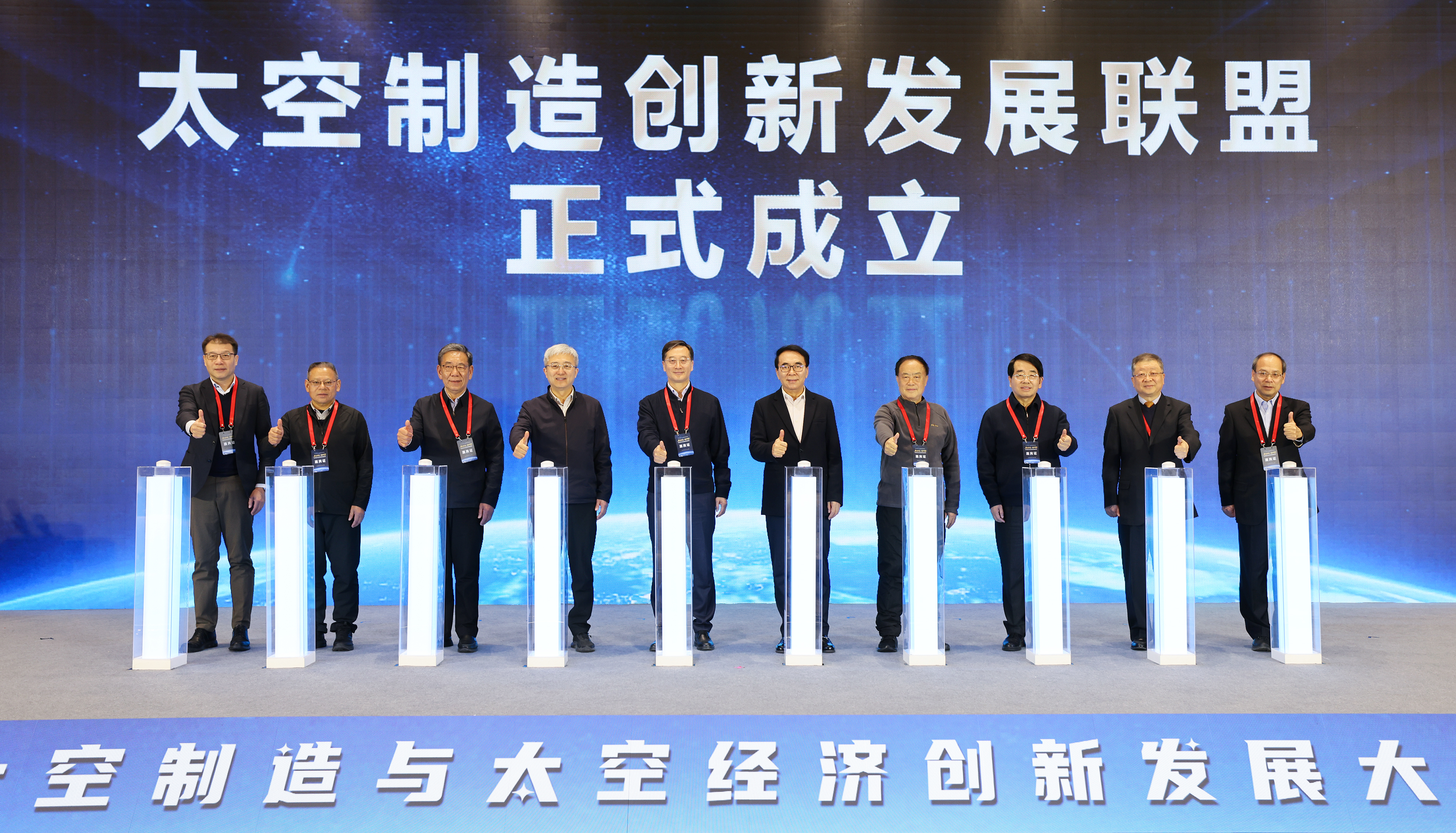
A major highlight of the conference was the official establishment of the Space Manufacturing Innovation and Development Alliance, announced under the guidance of the High Technology Department of the MIIT. The alliance, initiated by nearly 100 universities, research institutions, enterprises, and investment organizations, aims to foster a collaborative innovation system integrating industry, academia, research, application, and finance to promote space manufacturing industrialization and new space economy formats. Ten academicians, including Bai Chunli, Ding Chibiao, Wang Yunpeng, Wu Weiren, Huang Wei, Lu Bingheng, Wang Guoqing, Wang Huaming, Zhang Xuejun, and Wang Jue, jointly unveiled the alliance.
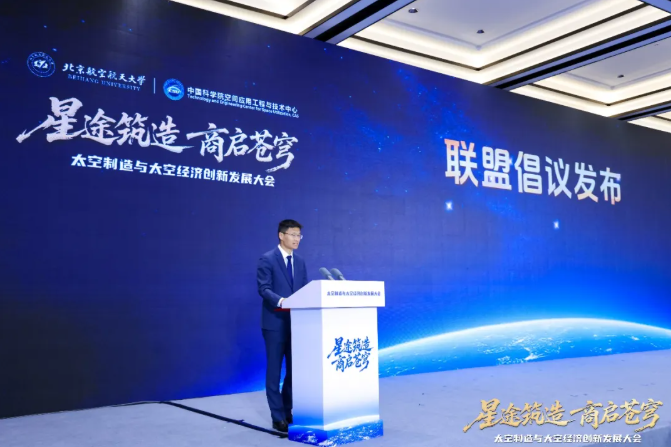
Gui Haichao, a Beihang professor and the first payload expert on China's space station, presented the alliance's initiatives. The six core initiatives include: pursuing innovation-driven development to achieve breakthroughs in key core technologies; establishing standards systems to guide industrial development; smoothing transformation channels to promote application of achievements; building shared platforms to optimize resource allocation; strengthening exchanges and cooperation to cultivate innovative talent; and upholding openness and sharing to build a collaborative development ecosystem. These efforts aim to jointly promote high-quality commercial space development and cultivate new forms of space economy.
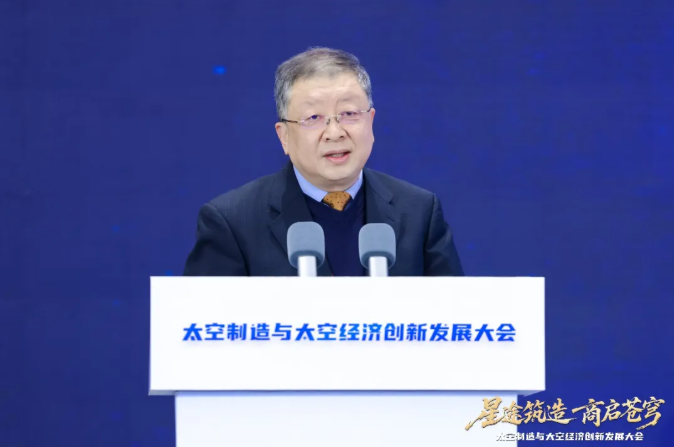
Wang Guoqing, Academician of the Chinese Academy of Engineering (CAE) and Chief Information Officer of China Aerospace Science and Technology Corporation, delivered a report on the current status, trends, and development recommendations for space manufacturing. He characterized space manufacturing as a strategically disruptive technology essential for advancing aerospace capabilities and accelerating technological innovation, noting that it has become a focal point of strategic competition among spacefaring nations and a critical track for future industrial development.
Dai Zheng, Vice President of LandSpace, presented on trends in domestic reusable rocket development, emphasizing that reusable launch vehicle technology represents a key factor supporting high-quality development of China's commercial space sector. He called for sustained technological innovation to enhance launch capacity, reduce costs, and increase frequency, thereby building an independent and self-controllable aerospace infrastructure system to support the large-scale industrialization of space manufacturing.
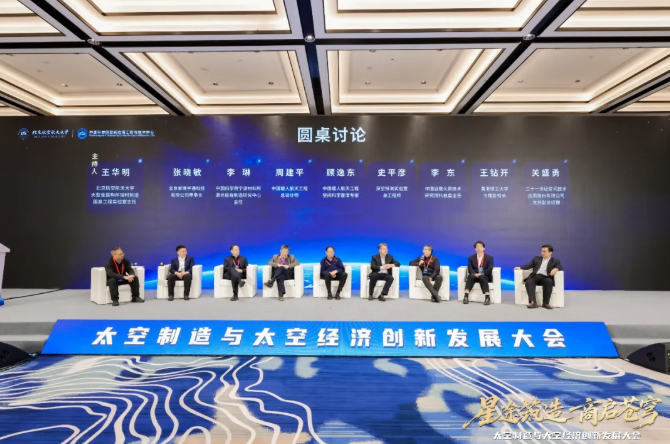
A roundtable forum moderated by Academician Wang Huaming brought together distinguished experts including Gu Yidong, Zhou Jianping, Li Dong, Li Lin, Wang Zuankai, Shi Pingyan, Zhang Xiaomin, and Guan Shengyong. The panel explored pathways for breakthrough technological advancements in space manufacturing and strategies for accelerating the cultivation of future industries, working toward consensus and collective momentum for building a new pattern of high-quality space economy development.
The conference also featured three specialized forums focusing on space manufacturing technologies, earth-to-space transportation systems and industries, and emerging space economy business models. Experts engaged in in-depth discussions on frontier topics including space manufacturing techniques, low-cost reusable transportation systems, and space resource development and commercial applications, sharing latest research findings and practical experiences while exploring pathways for key technological breakthroughs and diverse application scenarios.
As the chair unit of the newly formed alliance, Beihang convened its inaugural working meeting, adopting the alliance charter and outlining its vision to advance space manufacturing technology and foster a dynamic commercial space ecosystem.
Editor: Lyu Xingyun


 Beihang News2026 Symposium on Excellent Engineer Training held in BeijingMore
 Beihang NewsProfessor Liu Mingjie's team publishes article in Science, revealing high-modulus toughening mechanism in nacreMore
 Beihang NewsWang Yunpeng appointed Secretary of the CPC Beihang University CommitteeMore
 Beihang NewsElsevier Senior Vice President Said Taha visits Beihang UniversityMore
 Beihang NewsPresident Wang Yunpeng visits Hangzhou to advance university-city integration and attends opening ceremony of H3IMore
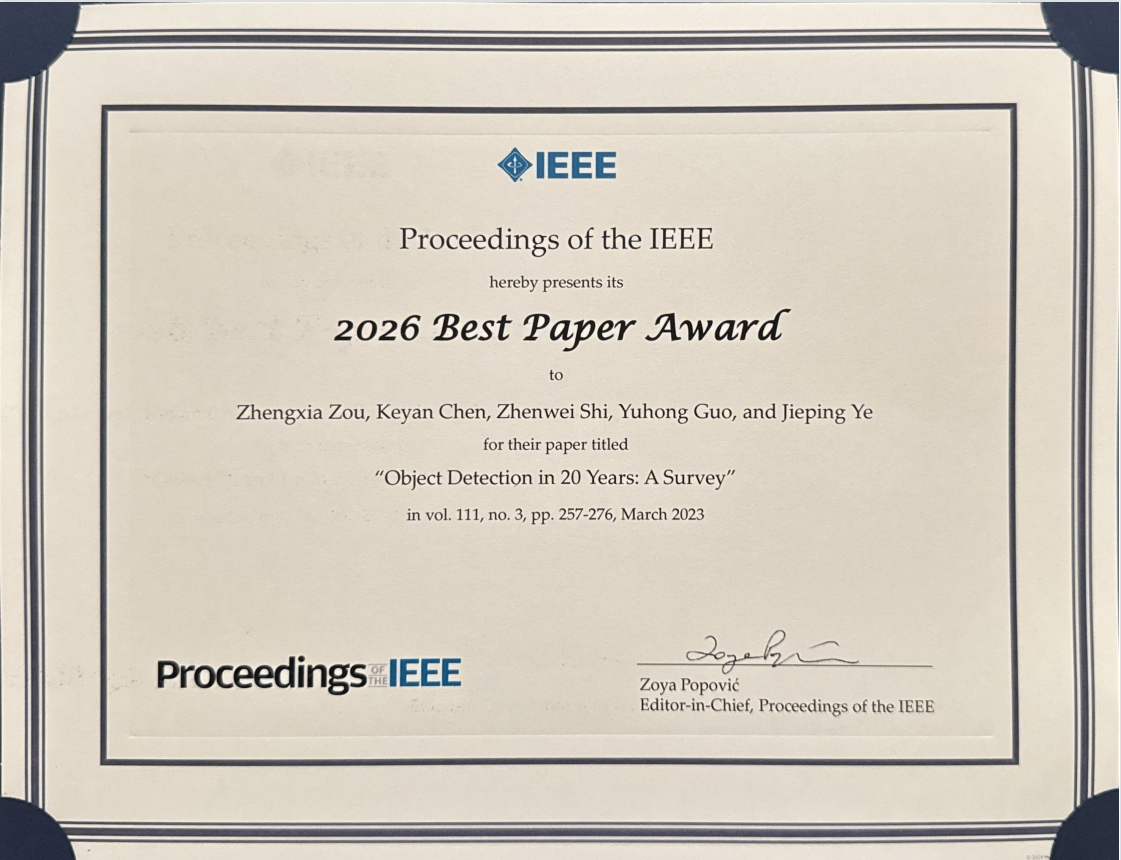 Beihang NewsBeihang team wins 2026 Best Paper Award from Proceedings of the IEEEMore