On the afternoon of March 26, Beihang University and the Asia-Pacific Space Cooperation Organization (APSCO) convened a seminar at the Conference Center of Hangzhou International Campus to chart the course for future collaboration. Building on the previous successful cooperation—exemplified by the Student Small Satellite (SSS) project—both parties reviewed their achievements and unanimously agreed to comprehensively upgrade their partnership into a more systematic and institutionalized "2.0 mode."
The meeting was attended by APSCO Secretary General Jiang Hui, the Minister of Education and Training Xu Yansong, and the Minister of Strategic Planning and Project Management Atiq Ur Rehman, along with related staff; and Professor Tan Yumin, Professor Huang Hai, Associate Professor Wan Xiaowei, Associate Professor Wang Hao, and other faculty members and center staff from Beihang. The session was presided over by Professor Wu Xiaojun, Deputy Director of the International Relations Department at Beihang and Executive Director of the APSCO Center for Space Education and Training in China.
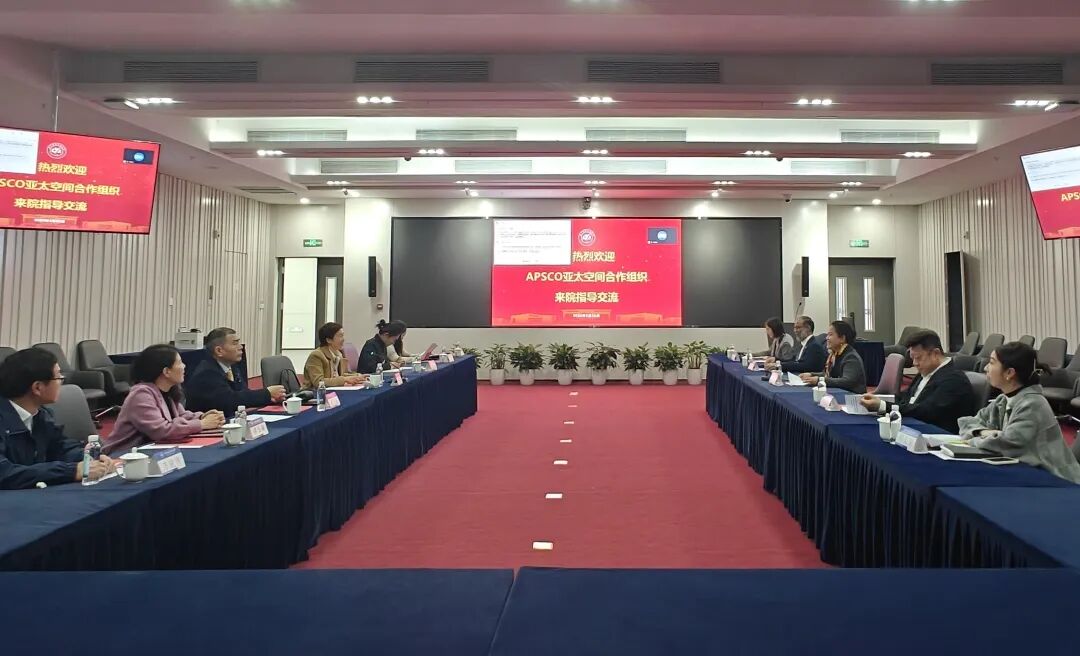
The conference spoke highly of the "SSS-1" project, which was led by Beihang University and jointly participated in by China, Pakistan, Iran, and other nations. Since its successful launch in 2021, the satellite has been functioning well in orbit. It has not only validated multiple key technologies but also established a mature model for international collaborative R&D and talent cultivation, laying a solid foundation for future cooperation.
Based on the existing achievements, both parties have defined three key priorities for deepening future cooperation, aiming to propel the partnership toward a more systematic and high-quality direction.
First, focus on the upgrading of education and training, further expand the recommendation of high-quality international students from Asia-Pacific countries to Beihang University and explore the expansion of postdoctoral cooperation. The two sides will systematically summarize the full-cycle experience of projects like SSS to create standardized "Hands-on Packages," and jointly organize high-level training programs for Asia-Pacific space officials to better share China's practical expertise in areas such as microsatellite engineering management and remote sensing data applications with APSCO member states.
Second, strengthen data and application synergy, and fully utilize the data resources of the APSCO Data Sharing Services Platform (DSSP). They will explore granting access to this data for international students from APSCO member states at Beihang University. Centering on annual themes like disaster monitoring and agriculture, they will guide these students in using the platform's data for scientific research and graduation projects. This initiative aims to provide member states with richer data application scenarios and achieve data-driven scientific innovation.
Third, enhance project research, development, and innovation, and collaboration. Building on the experience of Beihang's SSS project, they will innovate cooperation mechanisms by exploring a "Joint Development" model that involves governments, international organizations, universities, and commercial companies. Beihang University will continue to play a leading technical role, formulating new missions based on the needs of member states. The two sides will further plan a new generation of joint microsatellite development projects based on education and training, continuously improving the satellite development capabilities and standards of Asia-Pacific countries.
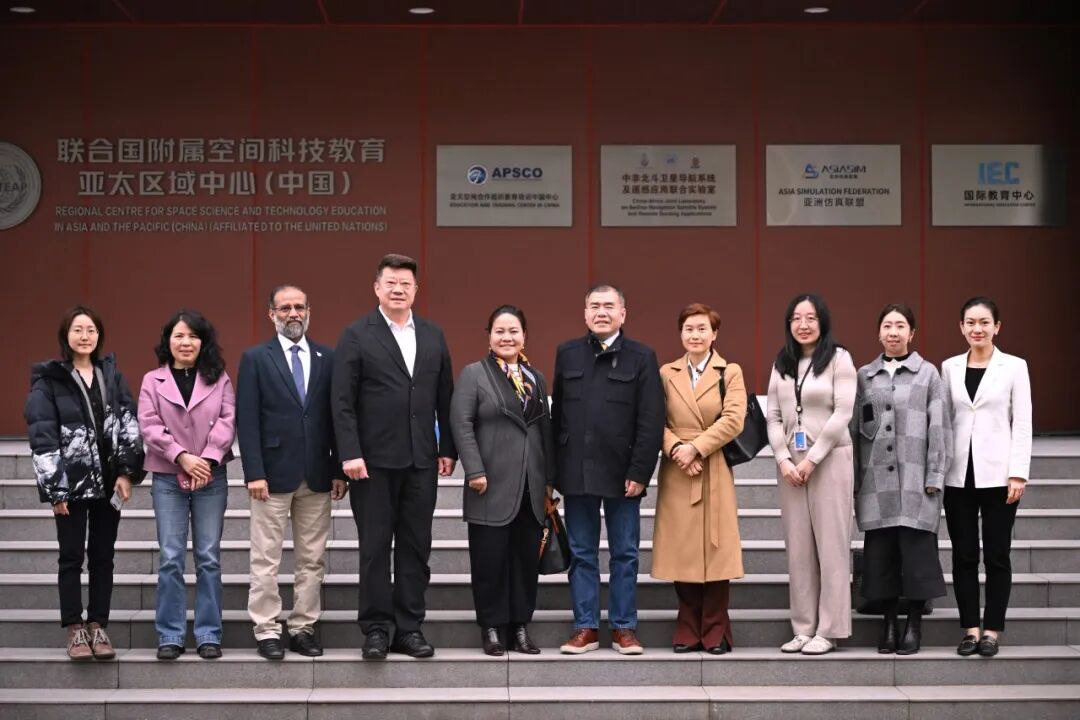
Secretary General Jiang Hui emphasized that APSCO is committed to placing greater focus on the projects and cooperation. He noted that the selection of future projects will align more closely with the actual needs of member states, encouraging joint proposals from multiple countries. He welcomed Beihang University as a core partner to co-design the next flagship project, and the attending Beihang professors expressed their full support, pledging to integrate resources to ensure the realization of these cooperative initiatives.
This meeting has injected new momentum into the long-term partnership between the two parties. Both sides agreed to establish a regular communication mechanism to translate consensus into concrete work plans, jointly leading space technology cooperation and talent development in the Asia-Pacific region to new heights.
Source: International Relations Department
Editor: Liu Tingting


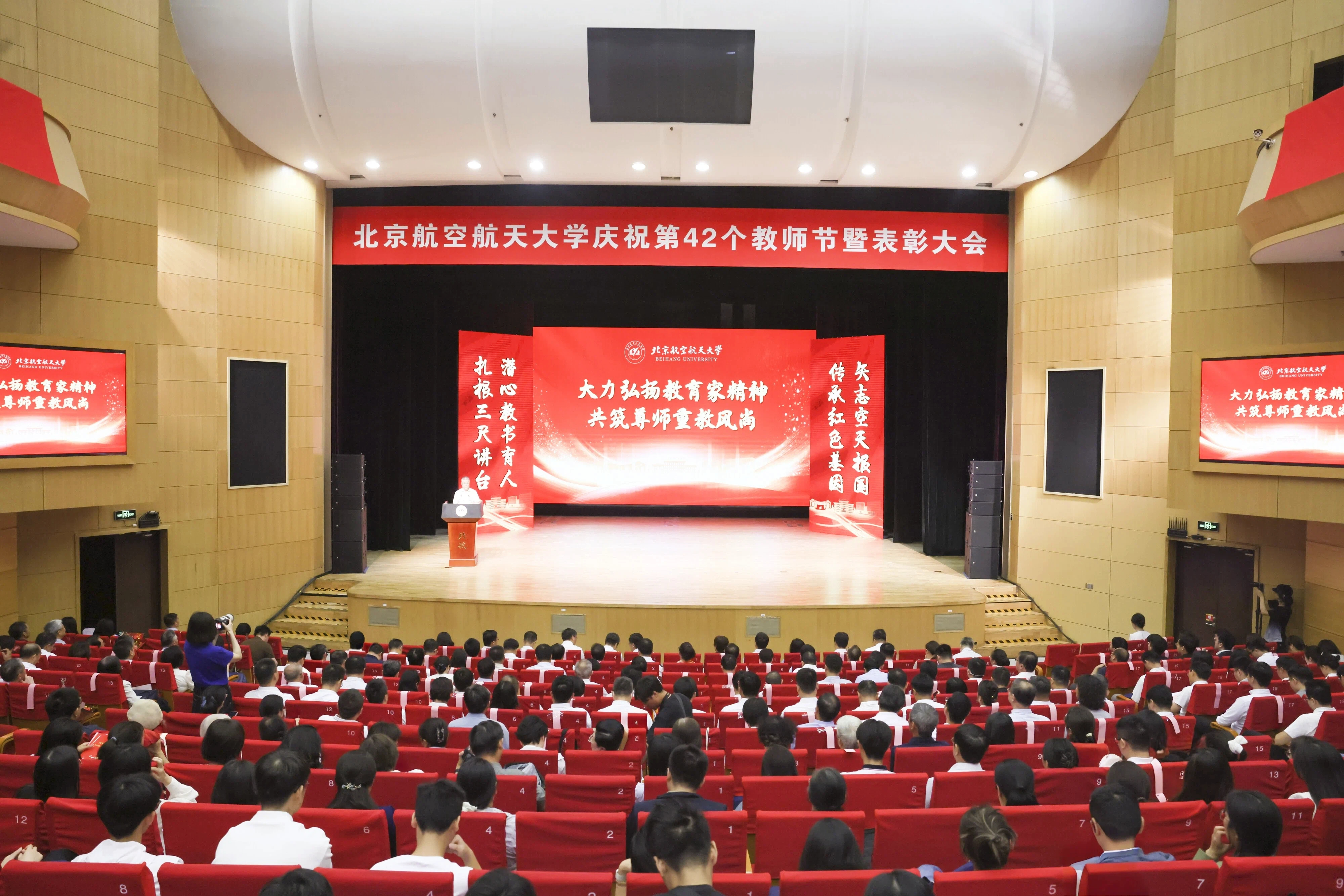 Beihang NewsBeihang celebrates 42nd Teachers' DayMore
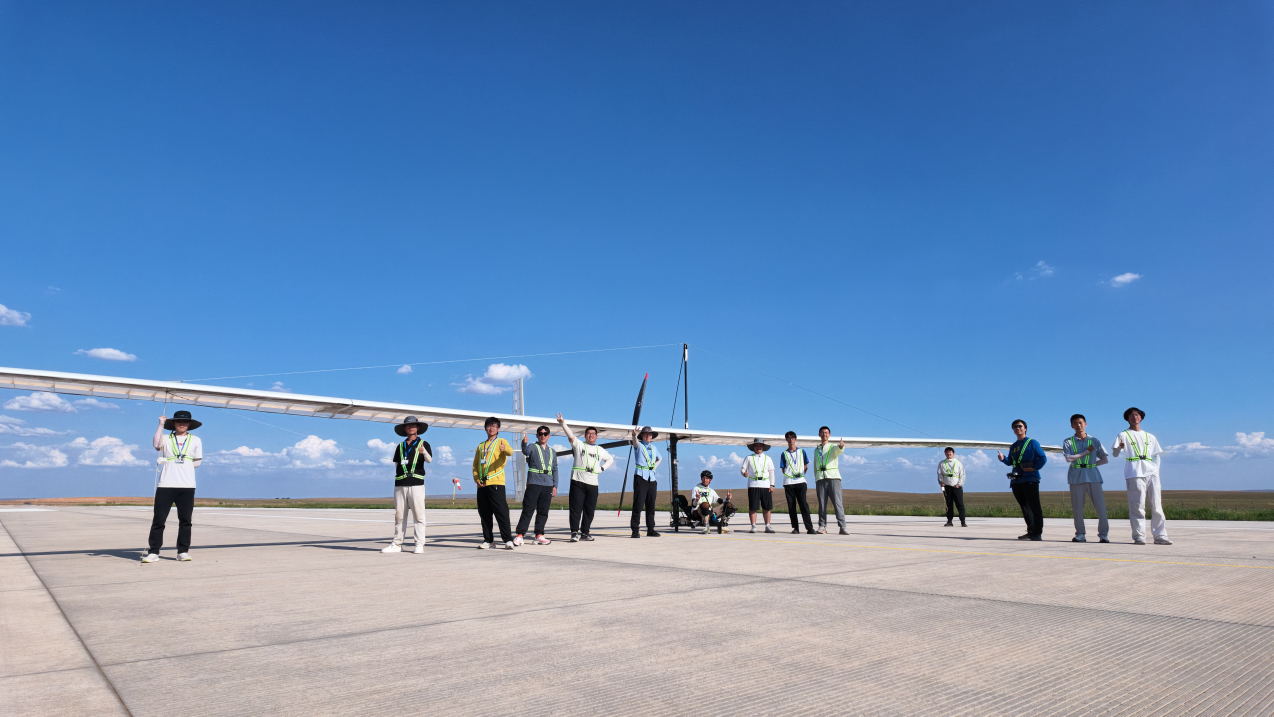 Beihang NewsBeihang's first student-designed human-powered aircraft completes test flightMore
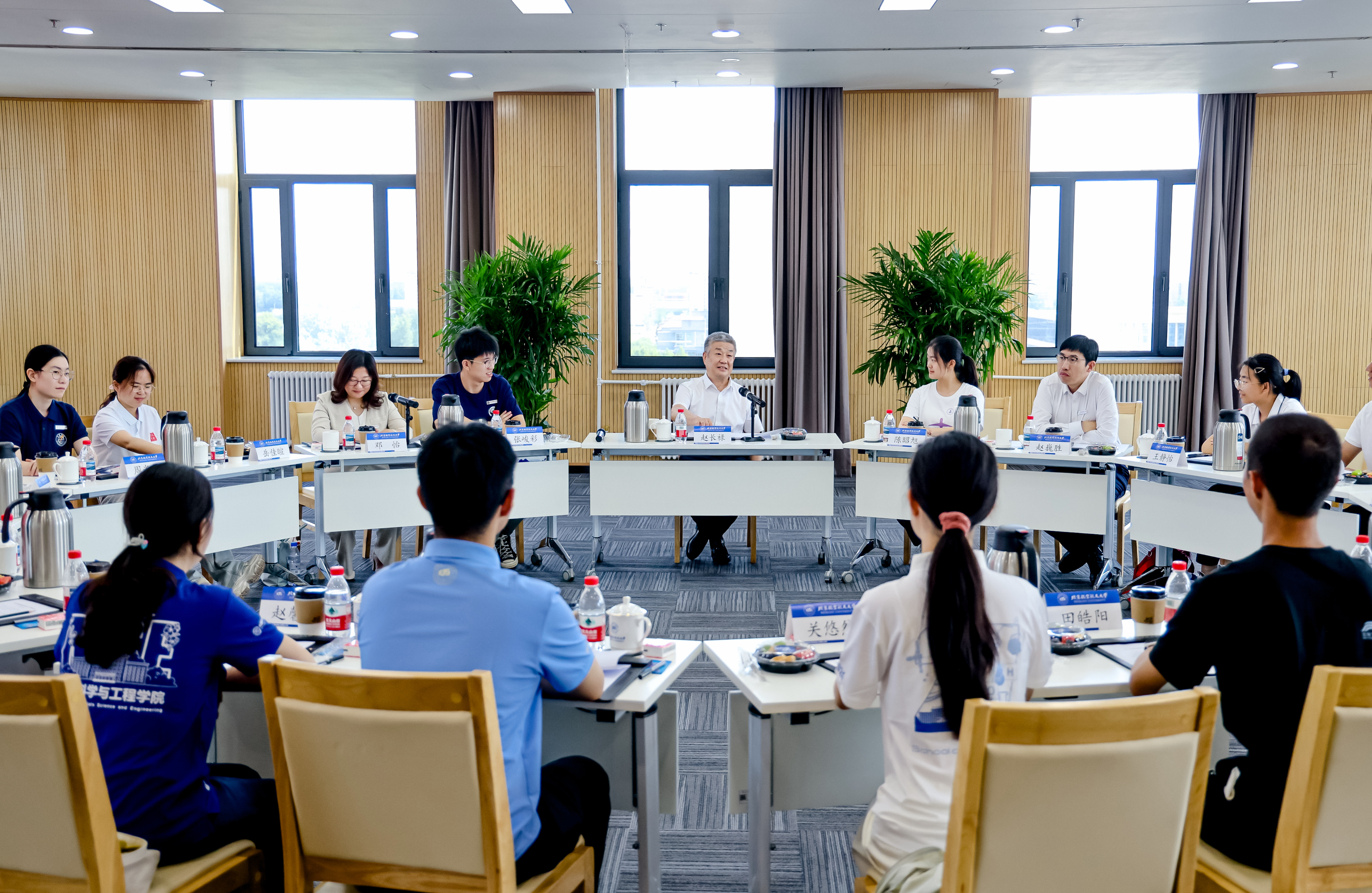 Beihang NewsBeihang leaders engage in dialogue with new undergraduate and graduate student representativesMore
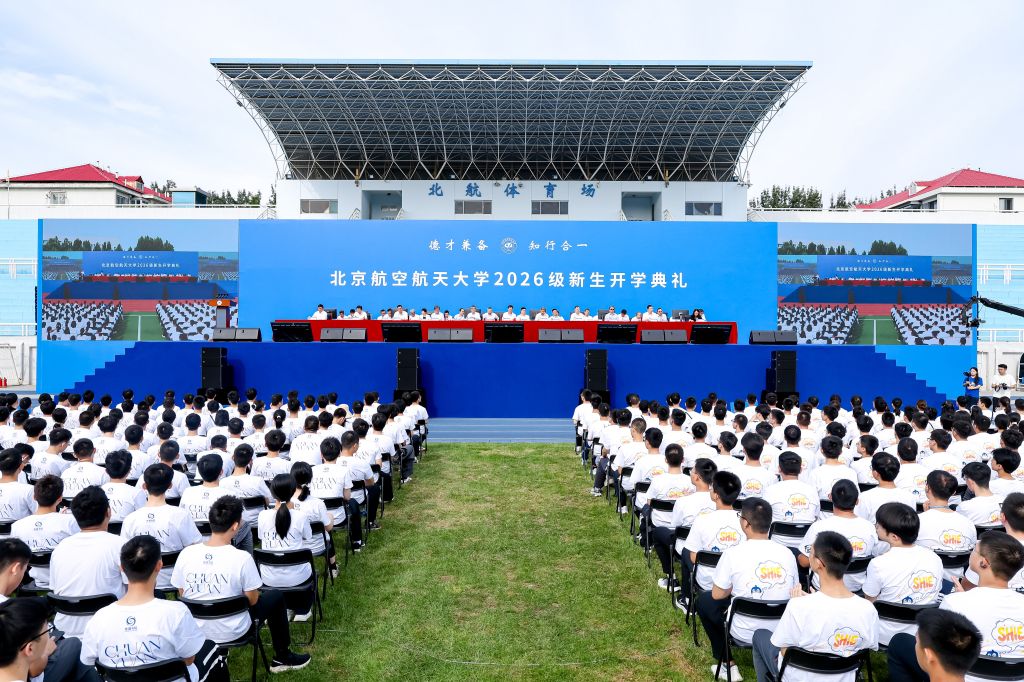 Beihang NewsBeihang University holds 2026 opening convocation to welcome new studentsMore
 Beihang NewsBeihang University welcomes 9,022 new graduate studentsMore
 Beihang NewsProfessor Yu Shui wins Best Screenplay Award at 21st Changchun Film FestivalMore