A humanoid robot developed by a student team from Beihang University successfully completed the 2026 Humanoid Robot Half Marathon held in Beijing E-Town on April 19. The race, which featured over 100 humanoid robot teams competing in a high-tech endurance event, marked a significant milestone for embodied intelligence research.
The robot was developed by the "E-Bot Hub – Intelligent Lingfeng" team, a joint effort between Beihang University and the Beijing Innovation Center of Humanoid Robotics. The team was guided by Associate Professor Tao Yong and Lecturer Li Zeyu from the School of Mechanical Engineering and Automation, and Postdoctoral Researcher Ren Fan from the Hangzhou International Innovation Institute. The student team included graduate students Tao Yu and Chen Yixian, as well as Wei Leyao, an undergraduate from the university's project-based embodied intelligence pilot program.
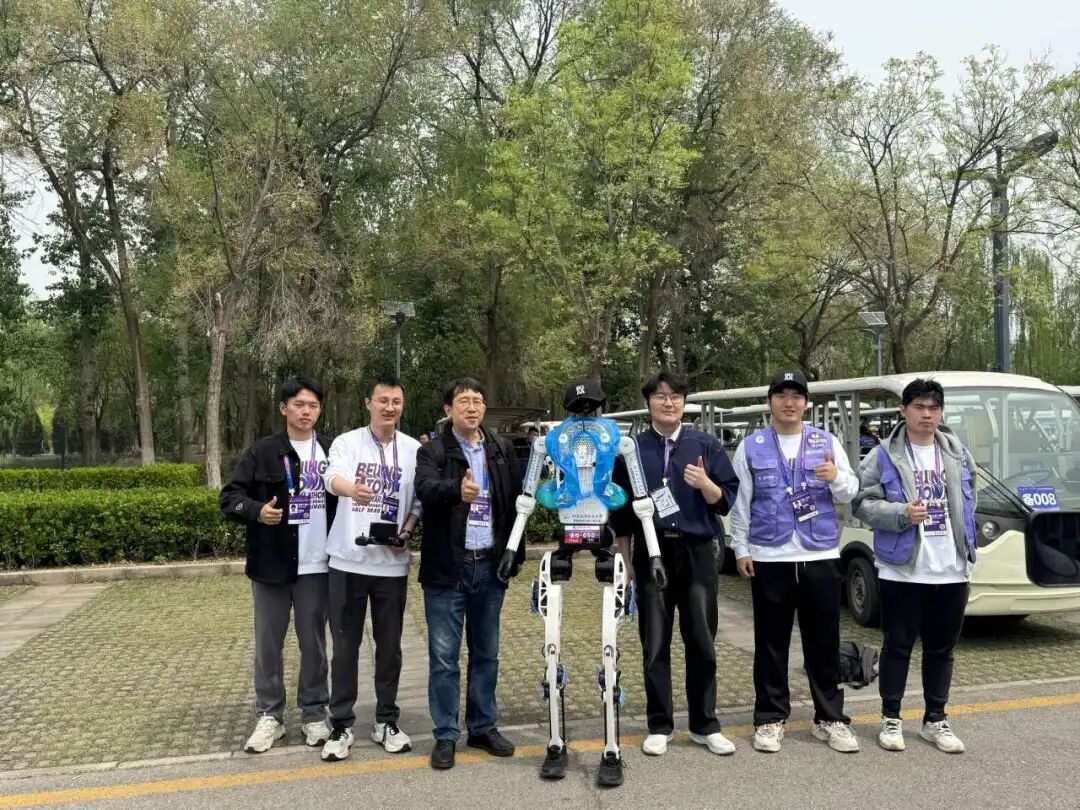
The team performed secondary development on the Tiangong ULTRA 2026 platform, leveraging the Tien Kung-Lab framework and the Ultra humanoid robot's hardware for rapid training and deployment. Through Sim2Real end-side adaptive fine-tuning, they achieved stable motion control. During the race, the students calmly addressed unexpected challenges including course obstacles, motor overheating, and gait instability, demonstrating both technical resilience and academic excellence.
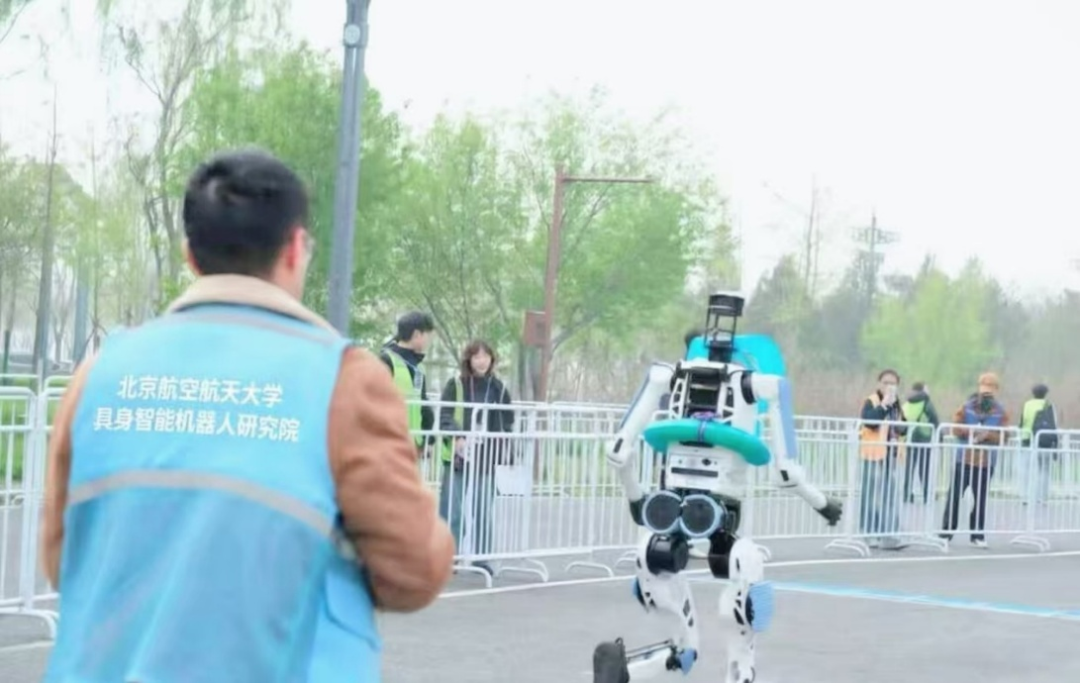
Established in May 2025, the Intelligent Lingfeng team previously earned a bronze medal in the "Medicine Sorting and Packaging" event at the 2025 World Humanoid Robot Games and secured third place in the Application Scenario Challenge at the 2025 International Humanoid Robot Skills Competition. After confirming their participation in the half marathon in March 2026, the team intensified preparations by building a reinforcement learning framework within a simulated humanoid environment, conducting simulation training and optimization based on prior human running motion data, and performing multiple rounds of deployment and testing on the physical robot. Through iterative refinements during pre-race trials and qualifying events, the team ultimately developed a stable and reliable motion control system for the humanoid robot.
The competition was integral to Beihang's project-based embodied AI robotics initiative, giving pilot program undergraduates direct access to cutting-edge industry practice. By bridging theory and hands-on application, the event reinforced the university's commitment to learning through competition and practice, laying a solid foundation for cultivating top-tier talent for the future embodied AI robotics industry.
Editor: Lyu Xingyun


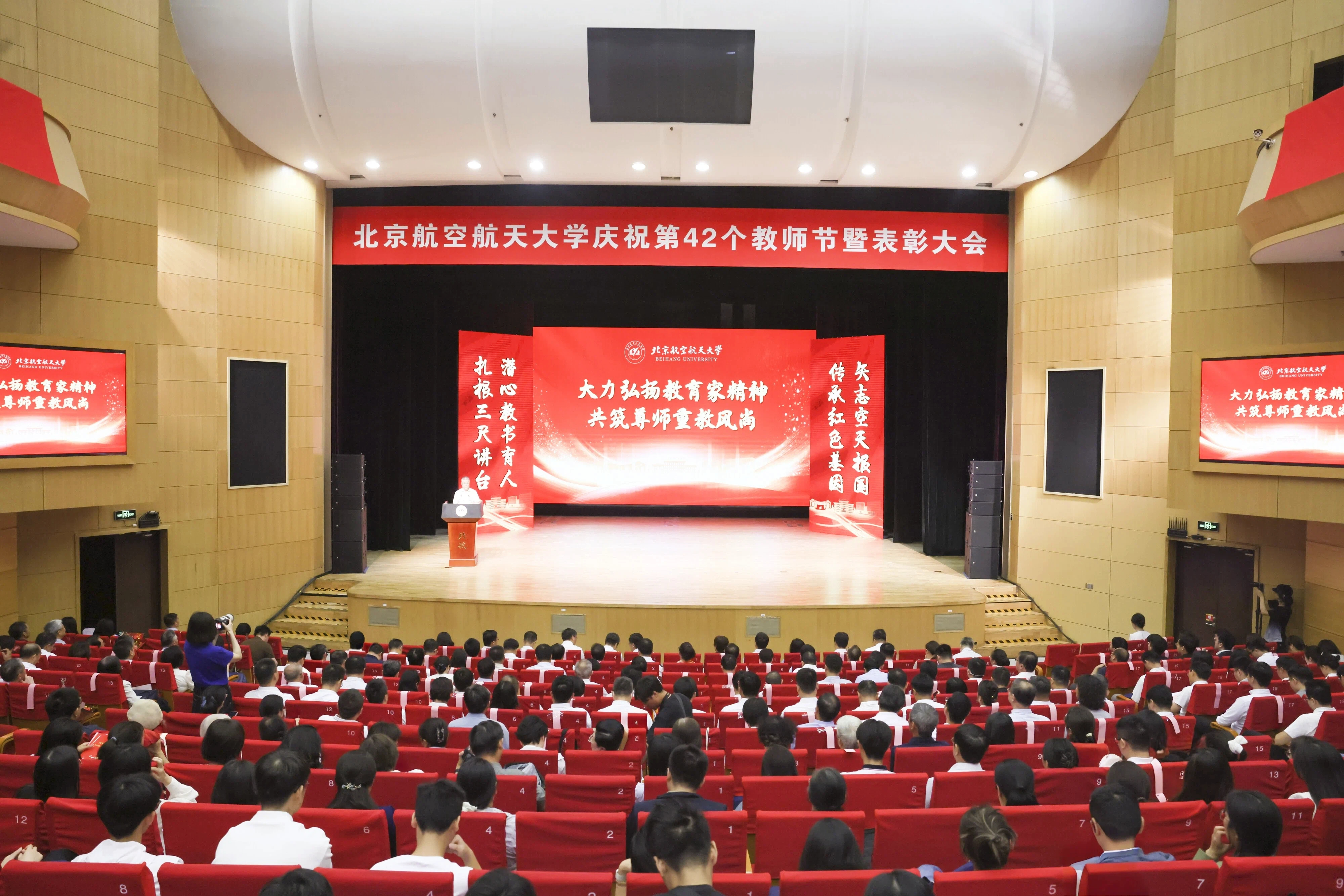 Beihang NewsBeihang celebrates 42nd Teachers' DayMore
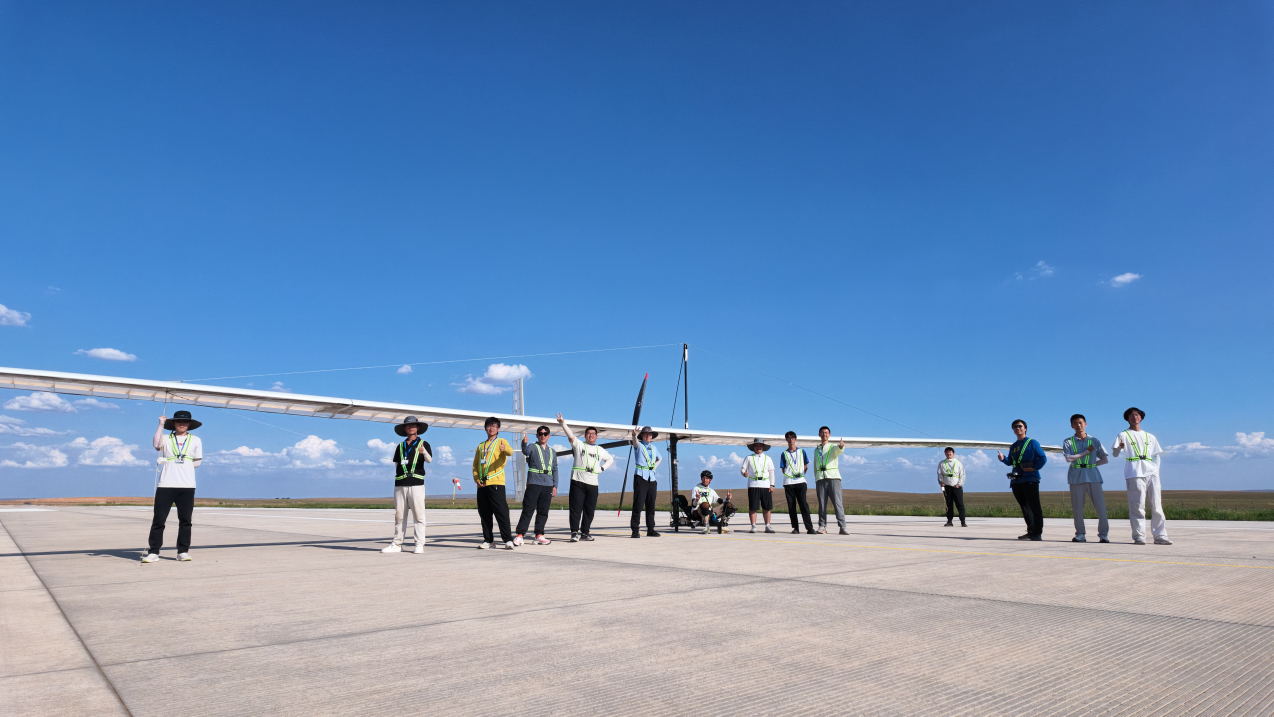 Beihang NewsBeihang's first student-designed human-powered aircraft completes test flightMore
 Beihang NewsBeihang leaders engage in dialogue with new undergraduate and graduate student representativesMore
 Beihang NewsBeihang University holds 2026 opening convocation to welcome new studentsMore
 Beihang NewsBeihang University welcomes 9,022 new graduate studentsMore
 Beihang NewsProfessor Yu Shui wins Best Screenplay Award at 21st Changchun Film FestivalMore