The 3rd International Workshop on Key Issues of Manned and Deep Space Exploration was recently held at Beihang University. Co-hosted by the China Academy of Space Technology (CAST), Beihang University, and Xidian University, the workshop was co-organized by the School of Astronautics and Hangzhou International Innovation Institute of Beihang University, with support from the International Academy of Astronautics (IAA), the International Astronautical Federation (IAF), and the Committee on Space Research (COSPAR).
The conference was co-chaired by Bao Weimin, Director of the Science and Technology Committee of China Aerospace Science and Technology Corporation (CASC) and IAA Academician; Li Daming, President of CAST; Zhao Weisheng, Vice President of Beihang University; and Zhang Jincheng, Vice President of Xidian University. Attendees included leaders from international organizations such as the United Nations Office for Outer Space Affairs (UNOOSA), IAF, IAA, and COSPAR, as well as experts from CAST, Xidian University, Zhejiang University, Nanjing University, and other institutions. Participants conducted in-depth exchanges on manned spaceflight, deep space exploration, cross-domain intelligent flight, and sustainable development of space environment.
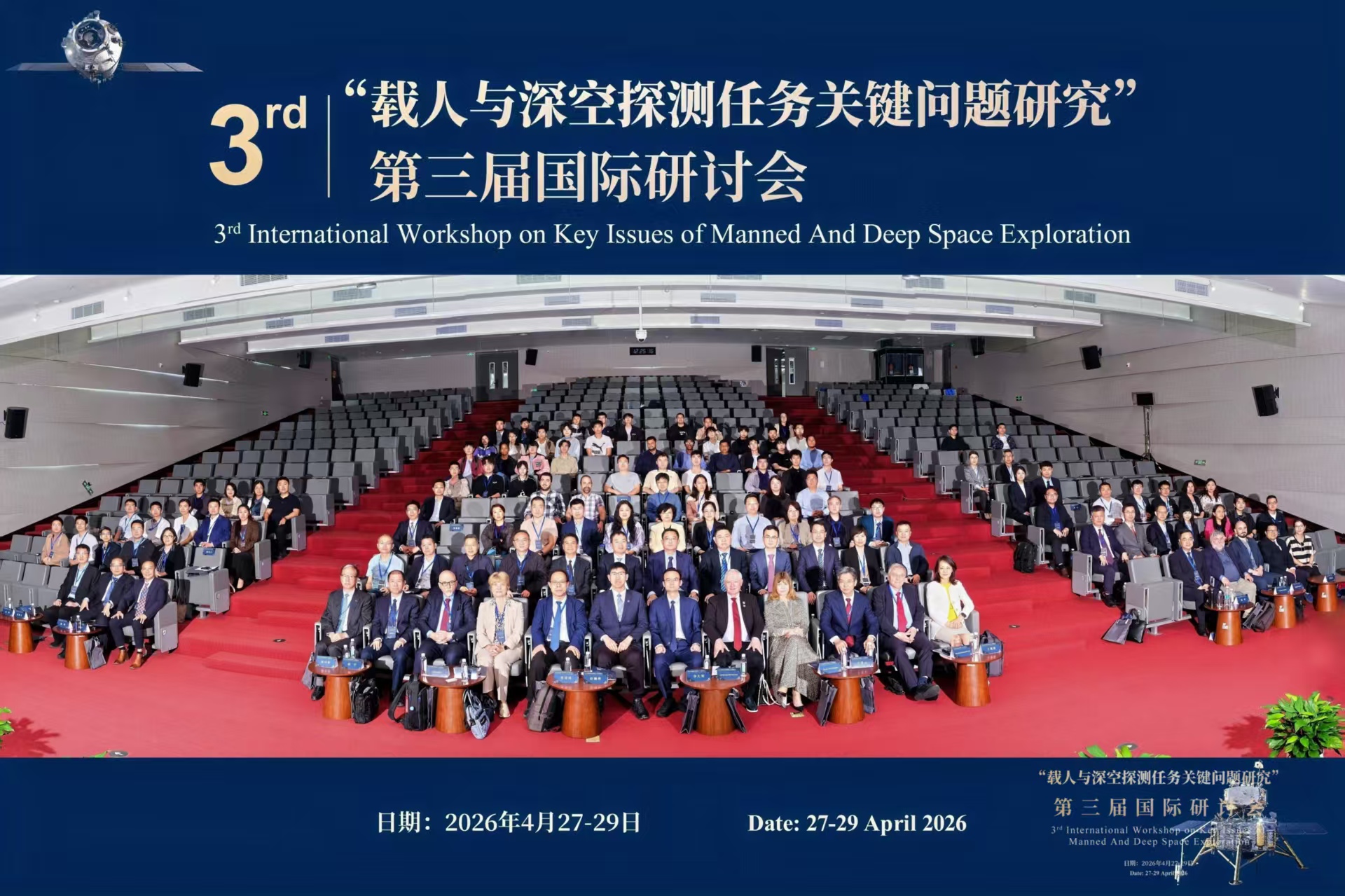
The opening ceremony was presided over by Wang Weizong, Dean of the School of Astronautics of Beihang University. Li Daming, Zhao Weisheng, and Zhang Jincheng delivered speeches respectively on behalf of the co-hosts. Representatives from international organizations, including Driss El Hadani, UNOOSA Deputy Director; Christian Feichtinger, IAF Executive Director; Jean-Michel Contant, IAA Secretary General; and Jean-Claude Worms, COSPAR Executive Director, also addressed the ceremony.
During the keynote session, Yu Dengyun, Deputy Director of the Science and Technology Committee of CASC and IAA Academician, presented on next-generation space observatories for detecting exoplanets and life beyond our solar system. Yang Hong, researcher at CAST and IAA Academician, reported on key issues in manned and deep space exploration missions. Professor Athena Coustenis discussed the scientific and socio-economic benefits of space. Professor Livio Narici analyzed challenges in reducing human space radiation risks during exploration-class missions. Professor Giovanna Tinetti presented progress on the Ariel exoplanet detection mission. Researcher Zhao Ning introduced and launched the Initiative on Establishing the International Consortium for Space Exploration Sustainability Technology (ICSEST).
In the special session themed cross-domain intelligent flight, participants engaged in academic exchanges. Researcher Tian Jiandong discussed challenges and solutions for morphing wing technology in cross-domain morphing aircraft. Professor Gaetano Sarina presented computational architectures for autonomous decision-making in deep space, including challenges and prospects. Professor Li Huifeng described an integrated "decision-making, planning, and control" system design for cross-domain morphing high-speed vehicles. Professor Bernhard Schmidt-Tedd analyzed key legal and policy issues in space traffic management. Professor Yang Min presented foundational research on integrated sensing, control, and communication information transmission for high-speed vehicles.
The workshop also featured a session on key issues of manned and deep space exploration missions. Researcher Peng Jing outlined prospects for China's future deep space exploration. Professor Athena Coustenis discussed safe and sustainable exploration of the solar system. Researcher Wang Yaobing presented advances and prospects for space intelligent robotics in deep space exploration. Professor Dong Ruoyu described a new paradigm for lunar exploration robots, from trajectory-body theory to self-actuated rolling robots. Chief Legal Counsel Wang Jilian analyzed the role of space traffic management in the long-term sustainability of outer space activities. Professor Wang Weizong introduced the current state and future prospects of space electric propulsion technology. Researcher Zhang Xiaojing focused on scientific objectives for observing small solar system bodies under the Miyin Program. Professor Zhou Jilin explained the scientific concepts of the Miyin Program. Professor Giorgio Baiocco analyzed the impact of radiation-induced health risks on human deep space exploration. Professor Livio Narici focused on space radiation research and monitoring for future deep space missions. Researcher Fan Gaojie shared research on intelligent planning and control technologies for cislunar space manned spaceports. Ms. Rosanna Margarita Hofmann discussed achieving global space traffic coordination through space situational awareness.
"The starry space is boundless, and the exploration never ends." Building on previous international cooperation achievements on "Key Issues of Manned and Deep Space Exploration," this workshop pooled the wisdom and strength from various parties to contribute new ideas and solutions for original scientific and technological innovation. The School of Astronautics of Beihang University will continue to leverage its disciplinary strengths and international cooperation foundation, focusing on national space demands and the frontiers of global space science and technology, to promote high-level talent cultivation, cutting-edge scientific research, and open collaborative innovation.
Editor: Liu Tingting


 Beihang NewsBeihang celebrates 42nd Teachers' DayMore
 Beihang NewsBeihang's first student-designed human-powered aircraft completes test flightMore
 Beihang NewsBeihang leaders engage in dialogue with new undergraduate and graduate student representativesMore
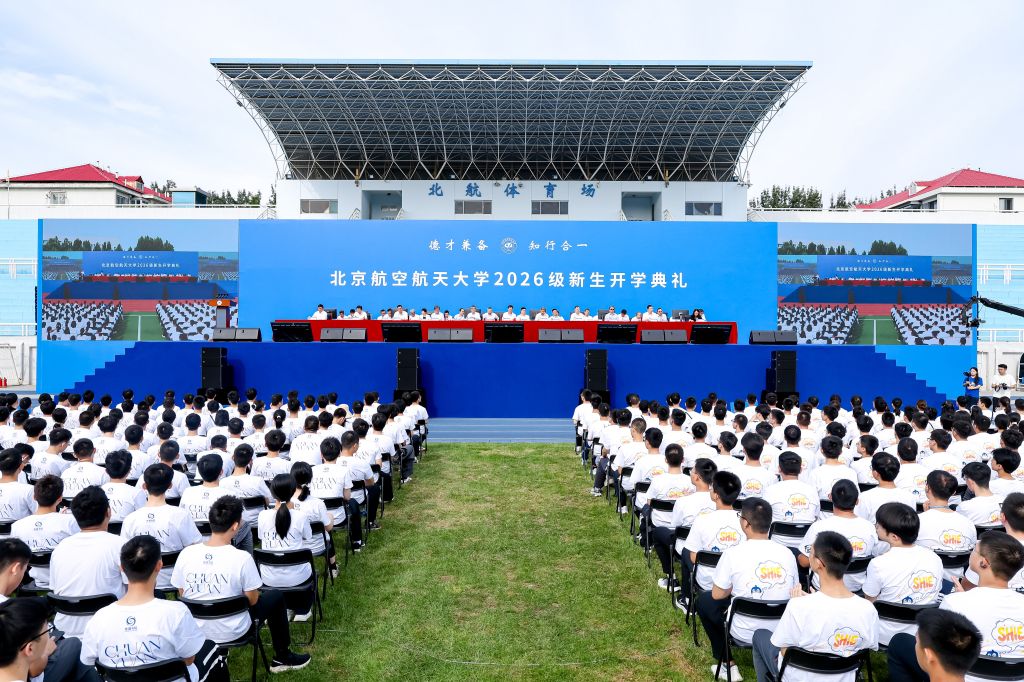 Beihang NewsBeihang University holds 2026 opening convocation to welcome new studentsMore
 Beihang NewsBeihang University welcomes 9,022 new graduate studentsMore
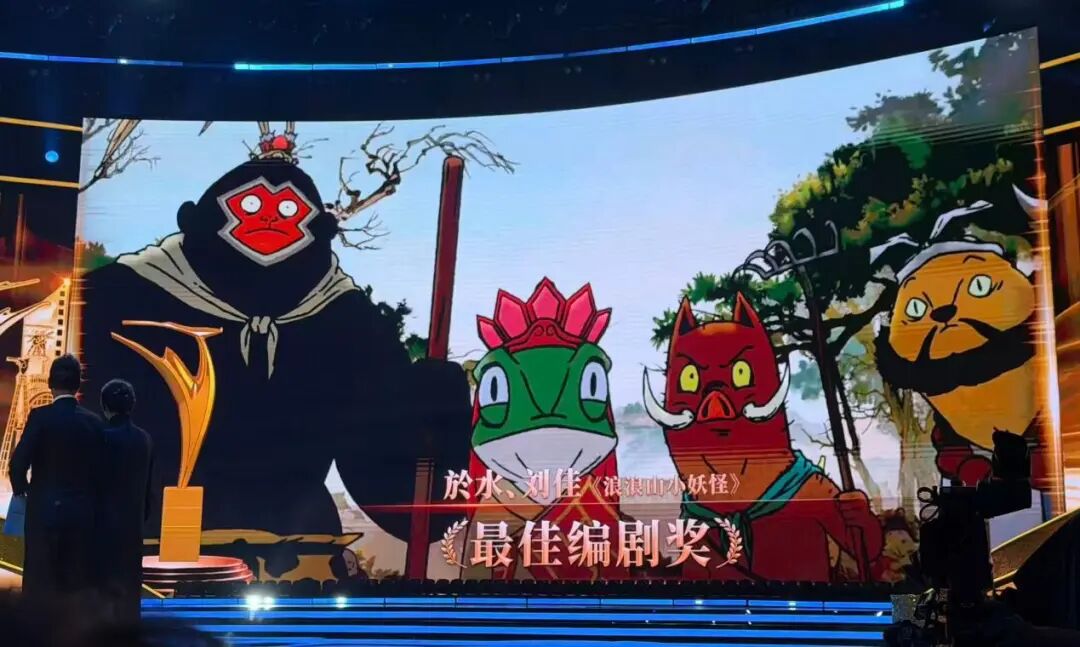 Beihang NewsProfessor Yu Shui wins Best Screenplay Award at 21st Changchun Film FestivalMore