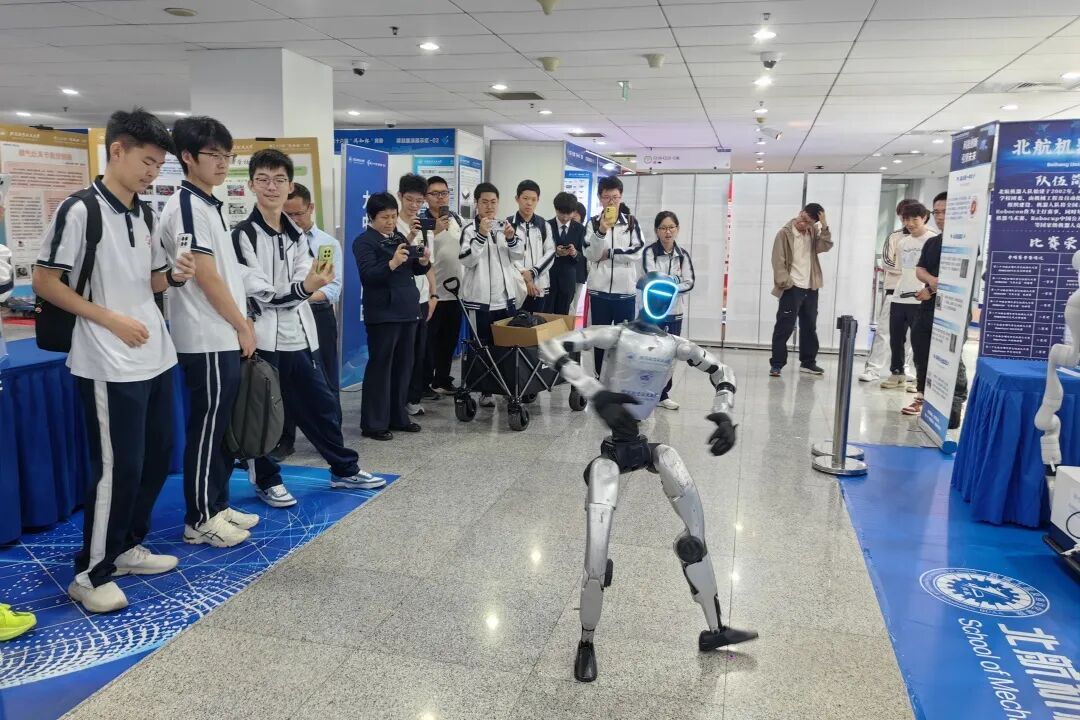
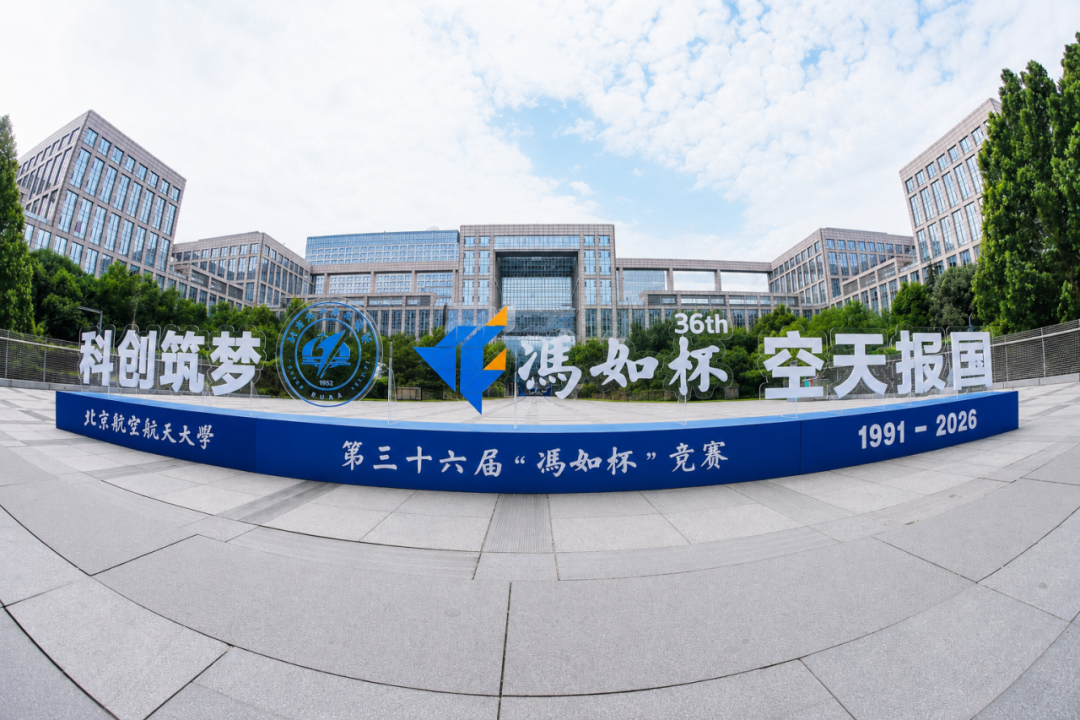
From May 23 to 24, Beihang held the 36th "Fengru Cup" Competition Exhibition and High School Student Technology Exploration Open Day. The exhibition showcased outstanding student project prototypes from different colleges, featuring special competition zones and a university-high school linkage project zone, which highlighted students' high-level innovation capabilities and the university's achievements in serving collaborative education between universities and high schools. Secretary of the CPC Beihang University Committee Zhao Changlu, President Wang Yunpeng, and Vice President Deng Yi attended the event.
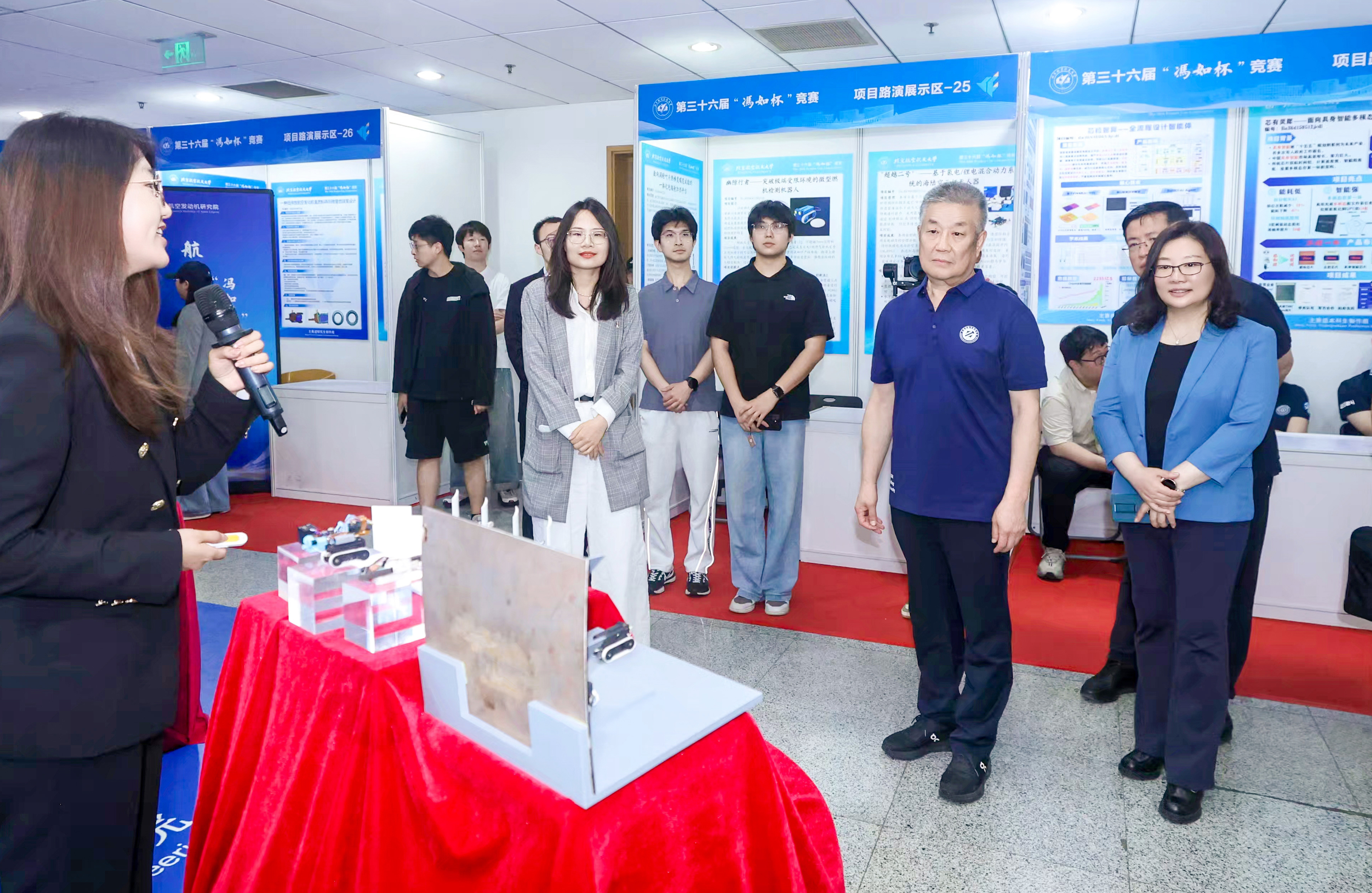
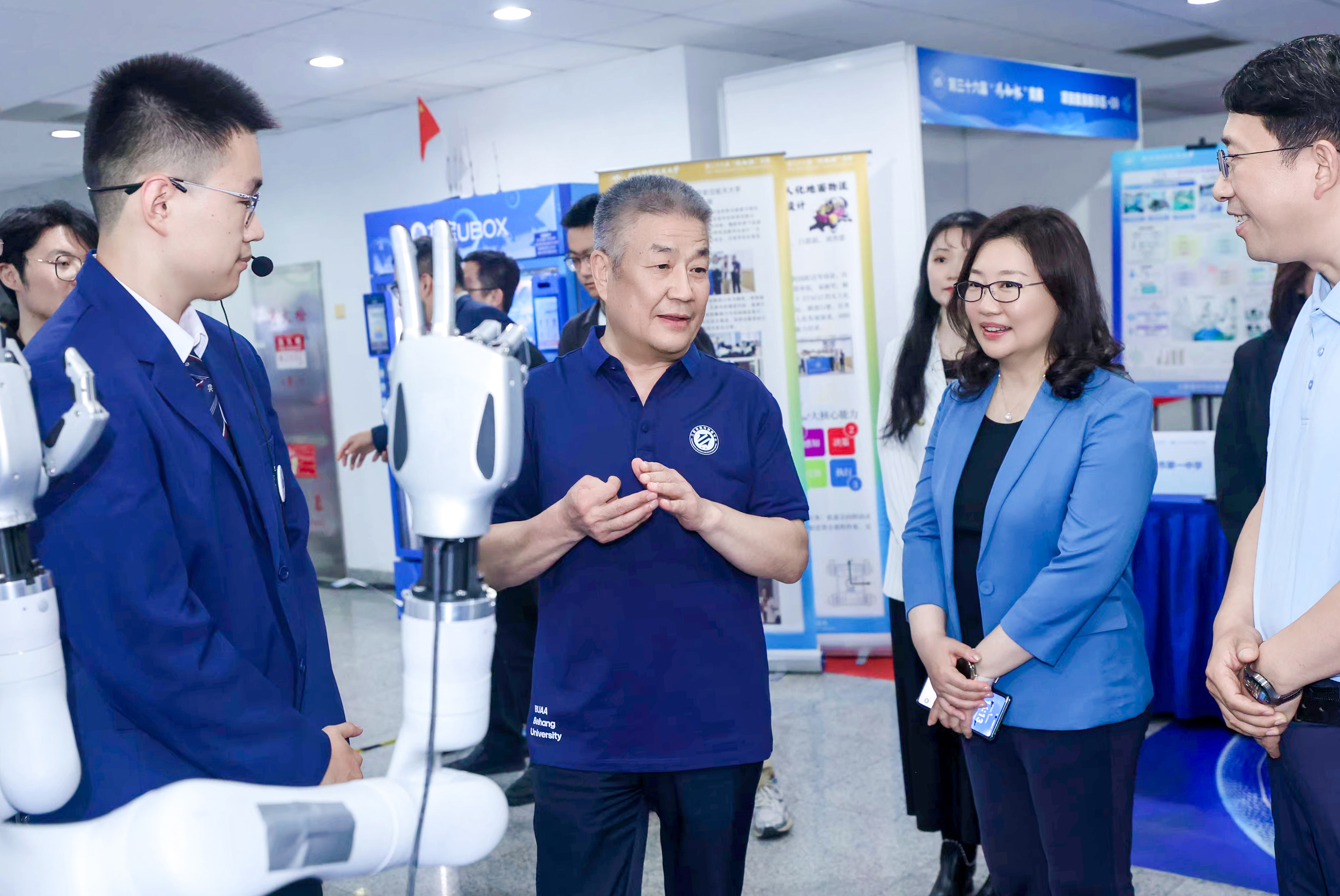
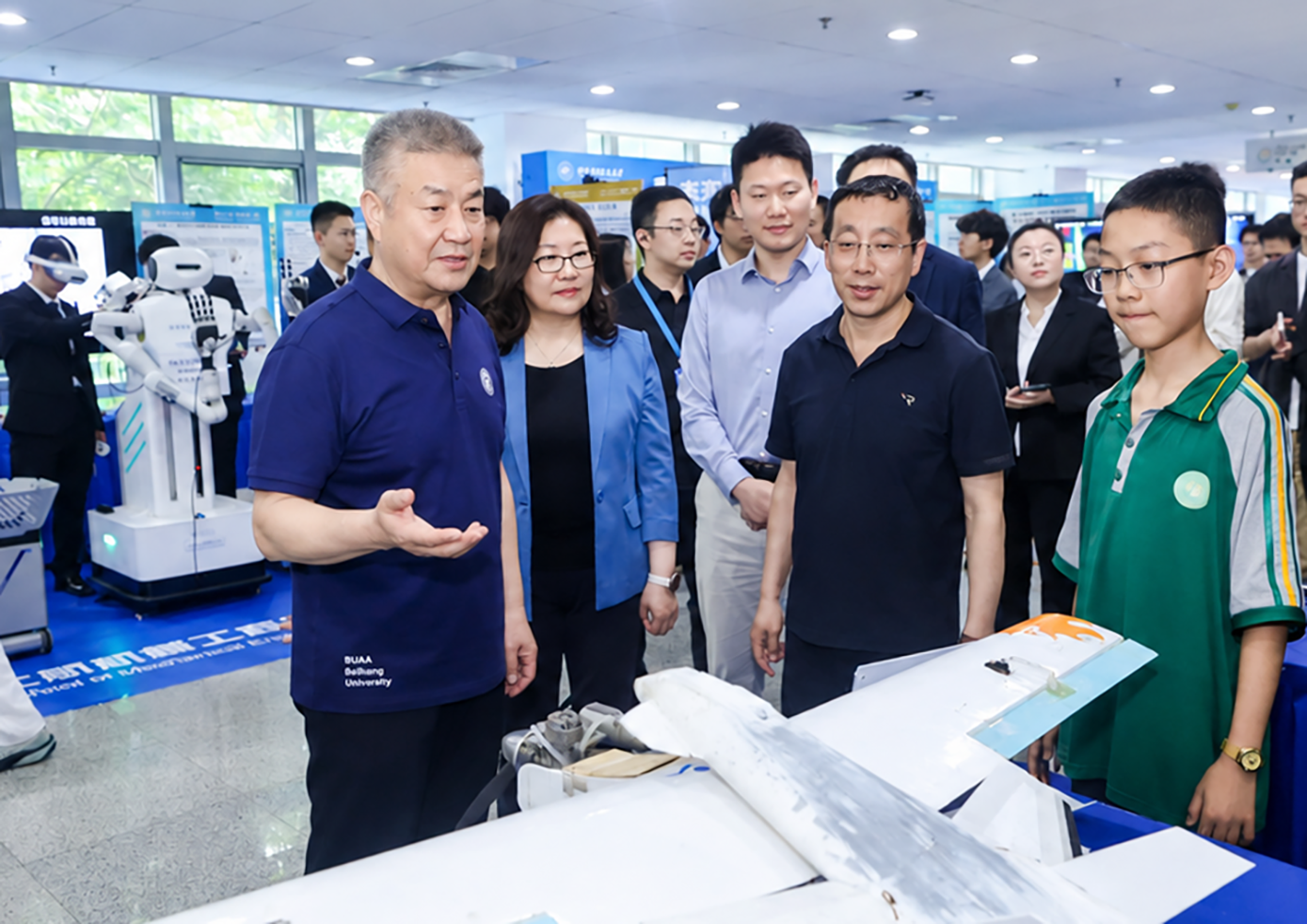
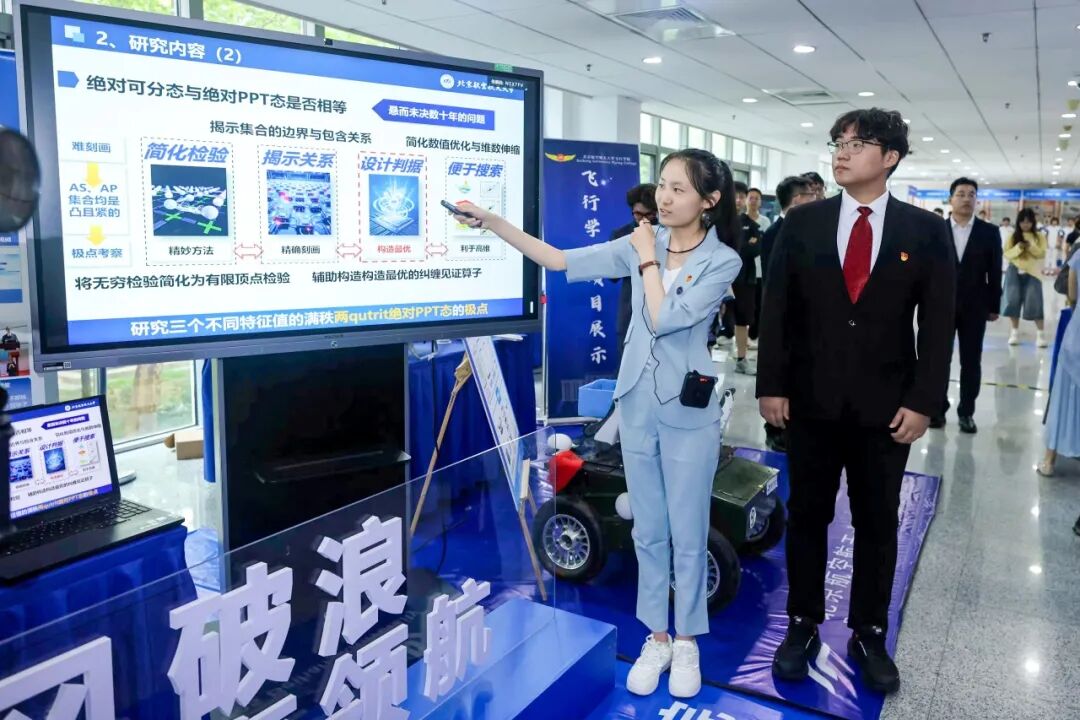
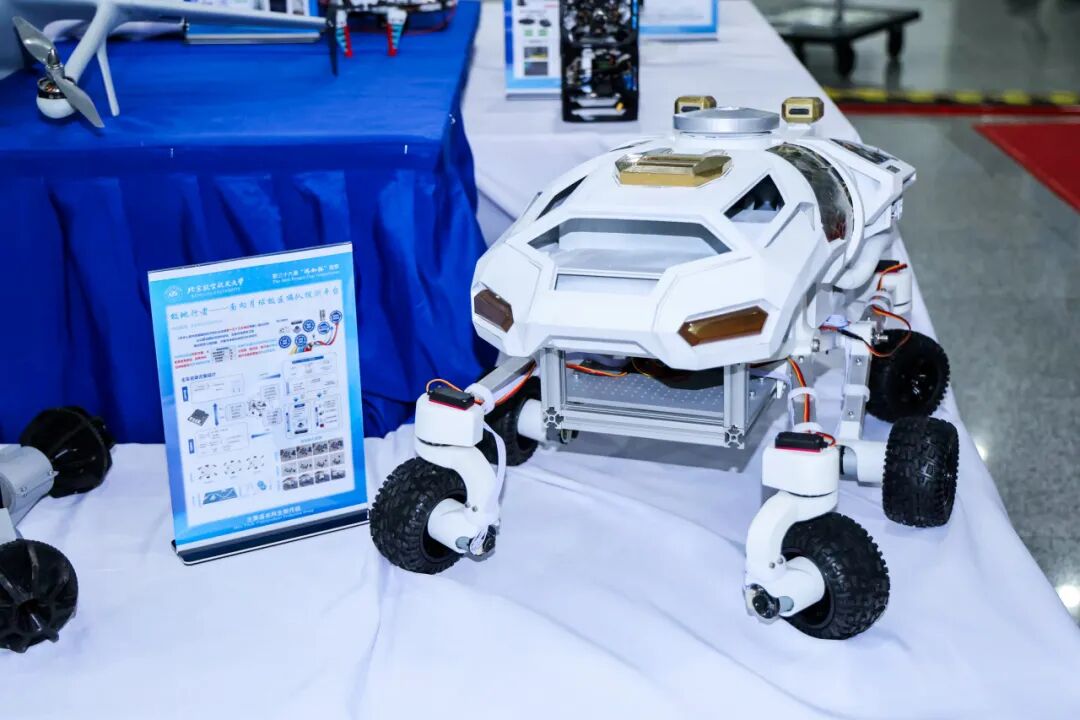
Zhao Changlu visited each college's exhibition zone, inspected technological innovation project achievements, and communicated with participating faculty and students. At the School of Electronic and Information Engineering, he listened to student Zhao Xiaofei's presentation on a wide-band electromagnetic radiation emission detection system for large-scale facilities and equipment, encouraging the students to promote the application of electromagnetic sensing technology in high-end equipment and safety protection. At the School of Energy and Power Engineering, students He Jiayang and Wang Shengze reported on the development progress of a micro-turbine inspection robot. Zhao Changlu highly affirmed their dedication and hoped the team would extend the relevant technologies to complex application scenarios such as aircraft engines. At the School of Mechanical Engineering and Automation, Zhao Changlu learned about the multi-modal haptic feedback glove system developed by students from the Embodied Intelligence Robotics experimental class, fully recognizing their innovative thinking and practical abilities in robotics research and development. At the School of Mathematical Sciences, the Math Navigator Team explained their research on multi-partite quantum correlations. Zhao Changlu encouraged them to devote themselves to fundamental research and bravely explore the frontiers of technology.
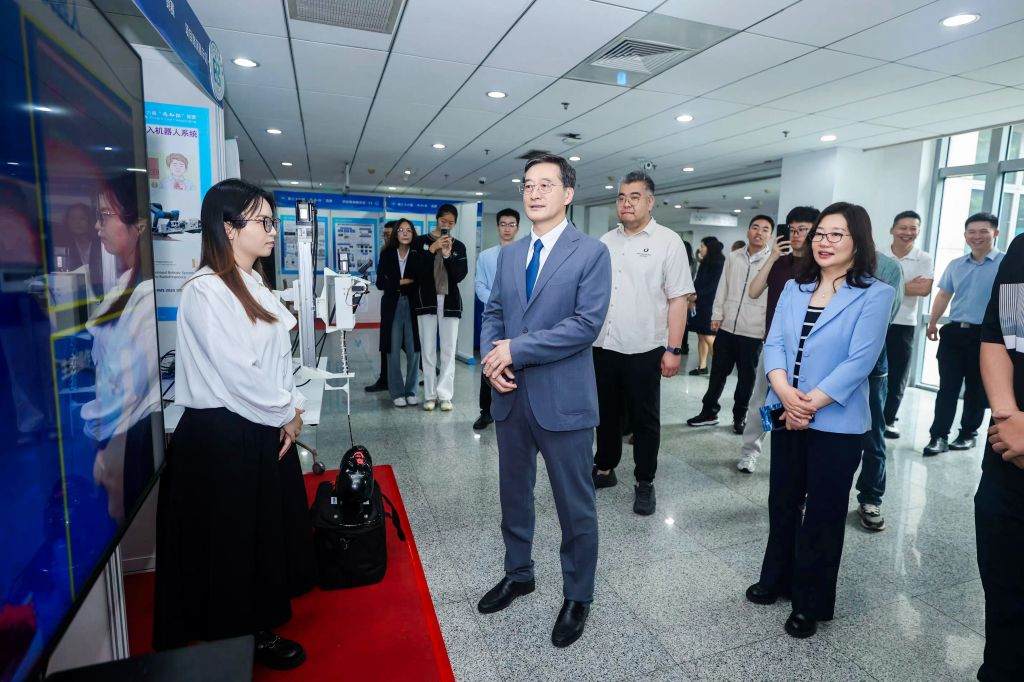
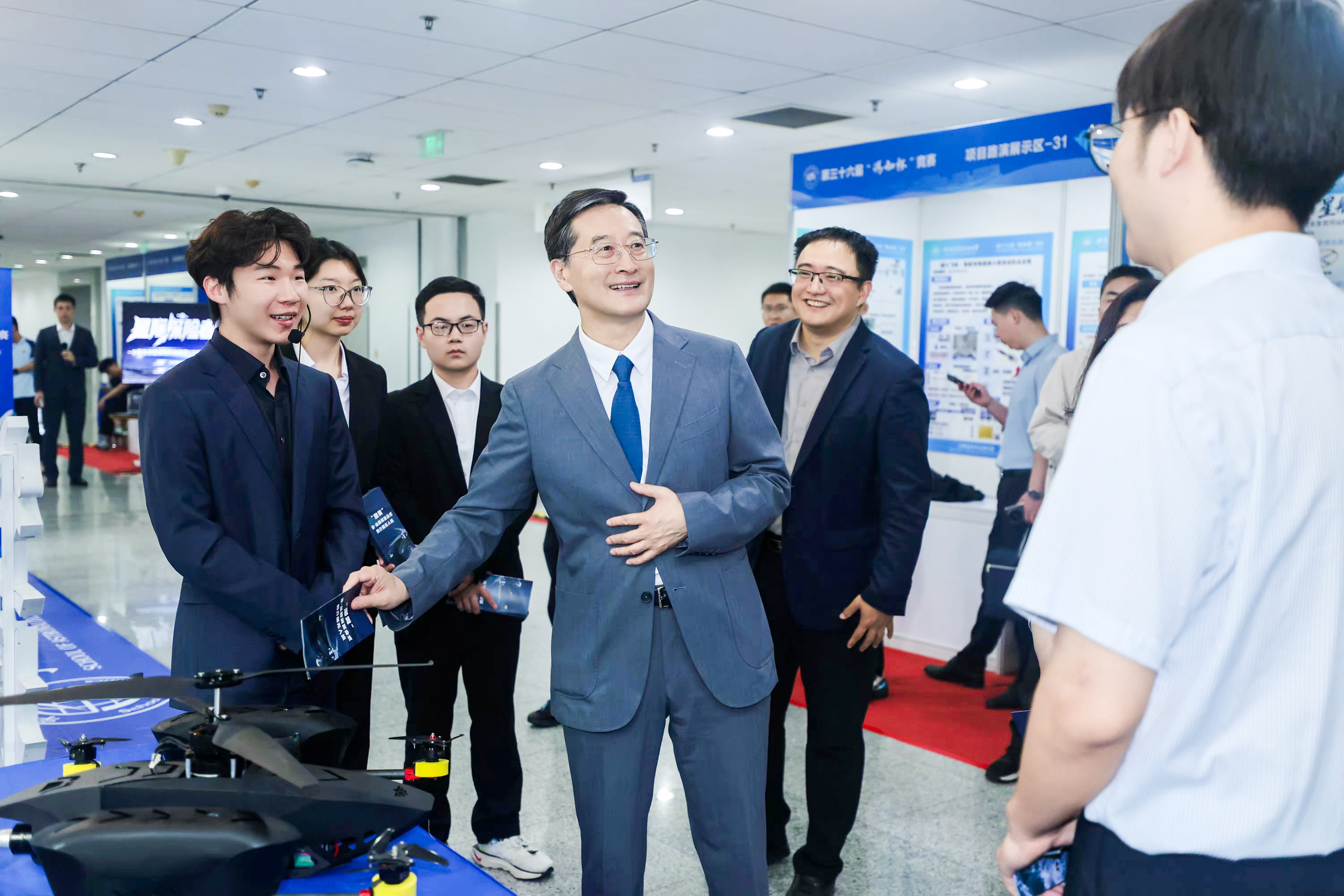
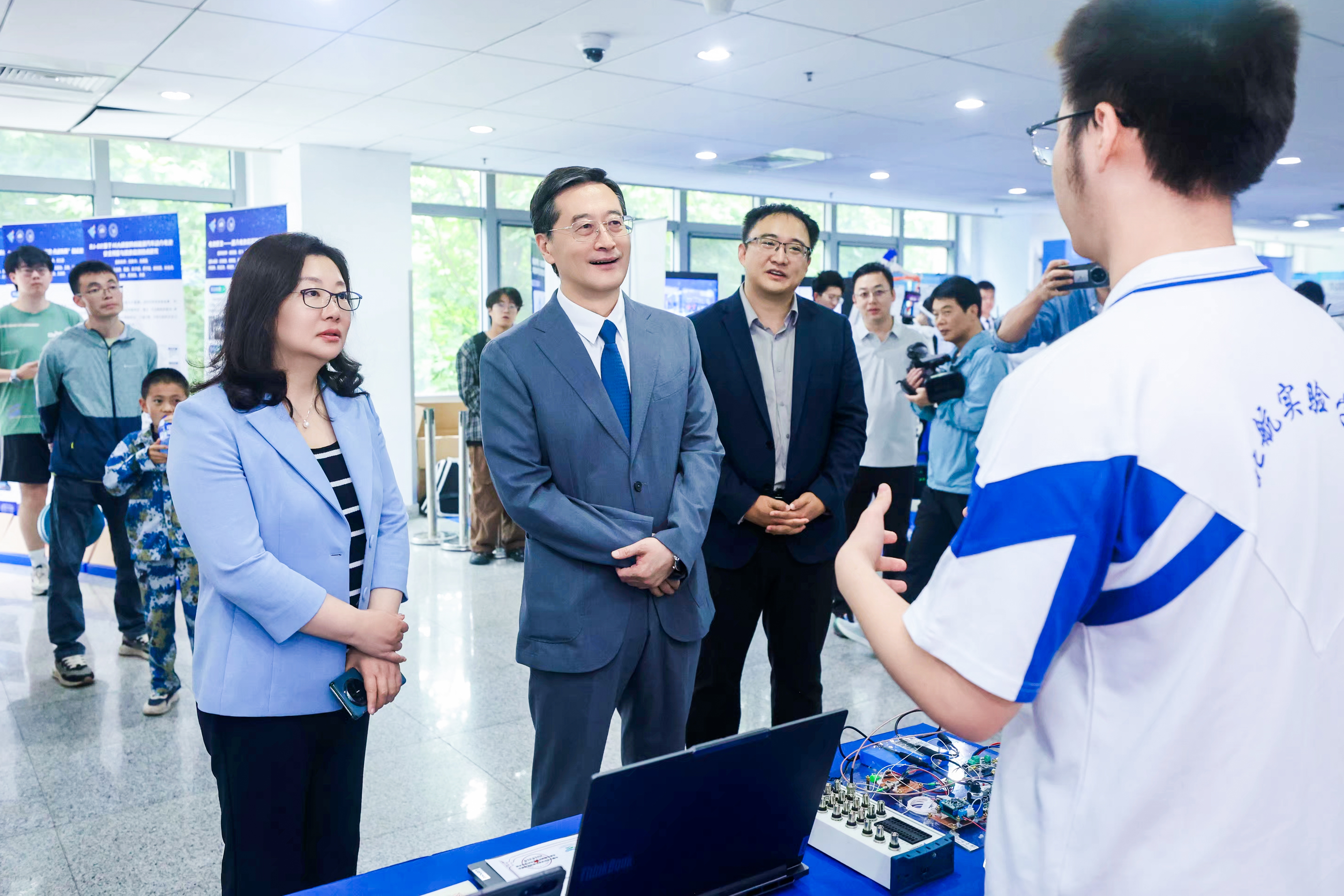
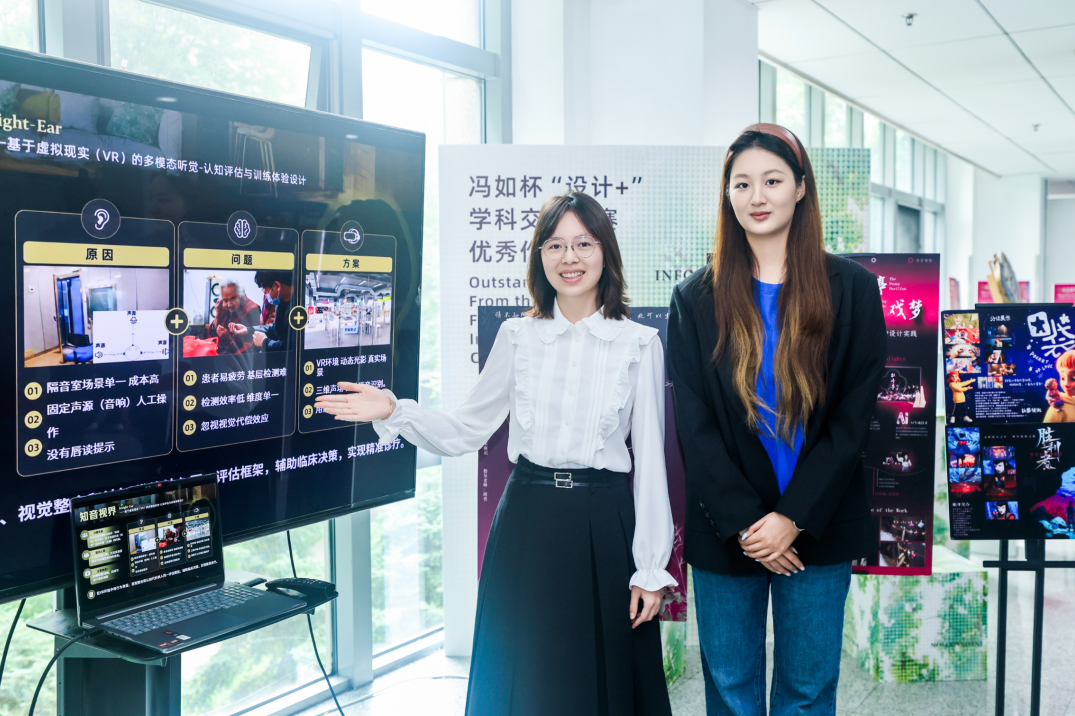
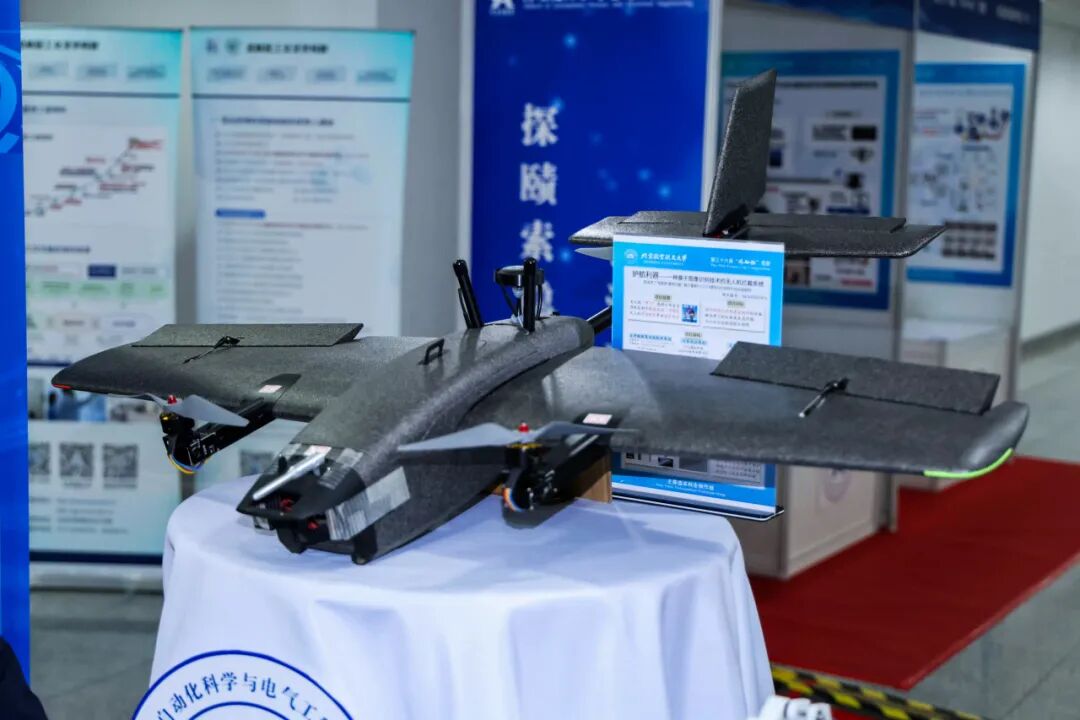
Wang Yunpeng listened carefully to project presentations at each college's exhibition zone, asking about the students' insights and gains. At the School of Aeronautic Science and Engineering, he listened to student Cao Xun's introduction of a master-slave rotor hybrid cross-media unmanned aerial vehicle, and called for in-depth research on cross-media collaborative control. At the School of Transportation Science and Engineering, student Wang Qiyue presented a cognition-driven risk warning system for high-speed abnormal stopping. Wang Yunpeng encouraged the team to conduct research and development toward the future direction of smart transportation, continuously improving the project's practical application value. At the School of Biological Science and Medical Engineering, Wang Yunpeng listened to student Chang Le's introduction of an AI vision-navigated teleoperated tracheal intubation robot, stating that research should be driven by clinical needs and focus on the smart healthcare direction. At the National Security Special Zone and the "Design+" Art Cross-Innovation Special Zone, Wang Yunpeng learned about the Duo Sheng Qi Hang practice team's implementation of integrated national security education across universities, high schools, and primary schools, and listened to presentations by Li Guanglu and Yang Siyu on VR-based multimodal auditory cognitive assessment and training experience design, encouraging them to continuously enrich practice platforms and serve society based on what they have learned.
At the university-high school linkage project zone, Zhao Changlu and Wang Yunpeng listened to project presentations from students of Experimental School of Beihang University, Tangshan No.1 High School, Zhongyang No.1 Middle School, and Jilin City No.1 High School. They emphasized the importance of enabling more teenagers to participate in scientific research practice at an early age, encouraging more "enlightenment mentors" to get involved, and regularly organizing university science and innovation teams to visit high schools, integrating high school students into Beihang's student science and innovation system with activities such as science lectures, campus visits, and project practice, thereby serving the integration of university and high school education.
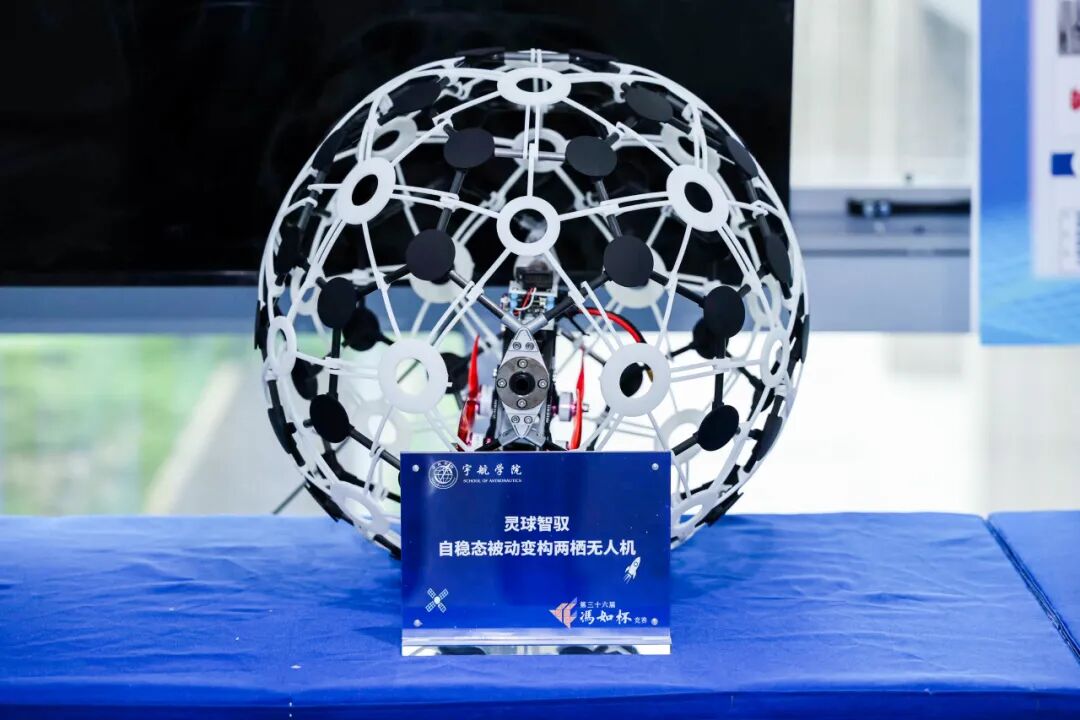
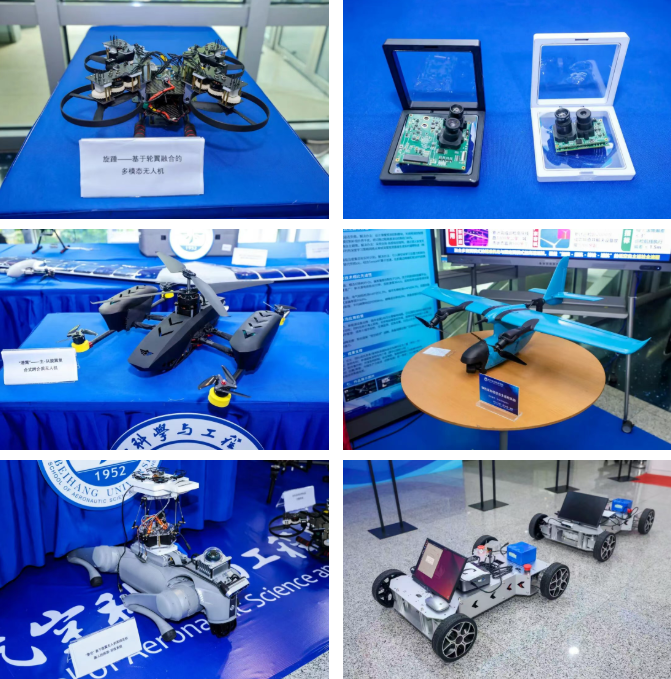
At the exhibition, faculty and student representatives from each college provided detailed introductions to their research projects and innovative achievements. The diverse and ingenious exhibits not only served as a concentrated display of the university's quality education outcomes, but also offered a vivid interpretation of the Fengru Cup philosophy: "Innovation-led, Excellence-driven."
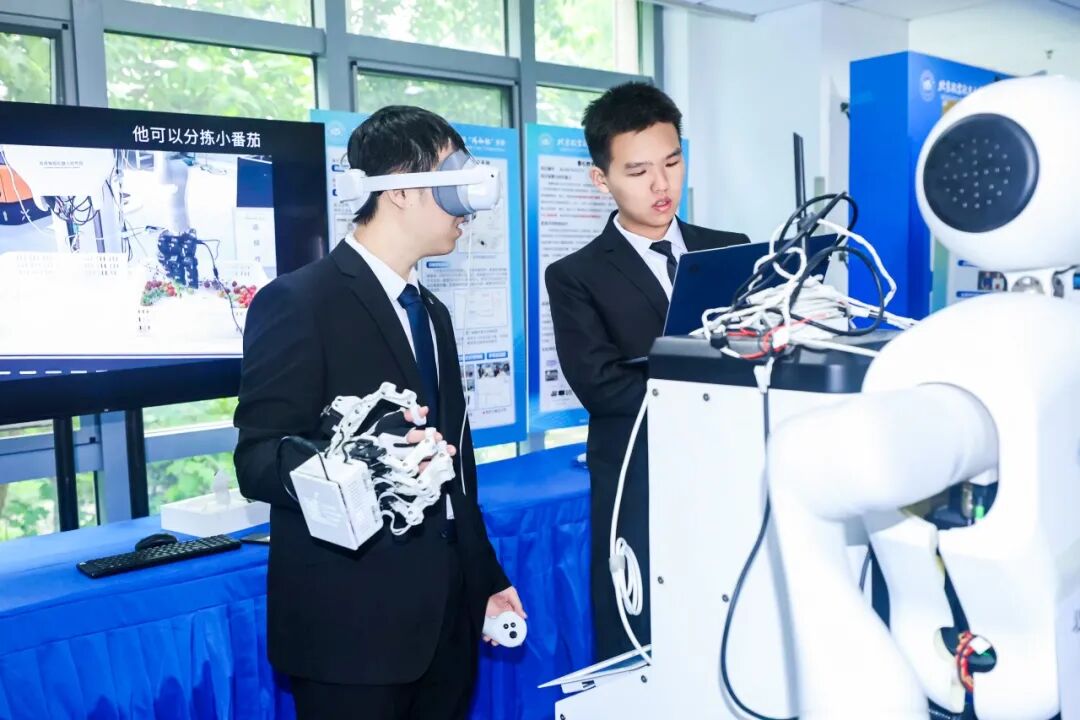
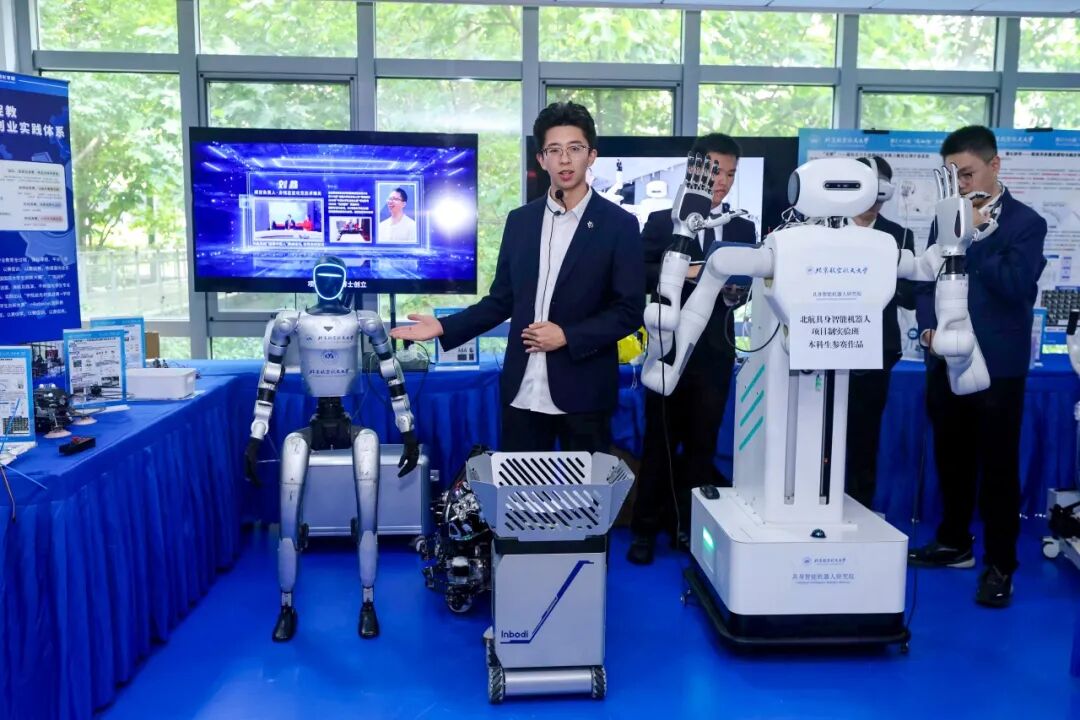
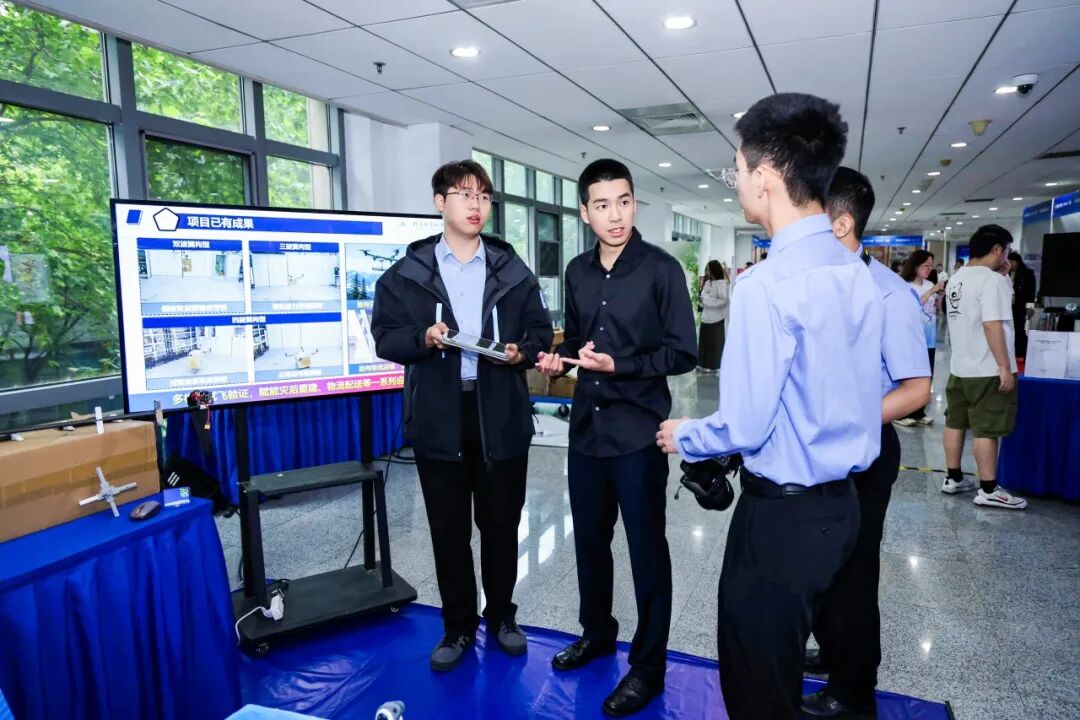
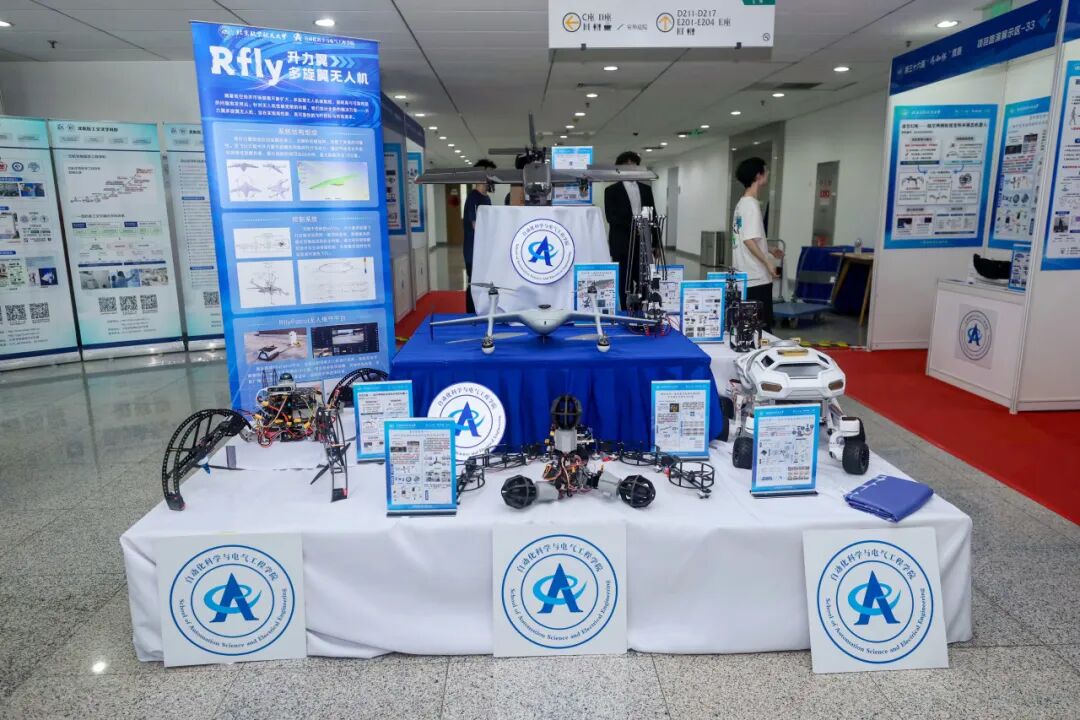
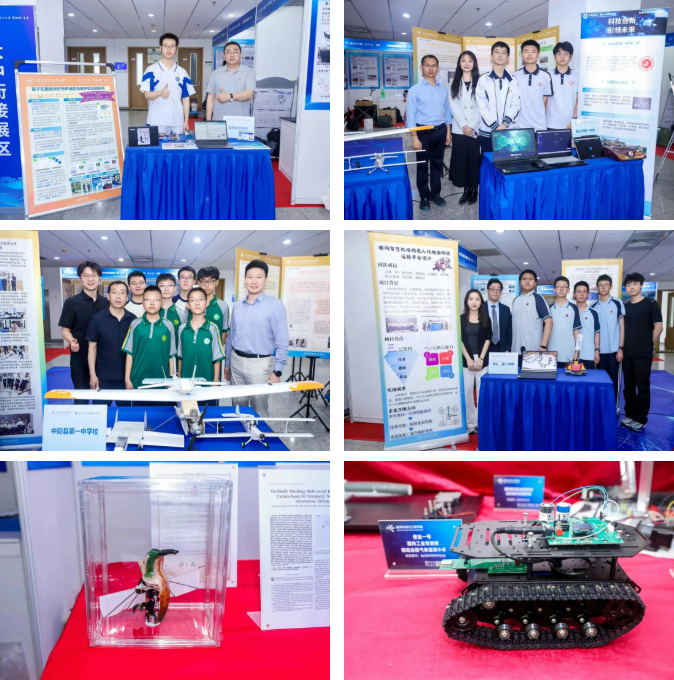
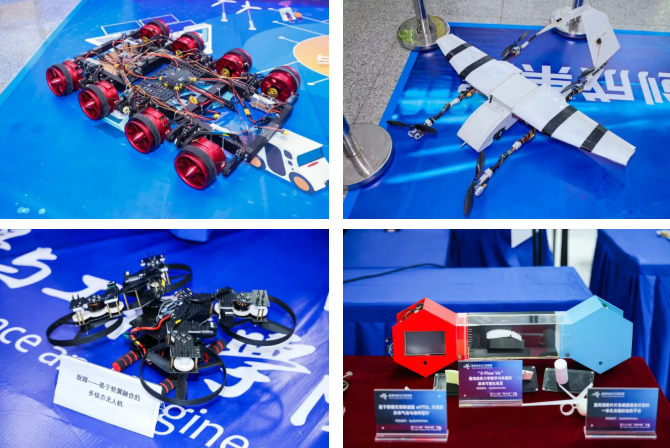
Registration for this year's Fengru Cup Competition opened on March 27. A total of 4,965 projects were submitted across the three campuses in Beijing and Hangzhou, marking a 12% year-on-year increase, including 1,925 projects in the main track, 2,847 in the creative track, 99 in the youth red dream journey track, 56 in the industry track, and 38 in the international track. The competition attracted 10,911 participants with 2,951 instructors, rising by 15.8% and 13.3% respectively. The scale of the event has reached a new high.
With comprehensive upgrades, the 36th Fengru Cup Competition achieved five major breakthroughs: the number of competition participants exceeded 10,000 for the first time; the depth of university-high school science and innovation linkage was upgraded; collaboration across the three campuses in Beijing and Hangzhou became closer; innovation competitions and social practice achieved bidirectional empowerment; the integrated undergraduate-graduate science and innovation training mechanism reached a new milestone, creating a strong campus atmosphere of science and innovation.
Concurrently with the exhibition, the competition held on-site defense sessions for the main track production group. Following online review and college recommendations, a total of 350 projects were selected for on-site defense, including 297 from undergraduate students and 53 from graduate students. Through open group judging, 57 projects advanced to the first prize defense, while 83 second prizes and 159 third prizes were awarded. The first prize defense for the main track production group will be held on May 31 at the Sunrise Concert Hall on the Xueyuan Road Campus.
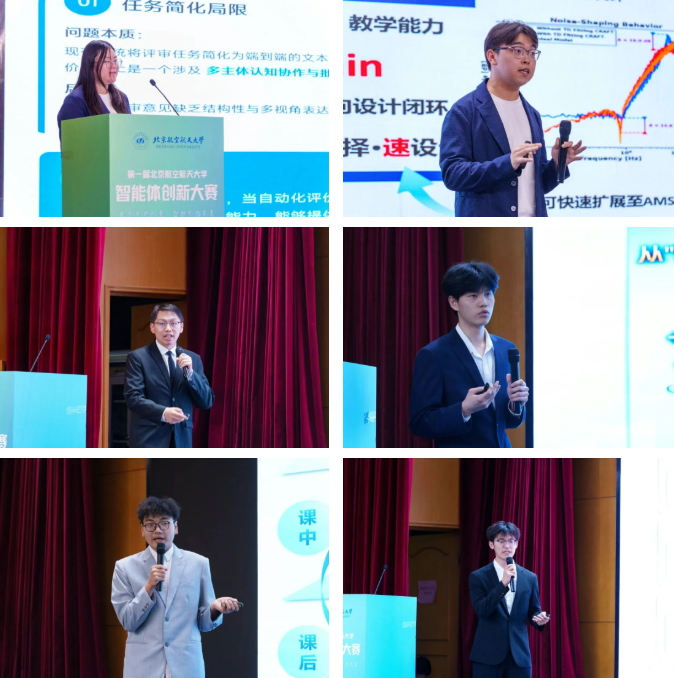
The School of Software and the School of Artificial Intelligence hosted the "Discipline Intelligent Agent" special competition. The special competition was held in the main lecture hall of the Ruxin Conference Center, with simultaneous live broadcast and display on the second floor of the New Main Building. The special competition aimed to encourage students to strengthen interdisciplinary integration, conduct product design based on user needs and practical application scenarios, and strive to develop comprehensive agent systems for multi-scenario, multi-disciplinary applications.
Beihang will continue to deepen reform of innovation and entrepreneurship education, promote the deep integration of top-tier science and innovation talent cultivation into the outstanding engineer training system, continuously cultivate and support high-level student science and innovation teams, and improve the Beihang-secondary school integrated science and innovation education landscape. Looking ahead, the university will further strengthen industry-education integration and promote research-education integration, effectively transform research advantages into high-quality talent cultivation strengths, fully stimulate the intrinsic motivation and vibrant energy of Beihang students in innovation and entrepreneurship, and guide young students to focus on major national strategic needs, explore the frontiers of academic science and technology, and strive for national development and rejuvenation with youthful dedication.
Editor: Liu Tingting


 Beihang News2026 Symposium on Excellent Engineer Training held in BeijingMore
 Beihang NewsProfessor Liu Mingjie's team publishes article in Science, revealing high-modulus toughening mechanism in nacreMore
 Beihang NewsWang Yunpeng appointed Secretary of the CPC Beihang University CommitteeMore
 Beihang NewsElsevier Senior Vice President Said Taha visits Beihang UniversityMore
 Beihang NewsPresident Wang Yunpeng visits Hangzhou to advance university-city integration and attends opening ceremony of H3IMore
 Beihang NewsBeihang team wins 2026 Best Paper Award from Proceedings of the IEEEMore