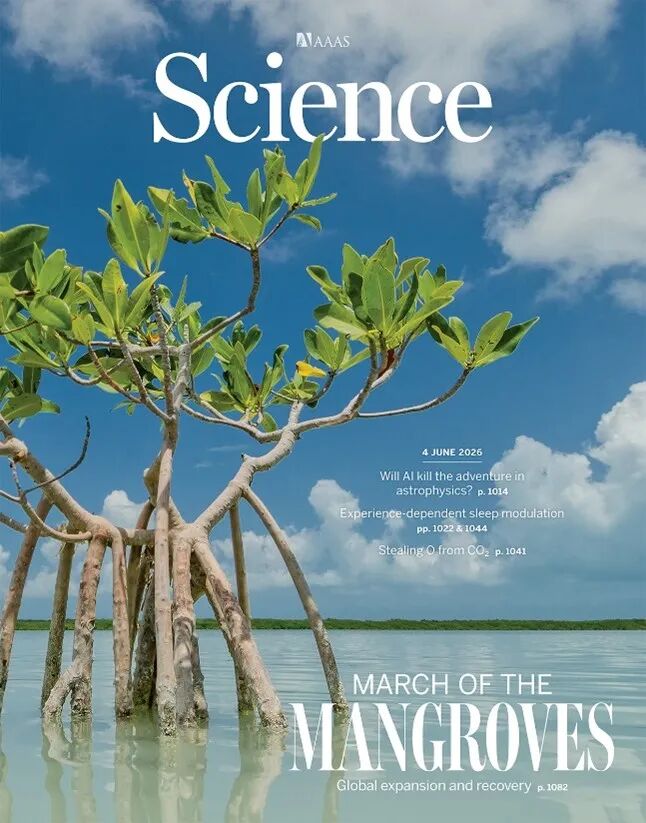
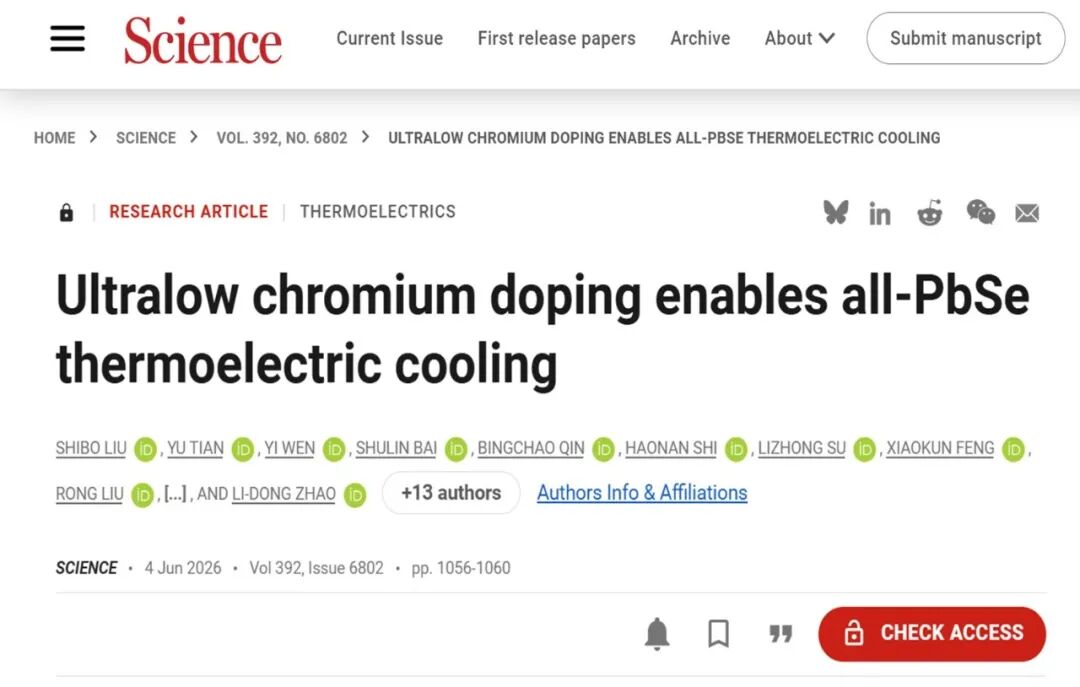
On June 5, 2026, Science reported the latest progress by Professor Zhao Lidong's research group from the School of Materials Science and Engineering at Beihang University in the field of thermoelectric semiconductor cooling materials and devices, titled "Ultralow chromium doping enables all-PbSe thermoelectric cooling."
The work develops a tellurium-free thermoelectric cooler based on all lead selenide (PbSe), in which an ultralow-dopant chromium (Cr) grid allows the engineering of defects and donors to optimize carrier transport to match the performance of the n-type and p-type legs. The researchers fabricate high-performance n-type and p-type crystals with synergistically matched properties. The device exhibits exceptional performance with lower power consumption and higher cooling capacity, achieving a cooling density of approximately 6 watts per square centimeter, a peak coefficient of performance of approximately 21, and a maximum temperature difference of approximately 53 kelvin at a 363-kelvin hot-side temperature. These findings establish PbSe as a highly effective, sustainable alternative for large-scale cooling applications [Science 392 (2026) 1056-1060].
Liu Shibo, a 2023 Ph.D. student from the School of Materials Science and Engineering, is the first author. Associate Professor Qin Yongxin from the International Institute for Interdisciplinary and Frontiers and Professor Zhao Lidong from the School of Materials Science and Engineering are the corresponding authors. The School of Materials Science and Engineering is the first affiliation.
Thermoelectric coolers (TECs) are based on the Peltier effect, which establishes a temperature difference by applying an electric current at the junction of two dissimilar materials (in practice, usually p-type and n-type semiconductors). In contrast to conventional cooling technologies such as vapor compression and adsorption refrigeration, TECs are characterized by low noise, rapid response, a cooling temperature difference, precise temperature control, and long operational lifetimes. With the rapid advancement of 5G and 6G communications and integrated circuits, TECs have been extensively applied in various high-precision temperature-control units. Despite these advantages, the widespread adoption of TECs is fundamentally constrained by the required materials, among which bismuth telluride (Bi2Te3) remains the only commercially viable material for TECs. However, because of the scarcity and cost of tellurium (Te), there is an urgent need to develop new thermoelectric cooling materials as alternatives.
In search of reliable Te-free cooling materials, PbSe has emerged as an ideal candidate due to its inherent cubic crystal structure that confers superior mechanical properties and its compelling economic and resource-related advantages (Se crustal abundance ~0.05 ppm, approximately 50 times that of Te). In 2024, the research team reported high-performance n-type PbSe cooling materials at room temperature in Science, initially demonstrating the great potential of PbSe in the cooling field [Science 383 (2024) 1204-1209]. However, due to the lack of a matching high-performance p-type PbSe material, constructing an all-PbSe "homogeneous" thermoelectric cooling device remains a major challenge in the thermoelectric cooling field.
To address this challenge, the research team innovatively developed a tellurium-free thermoelectric cooler based on all PbSe, in which an ultralow-dopant chromium (Cr) grid allows the engineering of defects and donors to optimize carrier transport to match the performance of the n-type and p-type legs, providing a sufficient material foundation for subsequent device construction and efficient operation.
Building on this material breakthrough, the team further carried out refined device design and optimization. Constructing the cooling device entirely from "homogeneous" PbSe materials fundamentally solved the inherent problem of mismatched thermal expansion coefficients found in heterogeneous devices, significantly improving dimensional stability during actual device operation. The team performed deep engineering of material interfaces, using processes like magnetron sputtering to prepare efficient Ni-based alloy barrier layers, which substantially reduced contact resistivity, thereby effectively suppressing additional Joule heat loss during device operation.
Benefiting from optimized material design and device engineering, the team successfully constructed an ultra-thin, high-performance all-PbSe-based thermoelectric cooling device. Tests showed that the device has achieved a cooling density of approximately 6 watts per square centimeter, a peak coefficient of performance of approximately 21, and a maximum temperature difference of approximately 53 kelvin at a 363-kelvin hot-side temperature. Furthermore, due to the inherent cubic crystal structure of PbSe, its fracture toughness and compressive strength are far superior to those of commercial Bi2Te3 materials, resulting in an all-PbSe device that combines ultra-high cooling performance with robust mechanical reliability.
This achievement demonstrates the great potential of PbSe as a Te-free thermoelectric cooling material. Looking ahead, such ultra-thin, low-power cooling devices can be widely applied in aerospace fields where space and power requirements are critical.
The co-first authors of this work also include Tian Yu (device design) and Wen Yi (microstructural characterization). This work was supported by National Science Fund for Distinguished Young Scholars, the National Natural Science Foundation of China, the New Cornerstone Science Foundation through the XPLORER PRIZE, and the Space Application System of China Manned Space Program. Participating groups also include Professor Su Lizhong's group from Taiyuan University of Science and Technology, and Professor Gao Xiang's and Professor Chen Yongjin's groups from the Center for High Pressure Science & Technology Advanced Research.
Article link: https://www.science.org/doi/10.1126/science.aeg8963
Editor: Liu Tingting


 Beihang NewsBeihang holds 2026 Commencement and Degree Conferral CeremonyMore
 Beihang NewsBeihang hosts 2026 Campus Open Day & Admissions Information Session across three campuses in Beijing and HangzhouMore
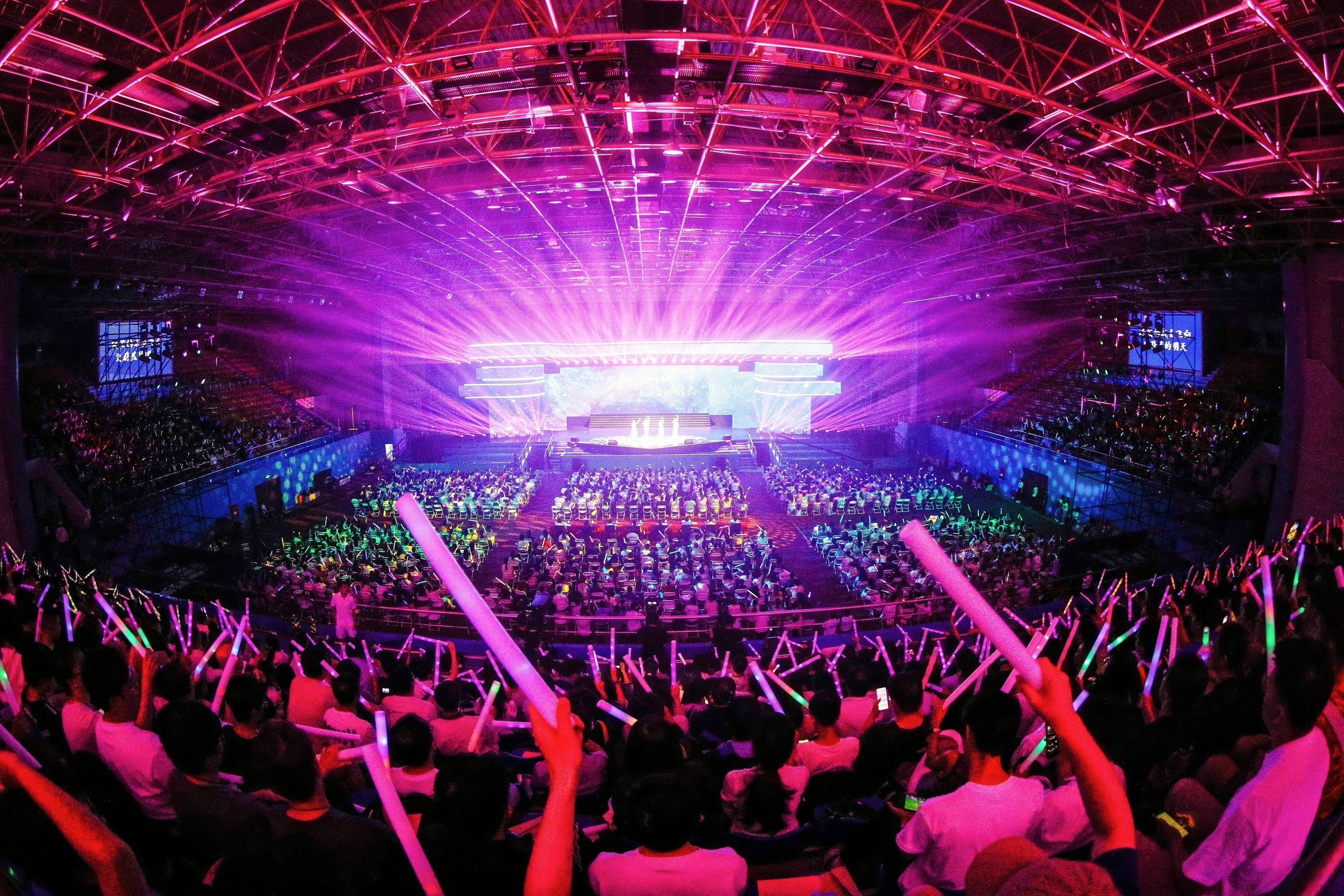 Beihang NewsBeihang University holds graduation gala for Class of 2026More
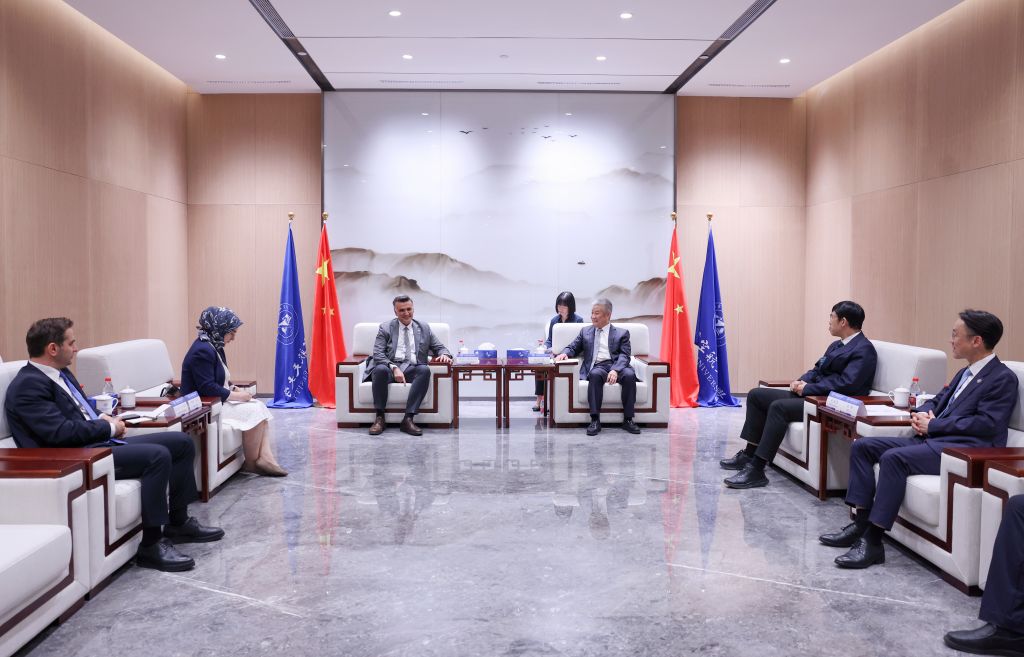 Beihang NewsMETU President Ahmet Yozgatlıgil visits Beihang UniversityMore
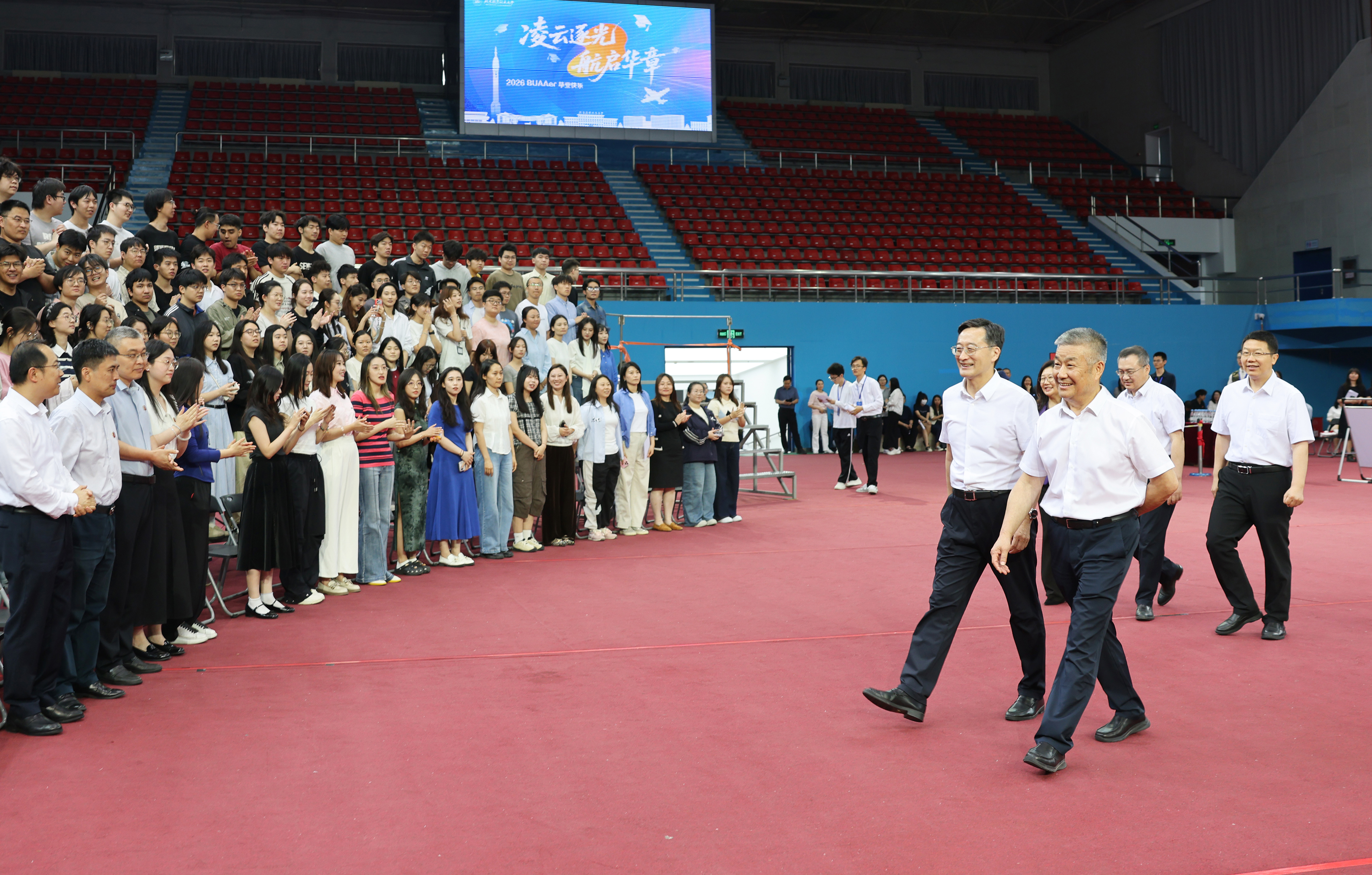 Beihang NewsUniversity leaders take group photos with 2026 graduatesMore
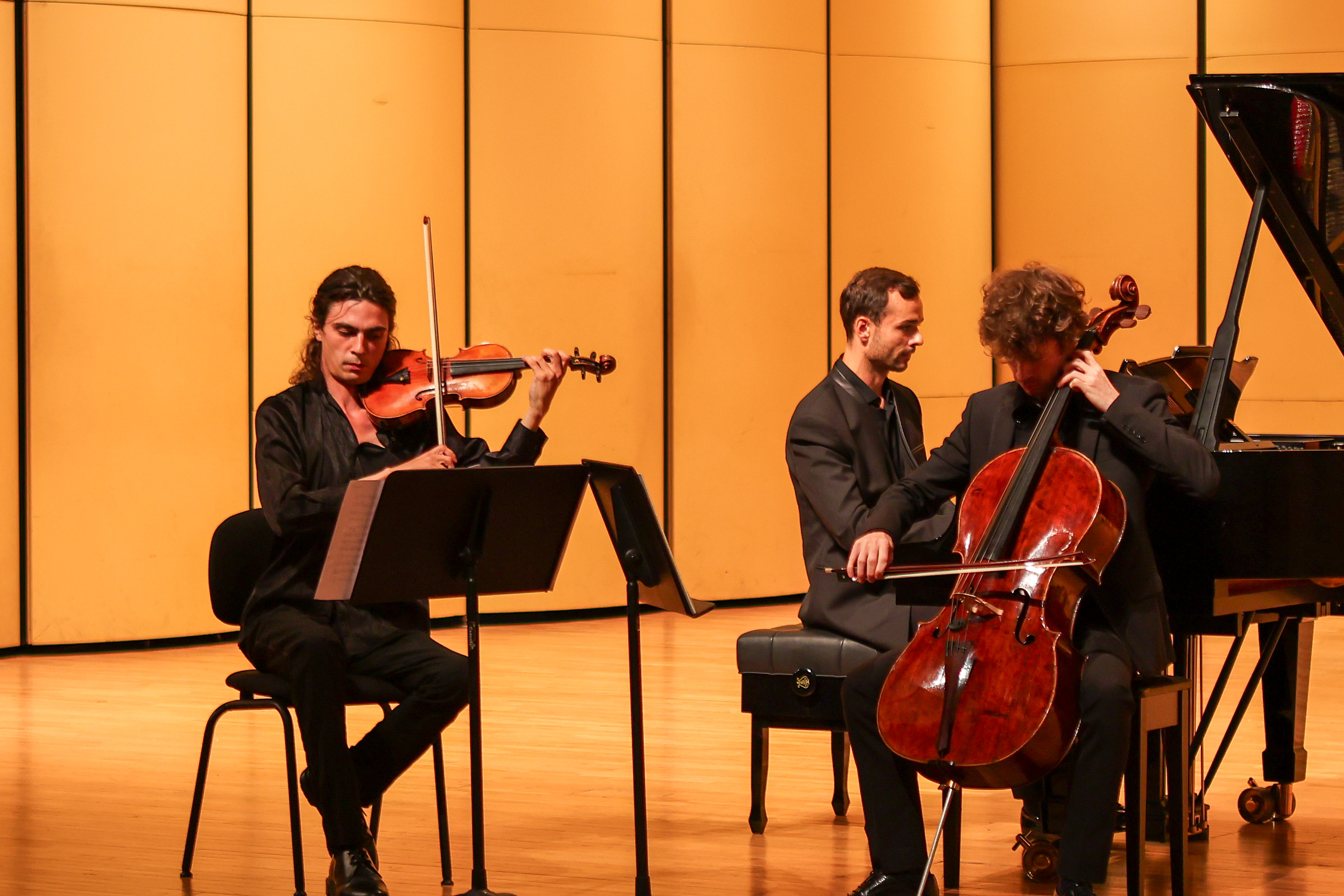 Beihang NewsTrio Hélios Piano Concert staged at BeihangMore