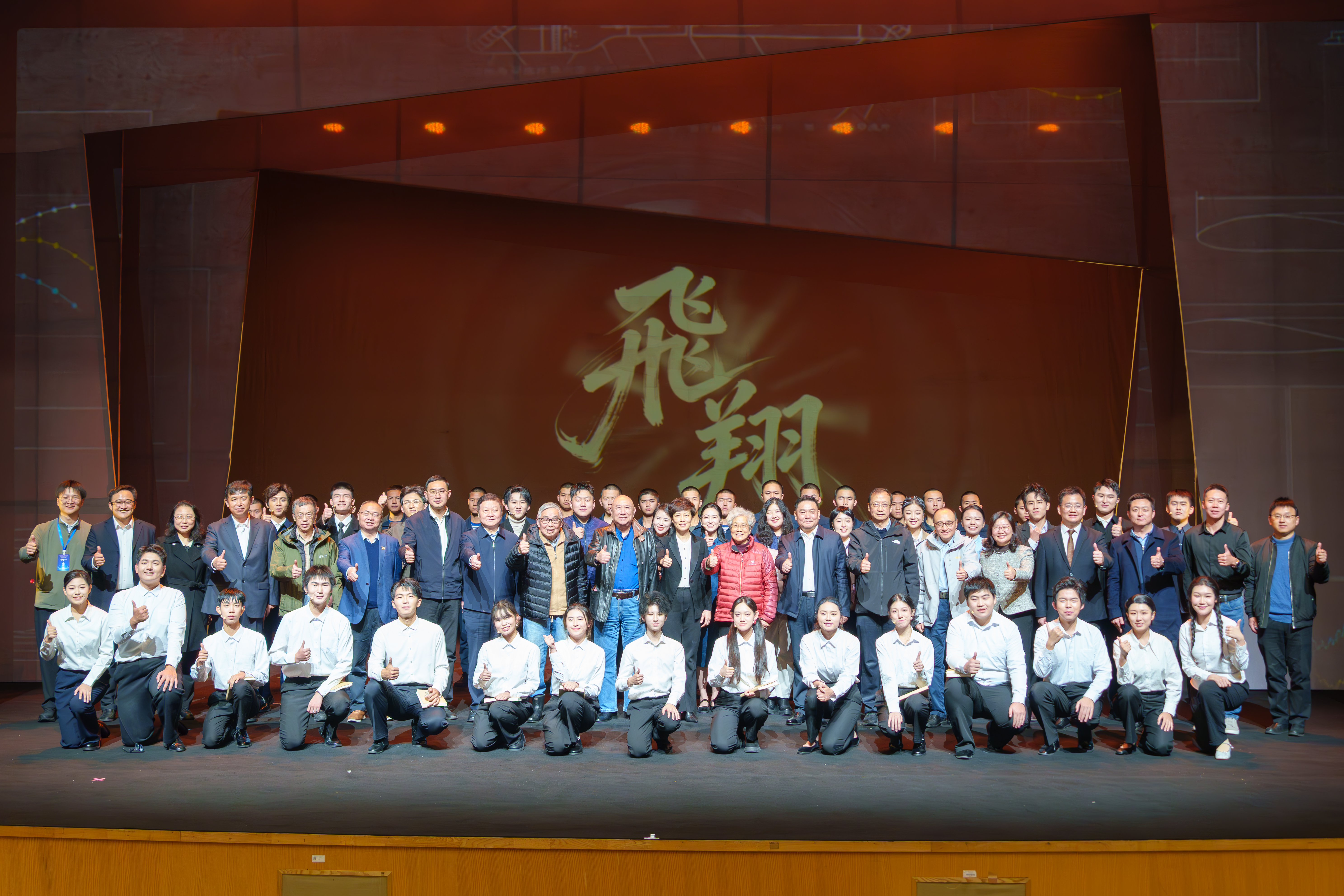
Beihang University staged two performances of "Flight," an original student-created drama commemorating the life of Lu Shijia, a founding figure of the university and one of the principal founders of China's first aerodynamics program, at the Sunrise Concert Hall on November 7.
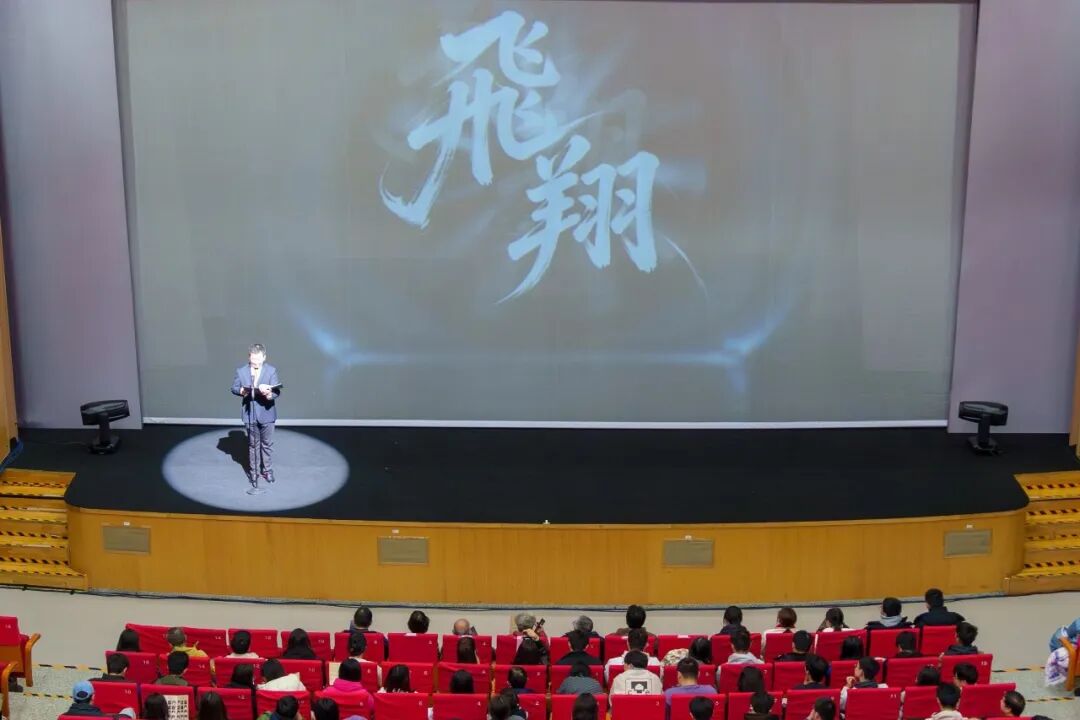
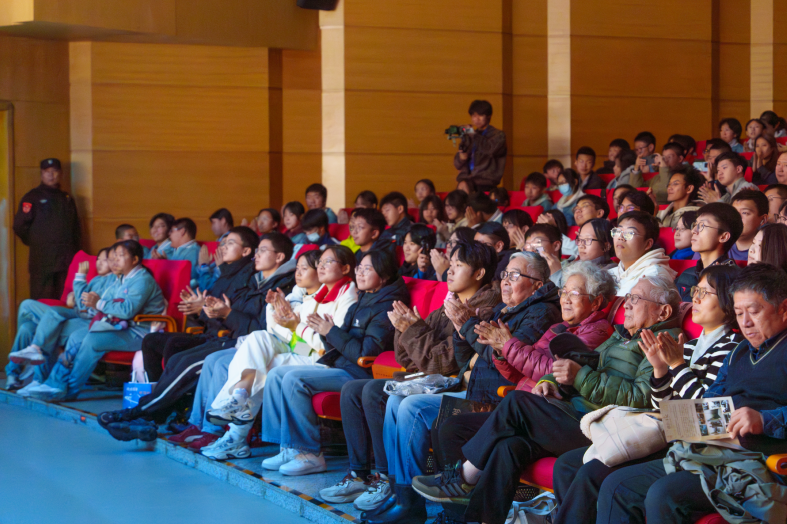
The production, entirely written, directed and performed by Beihang students, was selected for the China Association for Science and Technology's "Scientist Story Stage Drama Promotion Initiative" and the "Cultural Cohesion, Brand Promotion" program under the new-era university consortium themed "Serving the Nation through Aerospace, Self-Reliance and Strength." More than 1,400 faculty and students attended the two shows.
The drama opens with a conversation between Lu Shijia and her student Sun Shiying. In 1957, Sun found herself overwhelmed by repeated experimental failures and deep self-doubt. Lu recounted her own life journey to help the young researcher regain her sense of purpose.
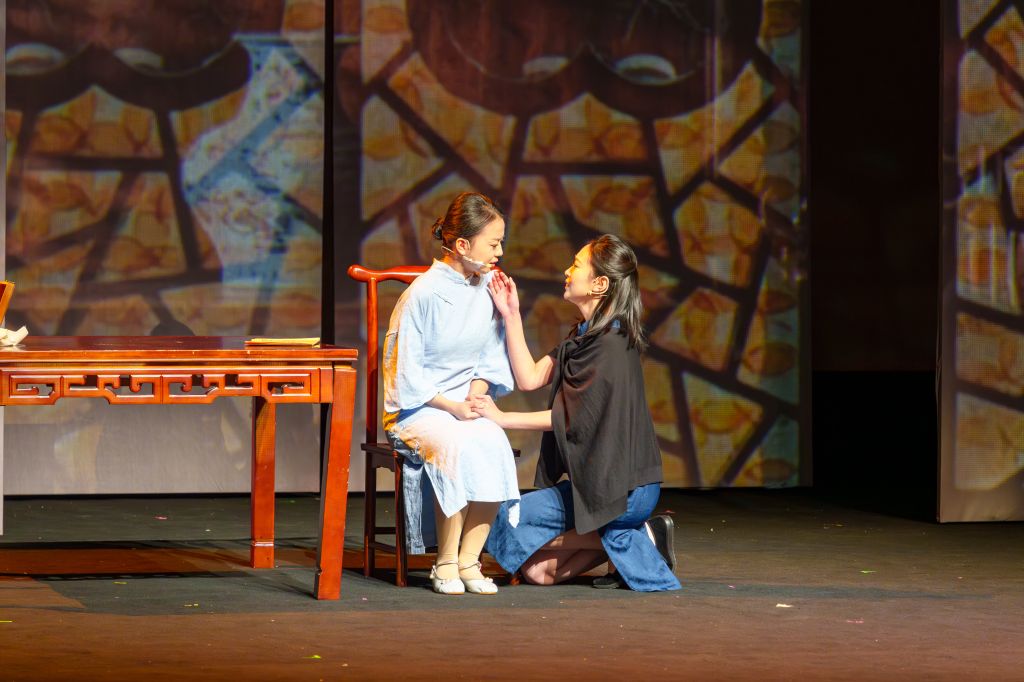
Born Lu Xiuzhen, she resolved at thirteen to pursue science and serve her country after reading a biography of Marie Curie. Following the March 18 Massacre, she changed her name to "Shijia"—taking "shi" from the word for warrior and "jia" from the Confucian virtue of exemplary conduct—as a lifelong motto.
In 1929, Lu entered the Physics Department of Beijing Normal University. Witnessing enemy aircraft strike North China and the devastation of her homeland, she shifted her focus to aviation, vowing that China would one day build its own aircraft and defend its skies. In 1938, she traveled to the University of Göttingen in Germany to seek out Ludwig Prandtl, the founding father of modern fluid mechanics. Despite Prandtl's public declaration that he was no longer accepting students, her academic rigor and patriotic fervor earned her a place as his final doctoral student.
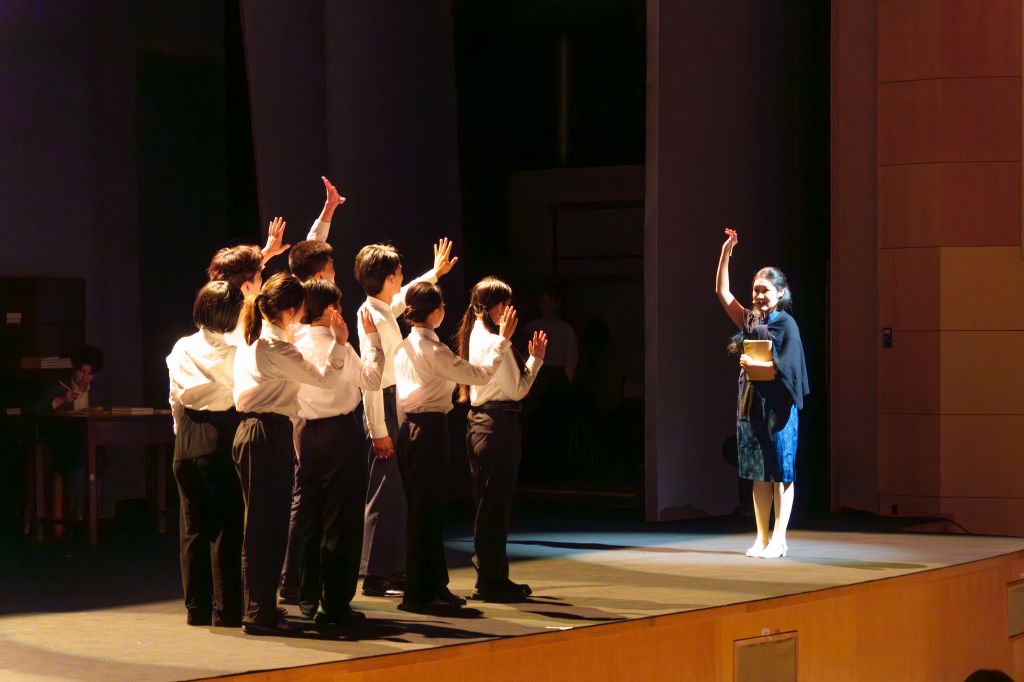
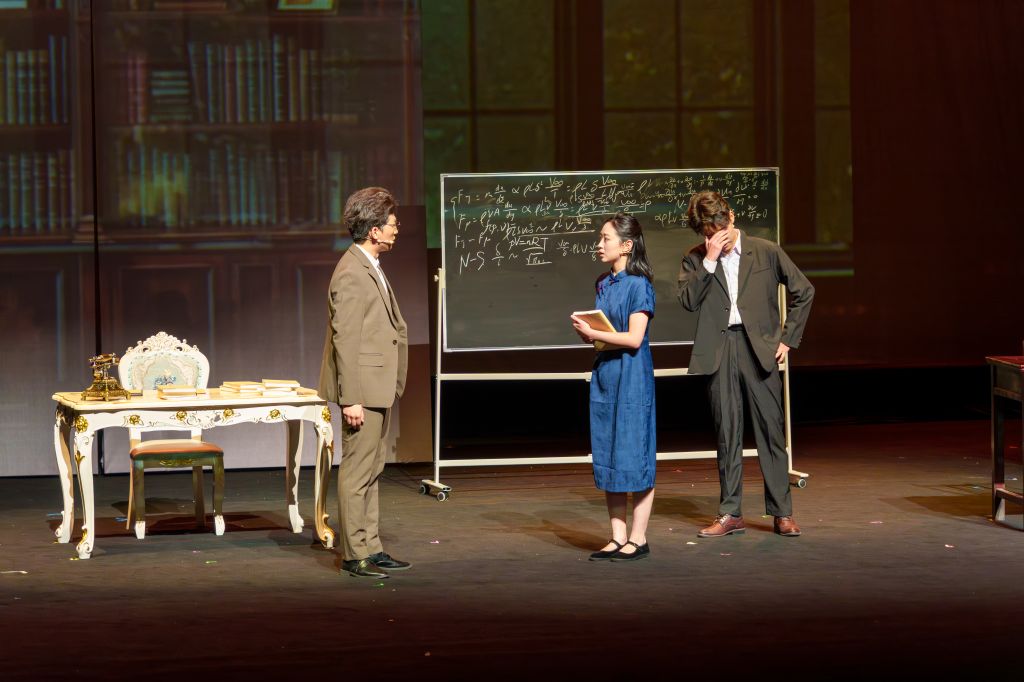
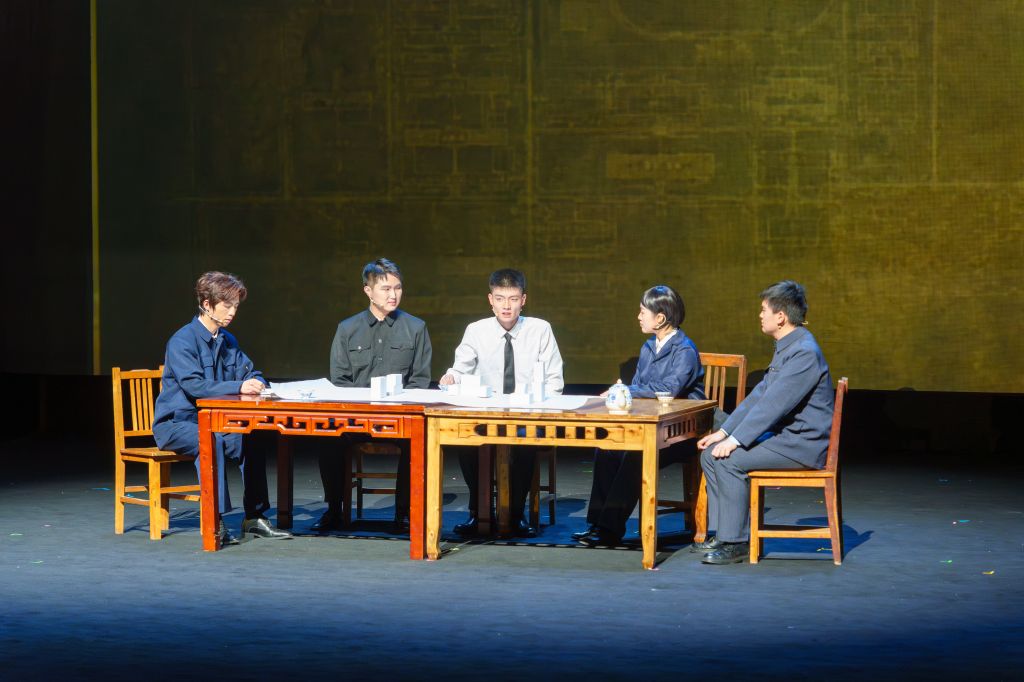
She returned to China in 1946. In 1952, she helped establish the Beijing Institute of Aeronautics (now Beihang University) and spearheaded the creation of its aerodynamics program. In her later years, she voluntarily withdrew her candidacy for academician of the Chinese Academy of Sciences to make way for younger scientists, and at the age of seventy she was still at her desk, retranslating her mentor Prandtl's Essentials of Fluid Mechanics. Her life exemplified patriotism, dedication and scholarly rigor.
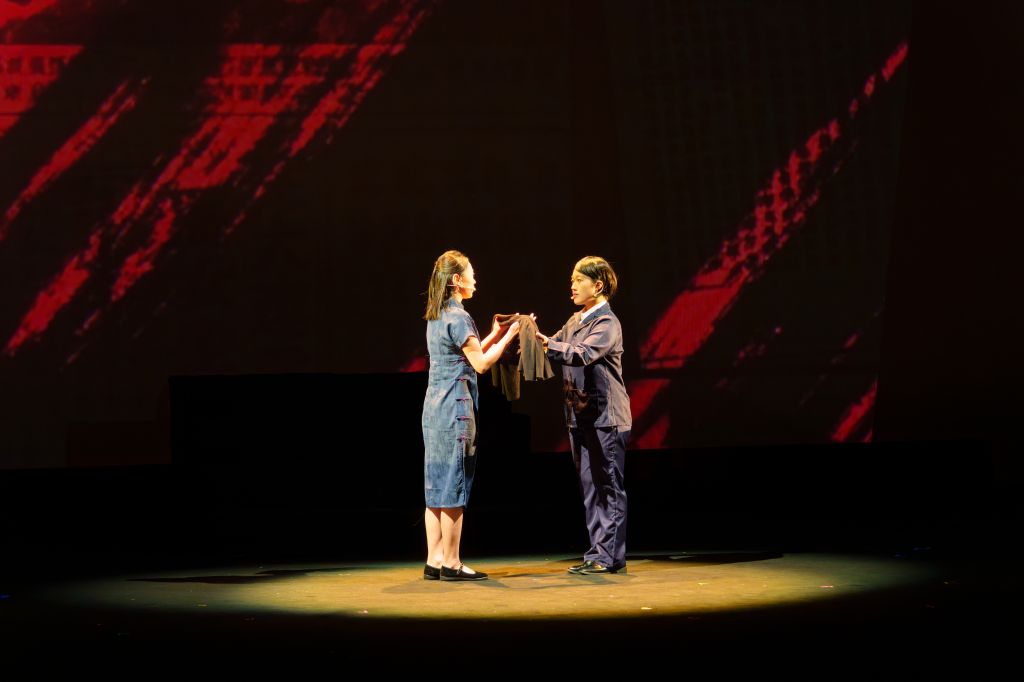
In the final scene, Lu solemnly presented her treasured copy of Madame Curie to Sun, who taught at Beihang for decades and, on the eve of retirement, passed it on to a new generation. The book and a few simple words of advice become a torch of spirit connecting past and present, mentors and students—embodying the university's enduring commitment to serving the nation through aerospace.
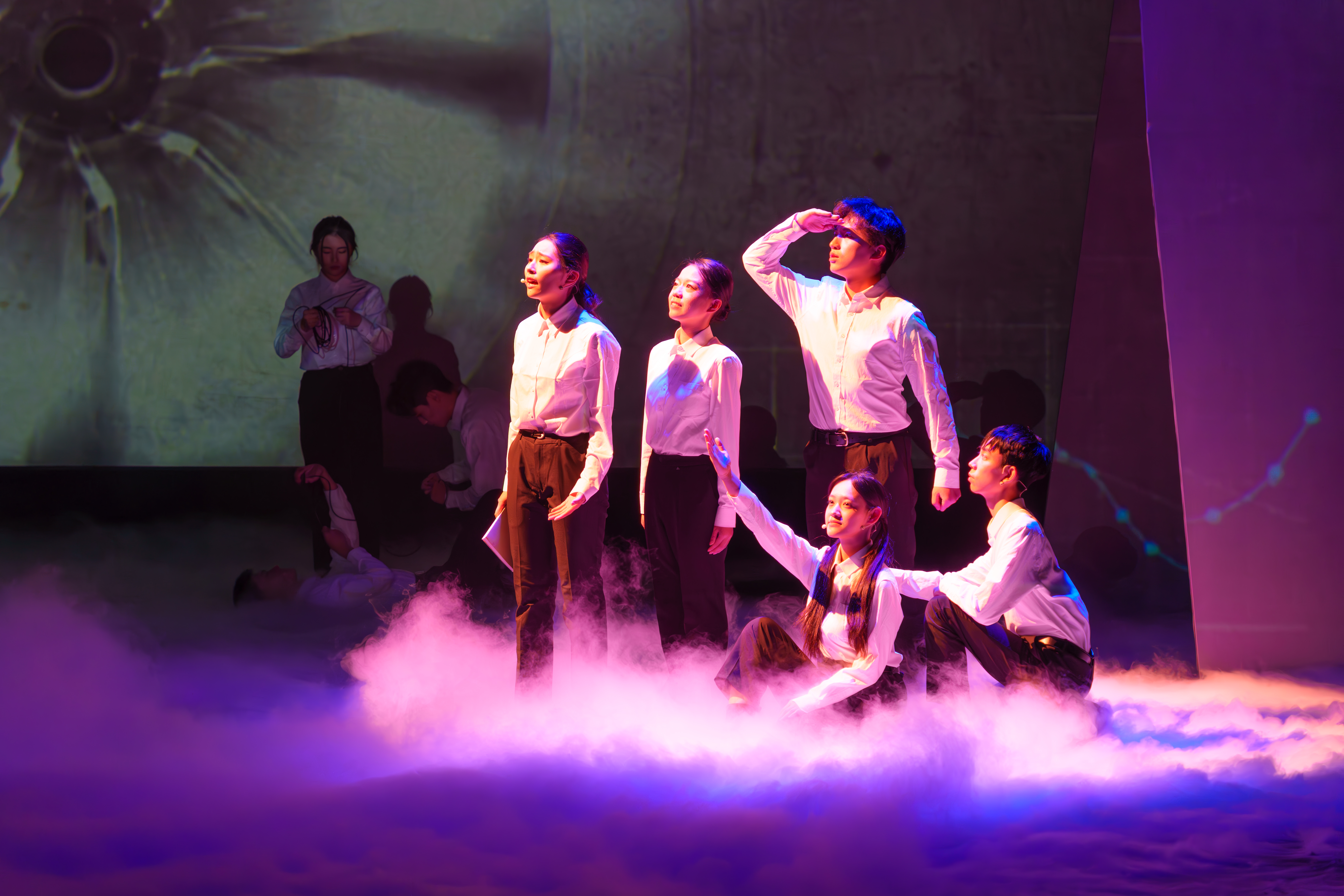
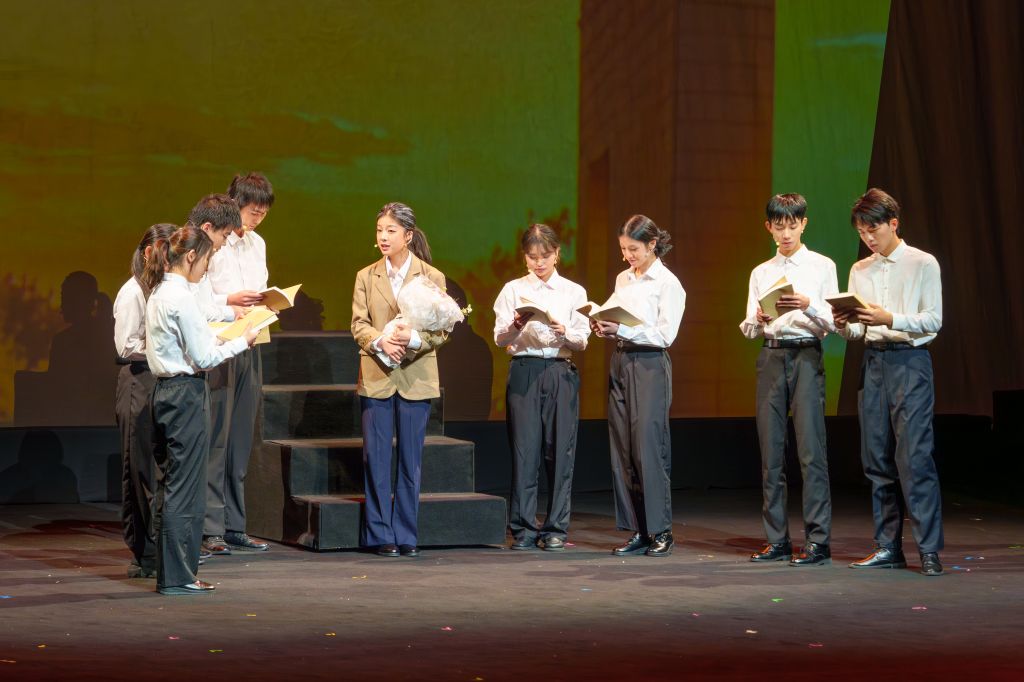
"'Flight' is a living, breathing ideological education class," said Li Can, a faculty member of the School of Aeronautic Science and Engineering and the play's producer and executive director. "In combing through historical materials and coming closer to Ms. Lu, we saw the burning idealism of a generation of aviation pioneers who sought a path through hardship and opened roads for their country. We hope this stage will carry forward the conviction of self-reliance and inspire a new generation of aviation professionals to take flight."
Liu Chang, an undergraduate at the School of Astronautics and a member of the Beihang Student Drama Troupe, plays the young Lu Shijia. "Lu Shijia was once a figure in a textbook; now she is truly alive in my mind," Liu said. She added that the play's closing scene, in which Lu's treasured book is passed on to a new generation, carries a torch across generations, and she hopes those who receive it will remember why they set out. "This play has given me a deeper understanding of flight," she reflected.
"Flight" was jointly produced by Beihang's Publicity Department, Student Affairs Department, Youth League Committee, School of Aeronautic Science and Engineering, and Shijia College. The cast is drawn primarily from the Beihang Student Drama Troupe, the School of Aeronautic Science and Engineering, and Shijia College. The production received guidance and support from Zhang Kecheng, Lu Shijia's son; Zhu Ziqiang, her former student; and the Lu Shijia Laboratory.
By having students portray their teachers and predecessors, the drama integrates Beihang's spirit of "serving the nation through aerospace endeavors" into stage practice, offering an immersive educational experience. Through its portrayal of Lu Shijia's lifelong dedication to national service, rigorous scholarship and mentorship, the production encourages faculty and students to draw strength from the university's history and to carry forward the torch of patriotism in their studies, research and contributions to national development.
Editor: Lyu Xingyun


 Beihang NewsBeihang University approved for 7 new postdoctoral stationsMore
 Beihang NewsBeihang wins Victory Cup at 15th "Challenge Cup" Chinese College Students Entrepreneurship CompetitionMore
 Beihang NewsStudent story: Abdellah Hasni—From Morocco to Beihang, exploring new possibilitiesMore
 Beihang News7th Manned Space Symposium held at Beihang's Shahe CampusMore
 Beihang NewsBeihang expands cooperation with Brazil in science and educationMore