A research team led by Professor Chang Lingqian from the School of Biological Science and Medical Engineering at Beihang University has published a comprehensive review in the internationally renowned journal Advanced Science, systematically summarizing recent advances in nanozyme-biochip systems for intelligent sensing applications.
The paper, titled "Nanozymes Integrated Biochips Toward Smart Detection System," is co-authored by Dong Zaizai (Beihang University) and Jiao Yanli (City University of Hong Kong) as corresponding authors. The first authors are Chen Dongyu (postdoctoral researcher), along with PhD candidates Zheng Wang, Zhang Zhihui, and Yu Shenping, all from Beihang University.
In fields such as disease diagnosis, food safety, and environmental monitoring, detection systems must deliver reproducible signal amplification, stable readouts, and reliable quantitative analysis under challenging conditions—including complex sample matrices, limited sample volumes, and variable on-site operating environments. Nanozymes, which mimic natural enzyme catalysis, enable efficient signal amplification and multi-modal signal conversion. Meanwhile, biochip platforms provide the ideal device-based carriers for micro-sample processing, multi-channel integration, and portable readout capabilities.
Nanozyme integrated biochip systems merge the robust catalytic properties of nanozymes with the portability capabilities of biochips, which have demonstrated significant potential for molecular identification and diagnostic applications. Benefiting from the progressive incorporation of artificial intelligence (AI), nanozyme-biochip systems further achieve substantial improvements in both efficiency and accuracy.
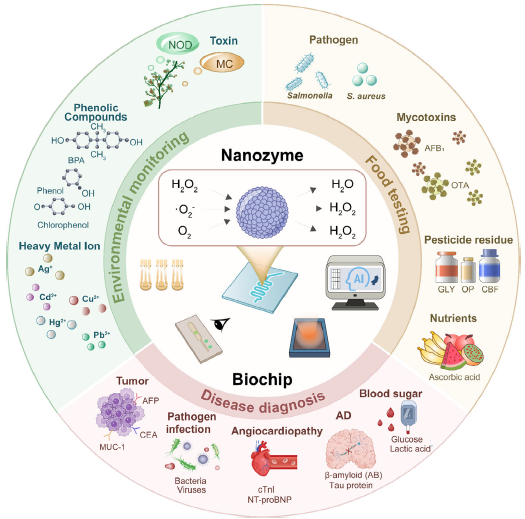
Figure 1. Schematic overview of nanozyme-biochip systems and their representative applications across disease diagnosis, food testing and environmental monitoring
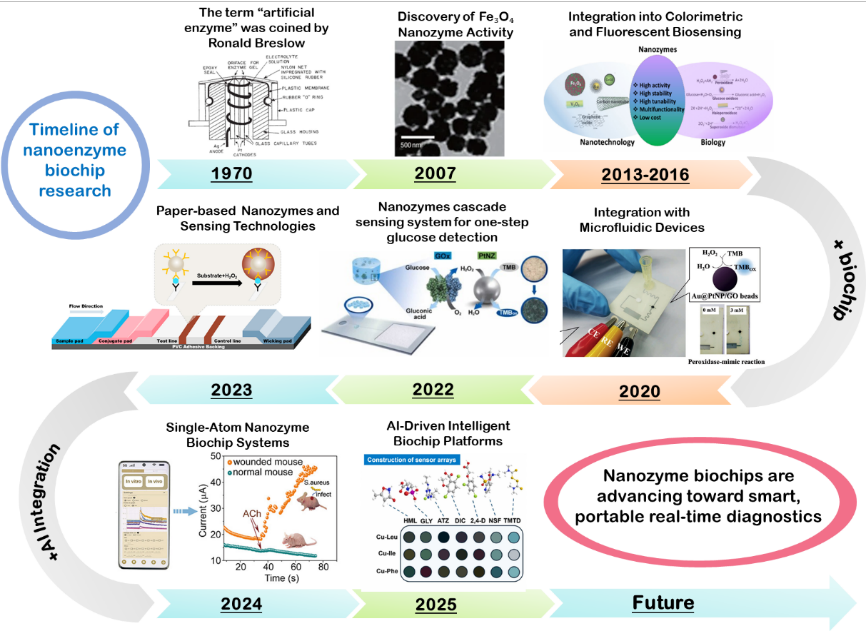
Figure 2. Timeline of nanozyme-biochip system, highlighting the transition from individual nanozyme research to AI-integrated intelligent biosensing systems
In this review, recent progress in nanozyme-biochip systems for intelligent detection are summarized. Advancing from fundamental concepts to integrated systems, this overview examines nanozyme-driven signal amplification, biochip-mediated signal presentation, and AI-accelerated signal processing in nanozyme-biochip platforms. Furthermore, the translational potential of nanozyme-biochip systems is illustrated through a critical evaluation of their representative applications in clinical diagnostics, food safety, and environmental monitoring. The current major challenges and future directions in nanozyme-biochip systems are also analyzed, with particular emphasis on AI-assisted development. By integrating advances in nano-catalysis, microdevice engineering, and intelligent computation, this review aims to provide an interdisciplinary roadmap for next-generation biosensing systems.
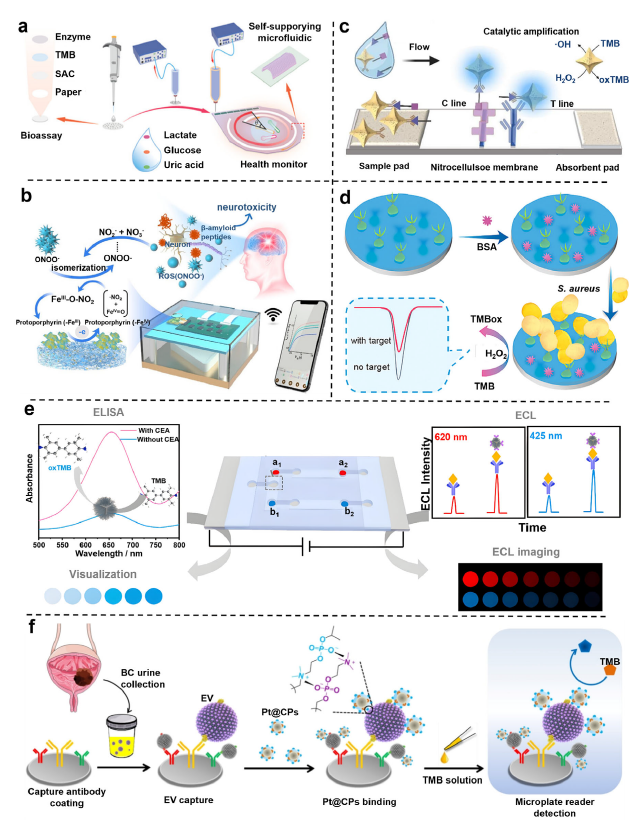
Figure 3. Nanozyme-biochip systems for disease diagnostic applications
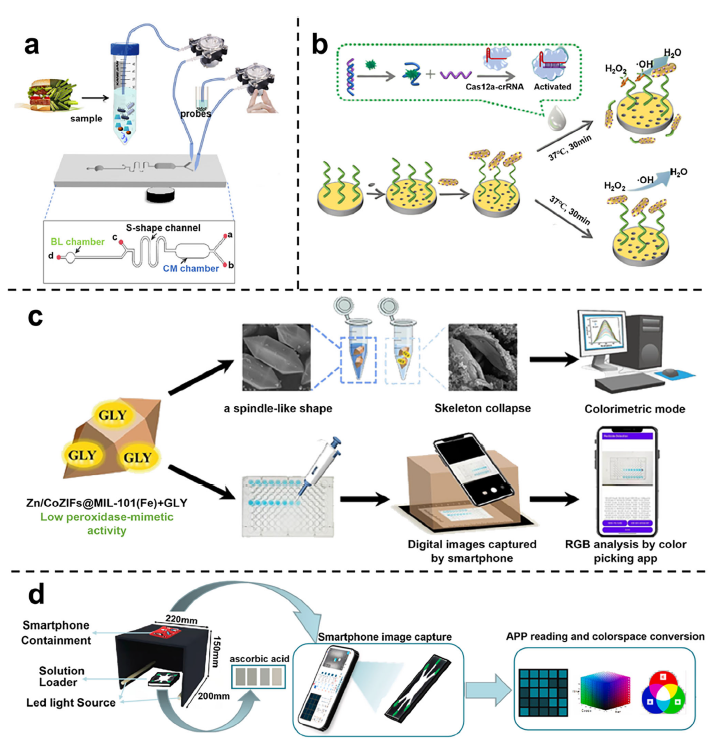
Figure 4. Nanozyme-biochip systems for food testing
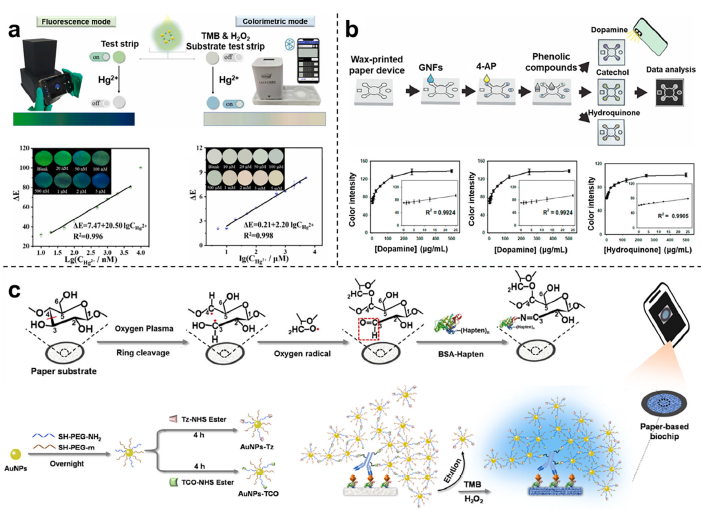
Figure 5. Nanozyme-biochips for environmental monitoring
Link to the article: https://doi.org/10.1002/advs.202519136
Editor: Lyu Xingyun


 Beihang NewsBeihang celebrates 42nd Teachers' DayMore
 Beihang NewsBeihang's first student-designed human-powered aircraft completes test flightMore
 Beihang NewsBeihang leaders engage in dialogue with new undergraduate and graduate student representativesMore
 Beihang NewsBeihang University holds 2026 opening convocation to welcome new studentsMore
 Beihang NewsBeihang University welcomes 9,022 new graduate studentsMore
 Beihang NewsProfessor Yu Shui wins Best Screenplay Award at 21st Changchun Film FestivalMore