The "Science for the Future" live lecture series, jointly launched by the Center for Public Information and Promotion of Education of the Ministry of Education, Higher Education Press, and four leading universities including Beihang University, officially began on January 19, delivering rich scientific knowledge to the public.
The inaugural session premiered at 4:00 PM that day via the Ministry of Education's official social media platforms, including the "weiyanjiaoyu" video channel and official Weibo account.
Professor Gui Haichao from the School of Astronautics at Beihang University, who is also also a payload specialist on the Shenzhou-16 space mission, delivered the first lecture entitled "Let's Go to the Moon," taking students on a grand journey of lunar exploration.
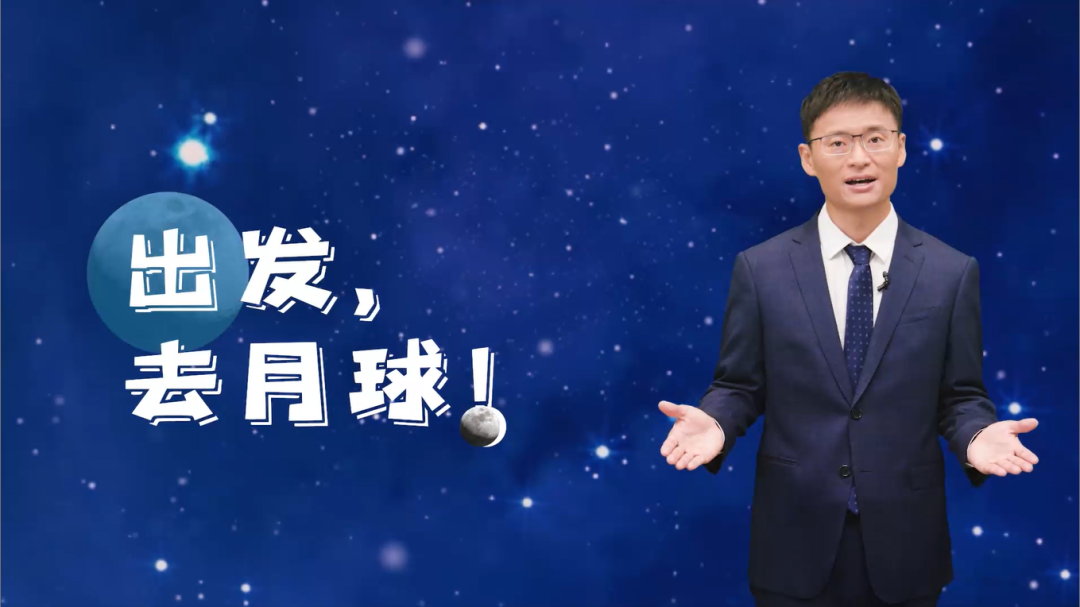
The lecture provided a systematic and engaging introduction to humanity's quest to explore the Moon. Starting from early human observations and historical studies of the Moon, it covered key lunar characteristics. The lecture outlined the development of lunar exploration, highlighting such monumental achievements as the Apollo missions and China's Chang'e Project, along with the spirit of exploration they embody.
Looking ahead, the lecture examined upcoming global initiatives including NASA's Artemis program, China's crewed moon landing ambitions, the International Lunar Research Station, and the evolving role of commercial spaceflight. It concluded by introducing a mobile science curriculum designed around lunar exploration, aimed at fostering public understanding of the endeavor and spreading the idea that "exploration knows no bounds."
Following Professor Gui's presentation, Associate Professor Li Lu, also from the School of Astronautics, gave a lecture entitled "Chang'e's 'Space Eyes': The Visual Code for Far‑Side Landing," offering an in‑depth analysis of key technologies in visual navigation and landing control for lunar missions.
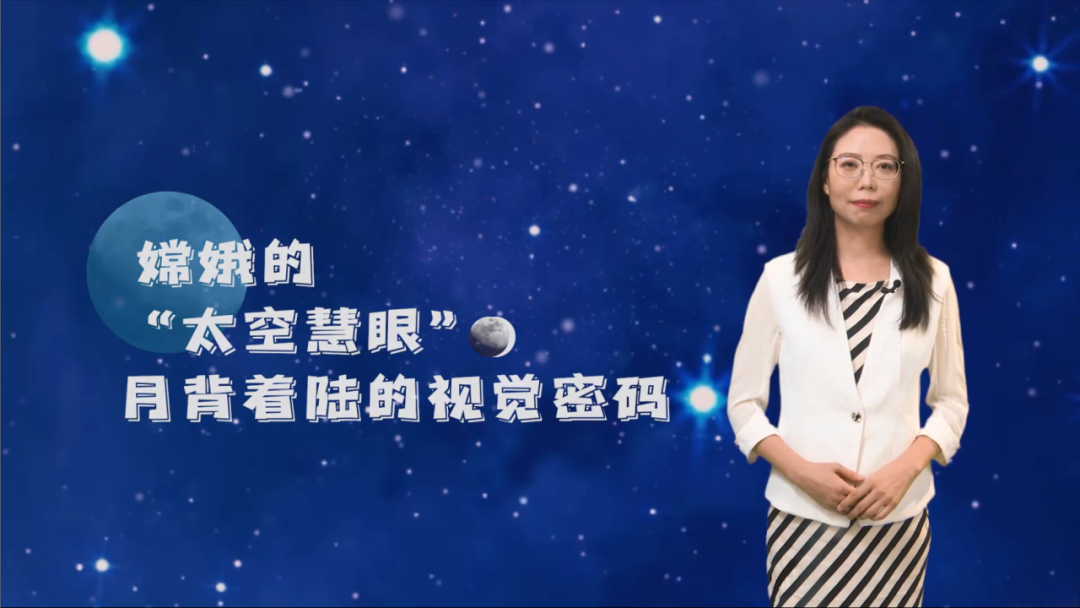
Associate Professor Li's lecture demystified the autonomous landing of Chang'e-4 under conditions with no GPS and limited communication. She detailed how the probe utilized laser 3D imaging to map the lunar terrain, binocular vision to perceive its surroundings, and intelligent algorithms to autonomously avoid hazards and execute a precise touchdown. The talk also showcased the scientific capabilities of the Yutu-2 rover and looked forward to future deep-space exploration technologies, aiming to inspire young audiences toward aerospace science.
These two lectures mark the beginning of the series. Subsequent live sessions will continue to decode the mysteries of space exploration. Upcoming lectures from Beihang faculty include: "The Mighty Giants of Lunar Missions: Carrier Rockets" by Associate Professor Zhou Tao, tracing the evolution of rockets foundational to lunar exploration; "Machine Vision: The Lunar Navigation Assistant for the Yutu Rover" by Professor Yuan Ding and Associate Professor Xu Dajun, revealing how vision systems guide rovers across the complex lunar landscape; "The Lunar Highway: Trajectory Design for Moon Exploration" by Professor Shi Peng, explaining the orbital dynamics of Earth-Moon transfers; and "Attitude Control: The 'Space Balancing Act' of Lunar Probes" by Associate Professor Jin Lei, demystifying how spacecraft maintain stability, using the Chang'e-6 mission as a key example.
Editor: Lyu Xingyun


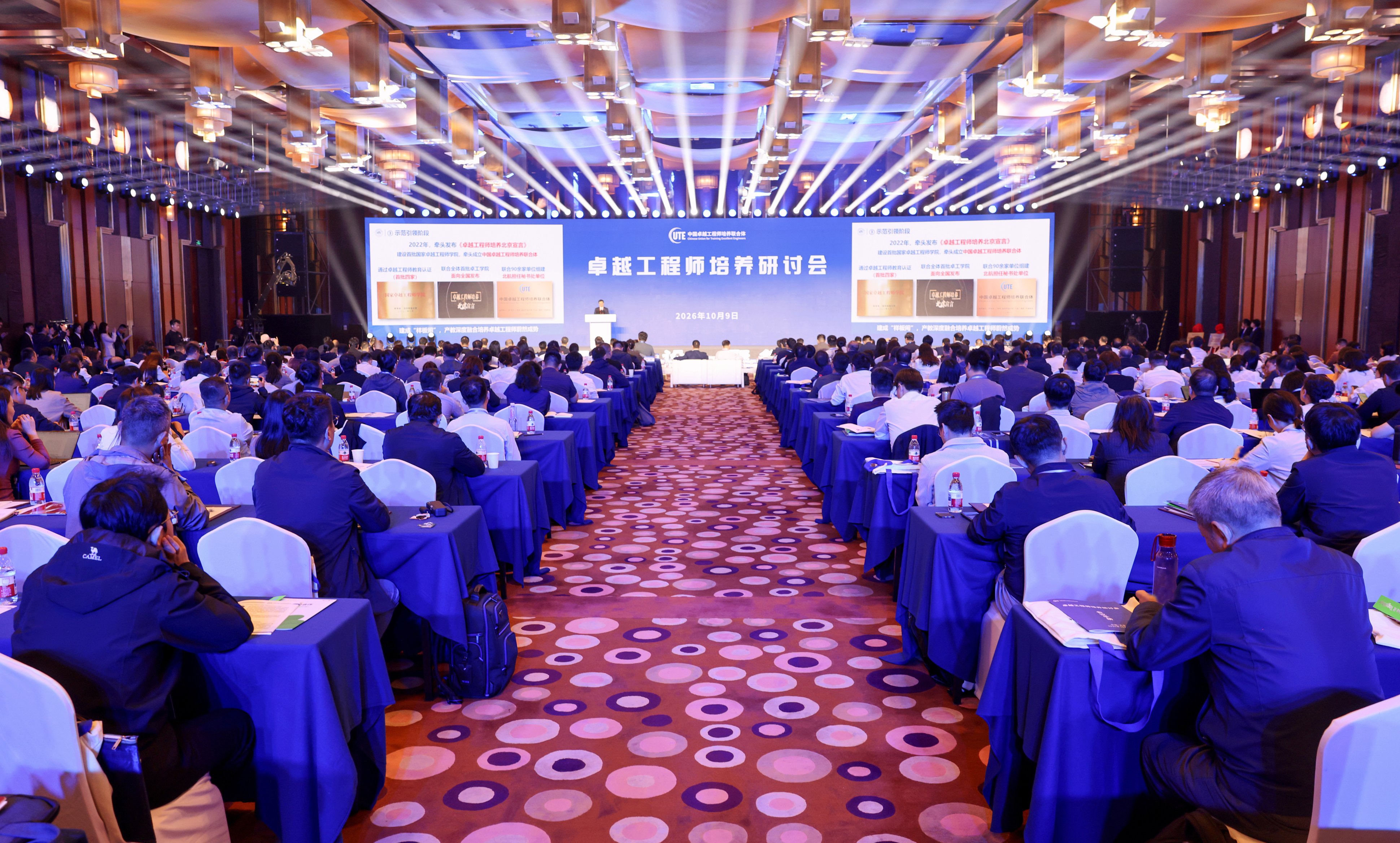 Beihang News2026 Symposium on Excellent Engineer Training held in BeijingMore
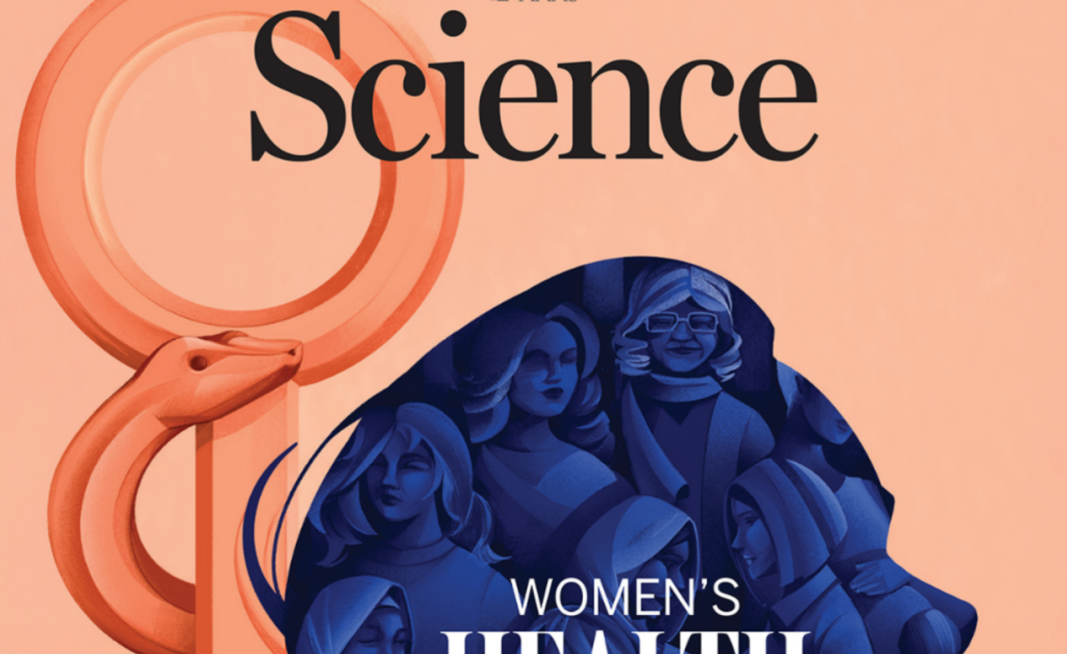 Beihang NewsProfessor Liu Mingjie's team publishes article in Science, revealing high-modulus toughening mechanism in nacreMore
 Beihang NewsWang Yunpeng appointed Secretary of the CPC Beihang University CommitteeMore
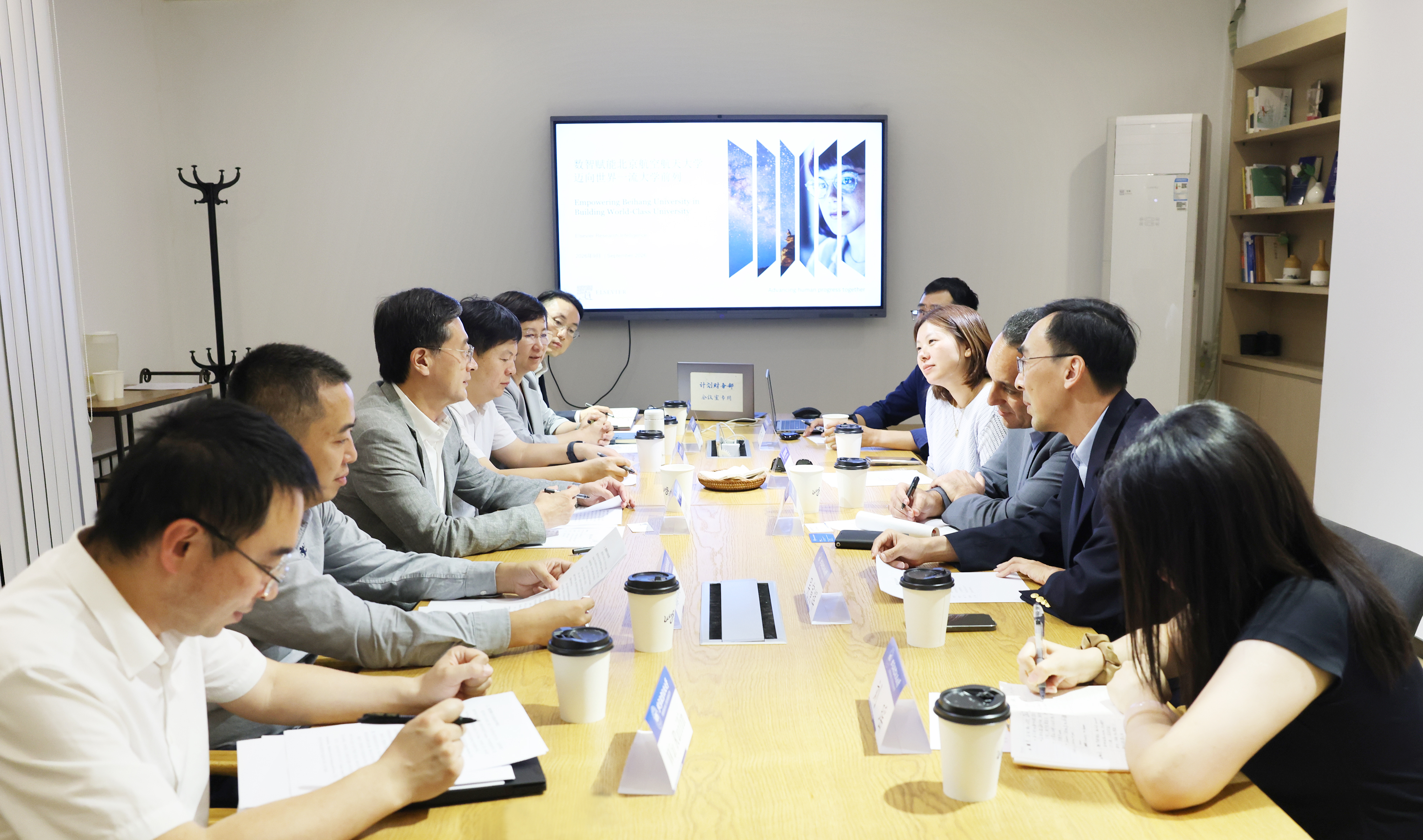 Beihang NewsElsevier Senior Vice President Said Taha visits Beihang UniversityMore
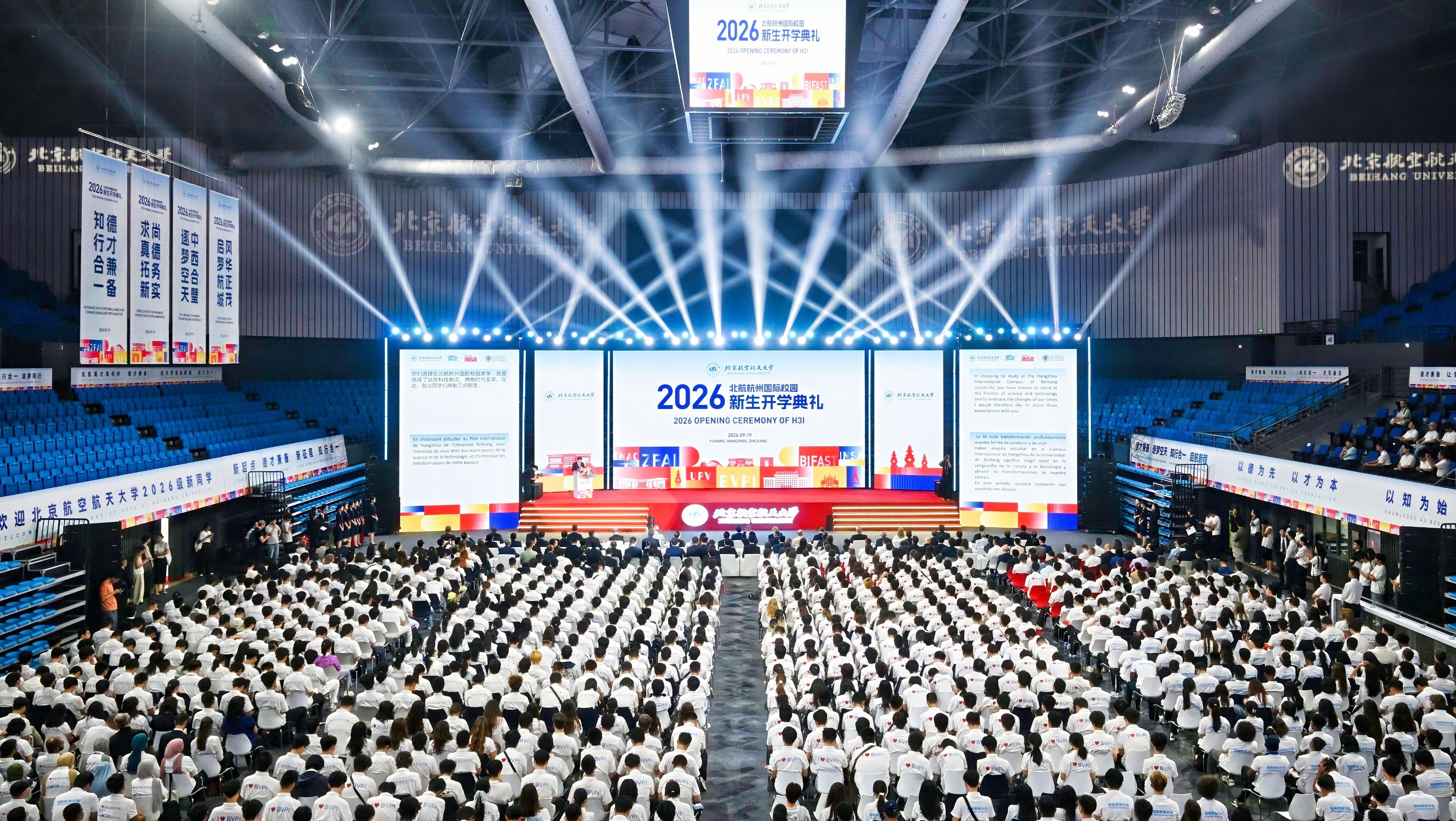 Beihang NewsPresident Wang Yunpeng visits Hangzhou to advance university-city integration and attends opening ceremony of H3IMore
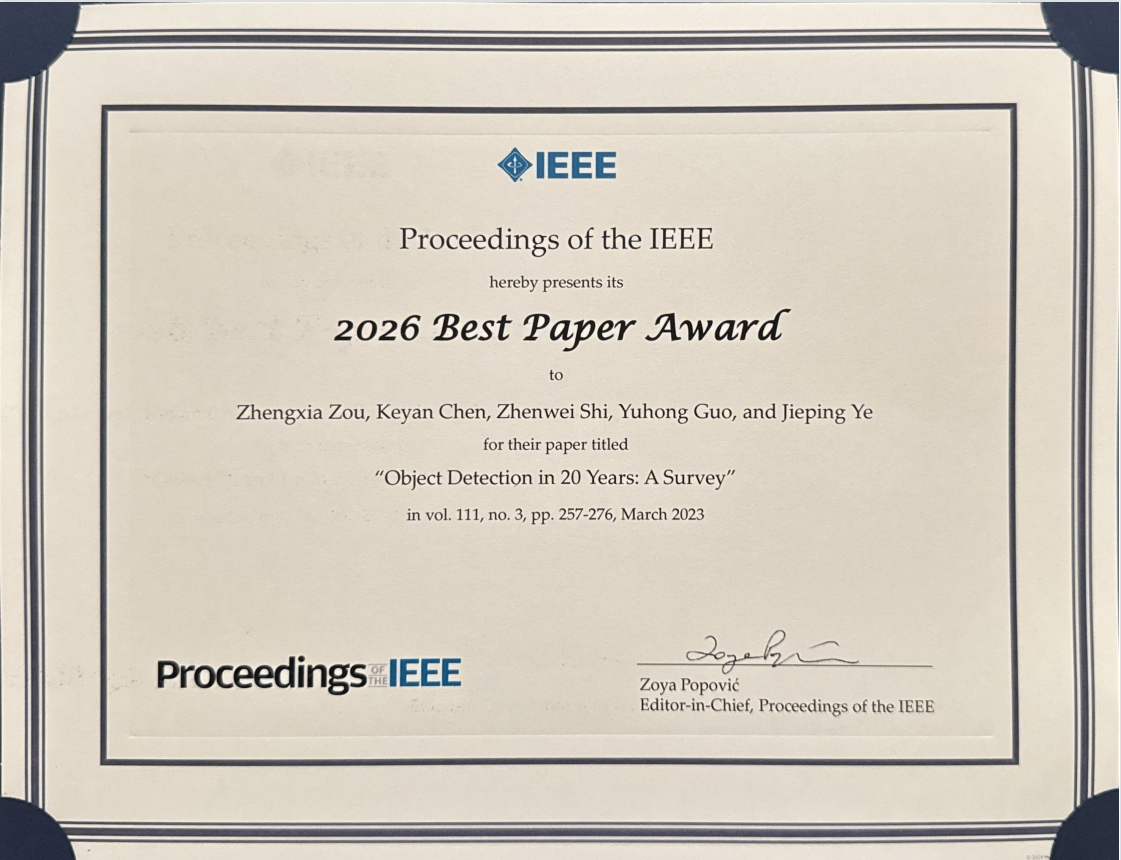 Beihang NewsBeihang team wins 2026 Best Paper Award from Proceedings of the IEEEMore