On January 17, with the theme "Cross-University Collaboration and Disciplinary Integration: Multiple Pathways for Cultivating Interdisciplinary Talent through Micro-Majors," a high-level forum was held at the Vision International Cultural Exchange Center in Beijing's Shahe Higher Education Park.
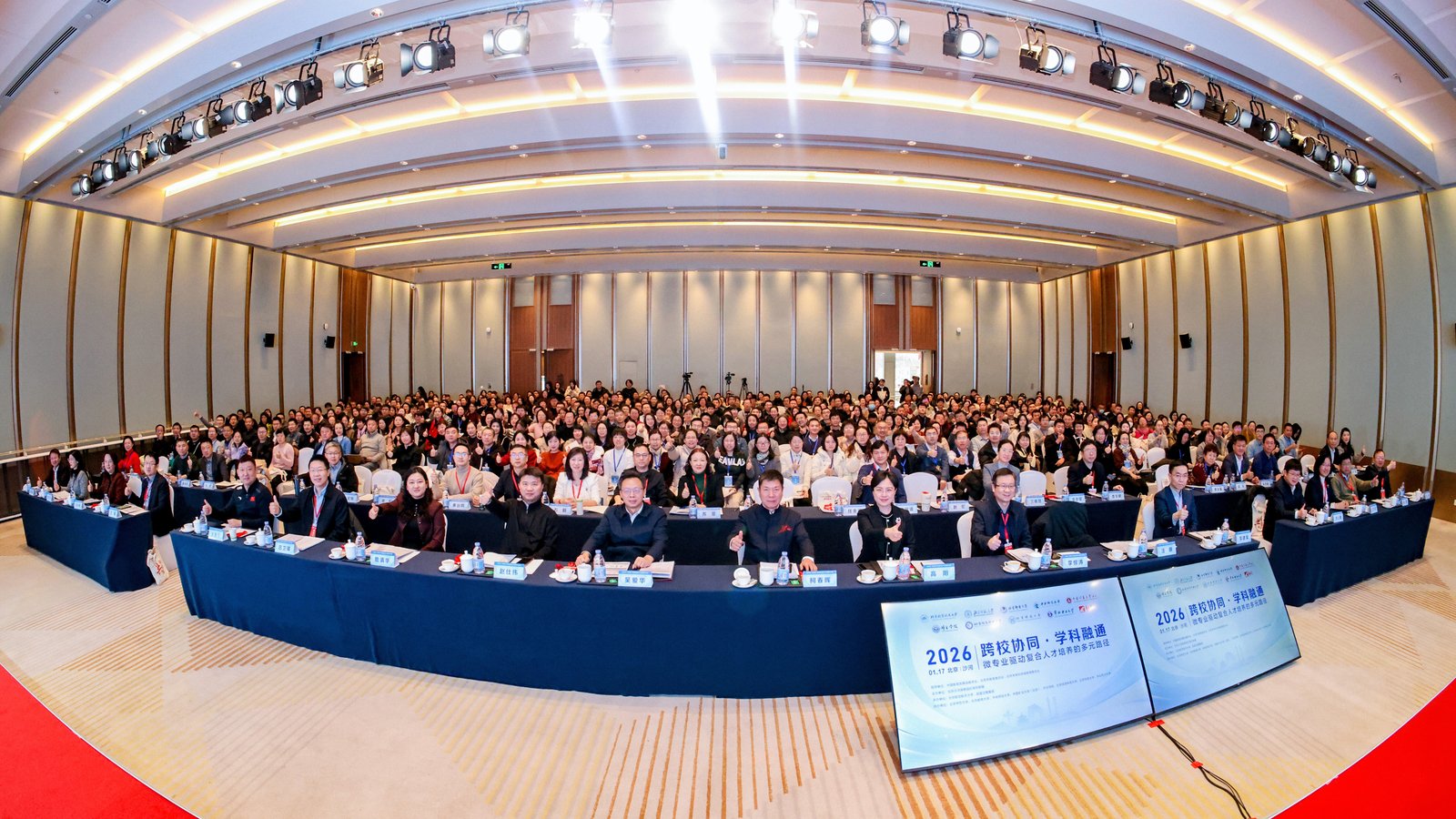
The forum was hosted by the Beijing Shahe Higher Education Park University Alliance, organized by Beihang University, co-organized by member institutions including Beijing Normal University (BNU), Beijing University of Posts and Telecommunications (BUPT), Central University of Finance and Economics (CUFE), China University of Mining and Technology-Beijing (CUMTB), China Foreign Affairs University (CFAU), Beijing Information Science and Technology University (BISTU), University of Science and Technology Beijing (USTB), and North China Electric Power University (NCEPU), with support from Chaoxing Fanya Group.
The forum attracted over 450 participants, including educational experts, micro-major directors, frontline educators, and administrative staff from more than 180 universities across 28 provinces. Attendees gathered to discuss the core issues of micro-major development and envision the future of interdisciplinary talent cultivation.
Distinguished guests in attendance included: Wu Aihua, Deputy Director-General of the Department of College Students Affairs, Ministry of Education; Ke Chunhui, Executive Vice President and Secretary-General of the Chinese Society of Educational Development Strategy; Zhao Shiwei, Deputy Director of the Administrative Committee of Future Science City and Deputy Mayor of Changping District; Gao Yang, Deputy Mayor of Changping District; Zhan Qinghua, Director of the Career Services Office, Department of College Students Affairs, Ministry of Education; Li Jingtao, Director of the Department of Higher Education of the Beijing Municipal Education Commission; Lyu Weifeng, Vice President of Beihang University; Wang Ming, Vice President of BNU; Wang Luning, Vice President of USTB; Li Jianjun, Vice President of CUFE; Wang Yuan, Vice President of BUPT; Liu Yunpeng, Vice President of NCEPU; Li Hongmei, Vice President of CFAU; and Wang Xingfen, Vice President of BISTU.
In his address, Wu Aihua emphasized that micro-major programs should focus on cultivating urgently needed, application-oriented, and interdisciplinary talent to enhance students' core employability. He urged universities to align program offerings with market demands, expand disciplinary coverage strategically, strengthen cross-university collaboration, and promote the sharing of course resources and practical platforms. He also highlighted the importance of deepening industry-academia cooperation and continuously improving the social recognition and impact of micro-major programs.
Lyu Weifeng noted that micro-majors serve as an important vehicle for optimizing disciplinary structures, enabling student-centered education, and responding to societal needs. He stated that the University Alliance is committed to breaking down inter-university disciplinary barriers and advancing the co-development and sharing of micro-major programs, forming an effective collaborative model led by the alliance and driven by member universities. As the chair institution of the alliance, Beihang will work with partners to drive the evolution of micro-major development from "isolated breakthroughs" to "systematic growth."
Ke Chunhui shared three reflections and suggestions: micro-major programs must maintain a strategic focus to avoid trend-chasing and excessive expansion; empower collaboration by encouraging deep participation from universities, social organizations, and industry leaders; and strengthen quality assurance mechanisms to enhance the practicality and cutting-edge nature of course teaching.
Li Jingtao fully affirmed the positive role played by the University Alliance in promoting the coordinated development of regional higher education. He emphasized that to advance the in-depth and substantive development of micro-major construction, it is essential to adhere to demand-driven principles, deepen collaborative mechanisms, and consolidate the quality of talent cultivation to ensure the academic value of the courses.
Zhao Shiwei highlighted the significant role of micro-majors in breaking down disciplinary barriers, sharing high-quality resources, and nurturing talents urgently needed by the nation. He stated that the local authorities will fully support and actively participate in the development of the University Alliance, further strengthen the collaboration between university and local authorities, promptly address the concerns of universities, advance the high-quality construction and development of the park, and provide strong support for the development of micro-majors and universities.
Professor Xu Lei, former Vice President of Fudan University, delivered a keynote speech titled "Key Terms in the Transformation of Talent Cultivation Paradigms in the AI Era." From both theoretical and practical perspectives, he profoundly analyzed the internal logic and development trends of educational transformation, sparking extensive reflection among attendees.
Qian Zheng, Director of the Secretariat of the Shahe Higher Education Park University Alliance and Dean of the Department of Academic Affairs at Beihang University, systematically elaborated on the "Construction Ideas and Implementation Strategies of a Micro-Major Sharing Mechanism in the Context of Interdisciplinary Integration—Based on the Practices of the Shahe Higher Education Park University Alliance." He shared the phased achievements of the alliance in inter-university resource sharing, as well as the top-level design and practical insights into the development of micro-majors.
During the forum, the Launch Ceremony for the First Batch of Shared Micro-Majors of the Shahe Higher Education Park University Alliance was held, with nine shared micro-majors officially announced. This milestone marks a significant evolution from course-sharing to major-sharing and reflecting a new level of collaborative education.
During the presentation session, leaders from multiple universities shared their unique insights and practices in professional program development. Wang Ming delivered a presentation themed "The Construction and Practice of a Self-Reliant Talent Cultivation System in the New Era." Li Jianjun shared insights on "Meeting the Demands of the Times and Deepening Collaborative Innovation: The Exploration and Practice of Joint Bachelor's Degree Programs at CUFE." Wang Xingfen introduced the "Exploration, Practice, and Characteristic Innovation of Micro-Major Talent Cultivation" of BISTU. Shi Chao, founder and chairman of Chaoxing Group, elaborated on "Scenario-Driven, Digital Intelligence Empowerment: Micro-Major Development and Teaching Model Reform" from an industry perspective.
The afternoon sessions focused on diverse and innovative approaches to micro-major development. Representatives from China Agricultural University (CAU), Dalian University of Technology (DUT), CFAU, Jilin University (JLU), NCEPU, and other institutions delivered thematic reports on their micro-major initiatives respectively. These presentations highlighted the distinctive features and substantial achievements of micro-major development across various universities, offering valuable experiences and references for the attendees.
Through various forms such as policy interpretation, achievements announcement, experience sharing, and cross-disciplinary exchanges, this forum fostered a consensus on development, pooled innovative practices, and established a high-level platform for academic exchange and practical discussion. The participants unanimously agreed that micro-majors serve as a crucial vehicle for promoting inter-university collaboration and disciplinary integration, as well as a key pathway for cultivating versatile, innovative, and urgently-needed talent capable of addressing future challenges.
Taking this forum as an opportunity, the University Alliance will continue to deepen inter-university collaborative mechanisms, enhance resource-sharing platforms, and promote the more standardized, distinctive, and coordinated development of micro-majors. This effort aims to contribute to the high-quality development of higher education and cultivate more top-notch innovative talent for national strategic needs, thereby strengthening the alliance's role in advancing these goals.
Editors: Lyu Xingyun, Liu Tingting


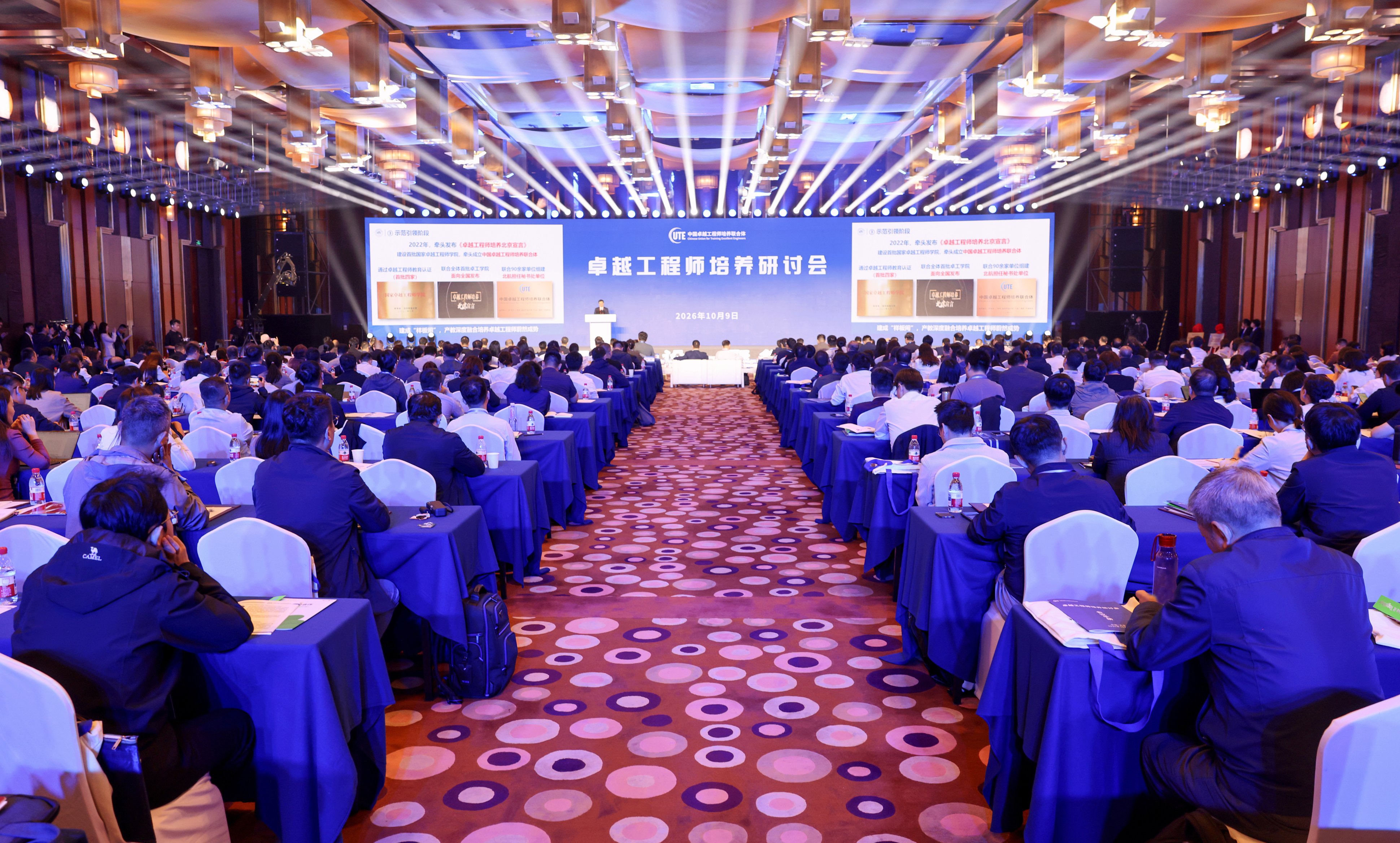 Beihang News2026 Symposium on Excellent Engineer Training held in BeijingMore
 Beihang NewsProfessor Liu Mingjie's team publishes article in Science, revealing high-modulus toughening mechanism in nacreMore
 Beihang NewsWang Yunpeng appointed Secretary of the CPC Beihang University CommitteeMore
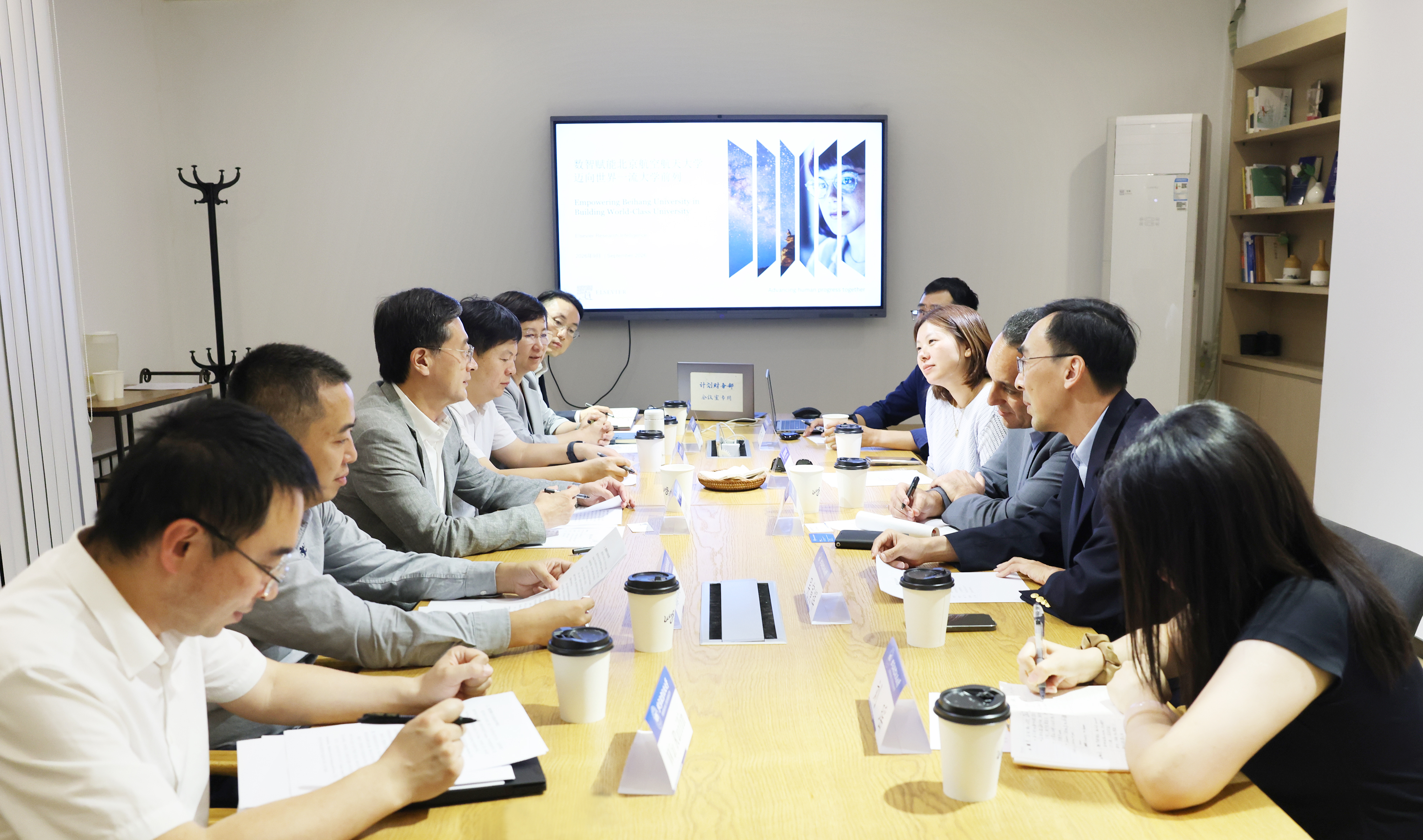 Beihang NewsElsevier Senior Vice President Said Taha visits Beihang UniversityMore
 Beihang NewsPresident Wang Yunpeng visits Hangzhou to advance university-city integration and attends opening ceremony of H3IMore
 Beihang NewsBeihang team wins 2026 Best Paper Award from Proceedings of the IEEEMore