A research team from the School of Energy and Power Engineering at Beihang University has published a significant study in Nature Energy that addresses a decade-long materials challenge in high-temperature polymer electrolyte membrane fuel cells (HT-PEMFCs). The work establishes a new world record for HT-PEMFC performance, marking the first time that these devices have simultaneously achieved power output and durability levels competitive with low-temperature fuel cell systems.
Zhang Zhenguo, a doctoral student at Beihang's School of Energy and Power Engineering, is the first author of the paper. The corresponding authors are Professor Lu Shanfu, Professor Xiang Yan, and Associate Professor Zhang Jin, all from the same school.
The Long-Standing Challenge
HT-PEMFCs operate at temperatures between 140°C and 200°C, offering inherent tolerance to fuel impurities and simplified thermal and water management. These advantages make them highly attractive for heavy-duty vehicles, marine applications and aerospace device. Phosphoric acid-doped polymer electrolyte membranes (PA/PEMs), especially commercialized polybenzimidazole (PA/PBI) membranes, set a standard for anhydrous proton conduction at elevated temperature. However, the power density of HT-PEMFCs with PA/PEMs lags far behind that of low-temperature PEMFCs with perfluorosulfonic-acid (PFSA) membranes.
Conventional HT-PEMFCs rely on PA/PBI membranes to conduct protons. While phosphoric acid enables anhydrous proton conduction at high temperatures, it severely plasticizes the PBI matrix, drastically reducing the membrane's mechanical integrity. To maintain usable mechanical strength, these membranes must be relatively thick (typically >50 μm) to counteract H3PO4-induced mechanical degradation, leading to ohmic losses that limit fuel cell performance. Thus, the main challenge is to reduce membrane thickness and ohmic resistance while retaining sufficient phosphoric acid and maintaining mechanical robustness and long-term stability under operating conditions.
A Dynamic Cu-Ion Crosslinking Strategy
To address this challenge, Professor Lu Shanfu's team reports a 20-μm-thin, mechanically robust phosphoric acid-doped membrane incorporating dynamic Cu-ion crosslinking for HT-PEMFCs. The dynamic Cu-polymer coordination establishes dynamic crosslinking networks that provide exceptional toughness and extensibility, alongside spontaneous self-healing capability. Simultaneously, the Cu ions improve H3PO4 retention and proton dissociation through electrostatic interactions and polarization of O-H bonds in H3PO4 molecules.
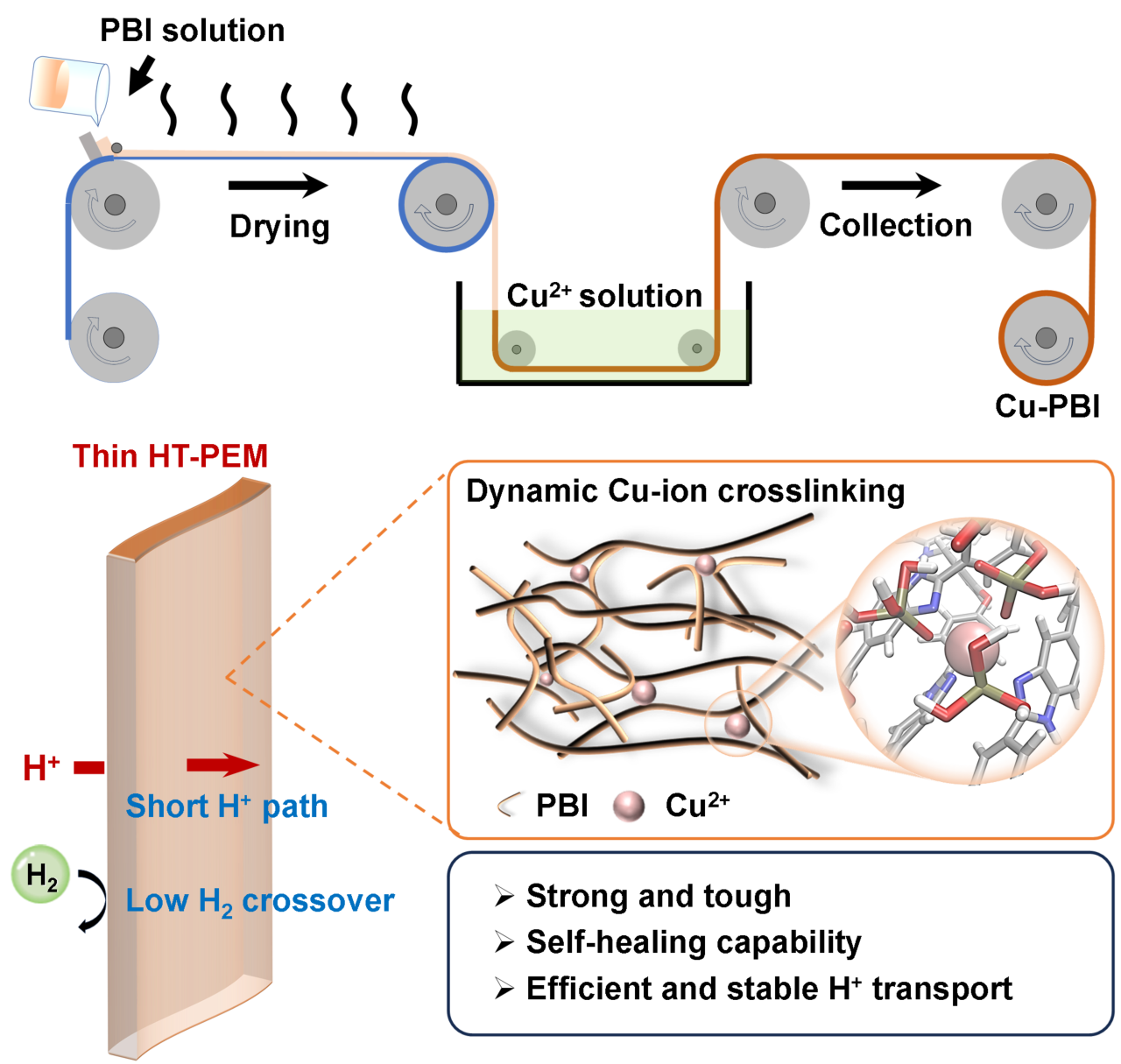
Figure 1. Design of thin dynamic crosslinking PEMs for HT-PEMFCs
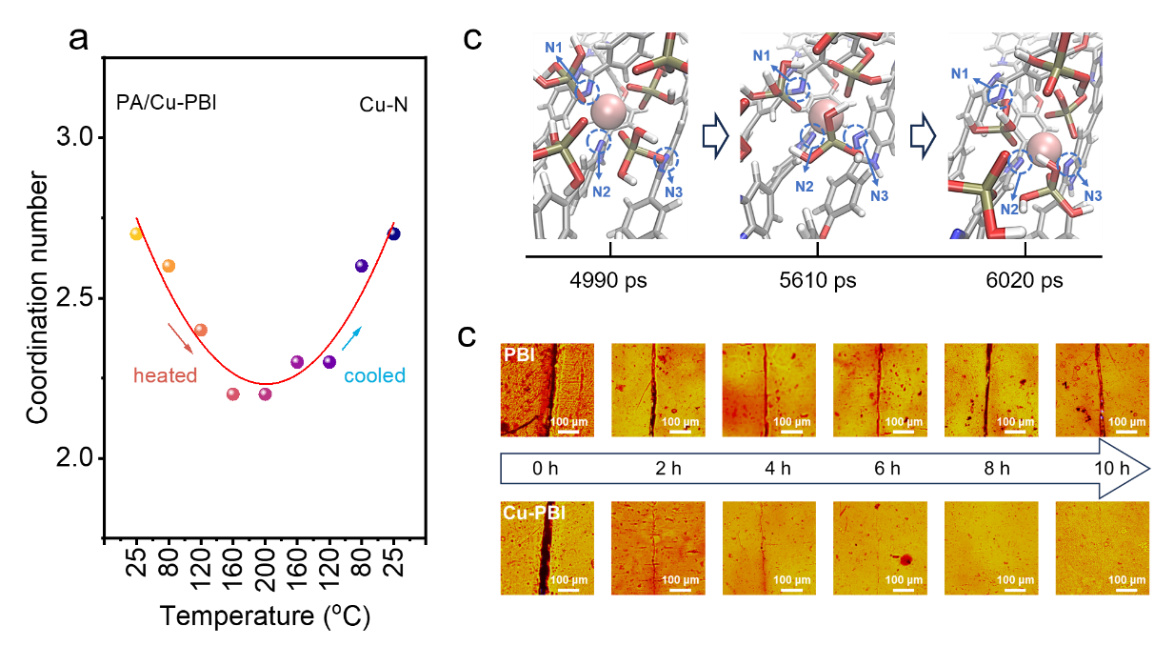
Figure 2. Dynamic Cu-N coordination structure and self-healing properties
Record-Breaking Fuel Cell Performance
The resulting thin membranes exhibit minimal ohmic resistance (0.06 Ω cm2) while maintaining low H2 crossover current density (0.95 mA cm−2). Fuel cells incorporating this membrane achieved a peak power density of 3.08 W cm−2 at 200 °C (H2/O2), with negligible degradation over 503 h at 1.0 A cm−2 and 160 °C.
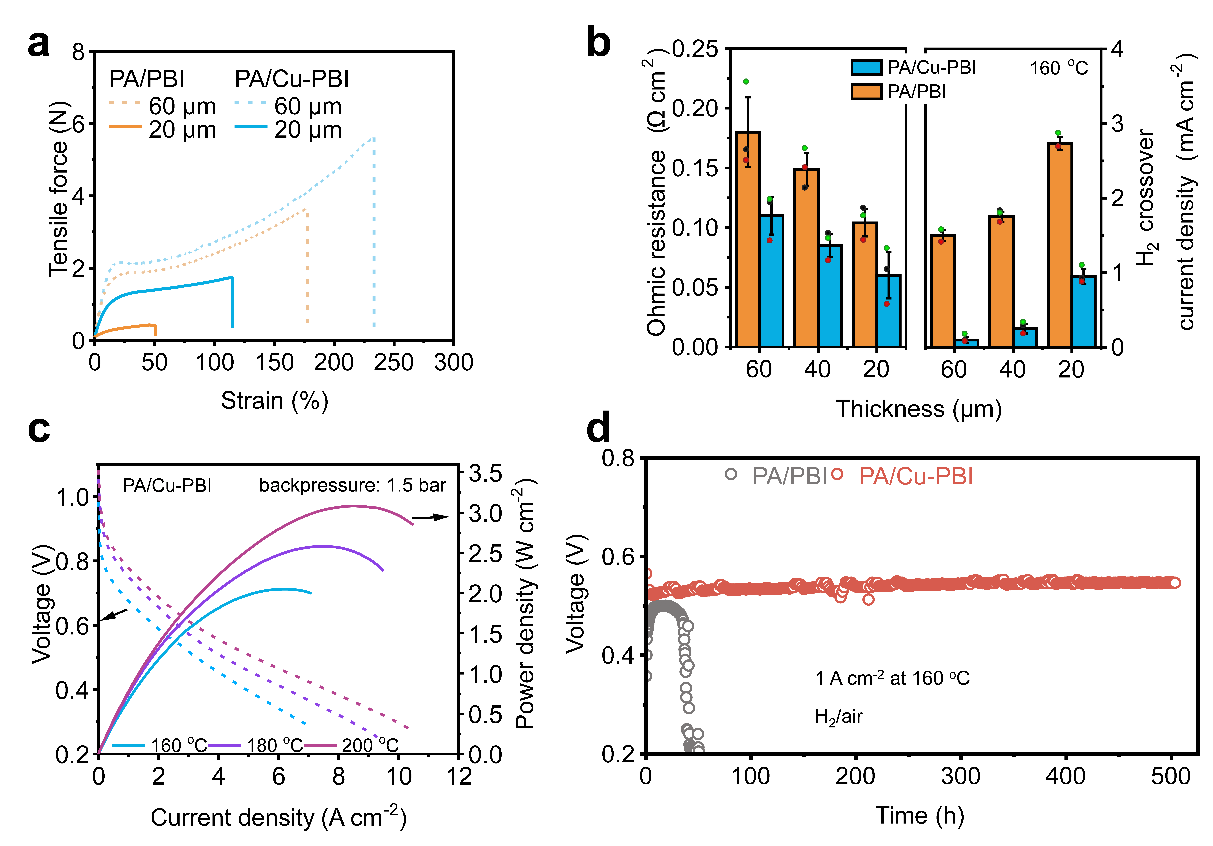
Figure 3. Performance characterization of dynamic Cu-ion crosslinked membranes
Implications for the Future of HT-PEMFCs
This work successfully resolves the long-standing challenges of ultra-thin phosphoric acid-doped membranes: poor mechanical strength, high hydrogen crossover, and severe acid leaching. By enabling both high power density and long-term durability, the dynamic Cu-ion crosslinked membrane removes the most critical material barrier to practical HT-PEMFC deployment in heavy-duty, marine, and aerospace applications.
The research was supported by the National Key Research and Development Program of China, the National Natural Science Foundation of China, and the Beijing Nova Program.
Link to the article: https://www.nature.com/articles/s41560-026-02049-y
Editor: Lyu Xingyun


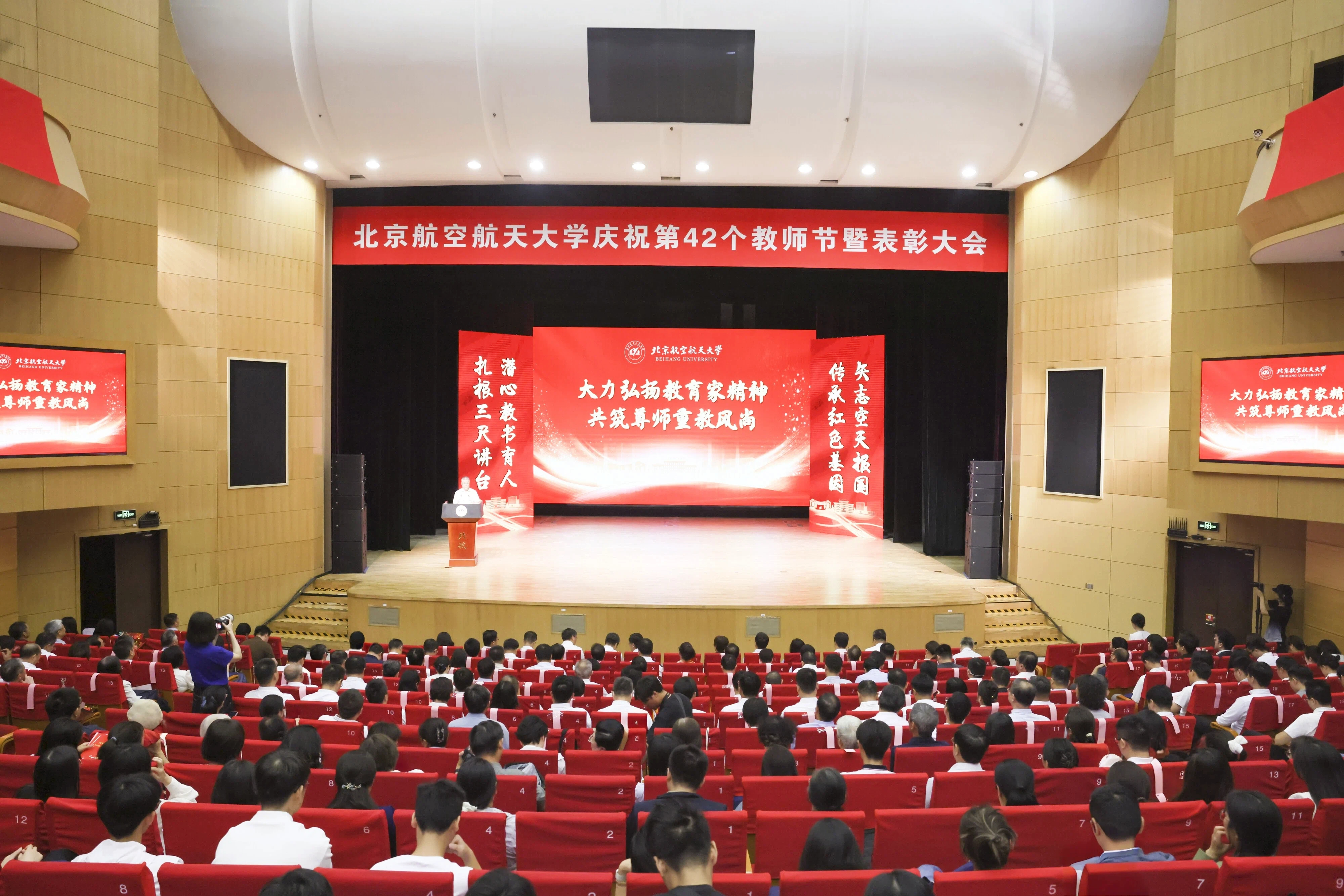 Beihang NewsBeihang celebrates 42nd Teachers' DayMore
 Beihang NewsBeihang's first student-designed human-powered aircraft completes test flightMore
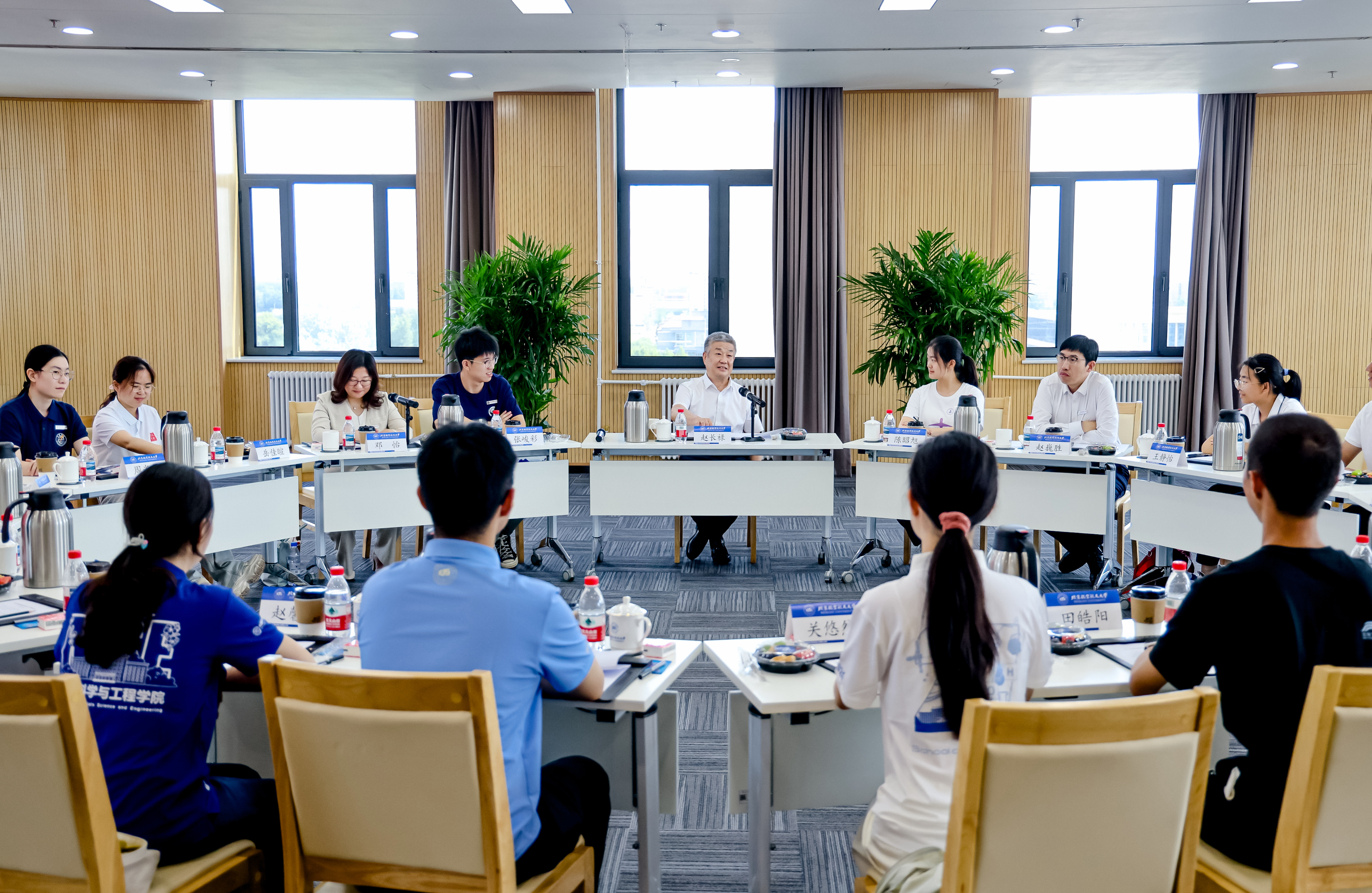 Beihang NewsBeihang leaders engage in dialogue with new undergraduate and graduate student representativesMore
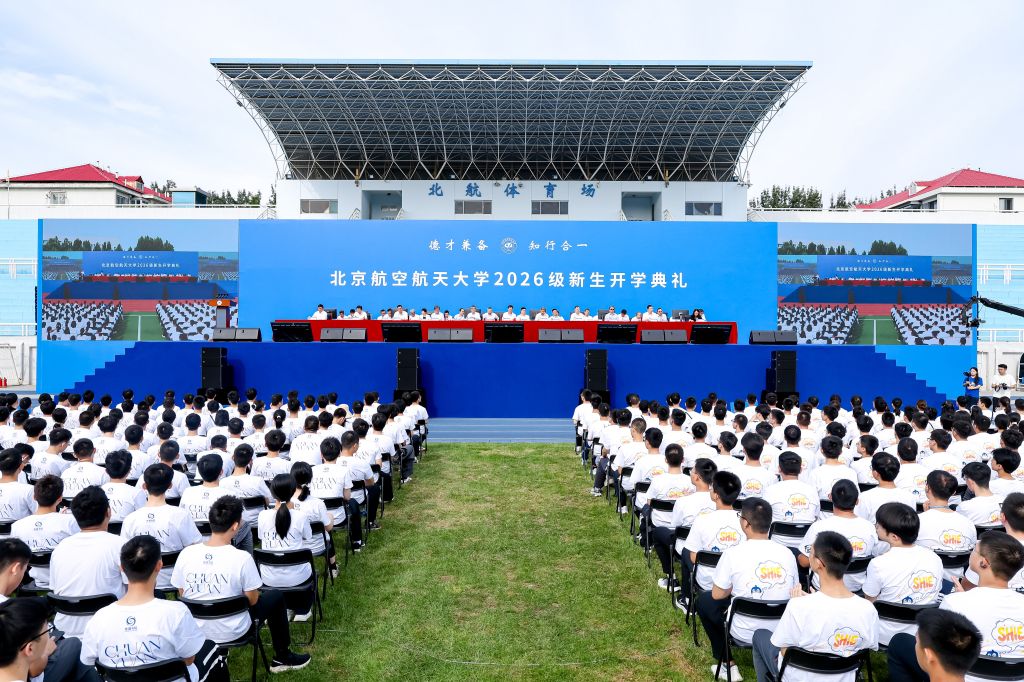 Beihang NewsBeihang University holds 2026 opening convocation to welcome new studentsMore
 Beihang NewsBeihang University welcomes 9,022 new graduate studentsMore
 Beihang NewsProfessor Yu Shui wins Best Screenplay Award at 21st Changchun Film FestivalMore