Beihang University made a remarkable appearance at the 2025 World Digital Education Conference (WDEC), held in Wuhan, Hubei Province, showcasing its cutting-edge advancements in AI-powered education. The conference, themed "Educational Development and Transformation: The Era of Intelligence," aligned with the United Nations’ global education reform initiatives, calling for collaborative efforts to reshape education in the age of artificial intelligence.
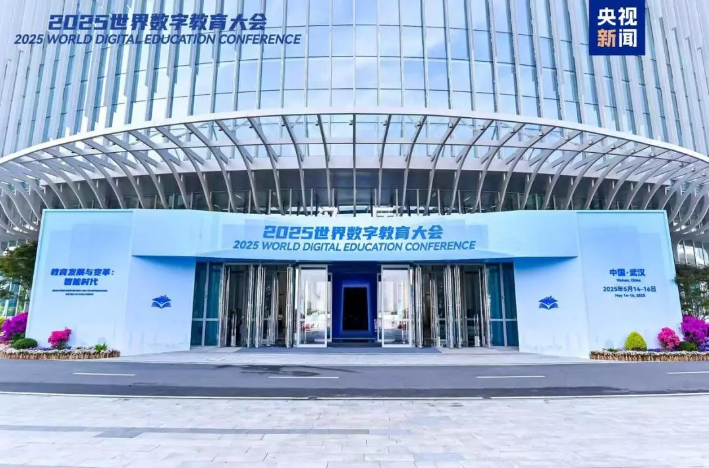
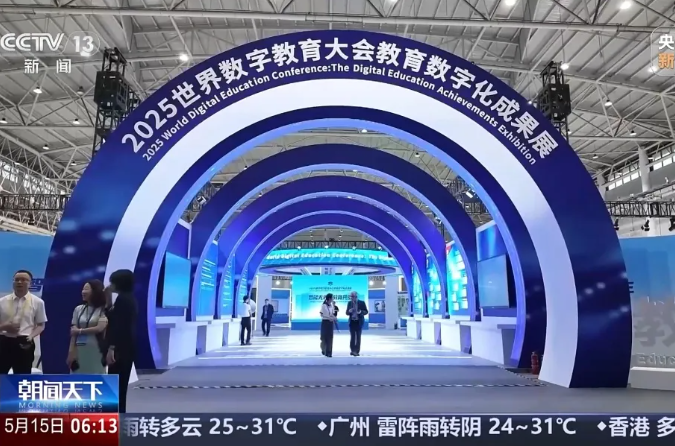
As one of only four universities selected for a physical exhibition in the higher education sector, Beihang spotlighted its lunar-based immersive ubiquitous teaching platform, blending AI-driven instruction with virtual simulation experiments. The university also hosted live demonstrations for the Western China Online Course Initiative, highlighting its leadership in AI-enhanced teaching, learning, and virtual simulation technologies.
The opening ceremony featured a groundbreaking "Future Classroom" demonstration, the only applied case presented globally, developed jointly by Beihang and its partners. Centered on computational biology, the session used the mpox virus as a case study, showcasing cross-border, interdisciplinary collaboration among 90 teachers and students from 23 countries. Leveraging AI, virtual simulation, and industrial software, participants explored protein structure prediction and drug molecule design, redefining the roles of teachers as "learning ecosystem designers," students as "autonomous knowledge builders," and AI as a "cognitive super-lever."

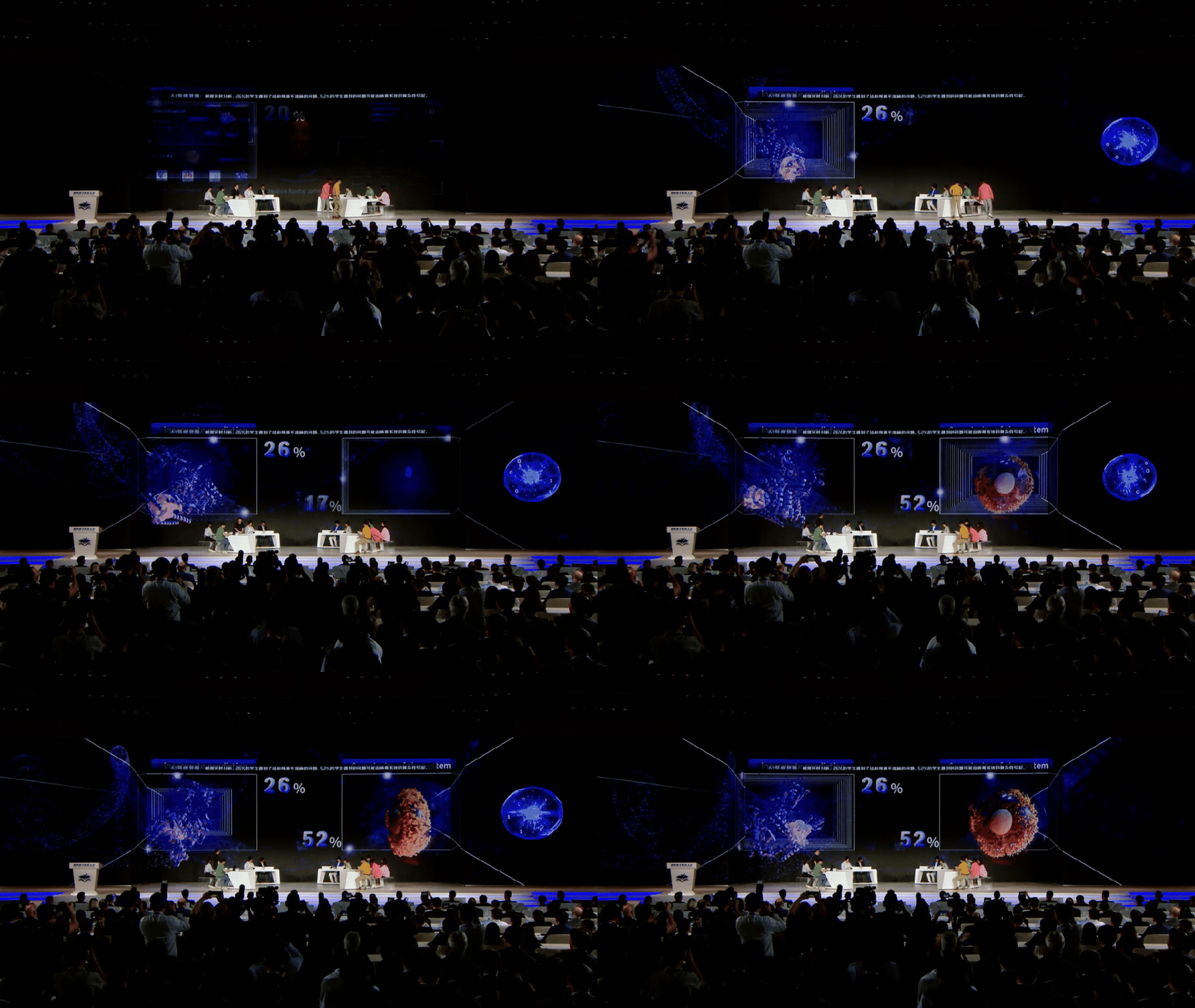
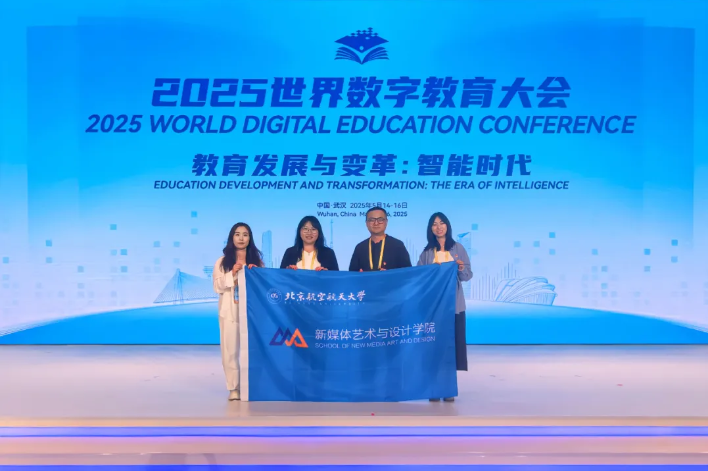
Beihang’s School of New Media Art and Design played a pivotal role in designing the classroom’s visual and interactive framework. Led by Professor Hu Yong, the team innovatively utilized dynamic data visualizations, 3D protein renderings, and an immersive 38-meter LED display to illustrate the teacher-student-AI interactions. This project reflects the school’s commitment to merging art, technology, and storytelling, as seen in their prior work for the China National Space Administration’s virtual exhibitions and UNESCO-listed intangible cultural heritage platforms.

At the Digital Education Achievements Exhibition, which was held concurrently at the Wuhan International Expo Center, Beihang’s "Lunar-Based Immersive Ubiquitous Teaching Platform" captured global attention. Developed by Associate Professor Cui Yong’s team from the School of Automation Science and Electrical Engineering, the platform combines digital twin, augmented reality, and smart interaction technologies to simulate lunar exploration and transport scenarios.
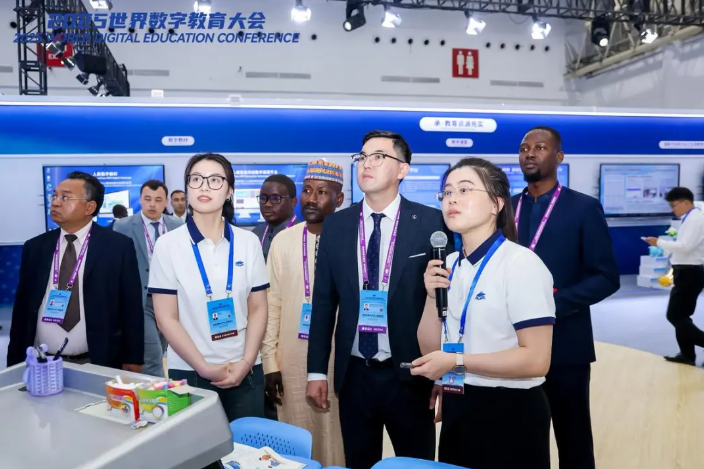
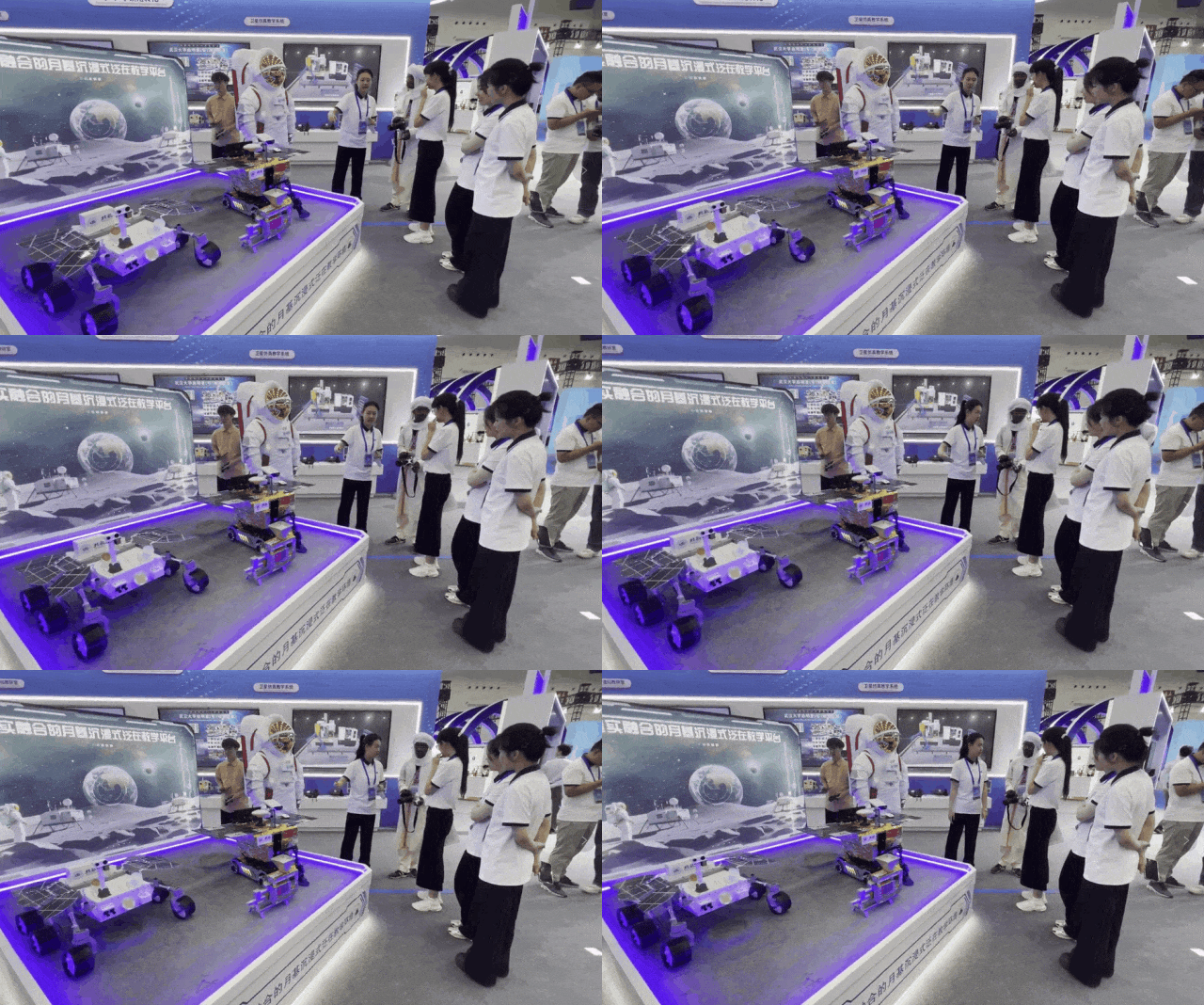
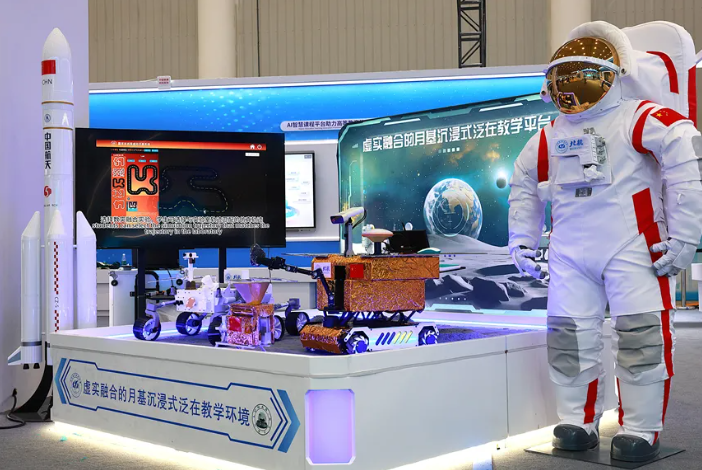
At the exhibition, a scaled-down sandbox and video presentation showcased the platform’s capabilities, including lunar environment simulation, obstacle navigation, and scientific task execution by a 1:5 scale lunar rover. The exhibition also featured an AI teaching assistant system for personalized learning assessment, combining immersive sandbox displays, multimedia interactions, and dynamic demonstrations to highlight Beihang’s innovative approach to cultivating top-tier talent.

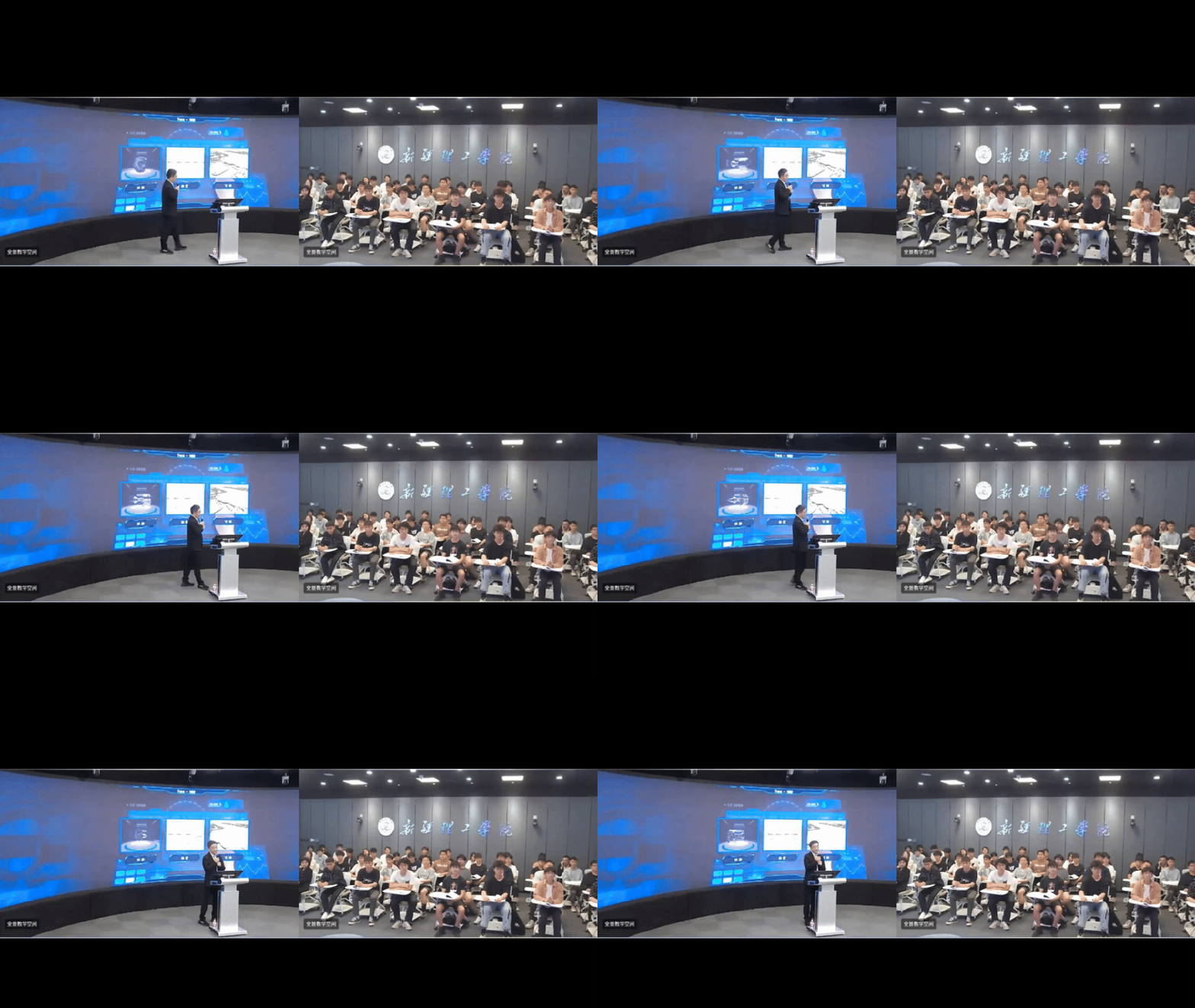
In a live cross-country session, Associate Professor Chen Lu from the School of Mechanical Engineering and Automation delivered a virtual simulation class on "Virtual Simulation Experiment for Aero-Engine Pulsed Assembly Lines," connecting with Xinjiang Institute of Technology 3,000 km away. This initiative, part of China’s MOOCs Westward Plan, exemplifies Beihang’s commitment to bridging educational gaps through digital tools.
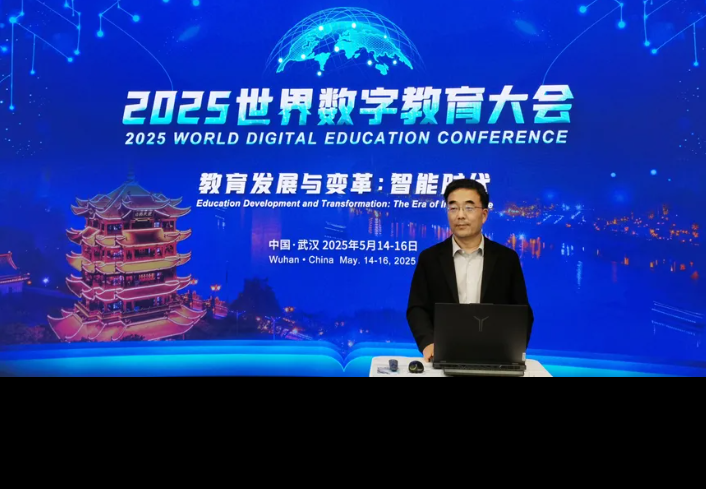
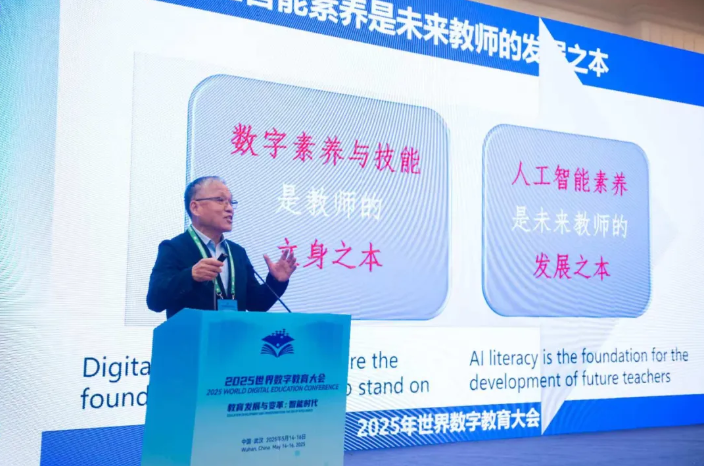
Xiong Zhang, a professor at Beihang University and Director of the National Research Institute for Teaching Materials (Information Science and Technology for Primary and Secondary Education), emphasized "AI literacy" as the cornerstone of future teaching during a parallel forum. He outlined the shift from digital competence to AI proficiency, urging educators to adapt to intelligent-era demands.
Beihang’s participation showcases its innovative contributions to digital education. Through its lunar platform, future classroom prototypes, and cross-border MOOCs, the university is shaping the next paradigm of intelligent, inclusive learning.
Editors: Han Xu, Lyu Xingyun


 Beihang NewsBeihang holds 2026 Commencement and Degree Conferral CeremonyMore
 Beihang NewsBeihang hosts 2026 Campus Open Day & Admissions Information Session across three campuses in Beijing and HangzhouMore
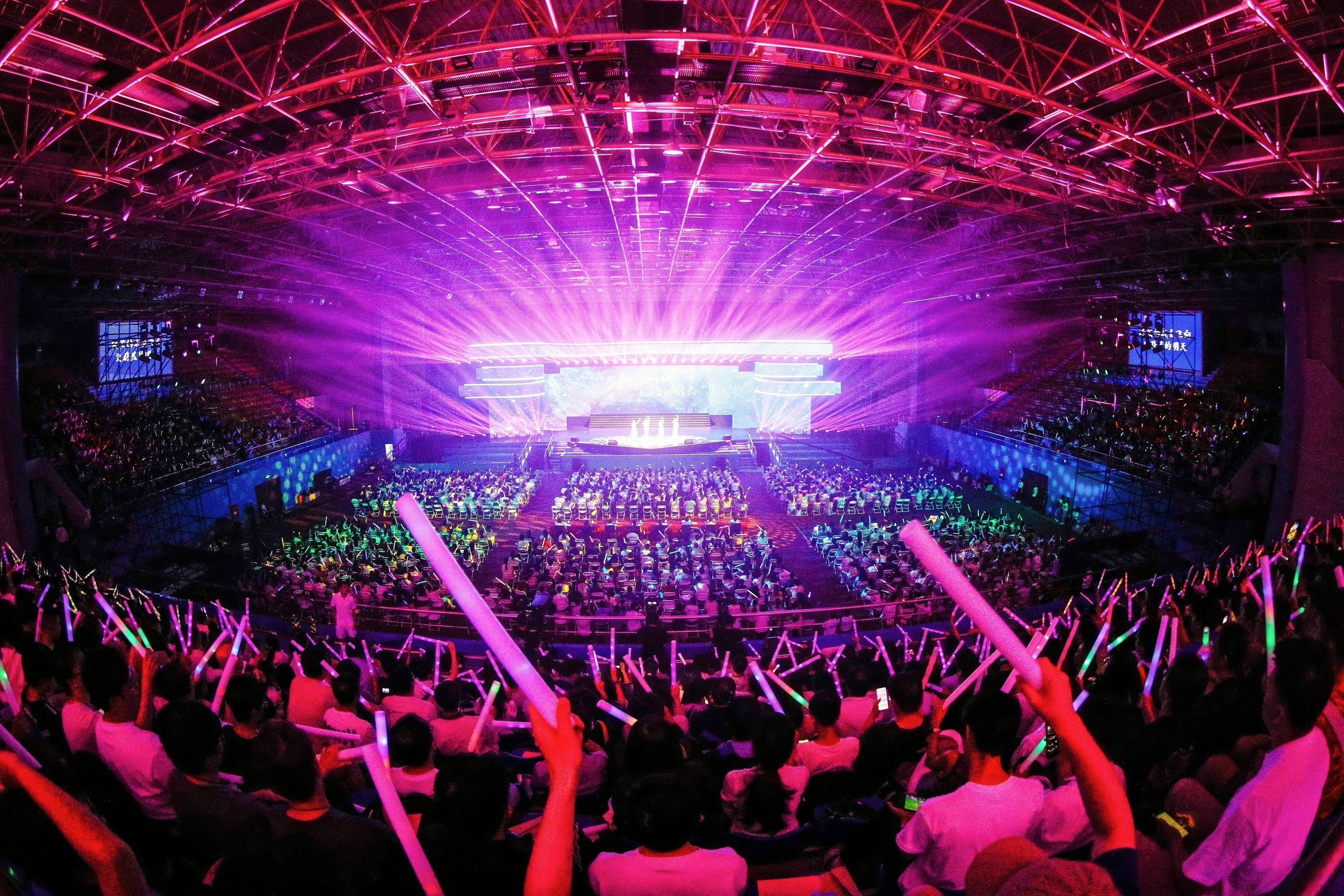 Beihang NewsBeihang University holds graduation gala for Class of 2026More
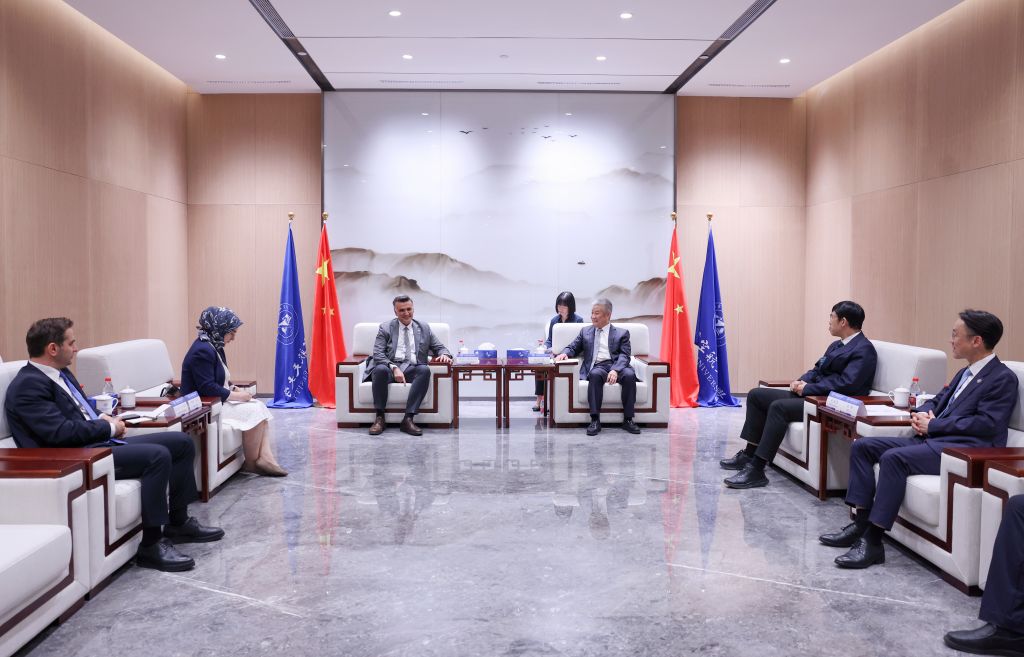 Beihang NewsMETU President Ahmet Yozgatlıgil visits Beihang UniversityMore
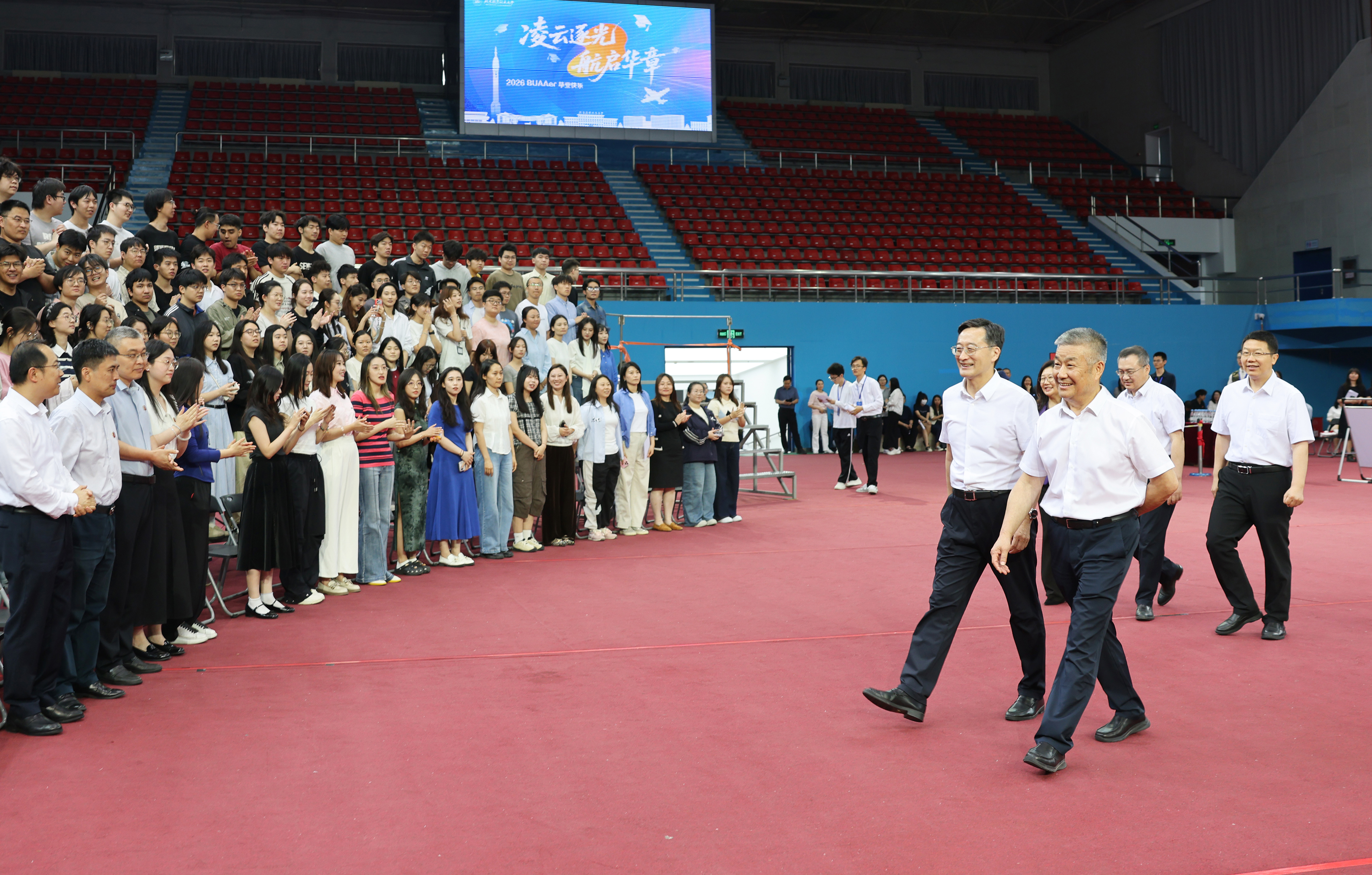 Beihang NewsUniversity leaders take group photos with 2026 graduatesMore
 Beihang NewsTrio Hélios Piano Concert staged at BeihangMore