Looking back at 2025, Beihang University has selected its top 10 news via online voting and comprehensive expert evaluation. The results are now officially announced.
1. Beihang thoroughly implements the spirit of the fourth plenary session of the 20th CPC Central Committee, making steady progress in building a world-class university with Chinese characteristics
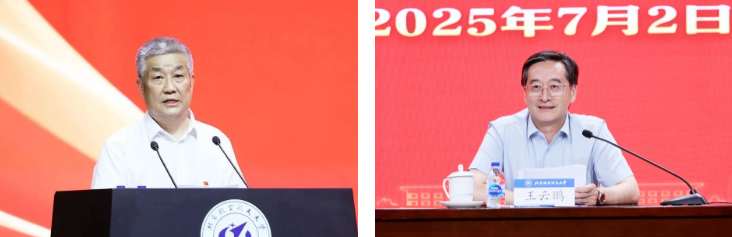
In 2025, guided by Xi Jinping Thought on Socialism with Chinese Characteristics for a New Era, Beihang regarded the comprehensive study and implementation of the spirit of the fourth plenary session of the 20th CPC Central Committee as a crucial task, promptly convened meetings of the Standing Committee of the University Party Committee and an expanded session of the Party Committee's theoretical study group. The Party Committee Secretary also organized a collective lesson preparation session for ideological and political courses, sparking a wave of intensive learning through practical implementation. Additionally, the university diligently implements the eight-point decision on improving Party and government conduct, advancing the high-quality development of the university through high-standard Party building initiatives.
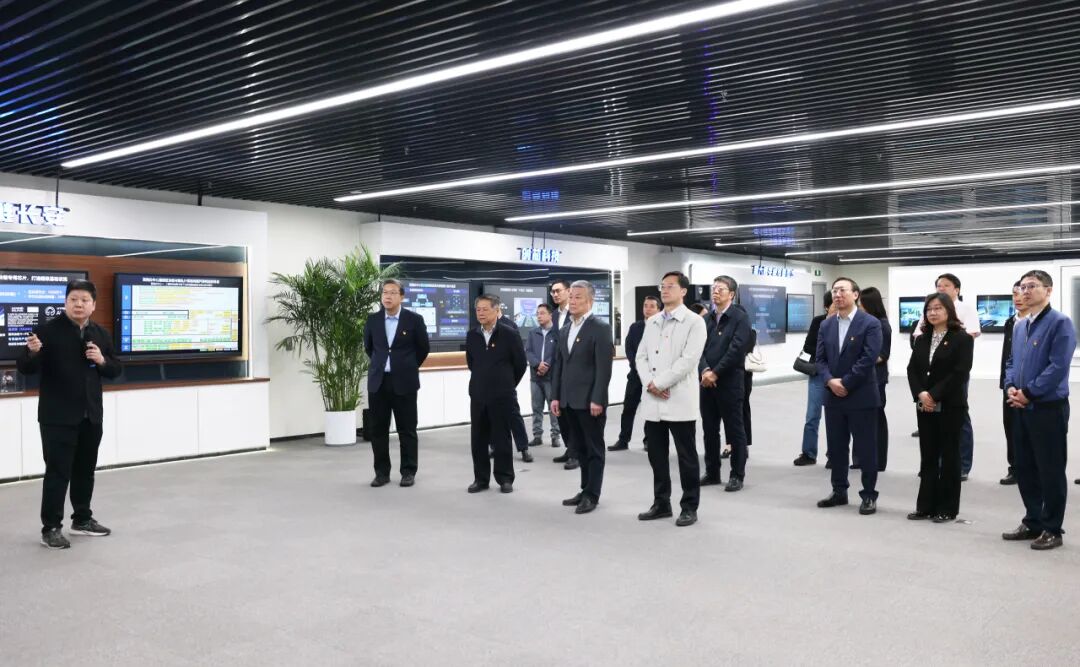
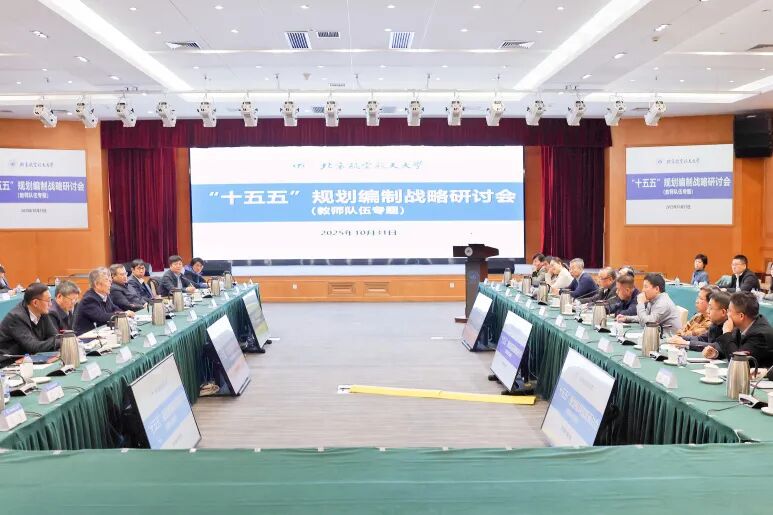
Beihang was among the first to be selected as a pilot institution for the comprehensive reform of higher education nationwide, systematically undertaking six pilot tasks in support of building a leading educational nation. Seizing the opportunity presented by the reforms, the university has strategically planned its development strategy for the "15th Five-Year Plan." It has coordinated the advancement of the construction of its Beijing Campus and the Hangzhou International Campus, actively promoted the planning of the Xiong'an Campus, and continued to deepen collaborations between the university and local governments, enterprises, and other institutions. A new pattern of synergistic, integrated development across its four campuses in three locations has further taken shape.
Since the beginning of the "14th Five-Year Plan," the university has consistently adhered to the socialist orientation of education, with serving the nation as its highest pursuit. It has successfully accomplished the goals and tasks outlined in the "14th Five-Year Plan," achieving significant breakthroughs in key performance indicators and yielding a wealth of landmark accomplishments. The university's operational capabilities and governance efficacy have been systematically enhanced, firmly positioning its development momentum among the forefront of the Chinese higher education institutions. Steady and solid progress has been made in building a world-class university with Chinese characteristics.
2. Beihang aligns disciplines with national needs, accelerating the advancement of academic development
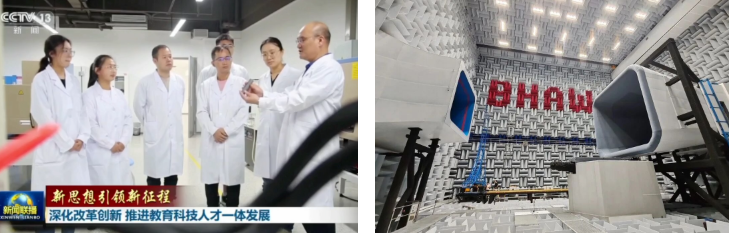
In 2025, the university coordinated the integrated development of disciplines, platforms, and research teams, emphasizing distinctiveness, quality, and impact orientation. The disciplinary ecosystem, characterized by the integration of aerospace, information technology, and the intersection of science, engineering, humanities, and medicine, has been further refined. To meet the demands of developing new quality productive forces, the university optimized its disciplinary layout by introducing the interdisciplinary field of Low-Altitude Intelligent Transportation Engineering. It took the lead nationally in establishing urgently needed majors such as Low-Altitude Technology and Engineering and Embodied Intelligence, and set up a rapid-response mechanism for disciplinary and professional development aligned with national strategic priorities.
Four disciplines were selected for the "Top-Tier Discipline Cultivation Initiative." Aerospace Engineering discipline ranked first in the ShanghaiRanking for the eighth consecutive year. The university proactively established the College of Quantum Science and Technology, the Embodied Intelligent Robotics Institute, and the Aerospace Bionic Intelligence Institute. Thirteen science-education collaborative platforms were fully completed, and the "Intelligent Manufacturing Factory" officially commenced teaching operations. Over the past year, mainstream media have extensively focused on Beihang's optimization of its disciplinary and professional layout, with majors such as artificial intelligence, the low-altitude economy, and quantum technology attracting significant public attention.
3. Beihang focuses on enhancing the cultivation system for innovative talent, comprehensively improving the quality of talent development
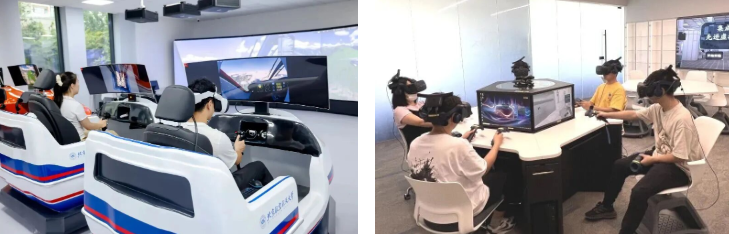
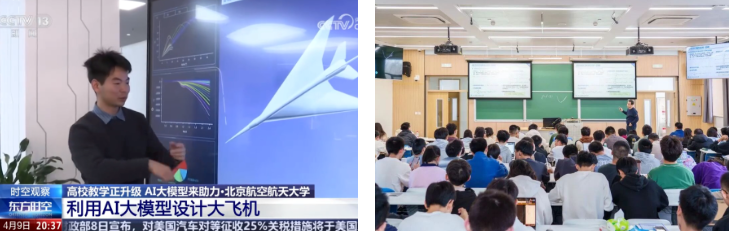
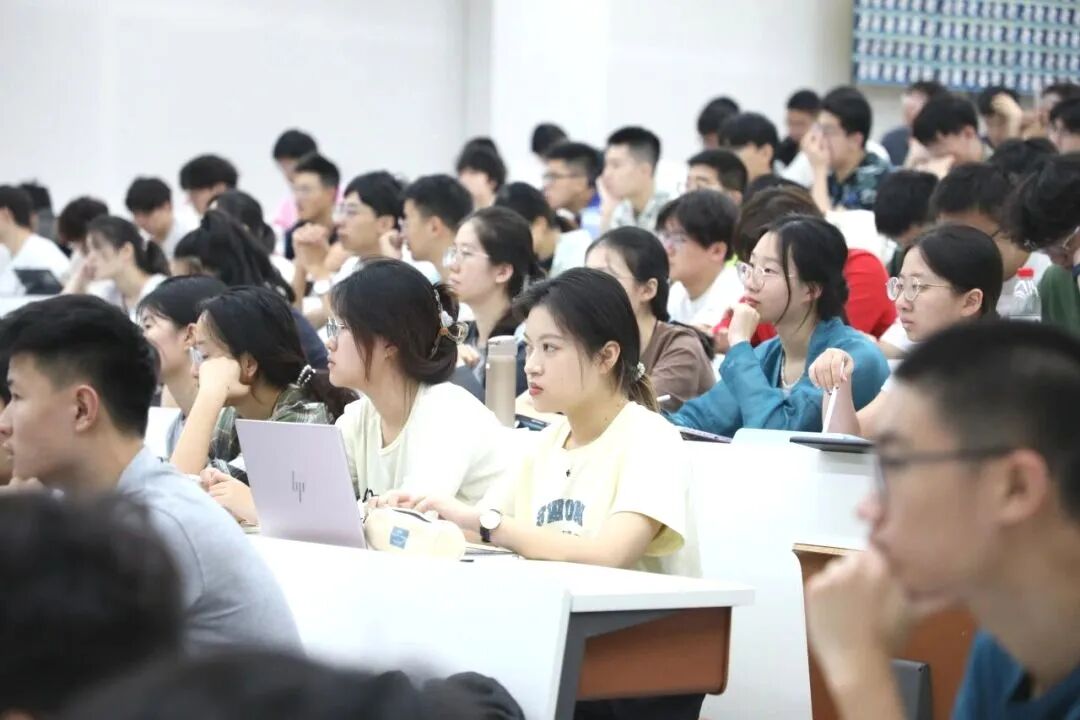
The university adheres to cultivating outstanding talents through first-class concepts, faculty, platforms, services, and culture, continuously improving the quality of education and teaching. It has fully implemented integrated cultivation models and promoted comprehensive evaluations of course quality to encourage distinguished faculty to teach renowned courses and compile high-quality textbooks. The university has also pioneered the establishment of a Future Learning Center as a demonstration initiative.
The proportion of nationally recognized first-class undergraduate programs has increased to 60%, while the number of national first-class undergraduate courses has risen to 97. The university has been selected for the National Huang Danian-style Teacher Teams for four consecutive times, and included in the National Outstanding Engineering Education Enterprise Mentor Groups for two consecutive times. Nine cases have been selected in pilot virtual teaching and research institutions and three cases selected in the exemplary application scenarios for "Artificial Intelligence + Higher Education" of the Ministry of Education, ranking among the top nationally. It was also selected as one of the first institutions with outstanding practical achievements in national excellent engineer cultivation.
To address national strategic needs and advance cutting-edge technology, the university has strengthened innovation in talent cultivation models and adopted extraordinary measures to nurture top-notch innovative talent. Four new majors were approved under the "Strengthening Basic Disciplines Program," making Beihang a national leader in the number of science and engineering majors covered by the program. In recent years, the university has been approved as one of the first national pilot colleges, a National Superior College for Engineers, a future technology college, and an exemplary software college with distinctive features. It has taken the lead in formulating certification standards for superior engineer education, with its cultivation scale ranking among the top in the country. For the first time, one individual earned a doctoral degree and eight earned master's degrees based on practical achievements. The quality of undergraduate students continues to reach new heights, with the undergraduate further-study rate exceeding 77% and the graduate employment rate surpassing 96%.
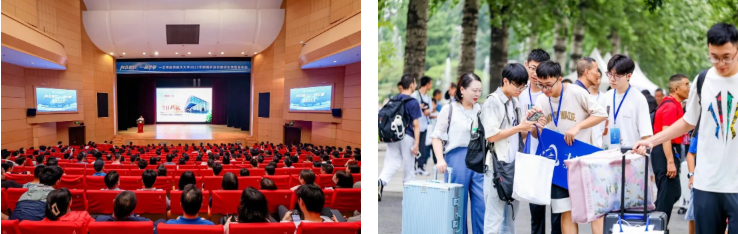
4. Beihang strengthens systematic innovation capacity, making more contributions in serving the national strategy
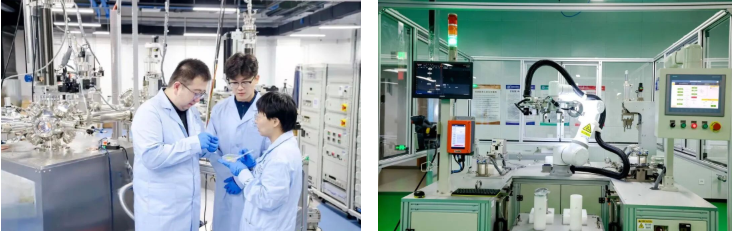
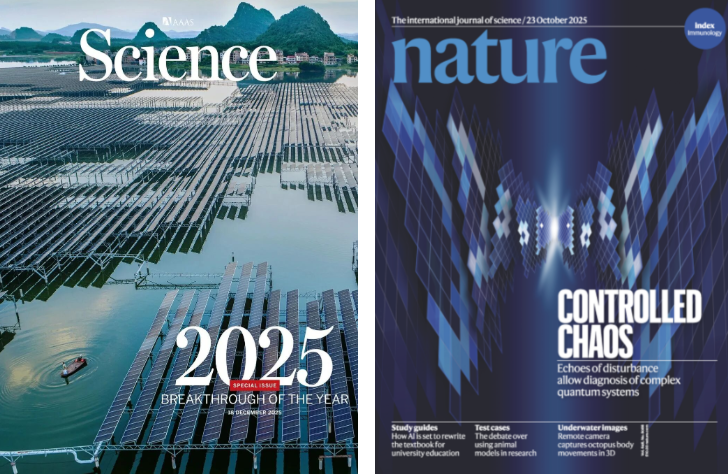
In 2025, the university continued to strengthen organized research efforts, coordinating the reinforcement of basic research and breakthroughs in key core technologies to provide robust support for achieving high-level self-reliance in science and technology. Major projects and achievements continued to emerge, with per capita research and development funding consistently ranking among the highest in the country. Funding secured from the National Natural Science Foundation exceeded 500 million yuan, setting a new historical record. Seven papers were published in Science and Nature, and the number of highly cited ESI papers increased by 17.7%. The university led four major projects valued at over 100 million yuan each in key technological fields. Moreover, it secured one national major science and technology program. Funding for international science and technology cooperation projects grew by 2.5 times. In 2025, seven projects passed the preliminary evaluation for national-level science and technology awards, marking a historic breakthrough.
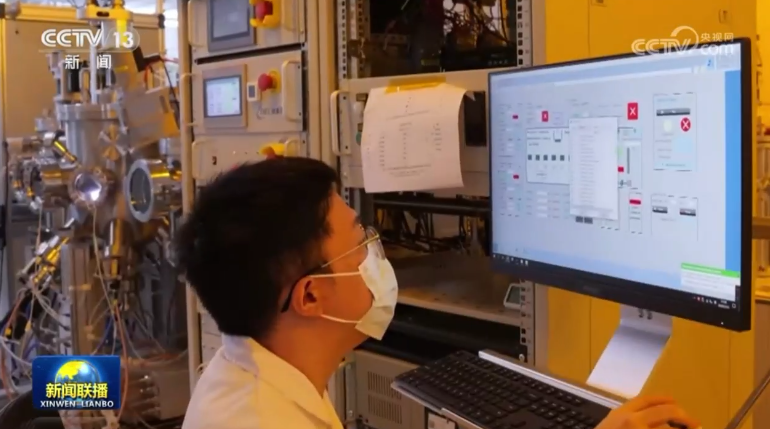
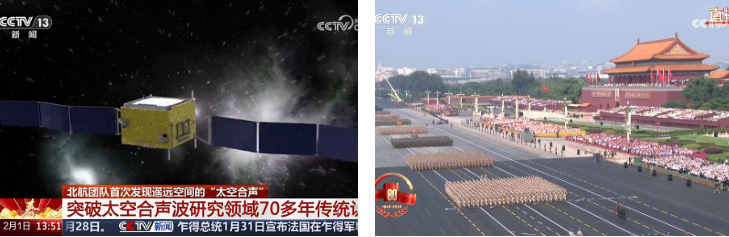
The university possesses high-level platforms and key facilities that excel both in quantity and quality, ranking among the top nationwide. It currently operates 20 national key laboratories, 30 national-level platforms, and 3 national industry-education integration innovation platforms. Every first-class discipline is supported by at least one national-level platform. Remarkable scientific achievements, such as a mini robot exploring the 10,000-meter-deep sea, the first-ever detection of chorus waves from distant Earth space, and the Tianmushan-1 unmanned aerial vehicle setting a world record, received extensive coverage from mainstream media and generated significant public interest.
5. Beihang strengthens high-level talent development, with four professors elected as academicians of the Chinese Academy of Sciences
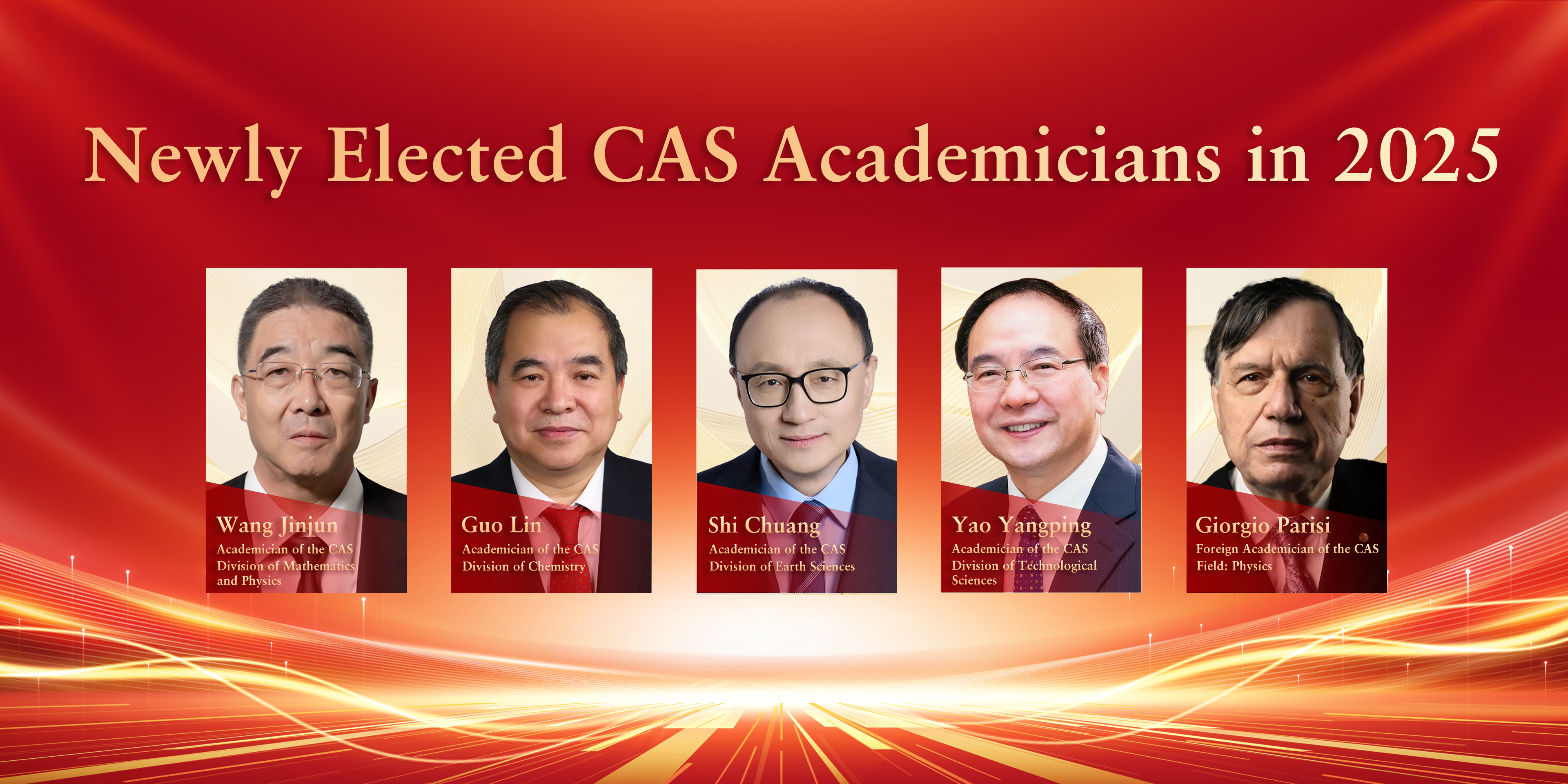
In 2025, the university thoroughly implemented the talent-driven development strategy. Four professors including Wang Jinjun, Yao Yangping, Guo Lin, and Shi Chuang were elected as academicians of the Chinese Academy of Sciences (CAS), and Professor Giorgio Parisi was elected as a foreign academician of the CAS. Throughout the year, the university successfully recruited a Nobel Laureate on a full-time basis, and one foreign expert was awarded the Chinese Government Friendship Award. A record-high 138 individuals were newly selected for national major talent programs. Currently, 31 academicians of the CAS and the Chinese Academy of Engineering (CAE) are working on campus, along with 620 national-level talents, with one in every five faculty members being a national-level talent.
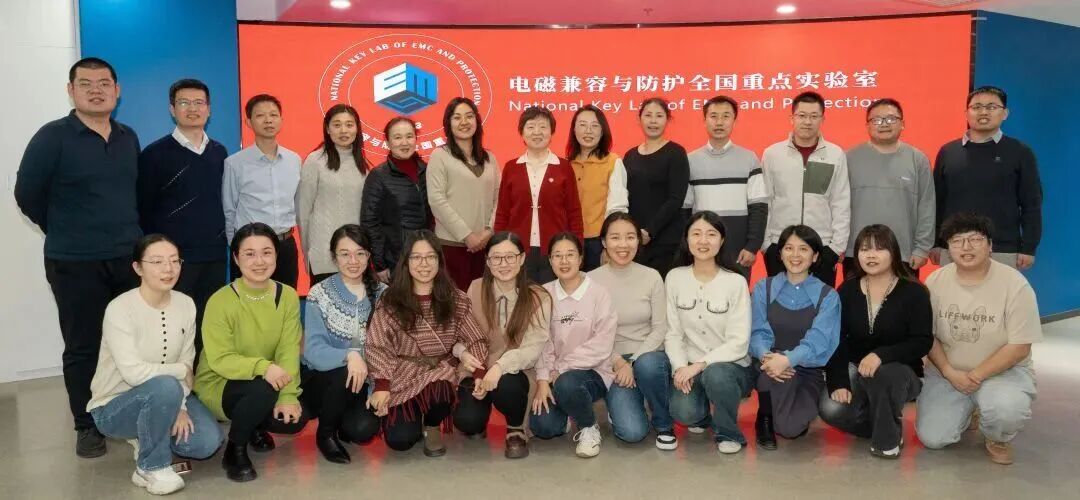
Faculty members across the university have devoted themselves to teaching and nurturing students, achieving outstanding results in their daily work. The university held a conference to mark the 41st Teachers' Day, honoring faculty and staff for their outstanding contributions. The faculty members received one National March 8th Red Banner Collective, one National March 8th Red Banner Pacesetter, one China Youth May Fourth Medal, one National Advanced Collective in the Industrial and Information Technology System, one National Advanced Worker in the Industrial and Information Technology System, three Beijing Municipal Advanced Workers, and three Baosteel Outstanding Teacher Awards. Moreover, young faculty members made historic achievements by winning first prizes in both the Beijing Young Teachers Teaching Skills Competition and the Young Administrative Staff Professional Competence Competition.
6. Beihang advances ideological and political education, fostering student growth and excellence
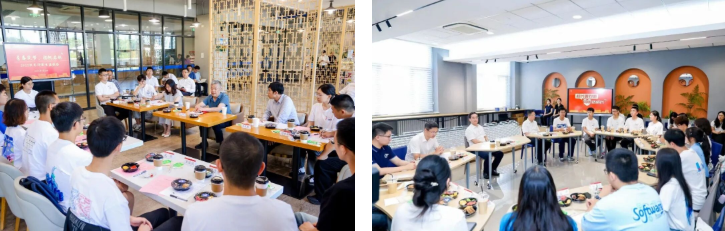
In 2025, the university strengthened its ideological and political education with a focus on fostering ideals and convictions, guiding students to become a new generation dedicated to serving the nation's aerospace aspirations and pursuing excellence. The university's Party Secretary and President delivered the first ideological and political course of the year and the opening lecture for new students. All university leaders regularly visited classes and dormitories, engaging with students in discussions and providing guidance and support for their growth. Student Party building was integrated with academic development, strengthening student Party and youth league organizations, enhancing academic integrity, and deepening education on discipline, law, integrity, and online civility. Systematic care and support for students were reinforced, with the Hangzhou International Campus establishing a multifunctional "Student Home."
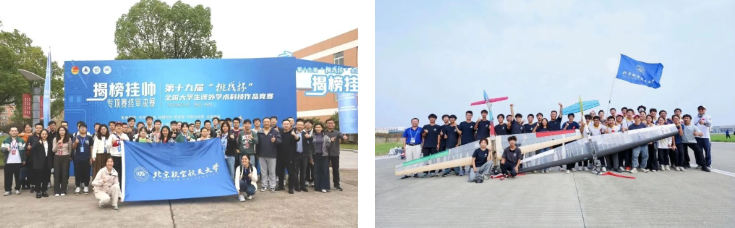
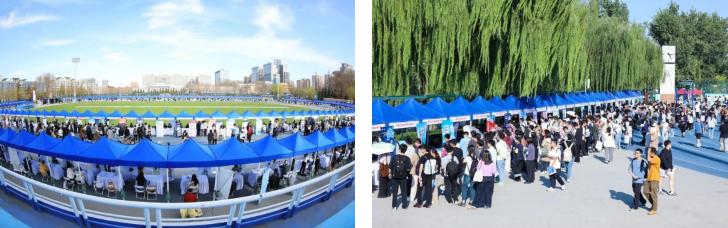
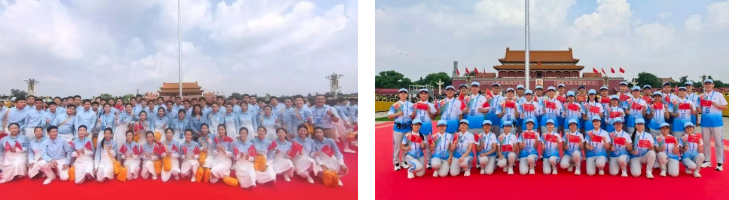
Over the past year, Beihang students achieved remarkable success: 3,220 individuals received awards in provincial or national-level disciplinary competitions, while 2,604 excelled in scientific innovation contests. The university won the "Excellence Cup" award for the 19th consecutive time at the national "Challenge Cup" competition, making it the only institution in China to achieve this feat. The university's aeromodelling team defended its national championship title, while the men's football team retained its national title in the Campus Football League. Multiple large-scale comprehensive job fairs were held, offering over 66,300 employment opportunities. On September 3, 208 faculty members and students excelled in fulfilling service and support tasks for the 80th Anniversary of the Victory of Chinese People's War of Resistance Against Japanese Aggression and World Anti-Fascist War, demonstrating the youthful vigor of Beihang students in a profound ideological and political lesson of patriotism and dedication to the Party.
7. Beihang accelerates global collaboration, achieving leapfrog development in international education
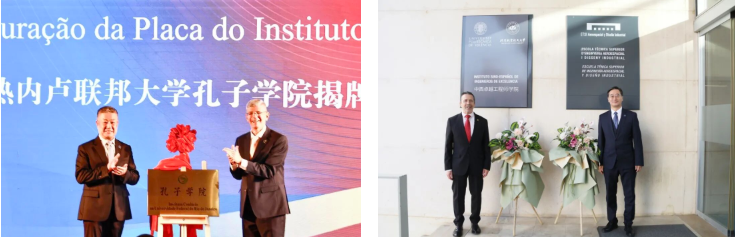
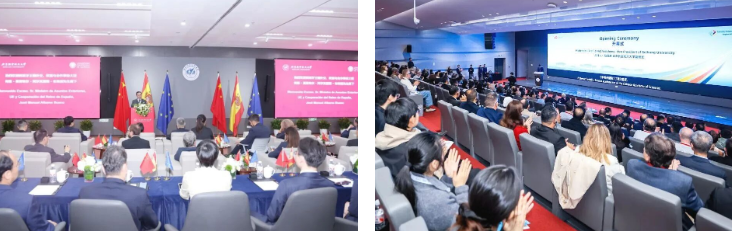
In 2025, the university drove breakthroughs in international cooperation and achieved milestone progress in building a "Global Beihang." The university established the Beihang INSA Institute for Applied Sustainable Sciences and Technology (BIFAST), completing its inaugural enrollment with student quality ranking first in the Sino-foreign cooperative education category in multiple provinces. Beihang also gained approval for the Beihang Valencia Polytechnic Institute, the only Sino-Spanish cooperative education institution in China covering bachelor's, master's, and doctoral programs. With four high-level Sino-foreign cooperative education institutions, Beihang leads the nation in this regard. The university facilitated the establishment of China-Spain Institute for Excellent Engineers in Spain and launched the Beihang Innovation Institute and Confucius Institute in Brazil.
Beihang successfully hosted high-level international events such as the 2nd University Partners Summit and the Global Simulation Conference. The university warmly welcomed distinguished guests, including the Spanish Minister of Foreign Affairs, the Brazilian Vice Minister of Education, and former United Nations Under-Secretaries-General. Brand activities like the UPV Day, UPM Day, United Arab Emirates University Day, and Beihang International Summer School were successfully organized. The university was designated as a "Base for International Organization Talents Training Project." International student enrollment reached a record high, the global talent cultivation system was continuously refined, and the university's international reputation and influence grew significantly.
8. Beihang fosters pride and belonging, revitalizing first-class cultural development
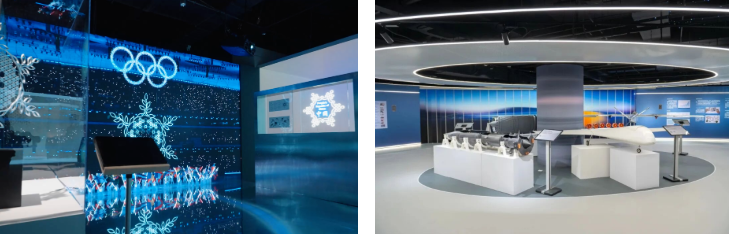
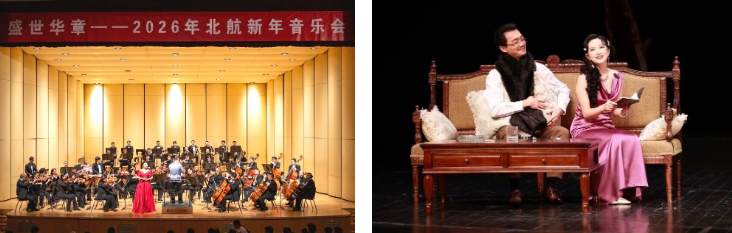
In 2025, the university emphasized cultural education and enrichment, actively cultivating an elegant, profound, and first-class university culture. Regular events such as the Beihang Grand Lecture series, Aesthetic Education Lectures, and Boya Lectures provided academic and intellectual feasts for faculty and students. The Beijing Air and Space Museum and Art Museum opened on Shahe Campus, adding 19,300 square meters of cultural space and creating new landmarks with aerospace characteristics. The University History Museum and other cultural venues hosted 1,800 groups and 260,000 visitors, becoming popular destinations in Beijing's higher education circle. The 5th Beihang Arts Festival featured 155 performances and events, with top-tier institutions like the Beijing Symphony Orchestra and Beijing People's Art Theatre bringing world-class productions to campus. Fifty renowned Chinese artists donated 51 artworks to the university. The 8th "Touching Beihang" role model selection celebrated inspiring individuals and groups.
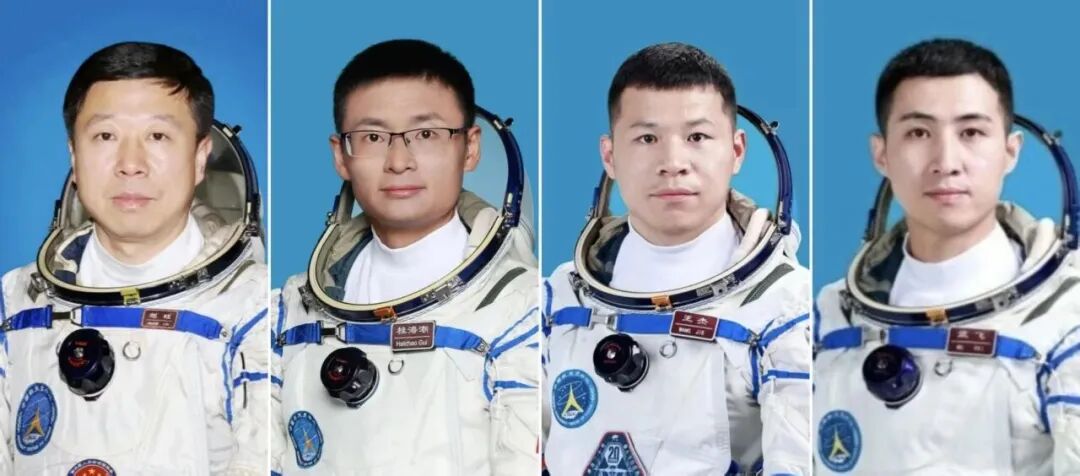
Throughout the year, mainstream media outlets such as Xinhua News Agency, People's Daily, Guangming Daily, and China Central Television published 620 reports on Beihang, with 10 features on China's prime-time news program, Xinwen Lianbo. On October 31, Wu Fei, a Beihang alumnus and astronaut of the Shenzhou-21 mission, rendezvoused in space with Wang Jie, another Beihang alumnus and astronaut of the Shenzhou-20 mission. With four Beihang-affiliated astronauts now having ventured into space, the university's dreams are being written among the stars.
9. Beihang deepens reform and innovation, elevating governance to new heights
In 2025, the university consolidated and advanced the achievements of its two-tier university-school management reform, driving governance transformation through digital intelligence and systematically enhancing internal governance efficiency. Tailored comprehensive reform measures were implemented for each school under the "One School, One Policy" approach. The university launched the Three-Year Action Plan for Digital Intelligence Empowerment (2025–2027), continuously refining the top-level design for high-quality development enabled by digital intelligence. A robust digital infrastructure was established, including a teacher data center that integrates key performance data. For the first time, processes such as professional title reviews achieved automated data retrieval and "one-stop" paperless handling. A two-tier decision-support platform was developed, enabling dynamic monitoring, centralized display, and layered analysis of core operational data.
The university vigorously promoted the integration, upgrading, and iteration of information systems, creating a unified office and service portal. Paperless contract signing services were introduced, travel expense reimbursement was streamlined to achieve "zero trips," and the annual assessment and registration process was fully digitalized. The self-developed educational large language model, "XiaoHang AI 2.0," was released. The university launched benchmark digital applications such as the Global Talent Digital Map, Digital University History Museum, AI Research Assistant, Study Abroad Assistant, and Career Assistant, fostering an "AI+" application ecosystem.

10. Beihang enhances service and support, creating a harmonious and beautiful living-learning environment
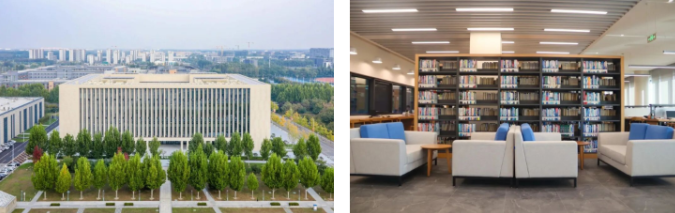
In 2025, the university prioritized the practical needs of its faculty and students, focusing on building a harmonious, beautiful, and conducive living-learning ecosystem. In October, the Library on Shahe Campus, with a total floor area of 48,000 square meters, officially opened. The Library on Xueyuan Road Campus underwent continuous renewal, forming an integrated library system spanning 89,000 square meters across three campuses in Beijing and Hangzhou. The Building No. 9 on Xueyuan Road Campus was renovated, providing new spaces for humanities and social sciences schools. Student dormitories across both campuses were upgraded, covering 32,000 square meters, and the renovation of Teaching Building No. 4 on Xueyuan Road Campus was completed, further optimizing learning and working conditions.
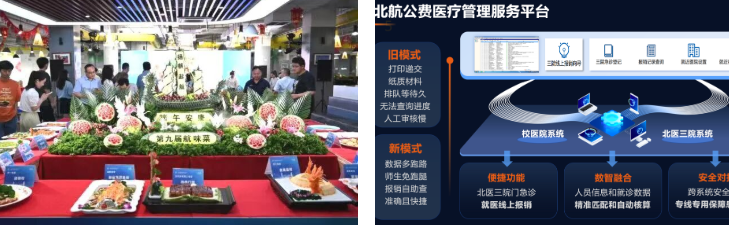
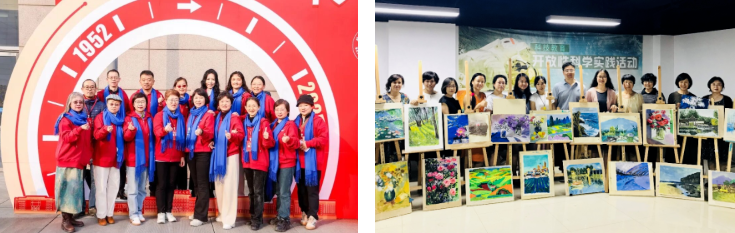
Balancing high-quality development with high-level security, the university strengthened campus safety measures. The mechanism for using university-level public platforms was optimized, with the analytical testing platform achieving 100% open sharing of equipment. The smart canteen management platform was upgraded, creating a distinctive "Taste of Beihang" culinary service ecosystem. The Beihang Public Healthcare Management Service Platform was established, enabling faculty and students to handle medical reimbursements seamlessly online. The university advanced integrated education spanning primary, secondary, and higher education levels. A variety of courses under the "Joyful Self-Care Station" and "Boya Faculty Commons" series were offered for staff. Comprehensive renovations were carried out in phases for older residential communities, and smart elderly-care community initiatives were promoted. The university's "Understanding China" program, led by the retired faculty association, won top national awards for essay writing. During the anniversary celebrations, nearly 2,000 alumni returned to their alma mater for the 17th Alumni Conference, where they pooled their strengths and reaffirmed their commitment to the shared mission of building a world-class university with Chinese characteristics.
Editors: Liu Tingting, Lyu Xingyun


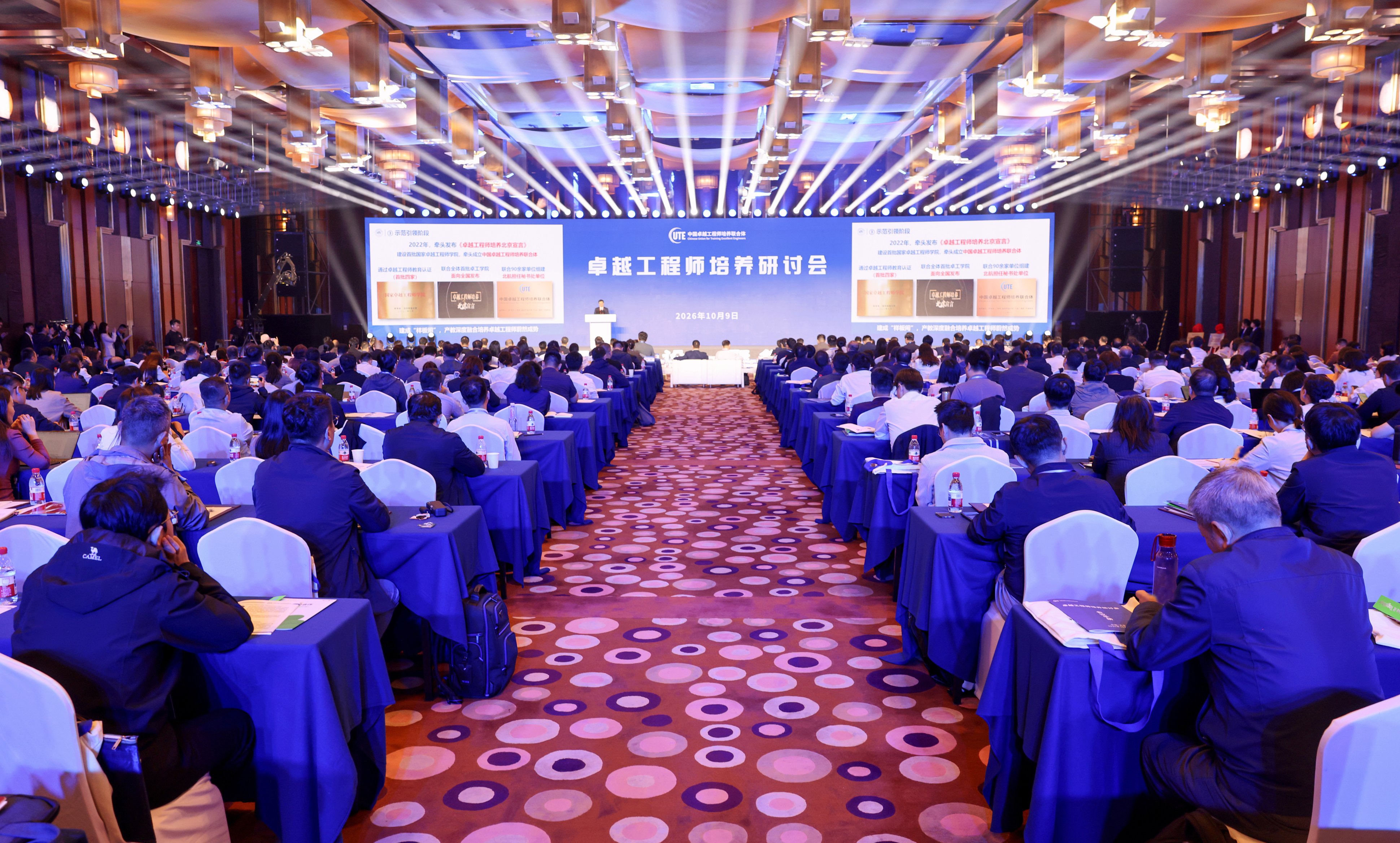 Beihang News2026 Symposium on Excellent Engineer Training held in BeijingMore
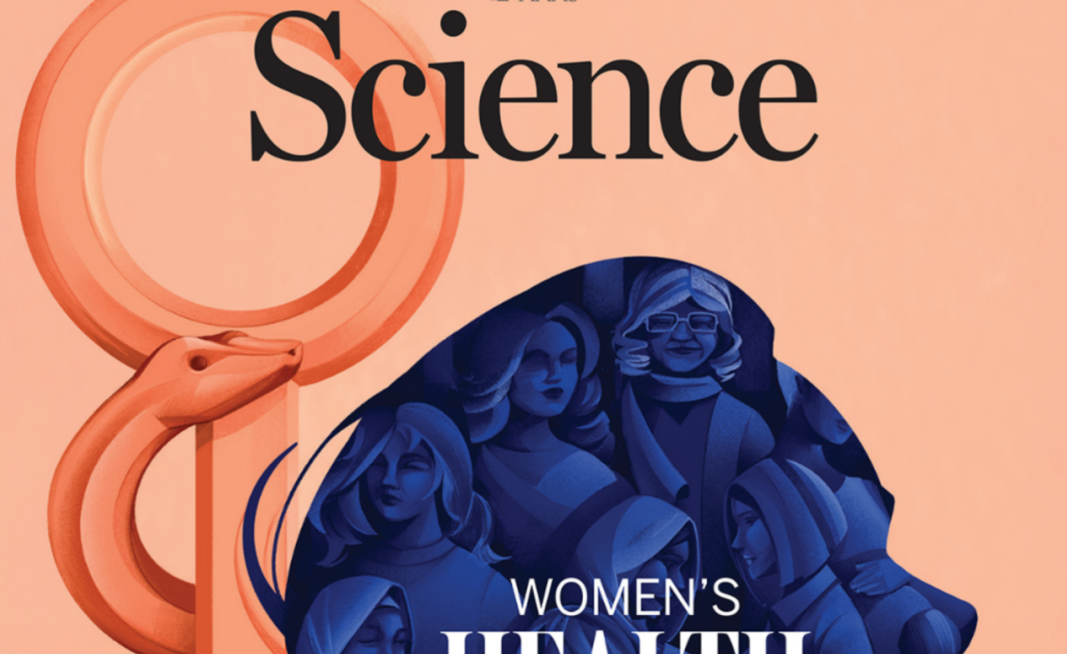 Beihang NewsProfessor Liu Mingjie's team publishes article in Science, revealing high-modulus toughening mechanism in nacreMore
 Beihang NewsWang Yunpeng appointed Secretary of the CPC Beihang University CommitteeMore
 Beihang NewsElsevier Senior Vice President Said Taha visits Beihang UniversityMore
 Beihang NewsPresident Wang Yunpeng visits Hangzhou to advance university-city integration and attends opening ceremony of H3IMore
 Beihang NewsBeihang team wins 2026 Best Paper Award from Proceedings of the IEEEMore