The 21st China-Europe International Symposium on Software Engineering Education (CEISEE 2025) was successfully held in Hangzhou, Zhejiang Province, from September 20 to 21. The symposium was hosted by Beihang University, co-organized by Harbin Institute of Technology, Technological University Dublin (Ireland), and the Binjiang Institute of Zhejiang University, with strong support from the Pilot Software Engineering Schools Association and the Computer Education journal.
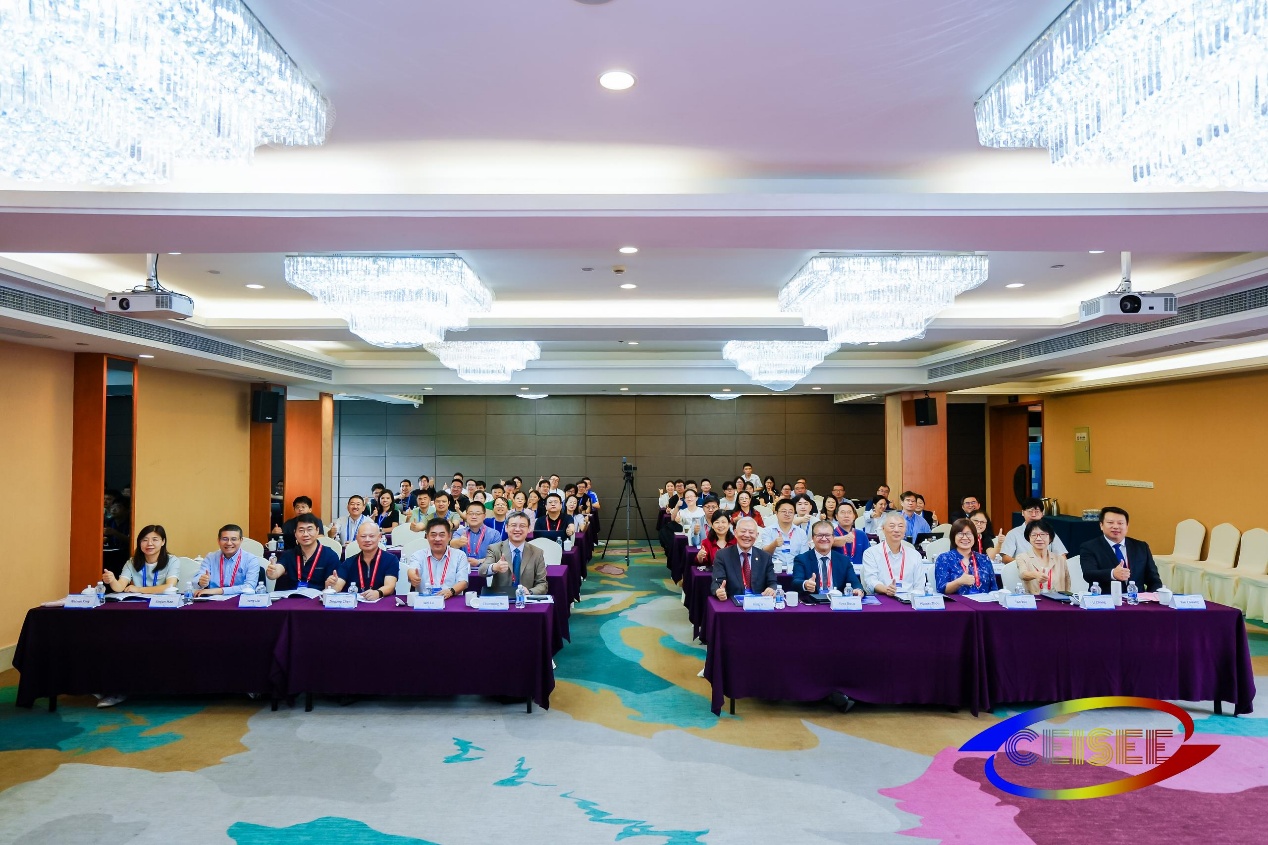
The conference chairs were Professor Hu Chunming from Beihang University, Professor Yves Ducq from the University of Bordeaux and Professor Wu Xiangqian from Harbin Institute of Technology. Centering on the theme "GenAI Empowers Software Engineering Education for Student Competency," the event featured keynote speeches, thematic forums, and paper presentations. It attracted nearly a hundred experts, scholars, and researchers from France, the UK, Ireland, Singapore, the United States, and China.
At the opening ceremony, Professor Lyu Weifeng, Vice President of Beihang University, delivered a speech remotely, extending a welcome to the participants and introducing Beihang's innovative explorations and international cooperation in software engineering education. Honorary Conference Chair and founder, Professor Xu Xiaofei from Harbin Institute of Technology, and Professor Wu Bing from Technological University Dublin delivered speeches, reviewing the history of CEISEE and charting future collaboration directions. Addresses were also given by Professor Lu Wei, Chairman of the Pilot Software Engineering Schools Association and professor at Beijing Jiaotong University, alongside Professor Hu Chunming and Professor Yves Ducq. Professor Zhang Li from Beihang University, who is also the Chair of the Program Committee of the symposium, outlined the conference organization and academic program. The opening ceremony was presided over by Professor Zhuang Yan, Secretary of the Party Committee of the School of Software at Beihang University.
The morning session on September 20 featured keynote speeches by Professor Yves Ducq and Professor Yue Tao from Beihang University. Professor Ducq shared frameworks for utilizing AI in teaching and learning across the entire educational cycle in France and other European countries. Professor Yue Tao presented his insights on the restructuring of software engineering education driven by emerging technologies like AI and quantum computing. A high-level forum on "AI-empowered Software Engineering Education" was also held, moderated by Professor Zhang Li. Panelists, including Professor Yue Tao, Professor Liu Yang from Nanyang Technological University, Professor Zhang Yu from the University of Science and Technology of China, Professor Xuan Jifeng from Wuhan University, and Professor Mao Xinjun from the National University of Defense Technology, discussed the profound impact of AI on educational paradigms, curriculum design, the role of educators, and student assessment methods.
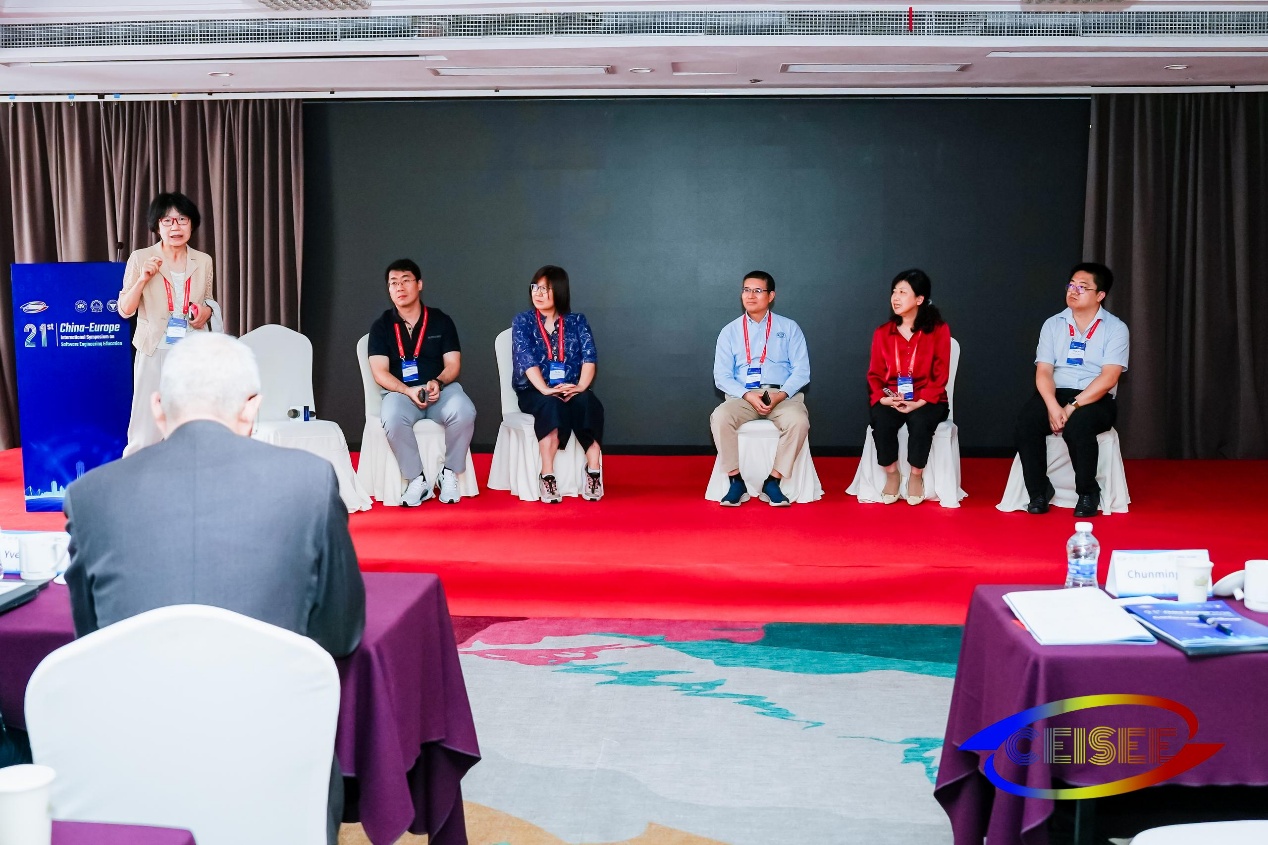
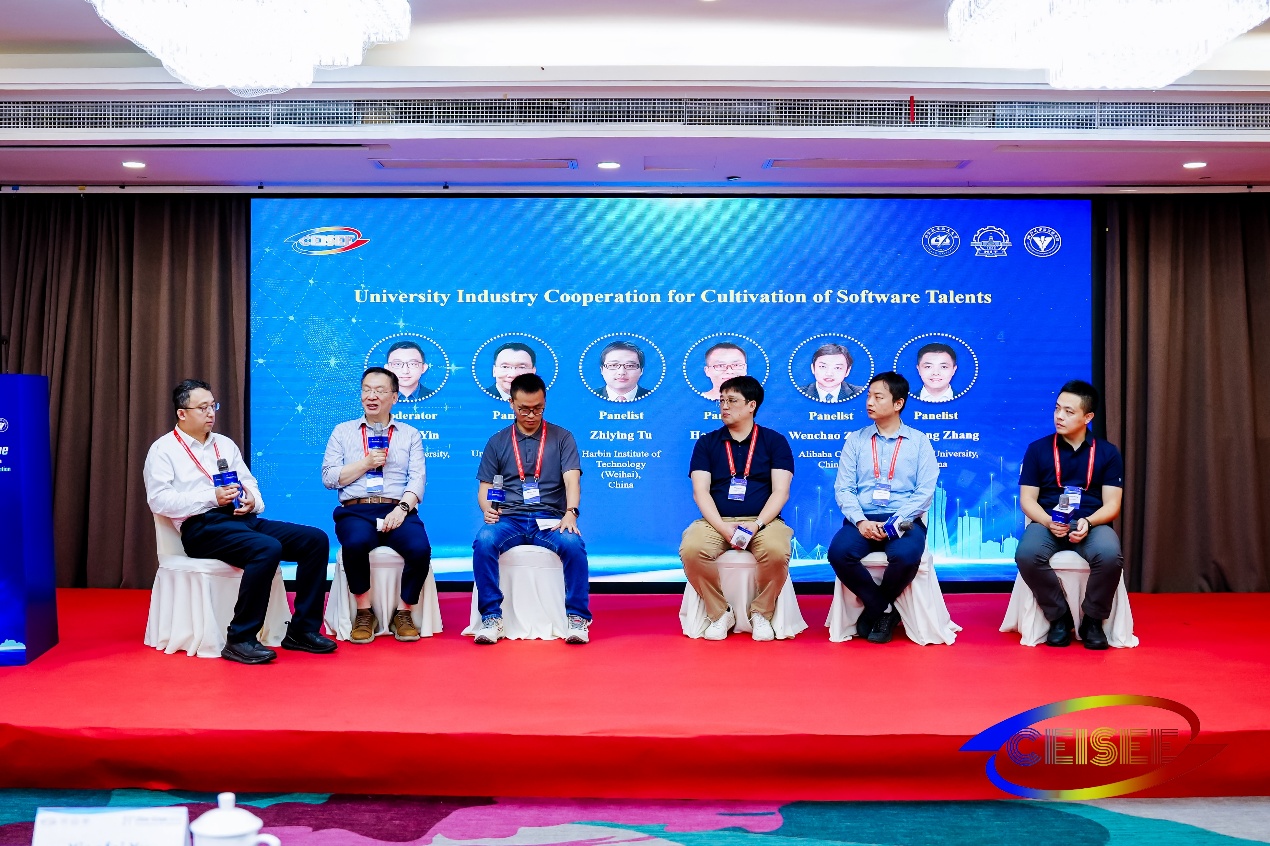
On the morning of September 21, keynote speeches were delivered by Professor Xu Xiaofei and Professor Zhou Wanlei from the City University of Macau. Professor Xu shared new models and methods for generative AI-empowered software engineering education, proposing a GenAI-enabled system for cultivating, assessing, and certifying software engineering competencies. Professor Zhou discussed constructing training frameworks for large language models based on ethical and security assessments, proposing solutions for achieving a dynamic balance between the two. The morning session also included two parallel forums: "University-Industry Cooperation for Cultivation of Software Talents" and "Internationalized Software Engineering Talents Cultivation," facilitating focused discussions on these crucial aspects of software engineering education.

The symposium received 73 paper submissions, of which 46 were accepted for presentation (38 as oral presentations and 8 as poster presentations). During the conference, six parallel sessions were organized based on research topics, covering areas such as "AI-empowered Software Engineering Education," "Application of Modern Educational Technology in Software Talent Cultivation," "Industry-Academia Collaboration in Software Engineering Education," "Teaching Reform and Innovation," and "Interdisciplinary Talent Cultivation." Authors presented their research findings and engaged in in-depth discussions with attending scholars. The Best Paper Award was granted to Tan Xin from Beihang University, and the Distinguished Paper Award was presented to Professor Xuan Jifeng from Wuhan University.

Hosted by the School of Software with the participation of the Hangzhou International Innovation Institute of Beihang University, CEISEE 2025 was a significant international academic event and a concrete action implementing Beihang's UPS international development strategy and Hangzhou's internationalization strategy. Since its inception in 2005, CEISEE has been held 20 times across China and Europe, attracting over 1,600 scholars from 26 countries, and has become a highly influential international platform for exchange in the field of software engineering education between China and Europe.
The next CEISEE conference is scheduled to be hosted by University College Cork, Ireland, tentatively on August 29 and 30, 2026.

Editor: Lyu Xingyun


 Beihang NewsBeihang holds 2026 Commencement and Degree Conferral CeremonyMore
 Beihang NewsBeihang hosts 2026 Campus Open Day & Admissions Information Session across three campuses in Beijing and HangzhouMore
 Beihang NewsBeihang University holds graduation gala for Class of 2026More
 Beihang NewsMETU President Ahmet Yozgatlıgil visits Beihang UniversityMore
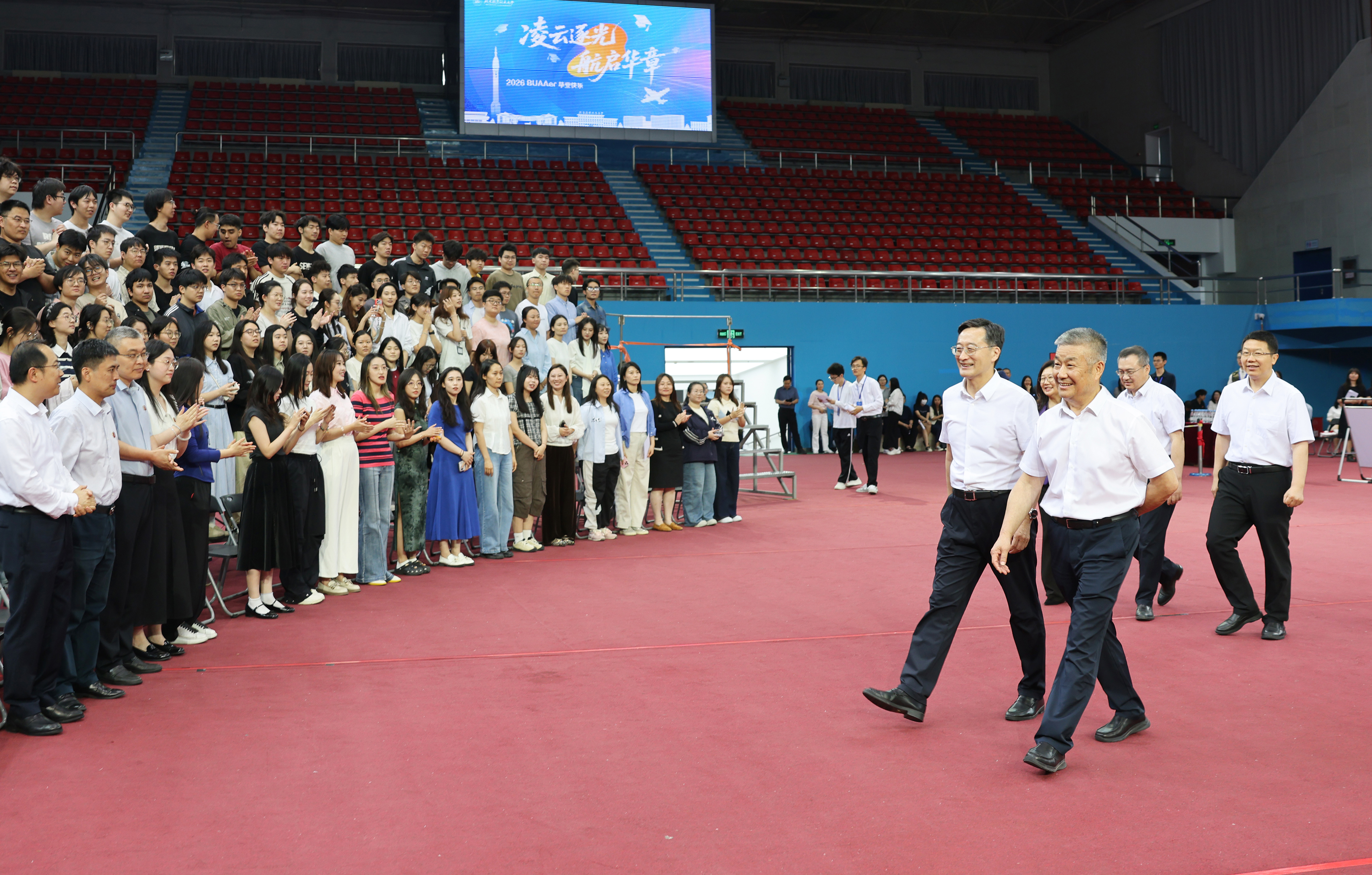 Beihang NewsUniversity leaders take group photos with 2026 graduatesMore
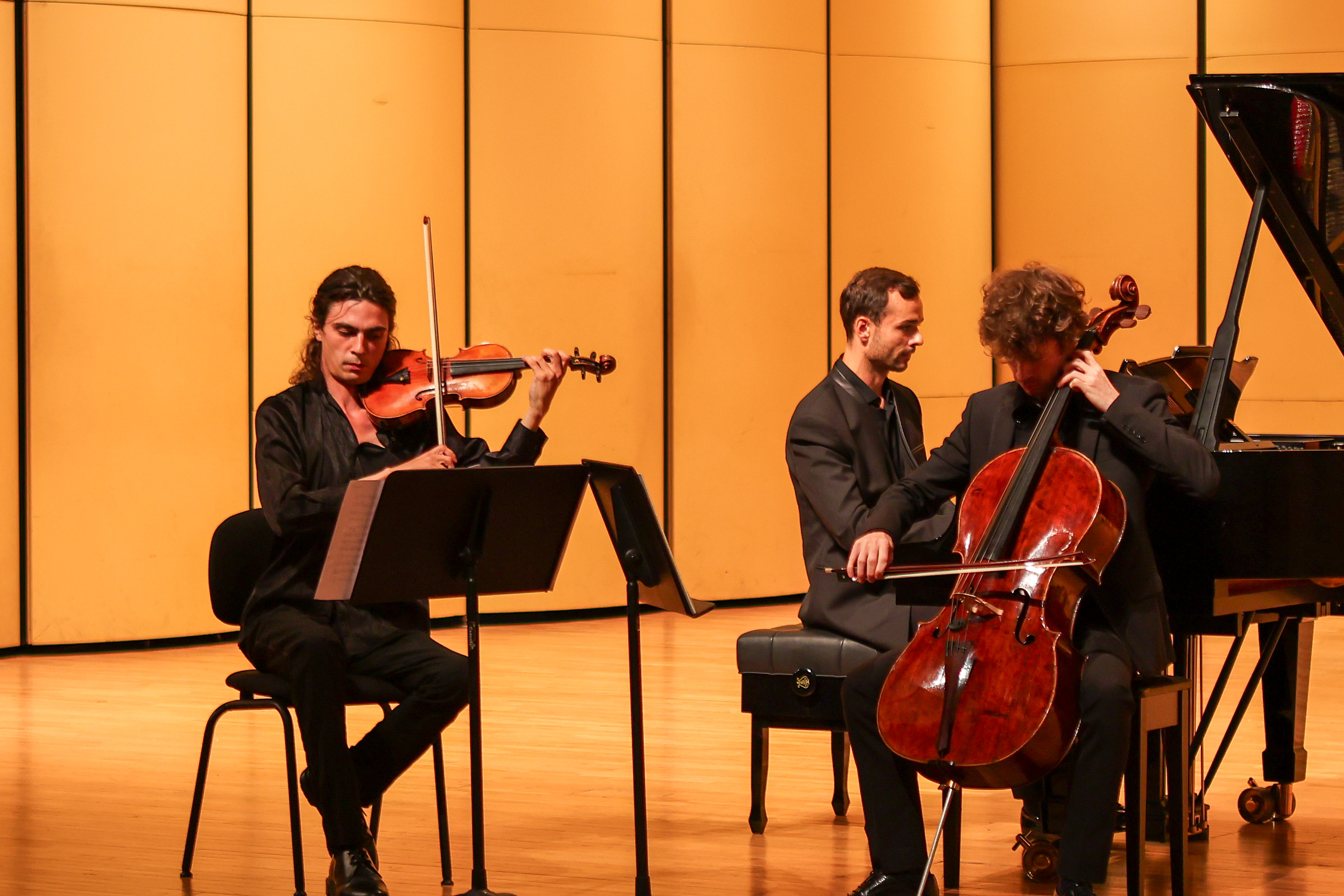 Beihang NewsTrio Hélios Piano Concert staged at BeihangMore