The Beihang Aeromodelling Team has successfully defended its national championship at the 2025 China Universities Aircraft Design Competition (CUADC) National Finals, delivering a perfect performance characterized by technical excellence and flawless execution.
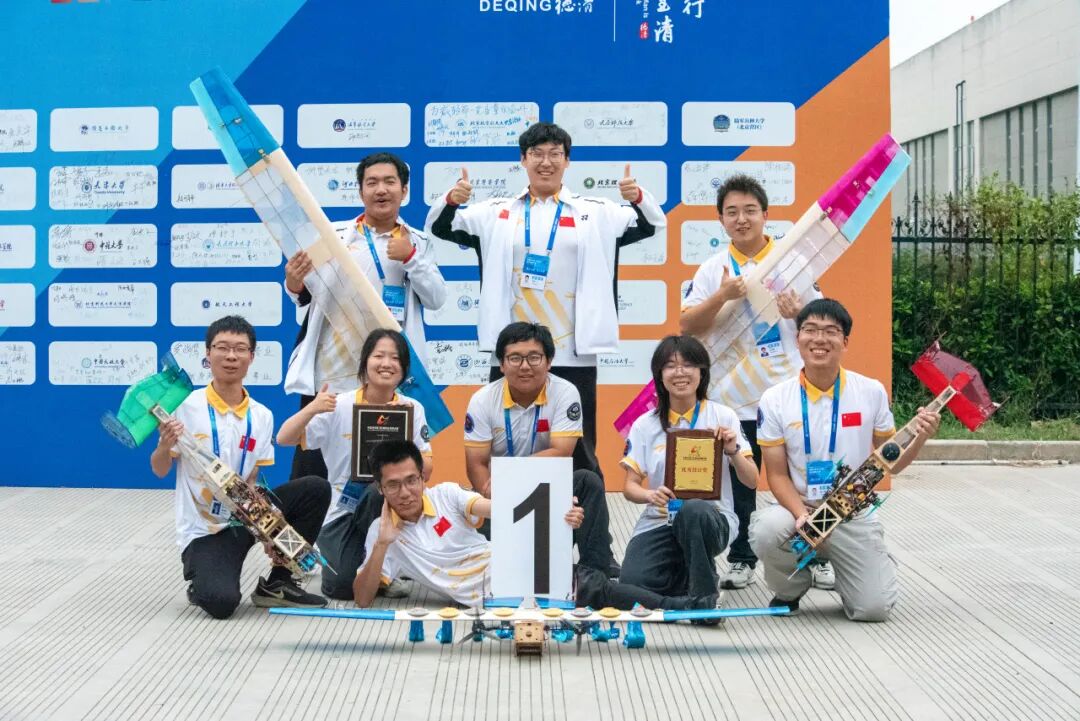
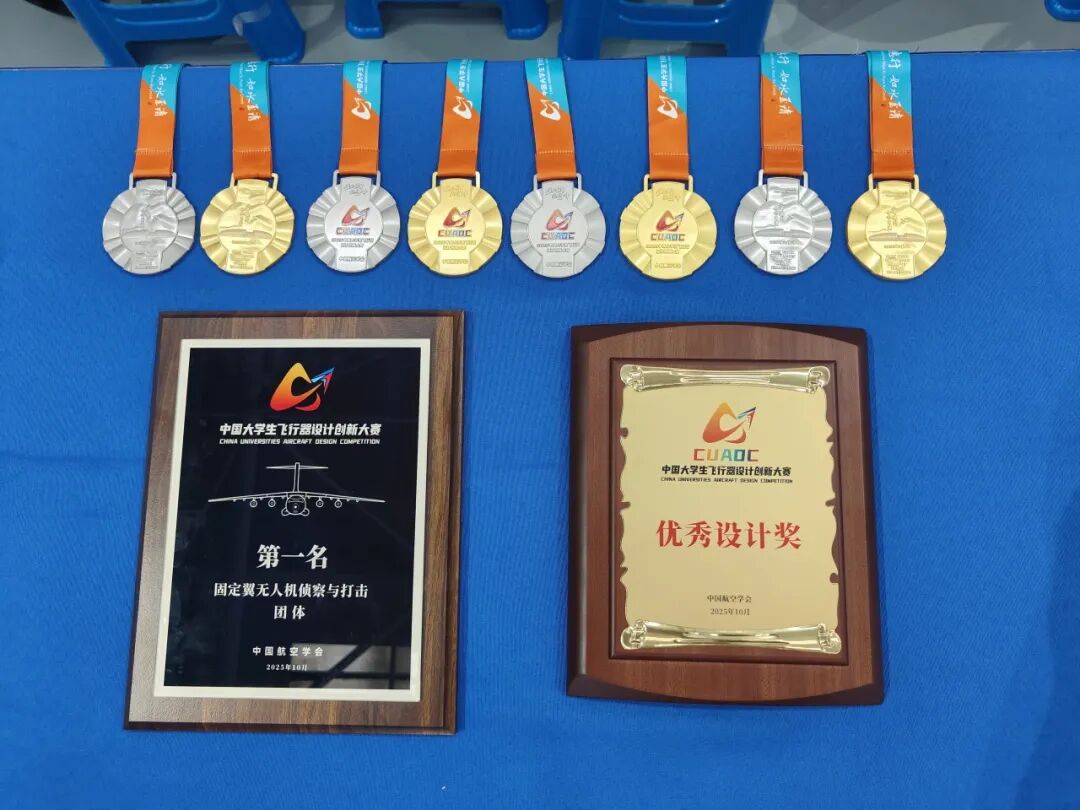
In the premier "Fixed-Wing UAV Reconnaissance and Strike" event, the team successfully retained the national championship, with its two entries securing the top two spots. The team also claimed the overall group championship and received the top award for its design report, completing a grand slam in the category.
Sponsored by the Chinese Society of Aeronautics and Astronautics, the CUADC is a national aerospace competition that integrates technological innovation, engineering practice, teamwork, and competitive rivalry for university and vocational college students. The 2025 edition, co-hosted by Zhejiang University, Beihang University, Northwestern Polytechnical University, and other institutions, attracted nearly 4,000 participants from approximately 150 universities across China, serving as a comprehensive innovation challenge covering aircraft design, control, and flight.

The "Fixed-Wing UAV Reconnaissance and Strike" event, in which the Beihang team triumphed, simulates a real-world scenario requiring a comprehensive skill set. It challenges teams to design a portable fixed-wing UAV capable of fully autonomous flight, target identification in an unknown area, and autonomous decision-making to strike specific targets with simulated munitions. Performance is judged on reconnaissance accuracy, strike precision, and mission completion time, making it one of the most technically demanding and challenging competitions.
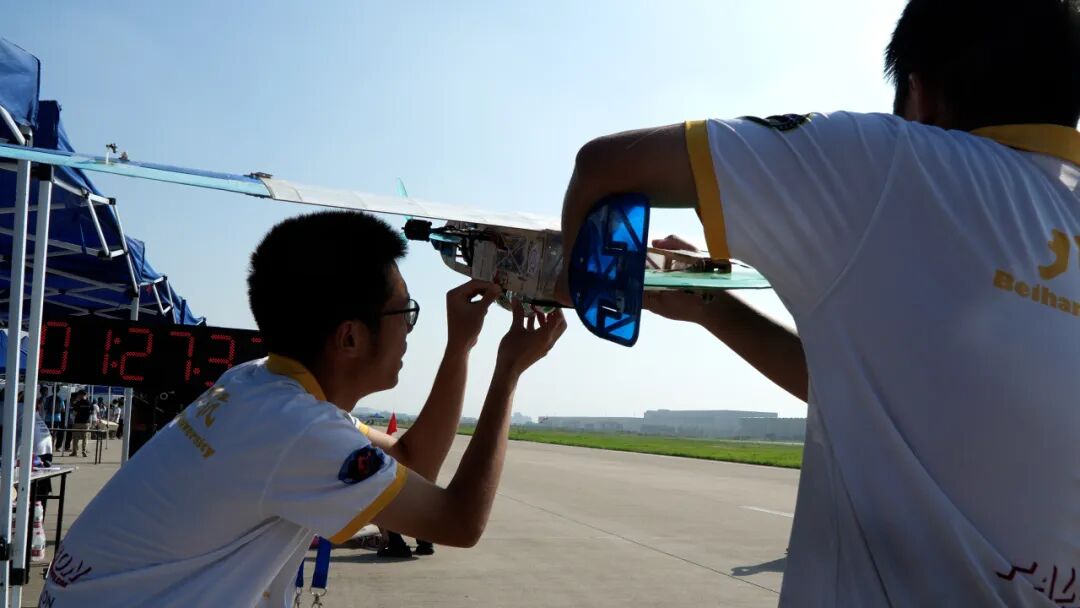
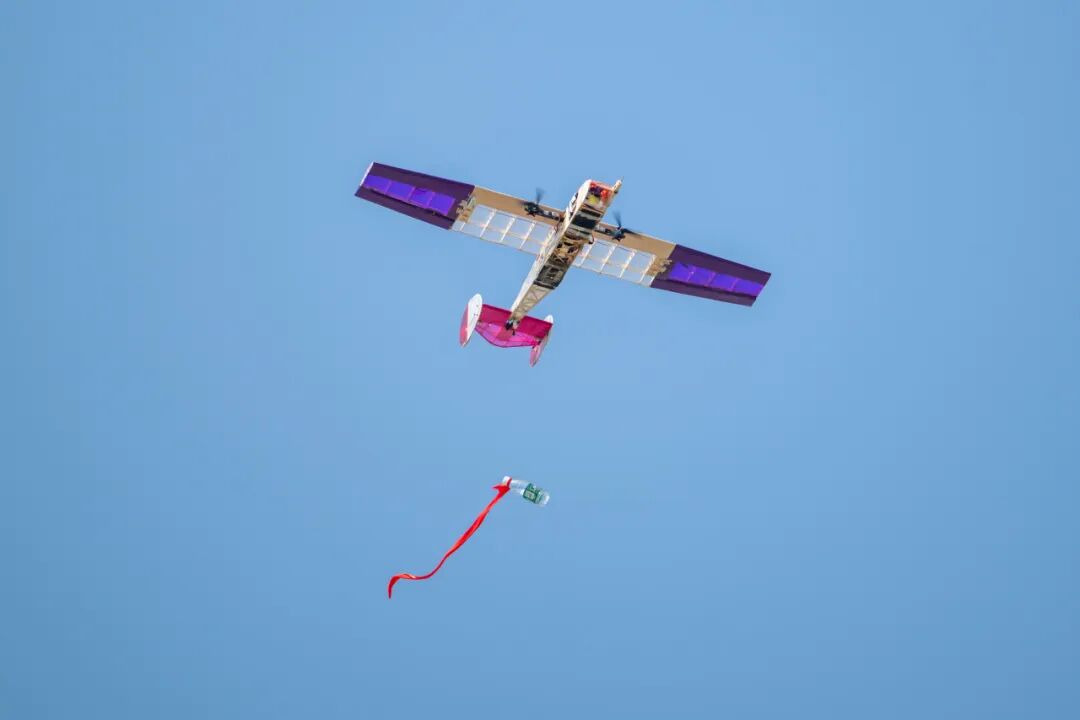
In a showcase of superior capability, Beihang was one of only two universities to achieve a "precision strike" in the event. Crucially, Beihang was the sole team to execute this flawlessly across both competition rounds, achieving a perfect score in all operational procedures.
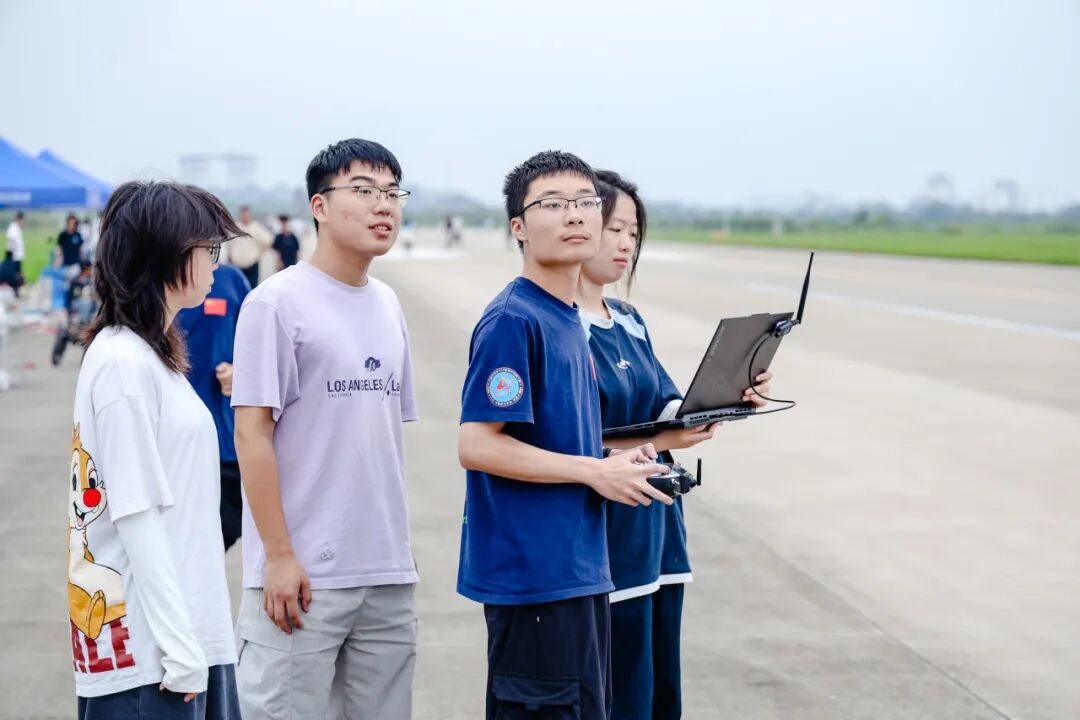


Confronted with the complex demands, the Beihang team deconstructed the challenges with precision and pursued innovative solutions, transforming their self-developed, "end-to-end autonomous" technical solution into a key advantage. Unlike the "semi-autonomous" strategies used by many teams, which rely on manual interpretation of video feeds, Beihang's UAV was entirely governed by its onboard computer from takeoff to landing. This end-to-end autonomy enabled the team to complete the entire "takeoff-reconnaissance-strike-landing" cycle in just 90 seconds, far exceeding the average efficiency.

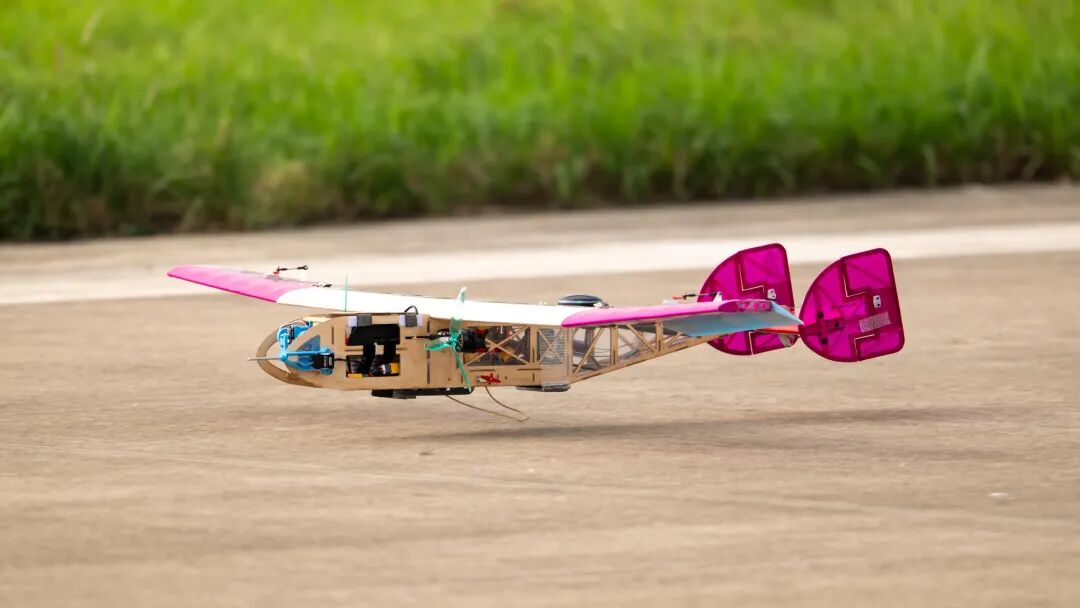
This core algorithmic reliability was the product of months of relentless refinement. To ensure high accuracy and robustness in complex environments, the team conducted massive data collection and model training. They simulated nearly ten different lighting conditions—from early morning backlight to harsh noon glare—and seven types of typical terrain, amassing a database of nearly 10,000 sample images for algorithm iteration.
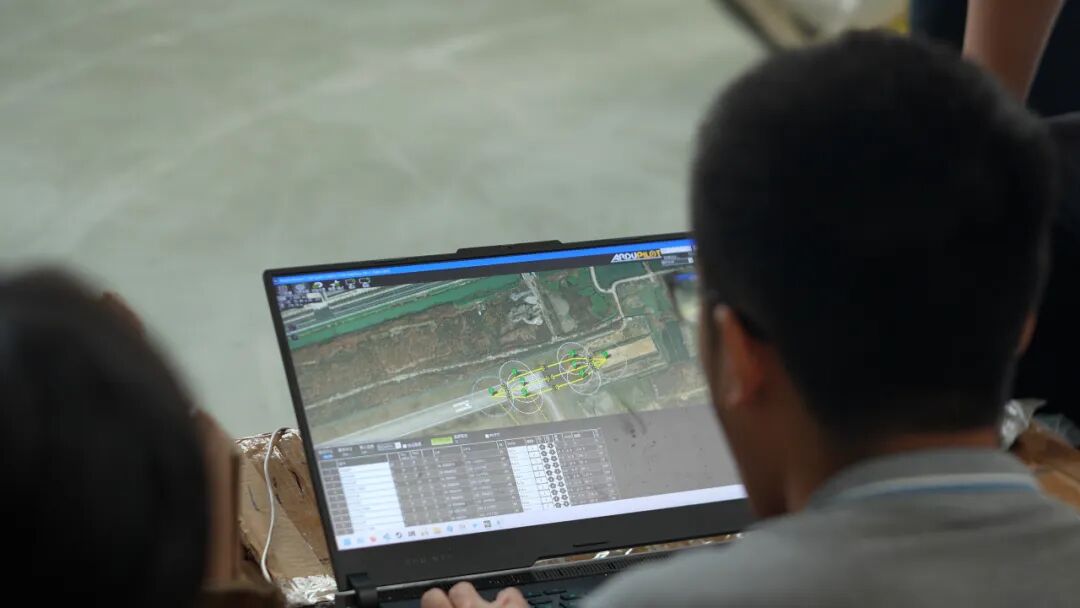
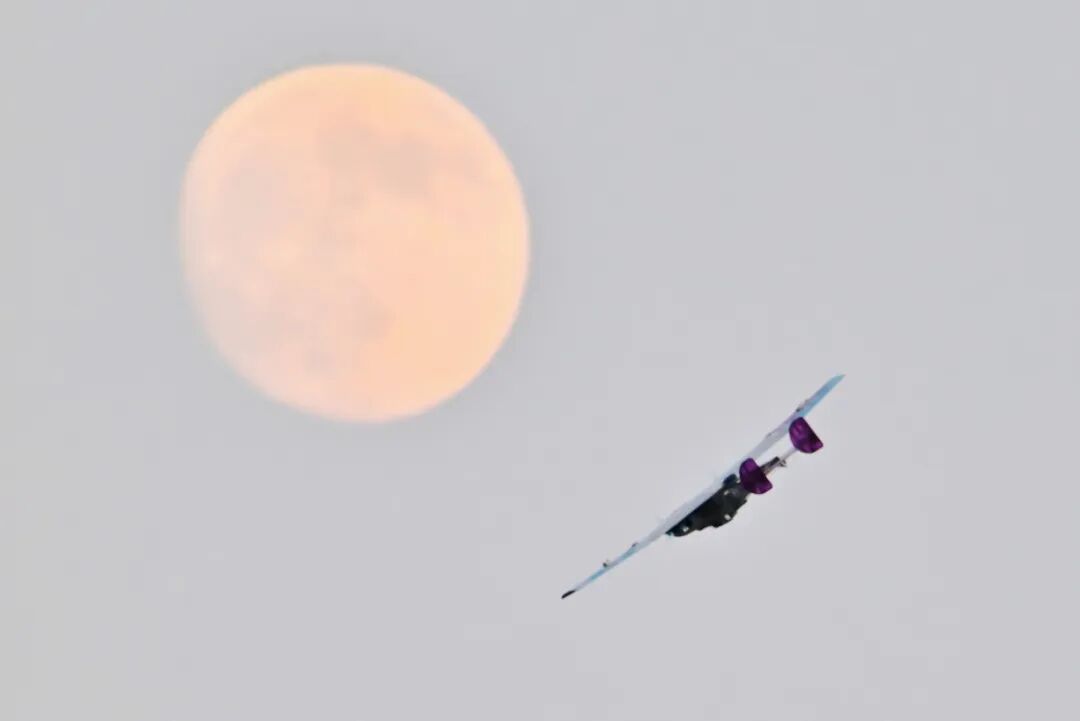
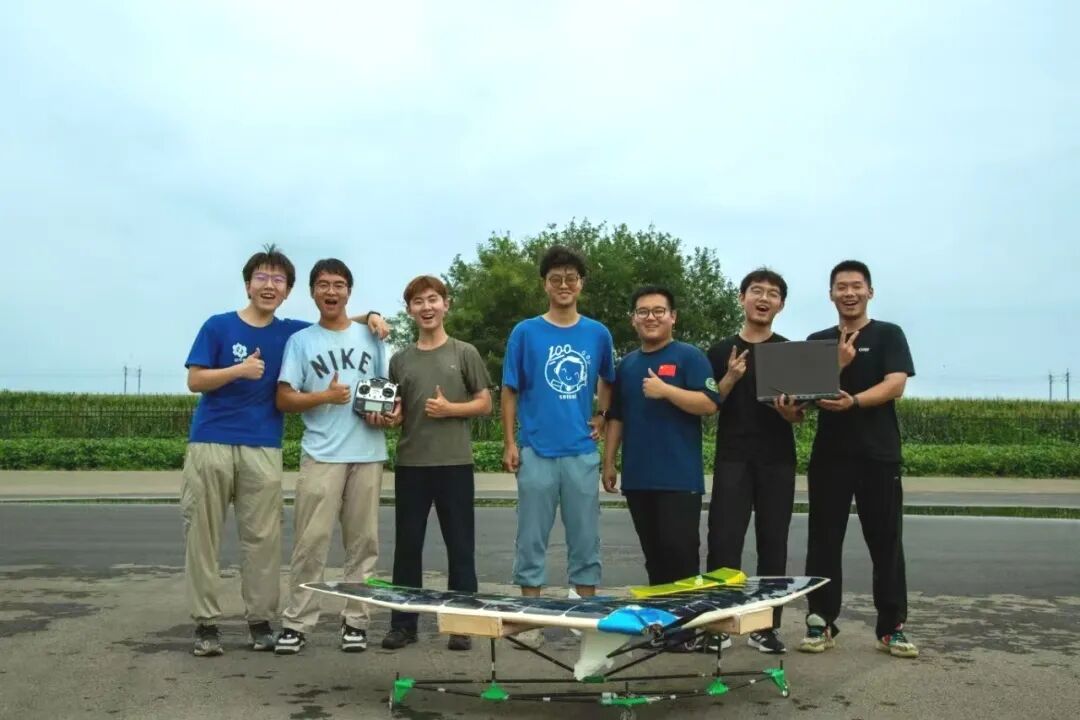
This hard-won honor stems from a team boasting diverse academic backgrounds. Comprising undergraduate students from various years and schools across the university, the Beihang Aeromodelling Team embodies an interdisciplinary, multi-grade structure. This framework brings to life the team's seven-decade tradition of a culture of mentorship. Over the intensive hundred-day preparation period, these students, driven by shared aerospace ambitions, sharpened their expertise and forged a team with strong engineering capabilities and remarkable cohesion.
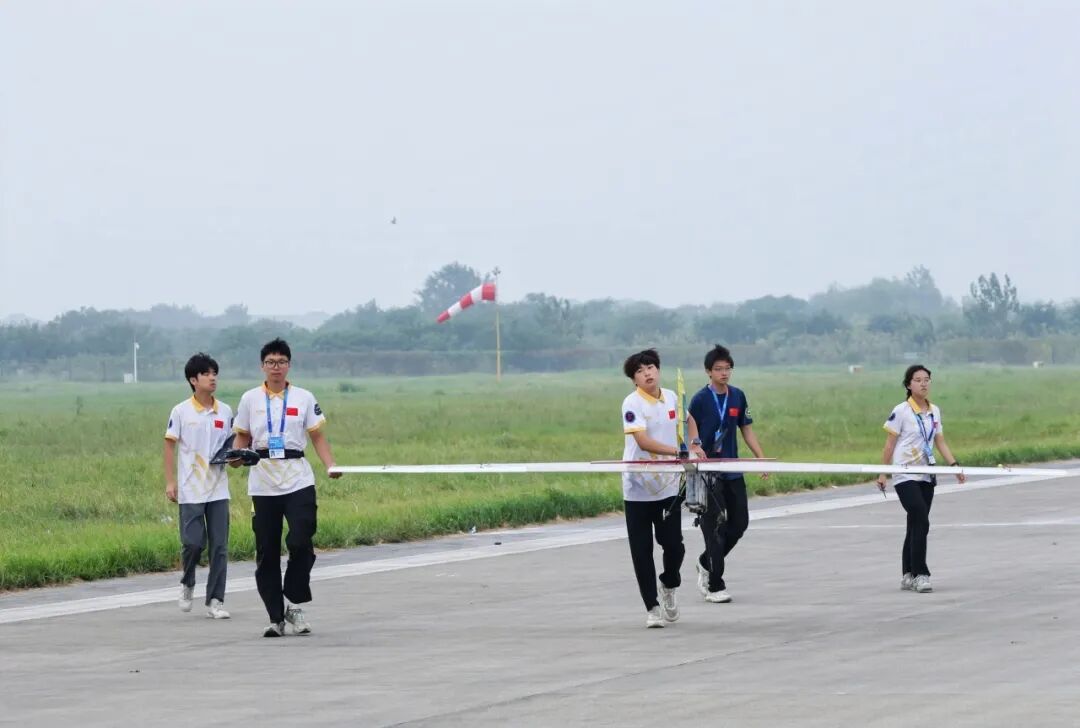
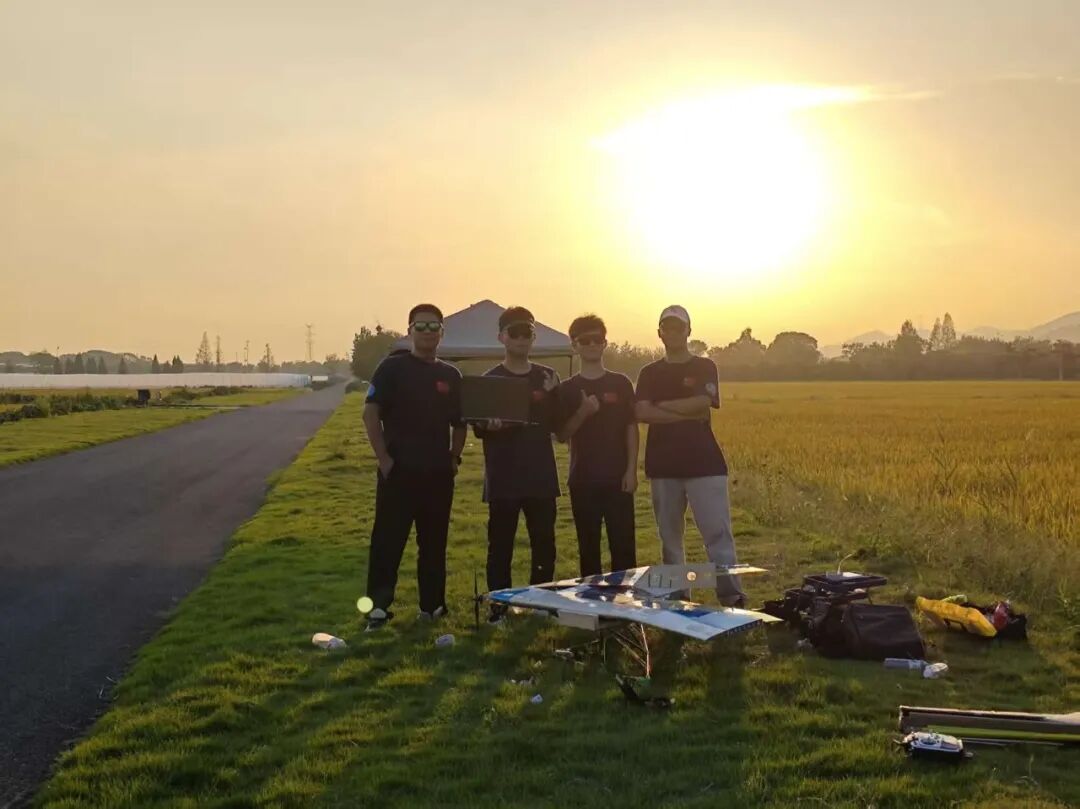

Established in 1952, the Beihang Aeromodelling Team is a world-class, high-level university aeromodelling group, recognized as one of Beihang University's "High-Level Scientific and Technological Innovation Teams." It operates under the guidance of the University Youth League Committee and the direct management of the School of Aeronautic Science and Engineering. Over seven decades, the team has established robust mechanisms for member selection, training, competition preparation, and academic output transformation. It remains a vital platform for nurturing innovative talent, continuously evolving from aeromodelling sports towards cultivating aviation professionals and exploring cutting-edge aerospace technologies. Many Beihang students have launched their careers from this team, embodying the "Serve the Nation through Aerospace Endeavors" spirit from campus to the forefront of national aerospace projects.
Editor: Lyu Xingyun


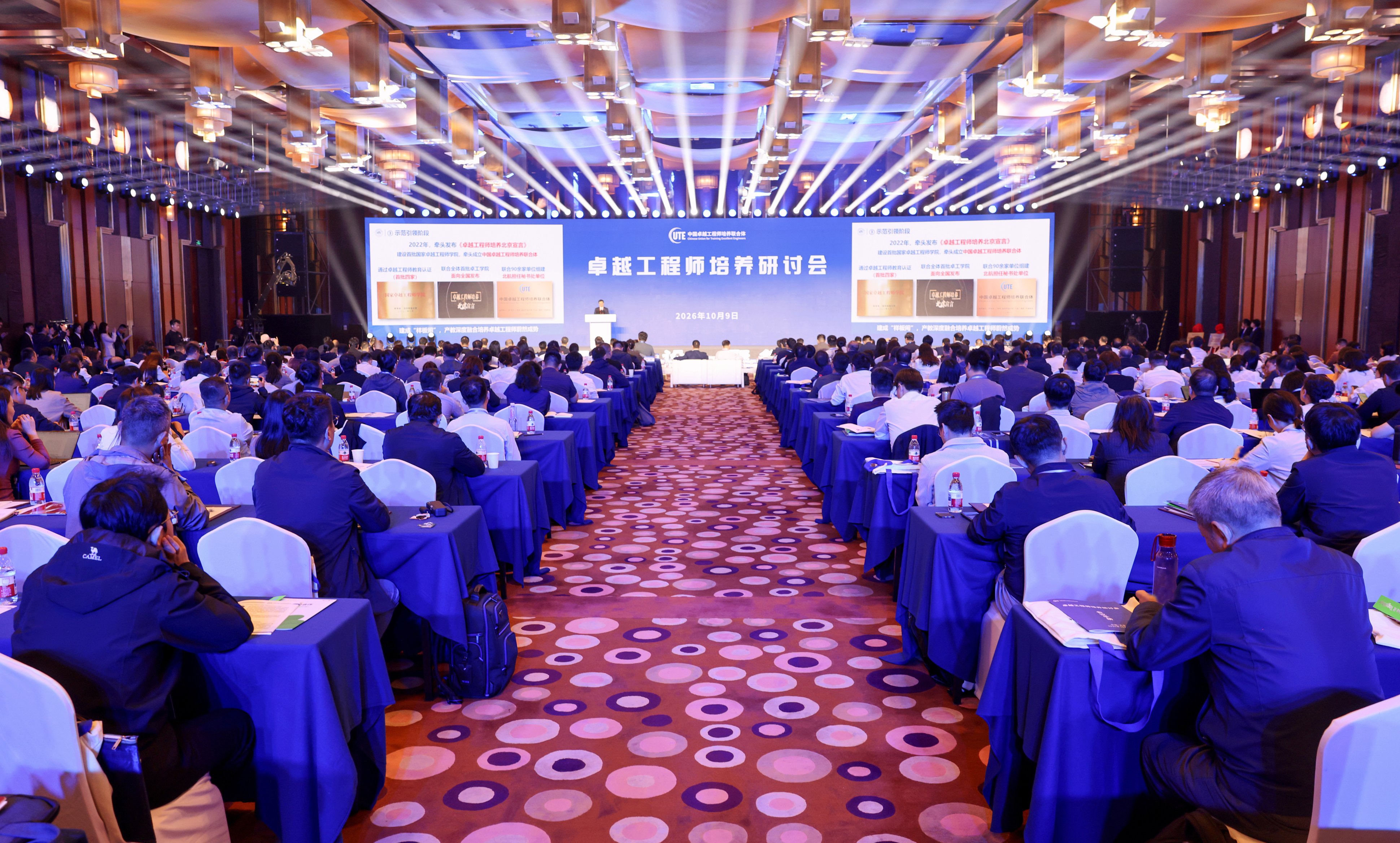 Beihang News2026 Symposium on Excellent Engineer Training held in BeijingMore
 Beihang NewsProfessor Liu Mingjie's team publishes article in Science, revealing high-modulus toughening mechanism in nacreMore
 Beihang NewsWang Yunpeng appointed Secretary of the CPC Beihang University CommitteeMore
 Beihang NewsElsevier Senior Vice President Said Taha visits Beihang UniversityMore
 Beihang NewsPresident Wang Yunpeng visits Hangzhou to advance university-city integration and attends opening ceremony of H3IMore
 Beihang NewsBeihang team wins 2026 Best Paper Award from Proceedings of the IEEEMore