On January 28, 2026, the world-renowned journal Cell published a groundbreaking study titled "An organ-conformal, kirigami-structured bioelectronic patch for precise intracellular delivery." The work is led by Professor Chang Lingqian from the School of Biological Science and Medical Engineering and Professor Xu Ye from the School of Mechanical Engineering and Automation of Beihang University, in collaboration with Peking University First Hospital, Cancer Hospital Chinese Academy of Medical Sciences, City University of Hong Kong, the University of Illinois Urbana-Champaign, and other institutions.
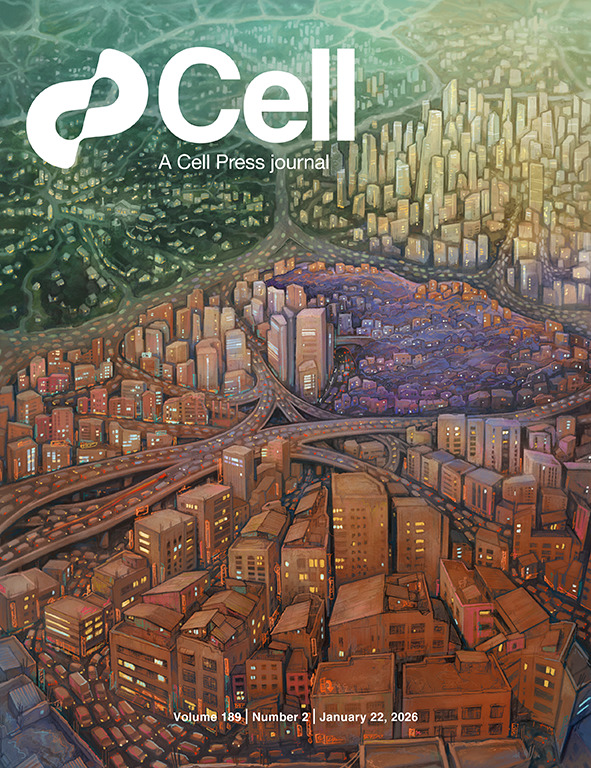
The team developed a flexible, implantable bioelectronic device named POCKET. Functioning like a customized "pocket," it conforms perfectly to the complex, uneven surfaces of organs. Utilizing a novel "nano-electroporation" effect, POCKET achieves safe, highly efficient, and precise drug or gene intracellular delivery across an entire organ surface.
Beihang University is the primary affiliation for the research. The first author is Dr. Wang Yuqiong, a postdoctoral fellow from Beihang University's School of Biological Science and Medical Engineering and City University of Hong Kong. Co-first authors are PhD candidate Du Lamei from the School of Mechanical Engineering and Automation and PhD candidate Wu Han from the School of Biological Science and Medical Engineering. The corresponding authors are Professors Chang Lingqian, Xu Ye, and Fan Yubo from Beihang University.
Research Background: A Pressing Clinical Dilemma
The research originated from a heart-wrenching clinical dilemma. For patients with hereditary ovarian gene mutations (e.g., BRCA1 mutation), clinical guidelines often recommend removing both ovaries and fallopian tubes to prevent cancer—a procedure resulting in permanent loss of fertility. Existing gene therapies like viral vectors are considered off-limits for sensitive organs like ovaries due to risks of genomic integration into germ cells.
Breaking the Bottleneck: Inspired by Kirigami
The team turned to a physical method: electroporation, which uses an electric field to transiently open cell membranes. In theory, precise control over delivery depth could target ovarian surface cells while avoiding germ cells. However, the ovary's rugged, uneven surface prevented traditional rigid devices from achieving the necessary "high conformality," and "high coverage effeicency" at the same time, leading to poor controllability and low delivery efficiency.
To overcome this, the research team get inspiration from the traditional art of Kirigami (paper cutting). They proposed an "organ-customized kirigami conformal theory," which for the first time establishes a quantitative relationship between the geometric parameters of the kirigami structure—such as unit size and hinge width—and the curvature of the target organ. This theory allows for the 3D scanning of an organ and the subsequent intelligent generation of a tailored "garment" that fits precisely to its surface. Guided by this framework, kirigami patches can be designed to achieve both full conformality to organ curvature and maximized functional area coverage, with an effective coverage rate exceeding 95%. This advancement successfully resolves the long-standing trade-off between high conformality and high coverage.
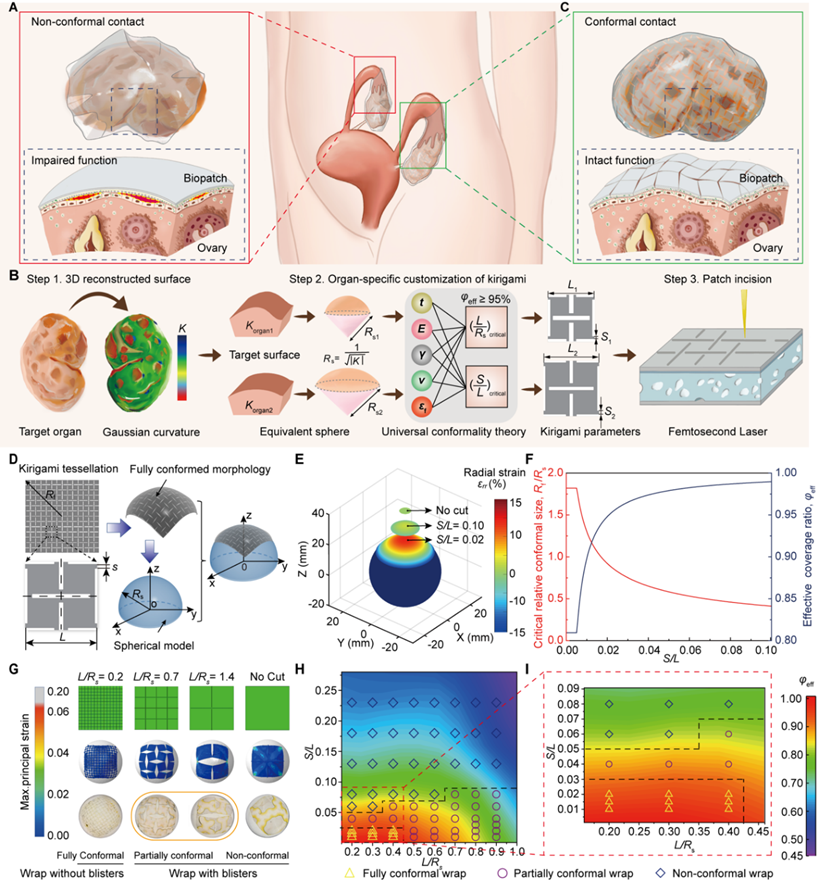
Figure 1. Conformal theory based on Kirigami structure
An Organ's 'Electronic Garment': Precise and Efficient Delivery
POCKET adopts a four-layer functional design: a nanopore array film for direct tissue contact, a hydrogel layer serving as a drug reservoir, a silver nanowire (AgNW) electrode layer responsible for electric field distribution, and a flexible substrate that provides encapsulation and support. The customized kirigami topology, fabricated via femtosecond laser on the integrated four-layer structure, enables the patch to achieve highly conformal on various organs across species, such as ovaries, eyeballs, and kidneys.
This conformality aligns the underlying nanopores precisely with target cells. Under a low applied electric field, the high-impedance nanopores concentrated the electrical filed to the cell membrane, reversibly and safely opening the cell membrane locally. Simultaneously, the intense field gradient within the pores drives a powerful electrophoretic force, accelerating drug/gene cargo delivery speed by nearly a thousand-fold. This achieves the "nano-electroporation" effect, enabling highly efficient and safe intracellular delivery at low operating voltages.
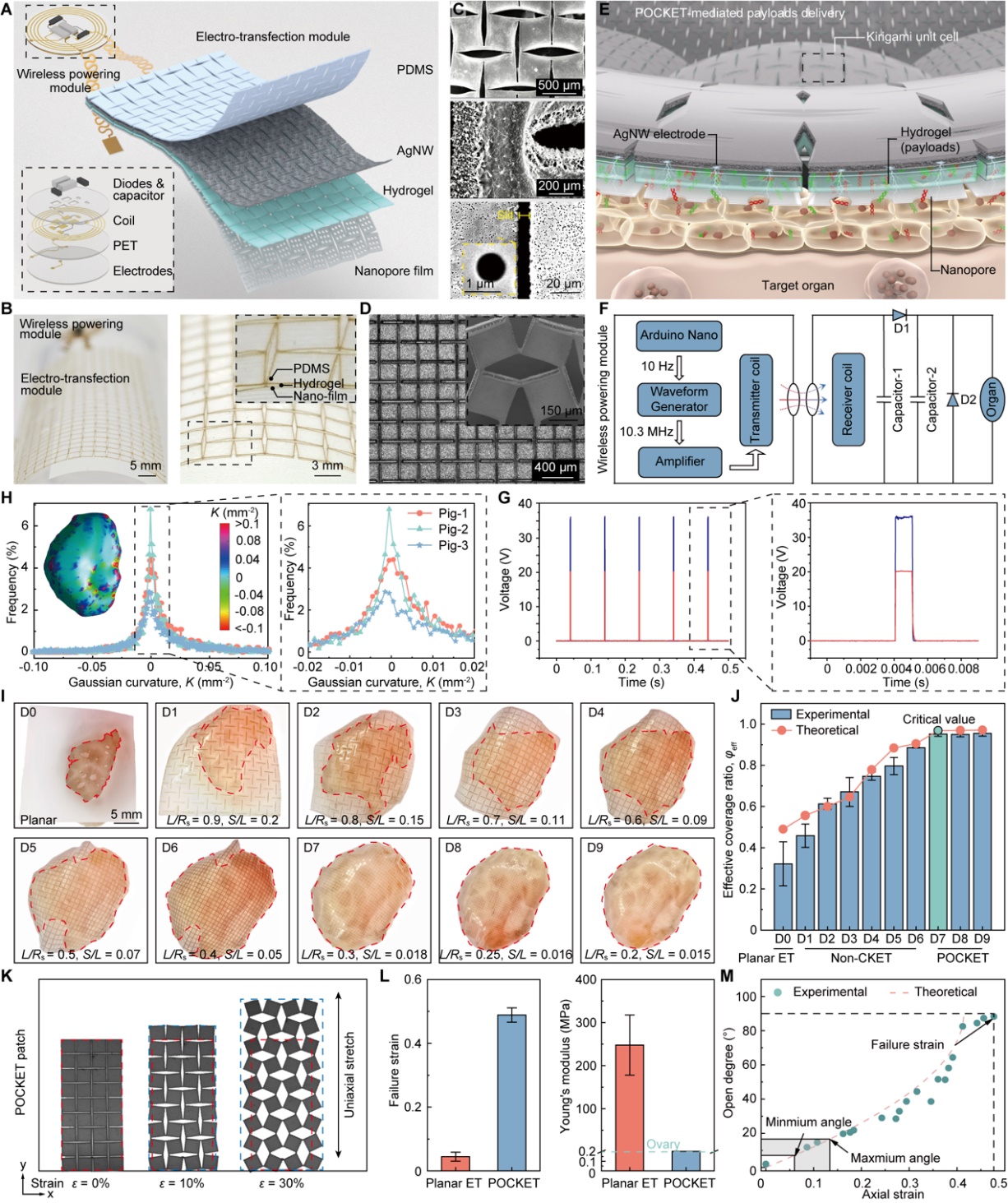
Figure 2. Customized POCKET device
Proof of Efficacy: Preserving Fertility and Repairing Injury
The research team validated POCKET's powerful functionality on various animal models and ex vivo human tissues. First, leveraging its high spatial control capability, they established a therapeutic strategy for the ovary. In a BRCA1 mutation mouse model , POCKET successfully delivered functional BRCA1 plasmid to all ovarian surface epithelial (OSE) cells, achieving a long-term effect for reducing cancer risk, without leaking the DNA drug into the ovarian germ cells. It also stimulated OSE cells to secrete exosomes (lacking genome-editing capability) carrying BRCA1 mRNA . This strategy significantly reduced DNA damage in treated ovaries and brought the cancer incidence rate to zero within one treatment cycle. Crucially, ovarian hormone secretion function, oocytes quality, and fertility were restored, producing healthy offspring. This offers an effective solution for women with cancer-predisposing gene mutations to prevent cancer without ovary removal while preserving fertility.
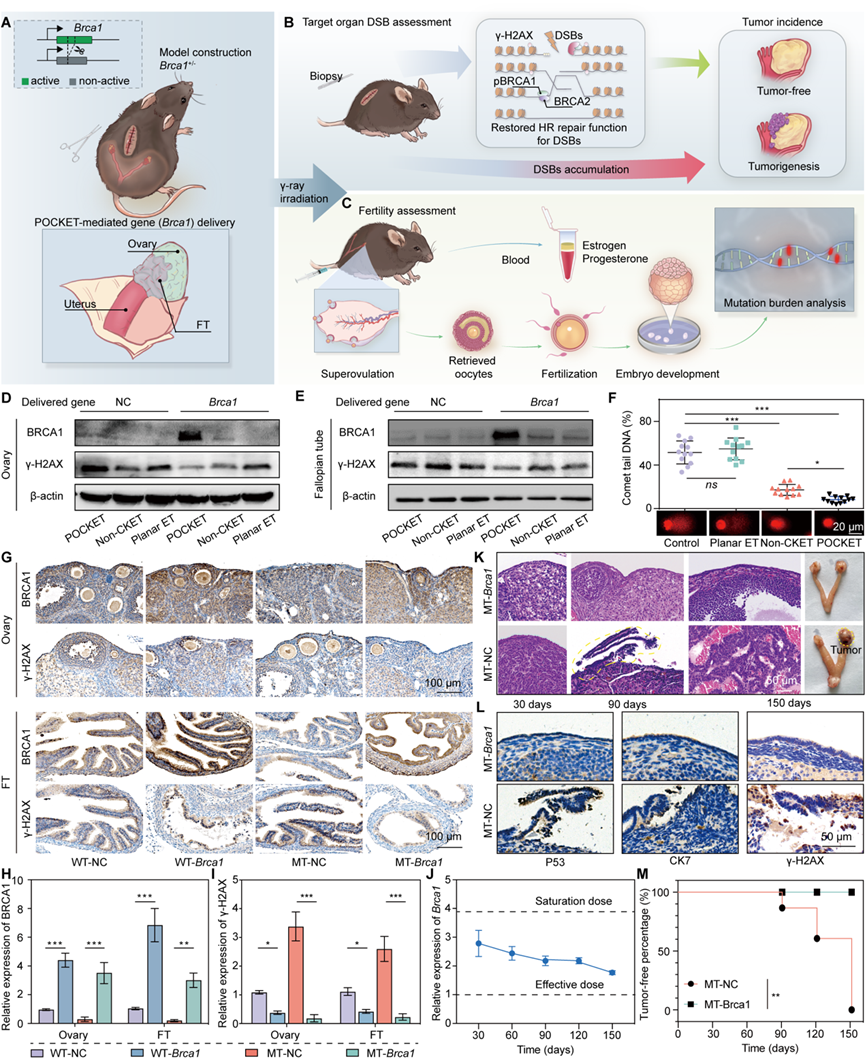
Figure 3. POCKET enables precise gene therapy for the ovary
In kidney transplant surgery, ischemia-reperfusion injury can lead to irreversible functional damage to the transplanted organ. To address this, POCKET was implanted on the kidney surface, enabling sustained, stable whole-kidney-level delivery of the anti-inflammatory drug-dexamethasone. Long-term experimental results showed that compared to oral administration, local POCKET delivery significantly promoted renal tubule repair and protected kidney function while almost completely avoiding systemic side effects like osteoporosis and serious infection risks, demonstrating its advantage in chronic disease management.
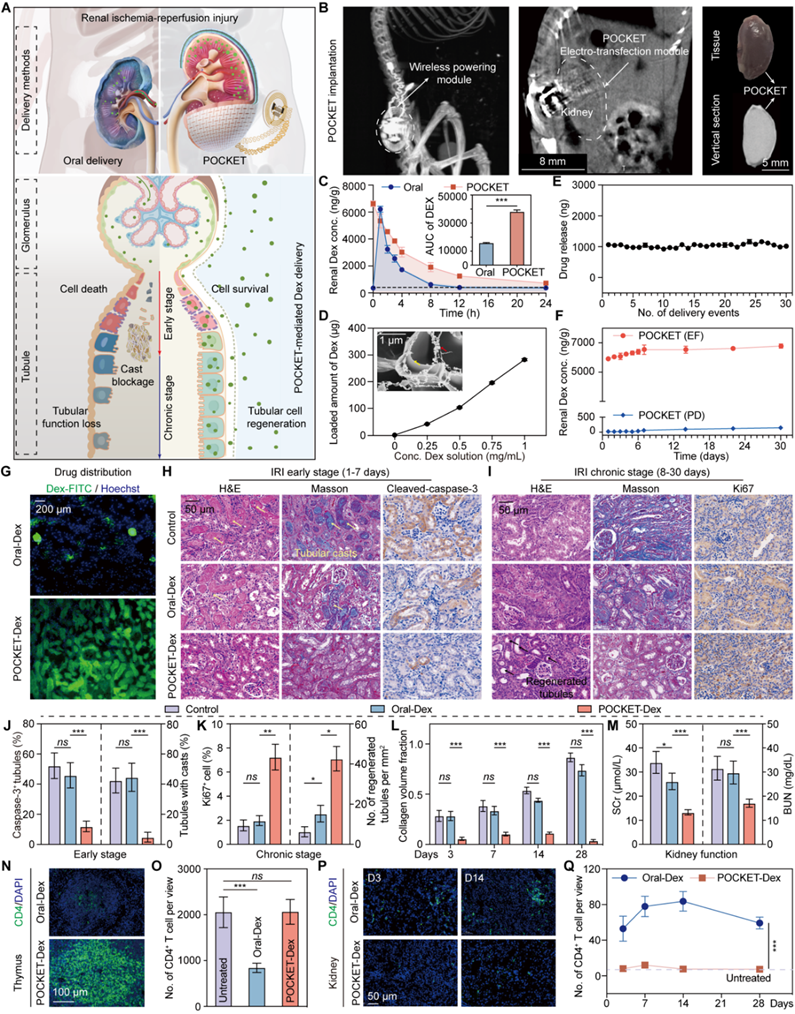
Figure 4. POCKET enables temporally controllable long-term kidney drug delivery
POCKET Technology Translation and Clinical Application
The POCKET technology provides a new tool for precision treatment of diseases like ovarian cancer prevention and organ injury repair. By integrating flexible electronics, micro-nano fabrication, wireless powering, and other technologies, it enables precise control and long-term operation of the implantable device. It can be extended to disease treatment, regenerative repair, and functional modulation of various internal organs like the liver, heart, and lungs, opening a new paradigm for future bioelectronic medicine.
Supported by the National Science Fund for Distinguished Young Scholars and the National Key Research and Development Program of China, Professor Chang Lingqian's team has successfully bridged the gap from lab to industry for the core "nano-electroporation" technology. A high-tech industrial company incubated based on this core technology has completed multiple rounds of financing. The first translated product — the "Ultra-NEP Transdermal System" — has been applied in fields like skincare. In the future, the team will further expand its applications in medical devices.
Link to the article: https://www.cell.com/cell/abstract/S0092-8674(25)01434-5
Source: School of Biological Science and Medical Engineering
Editor: Lyu Xingyun


 Beihang NewsBeihang celebrates 42nd Teachers' DayMore
 Beihang NewsBeihang's first student-designed human-powered aircraft completes test flightMore
 Beihang NewsBeihang leaders engage in dialogue with new undergraduate and graduate student representativesMore
 Beihang NewsBeihang University holds 2026 opening convocation to welcome new studentsMore
 Beihang NewsBeihang University welcomes 9,022 new graduate studentsMore
 Beihang NewsProfessor Yu Shui wins Best Screenplay Award at 21st Changchun Film FestivalMore