Professor Peng Diao’s research team from the School of Materials Science and Engineering at Beihang University has made significant progress in understanding the enhancement of photoelectrocatalytic (PEC) performance through localized surface plasmon resonance (LSPR). Their findings were published in the prestigious journal Advanced Materials under the title “Quantifying Localized Surface Plasmon Resonance Induced Enhancement on Metal@Cu2O Composites for Photoelectrochemical Water Splitting.”
The study, which quantifies the respective contributions of hot electron transfer (HET) and plasmon induced resonance energy transfer (PIRET) in LSPR-enhanced photoelectrocatalytic hydrogen evolution reaction (HER), provides valuable insights into the design of high-efficiency plasmonic photoelectrocatalysts.
Xiao Tiantian, a Ph.D. candidate at Beihang University, is the first author of the paper, with Professor Diao Peng as the corresponding author. The research was conducted exclusively by the School of Materials Science and Engineering at Beihang University.
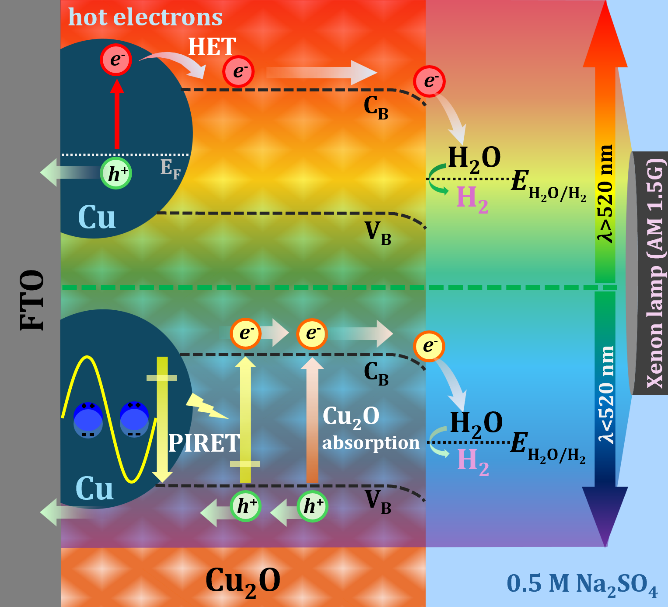
Figure 1. Mechanism diagram of HET and PIRET enhancing the efficiency of PEC reactions
Photoelectrochemical water splitting for hydrogen production is a critical technology for converting solar energy into chemical energy and reducing carbon emissions. However, traditional semiconductor materials are limited by low light absorption efficiency and severe carrier recombination, hindering their practical application. In recent years, the LSPR effect of metal nanoparticles has become a focal point for enhancing the activity of PEC reactions. However, the contributions of HET and PIRET, which often occur simultaneously, have not been quantitatively separated, posing a significant challenge in the field.
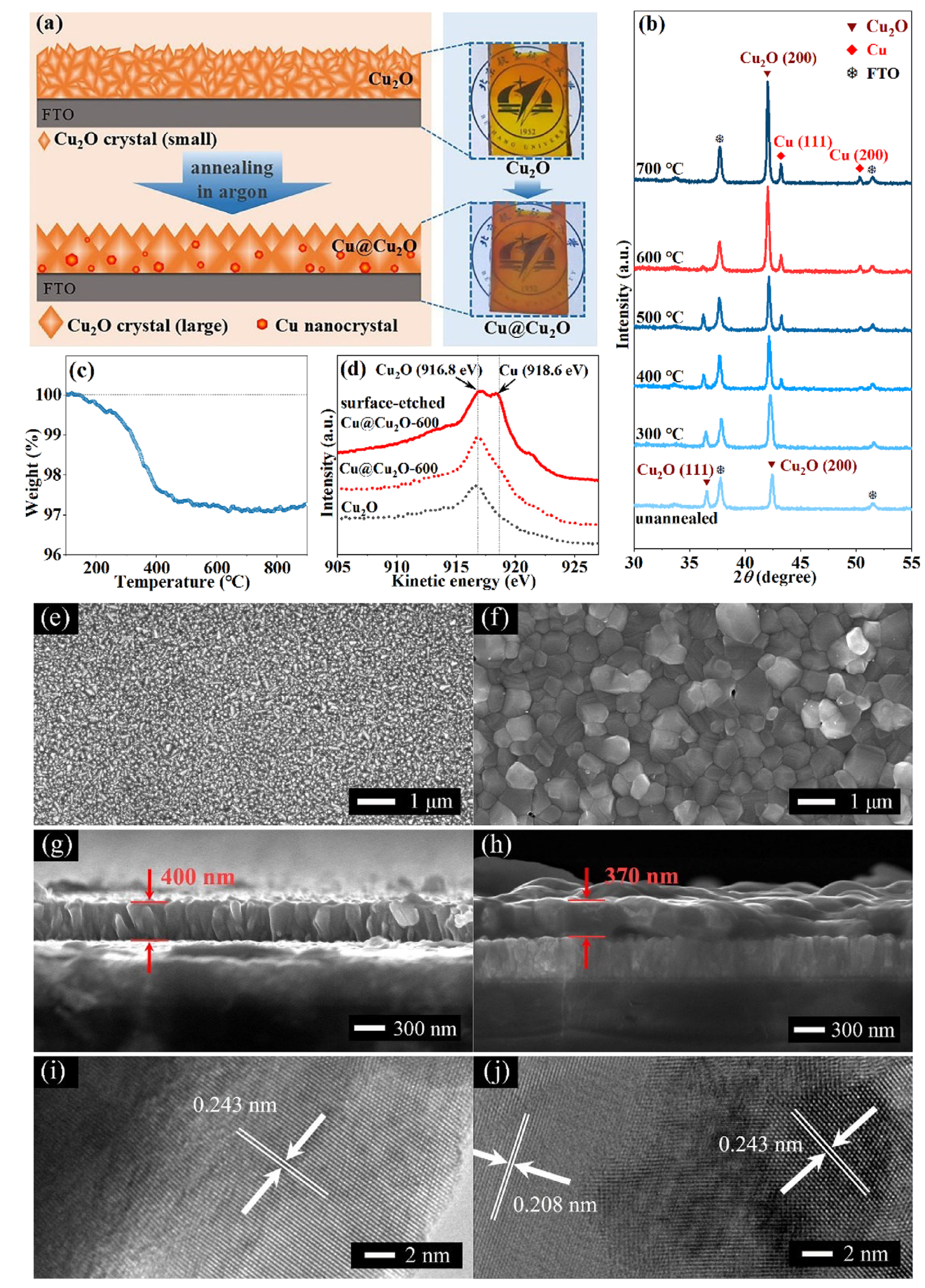
Figure 2. Preparation and characterization of Cu@Cu2O composite
In the work, Cu@Cu2O composites prepared by annealing Cu2O under an inert atmosphere and electrodeposited metal@Cu2O composites (MED@Cu2O, MED= CuED, AuED, AgED, PdED, PtED) are employed as platform materials to investigate the LSPR effect on the PEC HER. All the composites exhibited remarkably LSPR-enhanced activity toward PEC HER. The contributions of two LSPR mechanisms, PIRET and HET, to the photocurrent on Cu@Cu2O and CuED@Cu2O are quantified by using different bands of incident light. Moreover, using MED@Cu2O composites, the effects of both the metal species and the applied potential on HET are quantitatively investigated. The results reveal that a pronounced HET enhancement occurs only when the LSPR peak energy is lower than the semiconductor bandgap energy (Eg) and that HET strengthens as the applied potential becomes more negative for PEC HER.
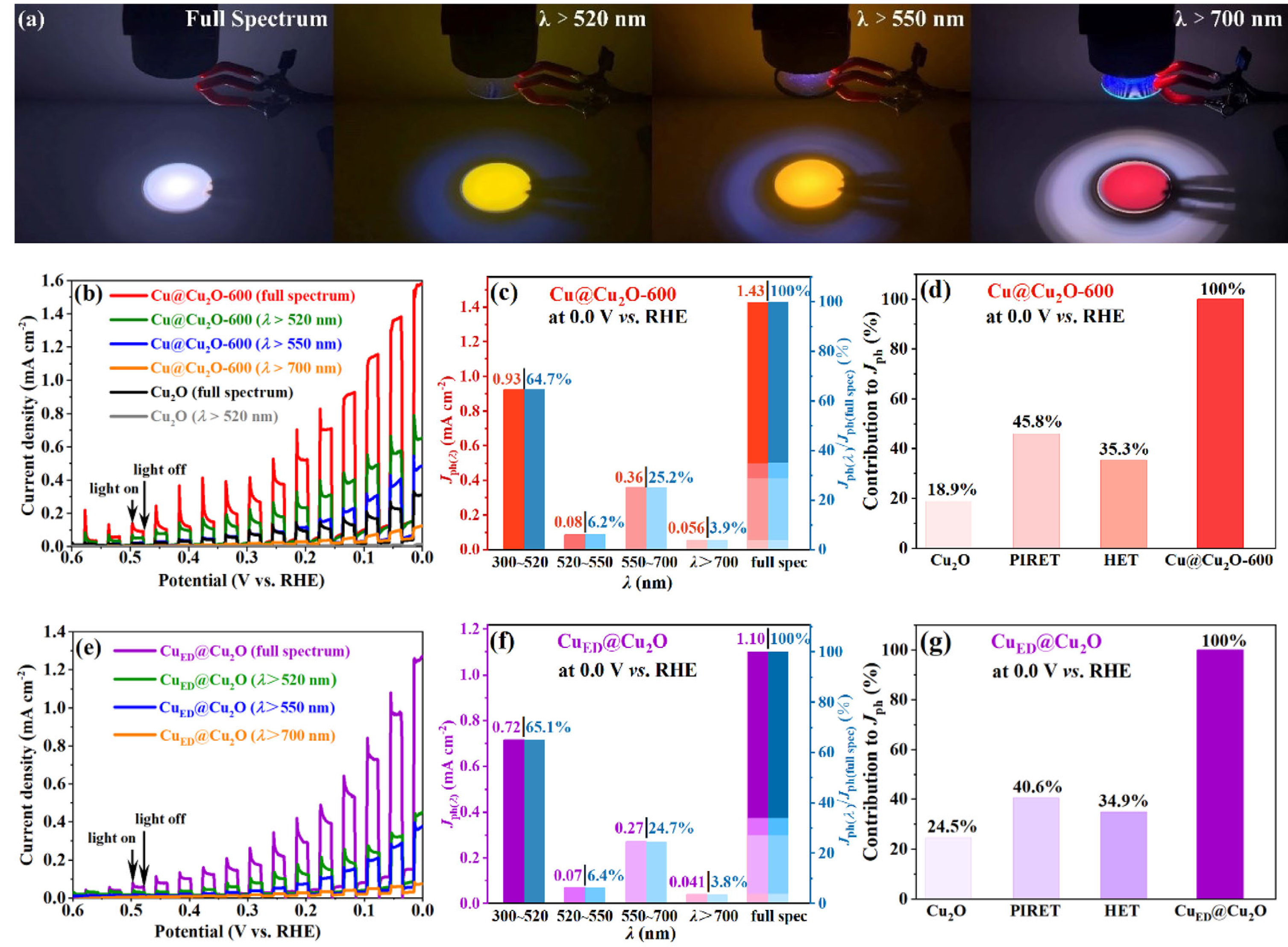
Figure 3. The contributions of PIRET and HET to the photocurrent on Cu2O are quantified by using different bands of incident light
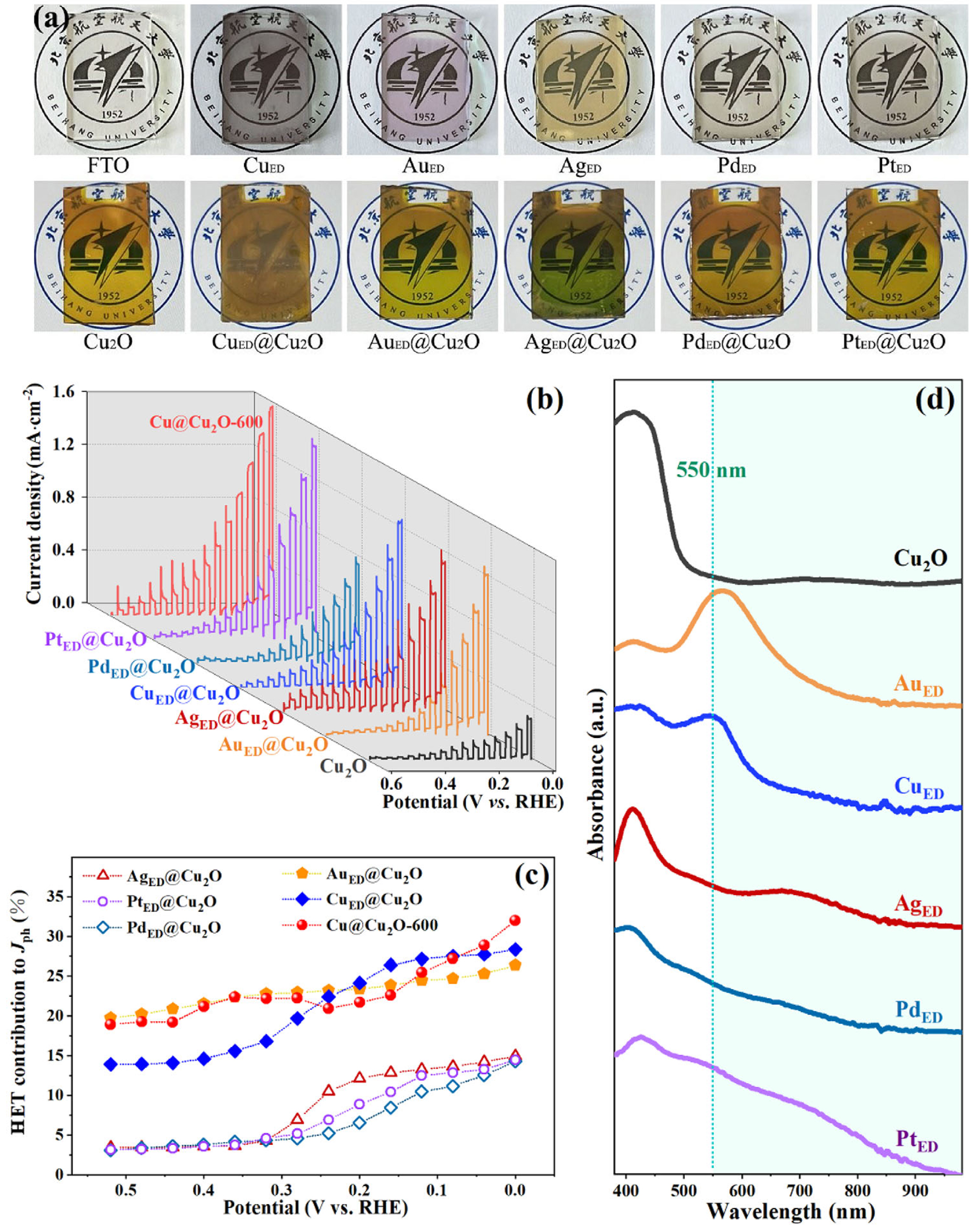
Figure 4. Influence of plasmonic metal species and applied potential on HET enhancement using different metal@Cu2O
This research not only confirms the LSPR-induced enhancement of Cu2O’s PEC activity but also reveals the detailed mechanisms behind the enhancement, providing a quantitative analysis method for LSPR effects. The study establishes a structure-activity relationship between the “metal LSPR characteristics, enhancement mechanisms, and catalytic performance,” which offers theoretical guidance for designing highly efficient plasmonic photoelectrocatalysts. The findings are expected to accelerate the practical application of solar-to-hydrogen conversion technologies. This work is supported by the National Natural Science Foundation of China (No. 52271197, 51872015).
Link to the paper: https://doi.org/10.1002/adma.202501069
Editor:Tian Zimo


 Beihang NewsChen Maozhang honored as "Charity Model" of China Charity AwardsMore
 Beihang NewsBeihang celebrates 42nd Teachers' DayMore
 Beihang NewsAssociate Professor Wang Shitong's team wins second prize at HICOOL 2026 Global Entrepreneurship CompetitionMore
 Beihang NewsBeihang's first student-designed human-powered aircraft completes test flightMore
 Beihang NewsBeihang leaders engage in dialogue with new undergraduate and graduate student representativesMore
 Beihang NewsBeihang University holds 2026 opening convocation to welcome new studentsMore