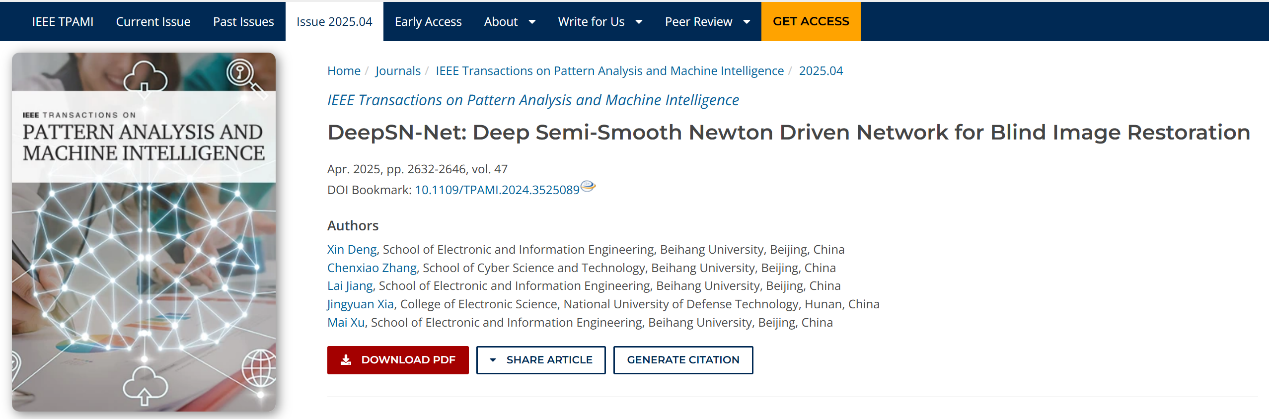
Recently, Professor Xu Mai and Associate Professor Deng Xin from the School of Electronic and Information Engineering at Beihang University, in collaboration with Associate Professor Xia Jingyuan from the National University of Defense Technology, have proposed a second-order deep unfolding network based on the semi-smooth Newton algorithm. This innovation significantly improves the accuracy and robustness of blind image restoration, and fills a critical gap in this research field.
The research findings, titled “DeepSN-Net: Deep Semi-Smooth Newton Driven Network for Blind Image Restoration,” were published in the IEEE Transactions on Pattern Analysis and Machine Intelligence, a top-tier journal in artificial intelligence and computer vision.
The deep unfolding network represents a promising research avenue in image restoration. By mapping iterative optimization algorithms into learnable network structures, it integrates model priors into the network, significantly enhancing the interpretability of network reasoning and the robustness of network learning. However, most current deep unfolding methodologies are anchored in first-order optimization algorithms, which suffer from sluggish convergence speed and unsatisfactory learning efficiency.
To address this issue, the authors first formulate an improved semi-smooth Newton (ISN) algorithm, through turning the original nonlinear coupling system solving problem into a network-friendly convex optimization problem. Afterwards, a novel semi-smooth Newton driven network is proposed for image restoration, namely DeepSN-Net. The network architecture is rigorously derived from the ISN algorithm, thereby endowing it with good interpretability.
The authors conduct exhaustive experiments on 11 datasets across three typical blind image restoration tasks, i.e., image denoising, deraining, and deblurring. Compared to state-of-the-art methods, the proposed method improves the peak signal-to-noise ratio (PSNR) by 0.6 dB and reduces network complexity by 91%. The experimental results show the superior restoration performance of DeepSN-Net, together with its high efficiency and good generalization capability.
Future research could extend to multimodal image restoration by exploring cross-modal correlation mechanisms to enhance modeling accuracy for complex scenarios. In network design, developing high-performance and lightweight network modules could provide robust support for tasks like remote sensing image restoration and medical image enhancement.
Link to the paper:https://ieeexplore.ieee.org/abstract/document/10820096
Editor: Lyu Xingyun


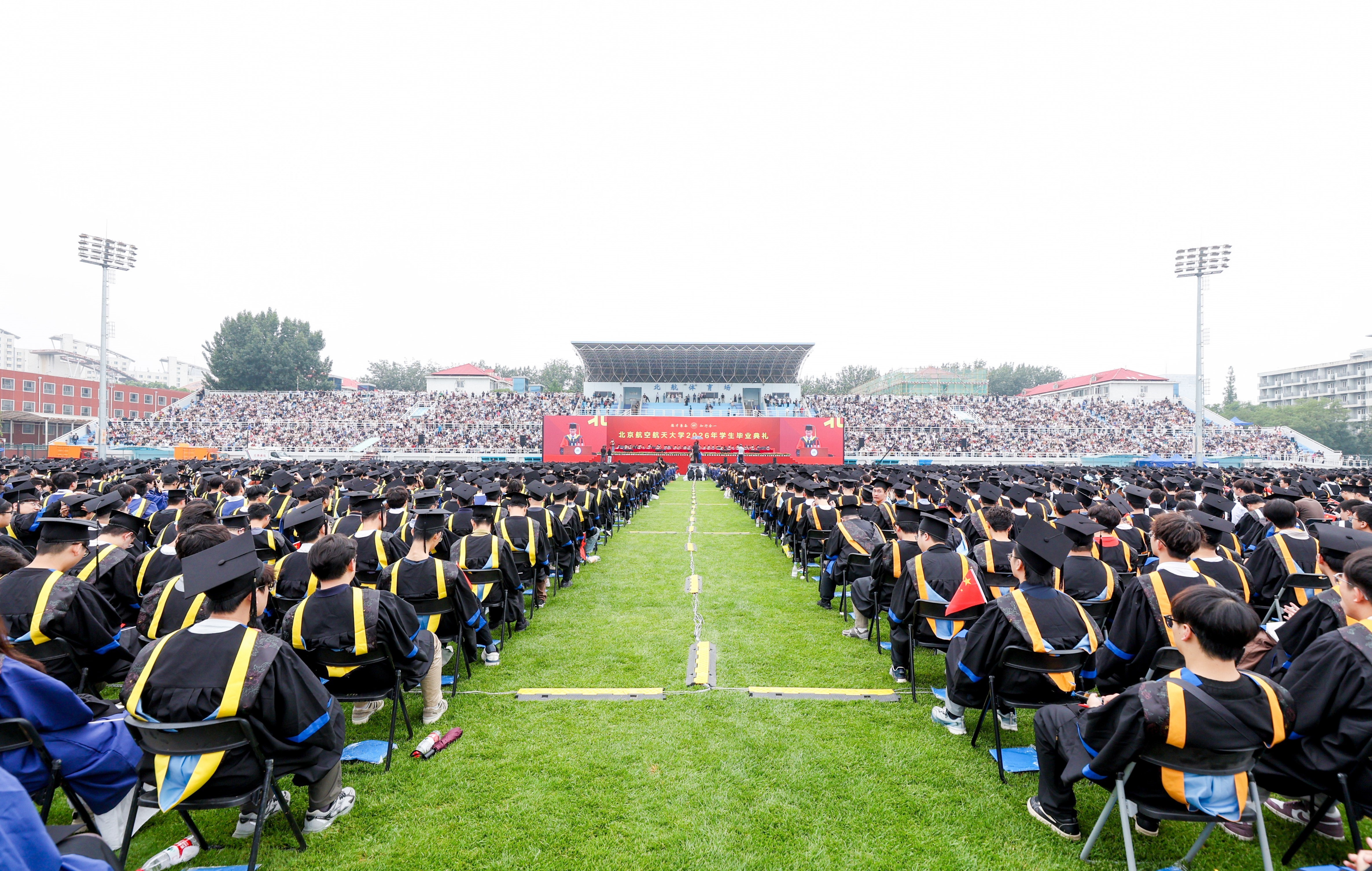 Beihang NewsBeihang holds 2026 Commencement and Degree Conferral CeremonyMore
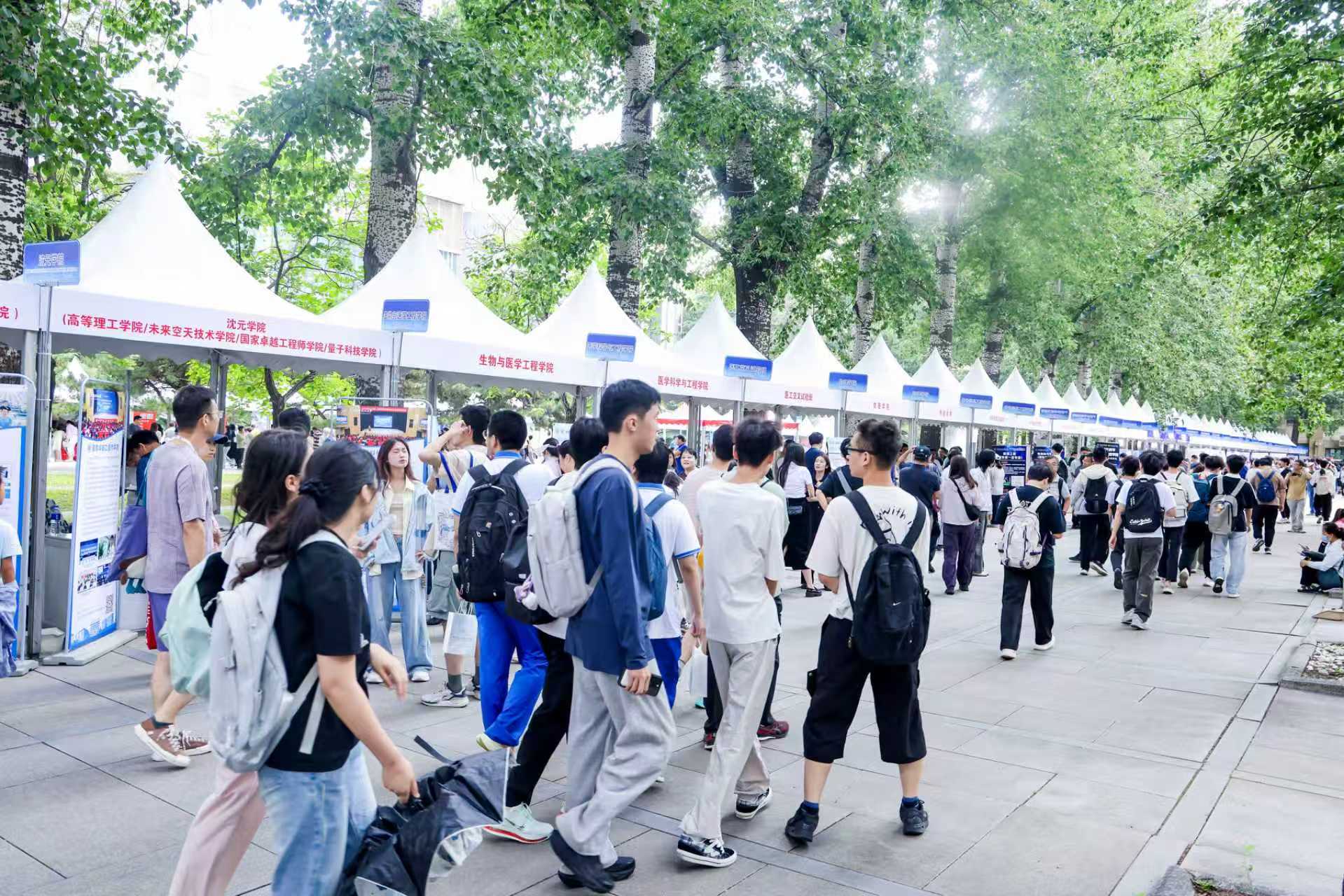 Beihang NewsBeihang hosts 2026 Campus Open Day & Admissions Information Session across three campuses in Beijing and HangzhouMore
 Beihang NewsBeihang University holds graduation gala for Class of 2026More
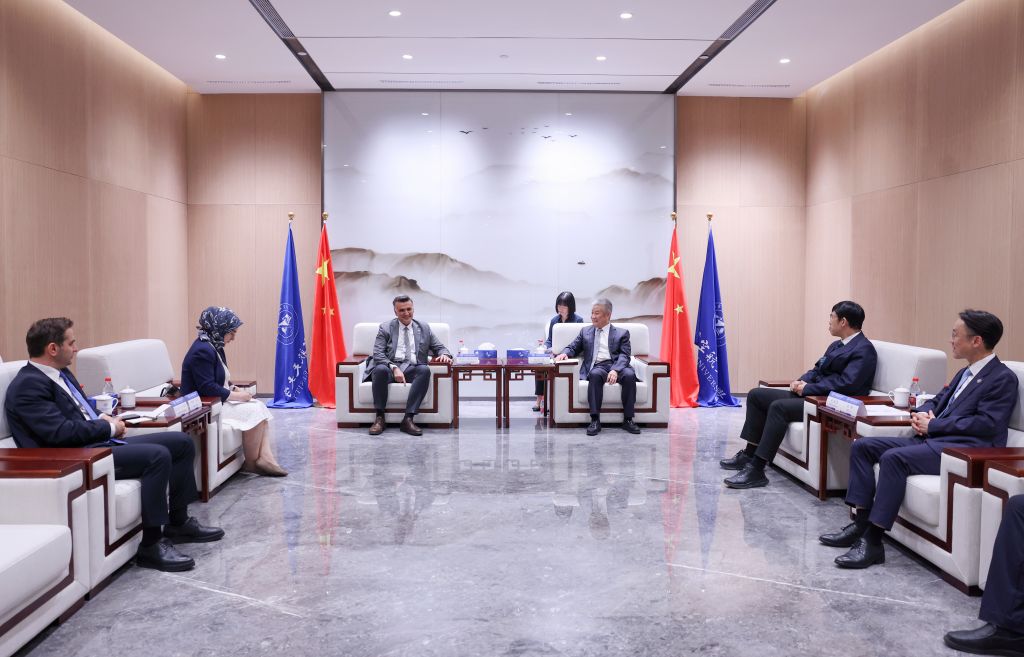 Beihang NewsMETU President Ahmet Yozgatlıgil visits Beihang UniversityMore
 Beihang NewsUniversity leaders take group photos with 2026 graduatesMore
 Beihang NewsTrio Hélios Piano Concert staged at BeihangMore