Recently, the Advanced Compressor Aerodynamic Design Research Group at the Research Institute of Aero-Engine of Beihang University, including researchers Zhao Shouyang, Yu Xianjun, Meng Dejun, An Guangfeng, and Liu Baojie, has developed groundbreaking experimental methods to simulate fouling effects in axial compressors, addressing critical challenges in aero-engine performance degradation.
Their study, titled "Experimental simulation of fouling effects in a four-stage low-speed axial compressor: Fouling distribution and performance changes," has been published in Physics of Fluids, a leading journal in the field.
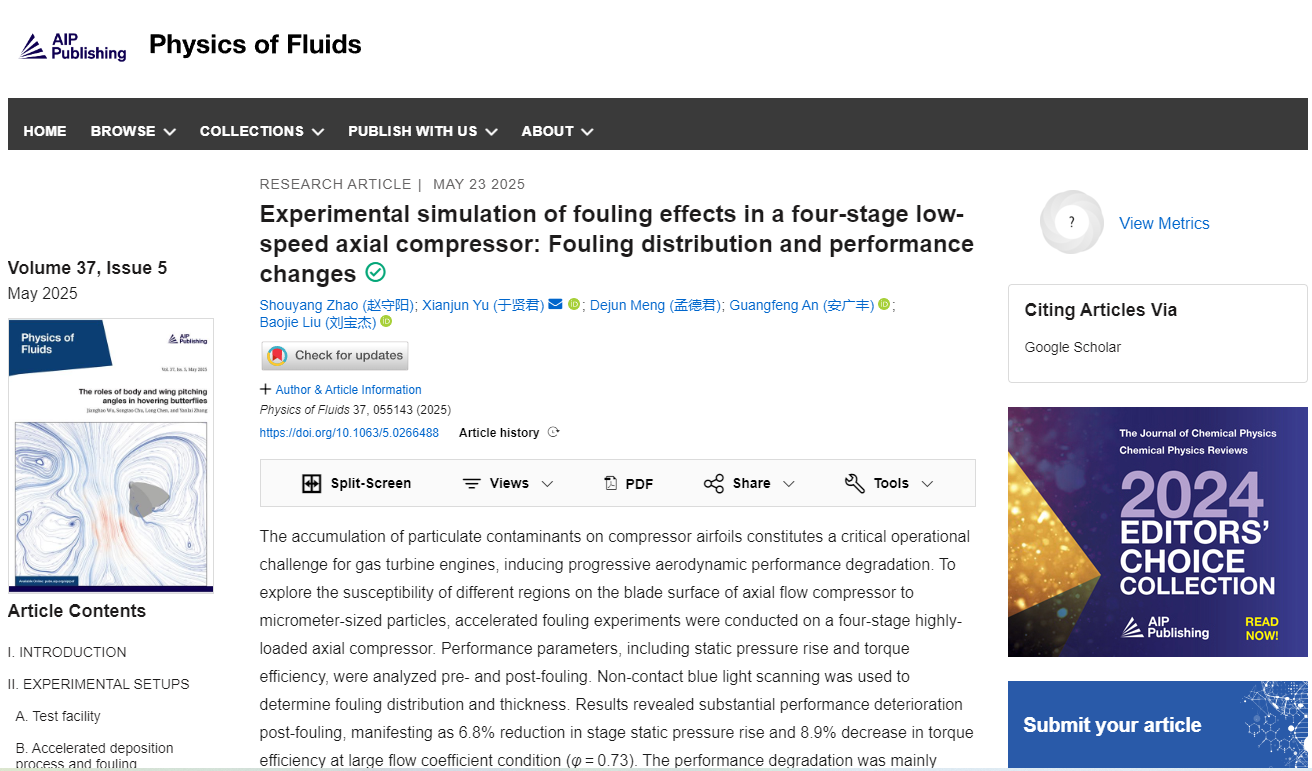
The accumulation of particulate contaminants on compressor airfoils constitutes a critical operational challenge for gas turbine engines, leading to progressive aerodynamic performance degradation. However, due to the potential damage to experimental equipment and operators caused by accelerated fouling simulations, high-precision experimental measurements in laboratory environments are scarce. This has posed significant challenges to understanding the mechanisms and developing predictive and preventive methods for fouling-related issues.
To explore the susceptibility of different regions on the blade surface of axial flow compressor to micrometer-sized particles, accelerated fouling experiments were conducted on a four-stage highly-loaded axial compressor. Performance parameters, including static pressure rise and torque efficiency, were analyzed pre- and post-fouling. Non-contact blue light scanning was used to determine fouling distribution and thickness. Results revealed substantial performance deterioration post-fouling, manifesting as 6.8% reduction in stage static pressure rise and 8.9% decrease in torque efficiency at large flow coefficient condition (φ = 0.73). The performance degradation was mainly attributed to fouling on the leading-edge and pressure surface of the blade, where the maximum fouling thickness reached 0.28 mm.
The findings establish a foundational framework for elucidating the underlying mechanisms governing the distribution of fouling on compressor surfaces, as well as for the validation and development of numerical simulation techniques for fouling analysis. Furthermore, the results may provide critical insights for the design of next-generation blades with enhanced fouling resistance, thereby contributing to the advancement of robust compressor design strategies.
The Advanced Compressor Aerodynamic Design Research Group at Beihang University has long been dedicated to advanced compressor design theories and methods, experimental studies of complex internal flows, computational fluid dynamics (CFD), and CFD software development. Under the leadership of Academician Chen Maozhang and Professor Jiang Haokang, the team has consistently focused on fundamental research in compressor aerodynamics, teaching, and engineering practices.
Link to the paper: https://doi.org/10.1063/5.0266488
Editor: Lyu Xingyun


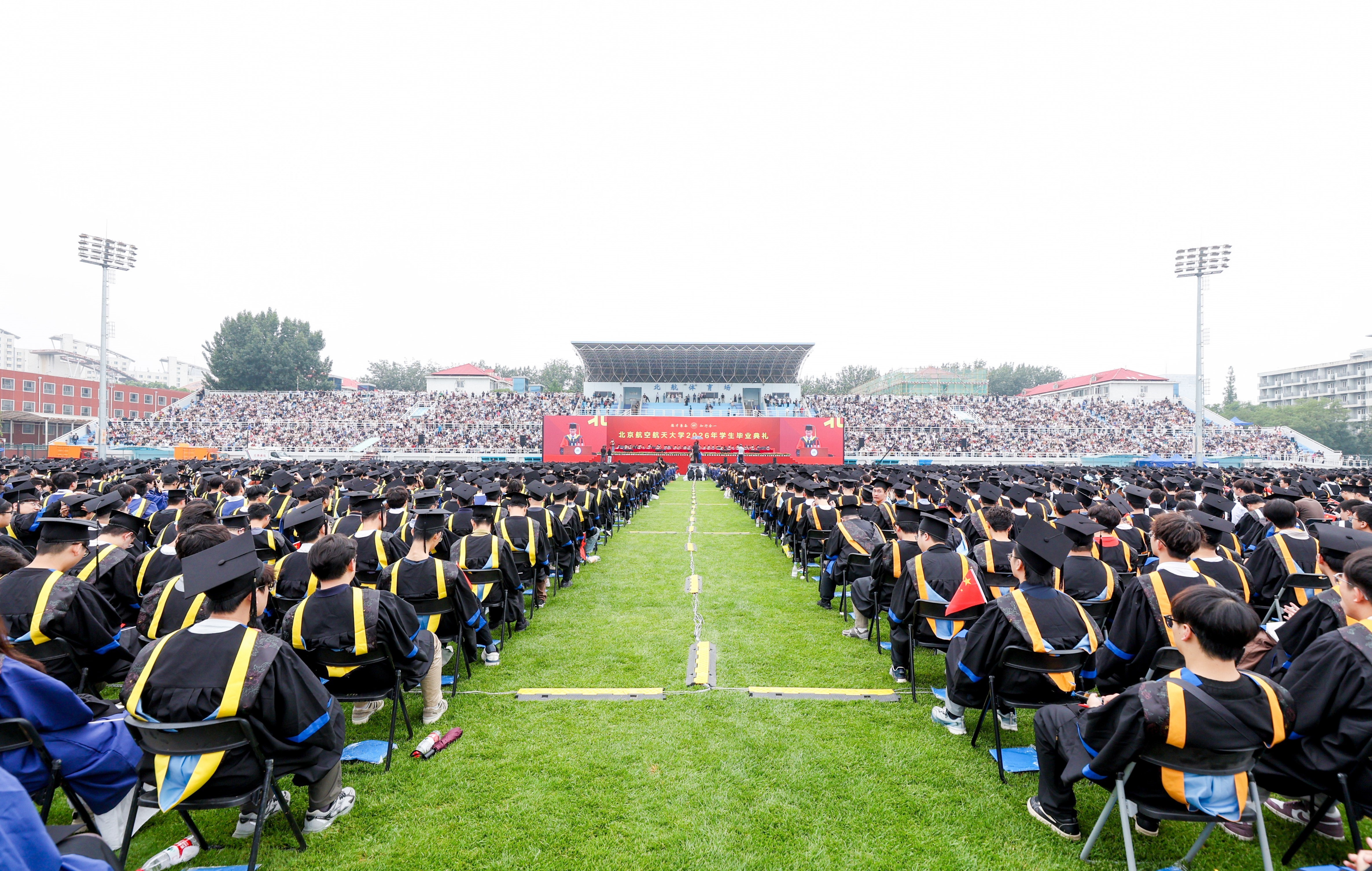 Beihang NewsBeihang holds 2026 Commencement and Degree Conferral CeremonyMore
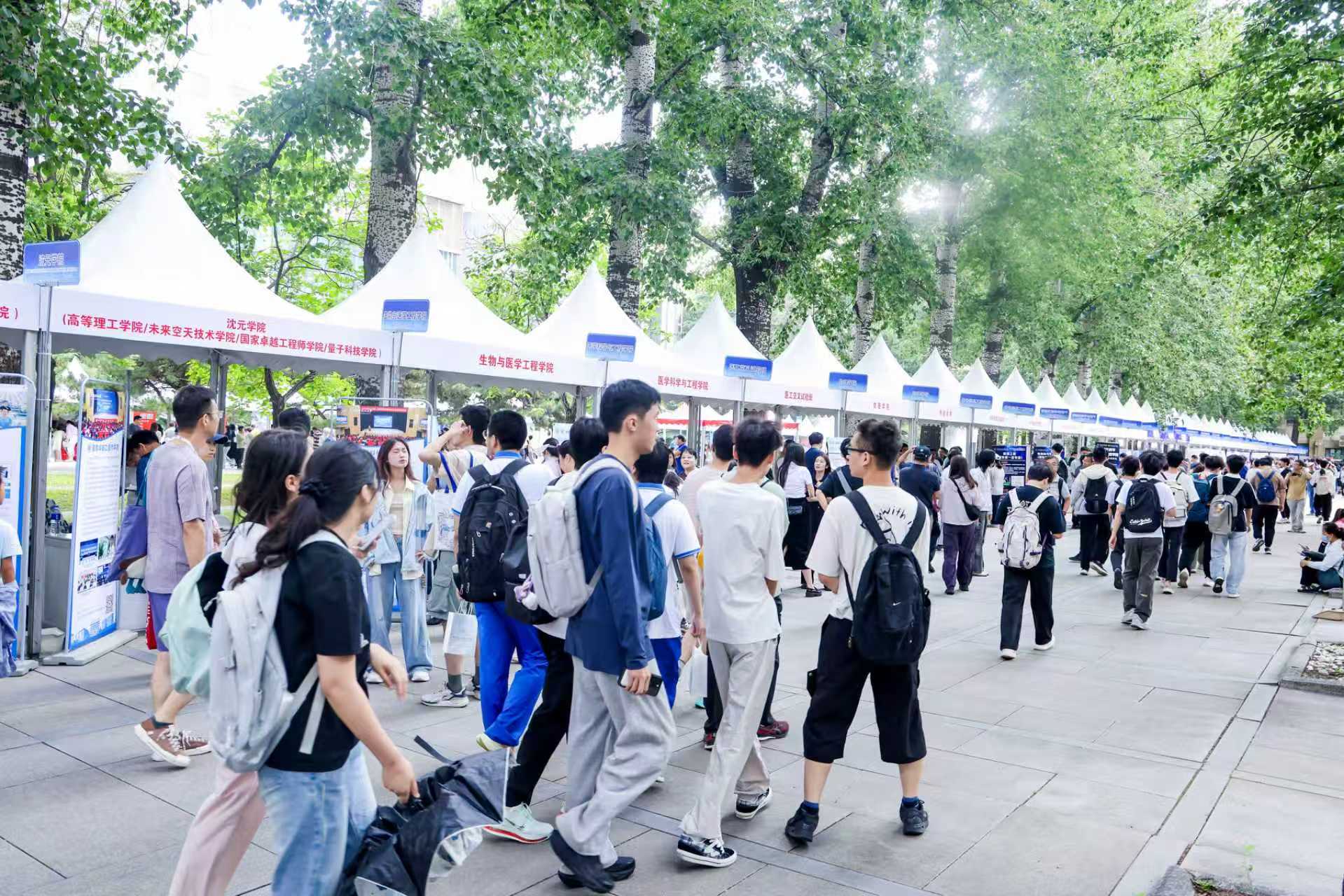 Beihang NewsBeihang hosts 2026 Campus Open Day & Admissions Information Session across three campuses in Beijing and HangzhouMore
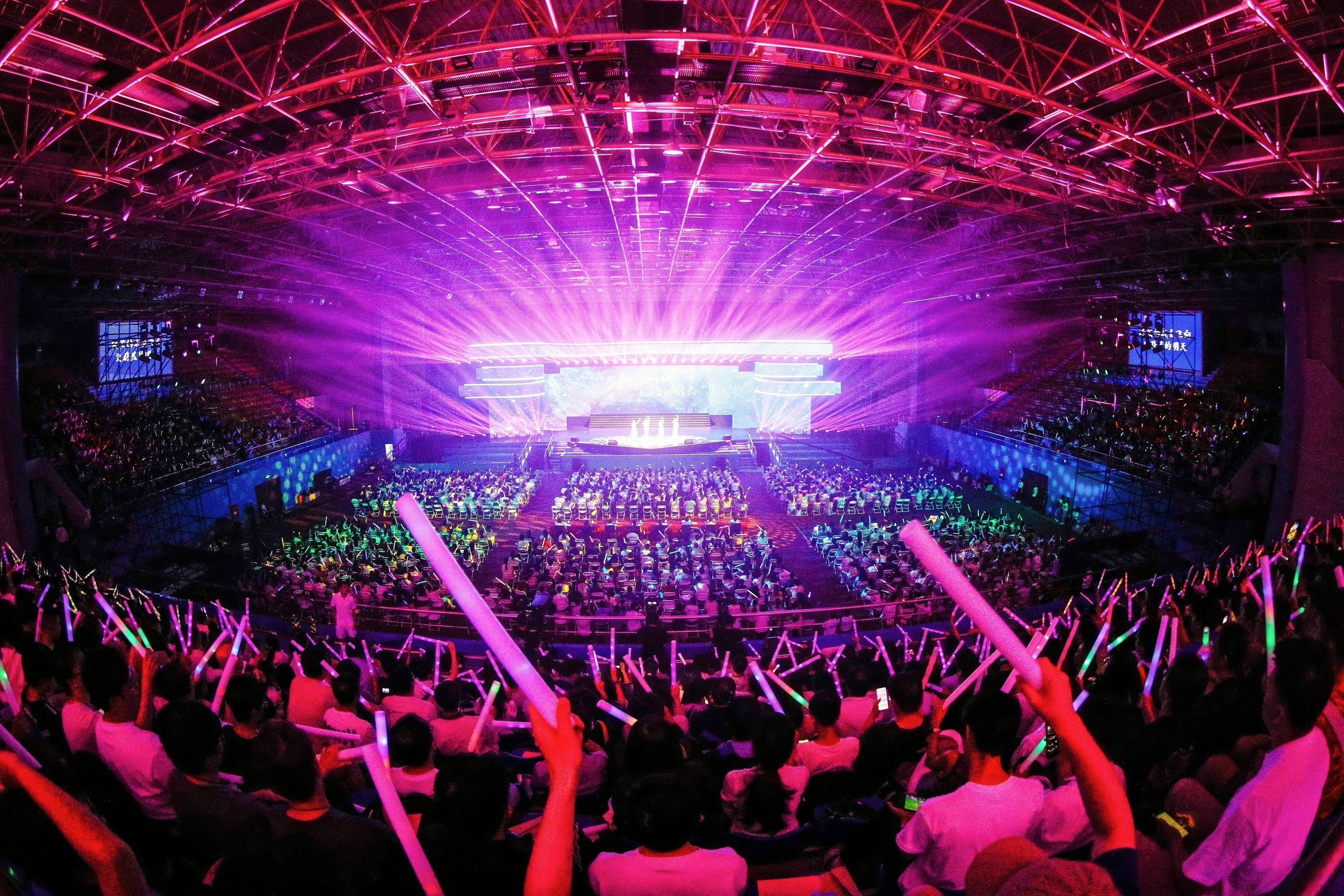 Beihang NewsBeihang University holds graduation gala for Class of 2026More
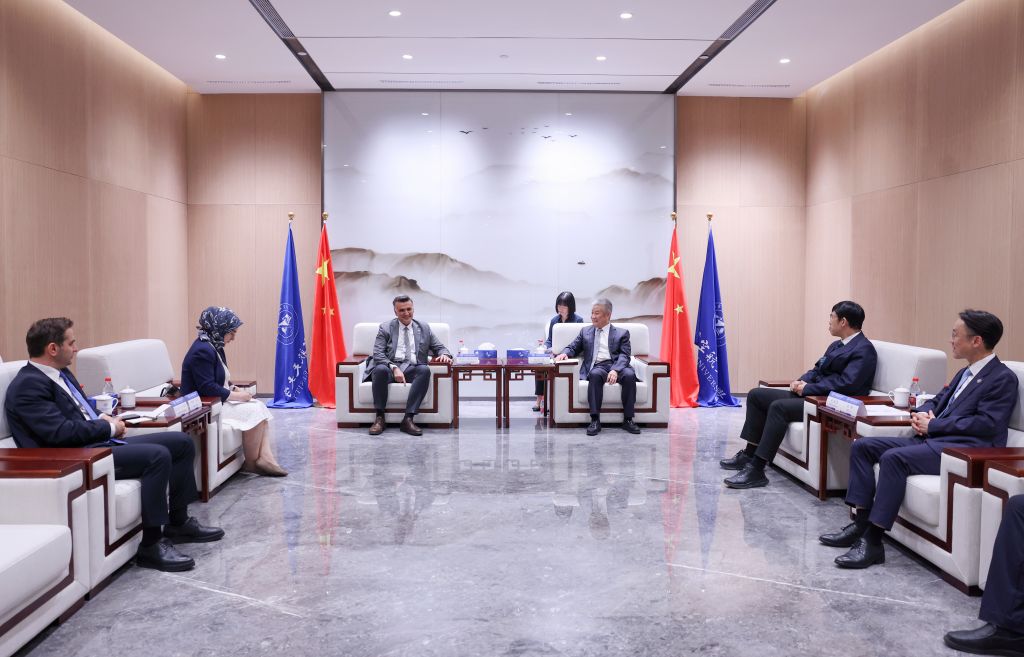 Beihang NewsMETU President Ahmet Yozgatlıgil visits Beihang UniversityMore
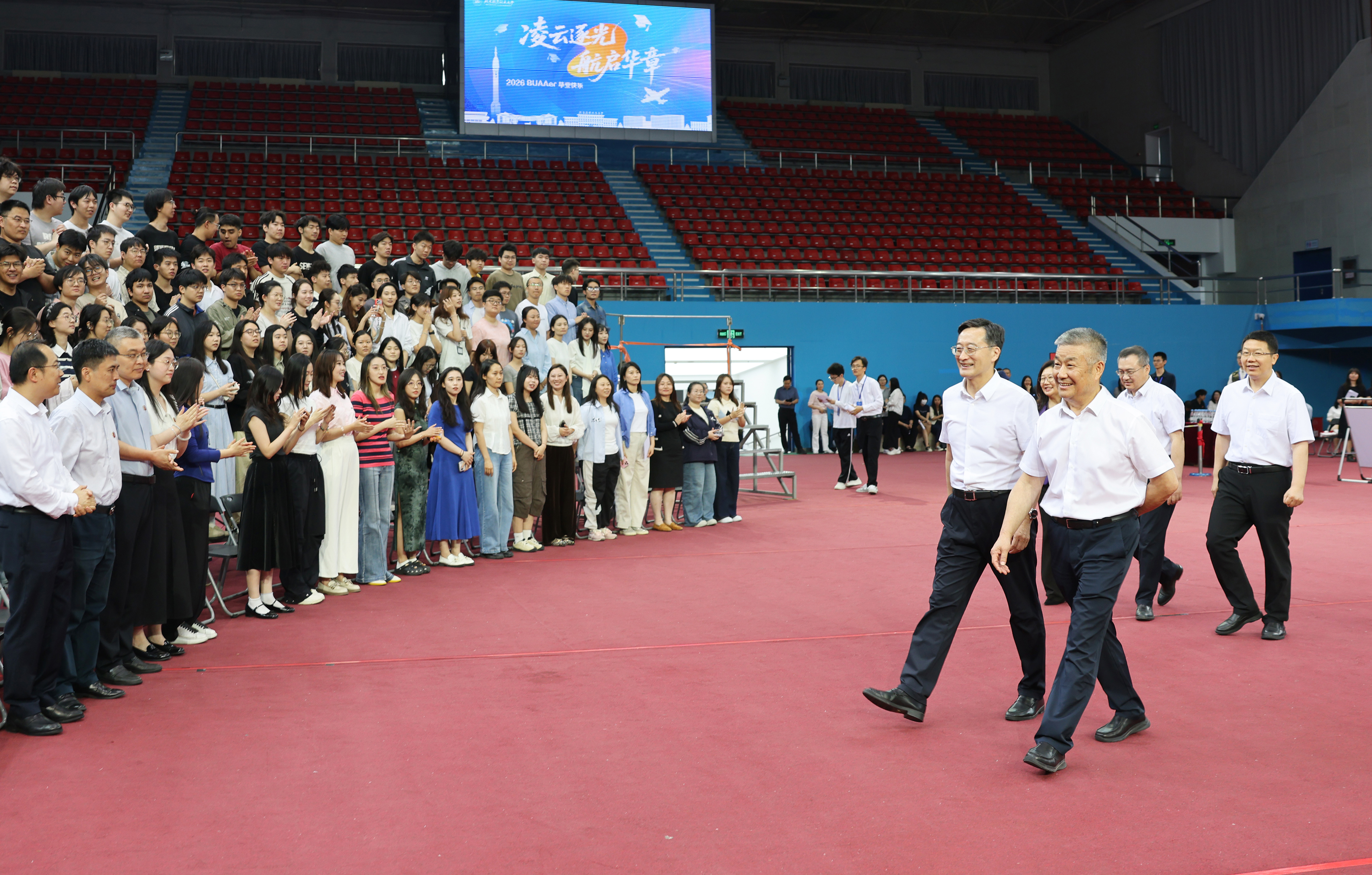 Beihang NewsUniversity leaders take group photos with 2026 graduatesMore
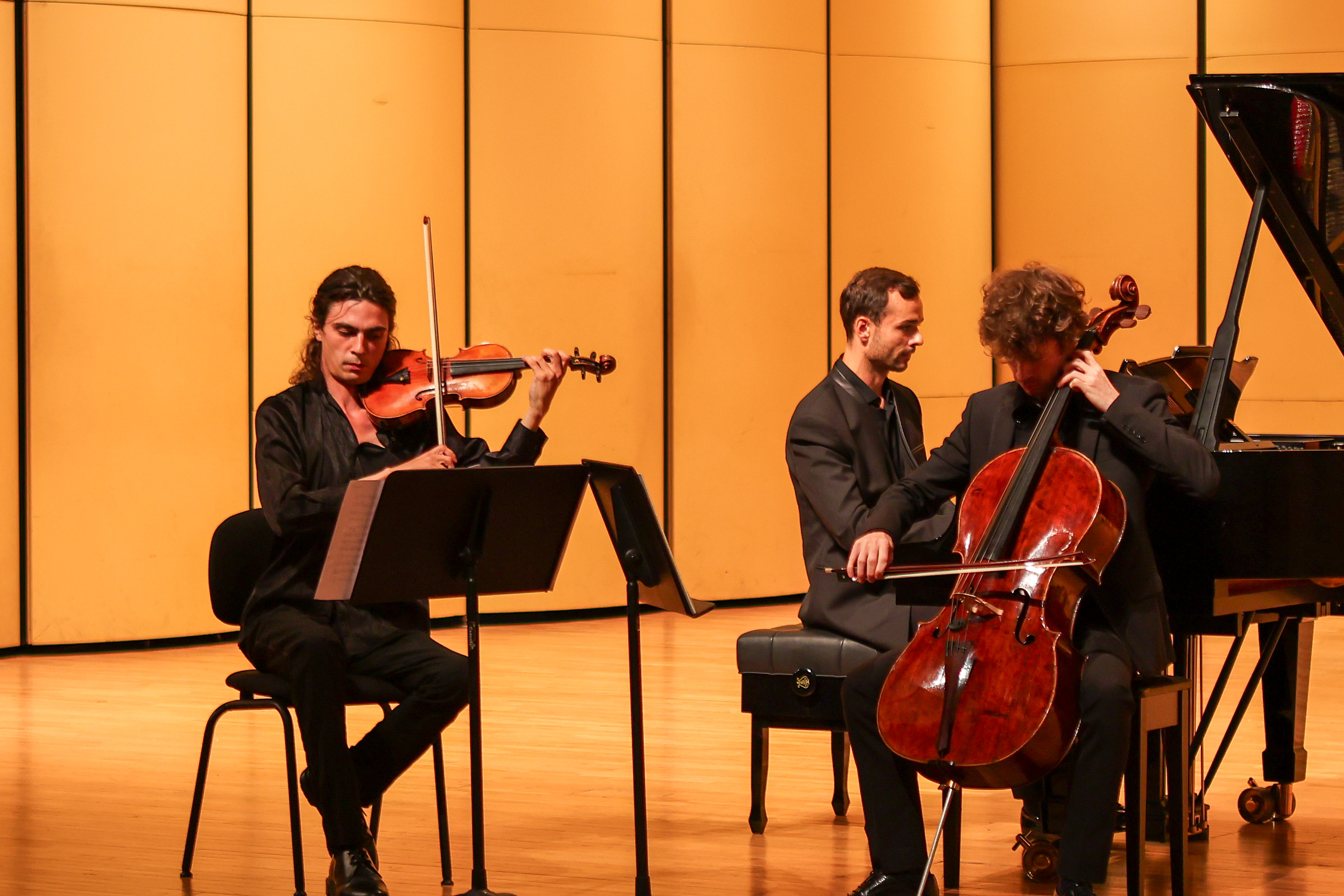 Beihang NewsTrio Hélios Piano Concert staged at BeihangMore