A major advance in high-energy nuclear reaction research has been achieved by a team led by Professors Sun Baohua and Tanihata Isao’s team from the School of Physics, Beihang University. Their study, titled "Charge Pickup Reaction Cross Section for Neutron-Rich p-shell Isotopes at 900A MeV," was published in Physical Review X in collaboration with GSI and other international partners.
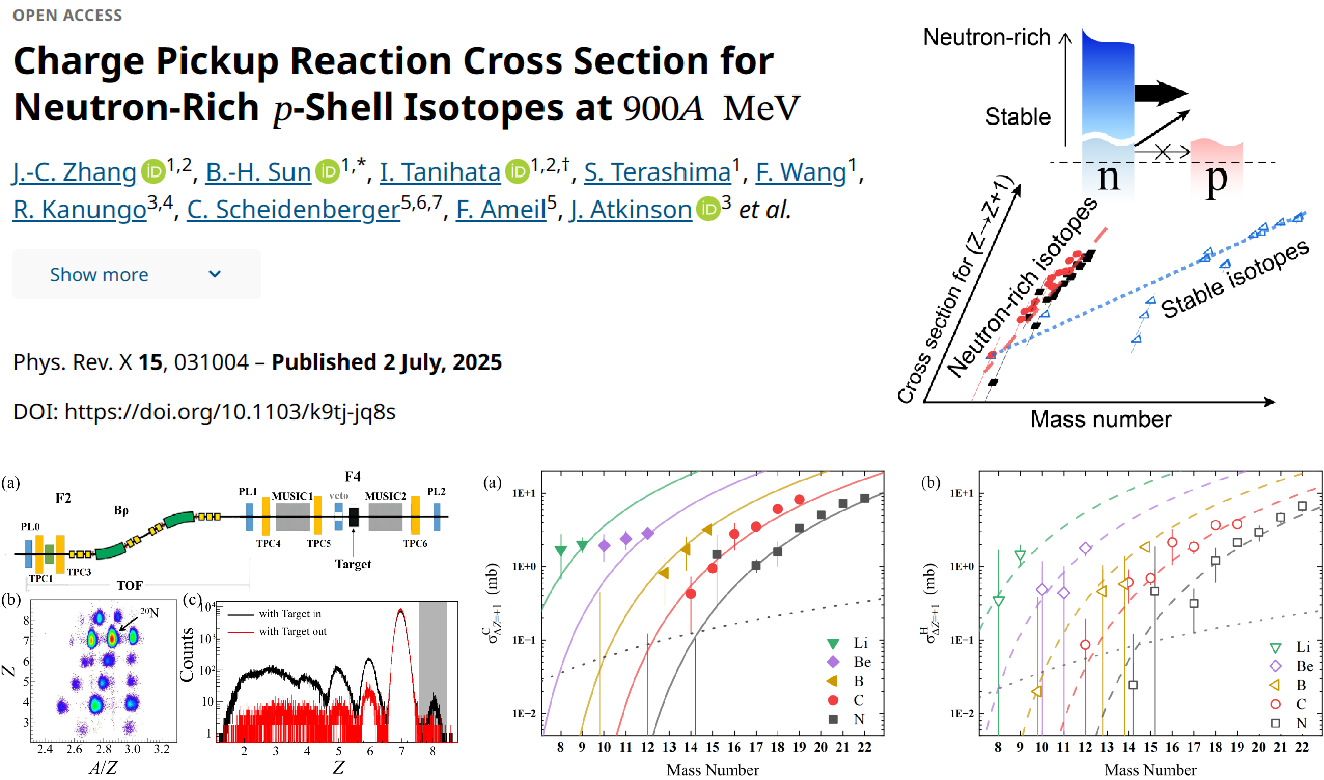
When atomic nuclei collide at nearly the speed of light, a rare transformation can occur in which a neutron turns into a proton—a process known as charge exchange (or "charge pickup"). This reaction, which may be related to beta decay, is poorly understood, especially in highly neutron-rich nuclei like those found in radioactive beams or explosive astrophysical events. In this study, the authors report a surprising new discovery: The probability of this neutron-to-proton flip grows far more rapidly with neutron number than previously believed.
To investigate this phenomenon, the researchers carry out an experiment at the GSI accelerator in Germany. They produce 24 light𝑝-shell isotopes, ranging from stable to highly neutron rich, and collide them with carbon and hydrogen targets at energies near 900 MeV per nucleon.The results reveal an exponential rise in probability as more neutrons are added. For example, from carbon-12 to carbon-19, the charge pickup probability increased nearly 50-fold, far exceeding the earlier estimated factor of 2.5. They develop a new empirical formula that separates the effects of nuclear mass and neutron-proton imbalance, moving beyond the limitations of traditional models.
The results offer fresh insights into the mechanisms behind high-energy nuclear reactions and help explain puzzling features in nuclear beta decay. They also have practical implications for producing rare isotopes and improving nuclear astrophysics simulations.
The paper’s first author is Dr. Zhang Jichao (a former Beihang Ph.D. student, now a postdoctoral researcher at Osaka University), with Professors Sun Baohua and Tanihata Isao serving as corresponding authors. Collaborating institutions include the GSI Helmholtz Center for Heavy Ion Research (Germany), TRIUMF Laboratory (Canada), Osaka University (Japan), and other universities and research centers worldwide. The study was supported by the National Natural Science Foundation of China and other agencies.
Link to the paper: https://doi.org/10.1103/k9tj-jq8s
Editor: Lyu Xingyun


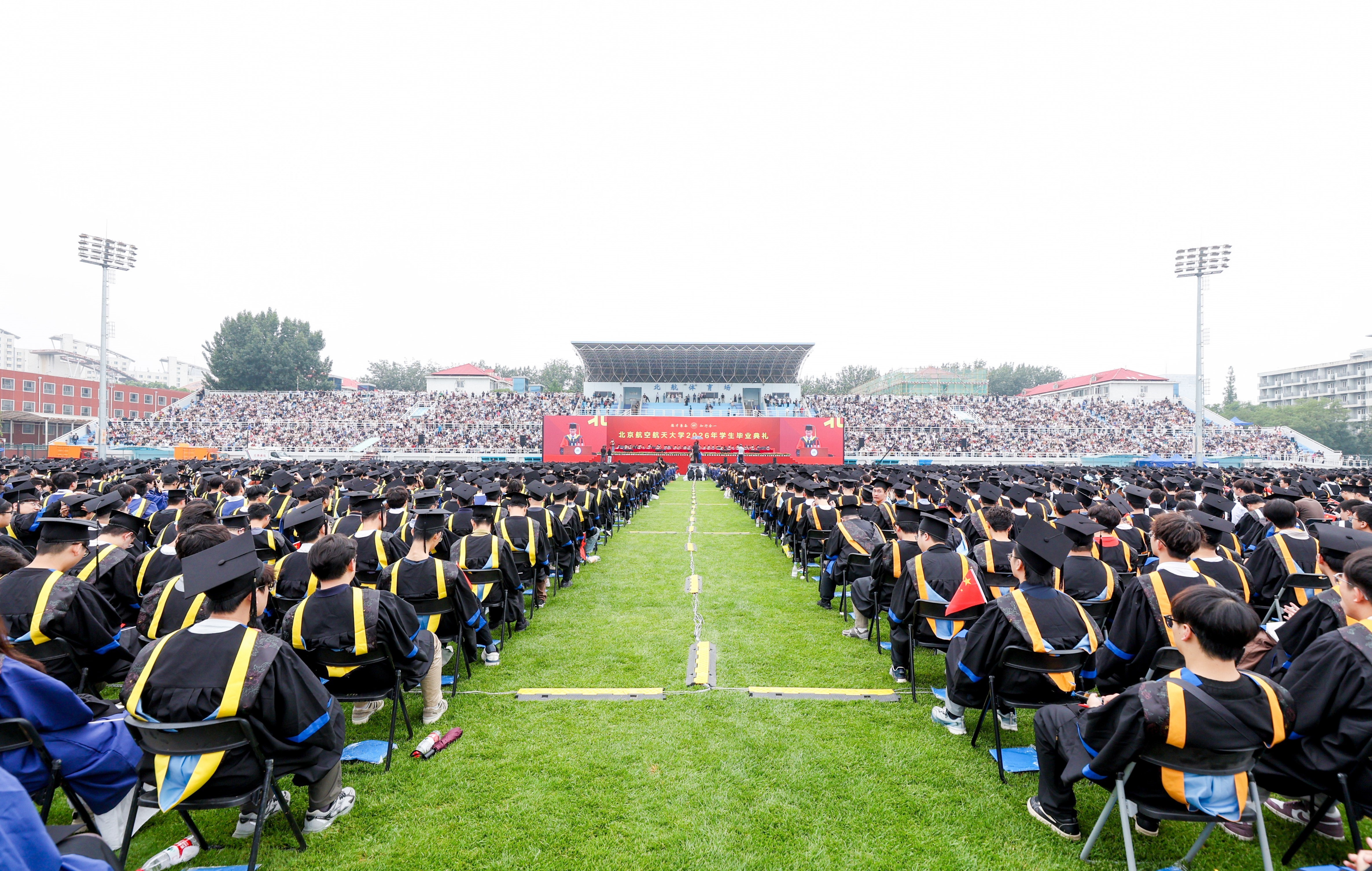 Beihang NewsBeihang holds 2026 Commencement and Degree Conferral CeremonyMore
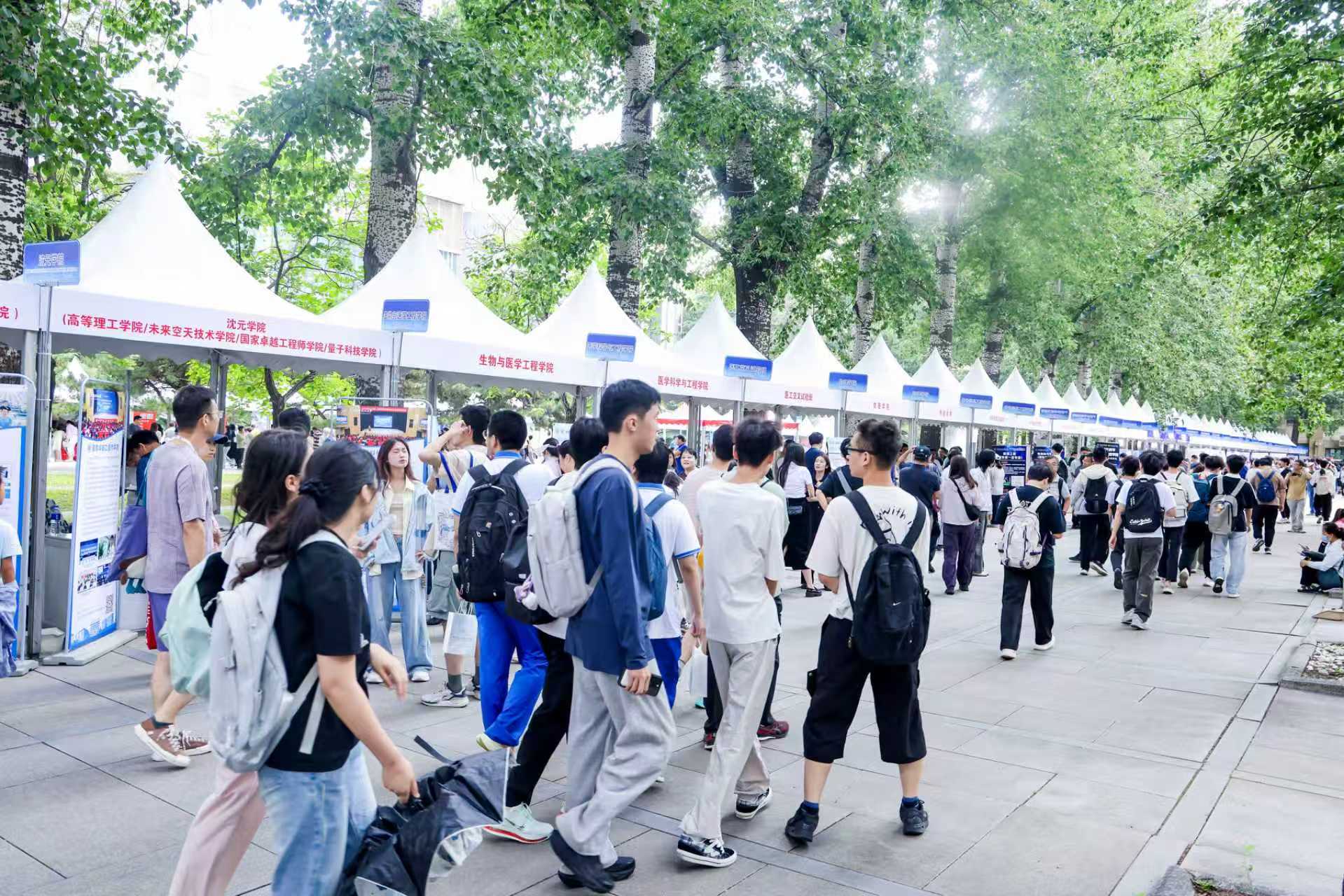 Beihang NewsBeihang hosts 2026 Campus Open Day & Admissions Information Session across three campuses in Beijing and HangzhouMore
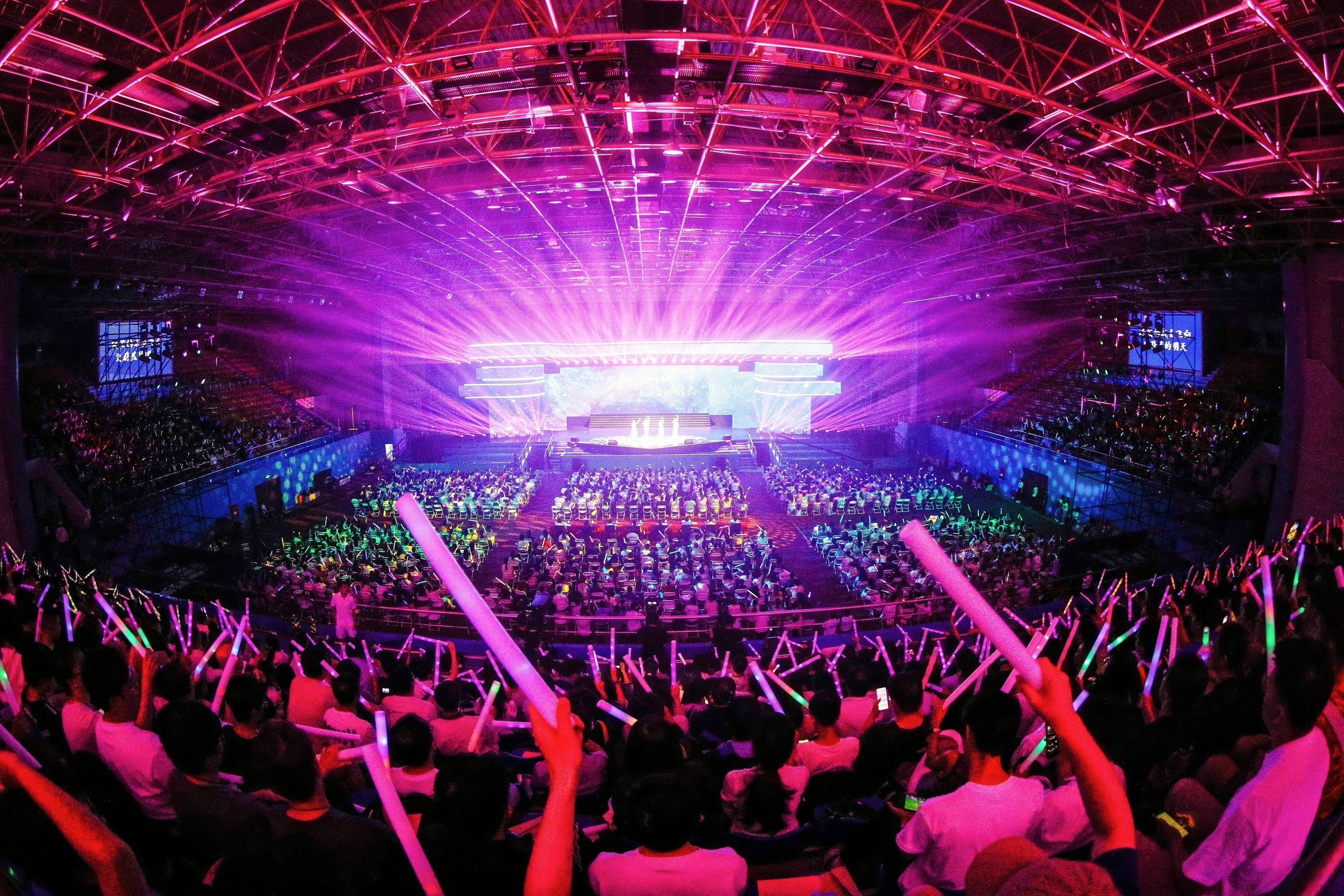 Beihang NewsBeihang University holds graduation gala for Class of 2026More
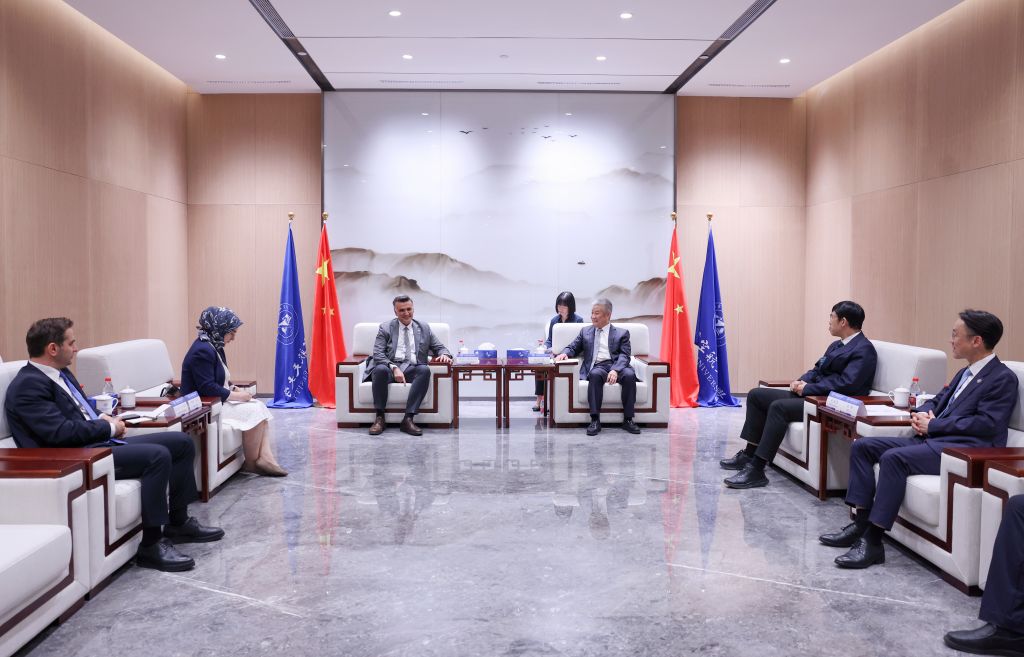 Beihang NewsMETU President Ahmet Yozgatlıgil visits Beihang UniversityMore
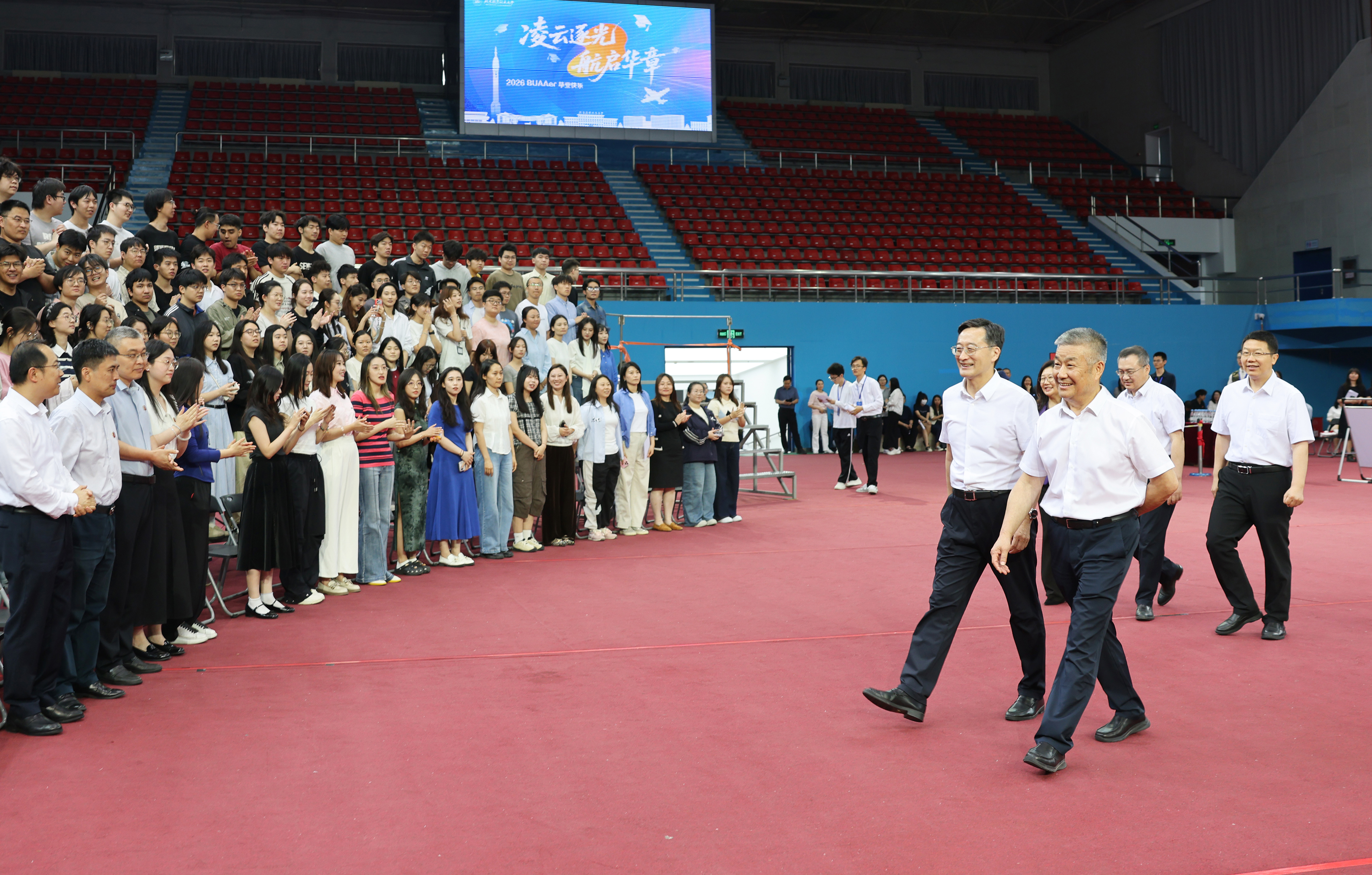 Beihang NewsUniversity leaders take group photos with 2026 graduatesMore
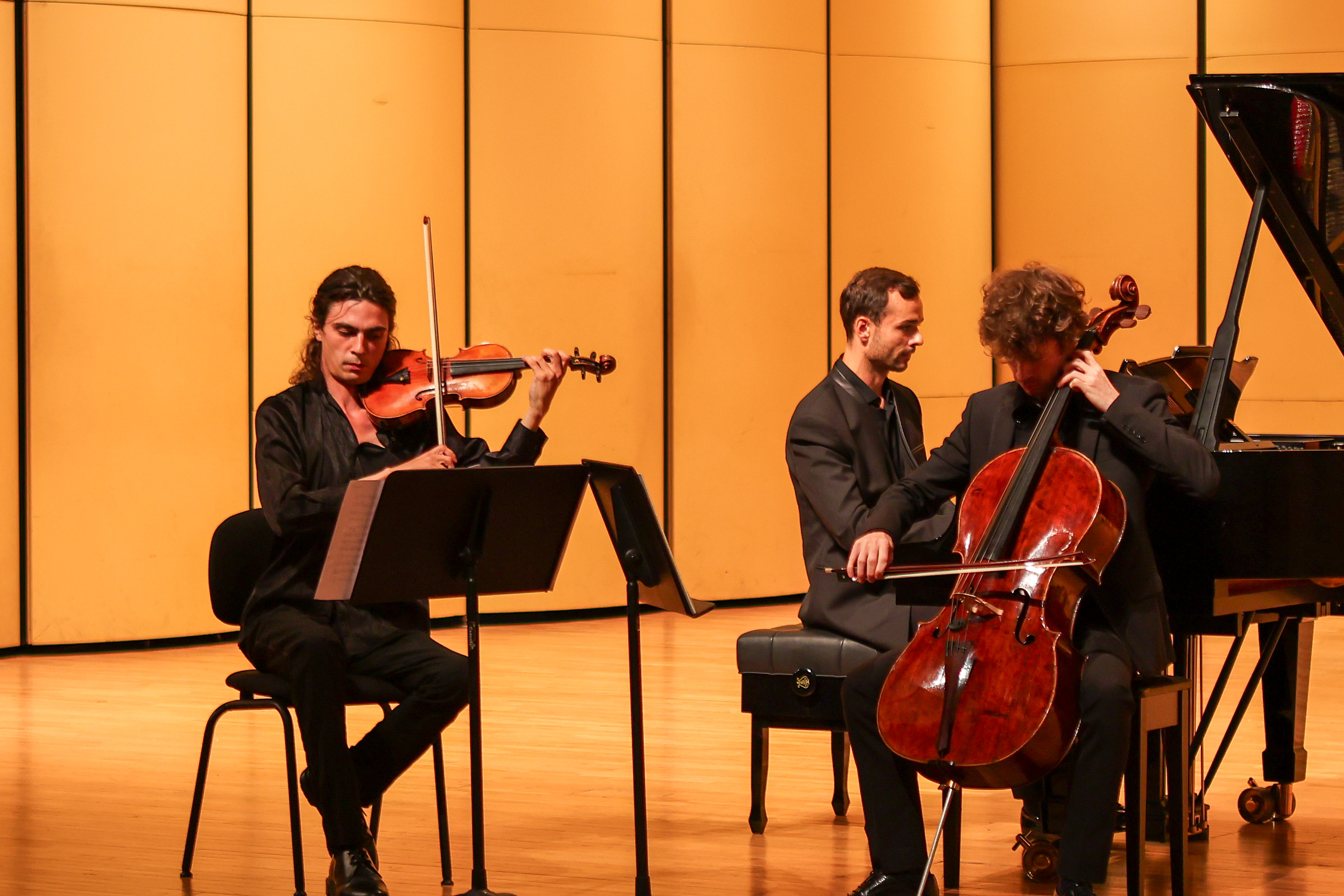 Beihang NewsTrio Hélios Piano Concert staged at BeihangMore