Recently, Professor Liu Limin from the School of Physics and his collaborators published a paper titled "Testing, Quantification, In Situ Characterization and Calculation Simulation for Electrocatalytic Nitrate Reduction" in Nature Protocols—a renowned international journal of methodologies. The research systematically establishes a standardized, reproducible, and multi-scale research paradigm for the electrocatalytic nitrate reduction reaction (NO₃RR).
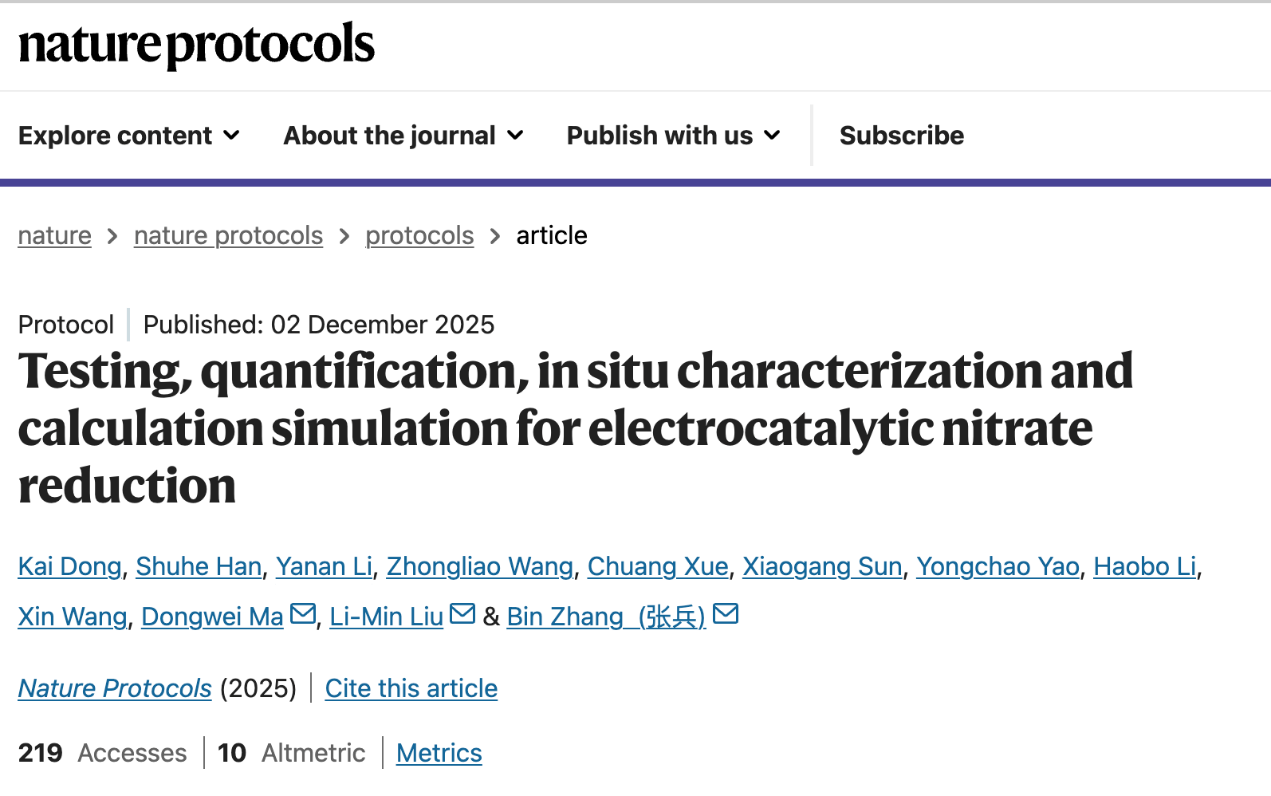
NO₃RR has emerged as a promising approach for sustainable nitrogen management, enabling the selective conversion of nitrate into targeted nitrogen-containing compounds, such as ammonia and hydroxylamine. However, the efficiency and selectivity of the NO₃RR are highly dependent on the physicochemical properties of the electrocatalysts, necessitating a standardized and comprehensive characterization protocol.
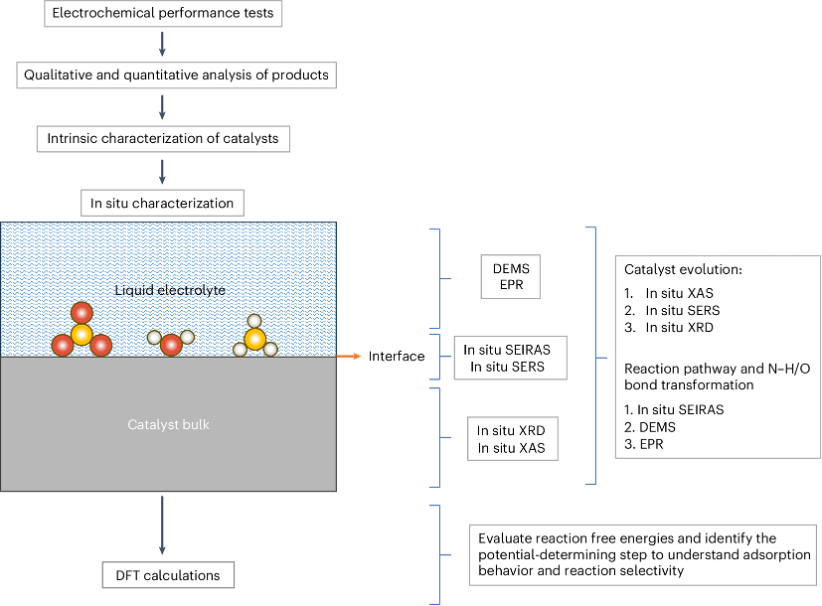
The research team provides a detailed methodology for the structural, chemical, electronic and electrochemical characterization of the materials used in the NO₃RR. They outline procedures for evaluating catalyst morphology, composition and redox states, as well as methodologies for quantifying reaction products to determine nitrate conversion efficiency and selectivity. In addition, the researchers incorporate theoretical calculations to comprehensively evaluate the reaction pathways and their interplay with the electronic structures of electrocatalysts, providing deeper mechanistic insights into the reaction kinetics, active site evolution and selectivity-determining factors. This protocol is designed for researchers in electrocatalysis, environmental chemistry and energy conversion, offering a reproducible workflow for catalyst assessment. The step-by-step methodology ensures reliable data collection and interpretation, enabling direct comparisons across different catalysts and facilitating the development of more efficient NO₃RR catalysts.
Professor Liu Limin's team has long been committed to fundamental research on electrocatalytic reaction mechanisms, defect engineering and electronic structure modulation. As a significant achievement of the School of Physics in the interdisciplinary field of computational condensed matter physics and energy materials, this work is expected to lay a solid scientific and methodological foundation for the future development of key technologies such as wastewater resource utilization, distributed green ammonia synthesis and renewable energy storage.
Editor: Liu Tingting


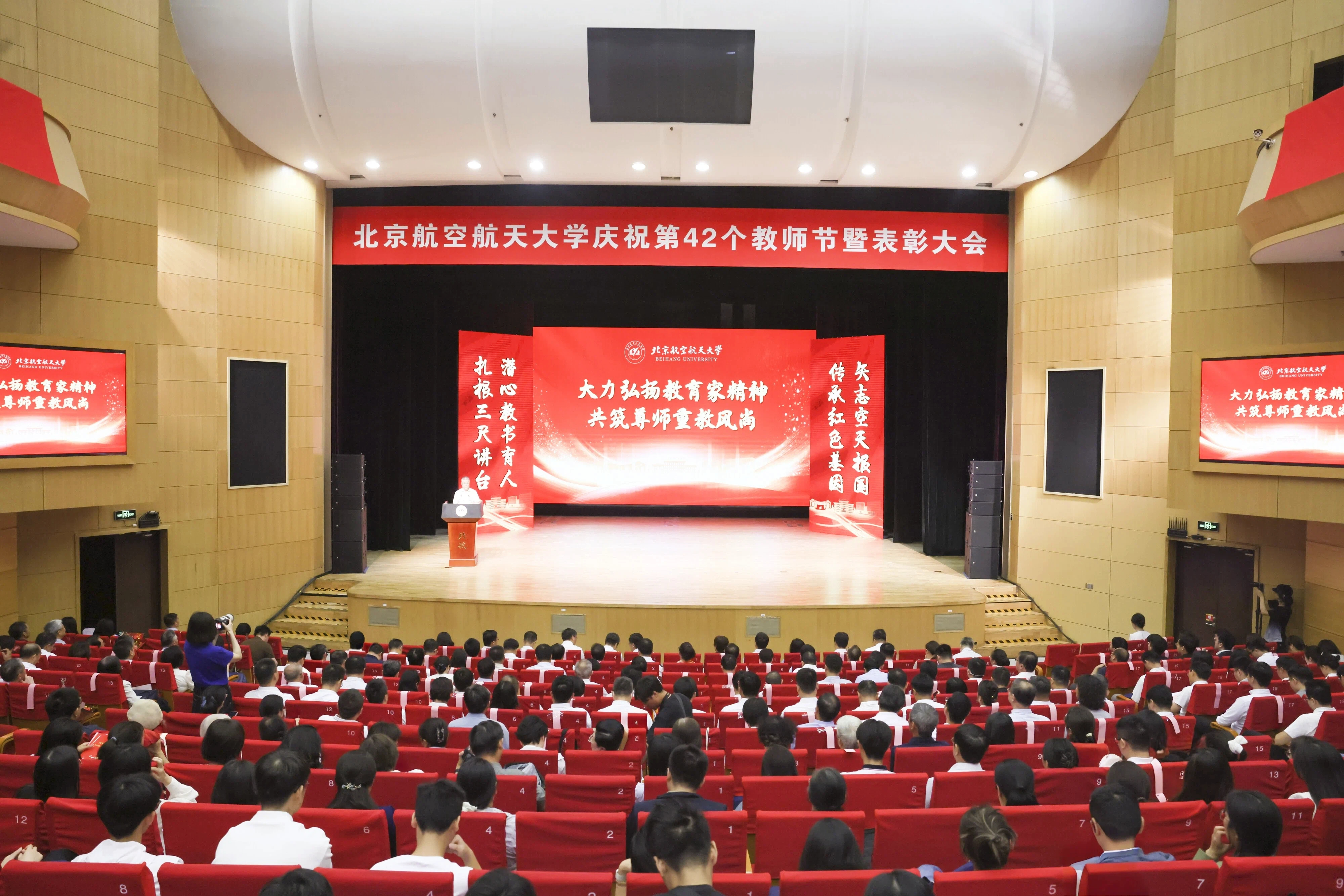 Beihang NewsBeihang celebrates 42nd Teachers' DayMore
 Beihang NewsBeihang's first student-designed human-powered aircraft completes test flightMore
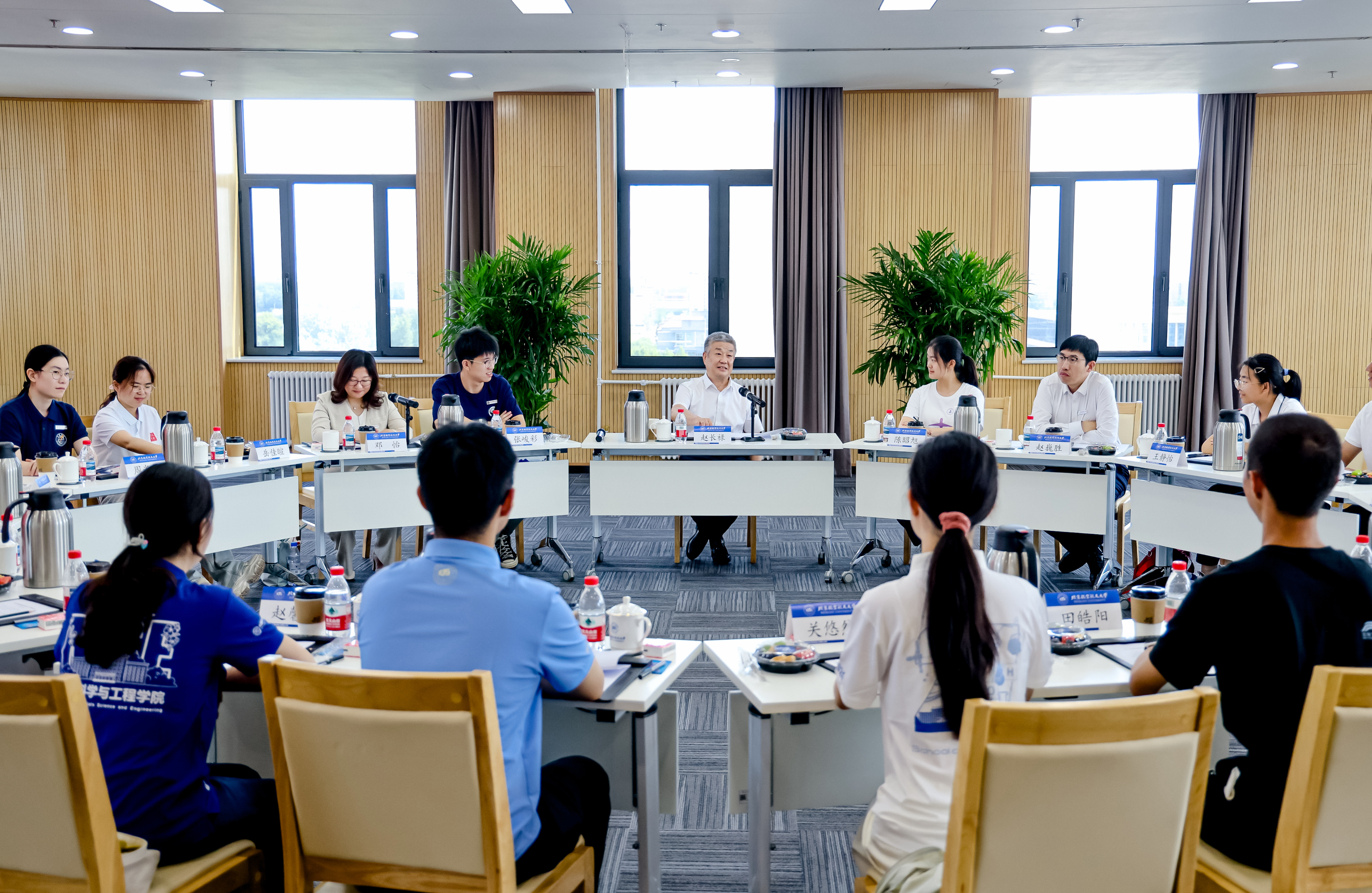 Beihang NewsBeihang leaders engage in dialogue with new undergraduate and graduate student representativesMore
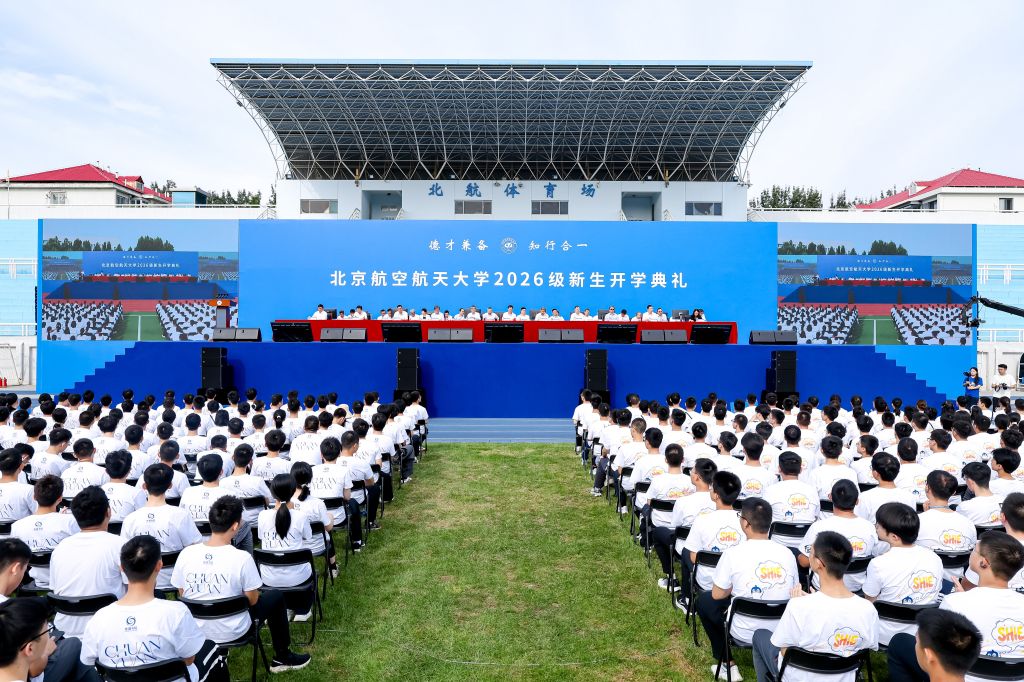 Beihang NewsBeihang University holds 2026 opening convocation to welcome new studentsMore
 Beihang NewsBeihang University welcomes 9,022 new graduate studentsMore
 Beihang NewsProfessor Yu Shui wins Best Screenplay Award at 21st Changchun Film FestivalMore