Recently, Professor Wu Xiaojun's team from Beihang University published a research paper titled "Intense Spintronic Terahertz Emitter for Large-Area Imaging" in the high-level journal ACS Photonics, under the American Chemical Society (ACS).
By optimizing the parameters of the spintronic terahertz emitters (STEs) and the pump laser, the research team increased the single-pulse energy of the STEs to a record 1.47μJ, and further constructed a transmissive nondestructive testing imaging system using this sample, imaging a patterned metal plate with and without a corrugated cardboard obstacle. The imaging results demonstrate the potential of this sample for applications in nondestructive testing and related fields.
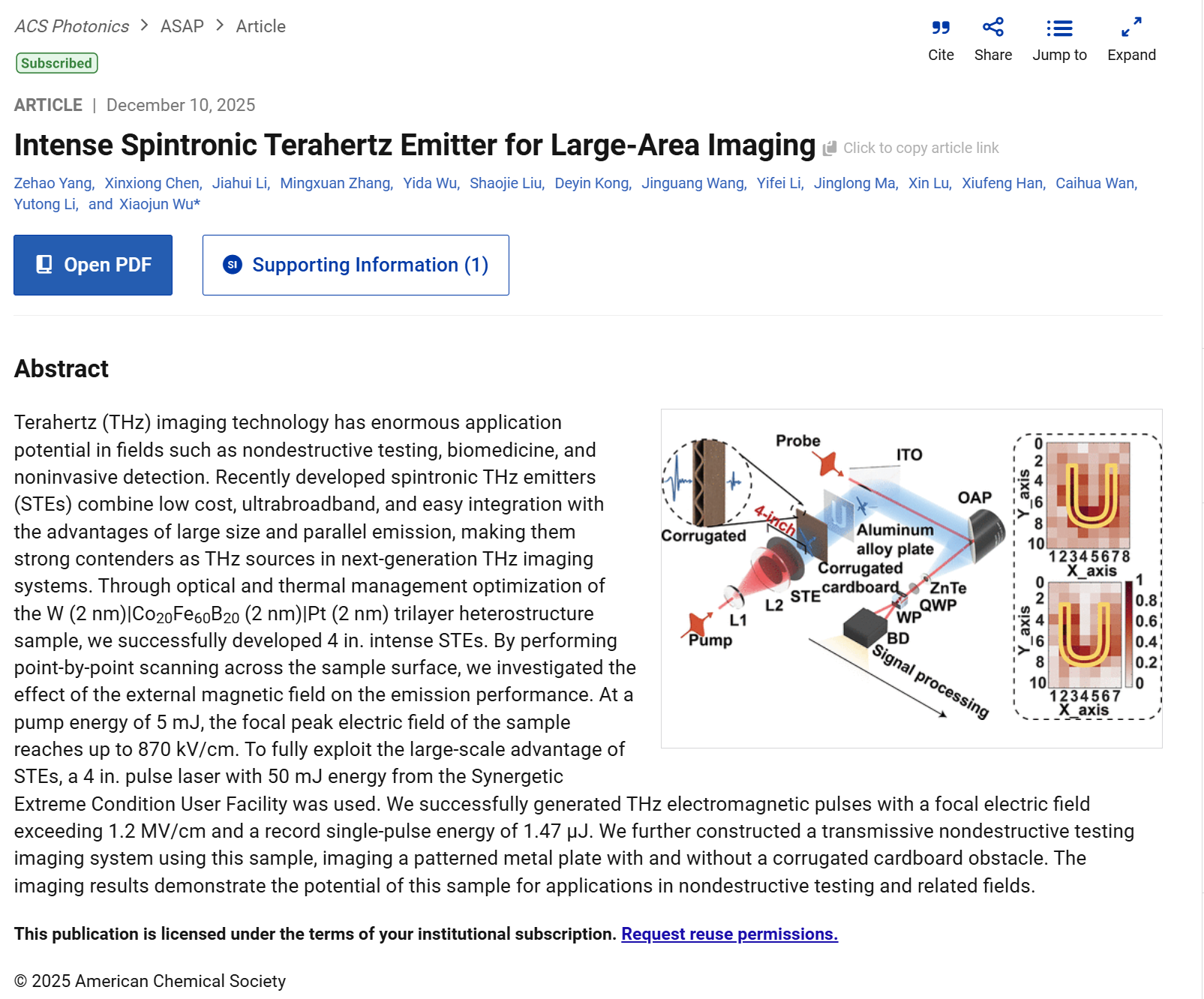
Recently developed STEs combine low cost, ultrabroadband, and easy integration with the advantages of large size and parallel emission, making them strong contenders as THz sources in next-generation THz imaging systems. STEs, which are composed of W|Co20Fe60B20|Pt, can already generate THz pulse with the focal peak electric field exceeding 1 MV/cm under the pump of conventional kHz femtosecond laser amplifiers. However, the single-pulse energy remains at the nJ level and has not yet surpassed the μJ threshold, and relevant application scenarios still require further exploration.
In this paper, the researchers successfully fabricated a three-layer heterostructure of W (2 nm)|Co20Fe60B20 (2 nm)|Pt (2 nm) on a 4 in. high-resistance Si substrate using magnetron sputtering. By ingeniously introducing a broadband one-dimensional photonic crystal (PC) structure [HfO2 (92 nm)|SiO2 (136 nm)]x between the substrate and the heterostructure, efficient utilization of the pump laser and enhancement of the THz emission efficiency are achieved compared to the case without the PC structure.
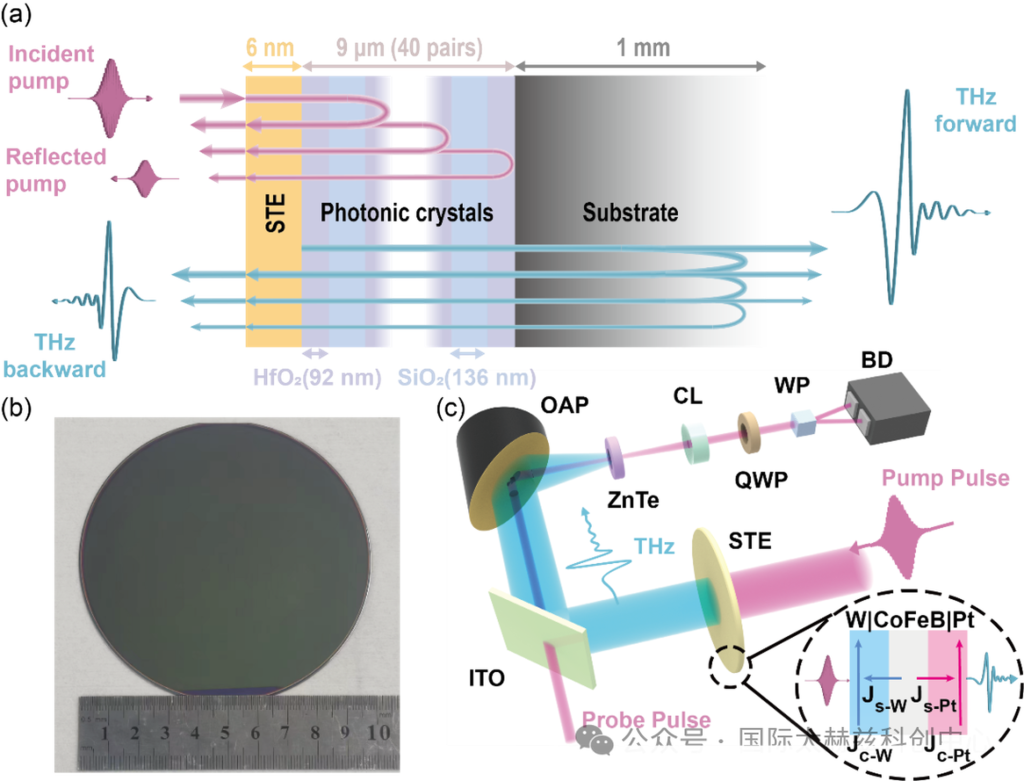
Figure 1. The 4 in. Si-PC-STEs sample and experimental optical setup
When optimizing the external magnetic field of a 4 in. sample using a Halbach array, they achieved THz pulses with a focal peak field of 870 kV/cm and a single-pulse energy of 126 nJ under pump by an 800 nm, 35 fs, and 5 mJ laser pulse from a Ti:sapphire amplifier.
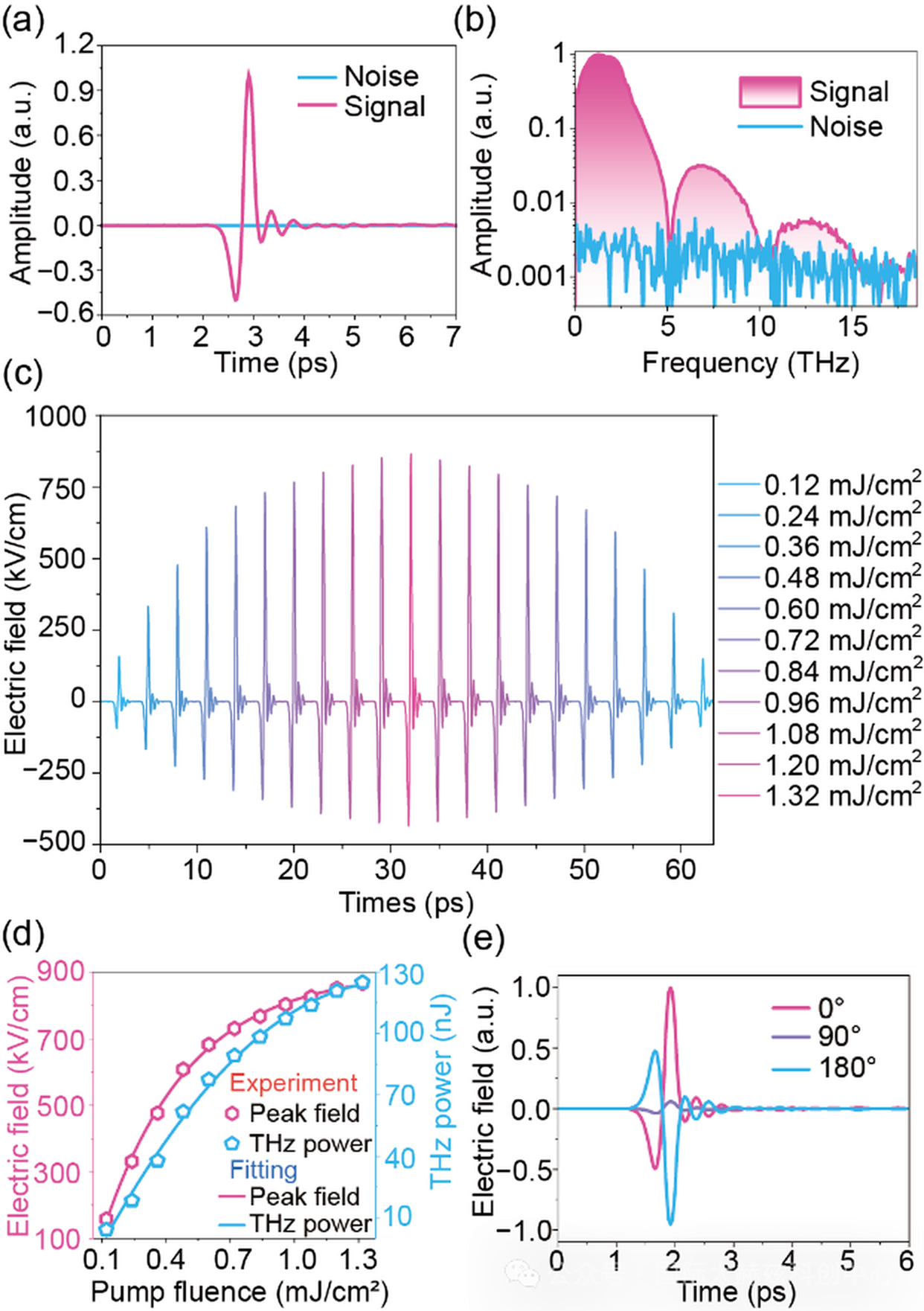
Figure 2. High-field THz emission from 4 in. Si-PC-STEs
To fully leverage the large-area advantage of the STEs, the researchers conducted experiments on the high-energy laser provided by the Synergetic Extreme Condition User Facility. Under pumping by an 800 nm, 25 fs, and 50 mJ laser pulse, they achieved THz pulses with a focal peak field of 1.2 MV/cm and a single-pulse energy of 1.47μJ, respectively.
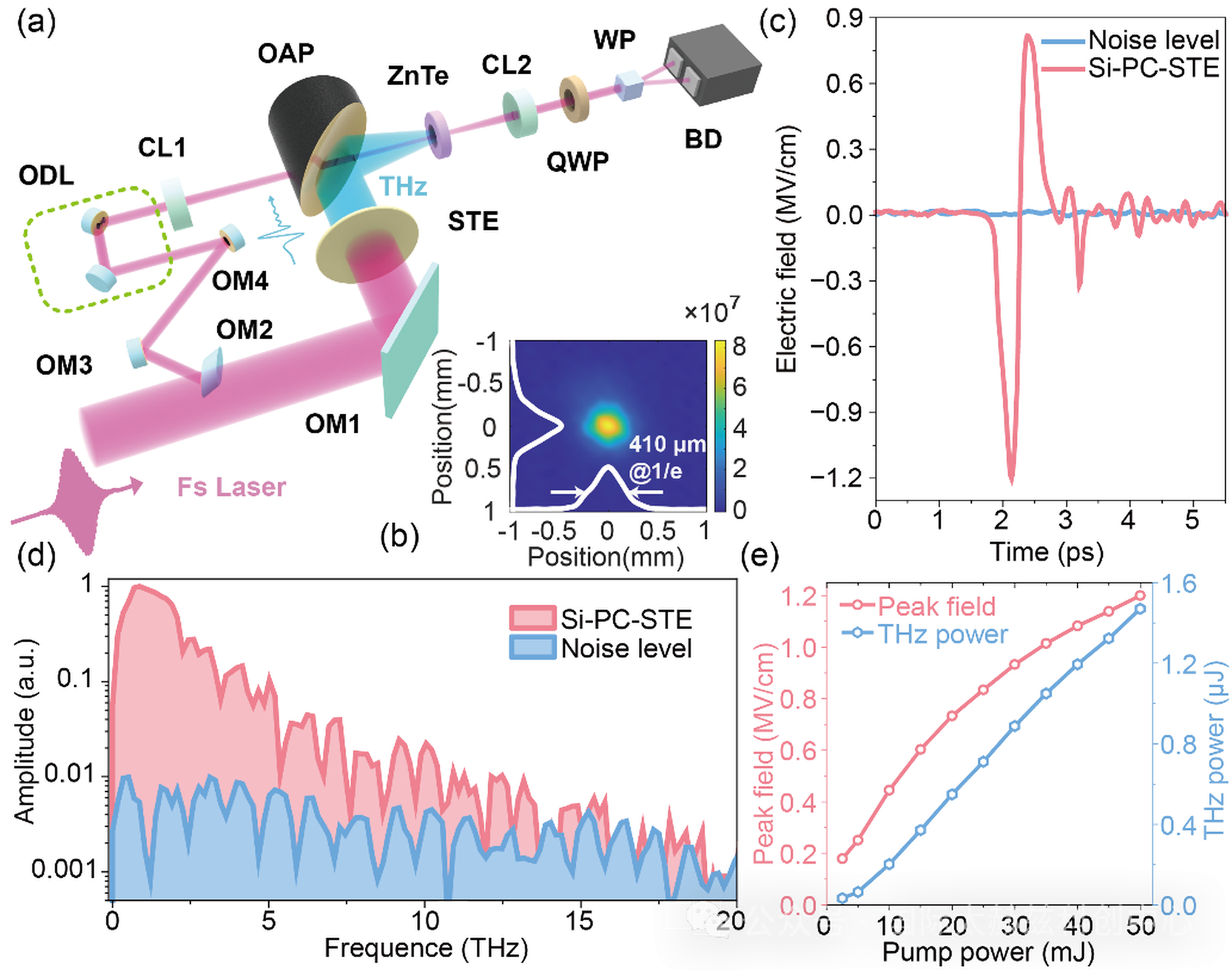
Figure 3. High-power THz emission from STEs with a 50 mJ energy pump at the Synergetic Extreme Condition User Facility
Besides that, transmissive nondestructive testing imaging experiments were conducted using the STEs. By comparing the imaging results with and without a corrugated cardboard covering the imaging sample, the significant potential of these STEs for nondestructive testing was validated.
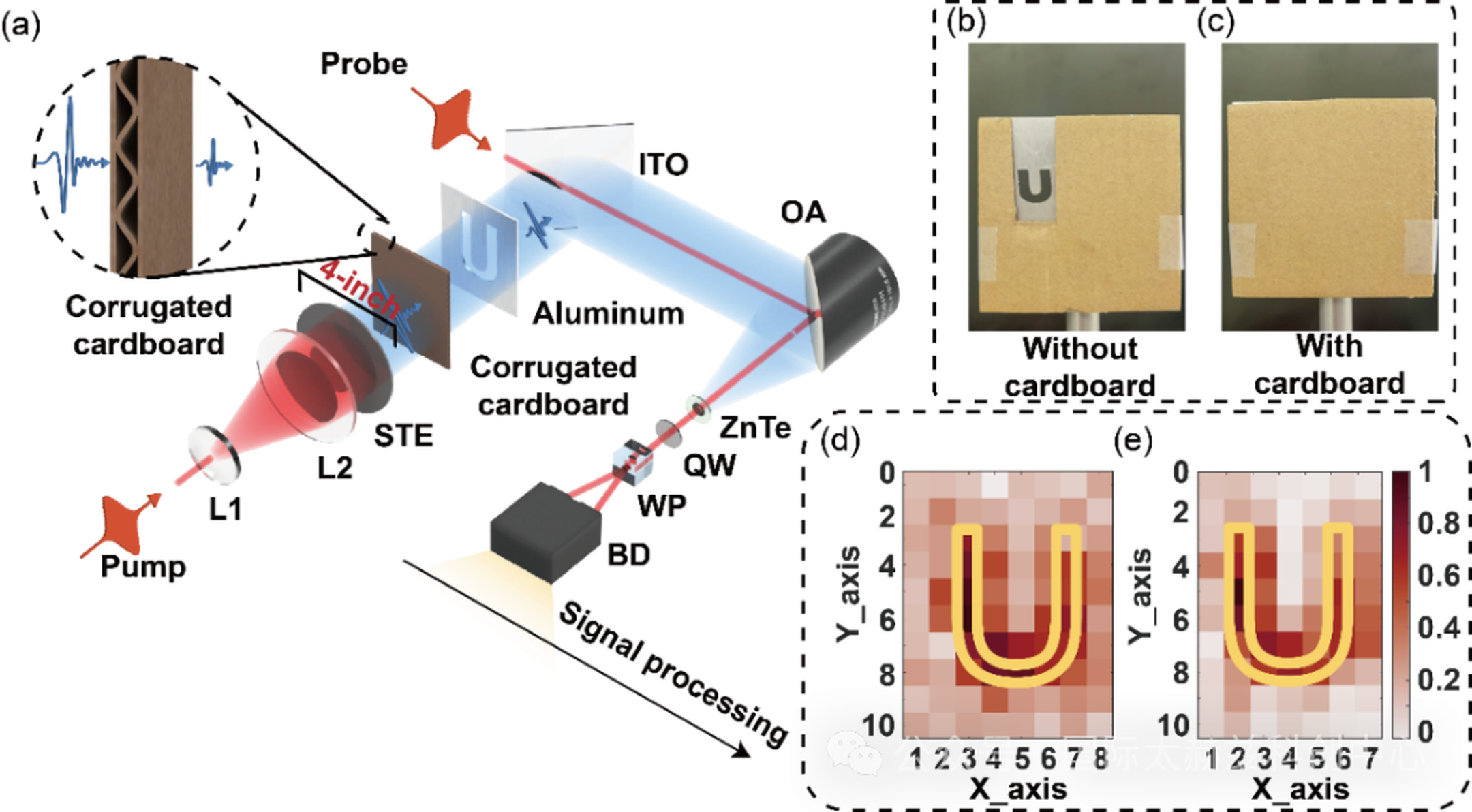
Figure 4. 4-inch THz transmissive imaging experiment
This technology demonstrates exceptional flexibility and broad application potential, offering a novel option for next-generation terahertz sources. STEs hold substantial promise as THz sources in spectral analysis, matter state control, and biological effects research, since they combine the benefits of large-size, ultrabroadband, low-cost, and ease-for-integration.
Link to the article: https://pubs.acs.org/doi/10.1021/acsphotonics.5c01837
Editor: Liu Tingting


 Beihang NewsBeihang celebrates 42nd Teachers' DayMore
 Beihang NewsBeihang's first student-designed human-powered aircraft completes test flightMore
 Beihang NewsBeihang leaders engage in dialogue with new undergraduate and graduate student representativesMore
 Beihang NewsBeihang University holds 2026 opening convocation to welcome new studentsMore
 Beihang NewsBeihang University welcomes 9,022 new graduate studentsMore
 Beihang NewsProfessor Yu Shui wins Best Screenplay Award at 21st Changchun Film FestivalMore