The School of Automation Science and Electrical Engineering originated from the Aircraft Equipment Department of Beihang University (formerly known as Beijing Institute of Aeronautics), which was founded in August 1954. It is credited with developing China's first unmanned aerial vehicle, "Beijing No. 5," and the first fighter jet flight simulator. Since its inception, the School has adhered to the educational philosophy of "Deep Pursuit for Profound Knowledge," passing down the pioneering spirit, tenacious will, and pragmatic work ethic of its founders. The School has deeply integrated its patriotic spirit into the entire process of talent development, closely aligning with the nation's strategic needs. It has made significant contributions to strategic technological and economic development and has trained a large number of leading talents for China's aerospace and defense industries. It is now considered one of the top automation schools in the country.
School of Automation Science and Electrical Engineering


Study
The School offers three first-level disciplines and nine second-level disciplines. The first-level discipline of Control Science and Engineering is included in the A-level "Double First-Class Project." It also has three doctoral degree programs, two master's degree programs, and two professional degree programs.
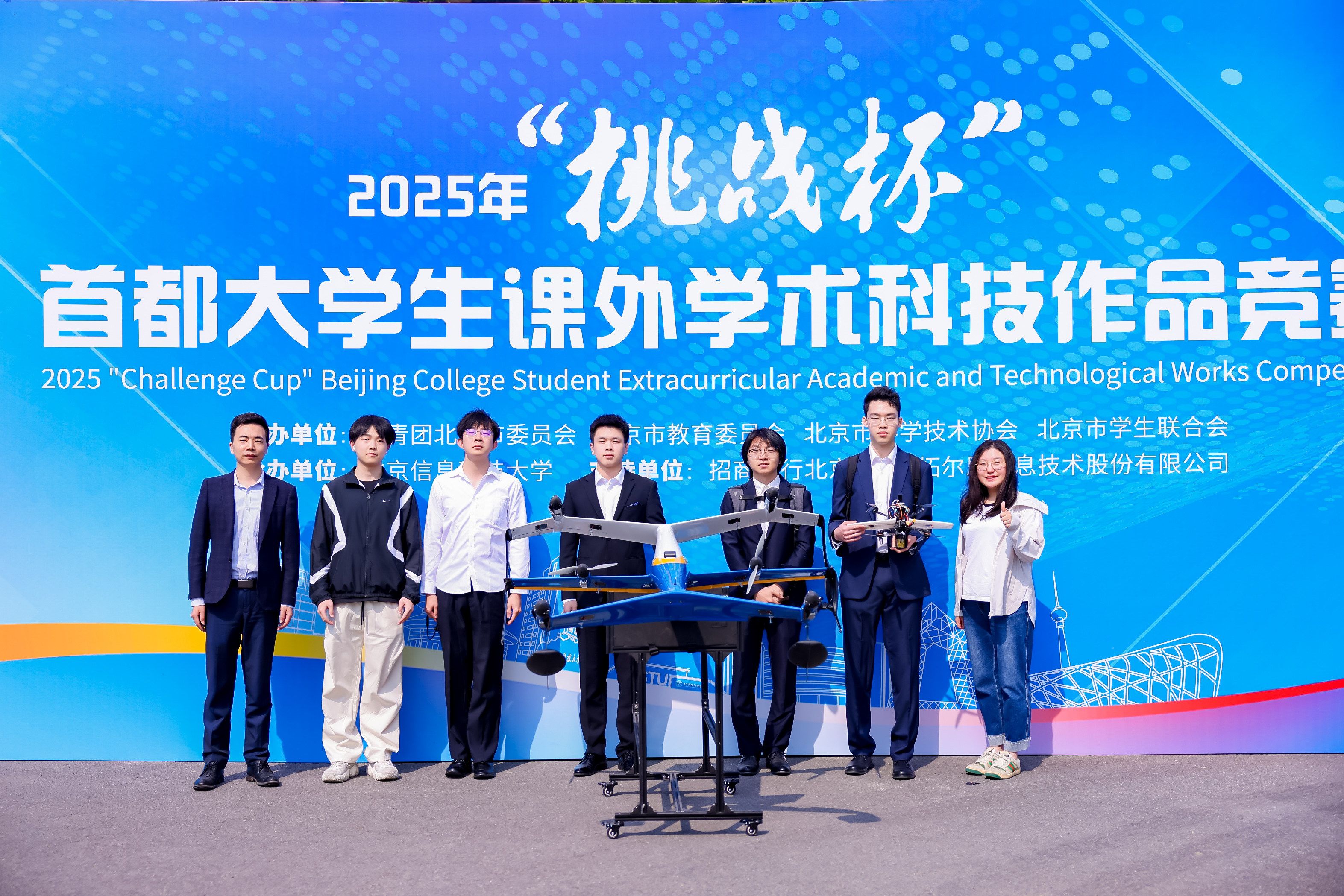
The School currently has 2,067 undergraduate and graduate students, offering 377 courses. It has been approved for three national-level first-class undergraduate courses, including the only bilingual national demonstration course at the university. The School's "Double Wings" initiative fosters the development of brands in moral and intellectual education ("Yuyuan"), aesthetic education ("Feitian"), and physical and labor education ("Chenxing"). Students have earned 15 first prizes and gold medals in the national "Challenge Cup," 22 special prizes in the capital "Challenge Cup," and 28 gold and special awards in national competitions such as "Internet+" and the Innovation and Entrepreneurship Contest. They have also won 40 first prizes in the prestigious "Feng Ru Cup" science and technology competitions, and have consistently appeared on Forbes' entrepreneurship lists, among other achievements. In the past three years, 230 undergraduate students have received awards in academic and technological competitions annually. In the last five years, 12 doctoral theses have won the National First-Class Academic Society Excellent Doctoral Dissertation Award, and 13 have received the university's Excellent Doctoral Dissertation Award. Over the past 70 years, the School has trained more than 20,000 graduates, including 13 CAE and CAS members, over 50 generals and chief designers, and many leaders in aerospace and defense.
Faculty
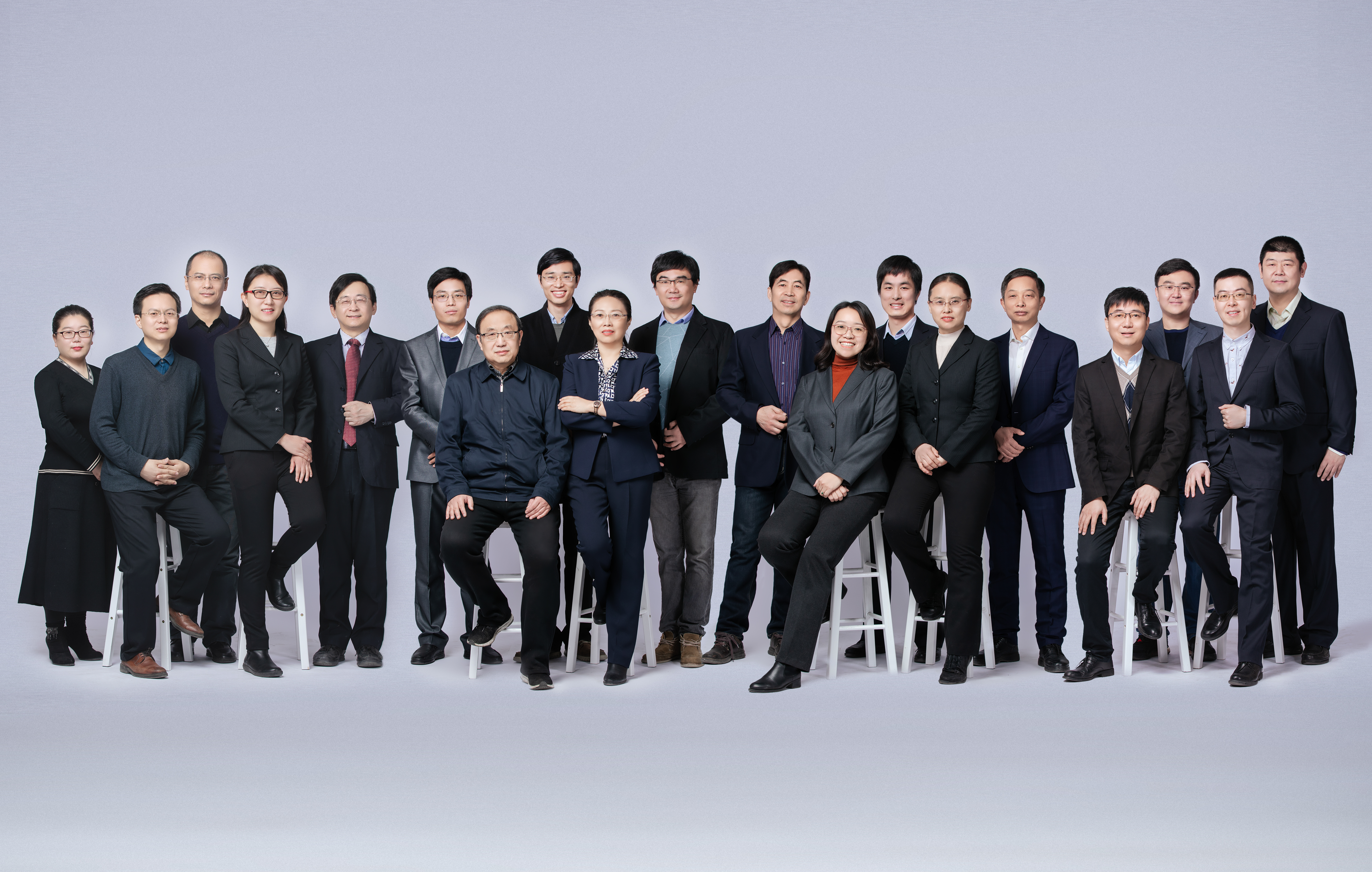
The School currently has 187 full-time faculty members, two academicians, three external academicians, three IEEE/SCS Fellows, 16 national-level leading talents, and 27 national-level young talents. It has three innovative teams led by Academician Guo Lei, Academician Jiao Zongxia, and Professor Lyu Jinhu respectively, two innovation teams of the Ministry of Education, one academic leader of the innovation team of the National Natural Science Foundation, and five teaching excellence awardees from Beijing.
Research
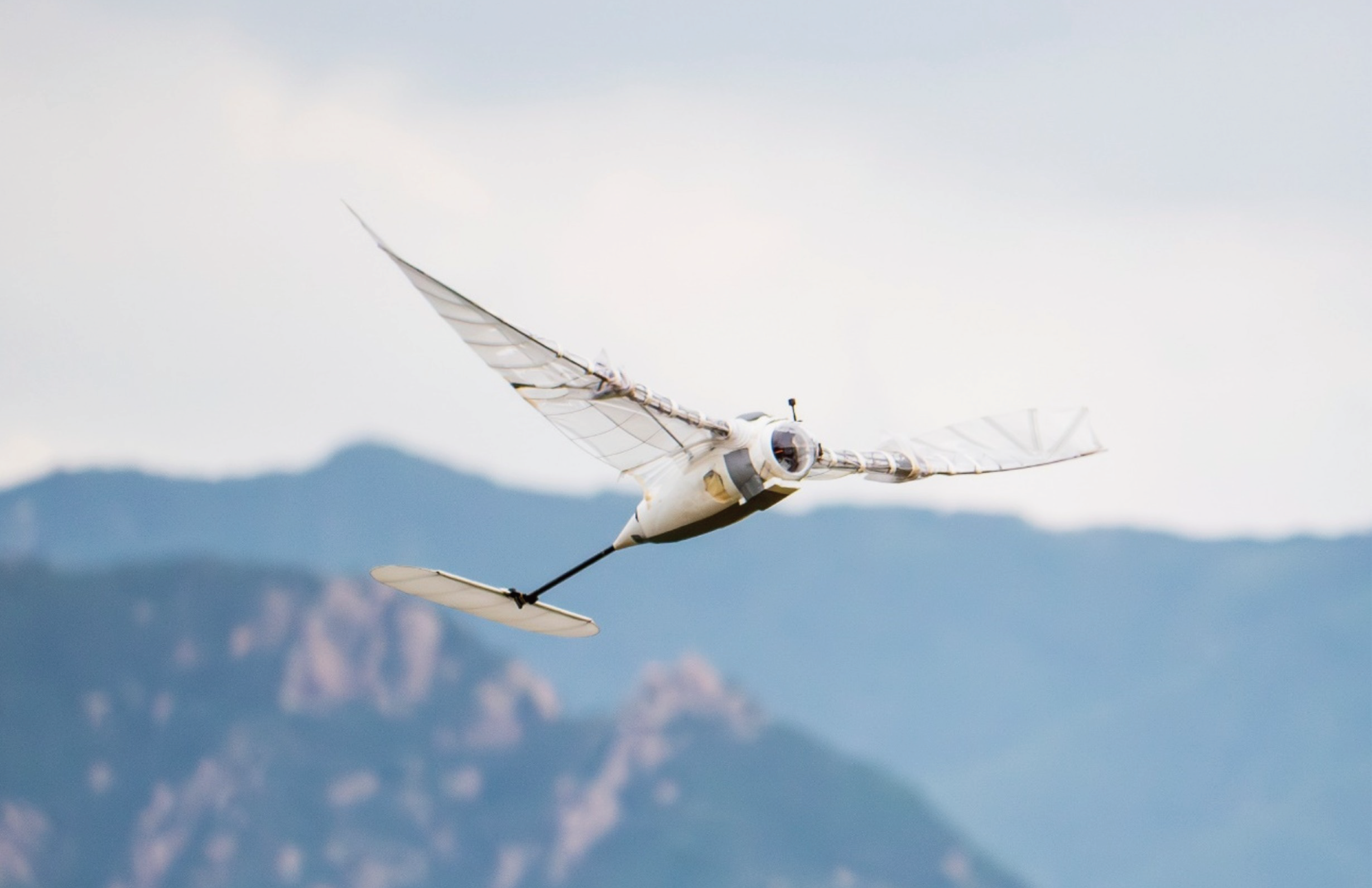
The School boasts three national key laboratories, one national teaching laboratory, four provincial and ministerial-level research bases, and one Beijing municipal teaching demonstration center.
The School has won two first prizes, eight second prizes, and three third prizes of the National Science and Technology Progress Award, as well as two second prizes of the National Natural Science Award. It has received four second prizes, two third prizes and one fourth prize of the National Technological Invention Award. At the provincial and ministerial levels, it has earned one special prize and 26 first prizes. The School has also won two first prizes and three second prizes of the National Teaching Achievement Award, along with more than ten Beijing Teaching Achievement Awards, and over 200 other various awards. Research funding has been steadily increasing, with over 400 SCI papers published and more than 300 patents filed.
International Cooperation
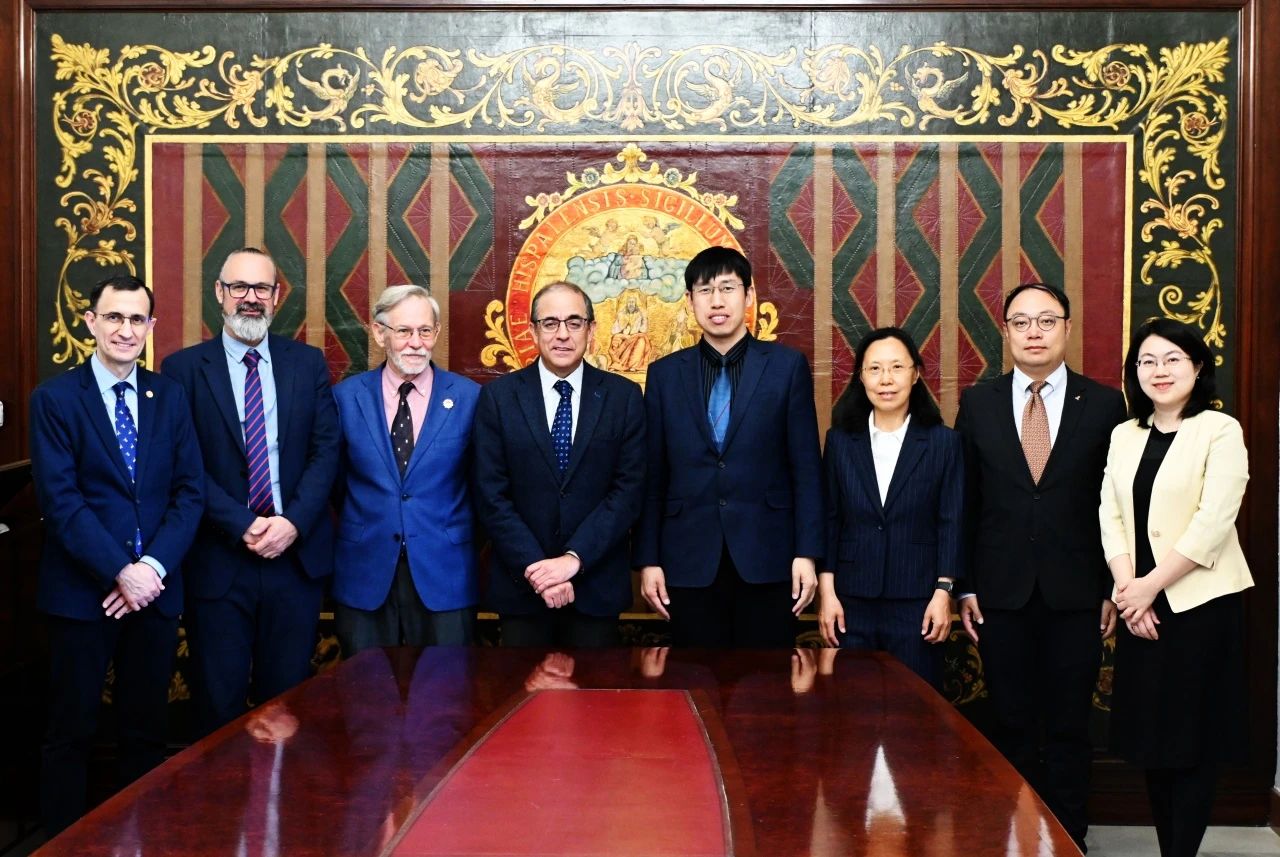
The School participates in one "111 Talent Program," and eight key international collaboration projects funded by the National Natural Science Foundation and the Ministry of Science and Technology. It has two provincial and ministerial international cooperation bases and two university-level collaborative education demonstration bases. It has hosted several influential international academic conferences, such as the China Guidance, Navigation, and Control Conference (CGNCC) and the Aircraft Onboard Systems (AUS) conference, and has launched four international academic journals. It also offers four overseas dual-degree programs.

The School is committed to nurturing innovative talent, advancing research and technological innovation, establishing a solid moral and intellectual foundation, and focusing on discipline development. With a strong emphasis on party building and ideological education, the School strives to become an internationally renowned automation institution distinguished by the integration of of aeronautics, astronautics, and information sciences.
-

Tel: +86-10-82339958
-

Email:buaadept3@buaa.edu.cn
-

Address:School of Automation Science and Electrical Engineering, Beihang University, Haidian District, Beijing 100191, P.R. China