School of Space and Earth Sciences

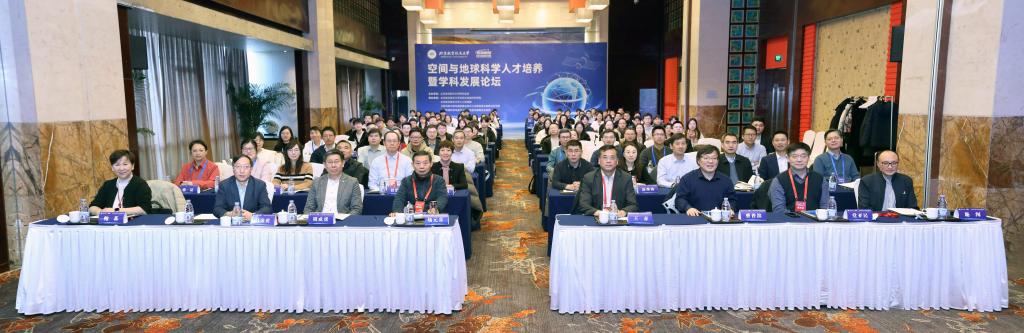
In 2016, Beihang University established the School of Space and Environment to address the pressing national needs for exceptional talent in aerospace and environmental science, in line with the country's strategic priorities in these areas. The school was formed by integrating the Space Science Research Institute from the School of Astronautics, the Department of Environmental Science and Engineering from the School of Chemistry and Environment, along with other strengths in space and environmental sciences across the university. Its mission is to pursue cutting-edge international research in space and environmental science, while also responding to national demands for theoretical innovation and technical solutions in these fields. The school is committed to cultivating top-level talent and building world-class disciplines in space science, environmental science, and engineering.

Following a refinement of its academic focus in 2023, the school has made steady progress toward its goal of establishing a "world-class scientific discipline." Earth Science was ranked among the top 1% globally by the ESI and gained authorization to award doctoral degrees in the primary discipline of Geophysics. Within this discipline, the school developed four core subfields: Space Physics and Space Exploration Technology; Lunar and Planetary Science, Space Astronomy and Fundamental Physics; and Navigation and Spatiotemporal Information Science. In October 2024, the school was renamed the School of Space and Earth Sciences.

Study

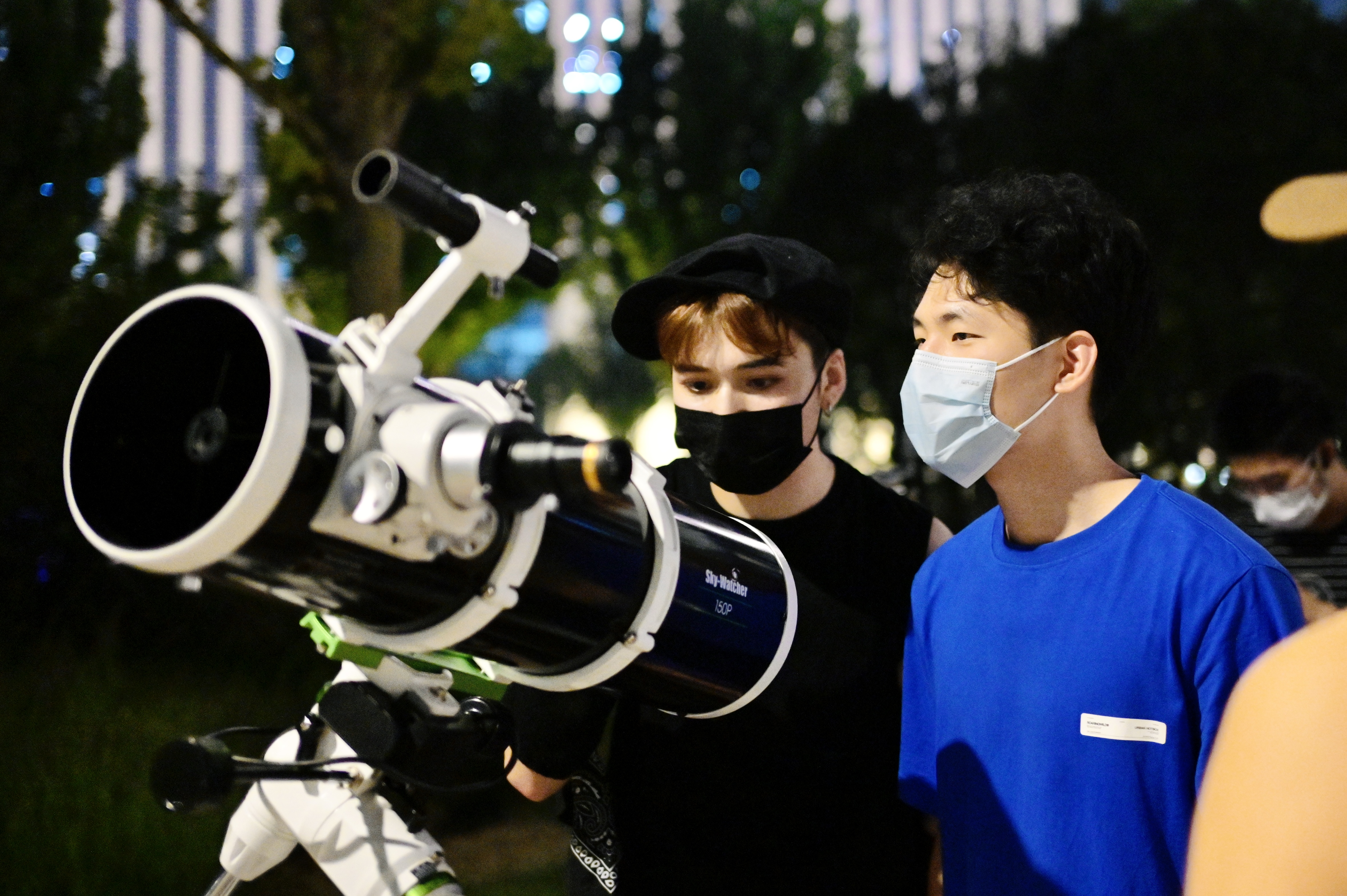
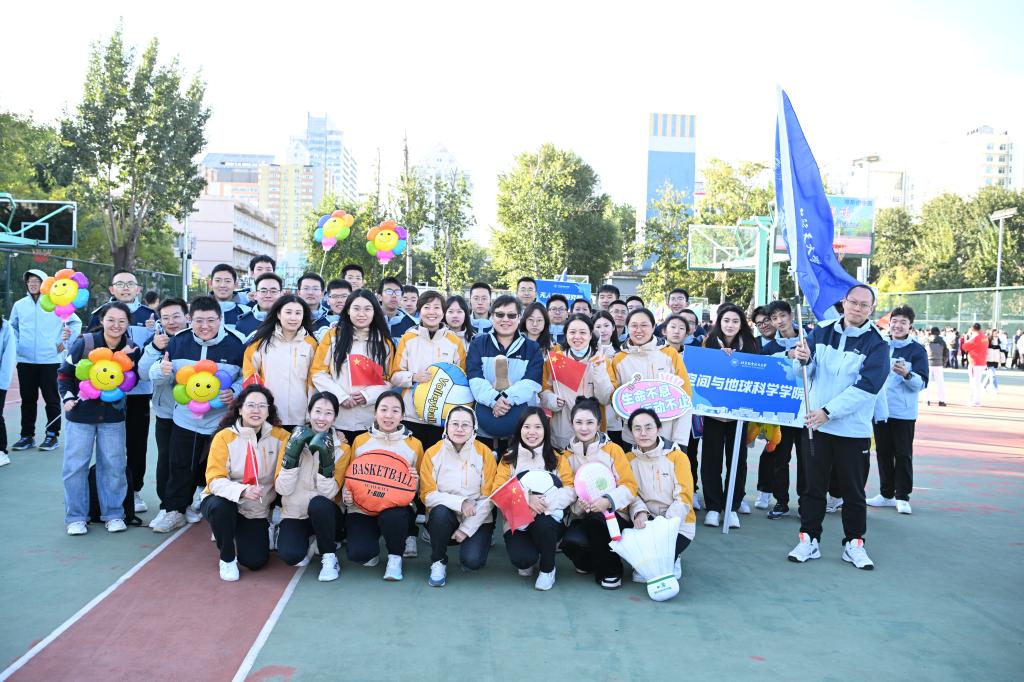
The school is dedicated to cultivating well-rounded, innovative, and high-caliber talent with strong academic foundations, solid engineering skills, and a collaborative spirit. It currently offers an undergraduate program in Space Science and Technology, which was recognized as a Beijing First-Class Undergraduate Program in 2021. The school has established a comprehensive talent development system that integrates foundational knowledge, broad-based education, practical experience, and forward-looking training. Its curriculum follows a structure of "basic courses + general education courses + specialized courses," balancing both general and specialized education. Students are empowered to choose their majors, courses, and instructors, fostering a student-centered learning environment. The school has adopted a teaching model that combines foundational skills training, comprehensive ability development, and independent, innovative research. This approach has produced graduates with strong academic grounding, wide-ranging knowledge, practical capabilities, and high overall competence—qualities that have been widely acknowledged by employers. Special emphasis is placed on nurturing students' innovative abilities, with support for participation in over 50 science and technology competitions. Students have earned numerous honors, including second prize in the national "Challenge Cup," the grand prize in Beijing's "Challenge Cup," and first prize in the university's "Feng Ru Cup." In recent years, around 70% of graduates have pursued further studies in China or abroad, while the employment rate has consistently remained at 100%. The school has cultivated a large number of professionals for the aerospace sector, government agencies, and research institutions.


Faculty

The school has a well-structured, high-quality, and youthful faculty team of 52 members, including 42 full-time faculty and researchers. Among them are distinguished scholars such as academicians of the Chinese Academy of Sciences and the International Academy of Astronautics, along with nationally recognized senior experts and emerging young talents. The school has also established several influential research teams that are making significant contributions in the field of space science.

Research

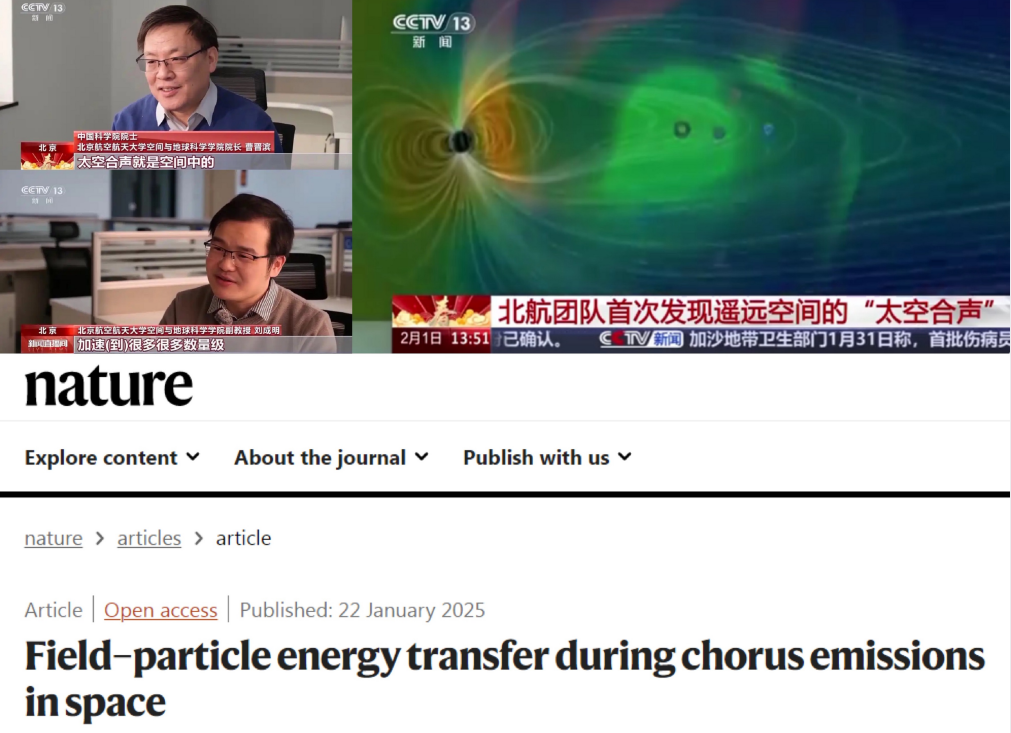
The school's research strength is underpinned by several key platforms, including the National Natural Science Foundation Innovation Research Group, the China Data Center for the European Space Agency's SWARM satellite program, and the Ministry of Industry and Information Technology Key Laboratory for Space Environment Monitoring and Information Processing. Over the past five years, the school has undertaken more than 170 national and provincial research projects, including over 70 at the national level, such as those funded by the National Natural Science Foundation and the National Key R&D Program. The school has secured more than 70 authorized national patents and established internationally recognized academic collaborations with institutions such as the European Space Agency (ESA), the International Space Science Institute (ISSI), Curtin University in Australia, and the University of Hong Kong. In support of national aerospace initiatives, the school has played a key role in major projects, including the development of payloads for China's space-based electromagnetic monitoring satellites and a major National Natural Science Foundation project on lunar and deep-space exploration. In 2018, the Zhangheng-1 electromagnetic satellite was launched, featuring an inductive magnetometer developed by the school as one of its primary payloads. This instrument achieved multiple world-class performance benchmarks and provided a strong observational foundation for advancing our understanding of earthquake mechanisms.


International Cooperation

The school actively fosters international collaboration and has established strong partnerships with leading universities and research institutions all around the world. Each year, more than 20% of undergraduate students participate in overseas exchange programs with institutional support. Embracing globally aligned educational philosophies, the school offers integrated undergraduate-to-graduate pathways. Exceptional students have the opportunity to pursue bachelor's-to-master's, bachelor's-to-doctorate, or fully integrated bachelor's–master's–doctorate programs. They may also advance their studies through recommendation or exchange programs at prestigious institutions such as Carnegie Mellon University, the University of Texas, and the University of Nottingham.

  • Tel: +86-10-61716672

  • Email:sses@buaa.edu.cn

  • Address:School of Space and Earth Sciences, Beihang University, Changping District, Beijing 102206, P.R. China

Giving

Beihang University Education Foundation works to support the construction and development of the university, promoting and facilitating Beihang's mission to become a world-class university with Chinese characteristics.

Contact Us

International Affairs

The International Relations Department is the administrative department of  Beihang University officially responsible for implementing the university's international policies and coordinating its international exchanges and cooperation.

Contact Us

Copyright © 2025 Beihang University. All rights reserved.