During the 2026 UAS (Unmanned Aerial System) Challenge held in Lincolnshire, UK, Beihang Aeromodelling Team secured the overall second place, while also claiming the first place in both the virtual simulation design category and the long-flight mission category. This marks the third consecutive year that the team has stood on the podium at this prestigious international aviation innovation competition, showcasing the strength and commitment of young Chinese aerospace students.
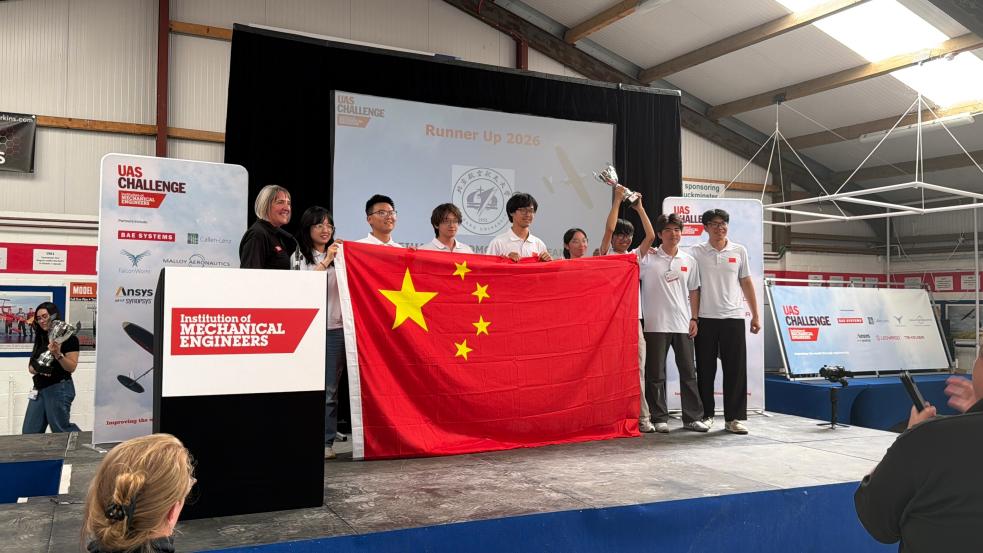
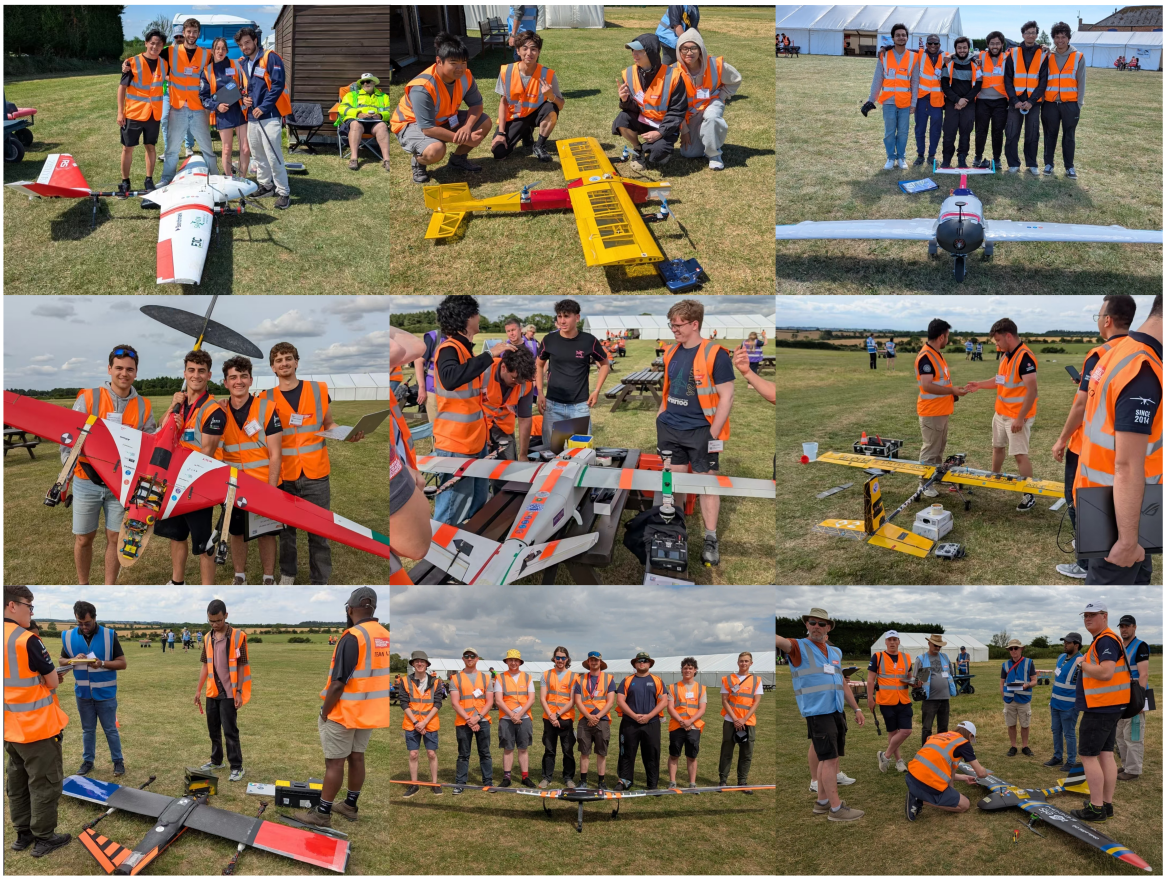
Founded in 2014 and hosted by the Institution of Mechanical Engineers (IMechE) in the UK, the UAS Challenge is one of the most influential university-level UAV engineering competition projects globally. This year's event attracted 56 teams from 16 countries, including Imperial College London, Cranfield University, Politecnico di Torino, and the Hong Kong University of Science and Technology. Participating teams were required to complete the full-cycle design, manufacturing, simulation, flight testing, and business plan development of a 10 kg-class fully autonomous agricultural spraying UAV. The competition assessed practical missions including autonomous takeoff and landing, area cruise navigation, precision spraying, and autonomous return-to-point, comprehensively testing students' capabilities in engineering design, system integration, and integrated project management.
Under the overall coordination of the University Youth League Committee and the academic guidance and support of the School of Aeronautic Science and Engineering, the Beihang Aeromodelling Team initiated the aircraft development work in November 2025, focusing on three core technical objectives: high payload capacity, high reliability, and full autonomy. The team innovatively adopted a canard-wing configuration combined with a semi-monocoque fuselage architecture, and independently developed a takeoff and energy control mathematical model tailored to small UAV operating conditions, significantly improving the overall lift coefficient and payload capability. In the structural manufacturing phase, the team independently optimized processing techniques to achieve fuselage light weighting while ensuring structural strength, and concurrently completed multiple static and reliability tests including wing bending moment, fuselage torsion, release system, and engine mount verification, establishing a solid foundation for flight safety.
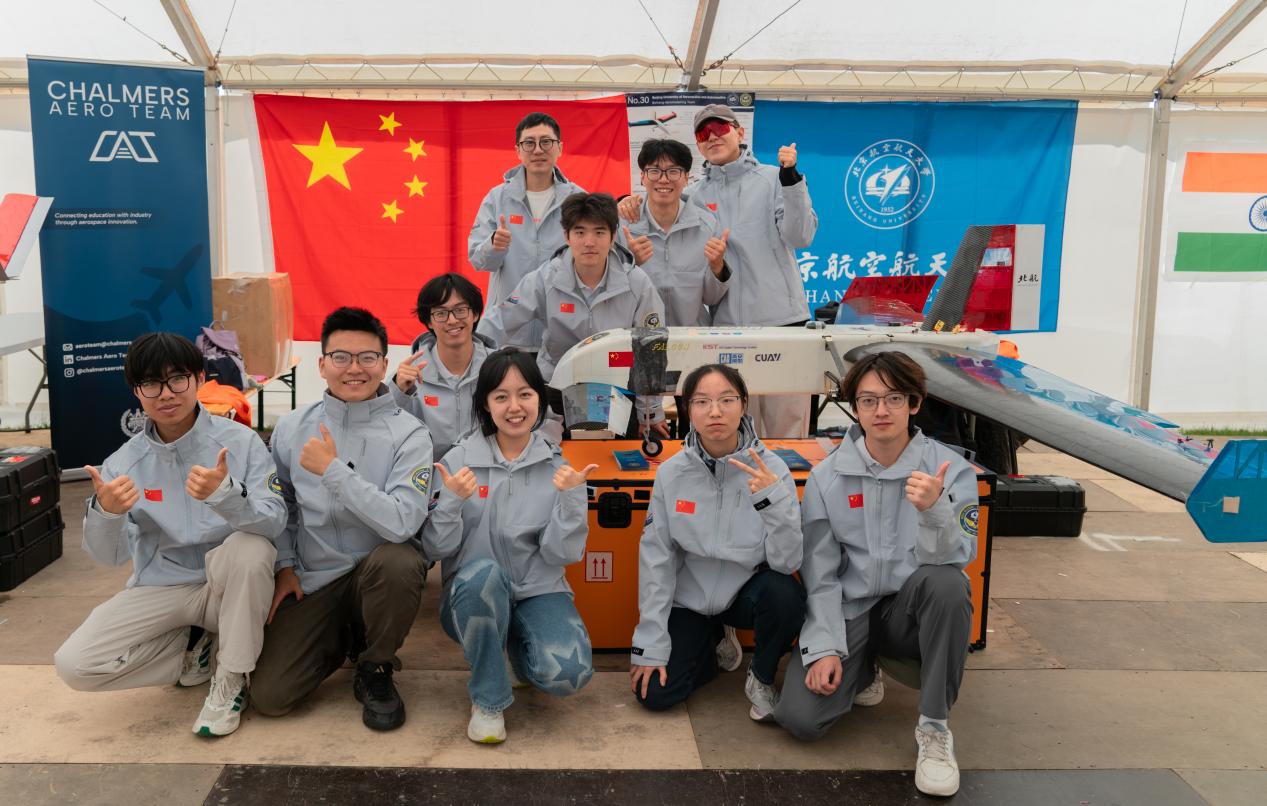
In terms of flight control and simulation, the team built a complete flight model on the X-Plane platform, integrated the ArduPilot flight control system into the simulation environment, and conducted tens of thousands of iterative validation cycles. Through precise aerodynamic calculations and multiple rounds of simulation optimization, the team secured the competition's top honor for best virtual simulation. During the preparation period, the team carried out over a hundred field test flights, repeatedly fine-tuning hardware precision, optimizing autonomous flight programs, and continuously reducing takeoff and landing distances while improving pinpoint delivery and landing accuracy.
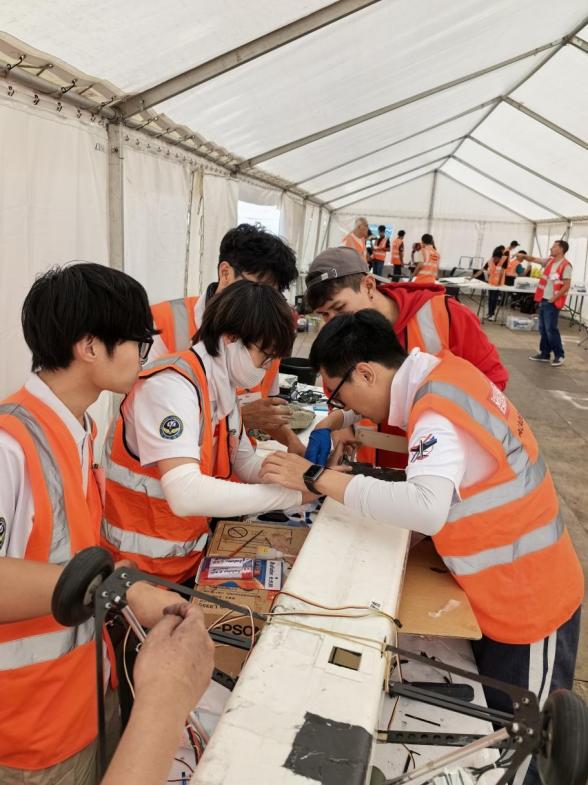
The high-altitude, windy, and highly variable weather conditions at the UK competition site posed significant challenges to all participating teams. In the first short-distance mission round, Beihang's UAV crashed due to a waypoint system malfunction, resulting in severe equipment damage. Faced with this major setback, the team refused to give up. Accompanied by their coaching staff, they urgently conducted fault tracing, fuselage repairs, and program adjustments, working around the clock to restore the aircraft. After repeated debugging, the team achieved a stable takeoff in the second long-distance flight mission, with the entire autonomous navigation, liquid spraying, and autonomous return system operating smoothly throughout the process, completing all assessment items successfully. With their mature engineering solutions and consistent performance, the team won the first place in the long-flight mission category. Combined with comprehensive scores from simulation, business plan, and engineering design sections, the Beihang Aeromodelling Team ultimately ranked second overall.
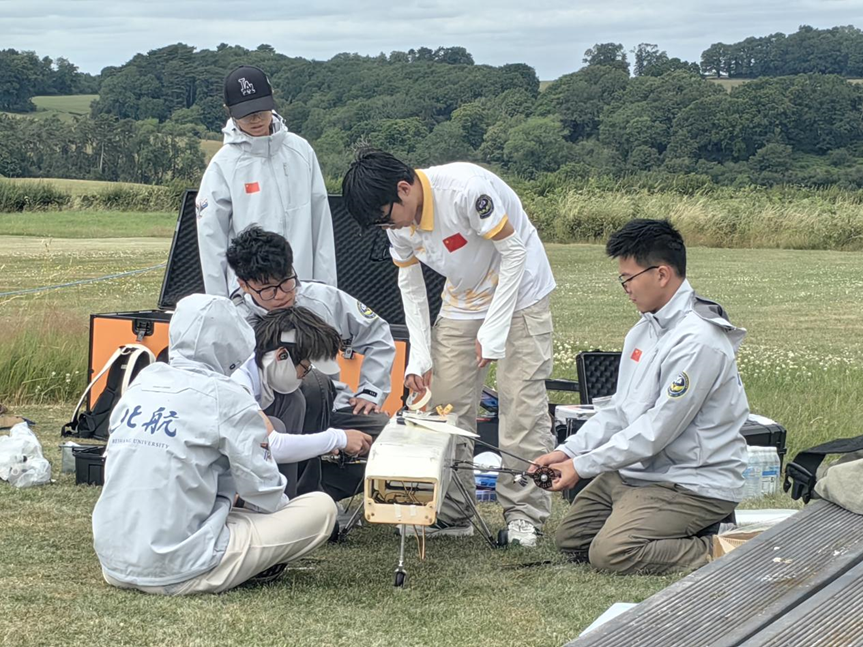
Team captain Zhu Chenxi shared his takeaways from the competition: "The crash on the first day put enormous pressure on us, but our coaches and teammates worked side by side in the emergency repairs, and no one backed down. This competition left us with regrets, but the experience of tackling challenges together and the tangible engineering insights we gained are far more valuable than the ranking." Team member Dai Yixin said: "Long-term cross-disciplinary collaboration helped me truly understand the complete logic of aircraft engineering. Countless days and nights of debugging and troubleshooting forged the unique perseverance that defines an aerospace professional." Team member Wu Houlin added: "This UAV, with its canard configuration independently designed by our team for agricultural disaster-relief spraying, carries evidence of our collective effort at every turn. Above the UK skies, the innovative strength of Chinese young aerospace talent was seen by the world."
The competing team members were all undergraduate students from Beihang University, including Ye Haoxu, Zhu Chenxi, Zhou Tao, Zhao Keying, Dai Yixin, Wu Houlin, Zhang Han, and Wang Hongkai. The faculty advisors were Professor Zhang Liang and Professor Song Lei from the School of Aeronautic Science and Engineering, and the head coach was Wang Funan. Coach Xu Liang accompanied the team to provide technical support.
During their stay in the UK, the team actively engaged in international academic exchanges through the event. Team members exchanged ideas on UAV design approaches with teams from various countries, shared debugging experiences in autonomous flight, and introduced Beihang's campus culture and talent development system to overseas experts and fellow students, extending invitations for academic collaboration. The team's rigorous engineering professionalism and confident, open-minded communication style earned unanimous recognition from the competition organizing committee, industry experts, and global participants.
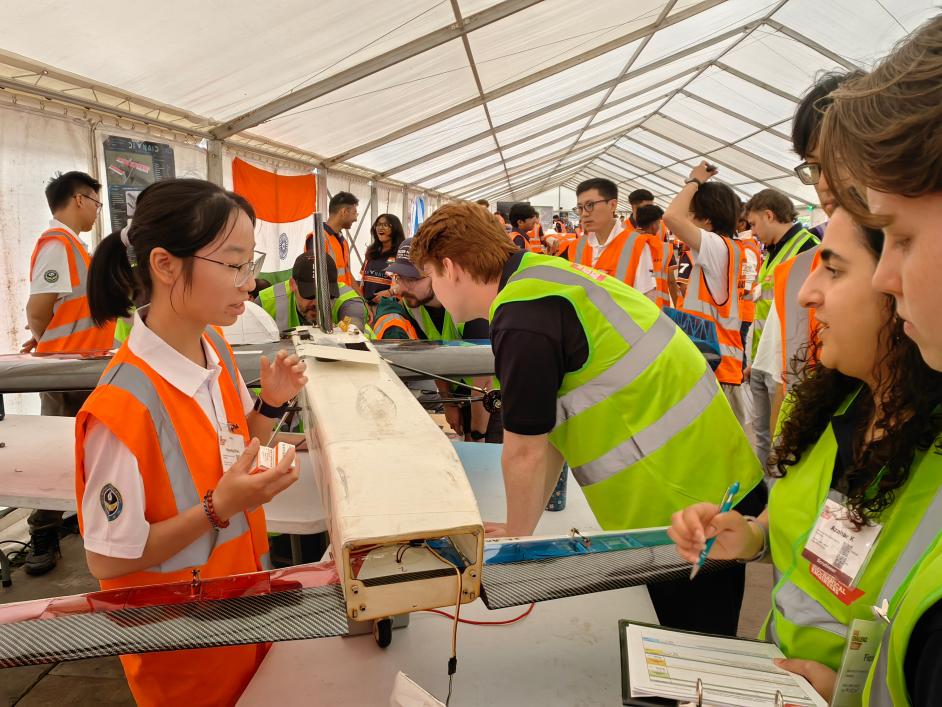
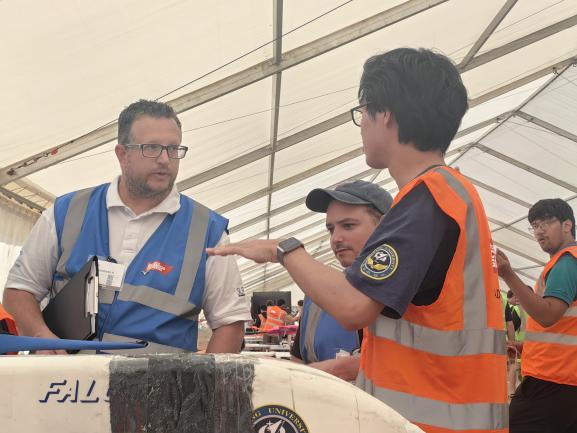
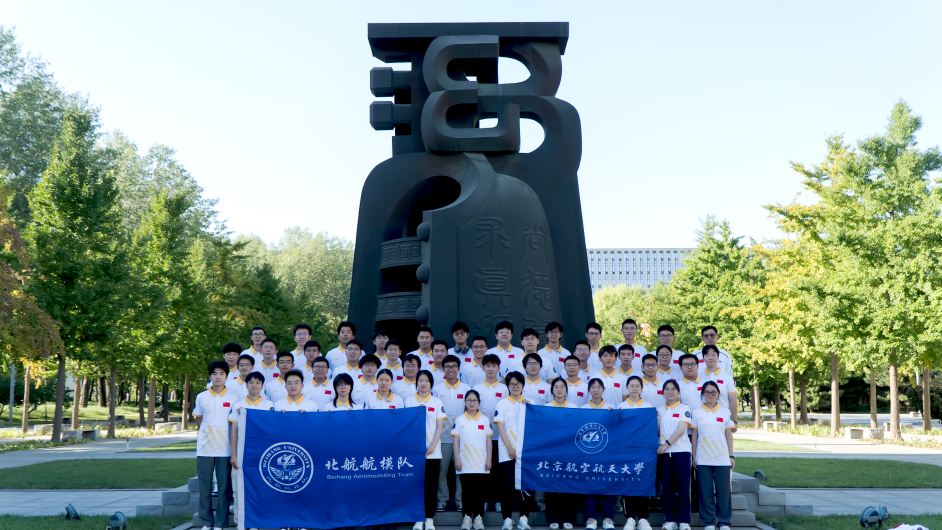
Founded in 1952, the Beihang Aeromodelling Team is a world-class high-level university aeromodeling organization and has been designated as a "Beihang University High-Level Scientific and Technological Innovation Team." Over more than seven decades, the team has developed well-established mechanisms for member selection and training, becoming an important platform for innovative talent cultivation within the university. It has progressively evolved from an aeromodeling activity group into a student aviation innovation team with national and even global influence, focusing on aerospace talent development and cutting-edge aviation technology exploration. Numerous Beihang students have begun their journeys here to play key roles in major aviation programs, fulfilling the mission of serving the nation through aerospace endeavors.
Editor: Liu Tingting


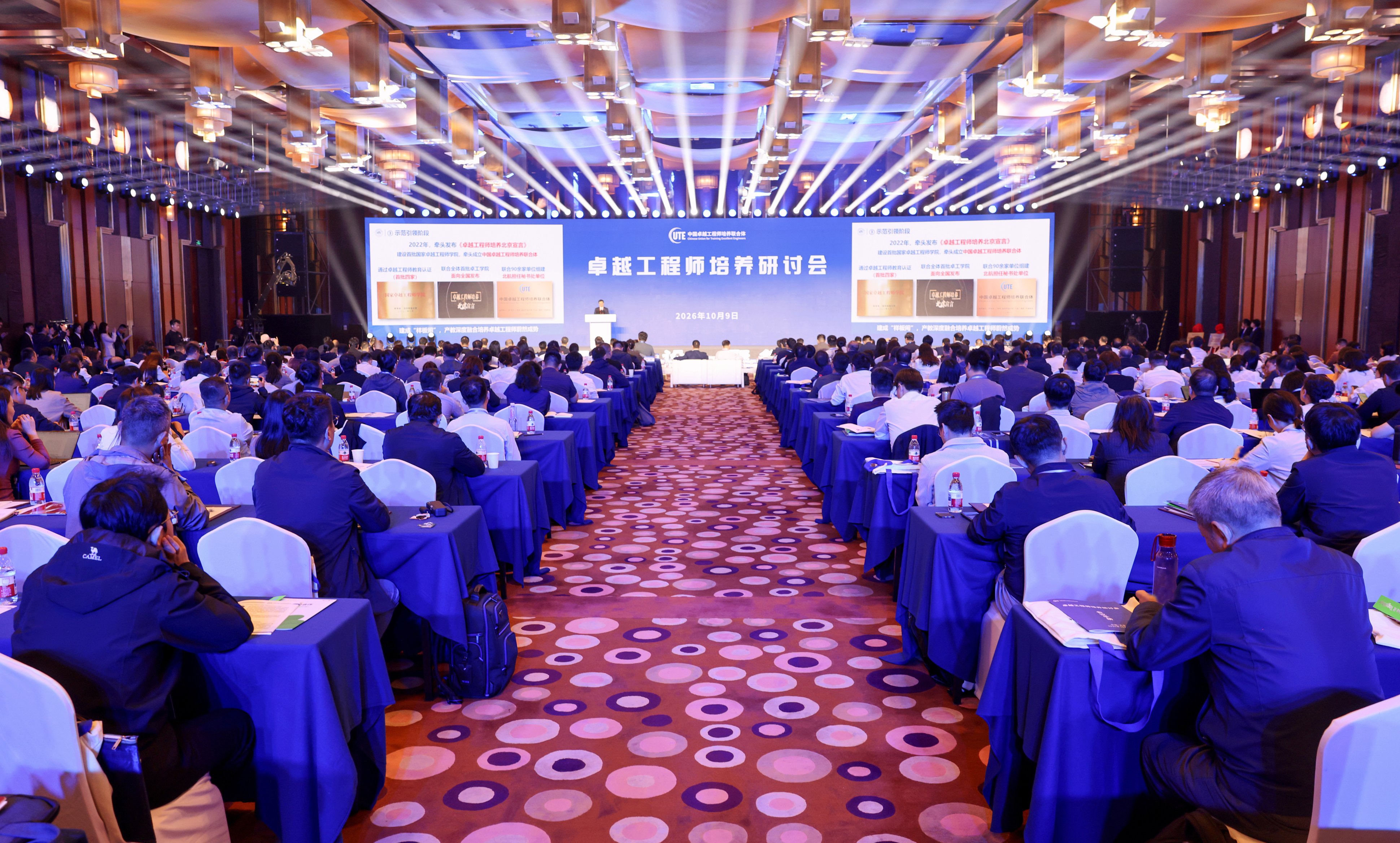 Beihang News2026 Symposium on Excellent Engineer Training held in BeijingMore
 Beihang NewsProfessor Liu Mingjie's team publishes article in Science, revealing high-modulus toughening mechanism in nacreMore
 Beihang NewsWang Yunpeng appointed Secretary of the CPC Beihang University CommitteeMore
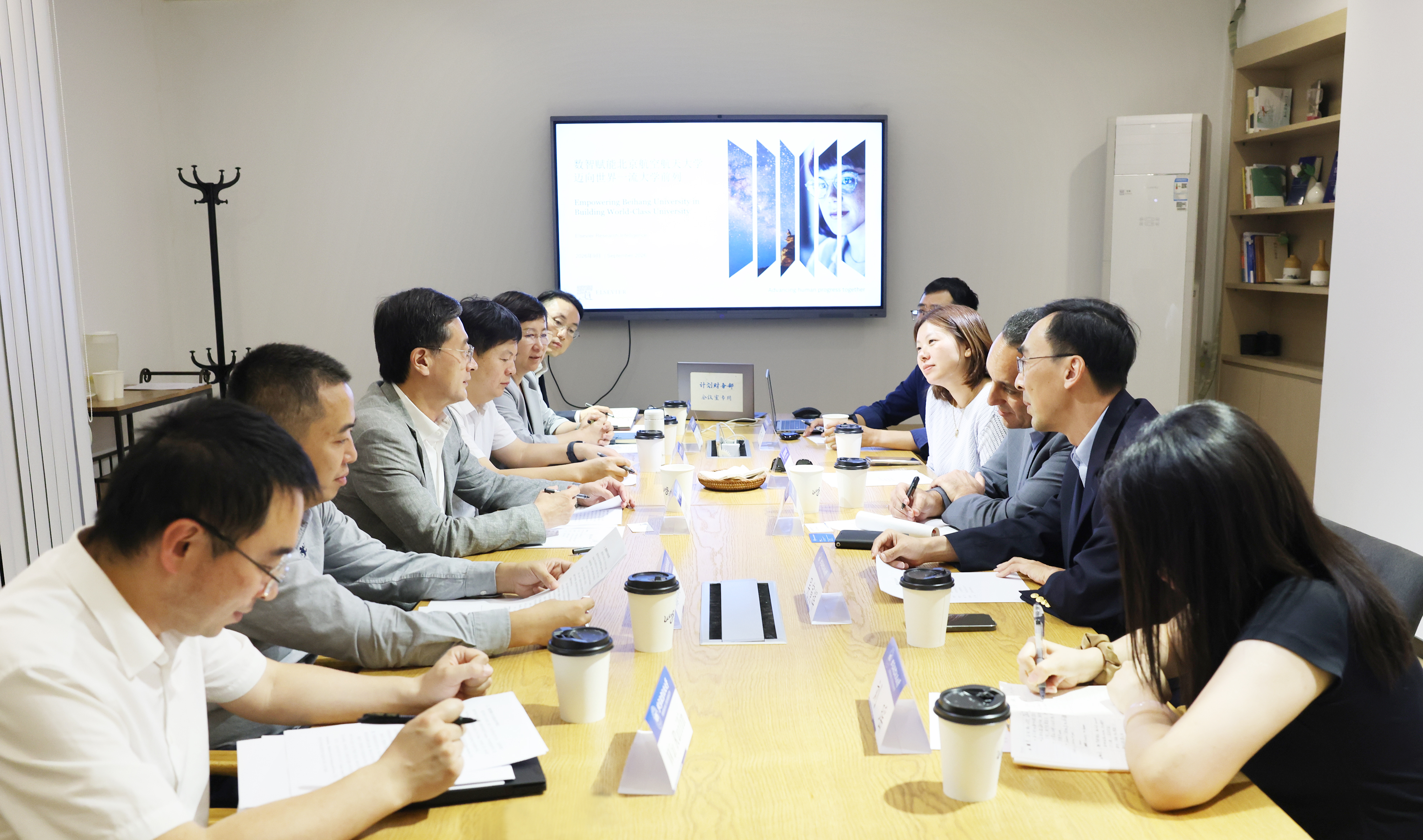 Beihang NewsElsevier Senior Vice President Said Taha visits Beihang UniversityMore
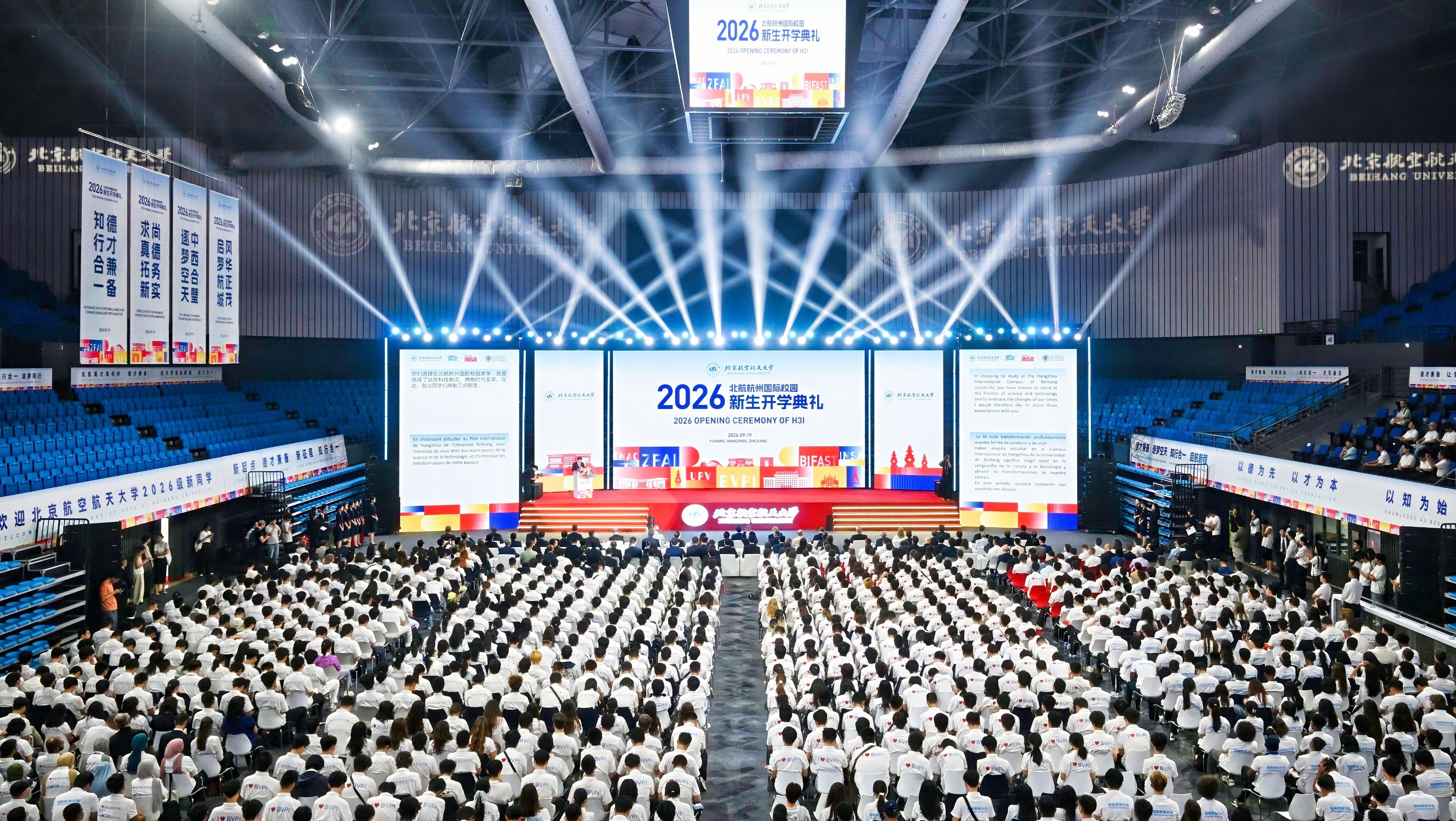 Beihang NewsPresident Wang Yunpeng visits Hangzhou to advance university-city integration and attends opening ceremony of H3IMore
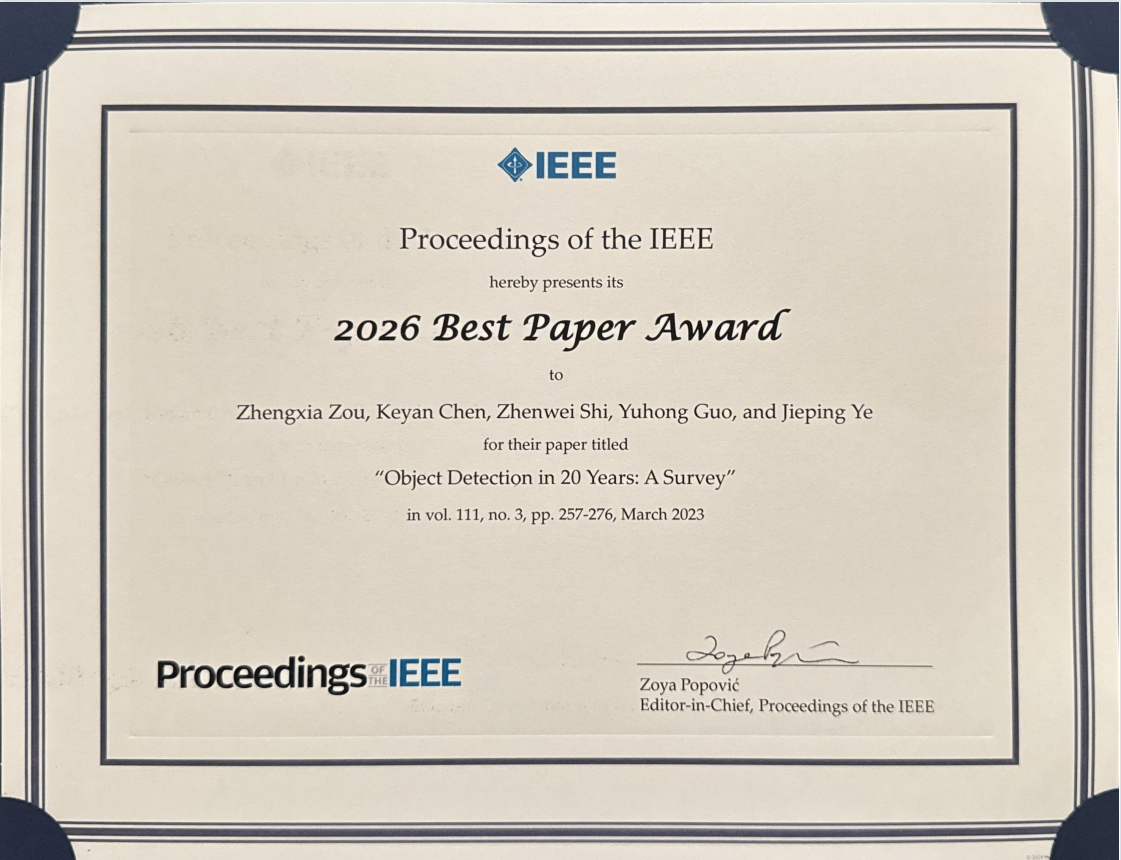 Beihang NewsBeihang team wins 2026 Best Paper Award from Proceedings of the IEEEMore