A research team led by Professors Ding Xilun, Zhang Wuxiang, and Associate Professor Feng Yanggang from the School of Mechanical Engineering and Automation at Beihang University has developed a highly integrated isokinetic knee rehabilitation robot for home-based isokinetic training, as reported in Nature Communications. The study, titled “Power-free knee rehabilitation robot for home-based isokinetic training,” addresses critical challenges in global rehabilitation access through innovative biomechanical engineering.
Robot-assisted isokinetic training has been widely adopted for knee rehabilitation. However, existing rehabilitation facilities are often heavy, bulky, and extremely energy-consuming, which limits the rehabilitation opportunities only at designated hospitals.
In the study, the authors introduce a highly integrated and lightweight (52 kg) knee rehabilitation robot that can provide home-based isokinetic training without external power. By integrating a motor, torque/angle sensors, control circuit, and energy regeneration circuit into a single driver module, the robot can provide power-free isokinetic training by recycling mechanical work from the trainee.
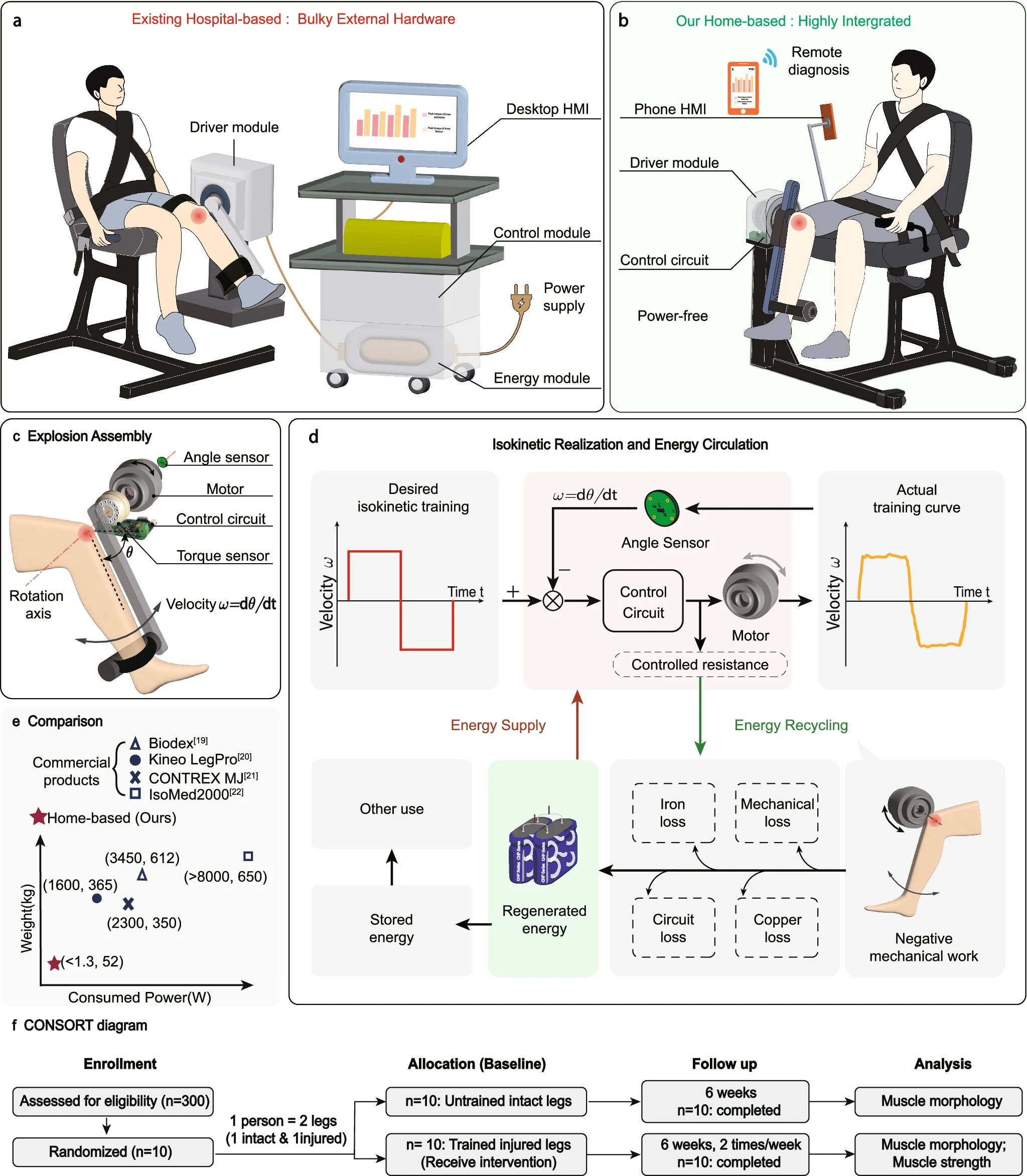
Fig. 1: Proposed power-free knee rehabilitation robot, realization and comparison
An interventional randomized trial involving ten postsurgical patients demonstrates that the cross-sectional area of trained legs (experimental group) was significantly higher than that of untrained legs (control group). The primary outcomes, muscle growth (quadriceps: 5.93%, hamstrings: 10.27%) and strength improvements (quadriceps: 70%, hamstrings: 84%), achieved with robots developed by the authors surpass those of existing commercial rehabilitation devices.

Fig 2: Validation of power-free isokinetic training
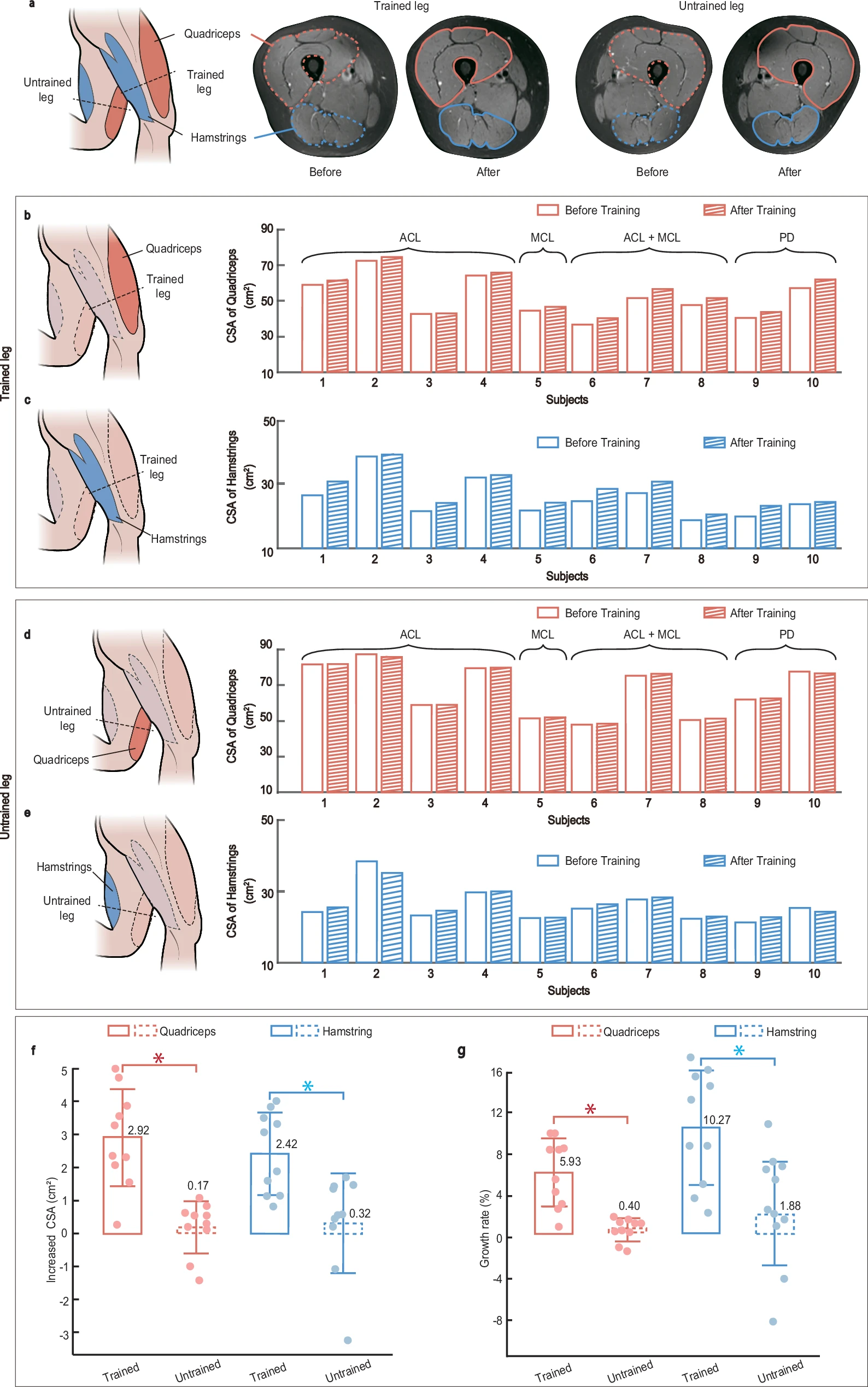
Fig. 3: Evaluation of muscle morphology after a 6-week rehabilitation program

Fig. 4: Evaluation of muscle strength after a 6-week rehabilitation program
These findings indicate that the proposed robot presents a viable option for home-based knee rehabilitation, significantly enhancing the accessibility of effective treatment.
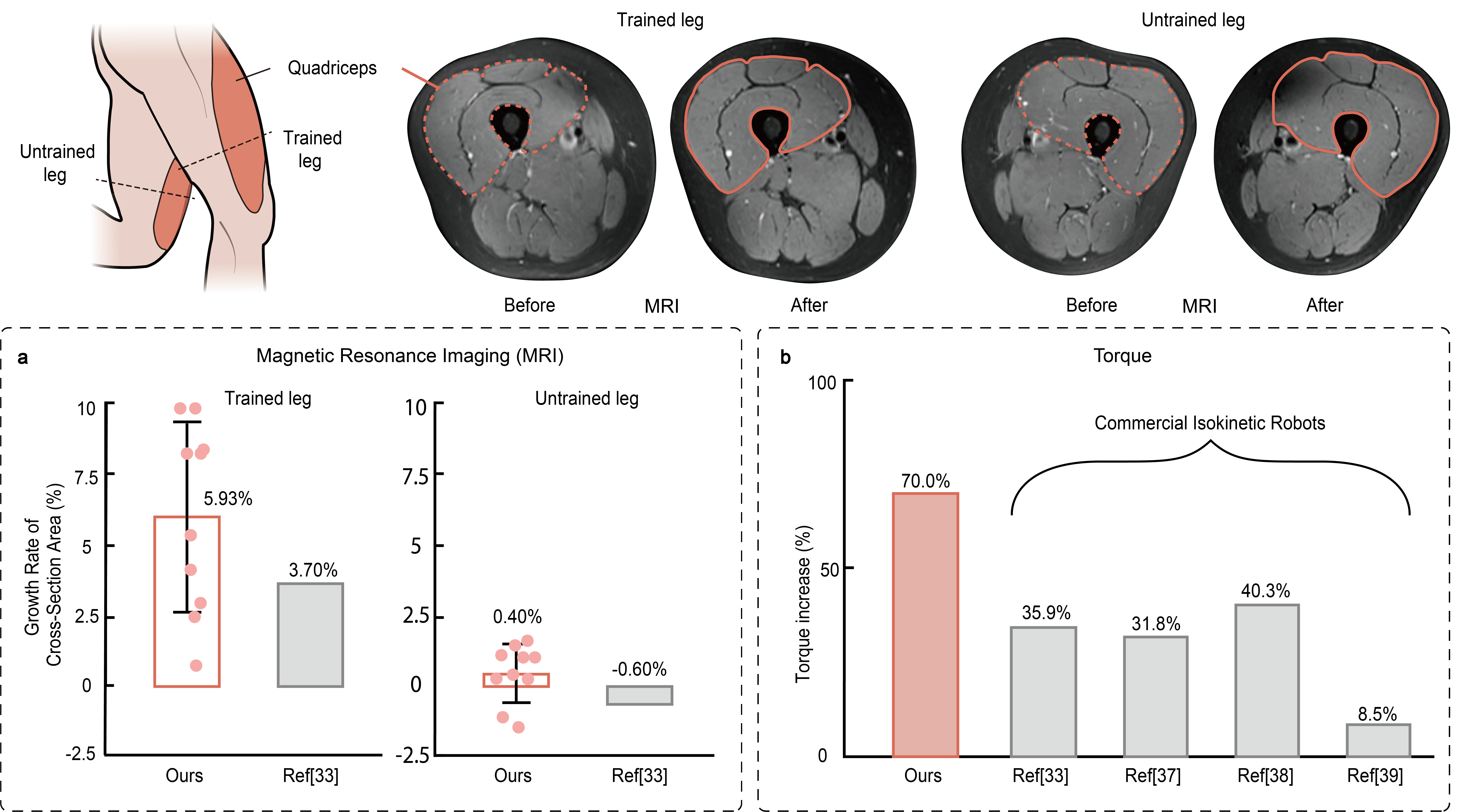
Fig. 5: Efficacy comparison between the study and commercial isokinetic robots
The collaborating institutions include Peking University Third Hospital, West China Hospital of Sichuan University, Intelligent Science & Technology Academy Limited of CASIC, Shanghai Jiao Tong University, and Peking University. The work is supported by the National Key Research and Development Program of China, the National Natural Science Foundation of China, the Fundamental Research Funds for the Central Universities, and the “Scientific Innovation Yongjiang 2035” Key Technology Breakthrough Plan Projects in Ningbo City.
Link to the article: https://www.nature.com/articles/s41467-025-57578-z
Editor: Lyu Xingyun


 Beihang NewsBeihang celebrates 42nd Teachers' DayMore
 Beihang NewsBeihang's first student-designed human-powered aircraft completes test flightMore
 Beihang NewsBeihang leaders engage in dialogue with new undergraduate and graduate student representativesMore
 Beihang NewsBeihang University holds 2026 opening convocation to welcome new studentsMore
 Beihang NewsBeihang University welcomes 9,022 new graduate studentsMore
 Beihang NewsProfessor Yu Shui wins Best Screenplay Award at 21st Changchun Film FestivalMore