Recently, Associate Professor Hao Zhuang (corresponding author) from the School of Economics and Management at Beihang University, in collaboration with Dr. Cheng Huihui (first author) from Rutgers University, published the research findings titled "Do fewer siblings lead to better mental health and subjective well-being? Evidence from China's family planning policies" in the prestigious Journal of Population Economics.
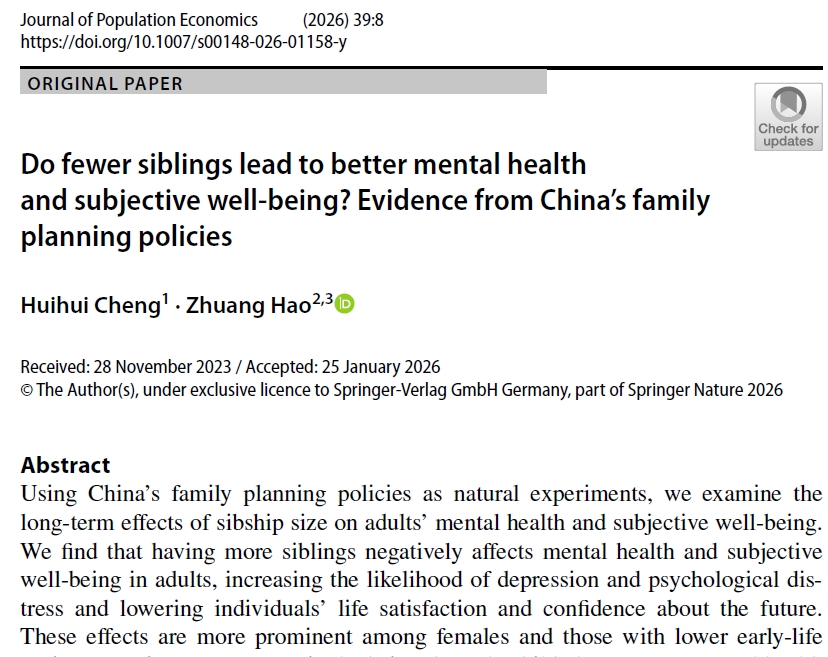
Using China's family planning policies as natural experiments, the paper examines the long-term effects of sibship size on adults' mental health and subjective well-being. The findings show that having more siblings negatively affects mental health and subjective well-being in adults, increasing the likelihood of depression and psychological distress and lowering individuals' life satisfaction and confidence about the future. These effects are more prominent among females and those with lower early-life socioeconomic status. Interestingly, being the only child also worsens mental health in adults. In the case of only children, the detrimental effects of the "only-child disadvantage" on mental health and subjective well-being may dominate the benefit from the "quantity-quality tradeoff." Researchers find supportive evidence that adults without siblings have better physical health but are less agreeable and more neurotic than those with siblings. Together, these seemingly contradictory findings reconcile the theory of quantity-quality tradeoff and the studies on the only-child disadvantage and advance the understanding of the impacts of sibship size on mental health and subjective well-being.
This research was supported by the National Natural Science Foundation of China (72004007, 72134006, 72033001) and the Humanities and Social Sciences Young Scholar Program of Beihang University (KG16182901).
Link to the article: https://link.springer.com/article/10.1007/s00148-026-01158-y
Editor: Liu Tingting


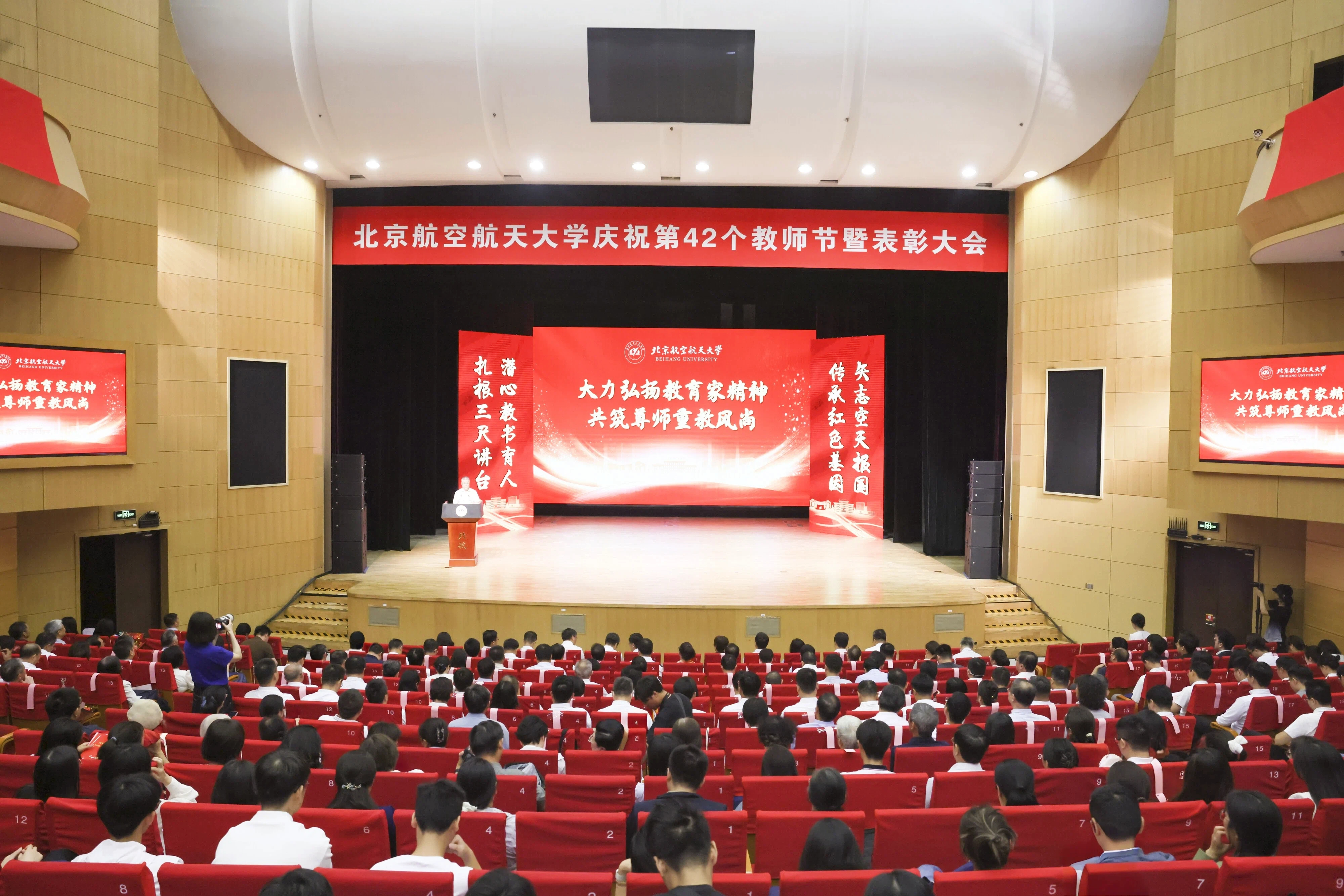 Beihang NewsBeihang celebrates 42nd Teachers' DayMore
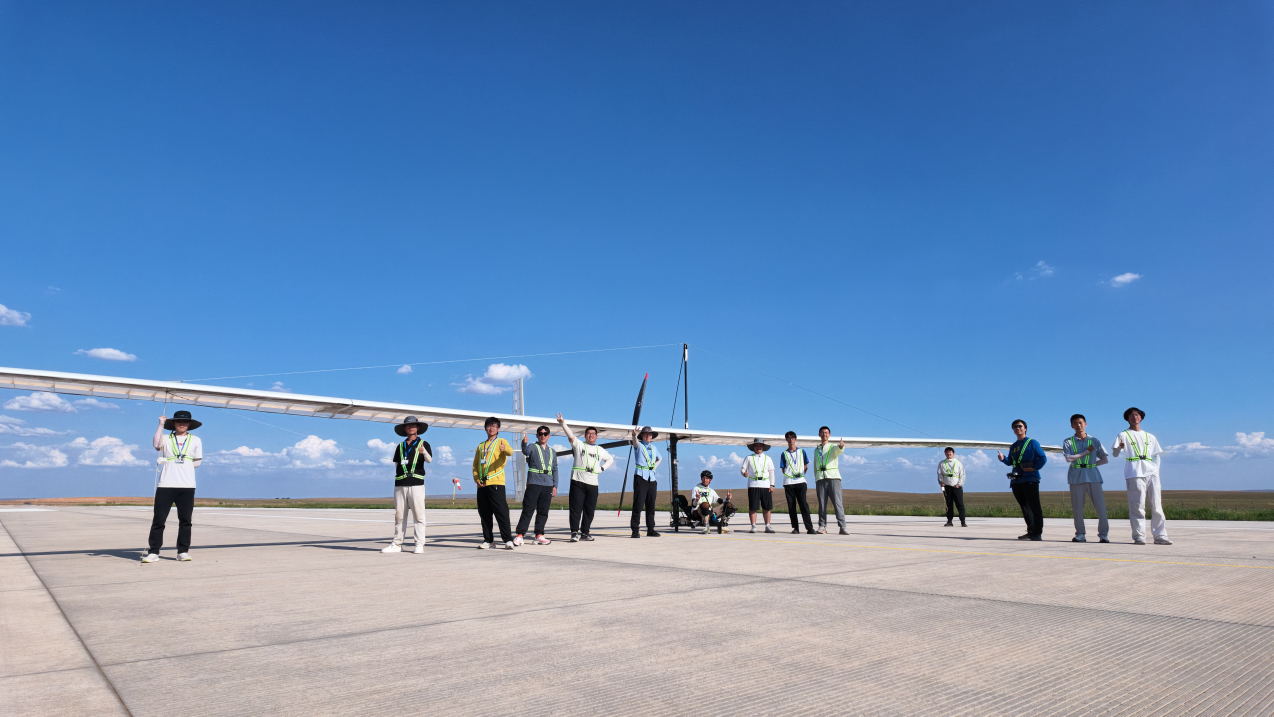 Beihang NewsBeihang's first student-designed human-powered aircraft completes test flightMore
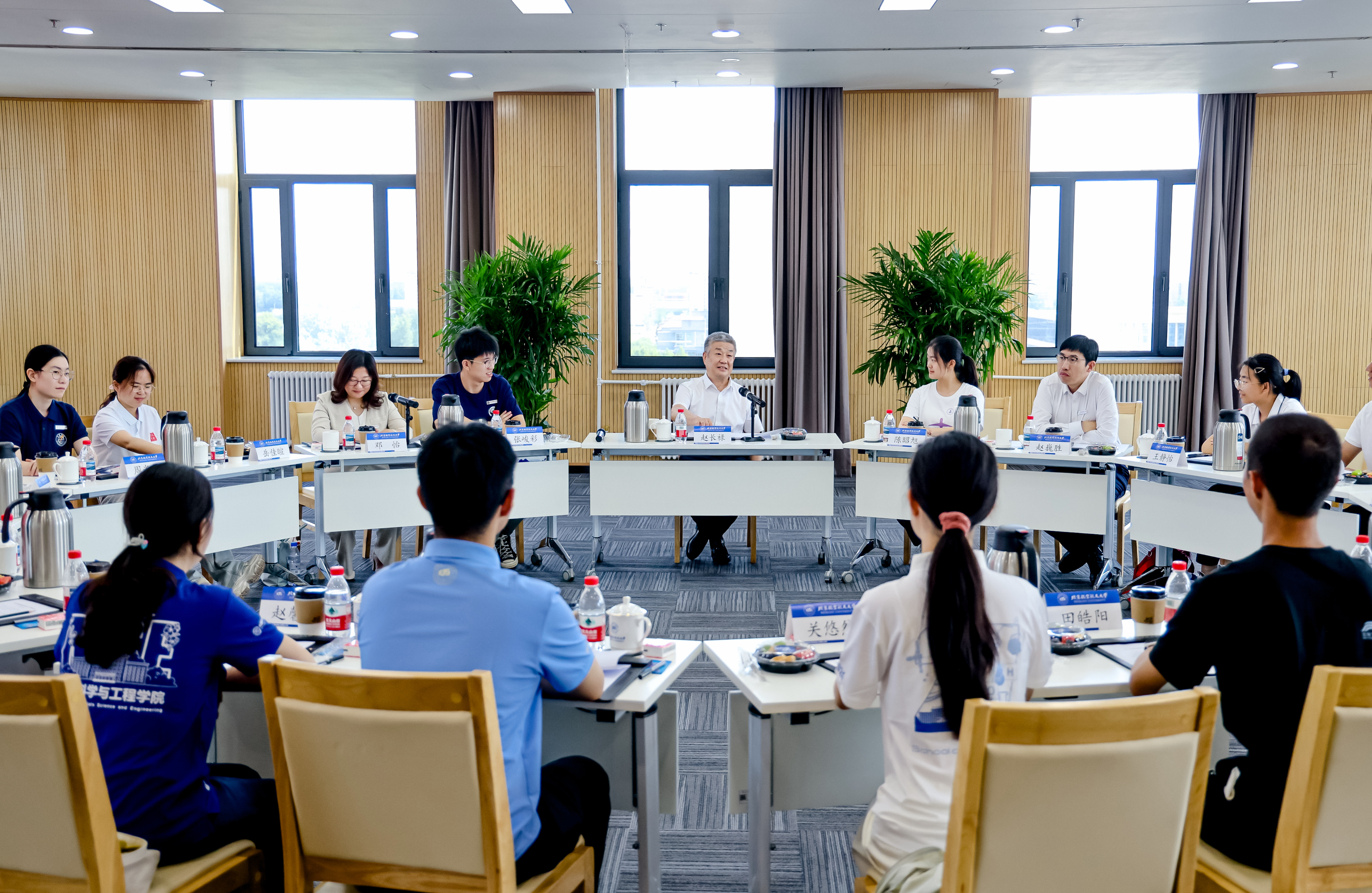 Beihang NewsBeihang leaders engage in dialogue with new undergraduate and graduate student representativesMore
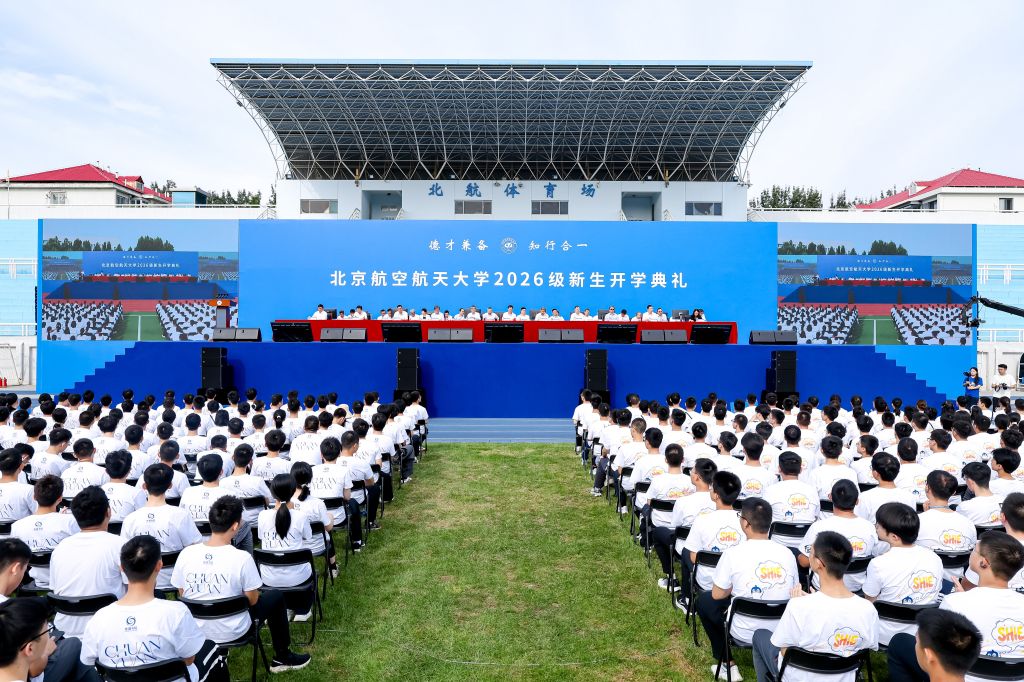 Beihang NewsBeihang University holds 2026 opening convocation to welcome new studentsMore
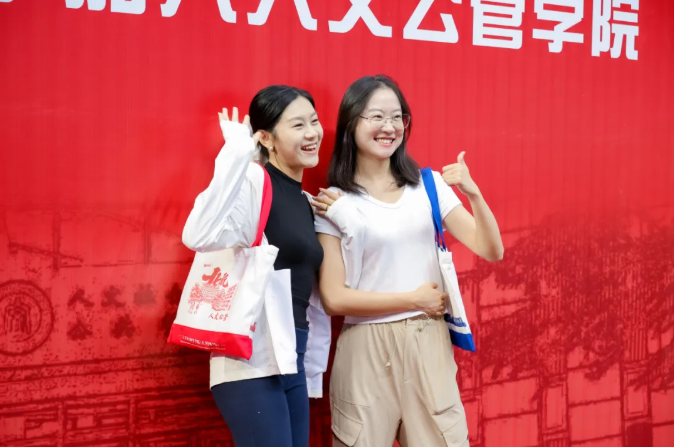 Beihang NewsBeihang University welcomes 9,022 new graduate studentsMore
 Beihang NewsProfessor Yu Shui wins Best Screenplay Award at 21st Changchun Film FestivalMore