The International Conference on the Future of Graduate Education was convened from October 22 to 23 at the Hangzhou International Campus of Beihang University. Hosted by Beihang University and co-organized by its Graduate School, School of Humanities and Social Sciences (School of Public Administration), and the Beijing Philosophy and Social Sciences Research Base for Graduate Education Reform and Development, the conference centered on the theme "Digital Intelligence, Interdisciplinary Integration, and Innovation."
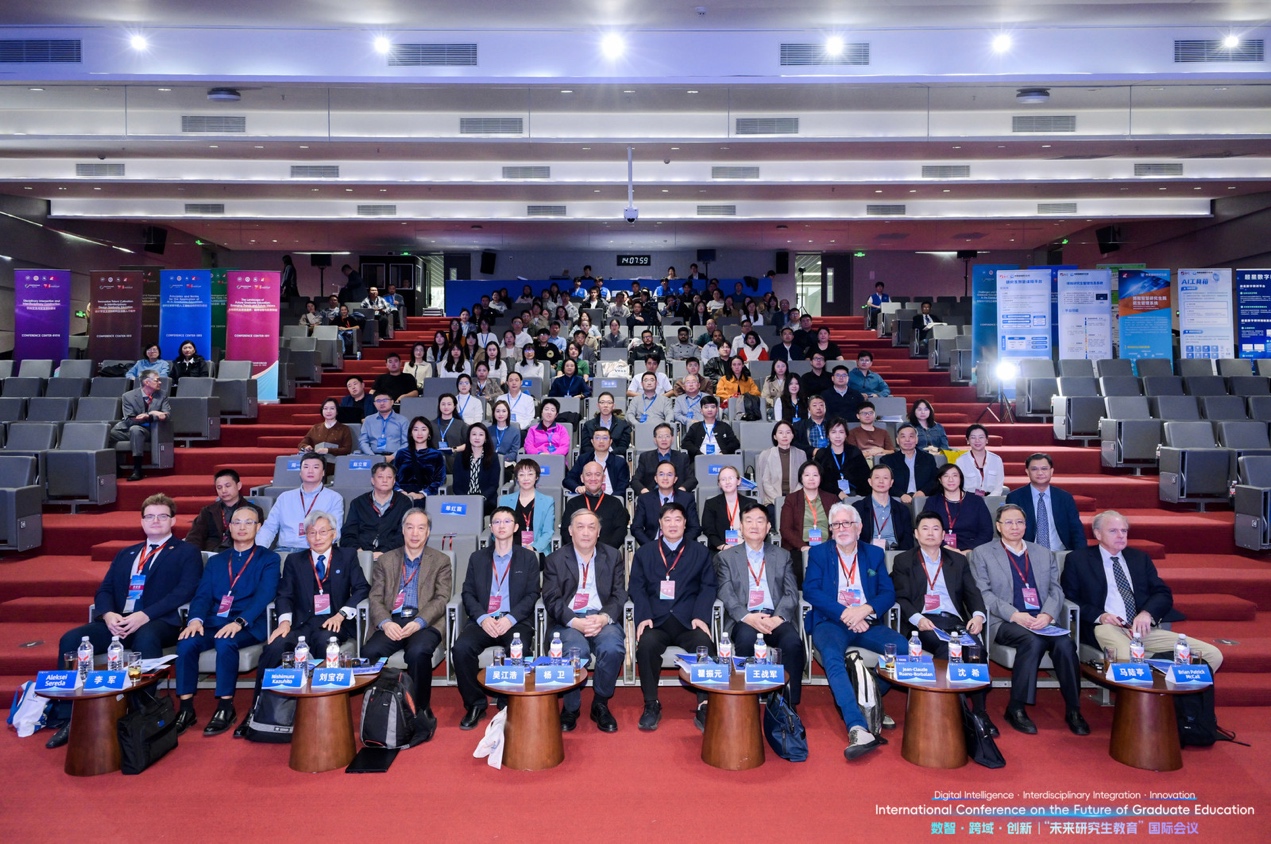
As one of the key academic seminars of University Partners Summit of Beihang University and part of the 40th anniversary celebrations of its Institute of Higher Education, the event brought together distinguished scholars and experts from leading universities, international organizations, research institutions, and prominent enterprises worldwide. The conference served as a global forum for academic exchange on graduate education reform and future development.
The conference featured five key segments: an opening ceremony, keynote speeches, main forums, roundtable discussions, and a closing ceremony, along with nine parallel forums.
At the opening ceremony, Miao Fengchun, Chief of the Unit for Technology and AI in Education at UNESCO, and Cristian Aedo, Practice Manager for Education in East Asia and the Pacific at the World Bank, delivered video addresses.

Miao Fengchun highlighted that the world is at a turning point in the era of artificial intelligence. He shared two key insights: first, AI development is currently in an infrastructure expansion phase, and its value should be analyzed in terms of upgrading socioeconomic infrastructure; second, talent cultivation, including in graduate education, should focus on human-centered AI literacy and comprehensive competencies. He introduced UNESCO's AI Competency Framework for Students, released in September 2024, highlighting the importance of human-centered AI awareness and ethics.
Cristian Aedo noted that the world faces multiple global challenges, including climate change, AI disruption, and social inequality, which require a re-examination of graduate education. While acknowledging the remarkable expansion of graduate education in China, he pointed out challenges such as the mismatch between the number of graduates and labor market demands. He called for graduate education to equip students with the ability to shape the future in diverse roles and urged participants to explore ways to redesign curricula, leverage digital learning, and incorporate global citizenship and ethical leadership into the educational framework.
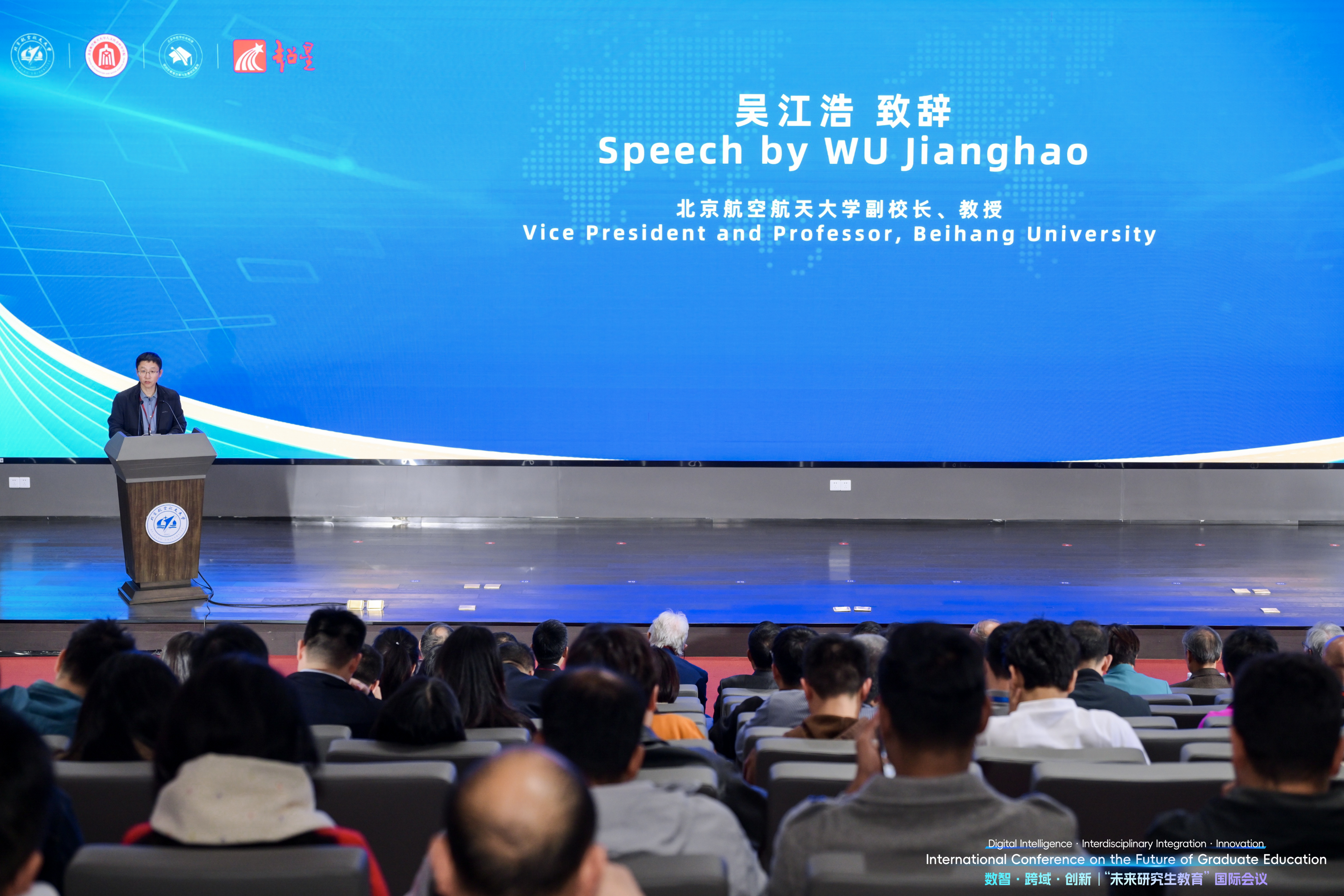
On behalf of Beihang University, Vice President Wu Jianghao welcomed the guests and shared the university's achievements in graduate education reform. Addressing the opportunities and challenges of the digital era, he outlined three priorities for graduate education: first, leveraging AI as a catalyst to break down disciplinary barriers and transform graduate education from knowledge transmission to capacity building; second, fostering interdisciplinarity and international collaboration to build a global community integrating science and education, addressing both national strategies and global challenges; third, promoting innovation by balancing technical skills with foundational principles to create an efficient, intelligent, and human-centered educational ecosystem.
During the main forums, experts delved into topics such as graduate education development in the digital intelligence era, AI governance, cultural narratives, degree program design, curriculum systems, platform development, and institutional transformation. The sessions included two keynote speeches, 17 main forum reports, and one roundtable discussion.
In his keynote speech titled "Building a Future World Center for Doctoral Education," Yang Wei, Academician of the Chinese Academy of Sciences, Chair of the Advisory Committee of the National Natural Science Foundation of China, and President of the Association of Chinese Graduate Education, explored whether China can become a global hub for doctoral education. He traced China's rise from industrial and technological advancement to education and talent development, and outlined a three-tier progression for researcher development and six strategies for establishing China as a leading center for doctoral education.
Qu Zhenyuan, Member of the National Advisory Committee on Education, former President of the China Association of Higher Education, and former Party Secretary of China Agricultural University, delivered a keynote titled "Quality as the Foundation: Supporting the Construction of an Education Nation with Excellence in Graduate Education." He discussed the challenges in the new era of graduate education, stressing the need for quality assurance, expanding graduate enrollment, and enhancing training conditions. He put forward strategic recommendations for developing a high-quality graduate education system to underpin the national goal of building a strong education system.
The main forums featured presentations by renowned experts, including Jean-Claude Ruano-Borbalan, Director of the Institute for Research in European Educational and Social Policy; Wang Zhanjun, Vice President of the China Association of Higher Education; Zhang Zhiqiang, Professor at The Chinese University of Hong Kong; Liu Baocun, Dean of the Institute of International and Comparative Education at Beijing Normal University; Brian Patrick McCall, Co-Editor of China Economics of Education Review; and Chen Yan, Assistant President and Executive Dean of the Graduate School of Fudan University, among others. They shared insights on such topics as AI governance, innovative degree programs, curriculum design, and institutional transformation in graduate education.
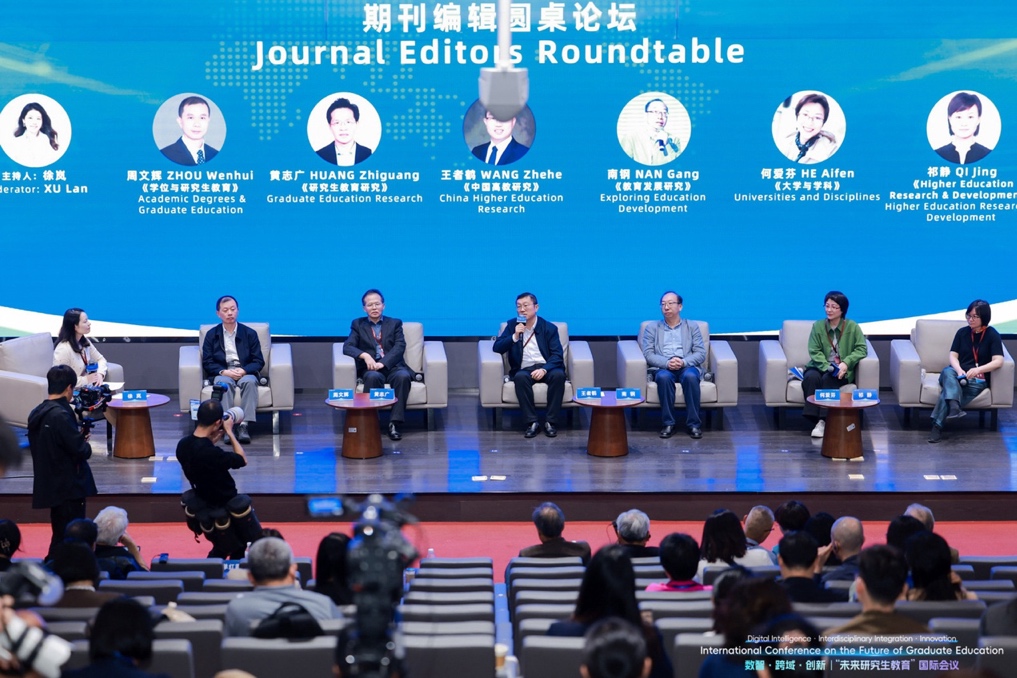
A dedicated roundtable for journal editors, moderated by Zhou Wenhui, Deputy Director of the Center for Graduate Education at Beijing Institute of Technology, brought together editors from leading academic journals. They discussed key issues such as educational policy interpretation, theoretical framework construction, balancing localization and internationalization, and academic integrity and peer review ethics in the AI era.
Across nine parallel forums, 58 scholars and experts exchanged views on themes including AI application principles in graduate education, challenges and breakthroughs in the digital intelligence era, AI framework development, future trends in graduate education, interdisciplinary training, and innovation capacity building through industry-academia collaboration.
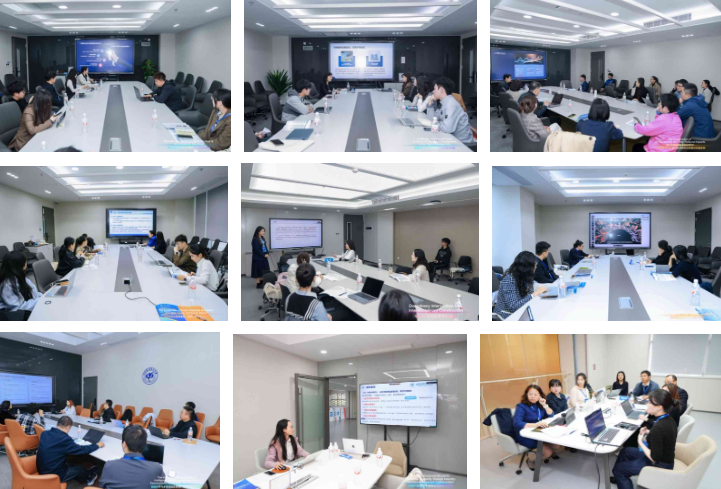
At the closing ceremony, moderators of the parallel forums presented summary reports. Ma Yonghong, Professor at Beihang University, Director and Chief Expert of the Beijing Philosophy and Social Sciences Research Base for Graduate Education Reform and Development, delivered a comprehensive concluding remark. She highlighted the conference's global character, bringing together scholars, students, government representatives, and industry leaders from different regions. She noted that the conference provided a cross-boundary dialogue platform to explore the future of graduate education in the digital age. Despite uncertainties ahead, she expressed confidence in collective efforts to advance human civilization and create a better future.
The conference provided a dynamic platform for cross-regional and cross-cultural dialogue, fostering vibrant discussions both on and off the stage. Over the two-day event, participants engaged with enthusiasm and insight, addressing theoretical, practical, and technical issues in graduate education. The conference contributed valuable ideas to the global advancement of graduate education.
Editor: Lyu Xingyun


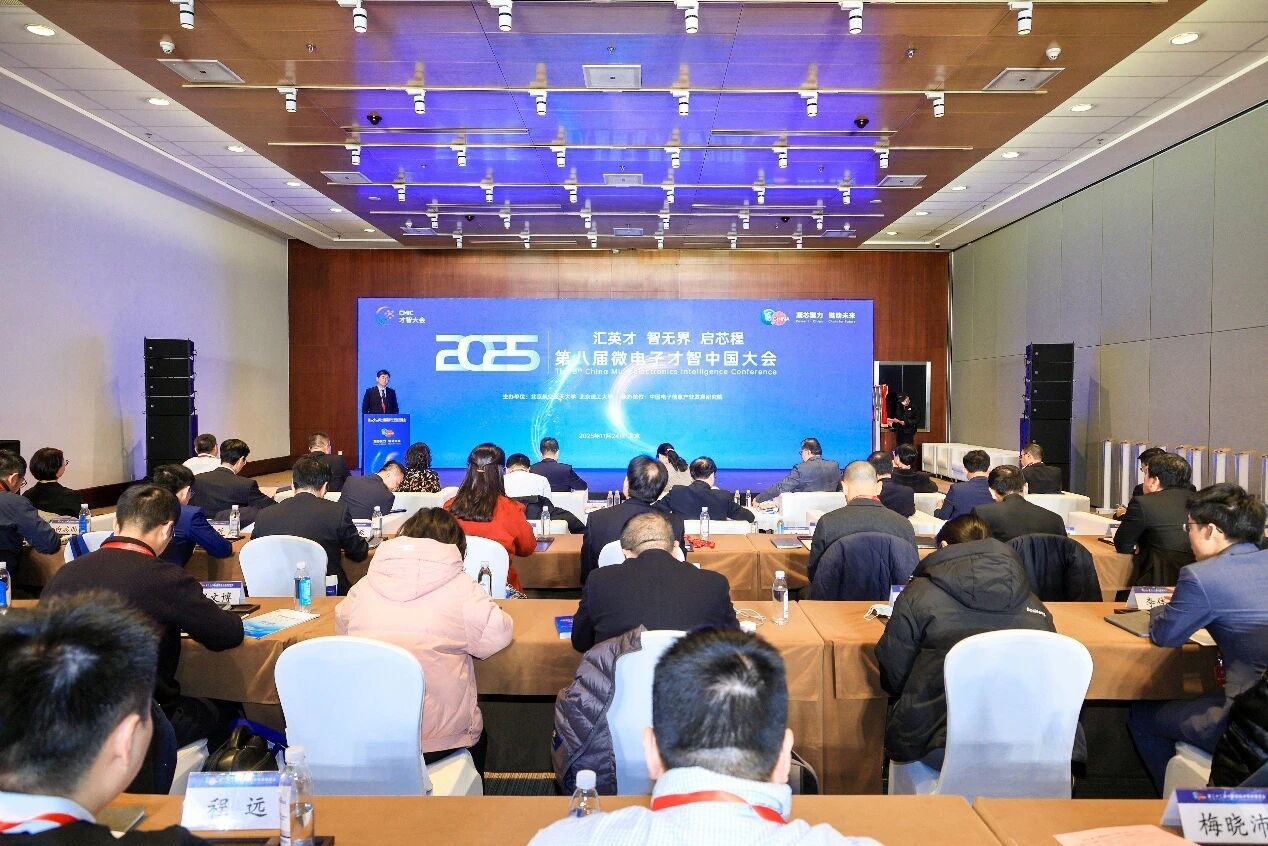 Beihang News8th China Microelectronics Intelligent Conference convenes in BeijingMore
 Beihang NewsBeihang AI Knowledge Center debuts in MexicoMore
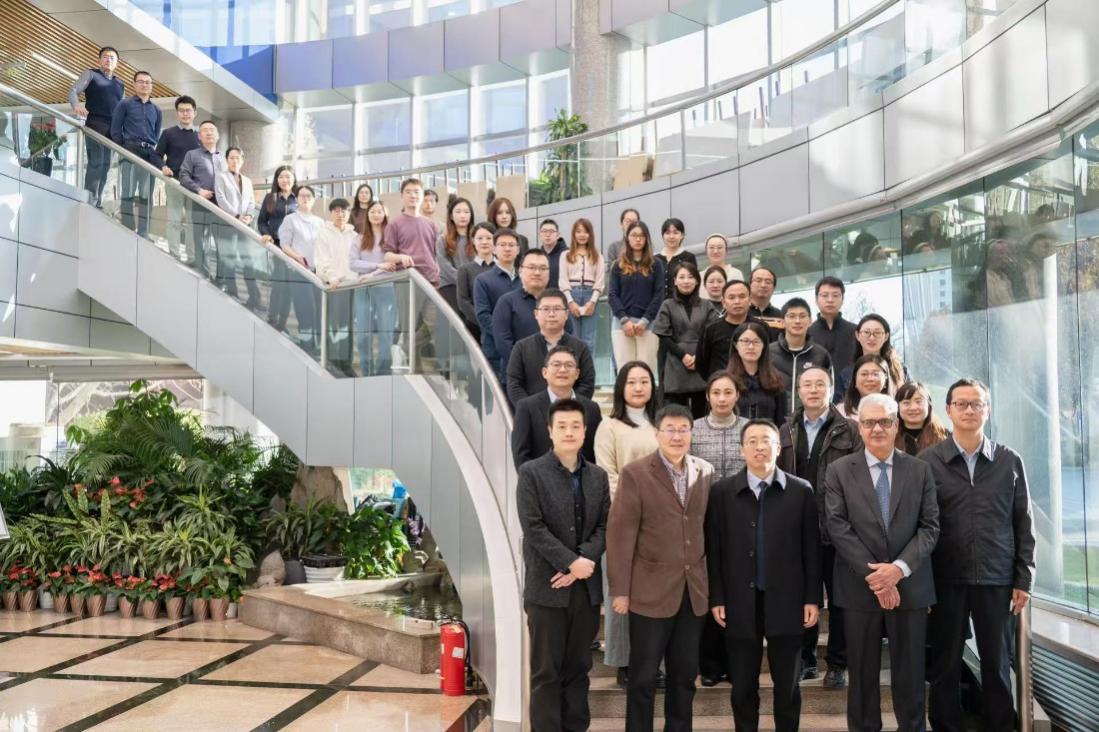 Beihang News18th Enterprise Open Day successfully heldMore
 Beihang NewsProfessor Niu Jianwei elected as IEEE FellowMore
 Beihang NewsTen Beihang professors and alumni elected as CAS and CAE academiciansMore
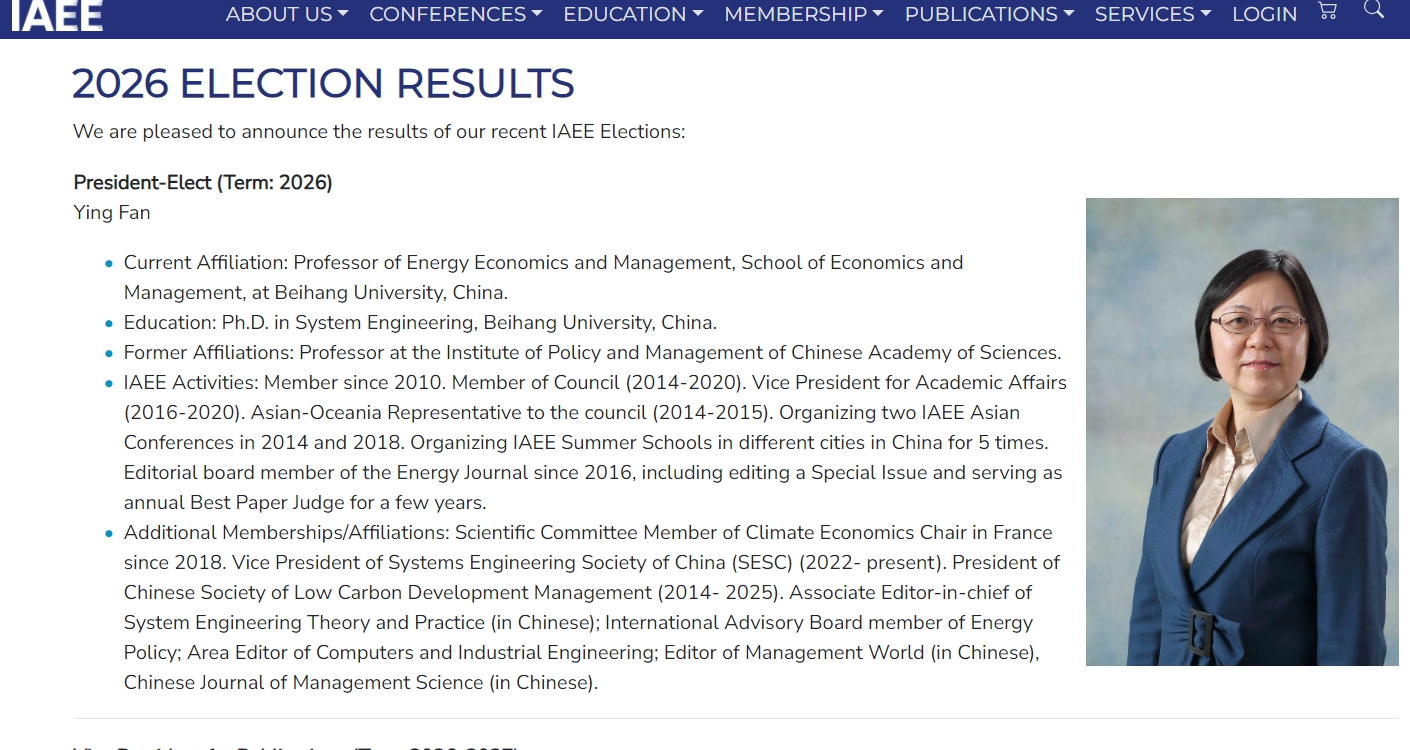 Beihang NewsProfessor Fan Ying named IAEE President-ElectMore