An authoritative review titled "Electrochromic-based visualised flexible biosensing platforms: from single device to multifunctional device integration" by Professor Pan Caofeng from the International Institute for Interdisciplinary and Frontiers and his collaborators has been published in the prestigious journal Chemical Society Reviews. The review systematically addresses the critical challenge of the "disconnection between signal acquisition and user perception" in flexible biosensing, offering in-depth analysis and innovative solutions for integrating electrochromic devices (ECDs) with flexible biosensing modules.

Professor Pan Caofeng, along with Professor Yang Zhengwen and Professor Liu Yue from Kunming University of Science and Technology, served as corresponding authors. Beihang University is one of the primary corresponding affiliations.
Conventional sensor systems suffer from an inherent limitation in delivering direct visual feedback during the physical-to-electrical signal transduction process, creating a cognitive disconnect between users and functional device interactions. Electrochromic (EC) technology, with its ability to reversibly modulate optical properties under low-voltage stimuli, offers a transformative solution by embedding visual feedback directly into sensing platforms. By integrating EC displays with flexible biosensors (e.g., pressure, sweat, temperature, and humidity sensors), multidimensional physiological data can be converted into colourimetric signals observable to the naked eye, thereby bridging the gap between signal acquisition and user comprehension.
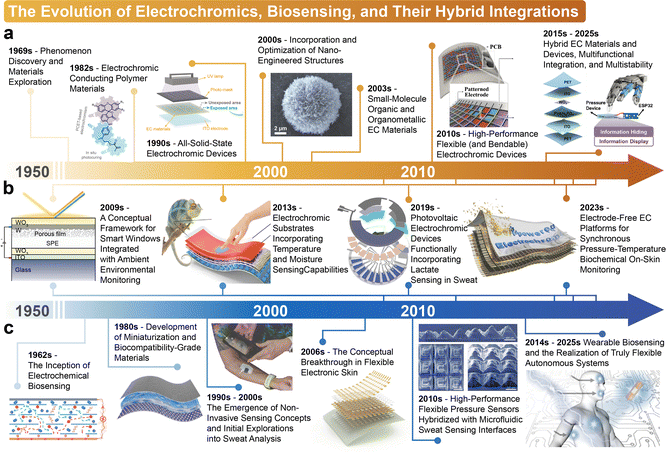
Fig. 1 Development timeline of flexible ECDs, biosensing devices and their integrated platform.
This review systematically examines advancements in multimodal integration strategies, particularly the convergence of diverse sensing modalities with dynamically responsive electrochromic display units. It dissects the material innovations, structural engineering, and mechanistic principles underpinning individual module performance. It also rigorously analyses advanced alignment protocols for heterointegrated systems and critical challenges. The evolution from discrete flexible sensors to multifunctional visualization platforms represents a shift toward interdisciplinary convergence.

Fig. 2 Problems faced by flexible integrated devices and future perspectives.
The article also proposes a four-dimensional optimization framework to tackle integration challenges in electrochromic biosensing platforms: synergistic innovation in materials and interfaces, optimization of structures and energy efficiency, reconfiguration of intelligent closed-loop systems, and enhanced biocompatibility.

Fig. 3 The integration of ECDs and biosensing devices necessitates a holistic strategy centered on multimodal material design, synchronized structural engineering, thermodynamically optimized performance matching, and intelligent closed-loop systems.
This systematic approach suggests that future breakthroughs will depend not on isolated technological improvements but on synergistic breakthroughs in material genetic engineering, heterogeneous integration strategies, and entropy-controlled intelligent systems, ultimately driving wearable devices and human-computer interaction technologies from passive monitoring to active intervention.
Link to the article: https://pubs.rsc.org/en/content/articlehtml/2025/cs/d5cs00386e


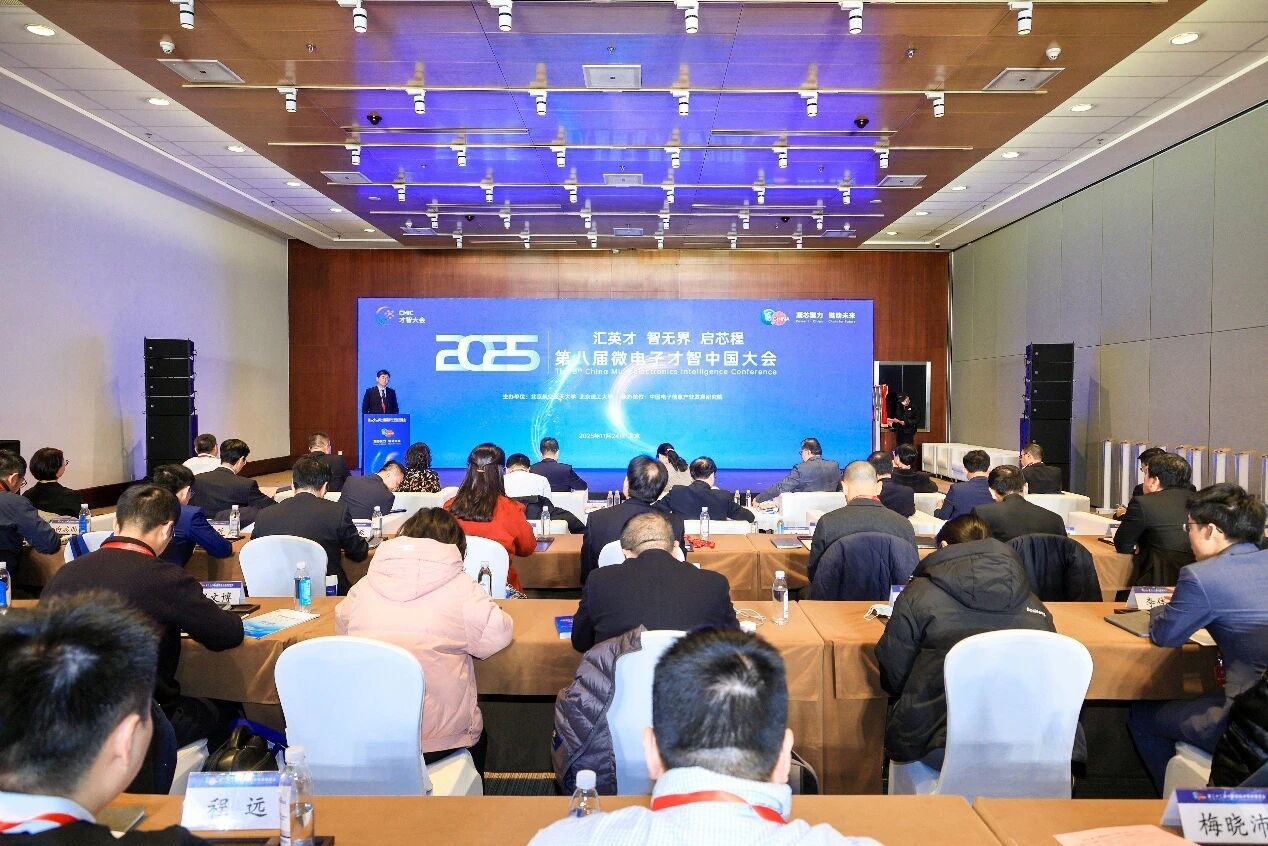 Beihang News8th China Microelectronics Intelligent Conference convenes in BeijingMore
 Beihang NewsBeihang AI Knowledge Center debuts in MexicoMore
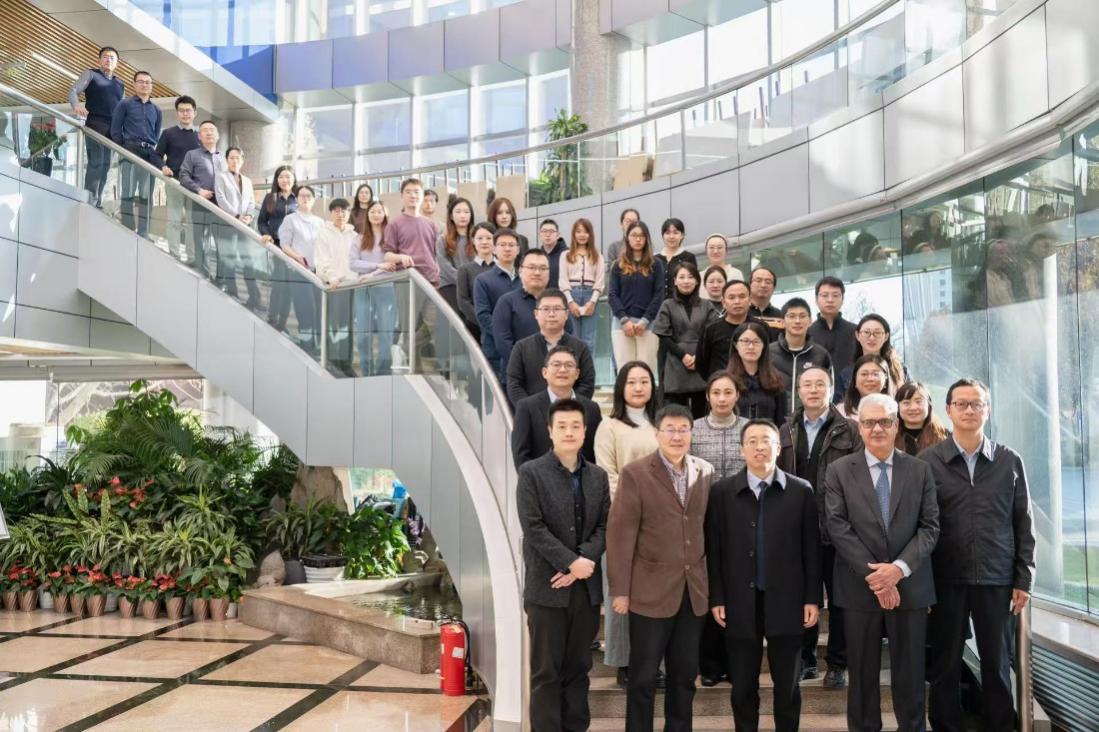 Beihang News18th Enterprise Open Day successfully heldMore
 Beihang NewsProfessor Niu Jianwei elected as IEEE FellowMore
 Beihang NewsTen Beihang professors and alumni elected as CAS and CAE academiciansMore
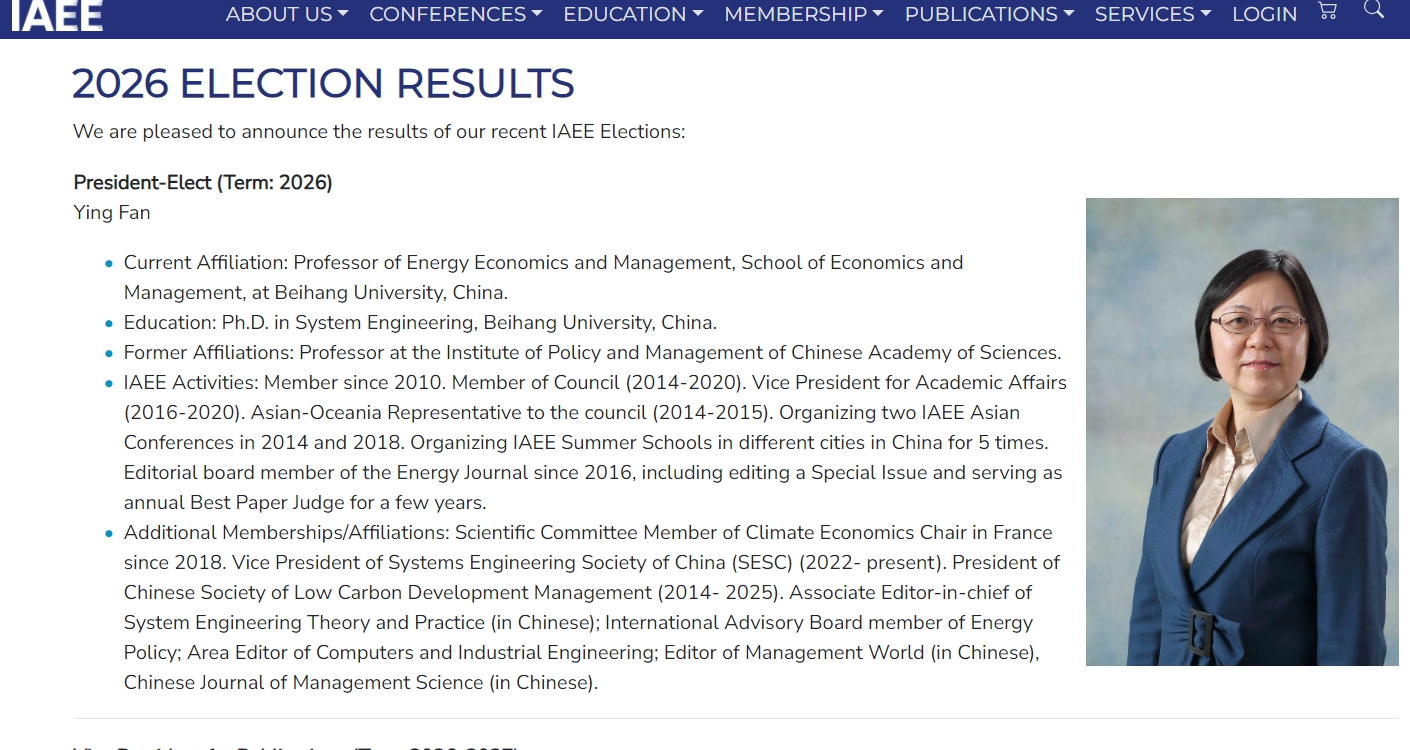 Beihang NewsProfessor Fan Ying named IAEE President-ElectMore